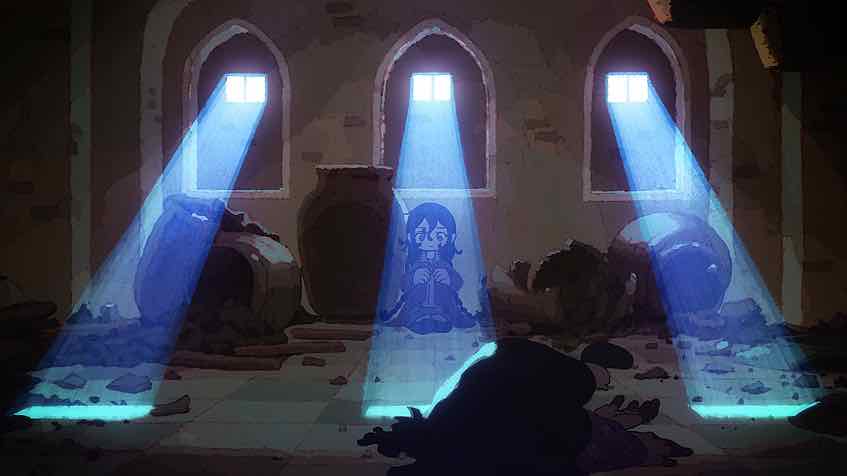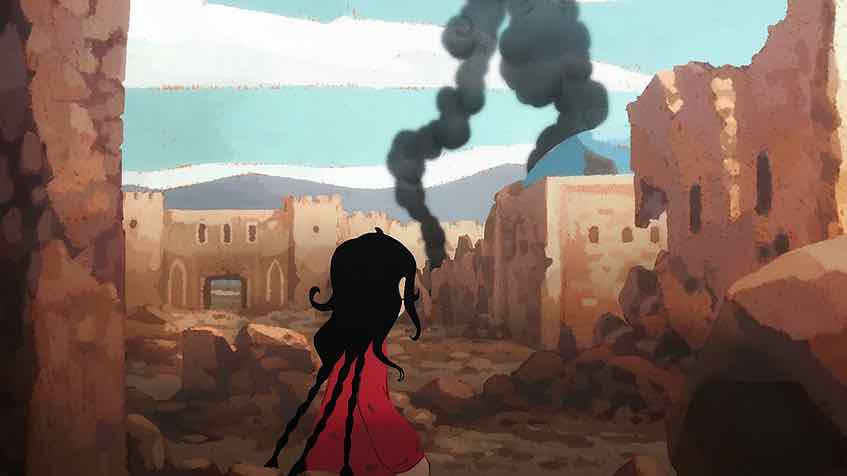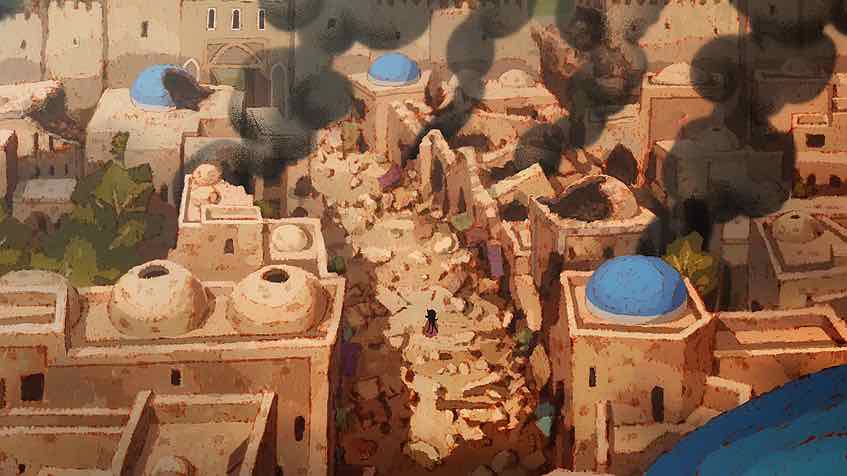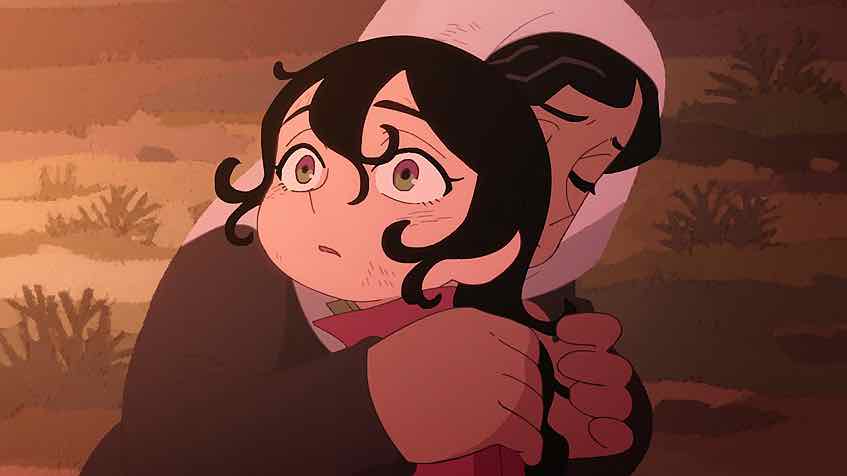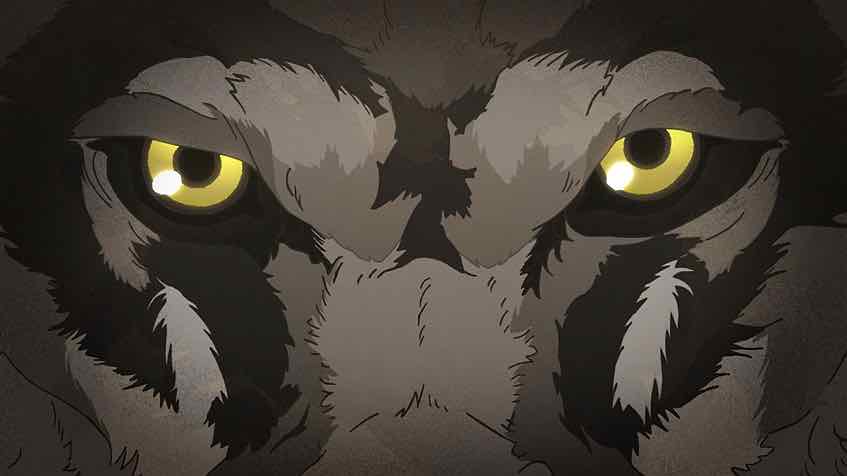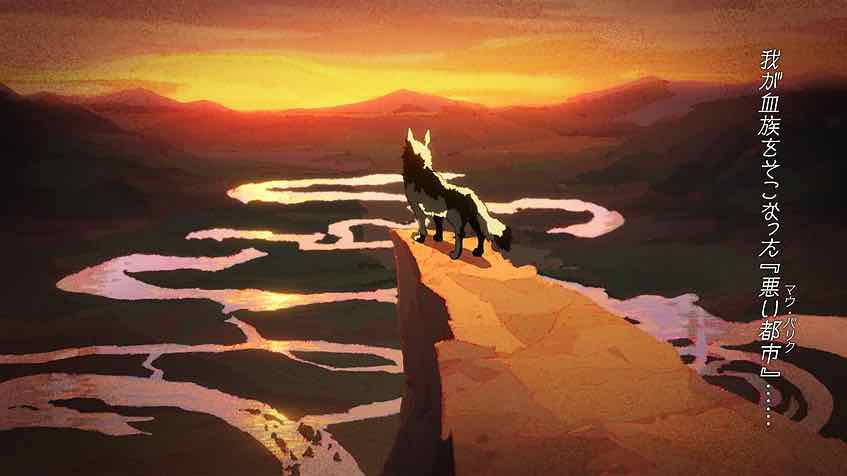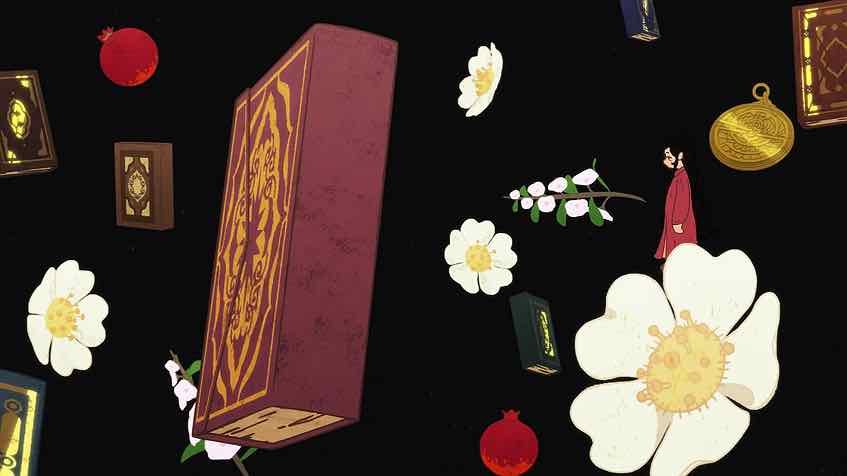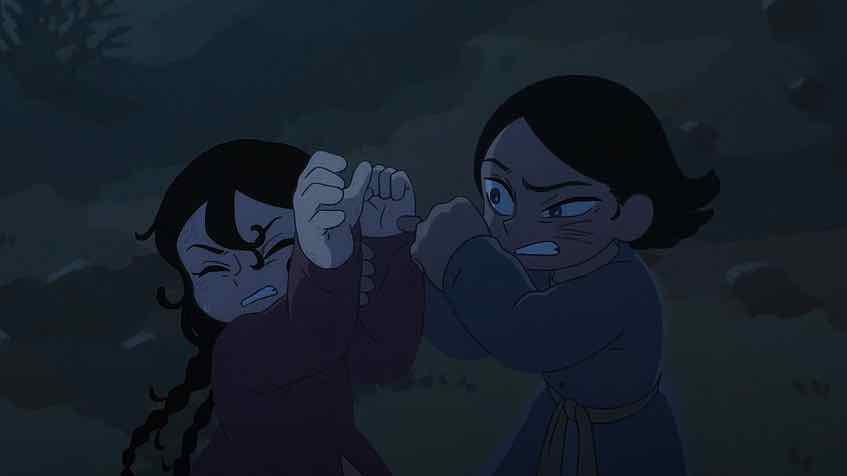




 Ah, the double premiere. They’re all the rage in anime lately, but I dislike them for an admittedly selfish reason. Premiere week is hell for me as is, especially in a season with 20+ potential candidates like Summer 2026. To the larger question of whether they’re a good way to intro a show, I think I would answer that they can be. I think they (and even longer ones, like Vinland Saga or Oshi no Ko) work better when they’re setting up the series with a self-contained prologue. That’s not really the case with Tenmaku no Jaadugar, but the contrast between the first and second episode does provide a pretty impactful prospect.
 There’s a lot to unpack with this series, generally speaking. A Witch in Mongolia is much-lauded – it was nominated twice in a row for the Manga Taishou (it’s a big season for the Taishou). Science Saru has been on a roll lately, and they put their new top gun – Yamada Naoko – in charge here. Along with Abel Góngora, the Spaniard who’s risen as high in the anime industry as any foreigner. I have a mixed history with Yamada. The Heike Story was an abomination and I’m not a big fan of any of her KyoAni series work, though those are more the fault of the material. Koe no Katachi was very good but I preferred the manga, as the movie brutally excised anything of substance involving the supporting cast.
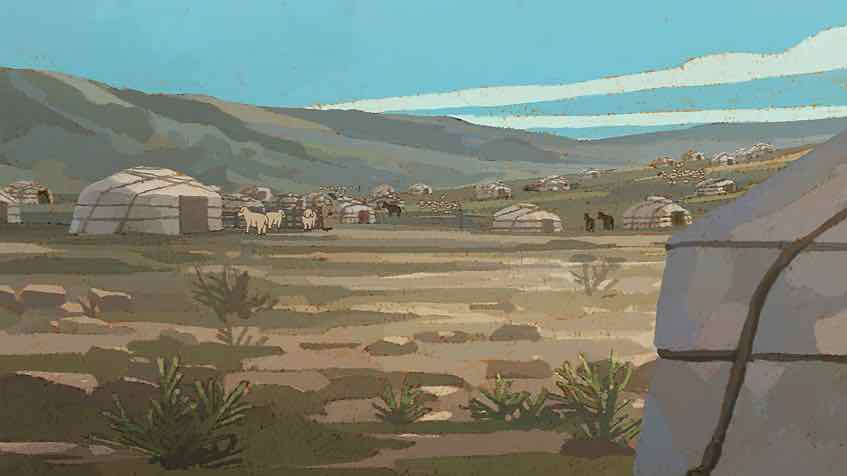
 Then we have the Jaadugar manga itself, which I’m likewise not a huge fan of – though I didn’t read all that much of it. I’ll address the elephant in the room first, as I prefer to do in these cases. “Good slavery” is one of those animanga obsessions I really detest (nice yakuza is another). There seems to be a particular Japanese desire to whitewash slavery for some reason, judging by the popularity of stuff like Mushoku Tensei. The slavery here takes place in 13th Century Iran, in the ancient city of Tus (Tous). And there’s absolutely zero question that it’s romanticized unapologetically.
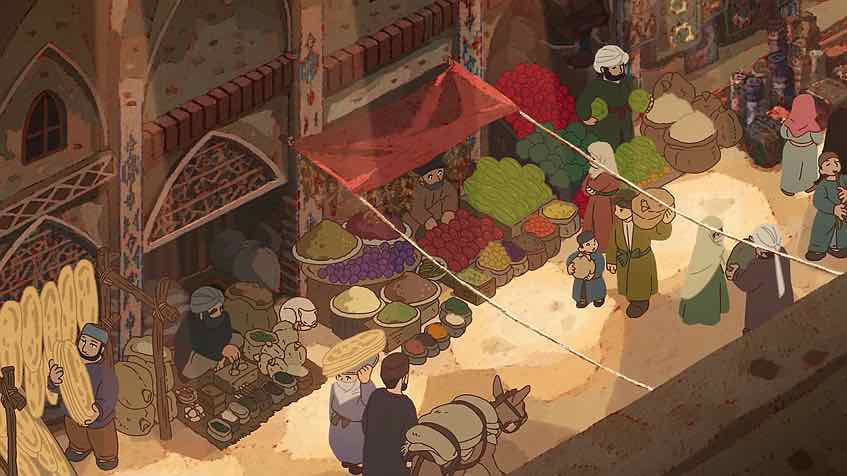 This is, in a word, complicated. There’s a historical context here, for starters – slavery obviously existed in this time and place. And there’s a somewhat widespread romanticizing of slavery in the Islamic world to begin with, now largely discredited by historians. Yes, there were certain scriptural tenets governing the treatment of slaves in the Quran. But slaves in the Muslim world were mostly treated just as badly as slaves everywhere else. That Jaadugar tries so hard to draw a distinction between “good” slavery and “bad” (in the Mongol Empire) slavery is problematical for me and I make no bones about it.
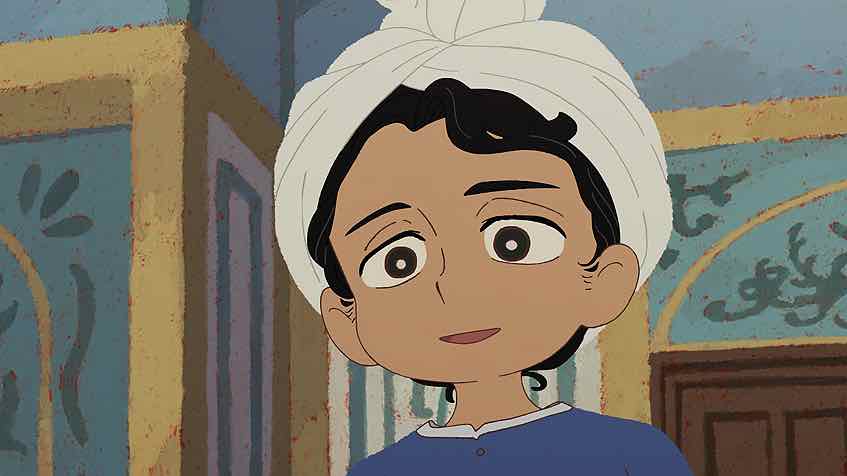
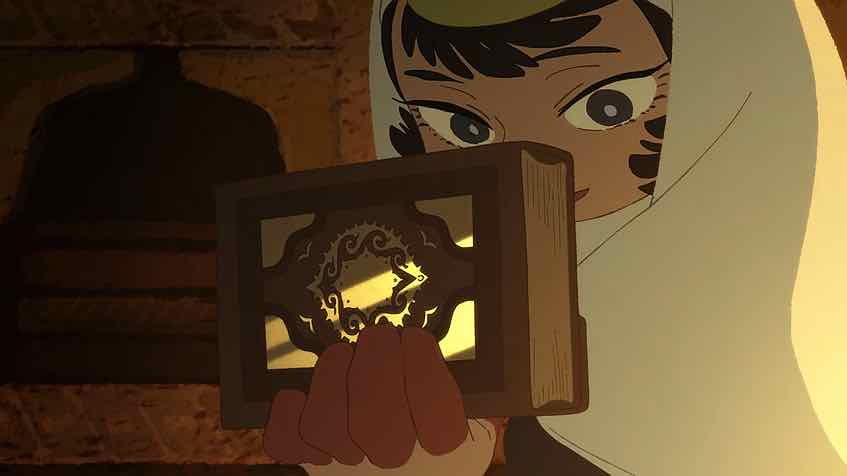
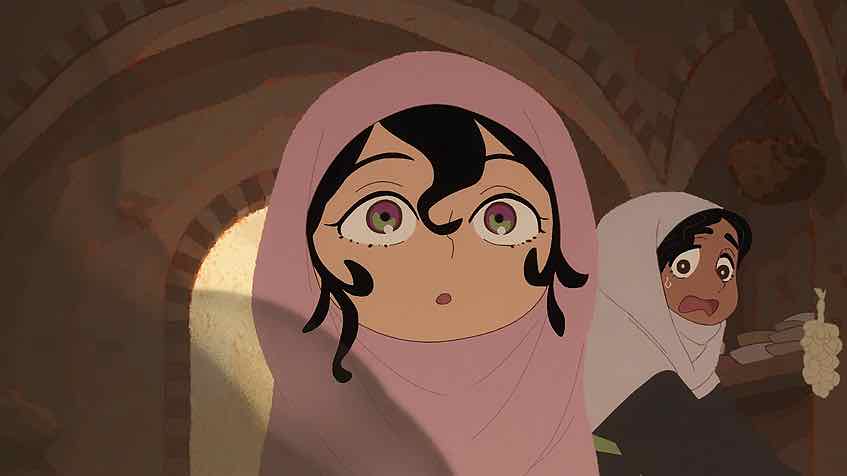
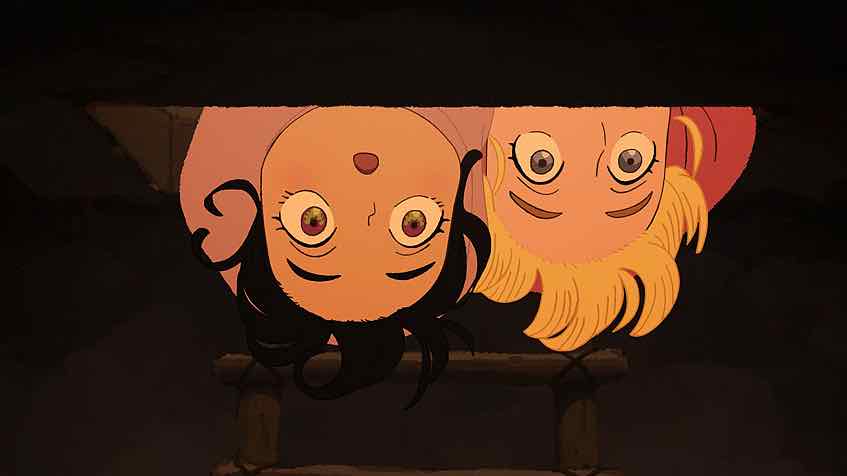
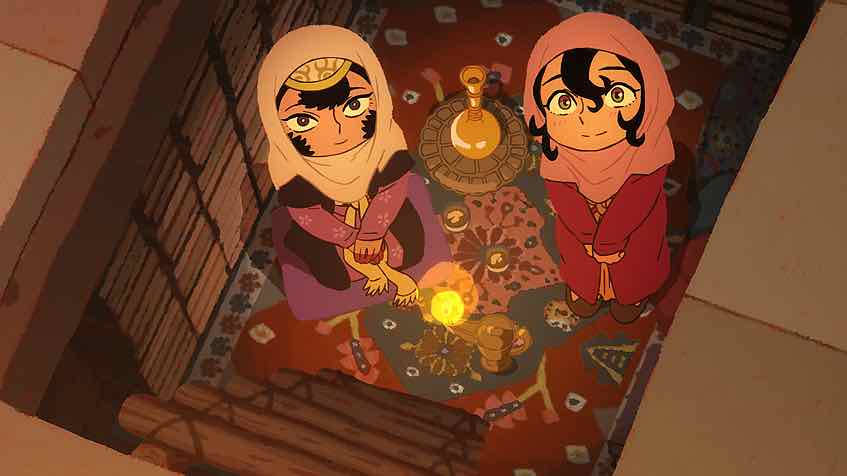
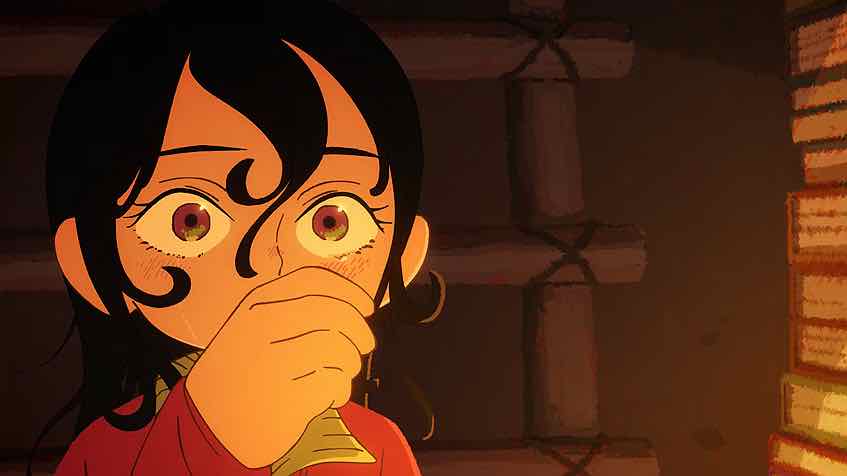
 I didn’t discuss this is the season preview quite intentionally, because I didn’t want to predispose any new viewers impressions of the anime. Now that it’s out there everyone can make up their own minds about this issue, and whether is bothers them. What I can say is that as objectively as I’m able to judge, these two episodes are very good indeed. The visuals are extremely faithful both to mangaka Tomato Soup’s (I’ma guess that’s a pen name) odd art style, and Saru’s signature look. That tells you they were a great fit to adapt this work. There’s some very nice casting too, like getting actual teen Saitou Jun to voice Muhammad and Miyu Irino the young translator Shira.
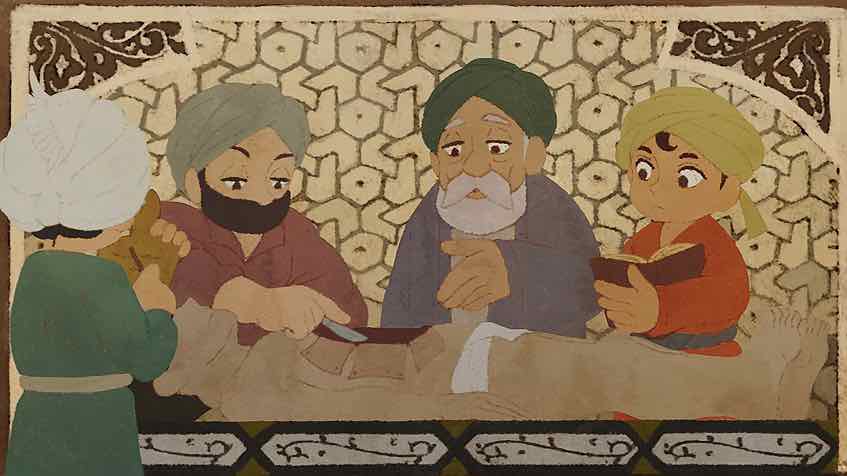
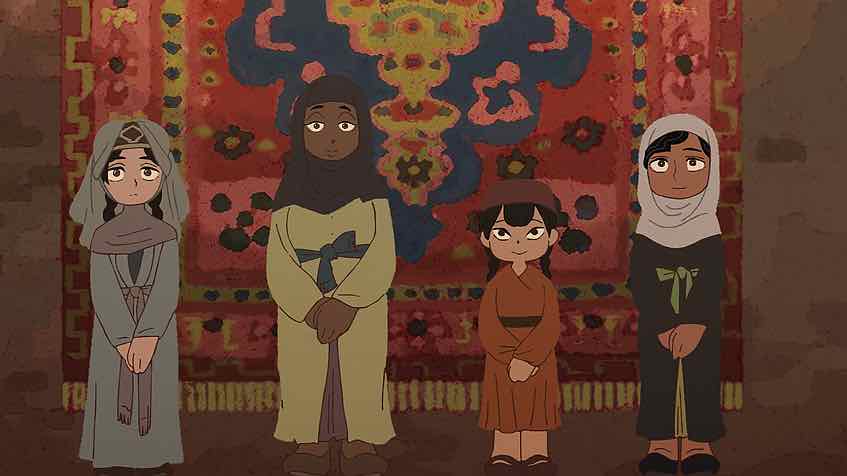 There’s other important historical context here beyond just the slavery issue. In the 13th Century, which was smack in the heart of what we Westerners grew up calling the “Dark Ages”, scholarship in Islam was miles ahead of in the Christian world. The role of women in the Mongol Empire, as compared to the Muslim and Christian worlds, is going to be an interesting plot point. It’s also worth noting that while we were barely taught about it, the Mongol Empire was (by far) the largest the world has ever known – the Iranian Plateau was only a tiny sliver. Animanga and gaming fans will be aware that it extended all the way to the Sea of Japan and, very nearly, Japan itself.
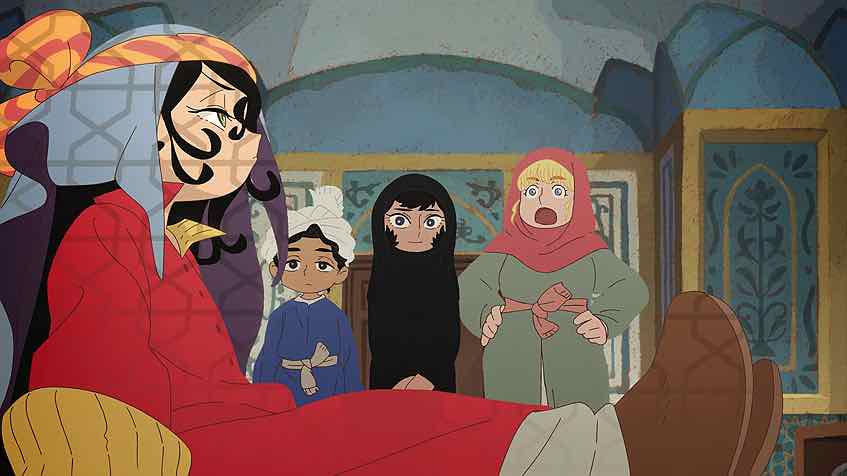
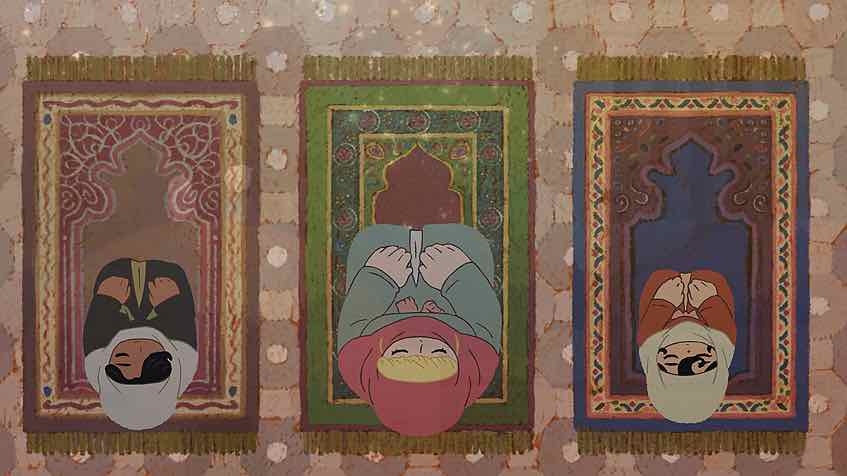
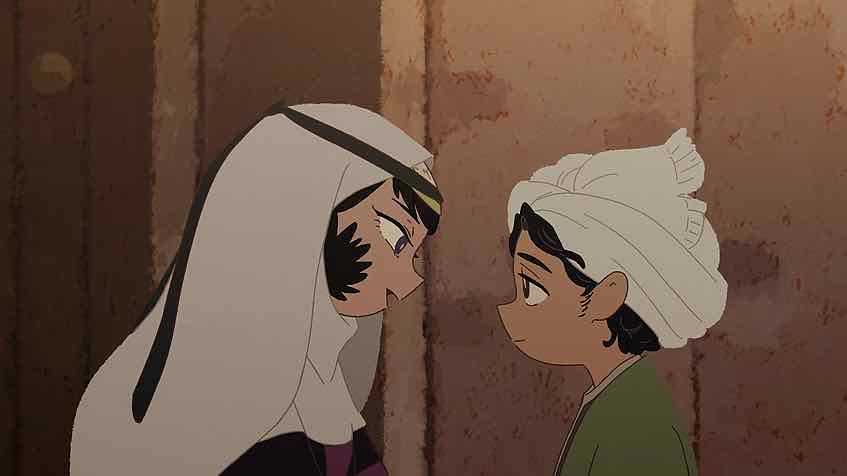
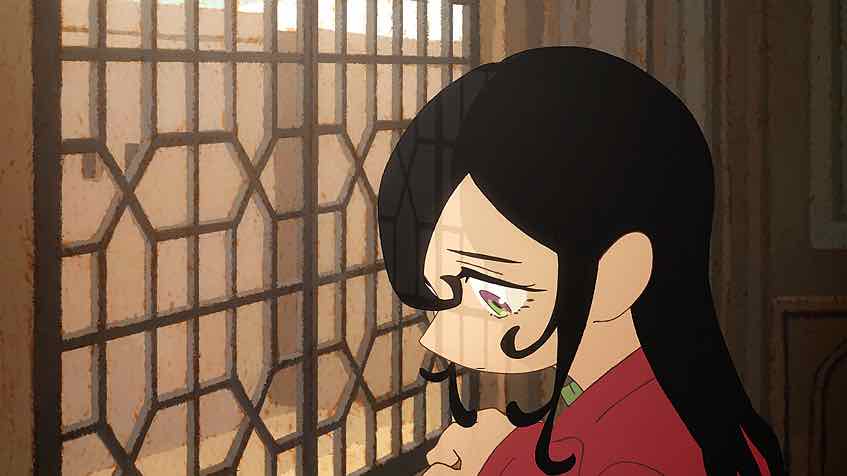
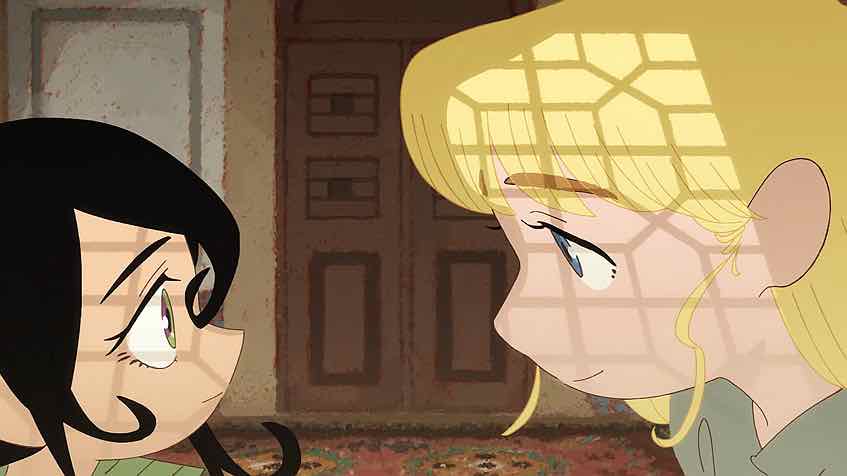
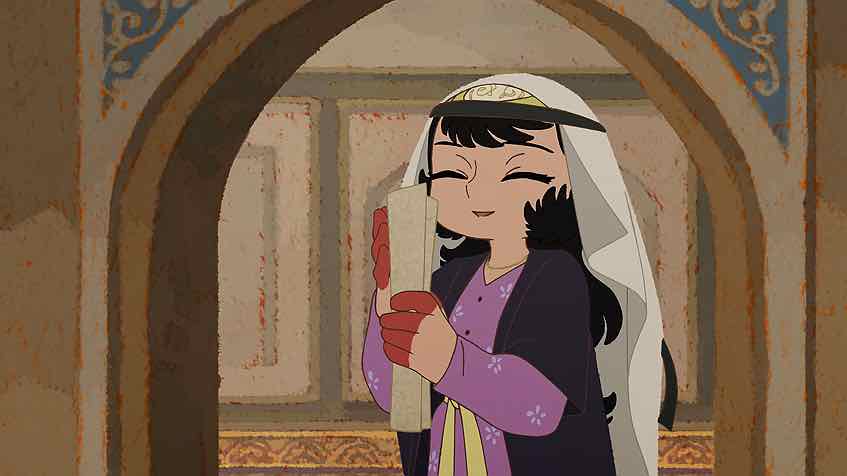
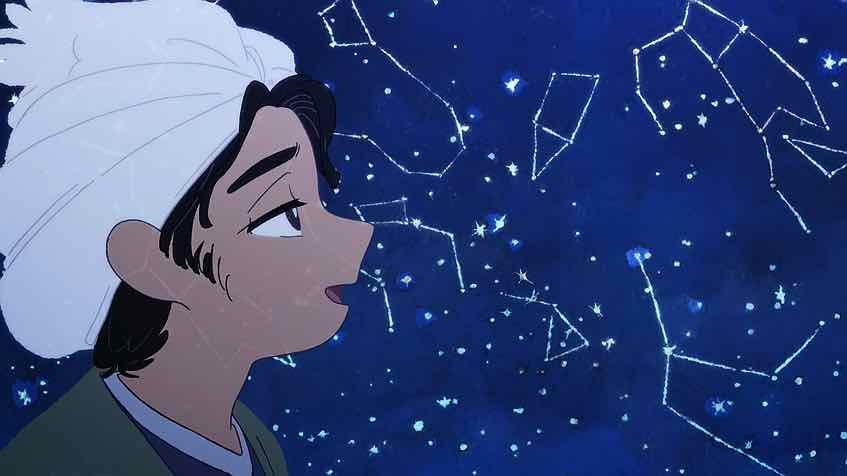
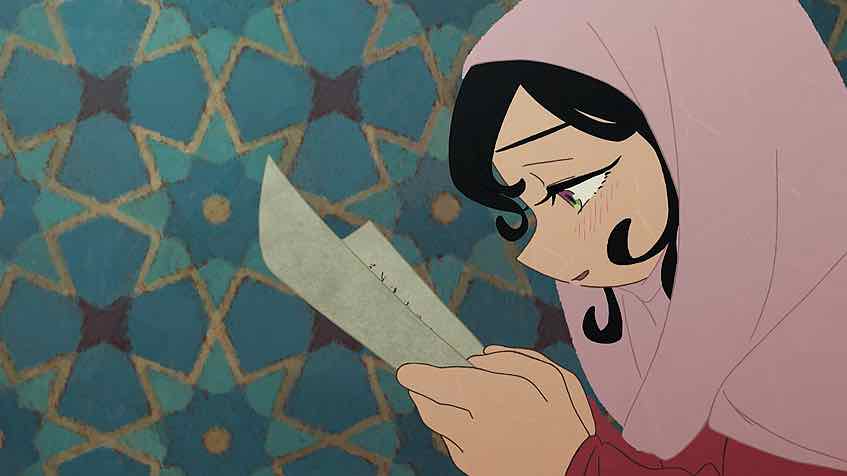
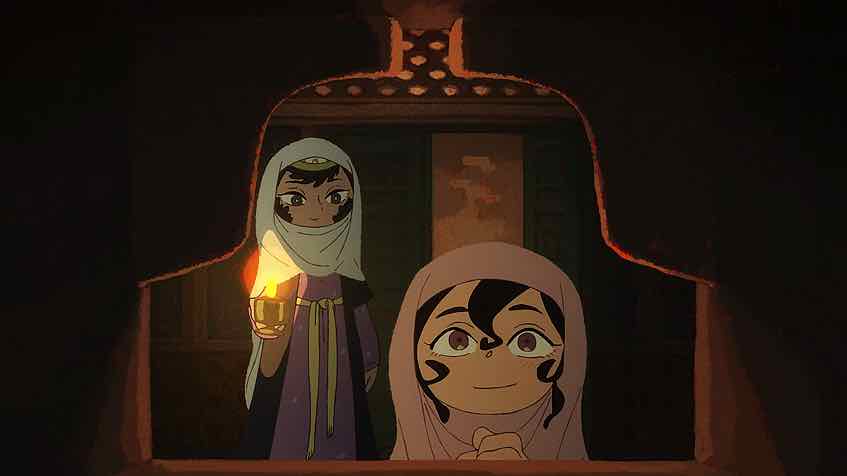
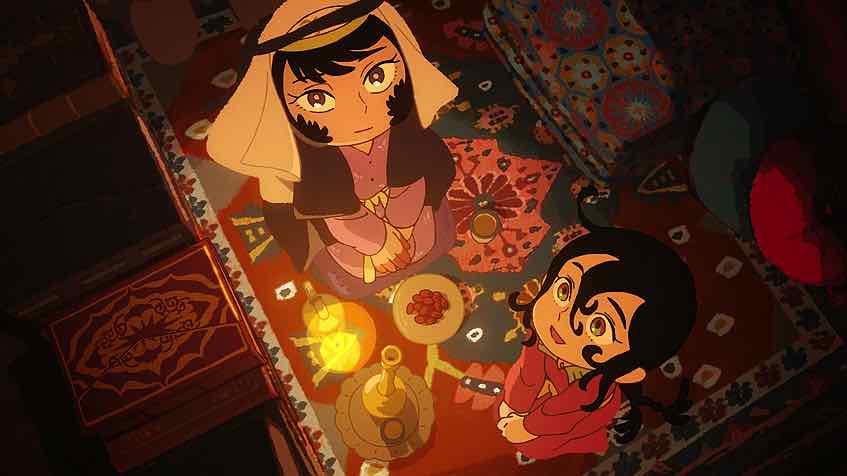
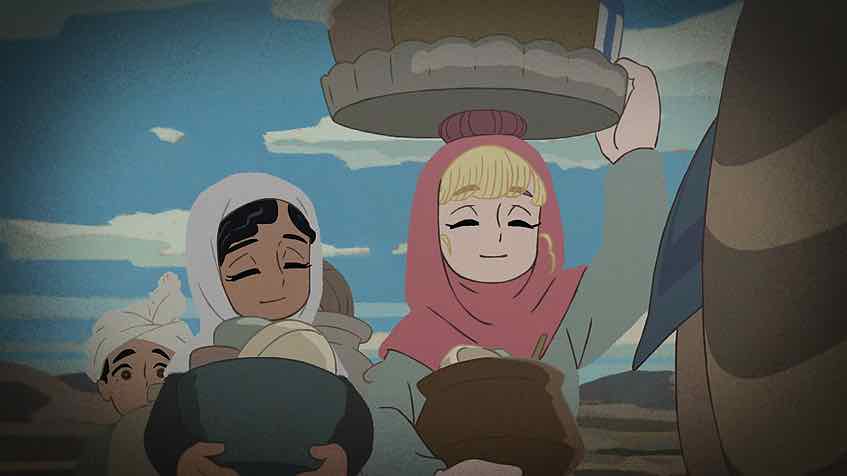
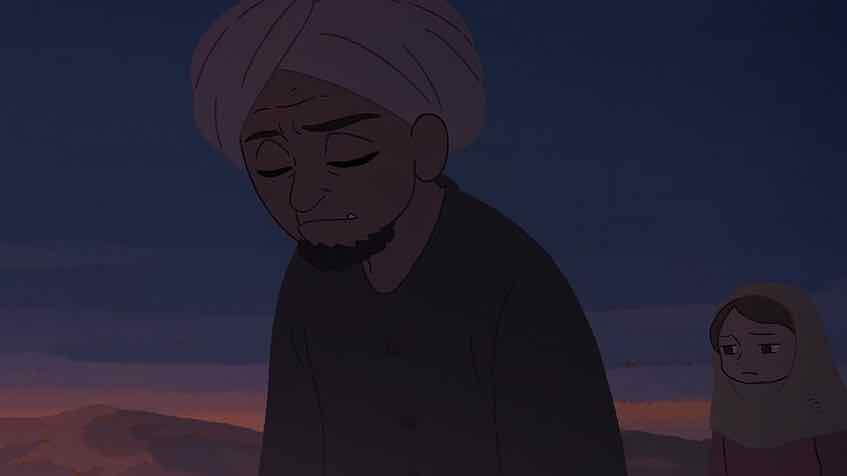
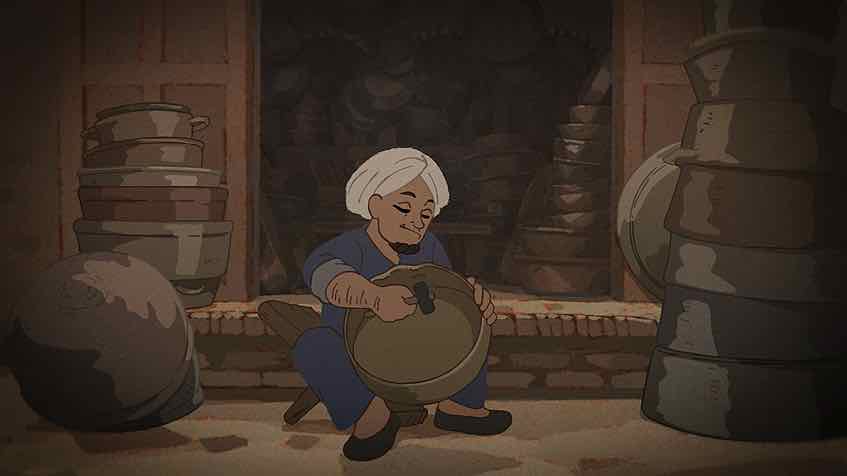
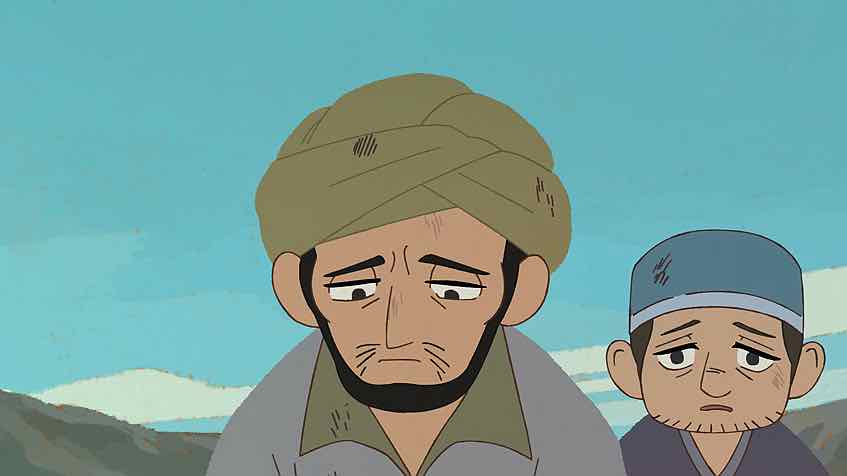
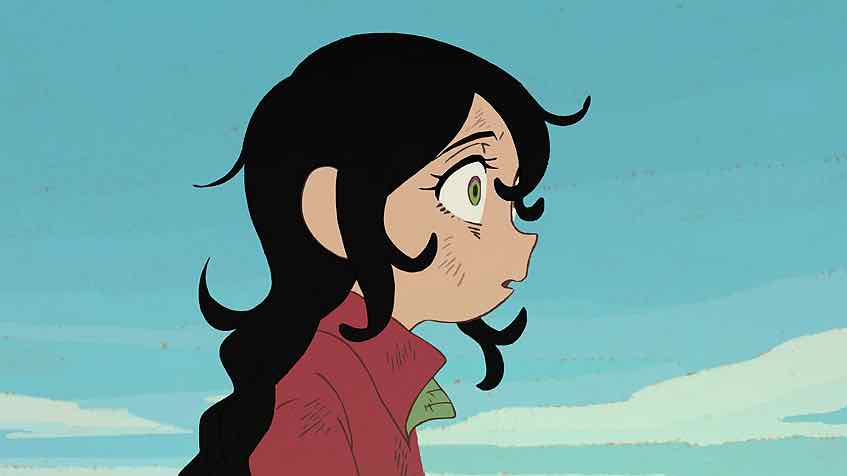
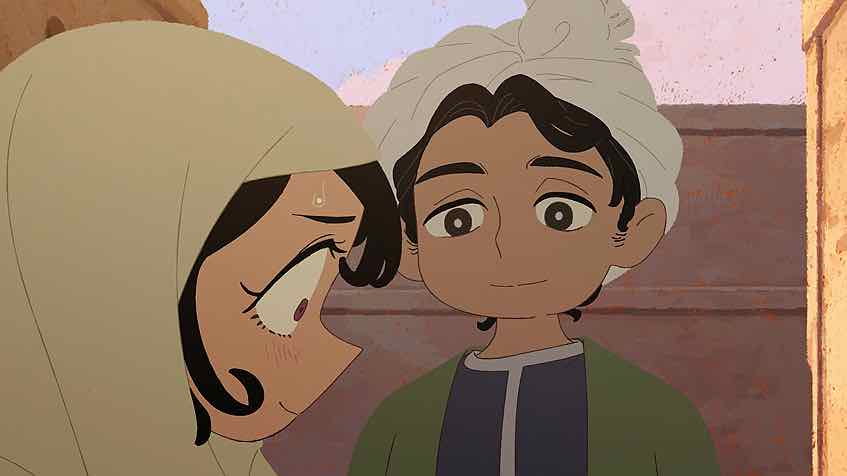
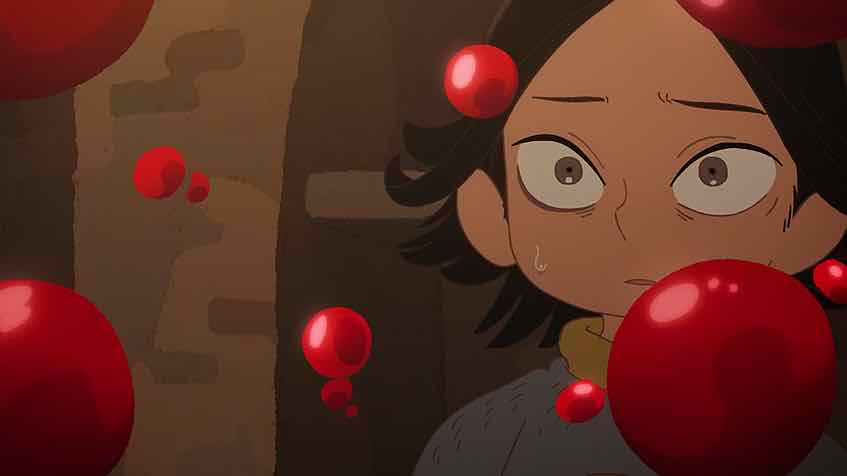
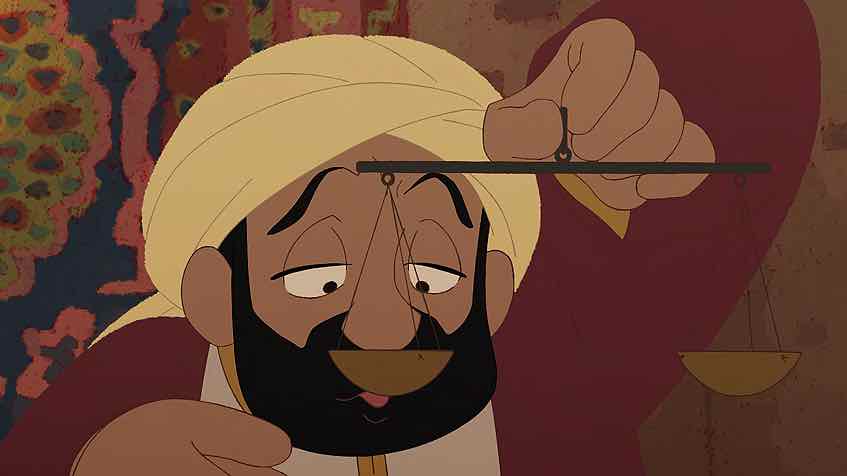 The heroine, Sitara, was indeed a slave. Eventually she was brought to Tus and when her future mistress Fatima bought a new household slave, the slaver gave her a discount if she would take Sitara in and educate her. Fatima’s was a scholar’s household – her recently-departed husband a prominent one, and her brother a teacher. Fatima’s 12 year-old son Muhammad was a star pupil, curious and insightful. Kind, too – he immediately takes to Sitara and encourages her to better her existence by learning. Eventually he leaves for Nishapur, in the northeast of Iran, a city known for higher learning.
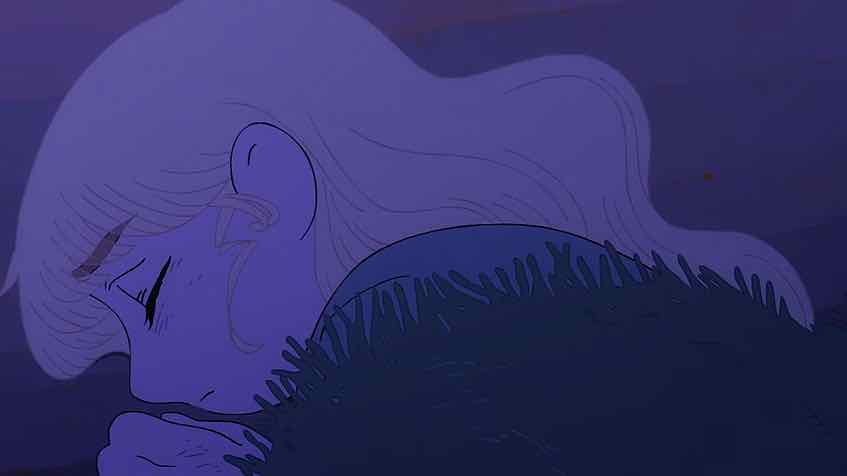
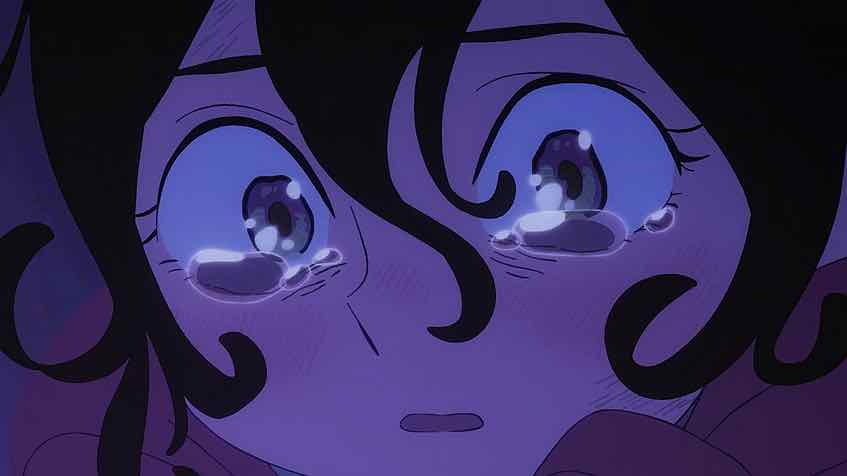
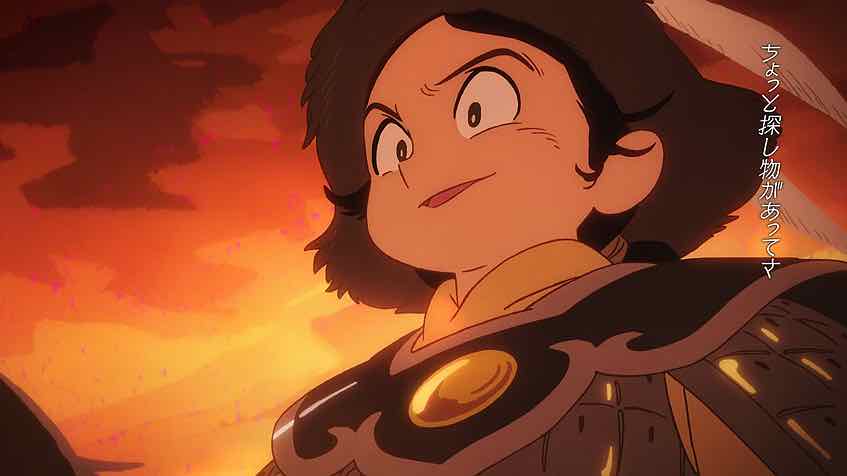
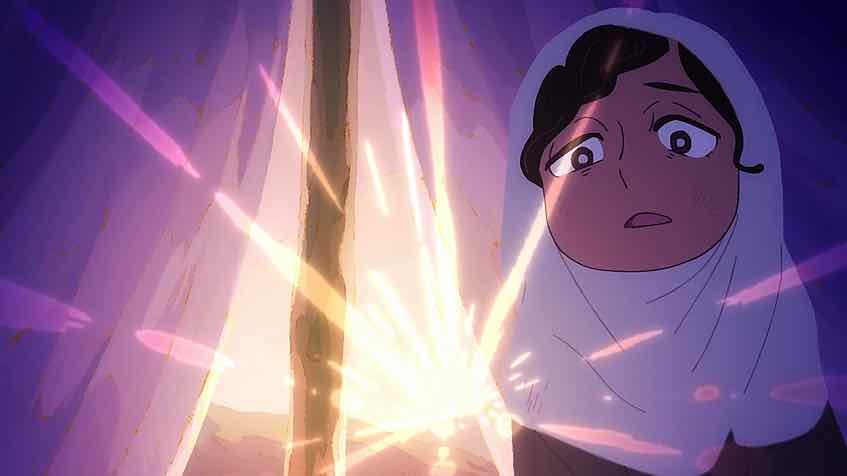
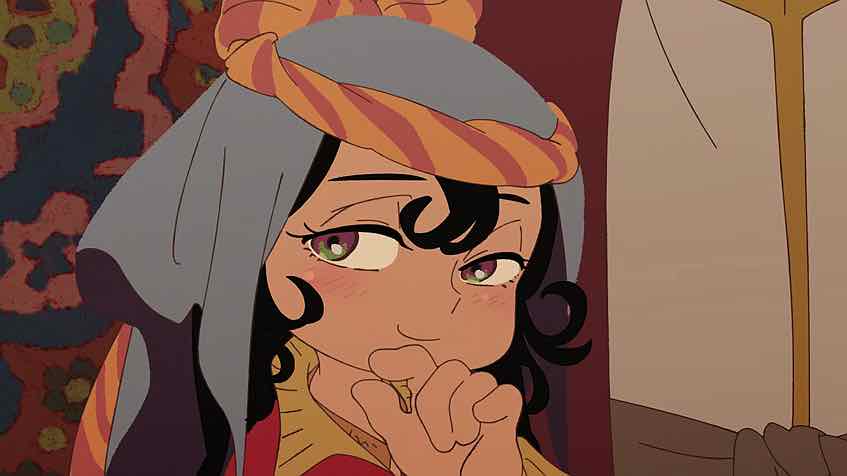 Muhammad and Sitara would never see each other again, though they’re the two primary characters in this series who are based on real historical figures (she under a different name). Eight years after he leaves Tus the city is sacked by the invading Mongol horde who – unbeknownst to the heroine and her owner – had already destroyed Nishapur. If the premiere depicts the live of slaves in frankly idyllic fashion, the second episode embraces the brutality of the Mongols unreservedly. Only the women, children, and skilled craftsmen were spared (and not even they in Nishapur), for their future value as slaves and breeding stock. Sitara’s life after her capture is anything but idyllic.
 In a sense, then, these two episodes do represent a sort of prologue. The English title is “A Witch in Mongolia” after all, not “A Slave in Iran”. While I have my issues with some of Tomato Soup’s choices, the fact remains that Tenmaku no Jaadugar is a serious work. It’s about real and important things, and themes which anime rarely tackles. It’s also produced in a very skilled and interesting fashion. All these things make it a show that demands consideration, and given that – as I said – I didn’t read that deeply into the manga, I’m curious to see how my feelings for it evolve once we transition into “new” material.