



 If you read (or watched) the season preview you know I have some experience with Otome Kaijuu Caraméliser. I like the manga, quite a bit in fact. I don’t think it’s anything on the masterpiece level but it’s smart and emotionally accurate, with interesting art. But life happens and the scanlations dried up, and I lost touch with it a while back. As such I have both familiarity and reasonably high expectations going in here. But a certain ambiguity too, not least with how an anime would deal with the challenges adapting Otome Kaijuu Caraméliser offers.
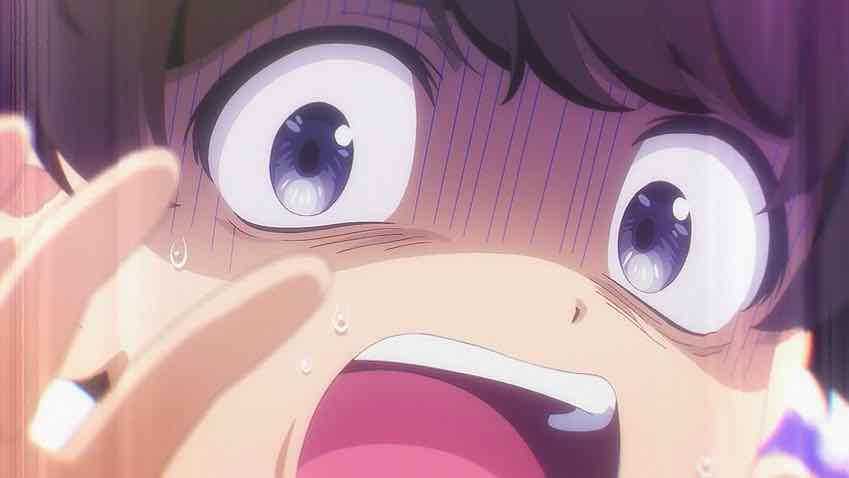 It would be safe to say this premiere exceeded my expectations. It was in a word, excellent. To be fair the manga gets off to a pretty grabby start and that helps. But you still have to capture the essence of it. I was also surprised by how good this looked, given that I wasn’t expecting much budget for a modestly successful seinen manga with an oddball premise. Sure there’s CGI here – that was a given, for the kaijuu stuff. But it’s integrated well enough, and limited to those huge-scale moments. Overall the animation is fluid and sharp and the character designs extremely faithful. The relative unknowns in the lead roles do a very nice job, too.
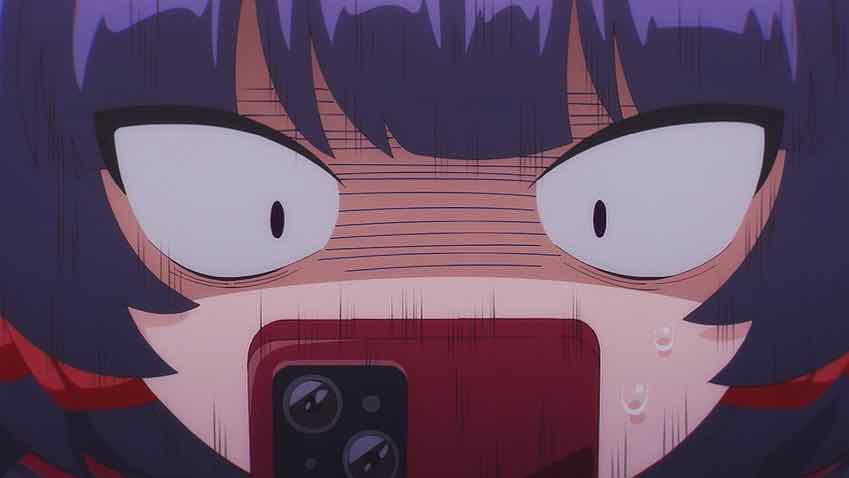
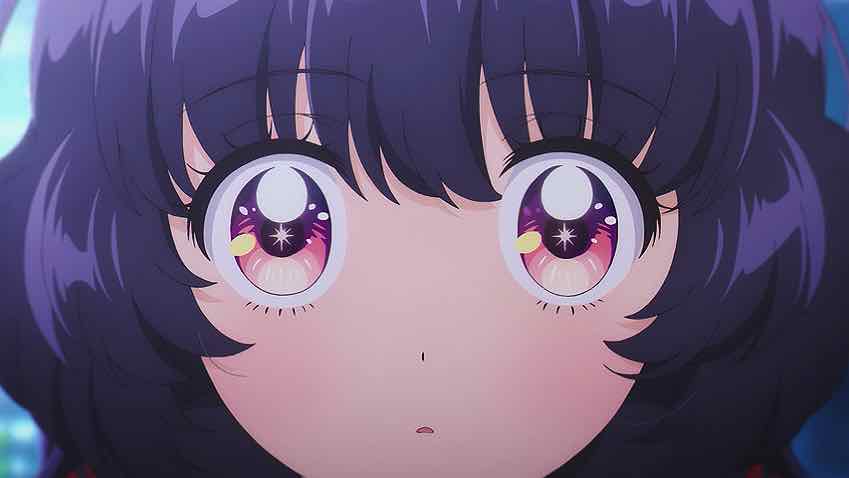
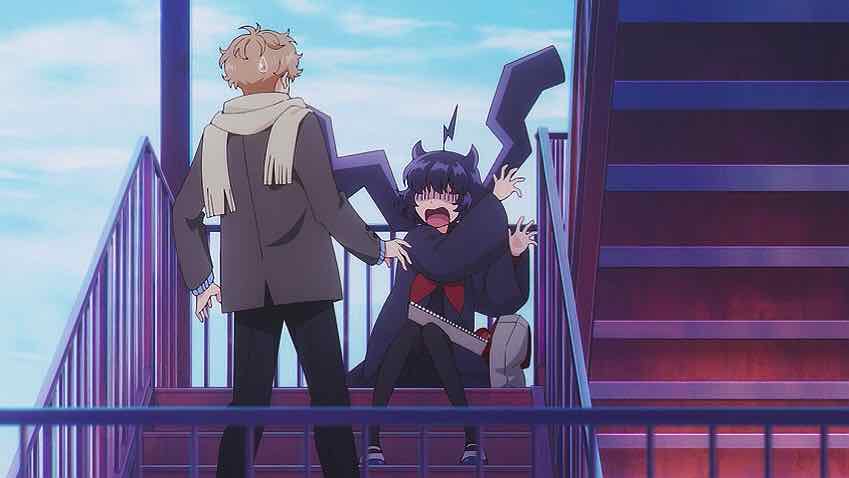
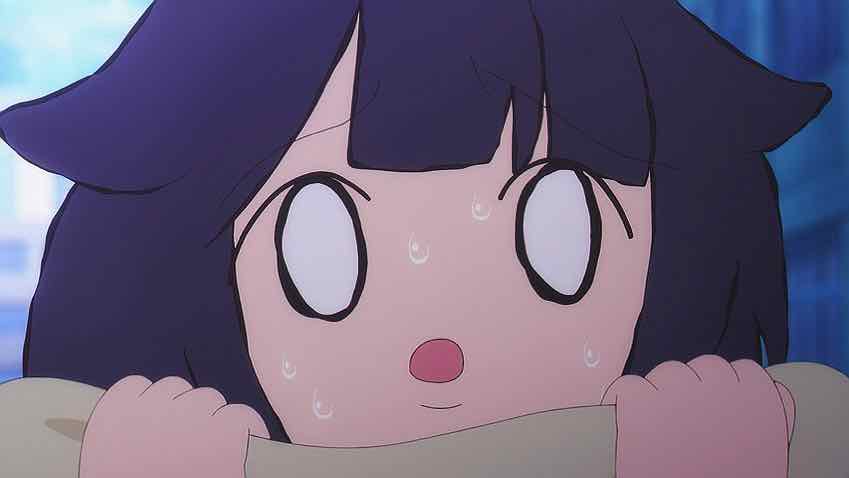
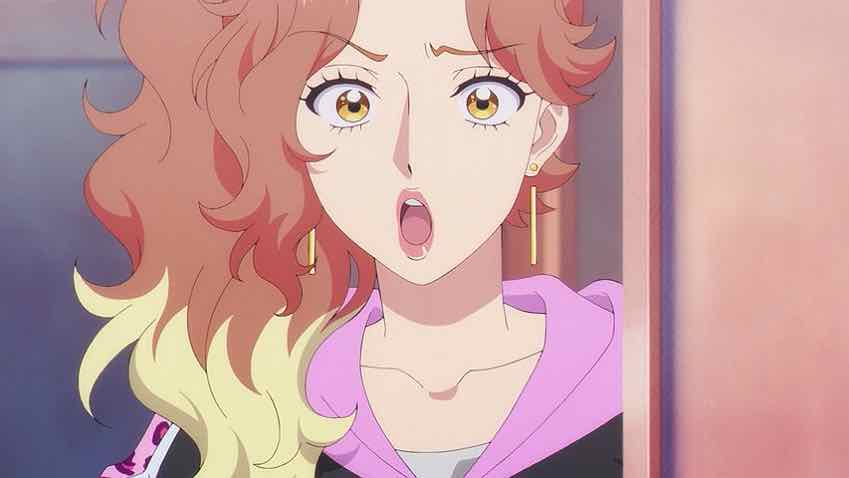
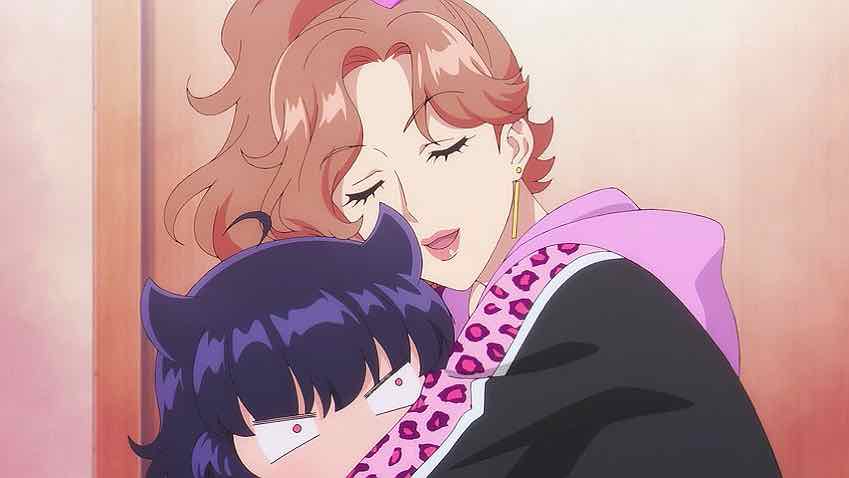
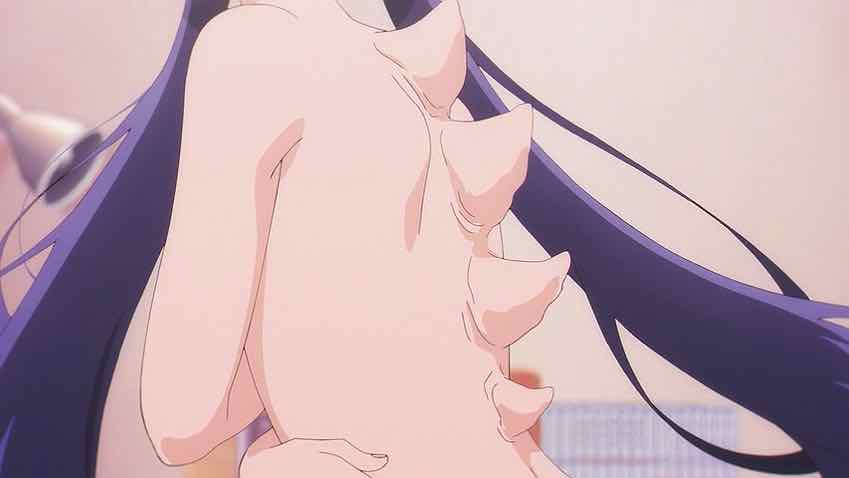
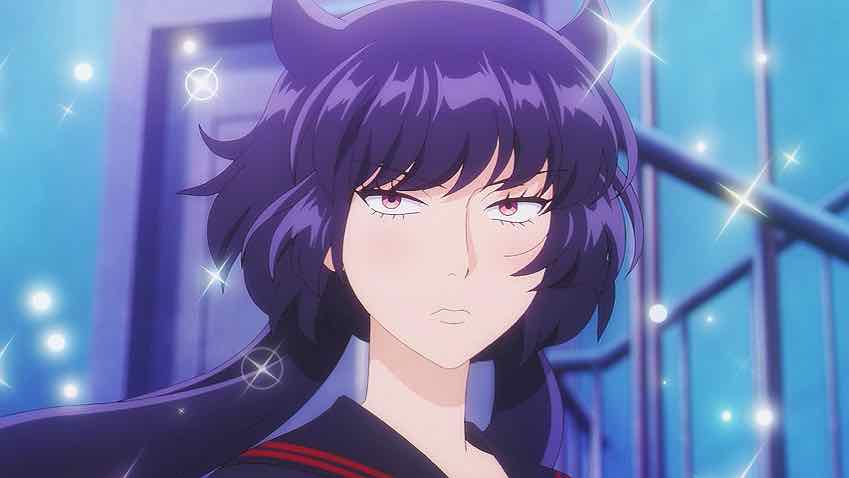
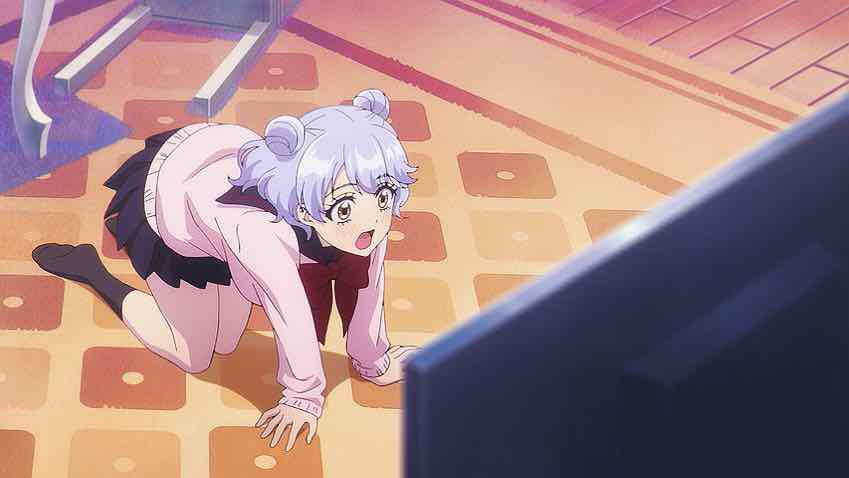
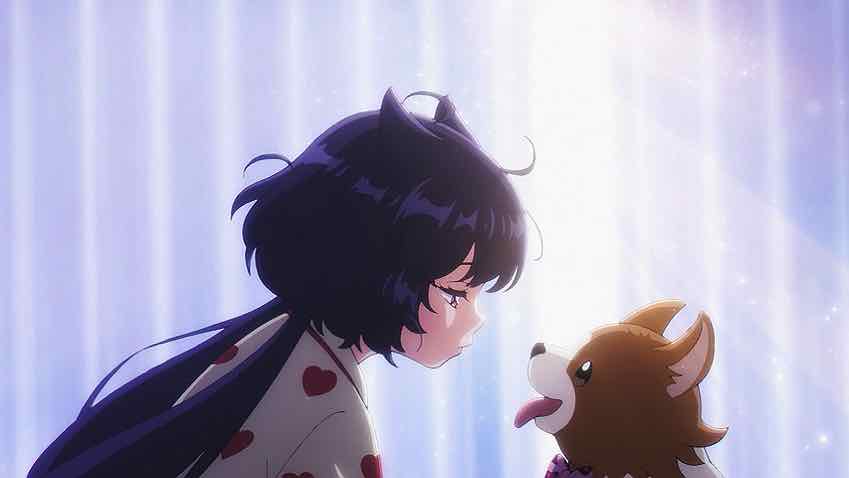
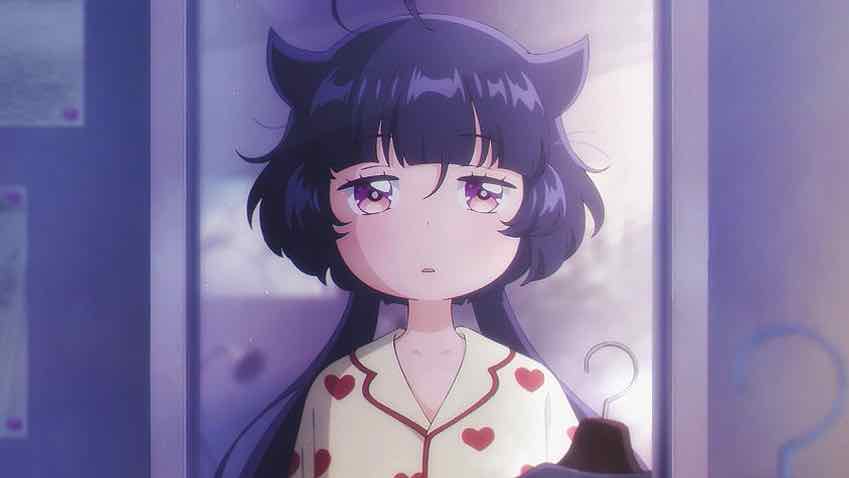
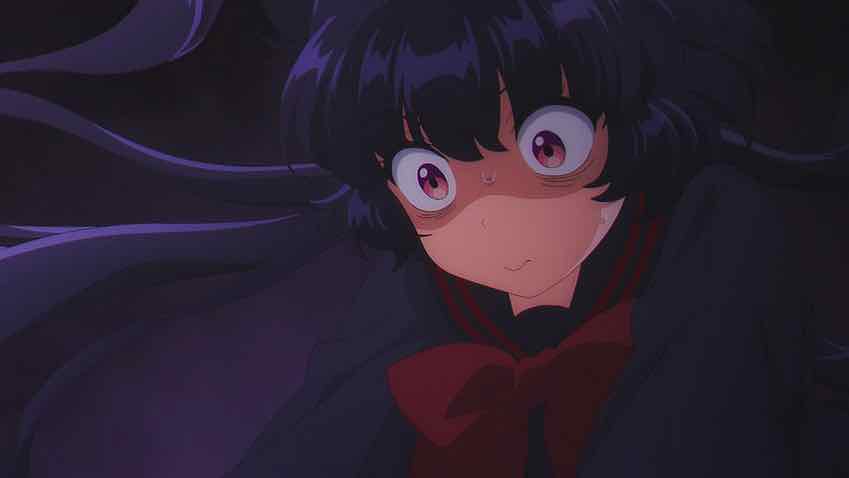
 I liked heroine Akaishi Kuroe from the first page, and the first scene. She’s a gloomy 16 year-old given to goth outfits and death metal music. She’s known as “psycho” at school because she almost never talks. But Kuroe has a very good reason for her isolationist foreign policy. She has a mysterious illness which causes parts of her body to monsterize at inopportune moments – like the first time she told a boy she liked him. Scar tissue builds up quickly, and Kuroe eventually resolves to avoid putting herself at risk of humiliation by minimizing all human contact – something her mom, Rinko, doesn’t discourage.
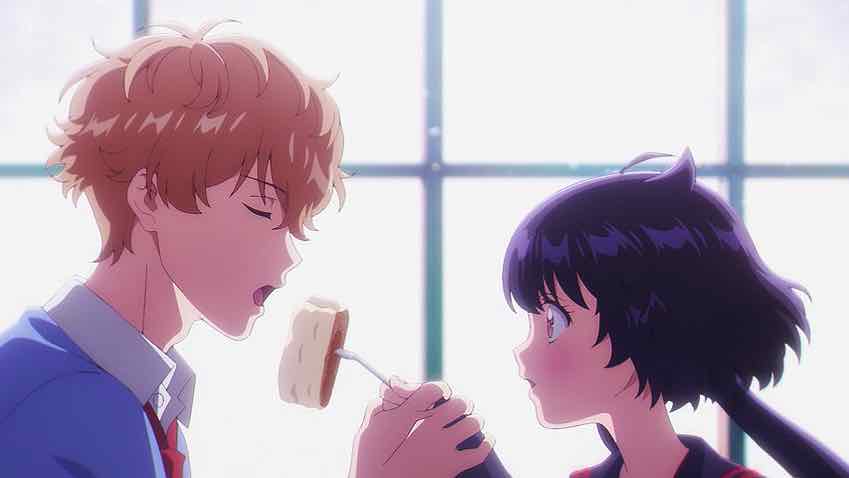
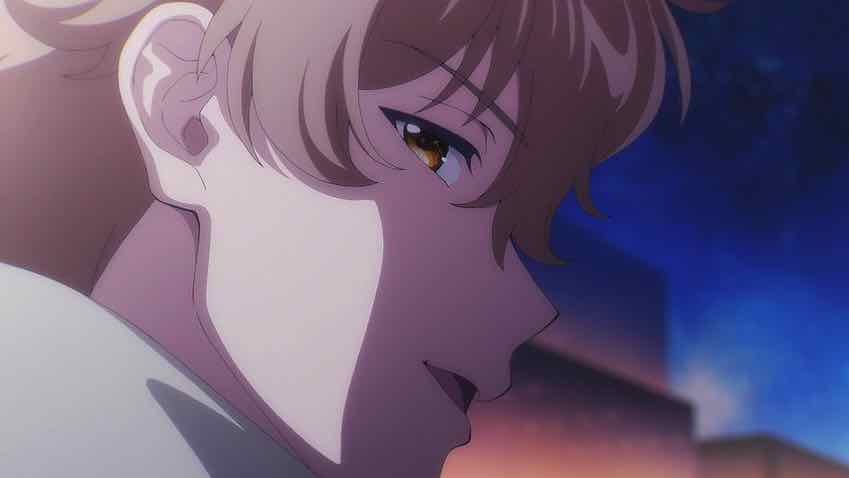
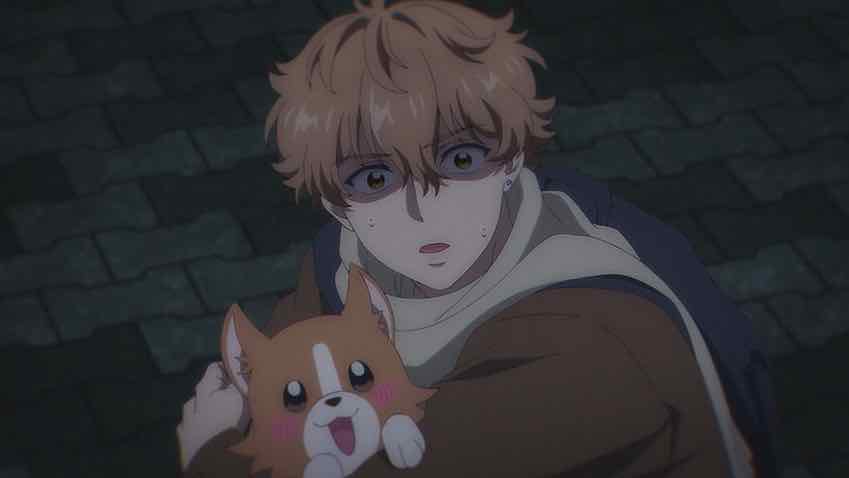
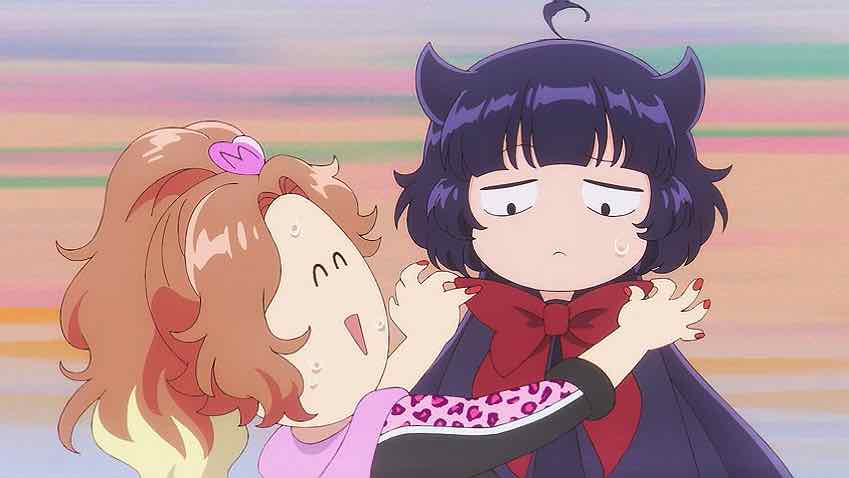
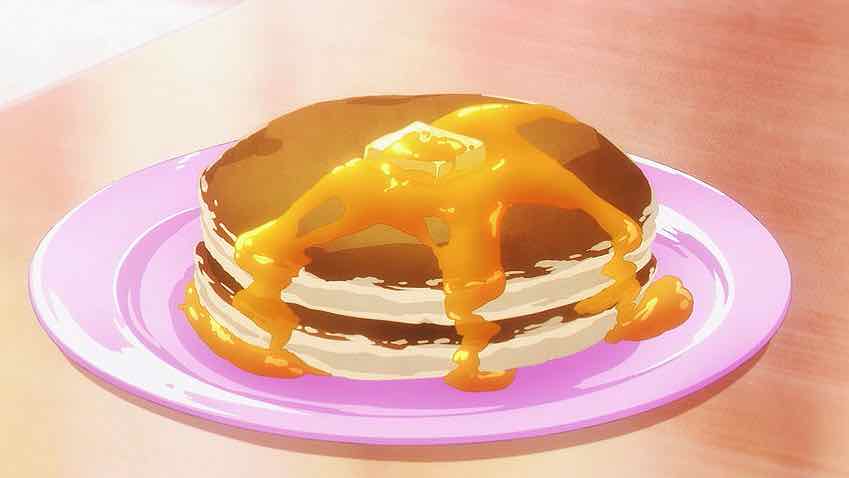
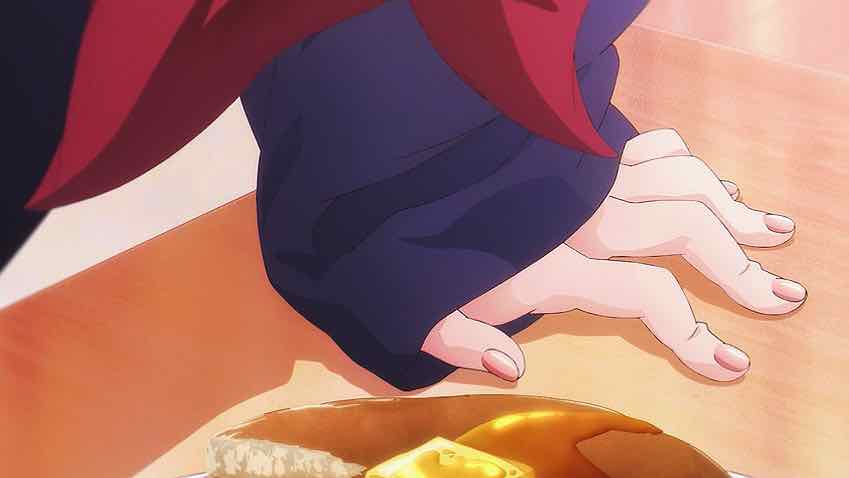
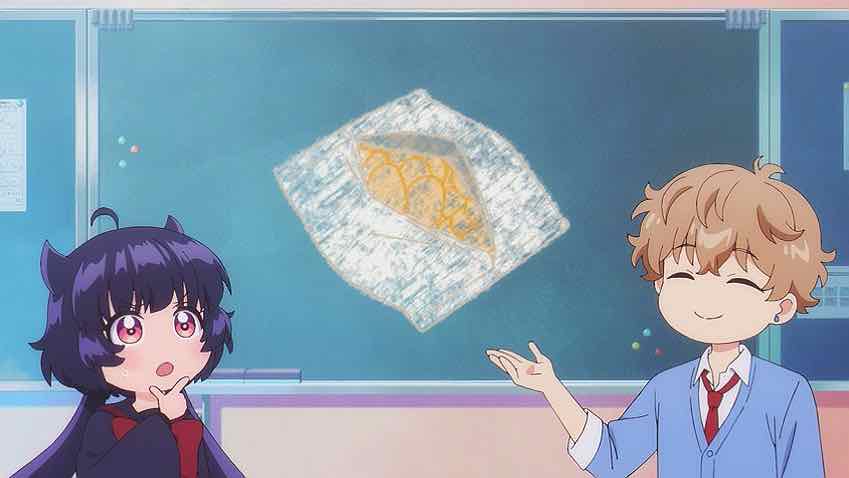
 Kuroe is a normal girl at heart – she loves sweets and tunes and secretly longs for more human contact. It comes in the form of Minami Arata, the bishounen class idol all the girls squee over. When fleeing their attentions one day he strikes up a conversation with a horrified Kuroe on the roof of the school as she’s sketching (studiously disdaining all the colored pencils in her case), resisting her efforts to push him away. Eventually he wears her down by inviting her to join him for some fluffy pancakes that require an exclusive ticket (one only beautiful people at the top of the social ladder have access to, apparently).
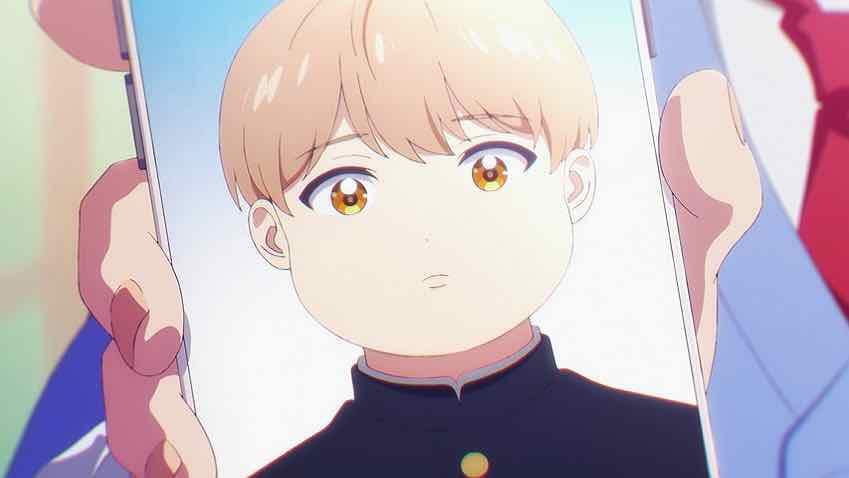
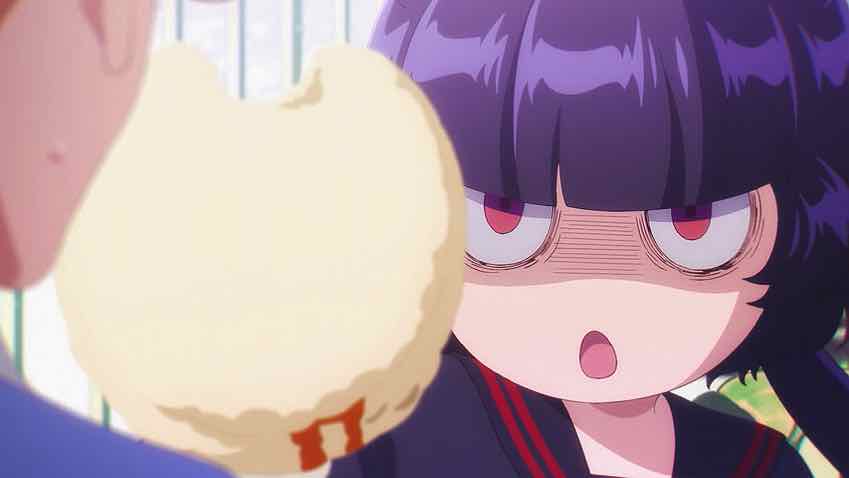
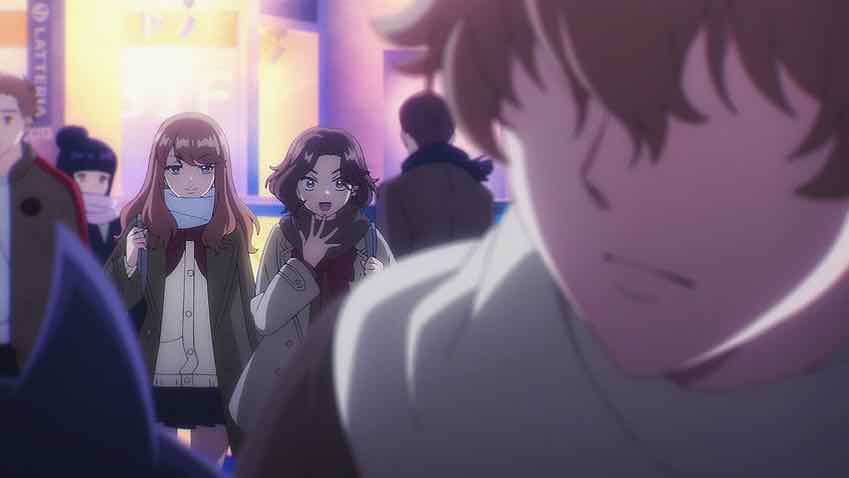
 Minami-kun sells this as a group outing with some friends; when the time comes, it’s just the two of them (make of that what you will). Over pancakes he reveals that he was a chubby in junior high, and lives in fear of going back to those days even as he rails against the shallowness of being liked for his looks. Kuroue orders him to eat and scolds him for disrespecting his fans by being dishonest about his desires. On the way home the ringleaders of the popular girl crew spot them together, and immediately proclaim that she must be stalking him. But Arata makes it clear that he’s with Kuroe very much by choice.
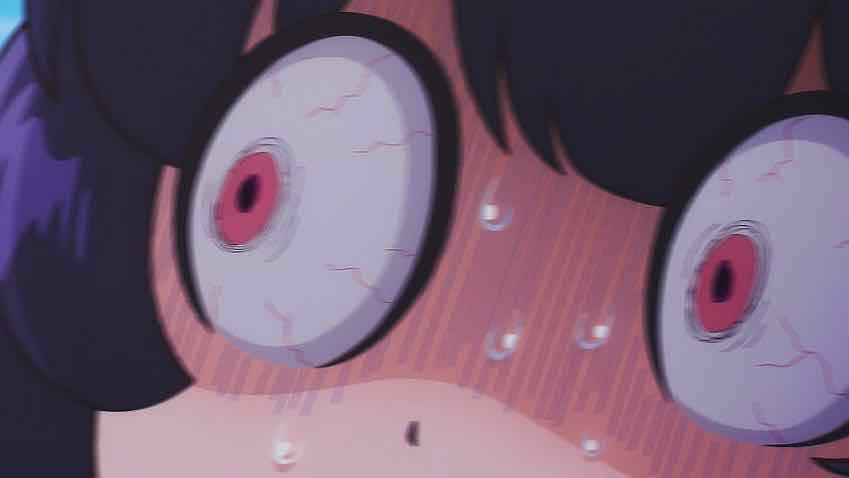
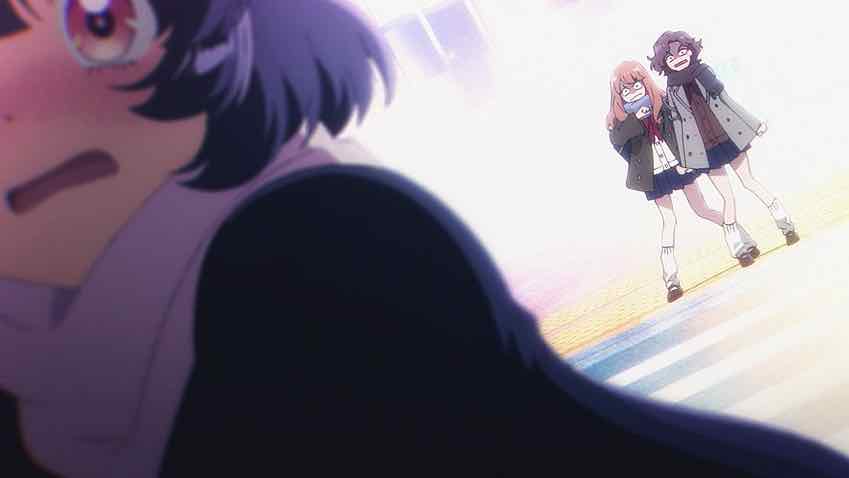
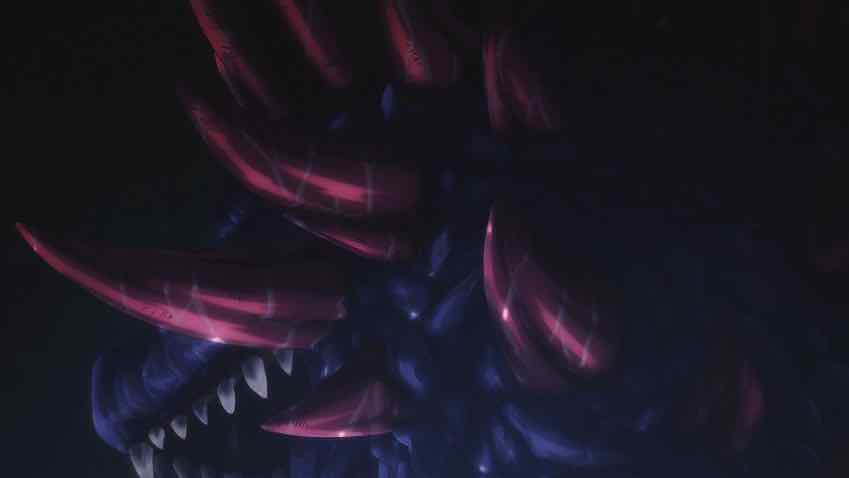
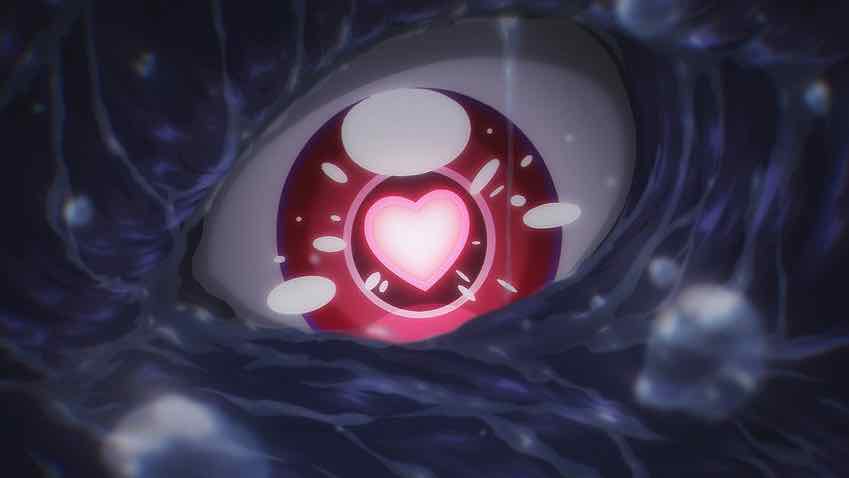
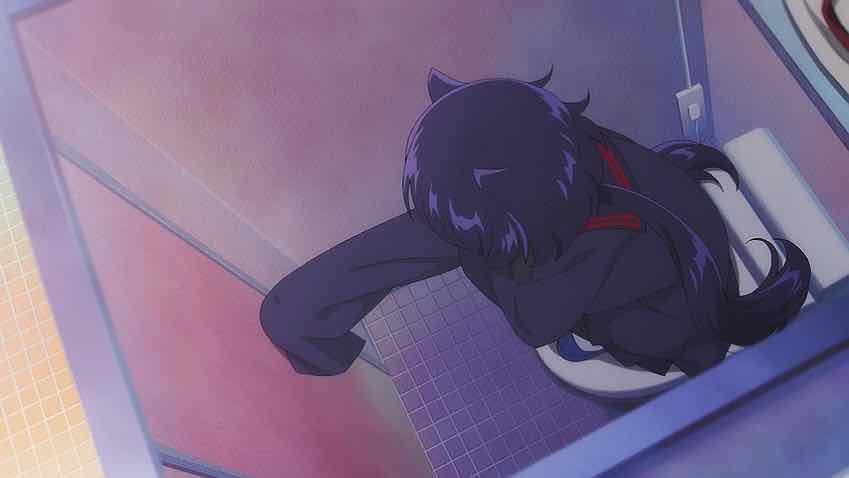 This is enough to trigger full transformation – as in JSDF helicopters, dramatic BGM, the whole shebang. Rinko (who obviously knows a lot more about all this than she’d been letting on) speculates that it’s because Kuroe is in heat. Whatever the reason, a girl turning into a full-on kaijuu (which the media dubs “Harugon”) is clearly a problem. Now, one doesn’t have to strain too hard to see a certain metaphorical quality in all this, with Kuroe screaming “Don’t look at me!” when she realizes what’s happened – the sort of thing that’s common in stories about adolescence. But even taken at face value it’s a vastly entertaining turn of events.
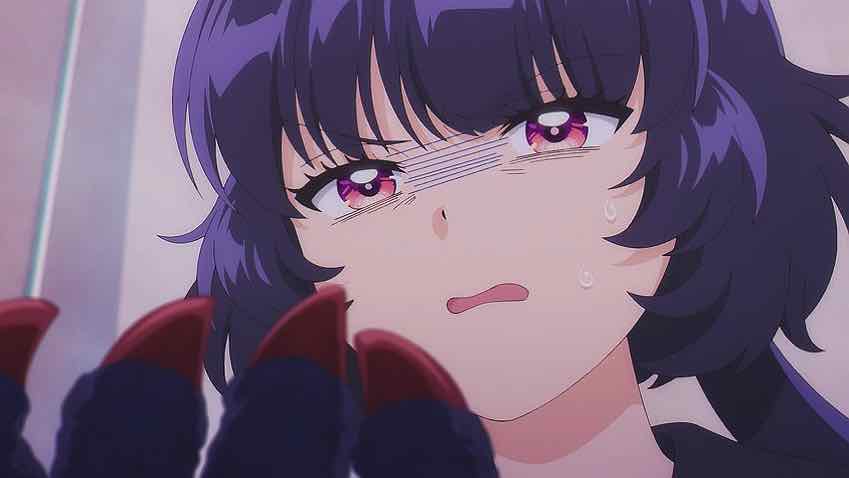 I think that’s one of the qualities Otome Kaijuu Caraméliser has going for it. It works quite well as a comic action story, even if at heart it’s a parable about growing up when it’s hard to be what others see as “normal”. And while for obvious reasons it’s not a subject I can speak to with authority, it always struck me that mangaka Aoki Spica tells Kuroe’s story with a rare level of authenticity – and frankness – for a coming-of-age series about a girl. All the usual caveats apply – this is an ongoing manga, and at 9 volumes already too long to get a comprehensive adaptation in a cour. But if it makes good choices I think this adaptation has a chance to be really strong.


































Collectr
July 3, 2026 at 10:04 pmI wonder if the Pixar film “Turning Red” – about a teenage girl who turns into a giant red panda when upset – drew inspiration from this. Manga debuted in 2018, film was made in 2021 and released in 2022.
Guardian Enzo
July 3, 2026 at 10:35 pmI confess I never saw it and forgot it existed, lol.