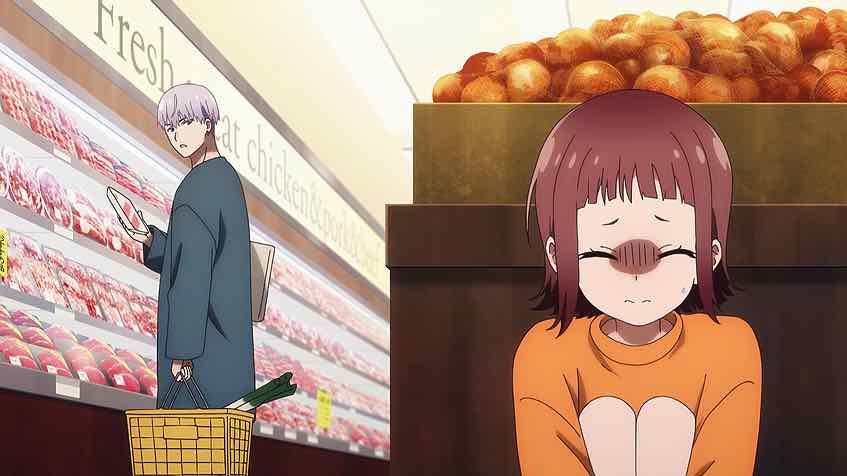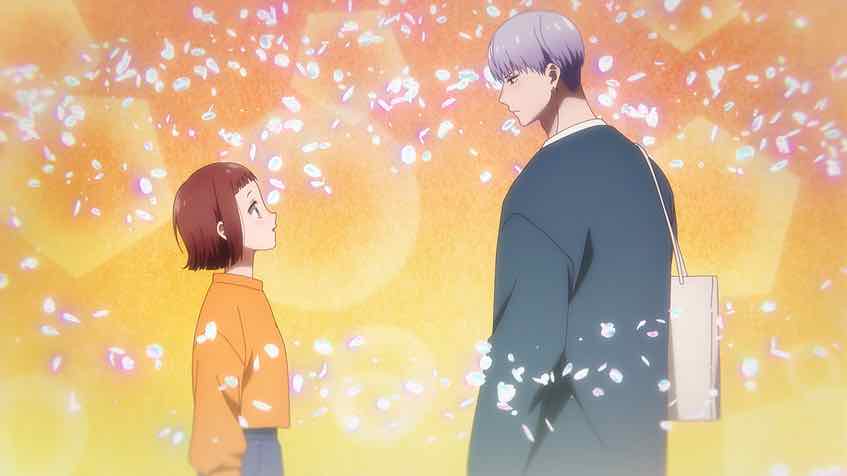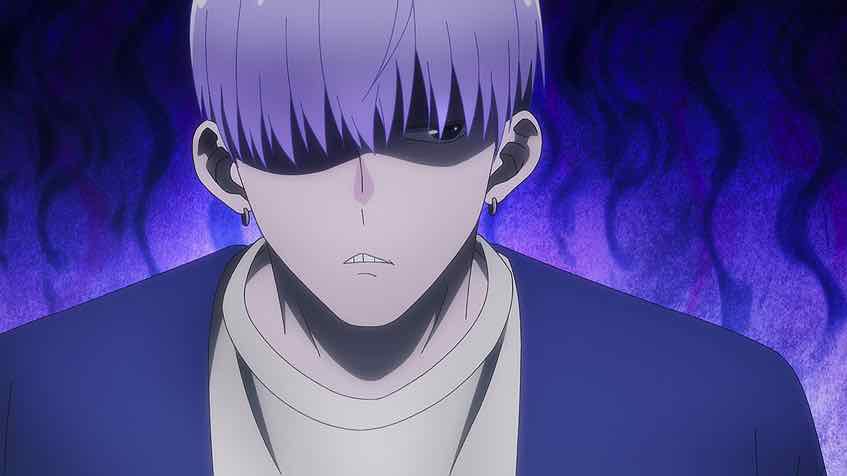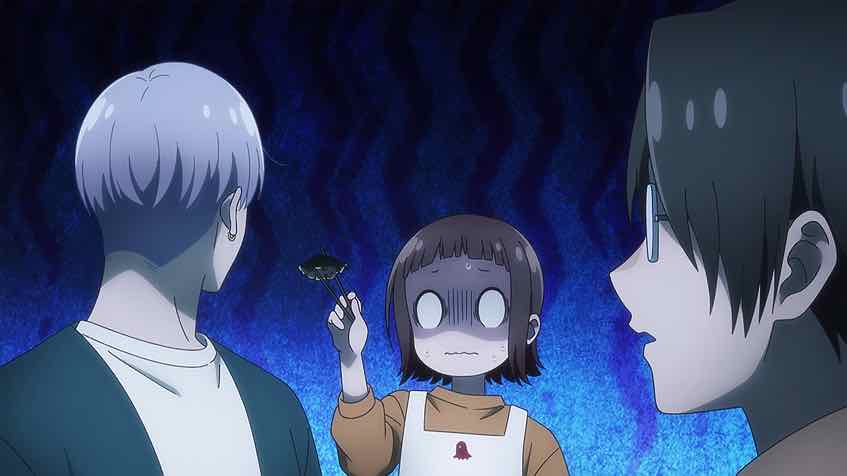

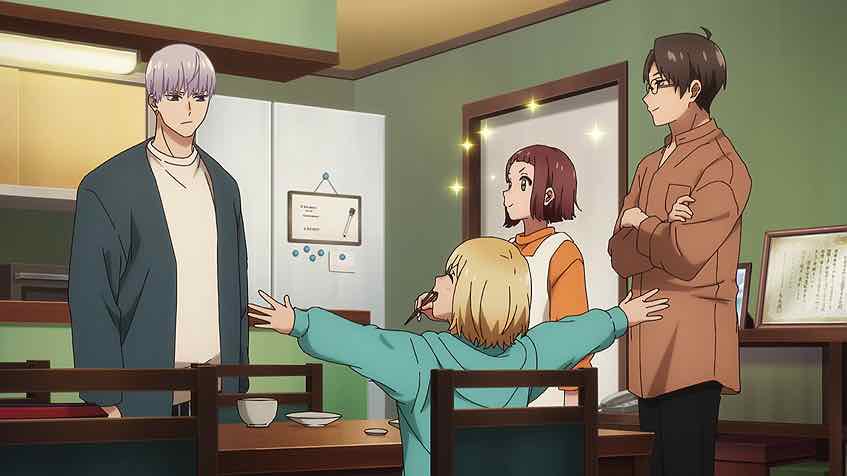

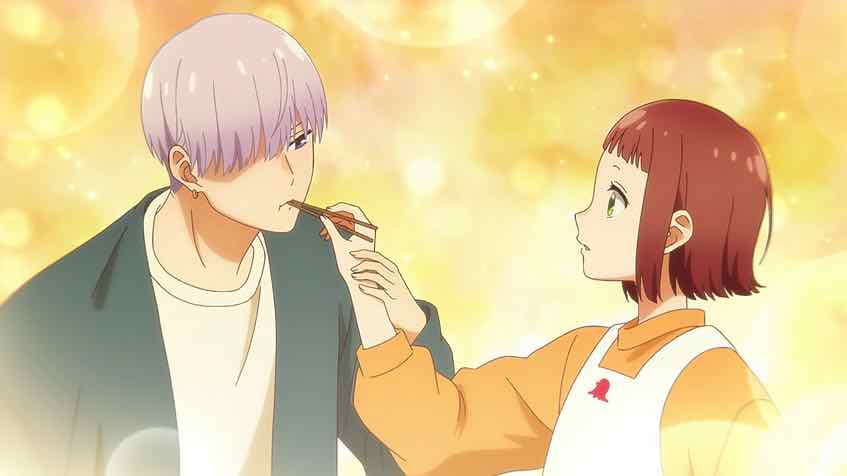

Another of my sleepers here, although this one was more of a deep sleeper vibe. Uchi no Otouto-domo ga Sumimasen has a pretty decent reputation as a shoujo manga, but the main reason it caught my eye was Nanba Hitoshi directing. We’re obviously a long way from Golden Kamuy here, but Nanba’s 40-year career has a lot of more than that to it. With him at the helm Please Excuse My Younger Brothers figured to be thoroughly competent and polished, and there are no surprises on that front.
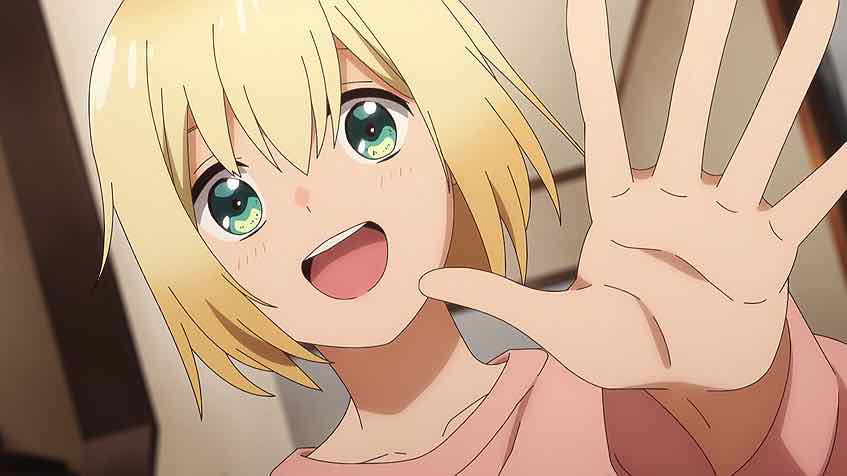
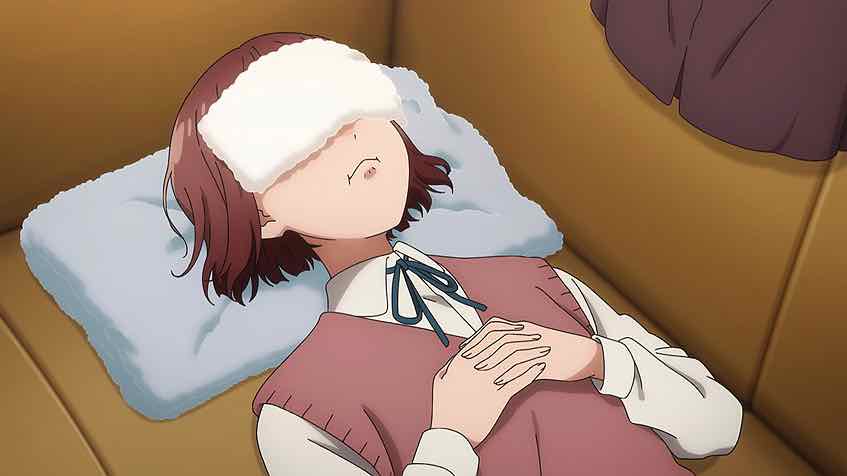
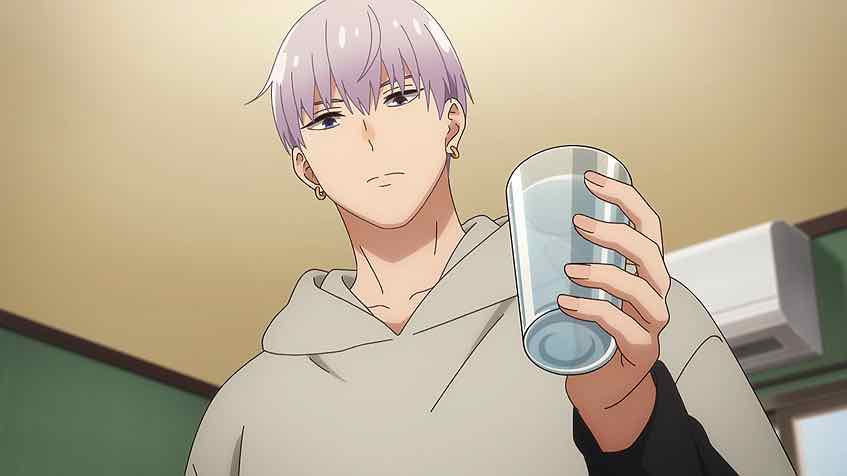
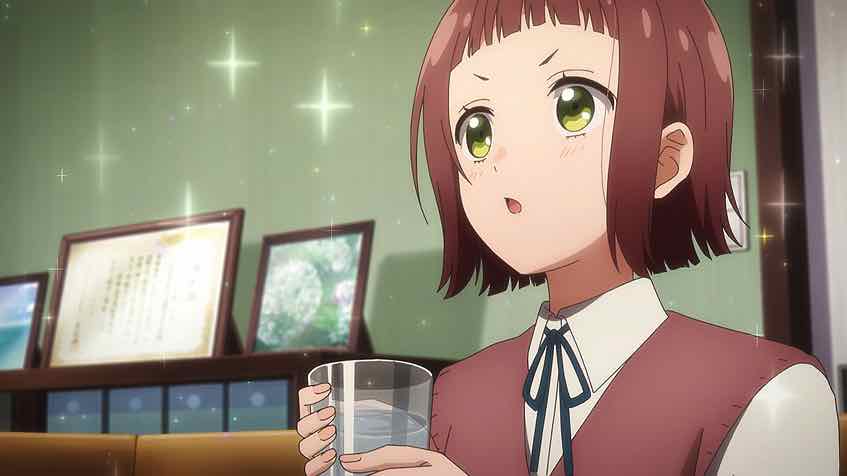
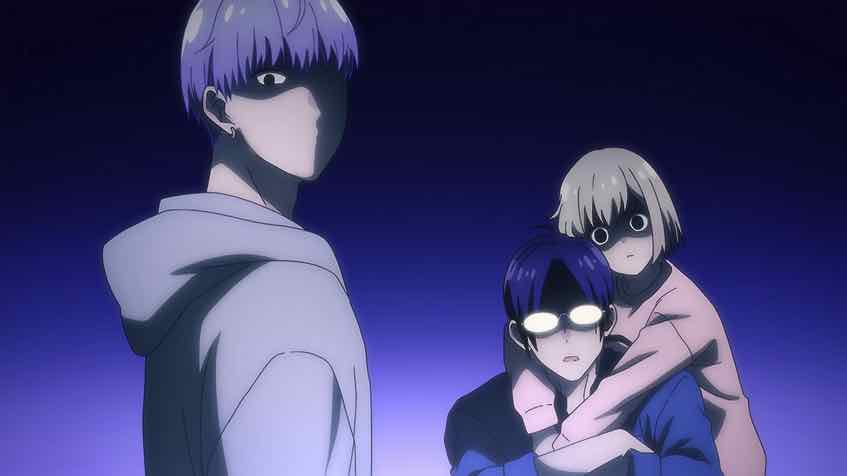
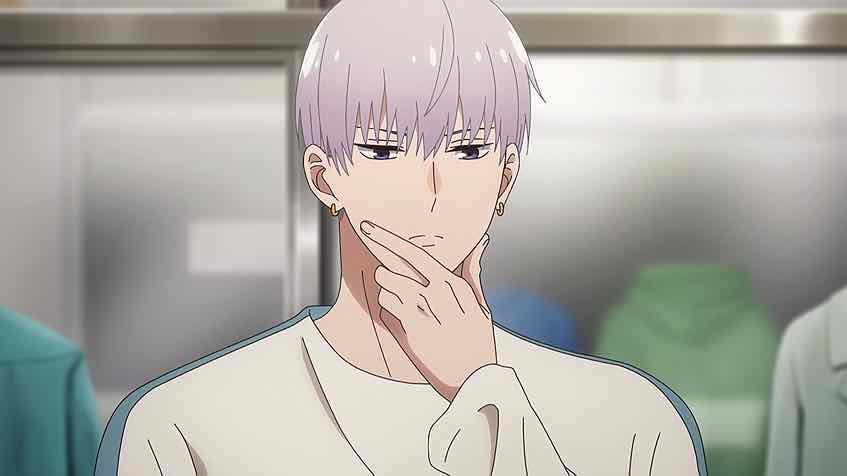
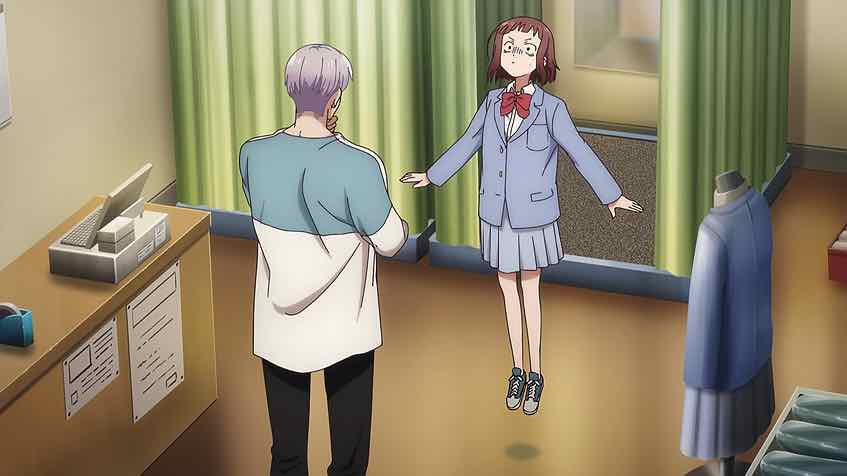
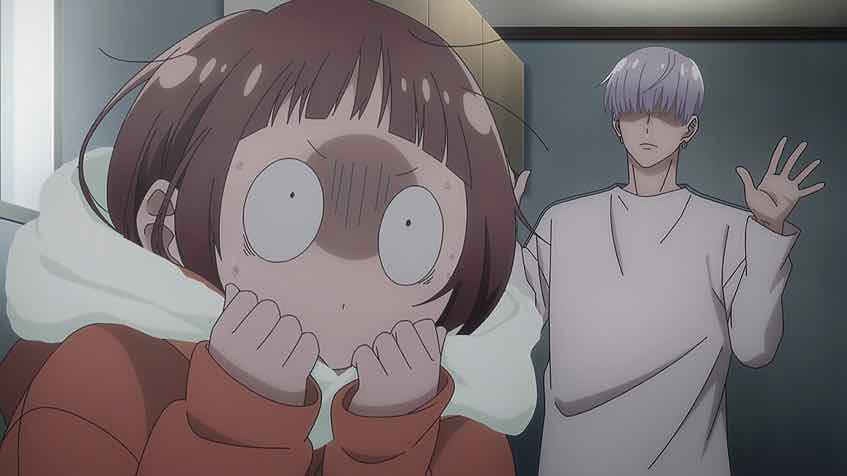
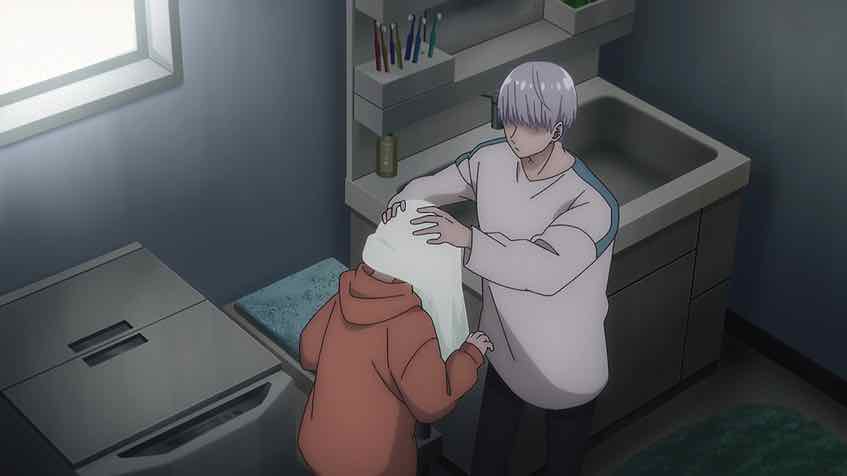
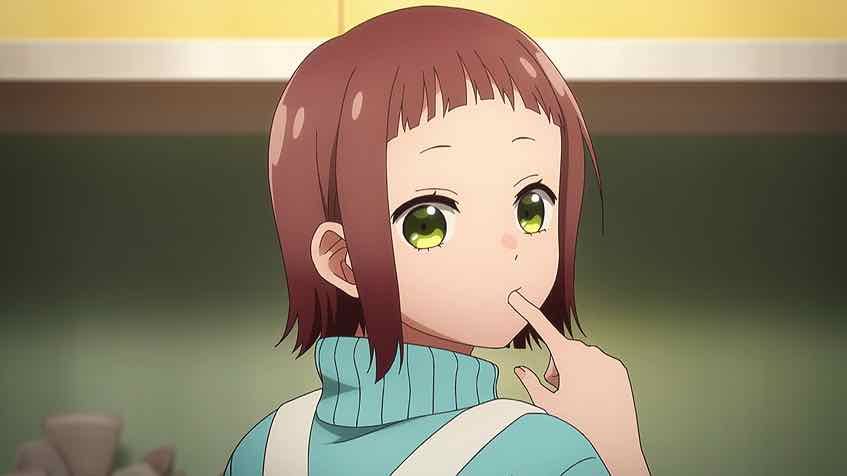
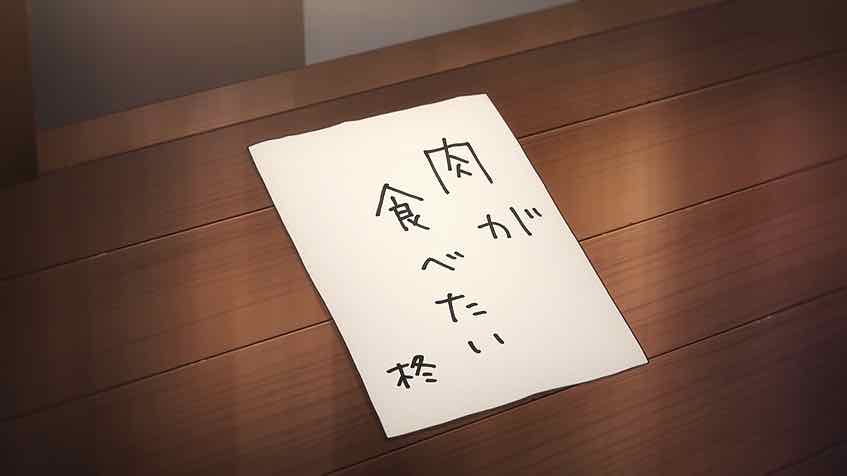
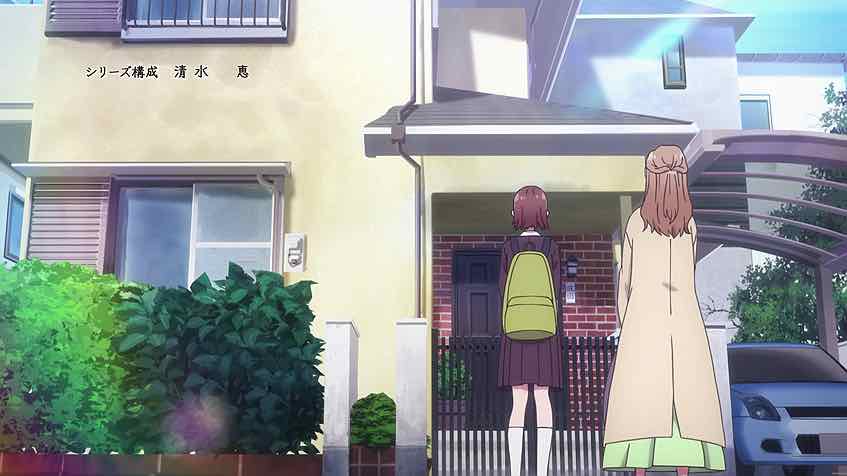
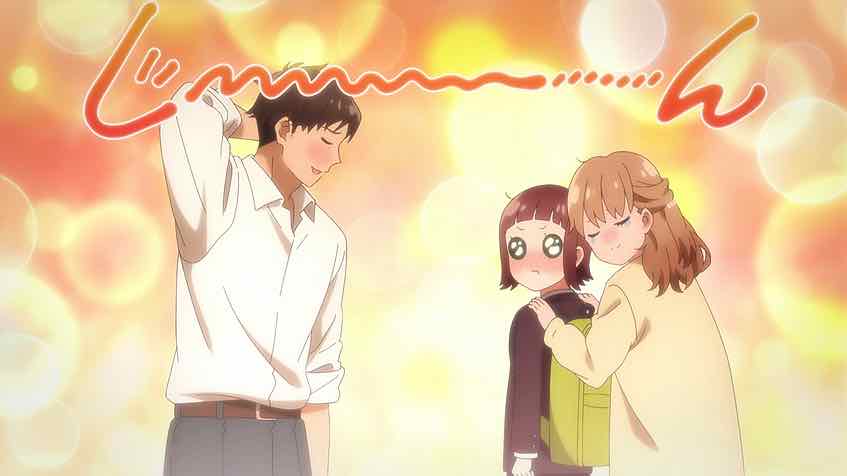
The premise is more or less the classic step-family drill. 16 year-old Ito marries (courtesy her mother) into the Narita family. Ito is keen to have a dad and do the whole nuclear family thing, but Mom has neglected to tell her that she’s also gaining four younger brothers (that has to count as child abuse). Mind you one of them (Gen, the oldest) is only one day younger. And all of them look at least five years older than they are, including the little one Rui (who’s a third-grader and looks like a middle-schooler). The third son, Shuu, is a hikikomori, something his family seems to be taking in stride.

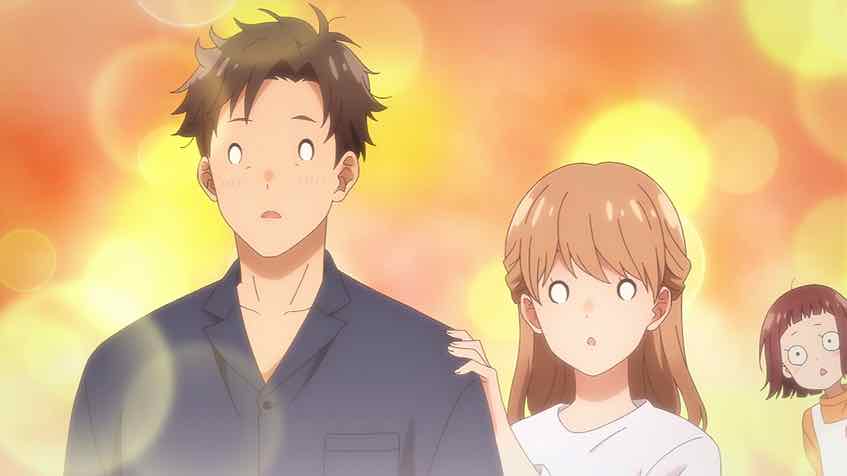
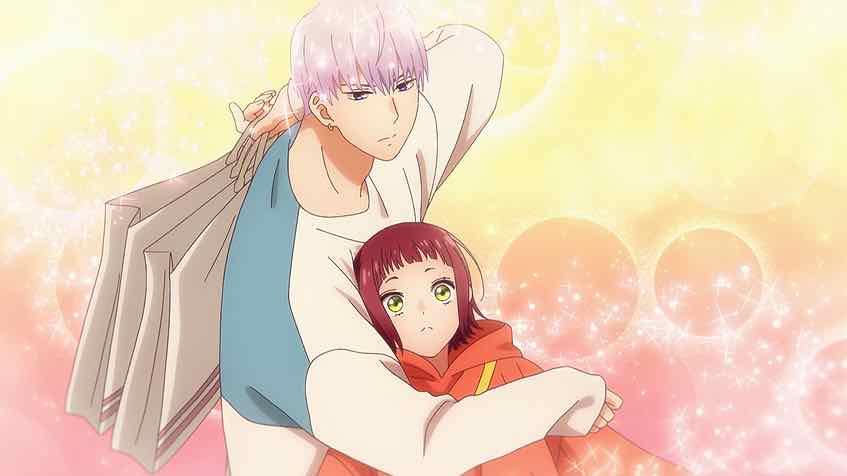
The first thing Ito notes on seeing them is that this is a bunch of ikemen. After that it’s Gen’s rudeness that stands out – he does the tongue-clicking thing a lot (which is considered extremely rude here). But Gen is, predictably, a tsundere. He’s actually a softie underneath and is pissed, if anything, that Ito comes in guns blazing and acting more like a housekeeper than a sister. There are also suggestions of a future romantic turn between the two of them, which we could obviously do without but seems almost inevitable in a shoujo with this premise.
If this all sounds pretty predictable, that’s because it is. But once the premiere settles down a bit, the dynamic actually comes across in a pretty appealing way. What will be the sink or swim of Uchi no Otouto-domo ga Sumimasen is whether the four brothers (the second-oldest is called Raku) are developed as full-fledged characters and not just shoujo archetypes. It’s obviously impossible to tell that after one episode, but that the B-part was considerably better than the A-part is a pretty good sign. I’m interested enough to stick around for at least one more week and see where this goes.