



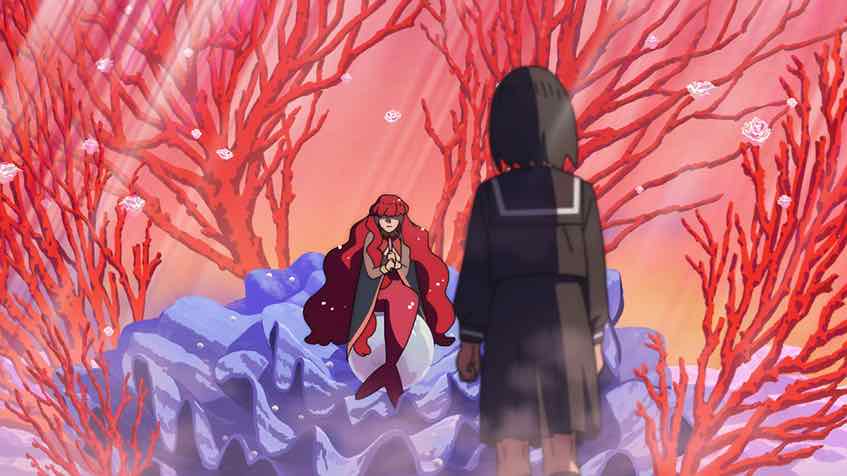

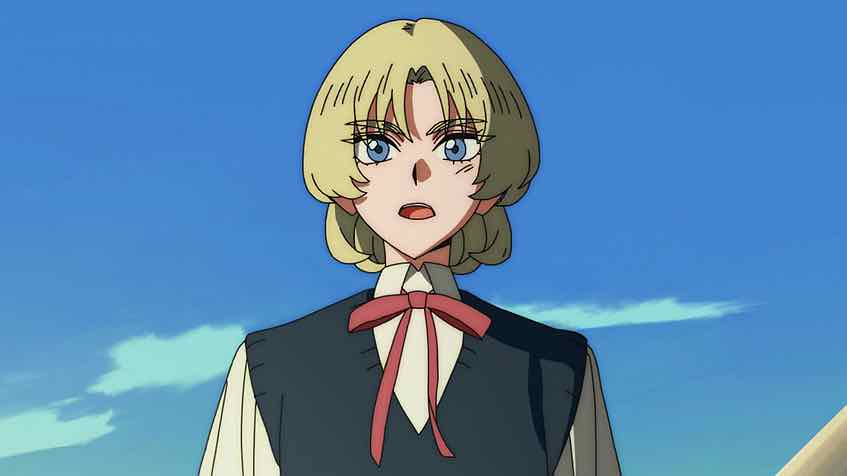

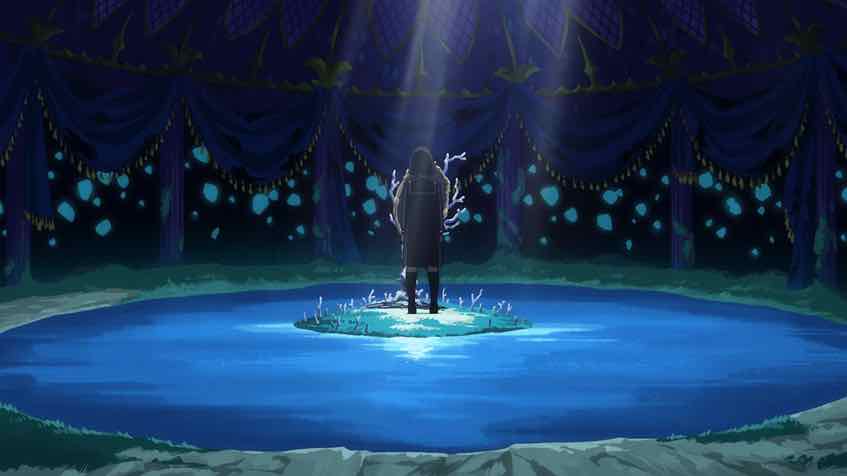
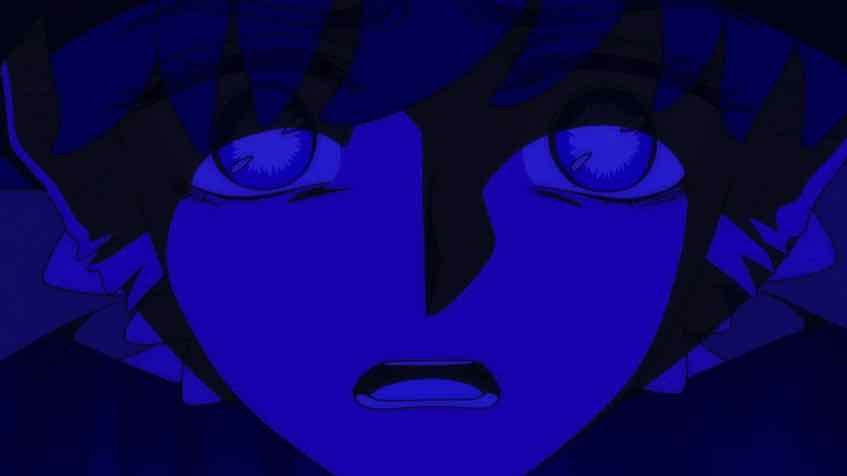
 It really annoys me that I didn’t peg the Ikuhara Kunihiko connection with Sayonara Lara immediately (or almost). Because boy, by the end here I just kept thinking “Man, this this is more Ikuni than Ikuni”. That has positives and negatives for me, as anyone who’s read my criticism of his shows could tell you. But there’s no denying the man is a genius in his extremely idiosyncratic way. And given how safe and creatively unambitious most anime is these days (including original anime) even his negatives kind of feel like positives at times.
 The thing with Ikuhara is, the not making sense is sort of endemic to the proposition. It’s just part of the fabric of what he does, and I think that’s something Sayonara Lara embraces enthusiastically. What was with all the Christian imagery? Who knows. What’s the real story on the ancestral connection between merfolk and humans? Again, who knows. I often think Ikuhara himself is unsure of what all his weird thoughts add up to, and just throws them all in for the audience to decipher in their own way. His protege Furukawa Tokohiro embraced that at times, and his protege – and Lara director Koide Takushi – does so here.
 Mawaru Penguin Drum was the show that kept cropping into my mind I was watching the third act, but Shoujo Kakumei Utena is certainly the more obvious parallel. I was convinced we were headed for a MPD-style tragic end here, but I’m quite glad to have been wrong (and totally surprised). Mind you this was no fairy tale happy ending here, more bittersweet and somewhat somber, but not explicitly tragic. From what I’ve seen the consensus reaction among viewers has been negative, but that doesn’t surprise me and I don’t think it means a whole lot.
 As I’ve repeated ad nauseam, I would have been disappointed if the whole true love thing had wound up being nothing more than physical attraction. Mari, Luca, whatever – that would have cheapened the higher aspirations the series seemed to have. Of course, a sizable chunk of the audience took the reductive view that the series was yuri and nothing else matters, because yuri is justice and dammit, give us what we want. That’s a shame, but entirely unsurprising. But again surprisingly, not only was the end not expressly tragic but it did indeed transcend that simplistic interpretation. Though just how is a matter of interpretation.
 I also noted last week that “The truth is the anime can’t give us an ending that’s materially consistent with both Andersen’s story and the foreshadowing in this episode, as they’re kind of mutually exclusive”. The irony here is that the anime did in fact reject Andersen’s ending materially and spiritually (though the extent of the latter can be debated), but still set itself up for the same criticism. Andersen’s ending has been almost universally derided over the years as being milquetoast, wishy-washy. It seems likely it wasn’t his original ending. And it’s not hard to see Koide’s ending as trying to have its cake and eat it too.
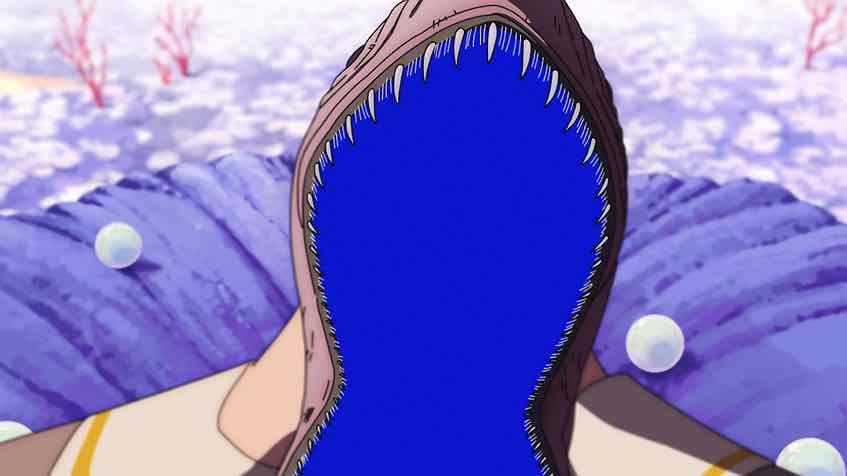
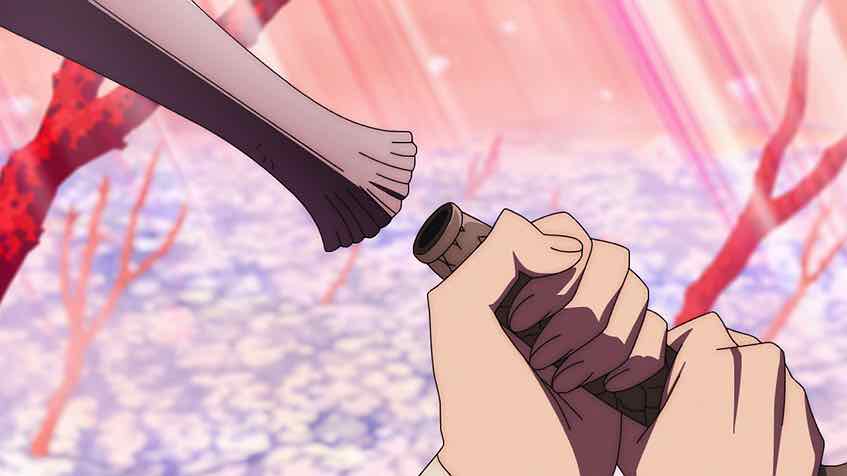
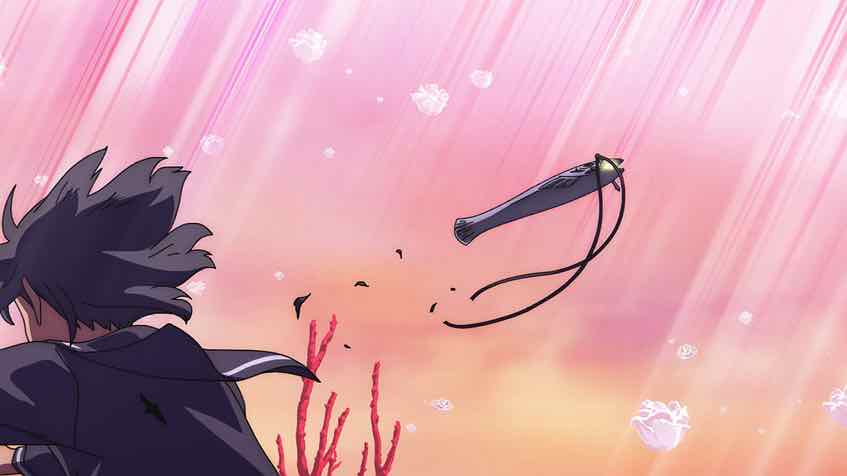
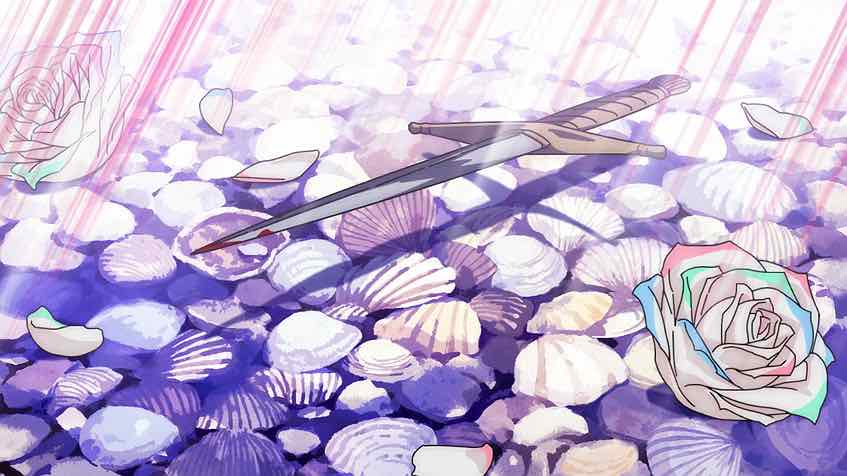
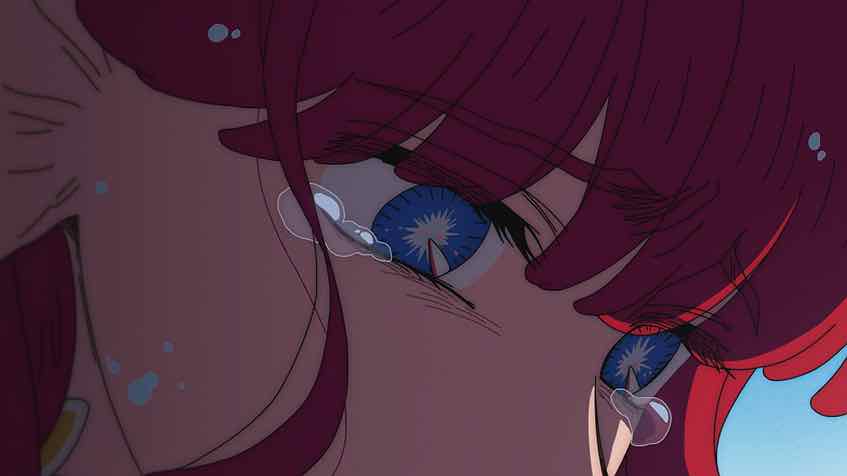
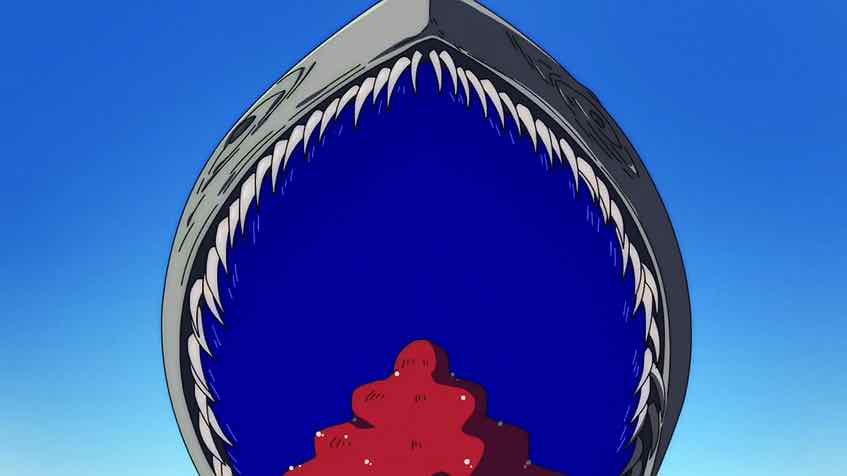
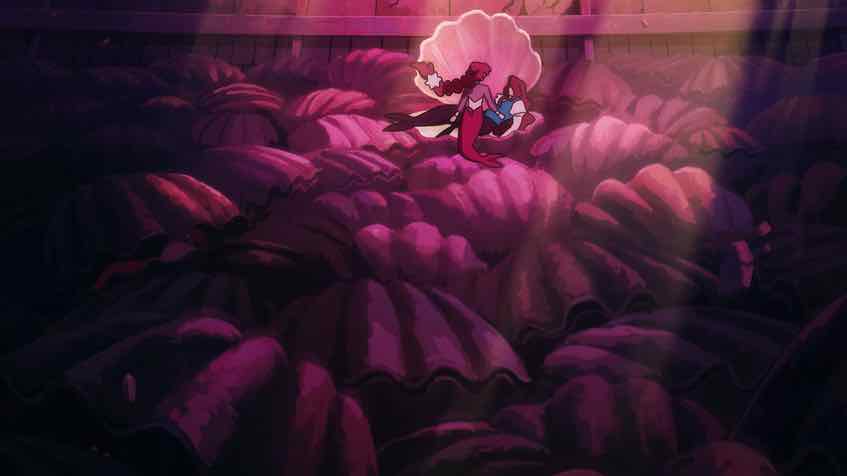 The other element of this is that the original ending is expressly rooted in Christian theology, and Andersen was a devout Christian. I debated whether going deeper would be a “spoiler”, but even if thad ending is 189 years old I’ll default to caution and leave that as it lies. I don’t see any overtly Christian elements in the ending here unless you count a magic fish-dagger biting a cross in half. But what does that even mean? What does any of the symbolism mean? I’m reminded of an interview I did with The Red Turtle director Michaël Dudok de Wit in which he said Suzuki Toshio and Takahata Isao (his film was co-produced with Ghibli) referred to any Western movie as “Christian” – the two terms were synonymous to them. Perhaps the iconography and such is just here as a bridge to Andersen and holds no deeper meaning for Koide.
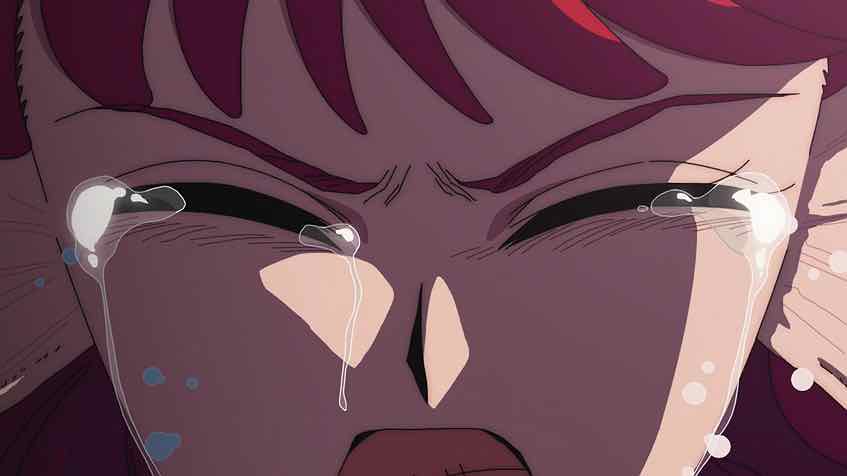
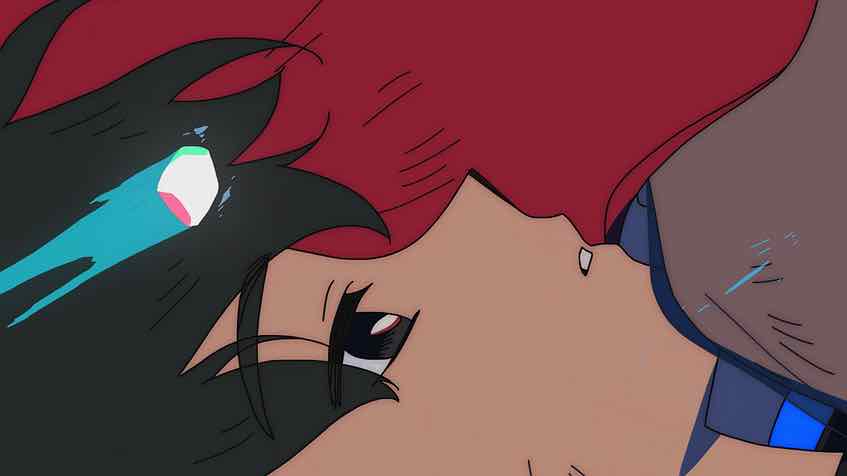
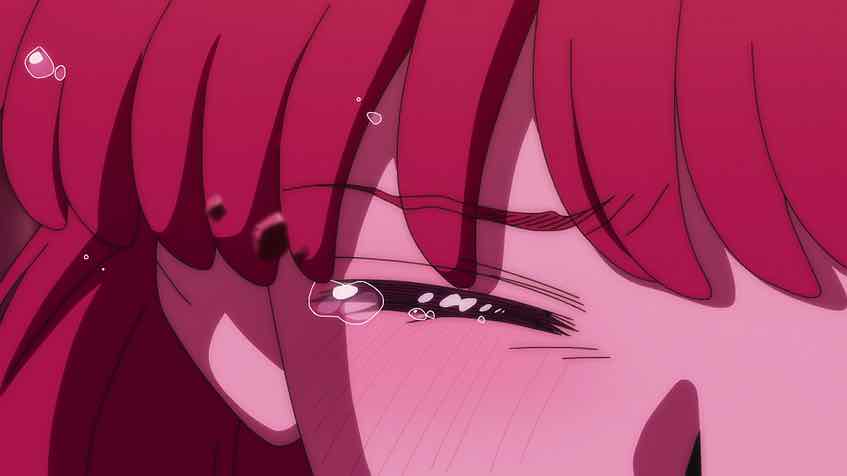 This whole question of what true love and “the light” are is obviously central to Sayonara Lara. Interestingly, Lara says “I never found true love” during the denouement, and that suggests that – as I rather hoped – the position here is that love takes infinite forms, and resists reductivism. Including romance. For me, Lara’s love ultimately is life itself (which is rather anathema to Christian orthodoxy in a sense). She loves Mari more than anyone, but to reduce that to lust is to disrespect it. She loves Luca too, maybe romantically and maybe not – the way she puts him through the wringer suggests she’s not sure herself. But most relevantly, she loves humans and she loves the world and she loves the experience of being alive. That’s a message I can get behind.
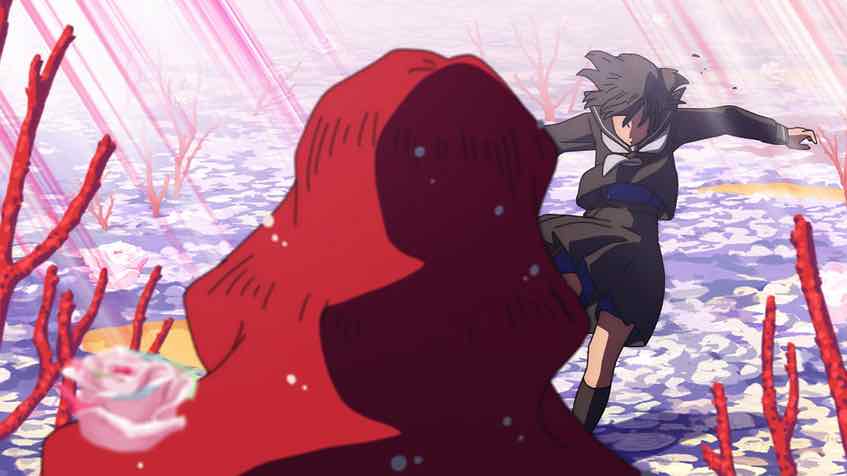
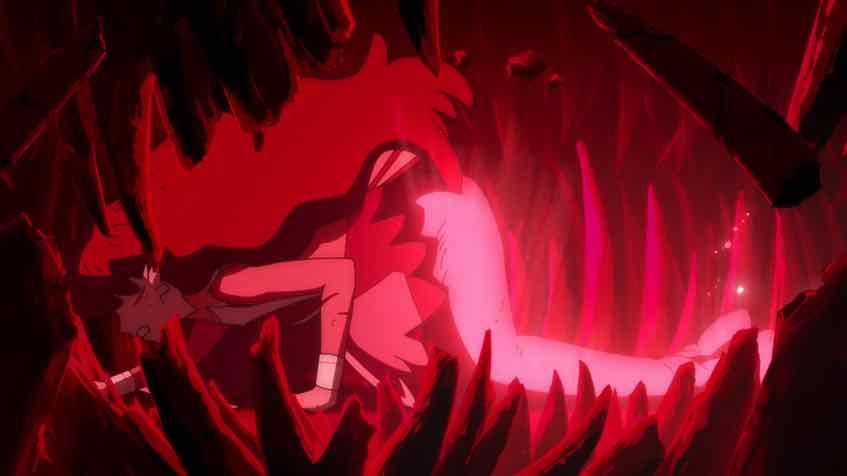
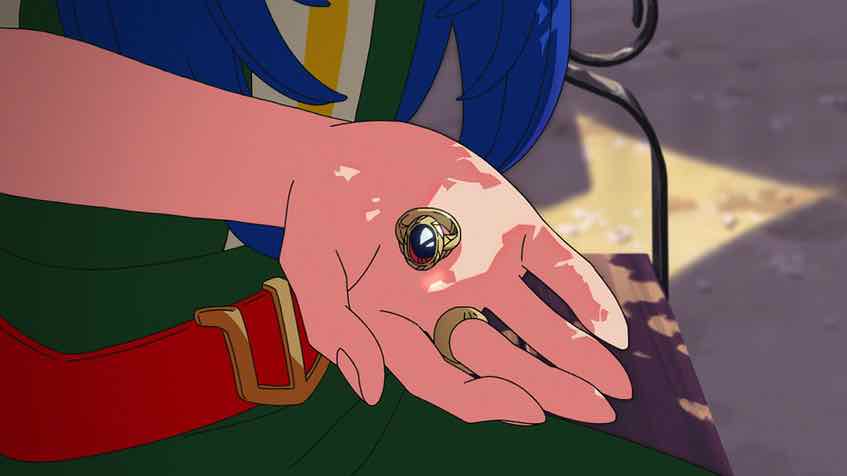
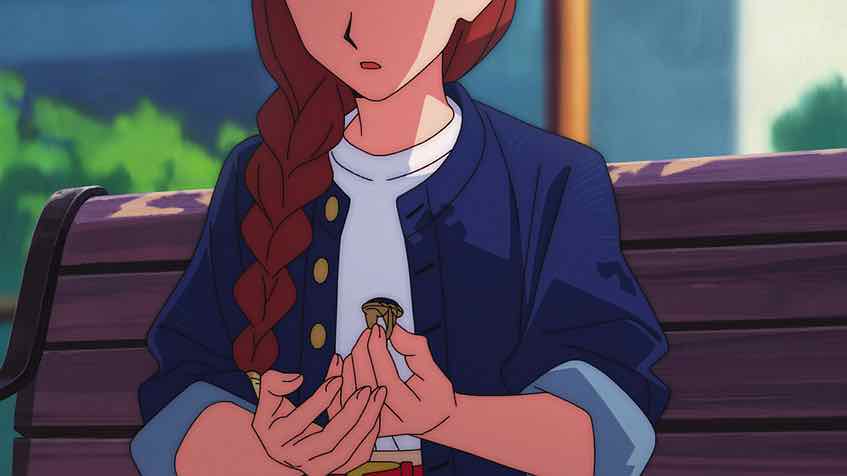
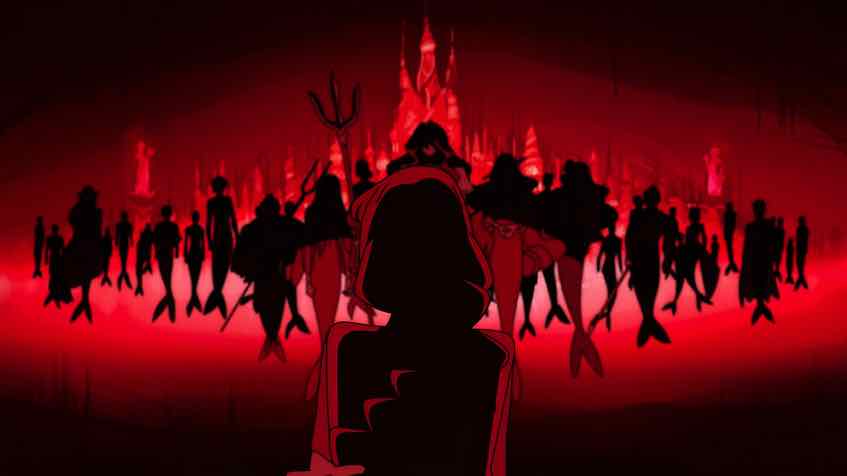 In practical terms, it seems in choosing life – with humans – Lara was able to transform even after her father broke the potion’s spell. Perhaps not perfectly – there are suggestions her human form is slightly warped – but it seems clear that she can never go back. And despite her dagger seemingly killing Mari and then Mari coming back, she still has the power to keep her family alive if not to restore them. And Lisa and Kouta (if you pay close attention he’s definitely alive) too, and in human form as well. Six months pass, along with an unknown number of fits and starts with Luca, and Lara finally decides to move out and be on her own.
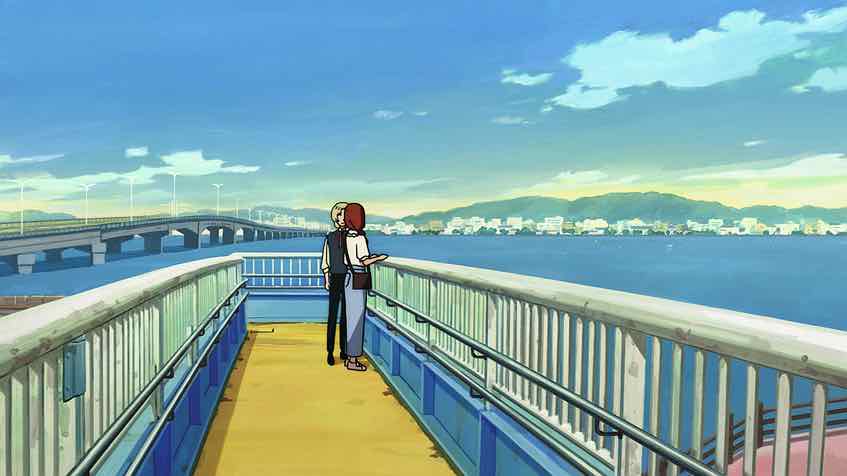
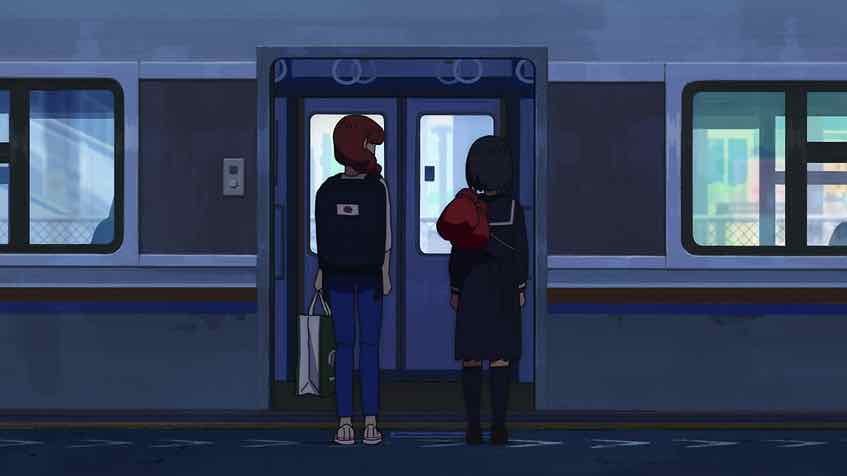
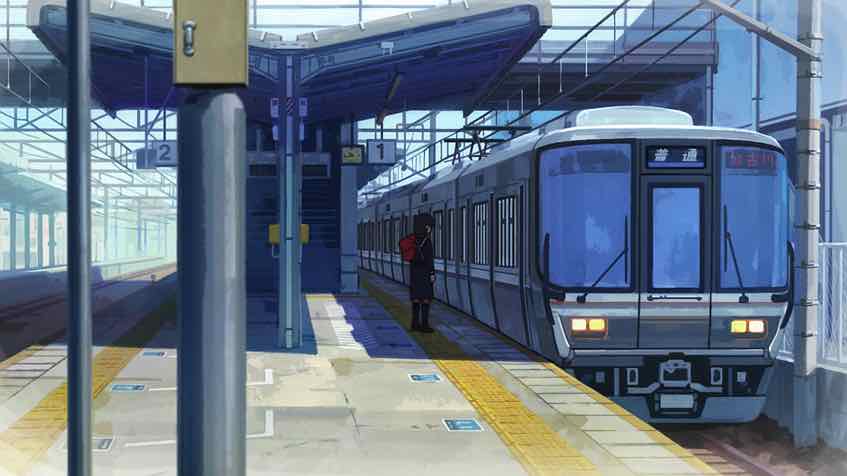
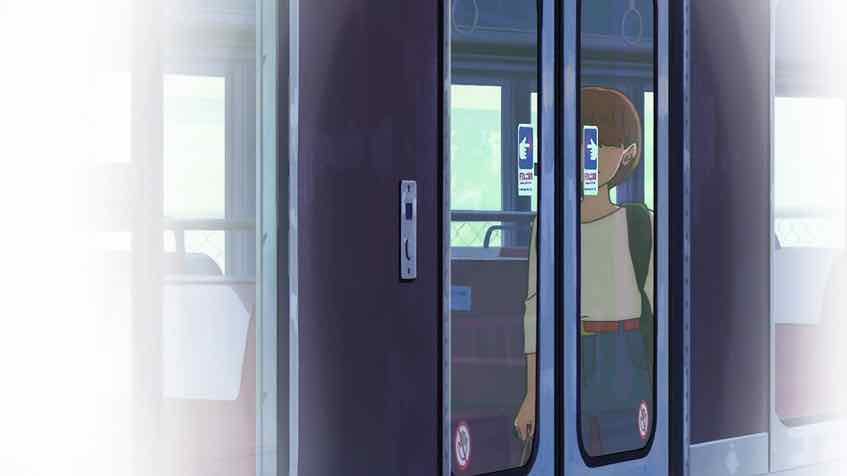
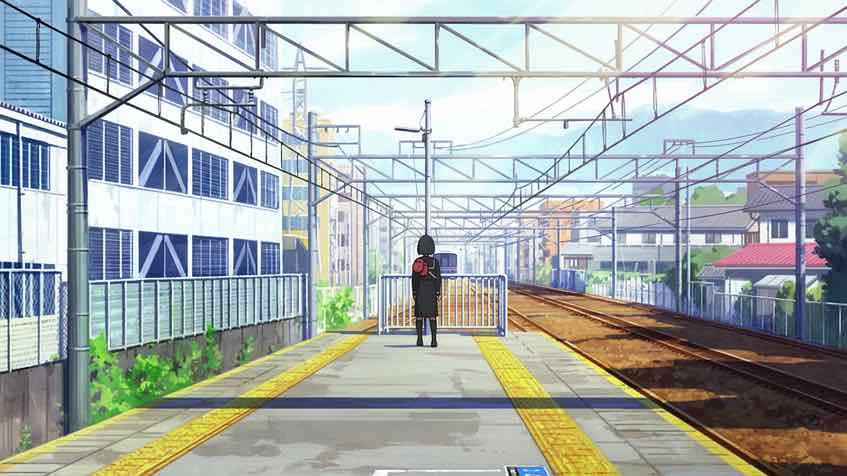
 Why did she do that? It may be implying a link to the Andersen ending (IYKYK), and indeed there is something sort of ominous in her farewell scene with Mari at Seta Station (let me add for the record, that was the first time I’ve heard the JR West station jingle in anime and that was very cool). That requires a pretty big leap to get to, though. Perhaps it’s simply a matter of continuing the journey of learning how to be human – which is perfectly normal for a teenage girl, after all. Learning how to love and indeed what love means is a big part of that journey too. But ultimately I think this is an ending one can read as either hopeful or fatalistic, depending on what one brings to it.
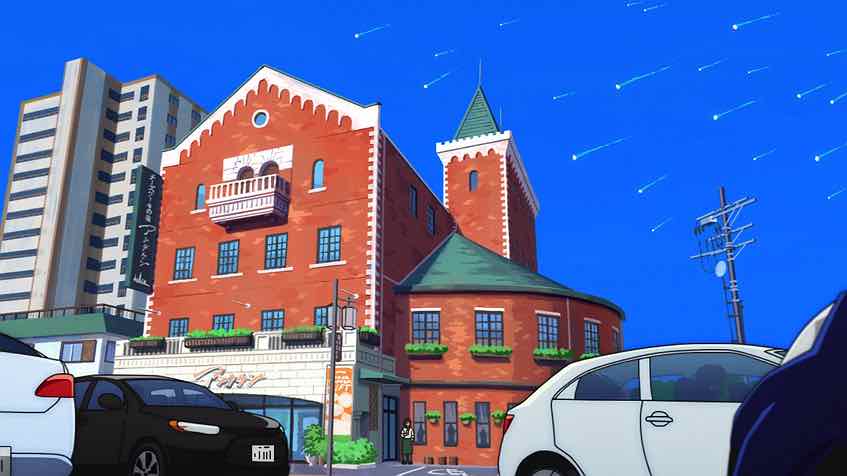
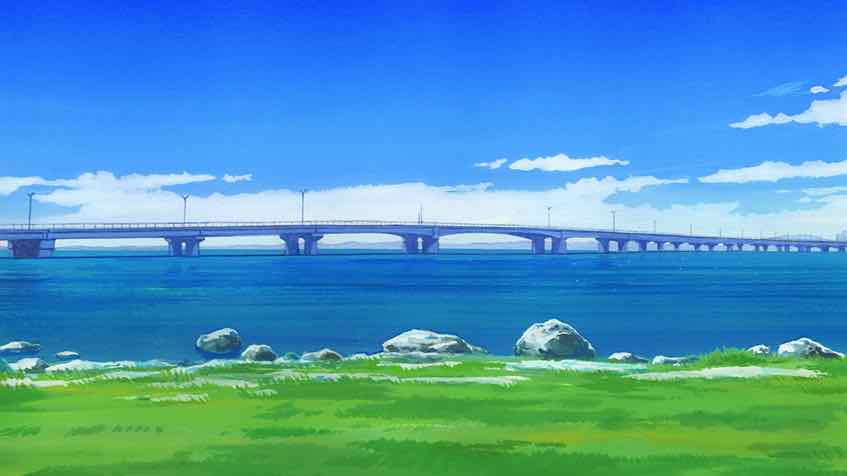
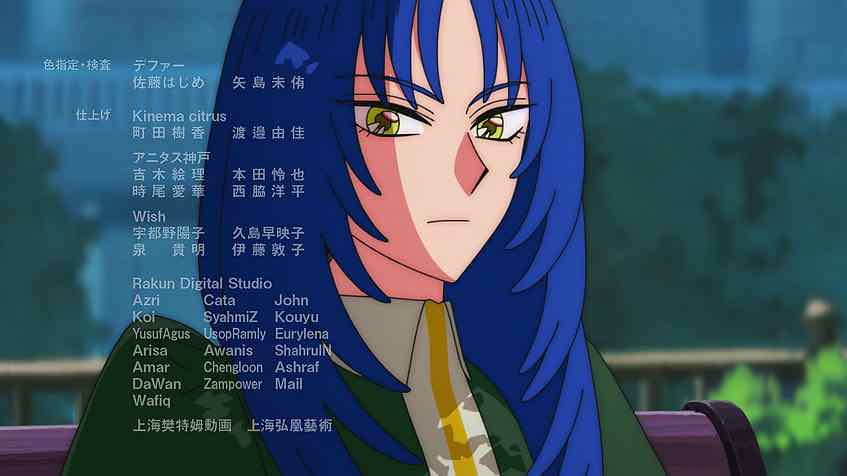
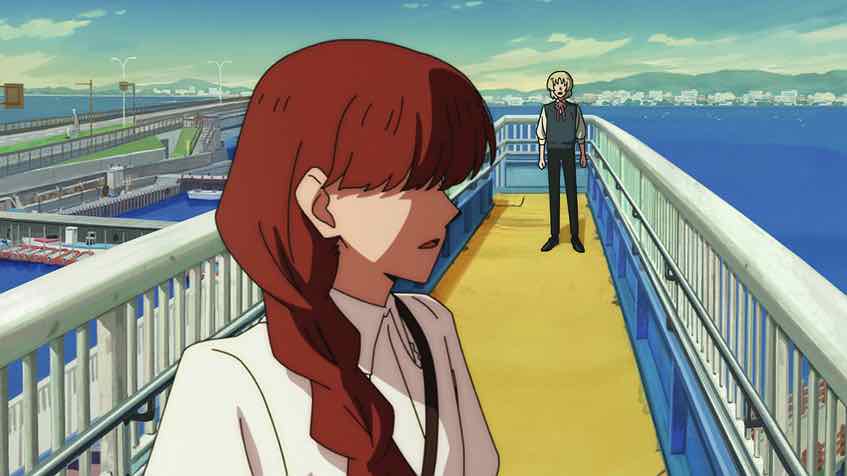
 In looking back on the history of Patron Pick shows at LiA, it may very well be that Sayonara Lara is the best one so far. It’s right up there for sure – for all that it was a bit scattered and needed to be longer to really flesh out its thoughts, this was a genuinely fascinating piece of work. It looked great, as you’d expect from Kinema Citrus. And that so much of it took place in my backyard, Shiga – where Koide-sensei grew up – added a strong personal connection for me. This was a throwback not just to Ikuhara, but to what original anime series were in the days when he was creating them. And if I may be so bold, what they really still should be.

























catterbu
September 22, 2026 at 7:33 amYeah. I am part of the AniFem discord as part of being a supporter and the number of comments about the ending has been 10s of times more than I have seen before. So much.
My take largely aligns with yours. Of course there was messiness, but I thought that there was no betrayal of the story here. We never had any romantic cues given here, we had emotional intimacy cues aplenty. And those were never betrayed. Luca did not come in and become her true love at the end. Mari is Lara’s most important person. Maybe in the future it will go explicitly romantic, but that is the realm of future fan fic. There may be some irony in me, a quoiromantic, discussing this, but my inability to understand it fully in real life has led to me being very attentive to the typical cues in films and shows since I do not understand it intuitively.
Also, there is definitely an Ikuhara-ness to this, I agree, even if this does not quite reach Sarazanmai levels of zaniness.
Guardian Enzo
September 22, 2026 at 8:44 amYes, it’s not as expressly zany as Ikuhara. More restrained to be sure. But the lineage is unmissable.
As to the ending again, while it absolutely sets itself up for the same criticism as Andersen’s did (I dismiss the yuri rage out of hand as completely missing the point), I agree it’s largely faithful to the story as it built over 11 episodes.
Llinos
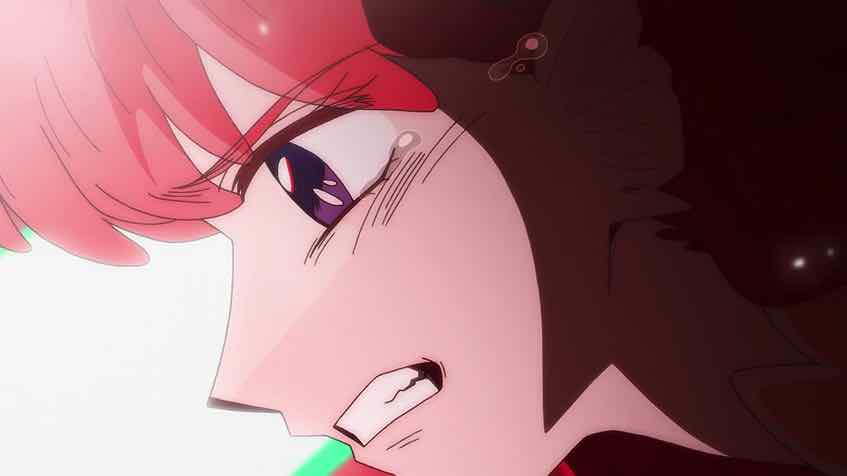
September 22, 2026 at 9:20 amThe one thing that really struck out to me about this ending, and this may feel odd to point out, but is the change of hue of Lara’s hair color. The red looks darker to me than it had before in the series. I wonder if she is living her life now as more “Human” than “Mermaid”? It just feels interesting to me, since it’s one of those details that we will probably have another answer to.
While the ending was visual stunning, I had a hard time tonally with the end. I wish we had one more episode so that we had more time with the epilogue. I think it really wanted to invoke the heartwrench/bittersweet emotion. And it does, but as if sifting through the fog. I like opaqueness, but I feel like certain emotions do better with a certain amount of clarity or buildup to them. I also think Mari, who had been a bit flat/monotone was exuding a lot of strong emotions within this episode. Due to her age and the feelings that were bubbling forth, it would have been interesting to know her side of the story. In some ways her character tends to act in ways that feel more plot convenient, then expressing a round interiority.
Overall very glad it exists and I gave it the time and energy. Just a bit disappointed with the landing, but also maybe that’s just because sometimes that’s how life is. Strained and bitter, when it doesn’t have to quite be that way if people are more willing to talk things out and be more emotionally open.
Guardian Enzo
September 22, 2026 at 9:24 amYeah, Lara’s design definitely changed after her final transformation. I think the implication being she went from a fake human (perfect) to a real human (flawed).
Goh
September 22, 2026 at 5:29 pm”She loves humans and she loves the world and she loves the experience of being alive.” This perfectly aligns with Orthodox Christianity, where did you get the idea that it would somehow be anathema to it?
Joshua
September 24, 2026 at 11:10 pmI do have to admit, after thinking about it, rather than jumping in on the initial dogpiling, I am at least content to share a similar sentiment regarding its ending, that Lara, having fully broken away from her mermaid lineage, is making her own choices for the first time in her life. Which is why she chose to move out and stay at her own place as part of that self-actualization and independence (and people were convinced that she was going to move all the way to Kobe and never see Mari again smh where did they get that interpretation?) given that both she and Mari have so much growing up to do. So no, I don’t think the ending spat in the face of what came before, even if it wasn’t entirely perfect. And I thought the show overall was amongst my favorites this season.
I always thought that Luca was just reflecting over the his experience trying to date Lara in the series itself too (not over those 6 months in the timeskip) and was just pensively reflecting on how it never panned out like either of them believed. Not to mention, I never caught how much it owes so much to Ikuhara either until it was brought up here.
Guardian Enzo
September 25, 2026 at 6:53 amShe was boarding the JR Kobe Line, though that may just have been Koide “local color” and not a specific bit of hinting. That said “All the way to Kobe” is an hour by train (or 25 minutes by Shinkansen) so even if that were the case it hardly precludes the pair of them seeing each other. For lunch if they wanted, LOL.