



 Not for the first time I observe, Fumetsu no Anata e may be the most infuriatingly erratic series I’ve ever watched. It’s capable of highs and lows most anime would never dream of, but it’s more than that. It’s that it delivers them so frequently, and so often in sequence with each other. An episode like the last one makes me write “pot-committed” with all that implies. And here, we get one of the very best episodes of the series, never mind the season. One that seriously reminds you of why this series is still a part of your life despite sucking so much of the time.
 Two observations struck me this week. First, the nexus point with To Your Eternity is very similar to Kuroshitsuji. I’m not saying this series is as good – absolutely not. But the big variable seems to be to what extent the mangaka indulges her campy, preposterous side. This show is so much better when it’s controlled, reflective (far more so than Black Butler). There are also specific characters that tend to derail both series every time they appear, and both those syndromes were in full effect with this episode.
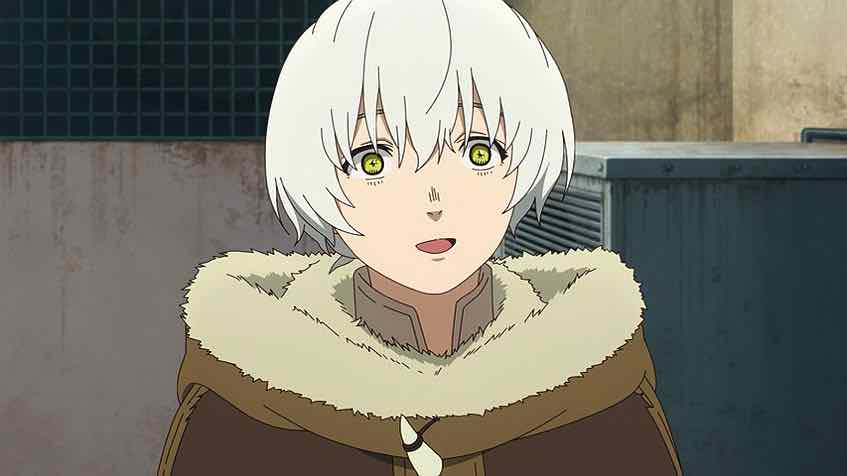
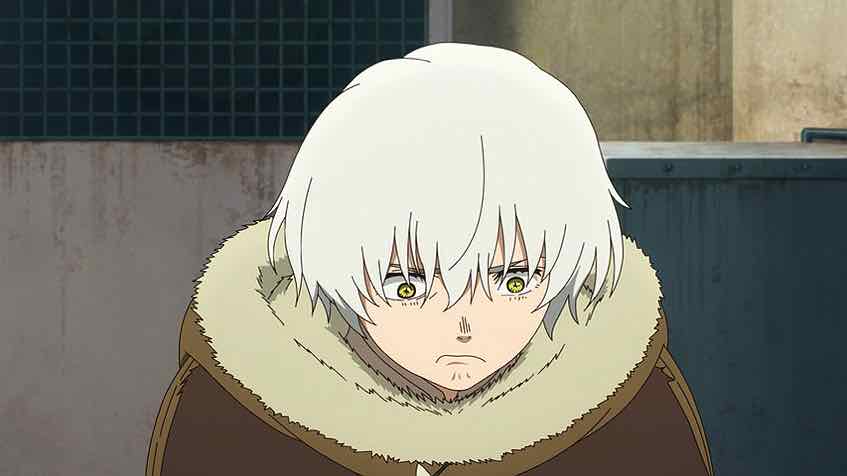
 The other reflection is that Fushi is, in effect, the Platonic ideal of the “good boy” trope. It’s something I first proposed about Shin’ichirou from True Tears – the “stop him before he helps again” conundrum. The good boy can’t stop himself – he must try and help. It’s a compulsion, not an impulsion. Animanga is peppered with them but Fushi is the ultimate example. Not only is he eternal, but he’s eternally a boy. And because of his powers, the scope of good he can do is, theoretically, limitless. And he knows that all too well. As a result he’s riven with guilt that he might not be doing everything he possibly can for everyone he possibly can. And seriously – who can ever do everything they possibly can?
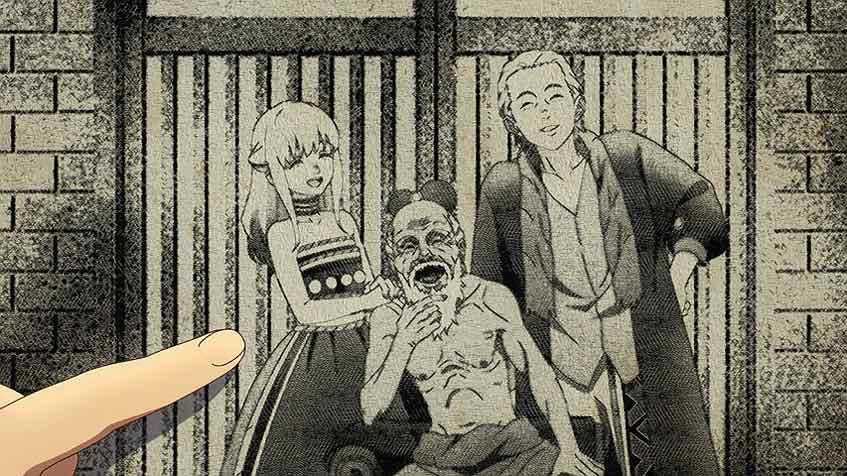
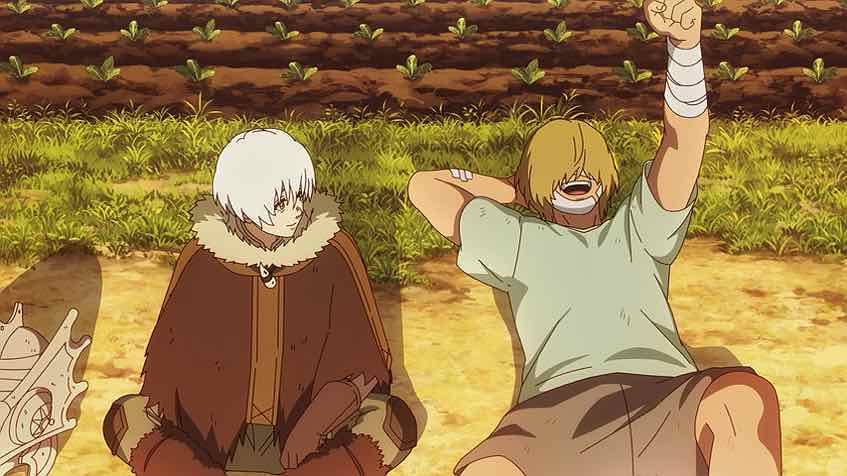
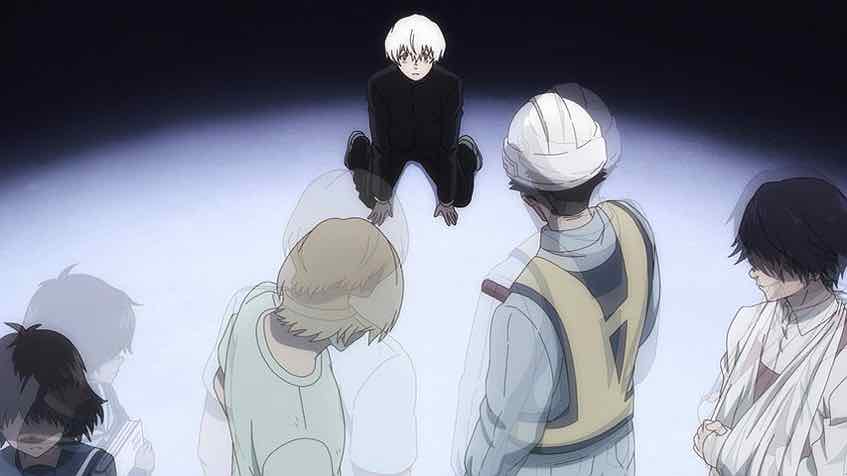
 Not even Fushi. And of course, Fushi is most obsessed with helping the members of his extended family. They exist in this time and place because of him – he’s literally responsible for their lives. But is he responsible for their happiness – or anyone else’s? That’s the question this episode asks, and in very eloquent fashion. And among this core group, this Team Fushi, the most precious to him is Gugu. Gugu is the closest thing Fushi ever had to a true friend. In terms they both think of very literally, Gugu is his big brother. He spent more time and shared more emotionally with Fushi than anyone else in his long life.
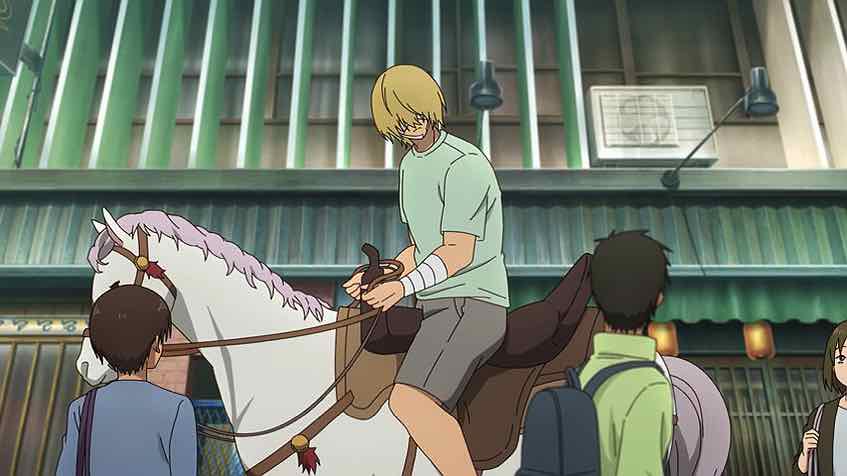
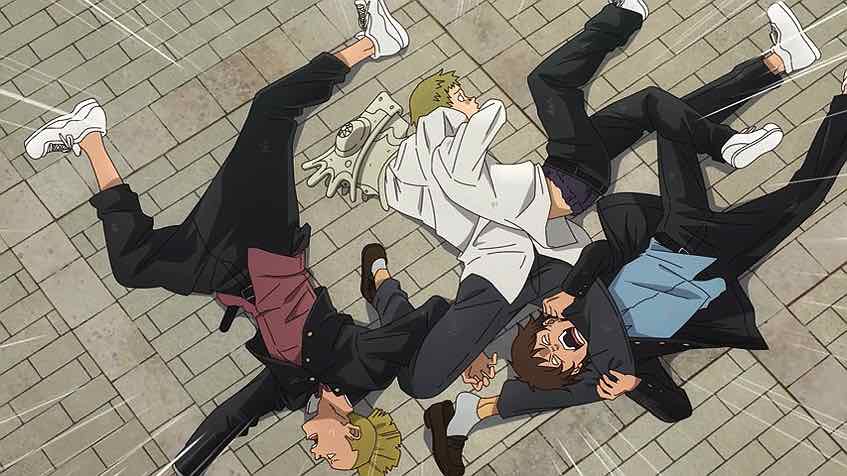
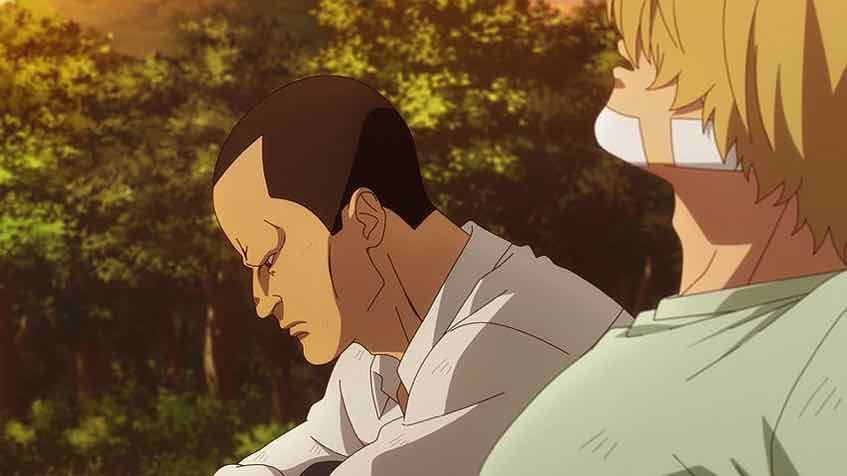
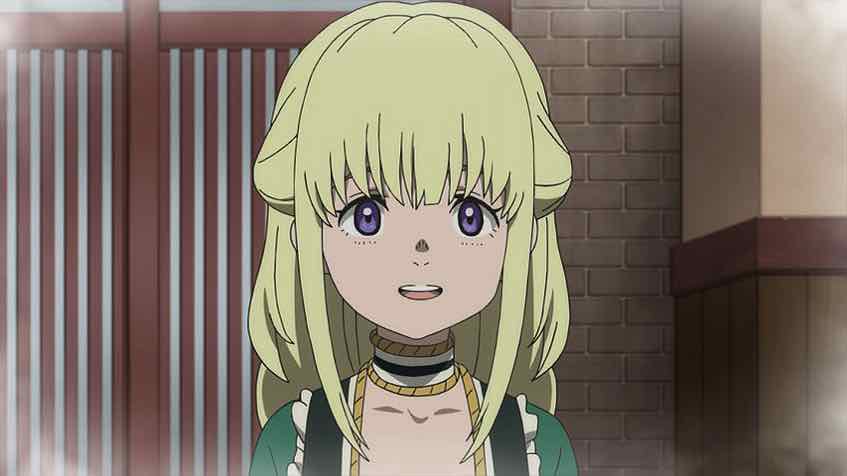
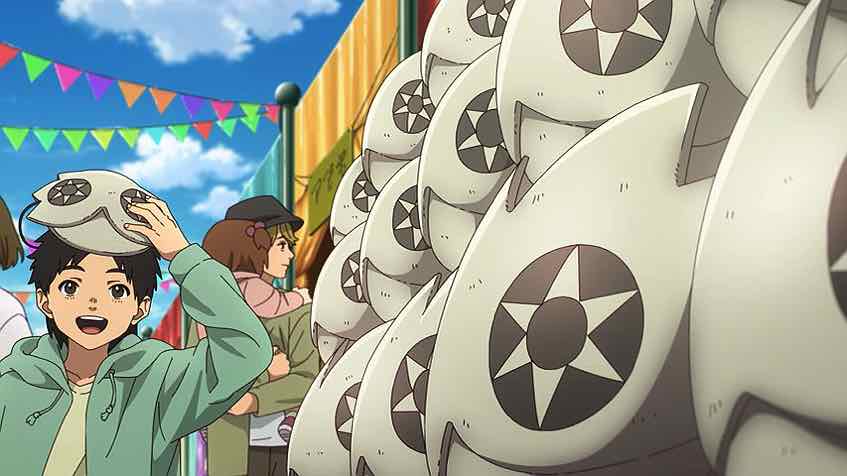
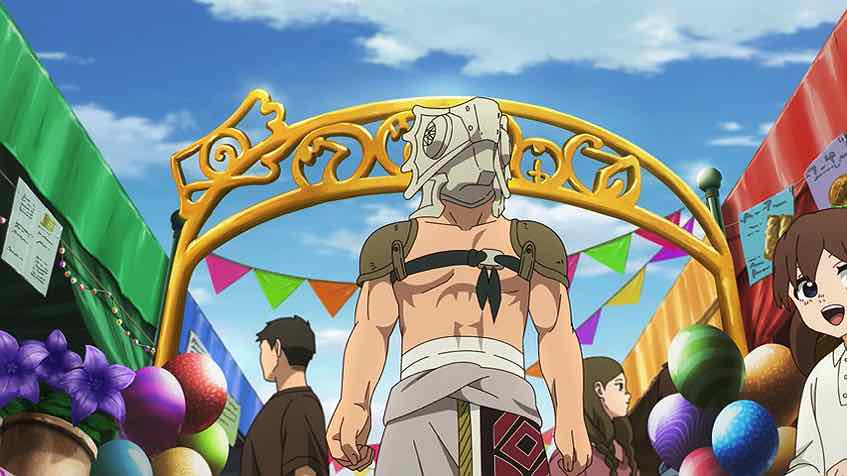
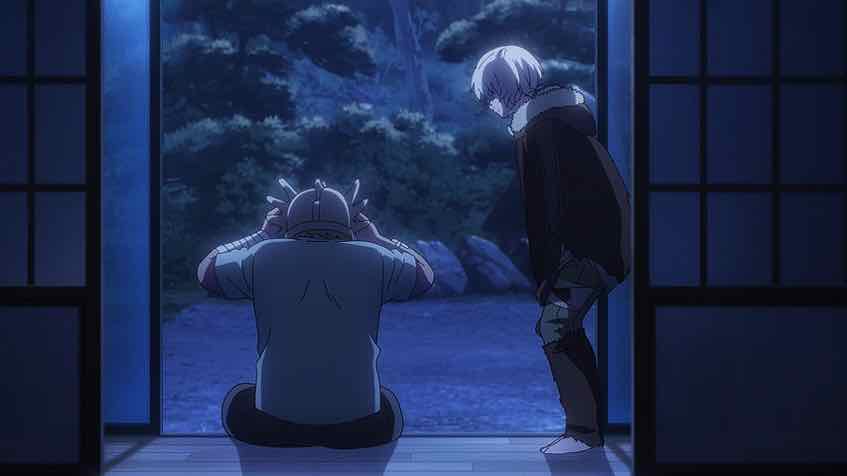
 This is the best relationship in Fumetsu by far, so it’s quite natural that an episode laser-focused on it will be a great one. Gugu is struggling at school, unsurprisingly – the whole mask thing plays as weird. In fact he looks “pretty much normal” under there but that doesn’t stop he and Hairo from getting mixed up in brawls with the local banchou. While Fushi is on one of his extended walkabouts Gugu returns to Takunaha, and unsurprisingly feels much more at home there than this world (effectively, ours). Booze Man and his brother left a legacy for him, and memories of Rean still consume him. He’s even become a figure celebrated in local festivals as the savior of Takunaha.
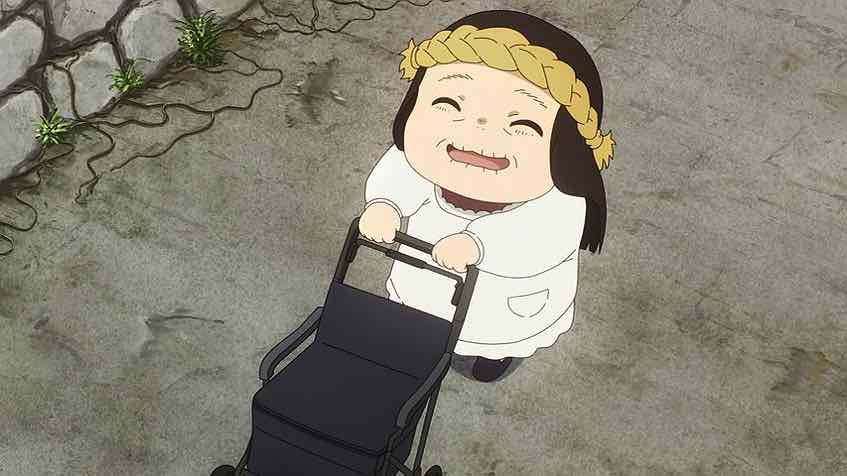
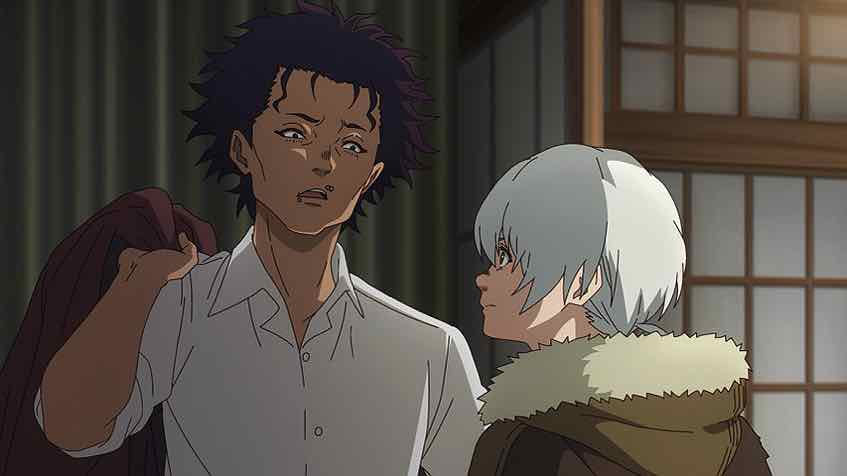 Gugu would clearly be much happier in Takunaha than here. But he refuses to go, because he won’t leave his little brother’s side. More guilt for Fushi. Fushi’s impulse is always “I have to do more”. But the truth is, there are things even he can’t do. Tonari (who even I will admit is less annoying in this incarnation) points this out to him in no uncertain terms. Fushi can’t end suffering, because human beings are emotional creatures. They find their own happiness and sadness, no matter what Fushi does. In fact it’s their suffering that gives meaning to their happiness, just as it’s their eventual death that gives meaning to their life. And this is something Fushi has never been able to accept.
 Poor Fushi. Being him is suffering. And that’s the irony – if he stopped obsessing over everyone else’s happiness and let them find it themselves, he’d have a much better chance to be happy himself. His chicks are mostly itching to leave the nest now – he brought them to this world, but they long to find their own place in it. Fushi has to find the strength to let them go. And indeed, to let them die – nothing else will bring closure to either of them. But that cuts against the very nature of Fushi’s existence, both as the eternal and the eternal good boy.