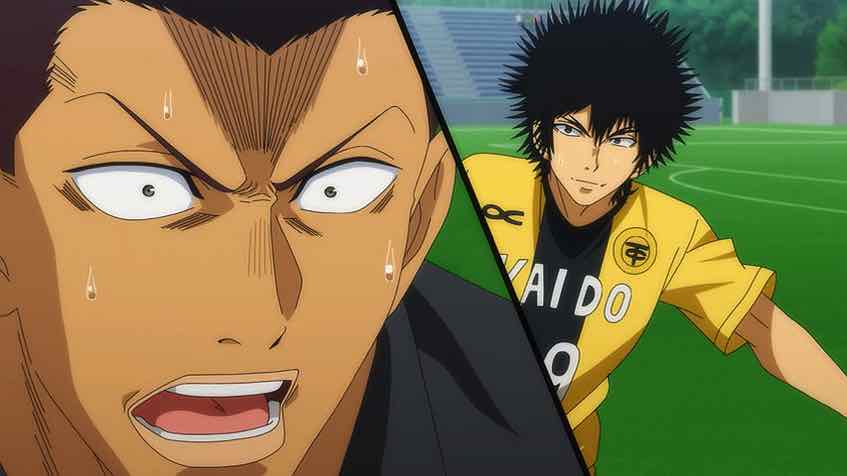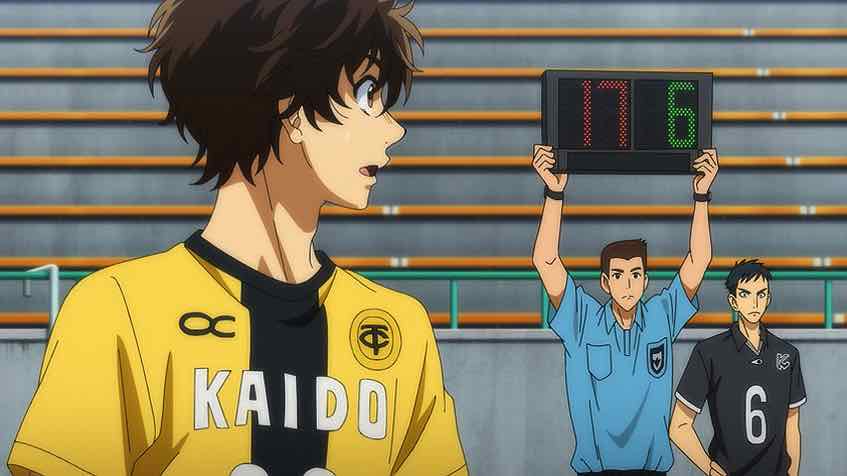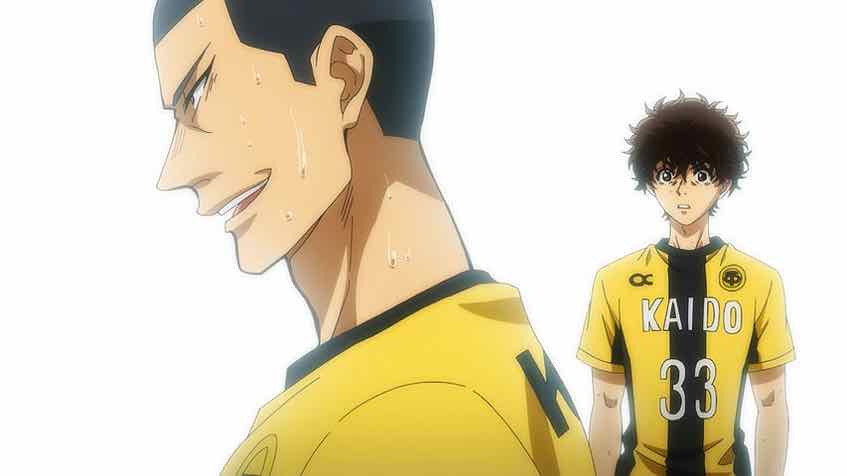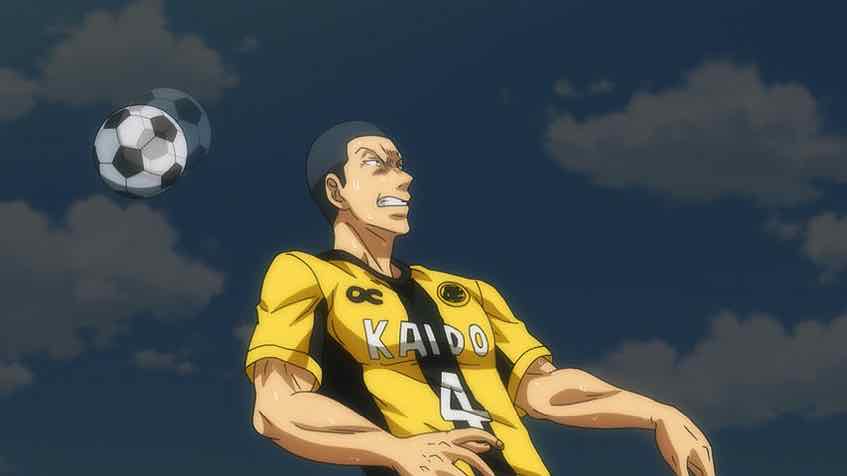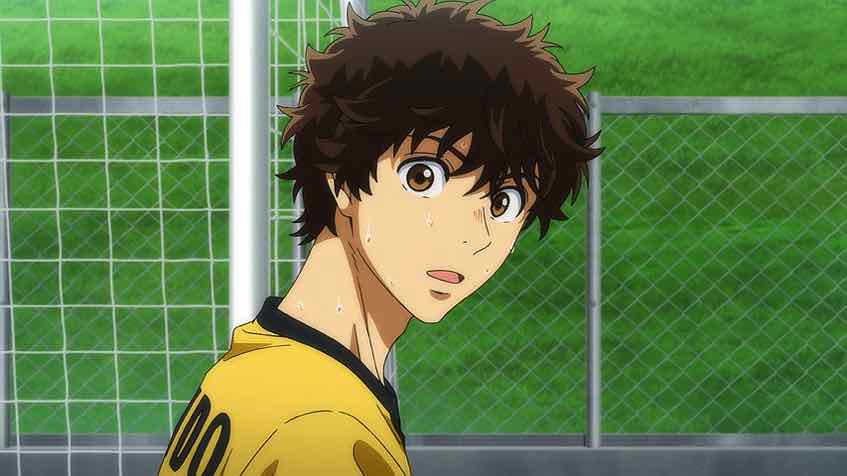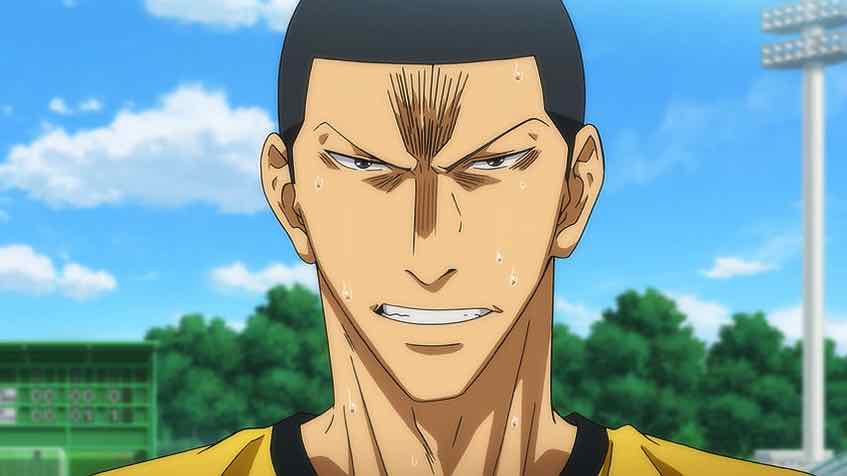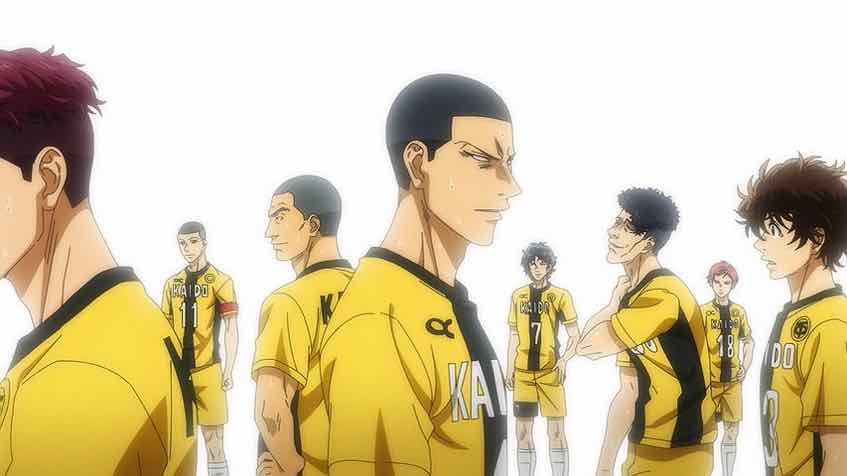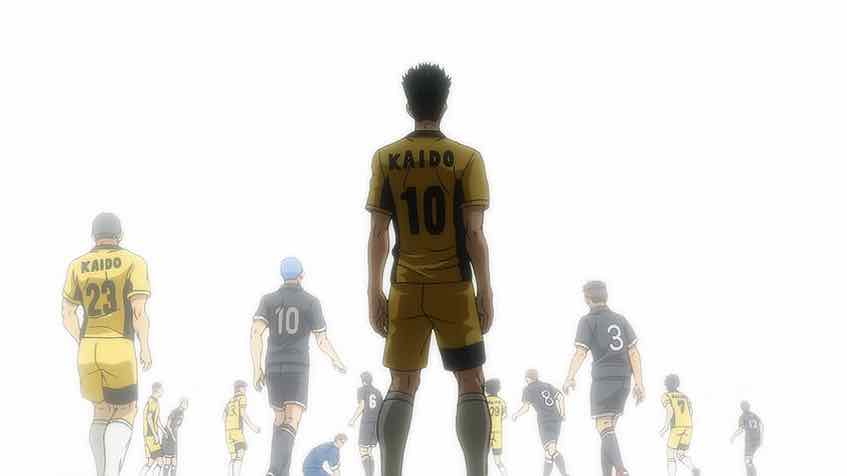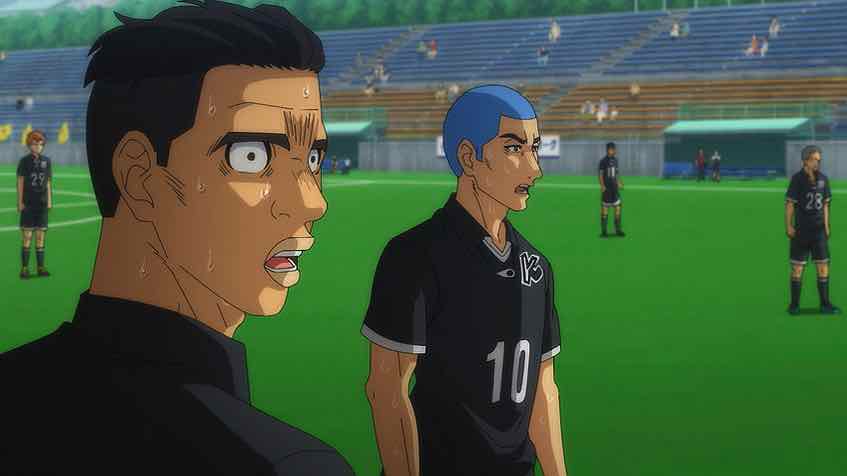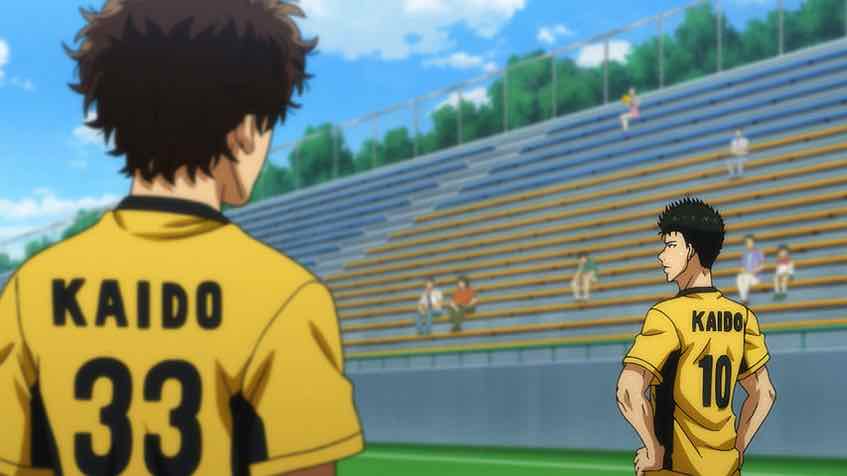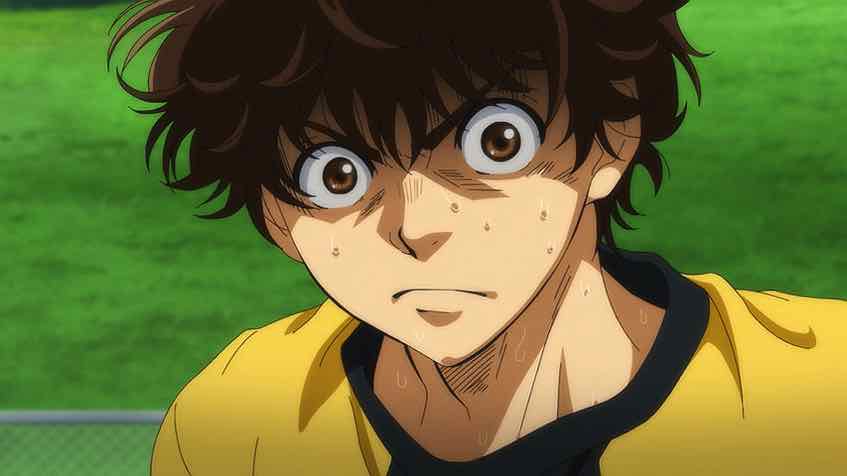

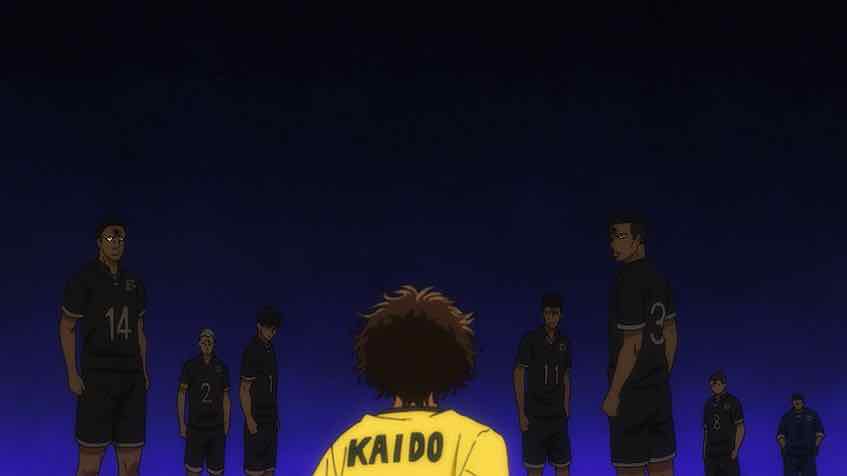
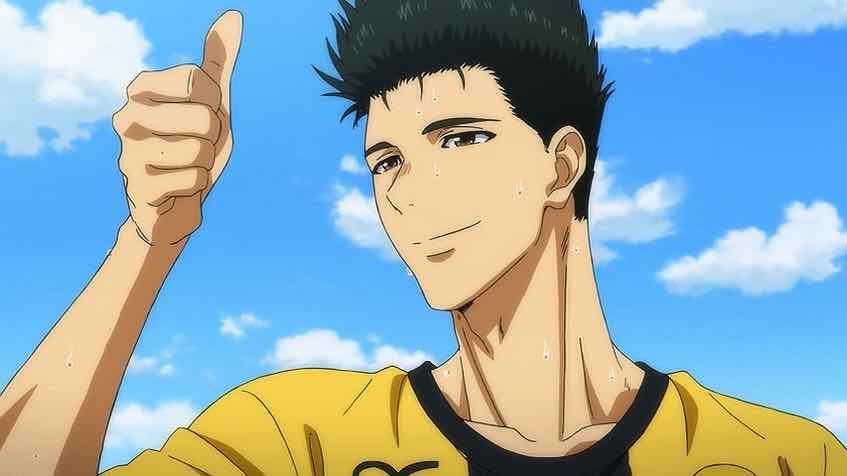
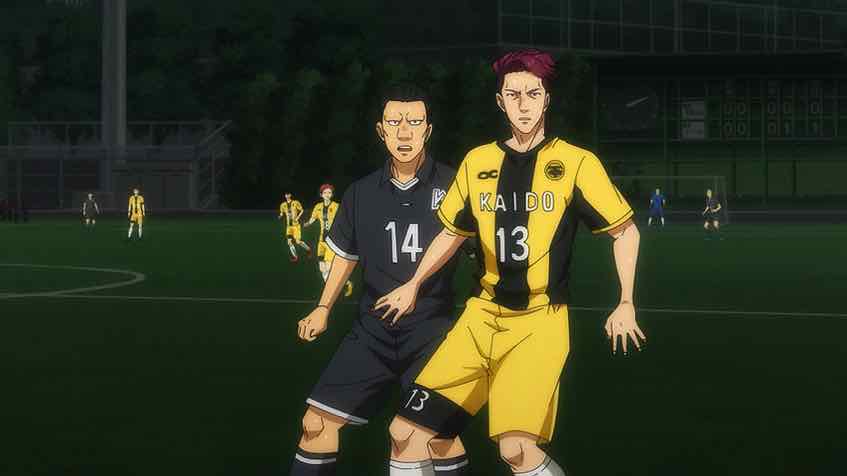
 Ao Ashi presents a superficially similar conundrum to this week’s Ranma episode, as weird as that sounds. This is hard to write about too, but for a totally different reason. Simply put, this is sports anime operating at the very highest level. There’s not a lot to parse because it’s functionally pretty close to perfect. Maybe one could point to one or two brief wobbles in production (like clunky CGI) where things drop off from the Production I.G. season. But apart from that this episode – unlike Ashito – didn’t put a foot wrong. And that can be deceptively tough to review.
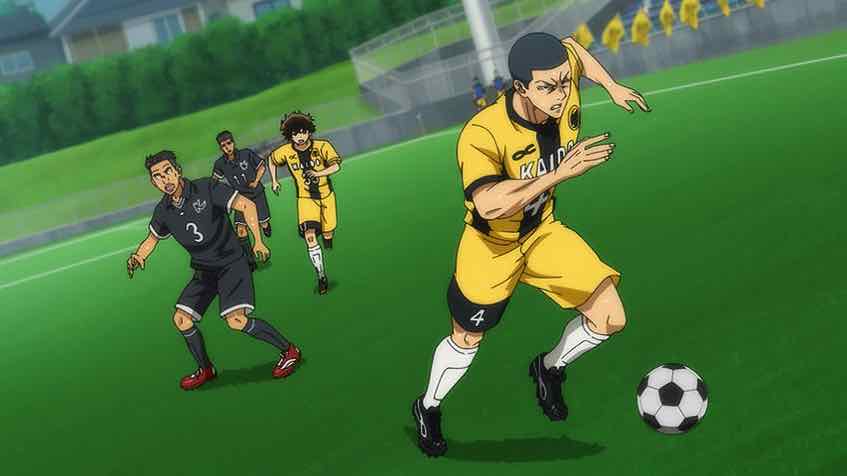
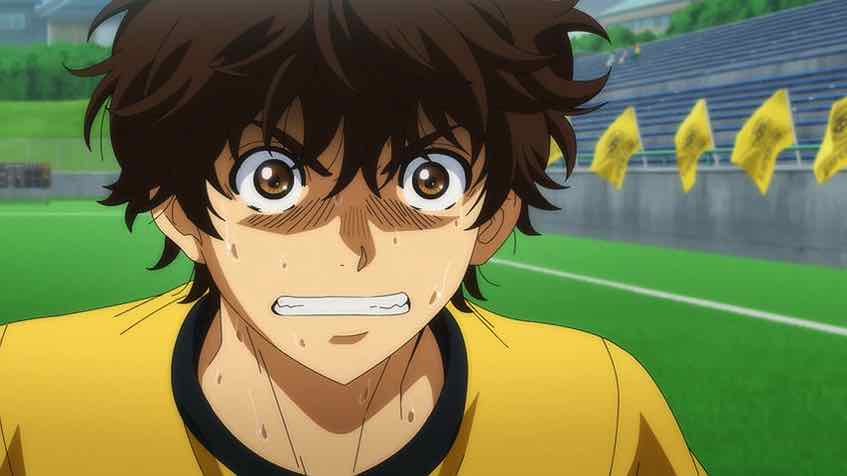
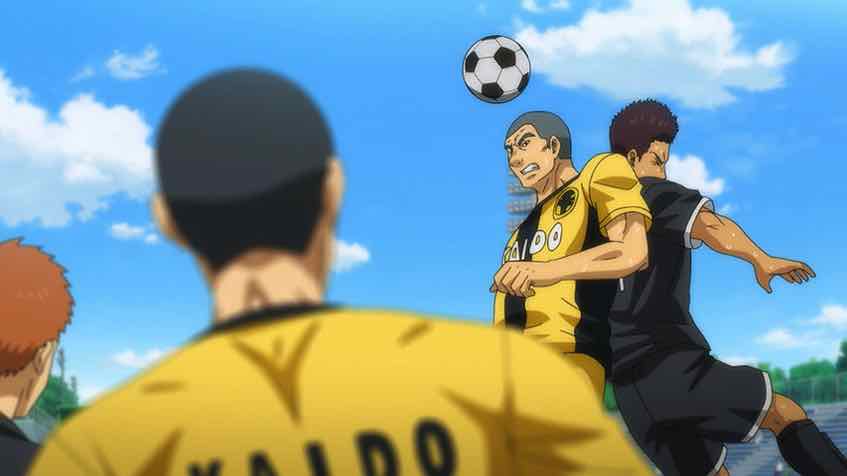
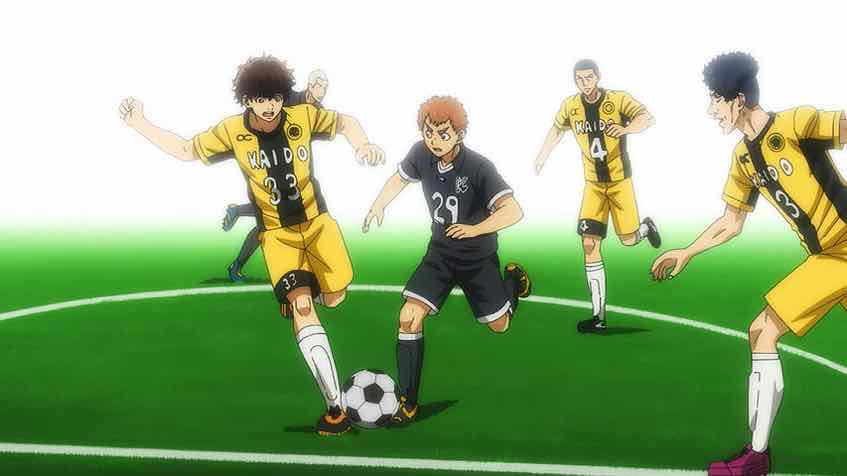
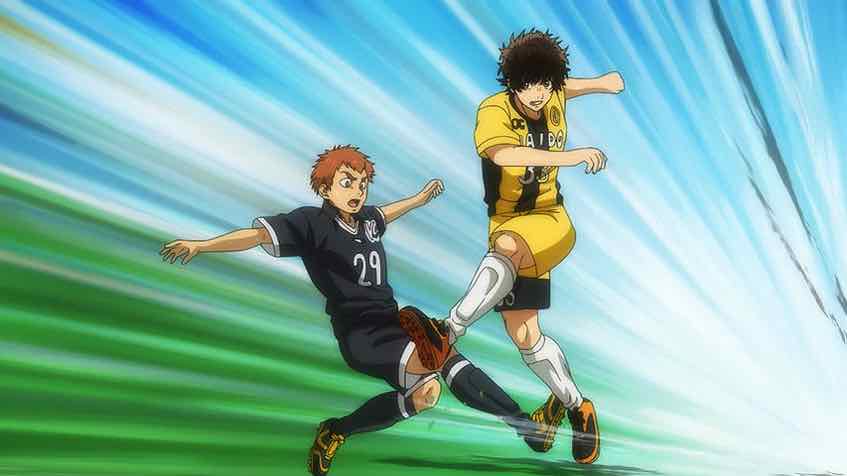
 Of course, Kashiwa is targeting Ashito. Suguira is no fool – he knows Esperion have more individual talent top to bottom. But they’re also tight as a drum, and in soccer cohesion if everything – that’s why what formation a manager chooses to use is so critical. Ashito is a first-year and new to the A-team which is an issue in itself. The pace of the game is clearly bewitching and bewildering him. You often hear commentators talk of how important it is for “the game to slow down” for rookies at any level in any sport, but that’s easier said than done.
 But an equal and maybe larger problem is that Ashito has no experience playing with any of these guys in competition. They all know exactly where the others are going to be and when, but not Ashito – nor he them. And it doesn’t help that Akutsu, the left-sided center back and thus the one in position to offer the most help, isn’t helping at all. He’s just playing two positions, effectively – covering left back as well as CB. He can do it because he’s an elite talent and Esperion are the better side (as they almost always are) but it’s far from ideal.
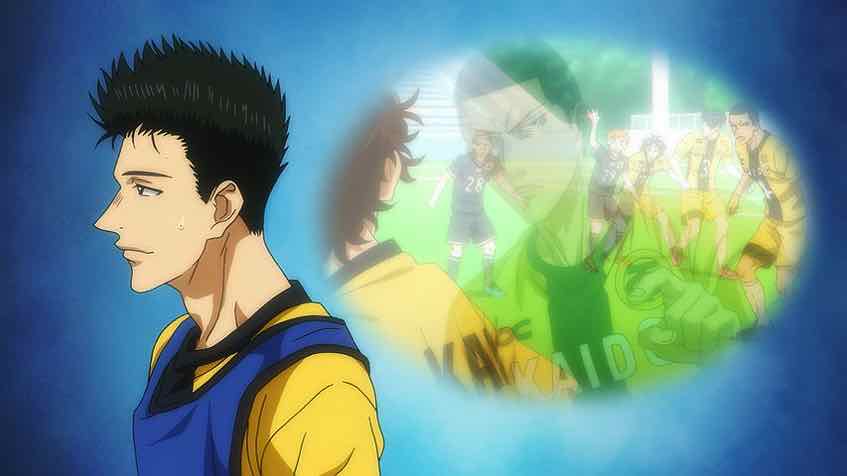
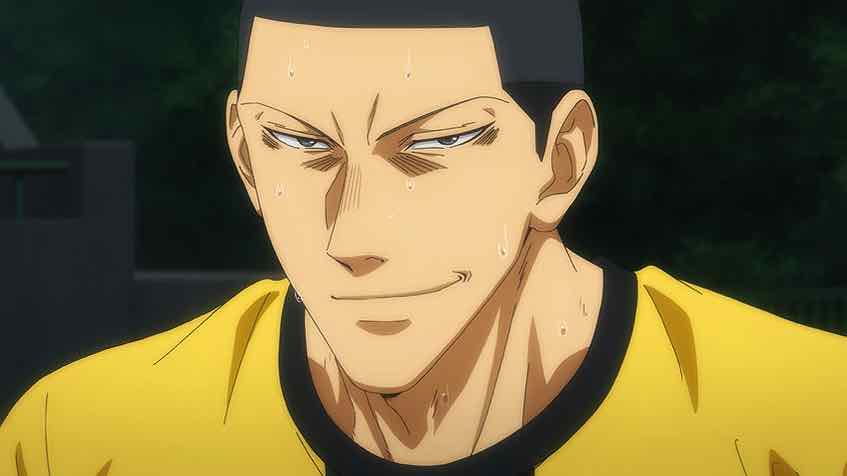
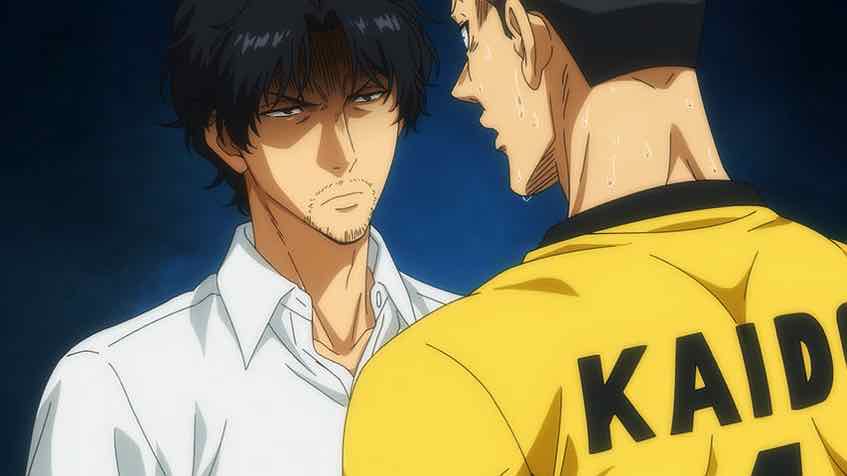
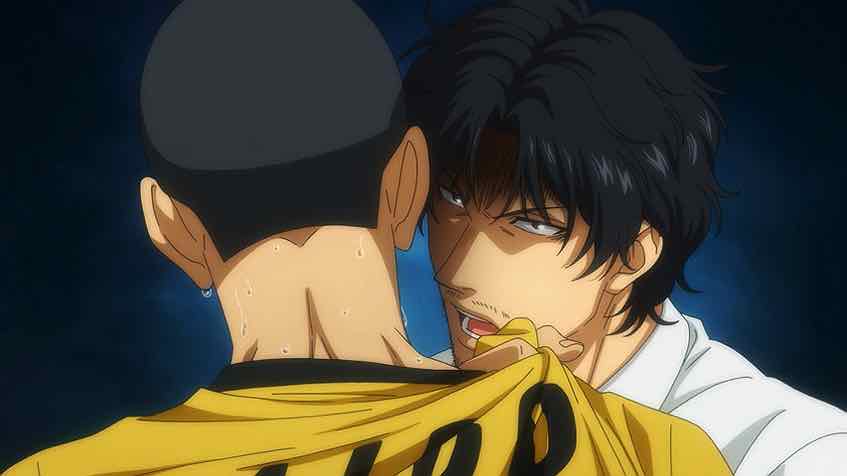
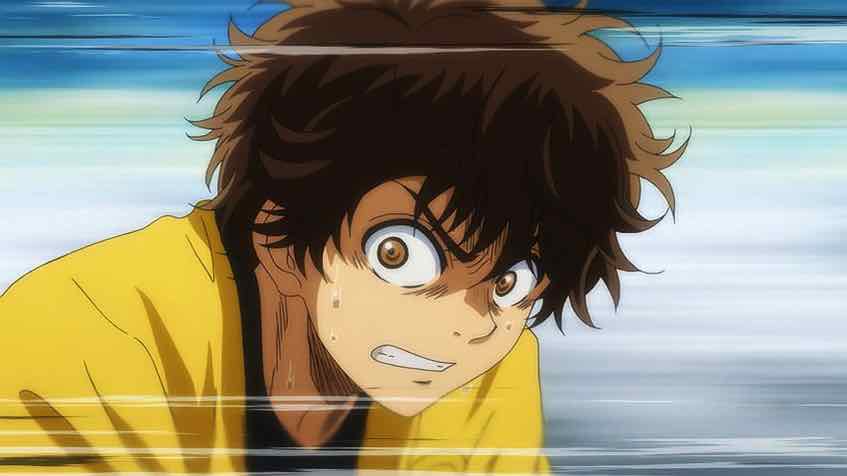 When you see shit like Akutsu is pulling here it’s unbelievably infuriating as a viewer. But the thing with Ao Ashi is that Kobayashi Yuugo is extremely smart as a writer and has a profound understanding of soccer. When stuff like this happens you can bet he’s going to address it, and he does. Of course Fukuda-san has a profound understanding of soccer too – and adolescent egos. He knows what Akutsu is up to and he’s none too pleased about it. He calls him over and reads him the riot act for not giving the newbie any instructions.
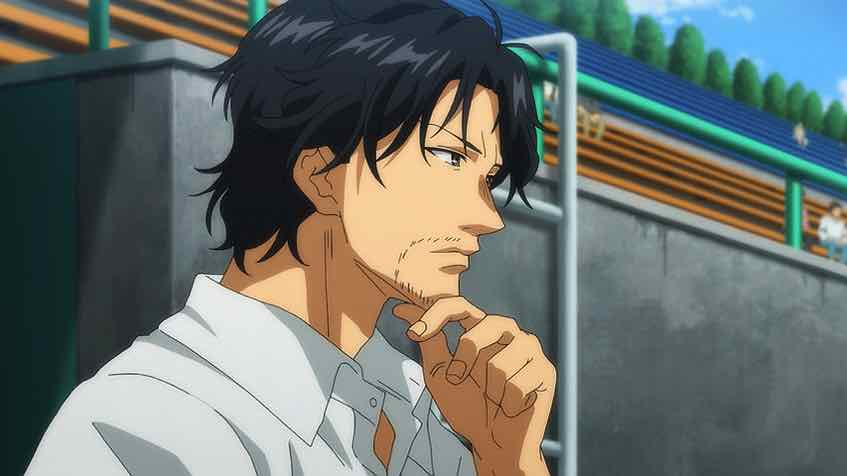
 What’s more, Fukuda shoots down the dickhead’s “he’s not worth it” argument ruthlessly – if Ashito was as useless as Akutsu says he’d just move him like a carpenter using a tool. But the reason he doesn’t is precisely the opposite – he’s afraid Ashito has what it takes to follow his lead and grow into the game, and considers him a threat. But in effectively threatening Akutsu with a trip back to the B-team the coach makes it absolutely clear this sort of BS isn’t going to fly with him. To say this sequence is enormously satisfying would be the understatement of the decade – it was a long time coming.
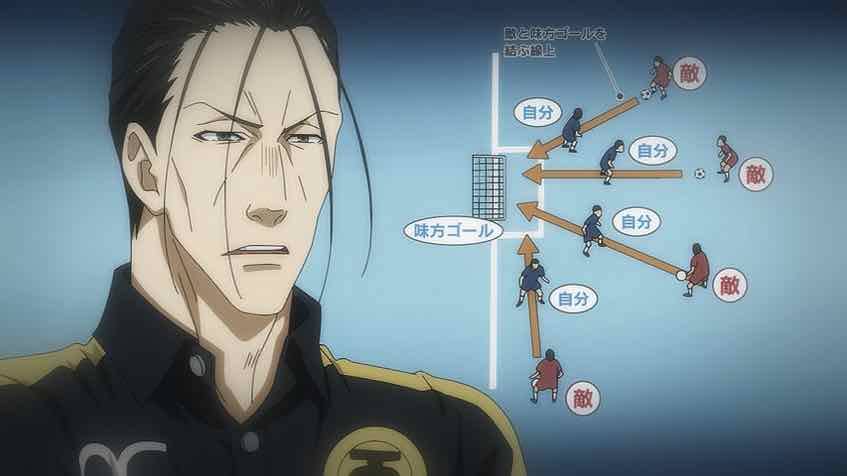
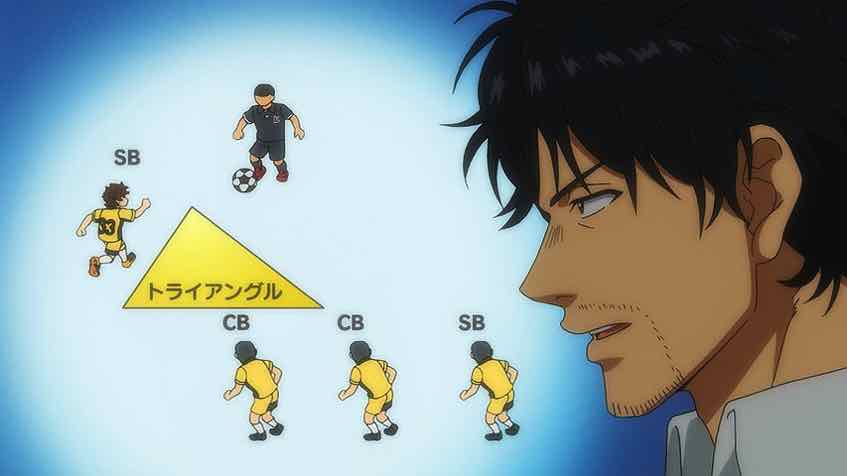
 Unsurprisingly, Ashito does indeed start to get up to speed once he starts being told what to do. More importantly, it doesn’t take him long to actually understand why he’s being told to do these things. Ashito is only playing the way he was taught to play – but what works in middle school and B-league doesn’t work at the top echelon. Ashito is fast, but his strength is not his physical quickness, but mental. He can grasp concepts quickly, and has an instinctive ability to read the game. This concept of the L-shape defensive formation is high level – difficult to execute even for pros. But Ashito gets it once he understands why he’s being maneuvered the way he is.
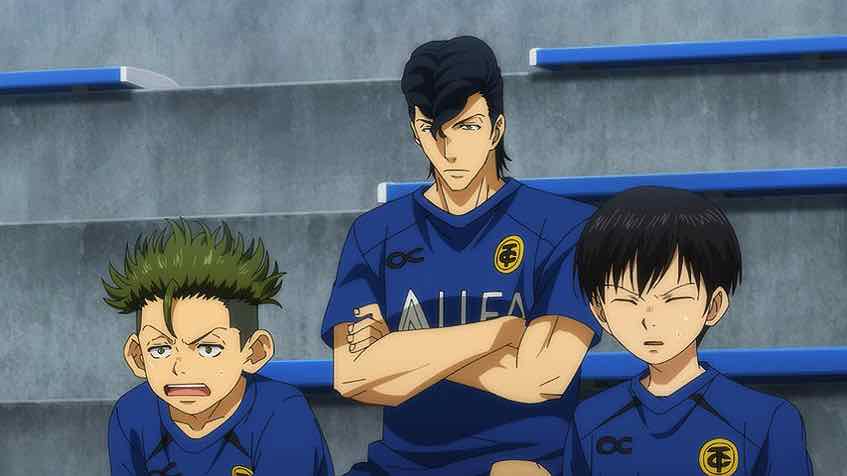 It’s true – shape is everything when it comes to defending. Much of the nature of attack in soccer is to break down that shape – for example, luring a left back out of position and exploiting the space he leaves behind. At the pace this game is being played Ashito does need to be told that – even twice. But he doesn’t need to be told a third time – he grasps the inherent power in maintaining this defensive structure. And more important, he understands what he has to do when it breaks down, and someone has to react to plug a leak that springs up. It’s not glamorous but at this stage it’s about survival for Ashito. A fullback is both an attacker and defender but he’s not ready for that level of multitasking yet. And he has to follow the Hippocratic oath of football defenders here.
 This is a huge step forward for Ashito. But when Fukuda finally introduces Kuribayashi, that changes everything. Managers often do this – introduce technical players late in the match, when the opponent is mentally and physically exhausted. Kuribayashi’s reputation is such that his mere presence rattles Kashiwa. And quickly leads to a goal. More than that, though, I suspect it will unlock the other half of the game for Ashito. With Kashiwa demoralized and on the back foot and Kuribayashi as a dynamic outlet in the center of the pitch, Ashito can begin to play fullback in the way Fukuda planned for him to do so – at least in a very primitive way.