



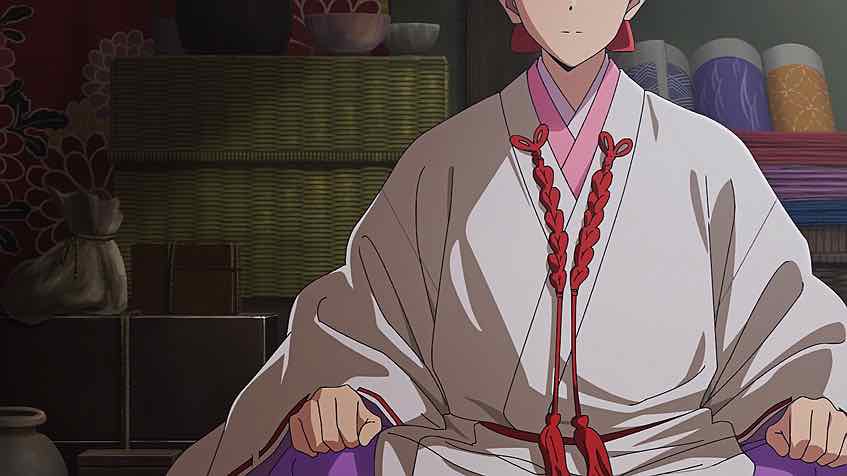
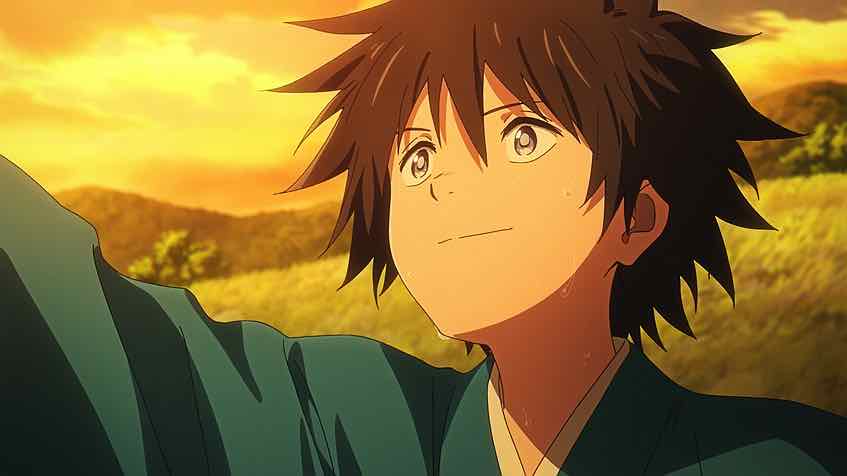
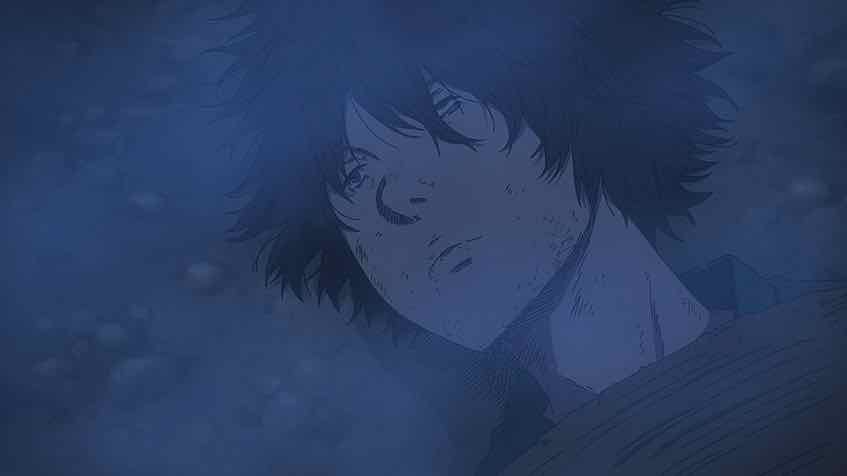
Yeah, my prediction yesterday was spot on. That is indeed five cracker anime episodes in a row, probably the first time that’s happened in years. Mind you it was a safe bet – Every ep of World is Dancing has been outstanding so far. This one was seriously dark though. Maybe no darker than the Shirabyoushi episode but more depressing in a quiet sort of way. While this series is a chronicle of one of Japan’s most revered historical figures, it’s very much a personal account. And what Oniyasha is experiencing here is profoundly set, as it’s quite clear what he’s losing.
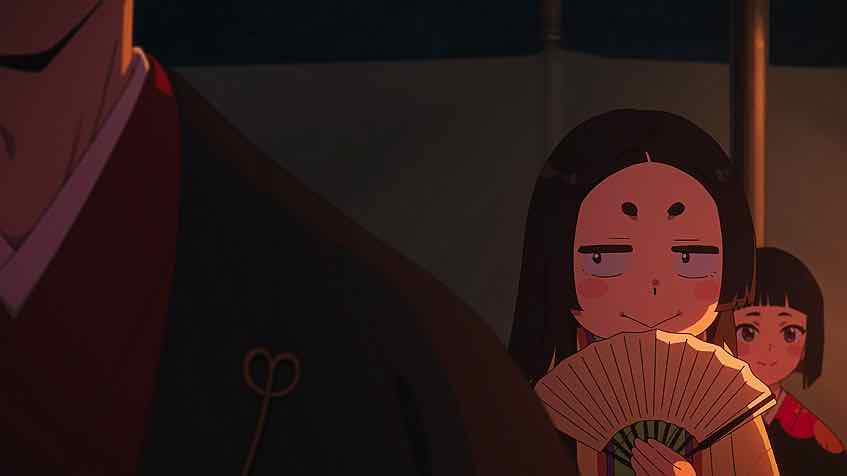
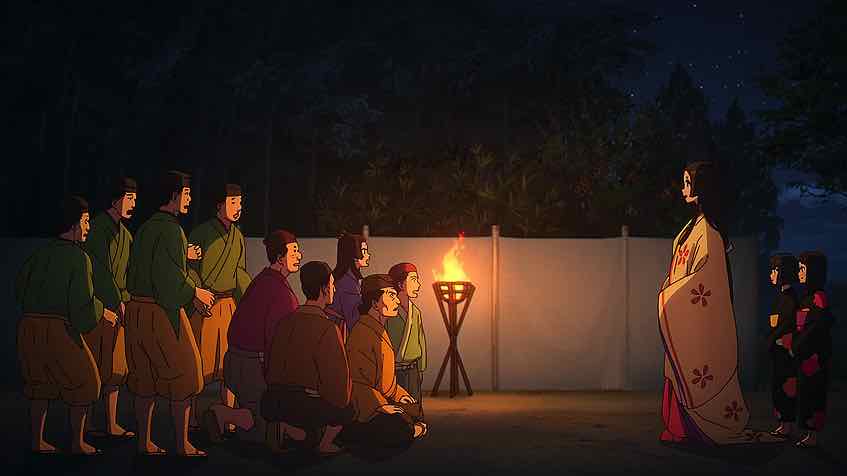
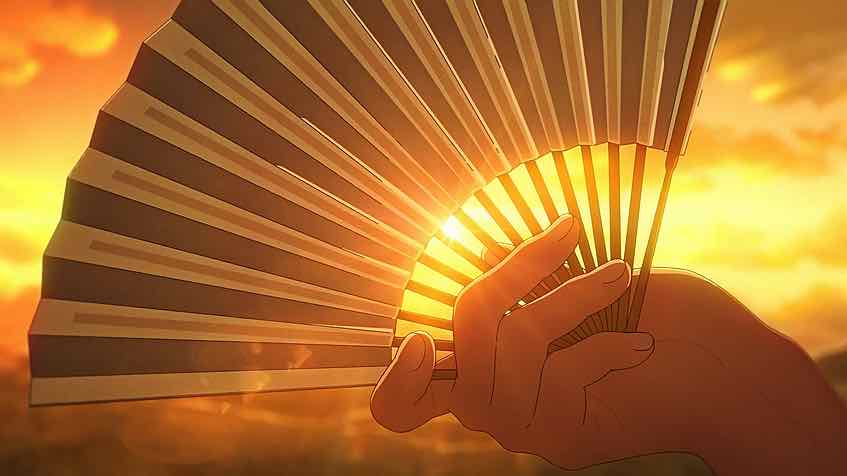
First off, we have the performance of Shiokumi. And thankfully the lesson seems to have been learned from the Sotoba Komachi debacle, because the lyrics the boys sung were fully translated. And this was one of the series’ most gorgeous performance pieces – I especially loved the ghosting effects, as with Oniyasha’a fan. The way the audience was transported by the performance was communicates elegantly and effortlessly. Of course Paku Romi’s singing voice wasn’t used for the performance, but I don’t think we can call that a surprise.
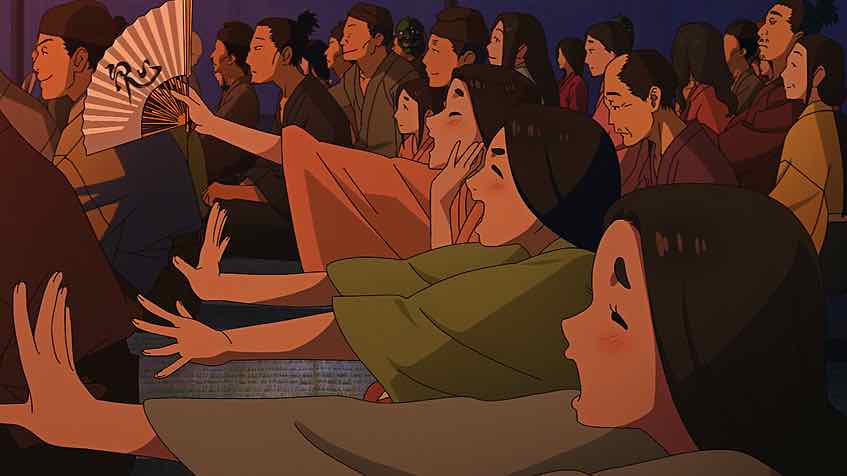


This spectacle was something very normal in those days – and indeed a lot of days after, as women were not allowed to perform in Noh until the mid-20th Century (and still aren’t allowed in Kabuki). Young boys played women, and they had to get to the emotions behind roles like these. One suspects that would have been much easier in the original Dengaku, before Oniyasha took Shiokumi and made it into something more layered and subtle. It’s clear going in that both Oniyasha and Zoujirou have already acquired a considerable fan base – Oniyasha seems especially popular with girls (and shoguns).
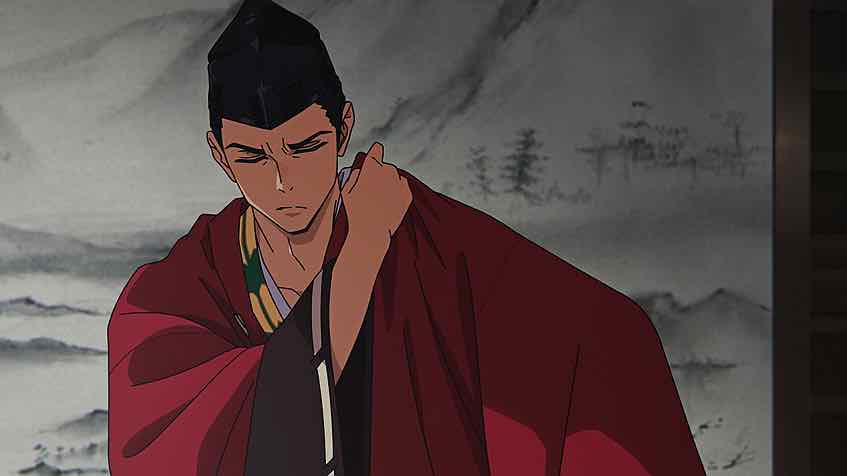
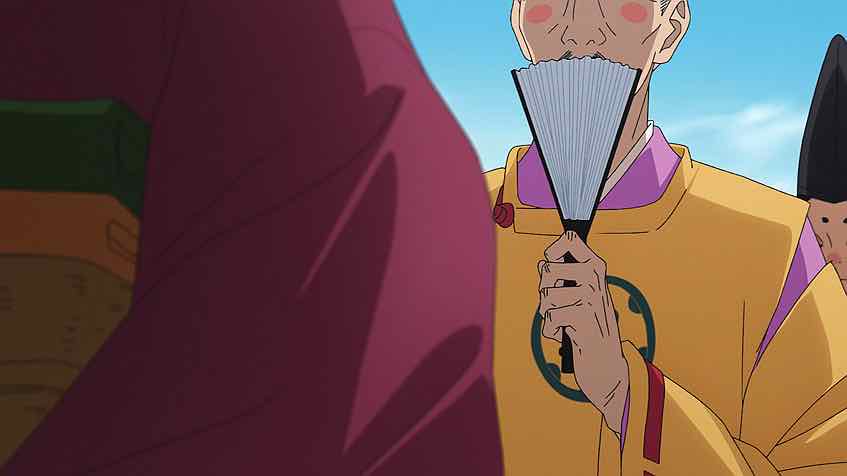
Hosokawa’s surprise at how this played out will have been shared by anyone grounded in the classics at the time. Oniyasha appears first, leading to the assumption that Sarugaku would be leading off. Zoujirou at the other end of that cart throws expectations to the wind, and then it becomes clear that this is a Degaku piece. Nominally. And of course, even though the two performed together this is still a competition. That means it’s up to Yoshimitsu to declare the winner – even though the whole point of the performance was to prove the futility of that line of thinking.
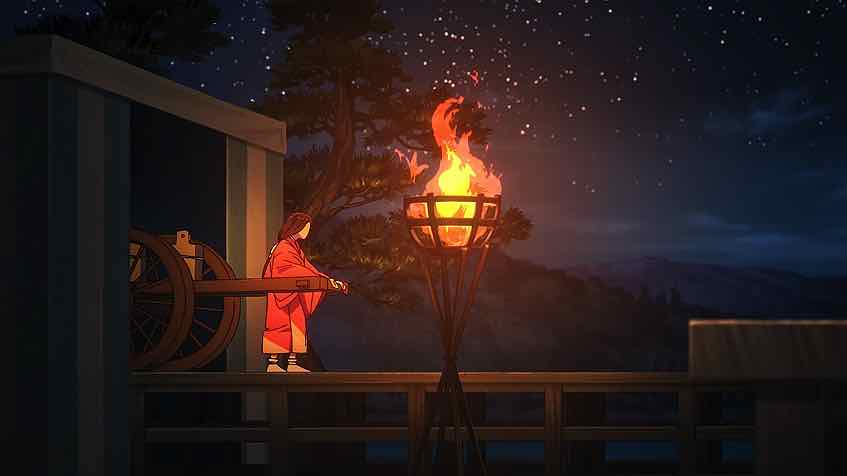

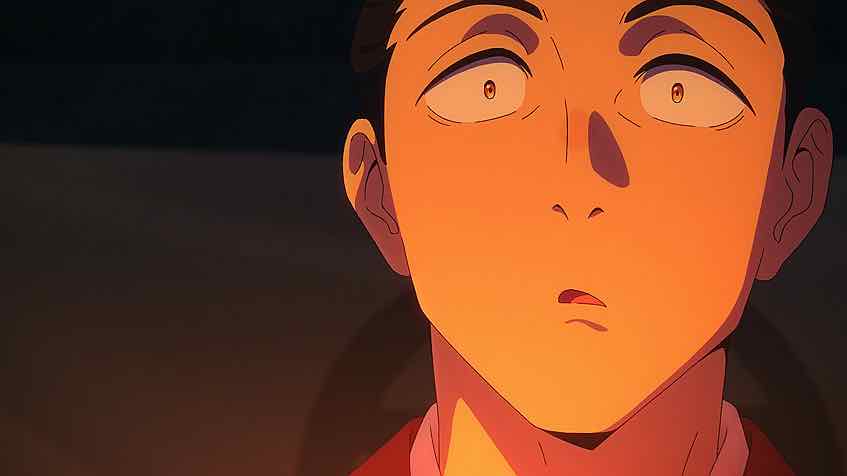
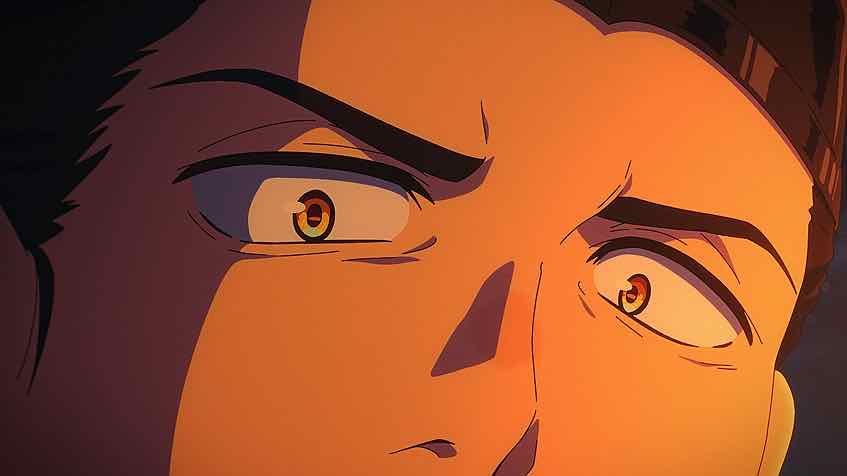
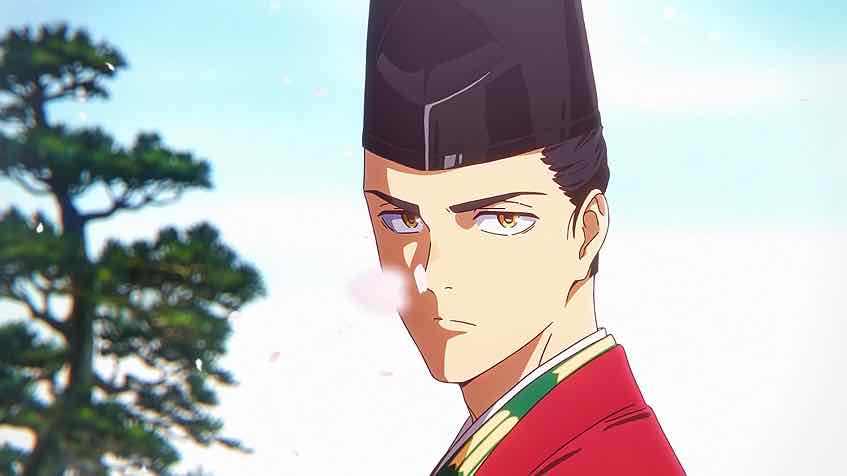
The first thing the young Shogun does is ask whether this was Dengaku or Sarugaku. Zoujirou and Oniyasha each try and confer credit on the other, much to their mutual irritation. Magnanimously, Yoshimitsu declares the contest a draw. Whether it was Sarugaku or Dengaku or a “as yet unnamed” technique, it gave the audience something unexpected. But the truth – and Zoujirou seems very much to sense this – is that the Shogun’s words confer the victory to Sarugaku, and Oniyasha. It was he who created something new and dared to let an audience judge it.
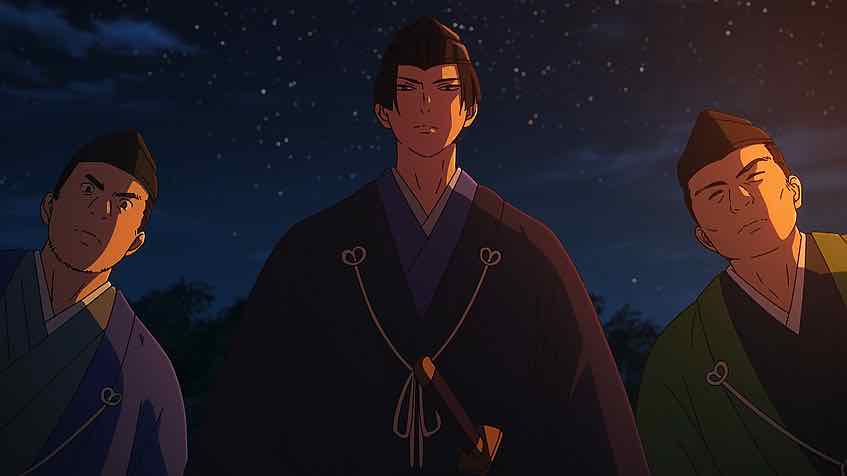
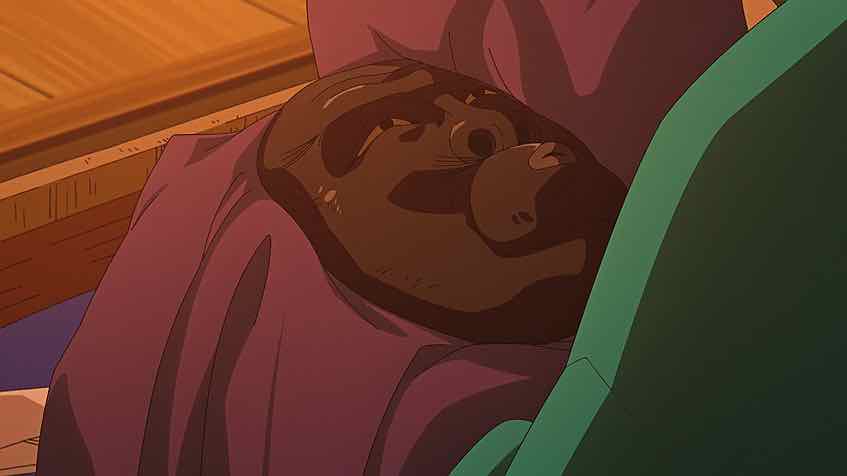
It’s probably fair to say Oniyasha’s message was not lost on Yoshimitsu. He was no fool, and a man of big ambitions. And Oniyasha’s vision of a world beyond winners and losers decided by fate and fortune showed him a possible path to help achieve it. But things take a very dark turn in the aftermath of his verdict, as Kogane – embedded in the crowd wearing a Dengaku mask – pulls a dagger and makes an attempt on the Shogun’s life (I initially thought his target might be Oniyasha). This can only end one way for Kogane, and surely he knows that. He’s the ultimate loser in the current power dynamic, powerless to change his fate in any way but the one he chose.
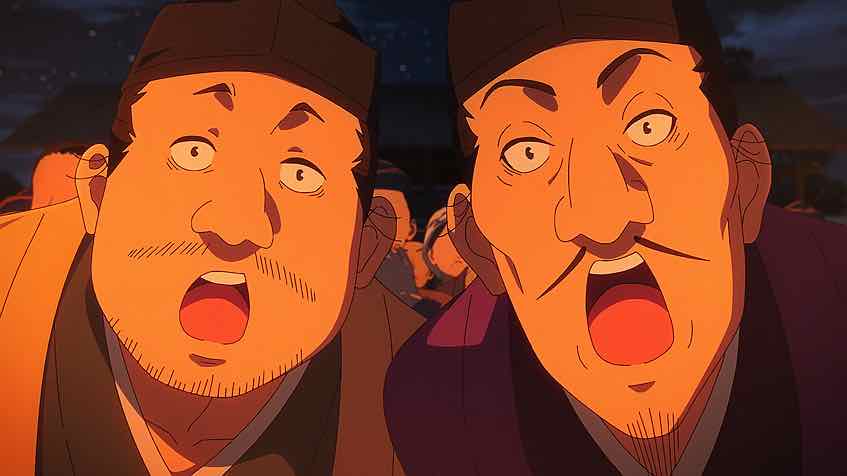

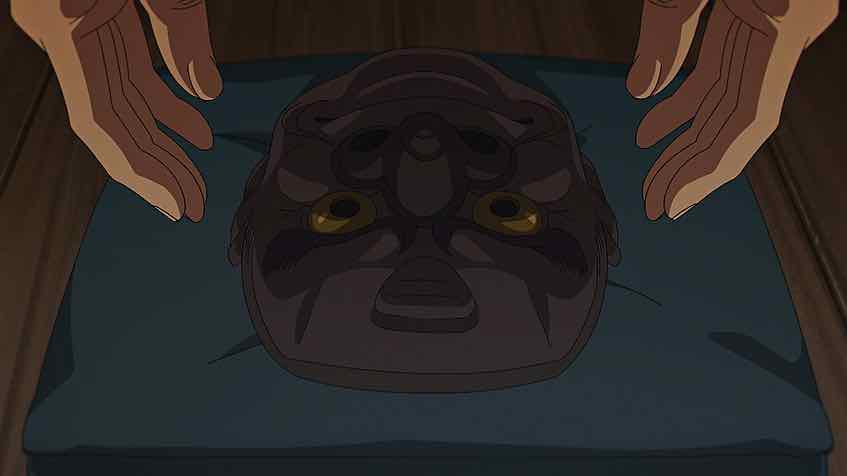
It seems safe to talk about now, but Kogane isn’t even a character in the manga (at least up to where I’ve read). This storyline which seems so thematically essential to World is Dancing is totally anime-original. Naturally this event has a profound effect on Oniyasha. But that’s compounded by the impending departures of Zoujirou and Ishiya (who’s likewise nowhere to be found in the manga). Is Zoujirou leaving (with Kogane’s mask, a subtle not to Zoami’s future) because, in part, he realizes that Oniyasha has already won the battle for the Shogun’s artistic direction? Perhaps. He may also sense that Dengaku has been eclipsed here, though of course Zeami would continue to praise it and it represents a sizable chunk of his massive catalog of new and revamped works.
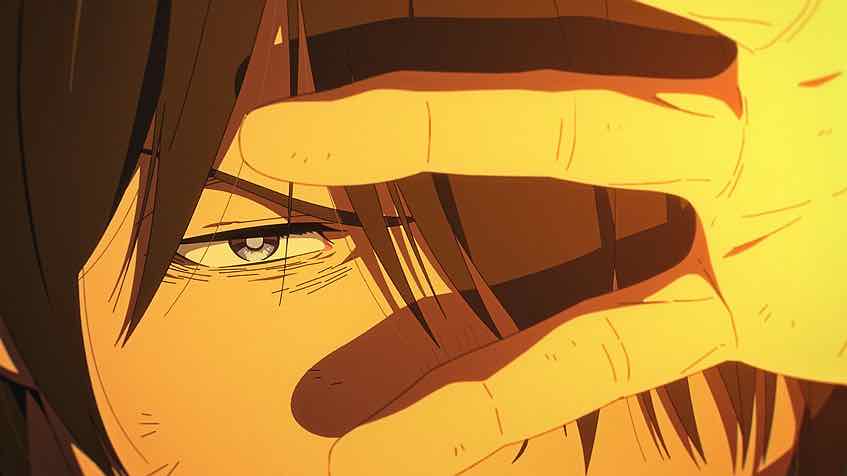
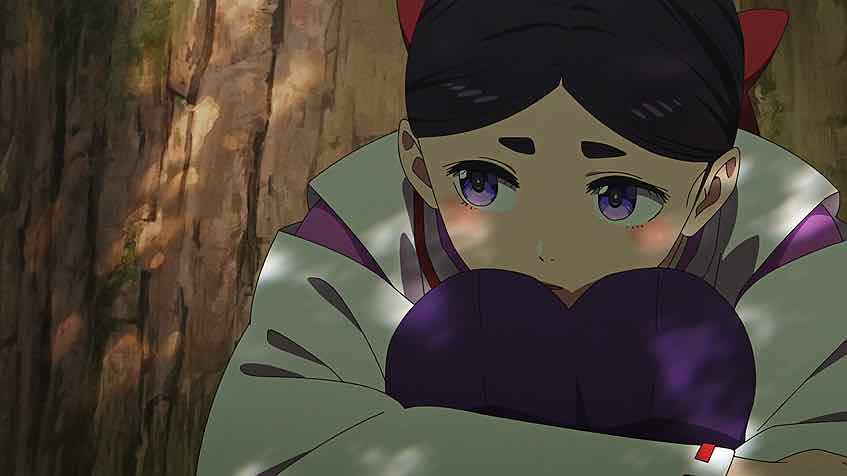
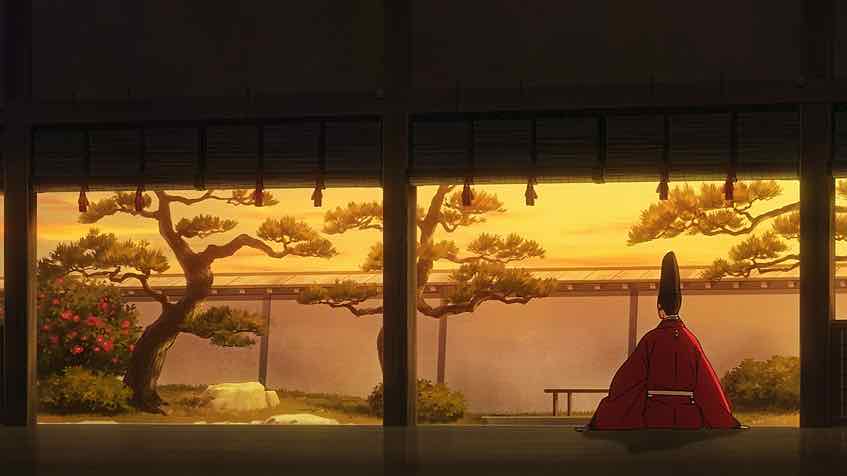
As for Ishiya, he realizes that Oniyasha has outgrown his ability to be a useful partner. I think this is pretty short-sighted – Oniyasha is still a child, and he needs emotional support from somebody. But for Ishiya it’s always been painful to realize he could never stand on a stage with Oniyasha as an equal. Now Oniyasha is growing in leaps and bounds and – ironically given his intervention with Kogane – Ishiya perceives that his presence will be an anchor holding Oniyasha back. Artistically that may well be true, but it’s a cold act in personal terms and I feel a lot of sympathy for Oniyasha here. He’s just doing what he’s been trained to do since he was a toddler, and now everyone close to him is leaving his side.


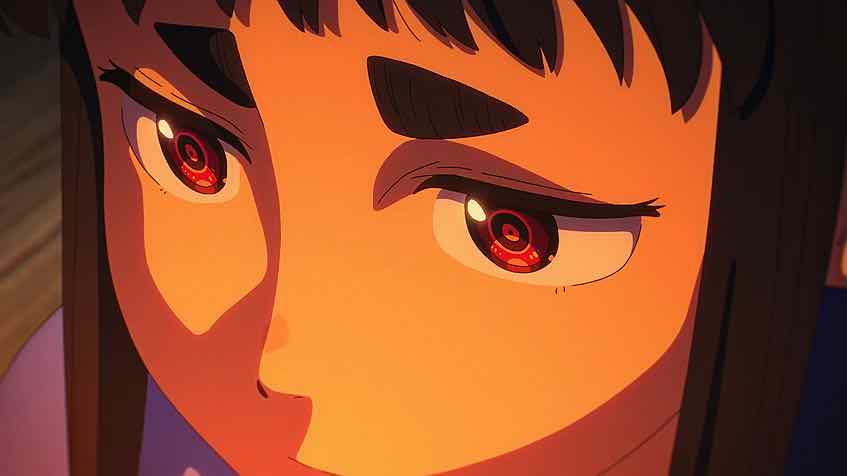
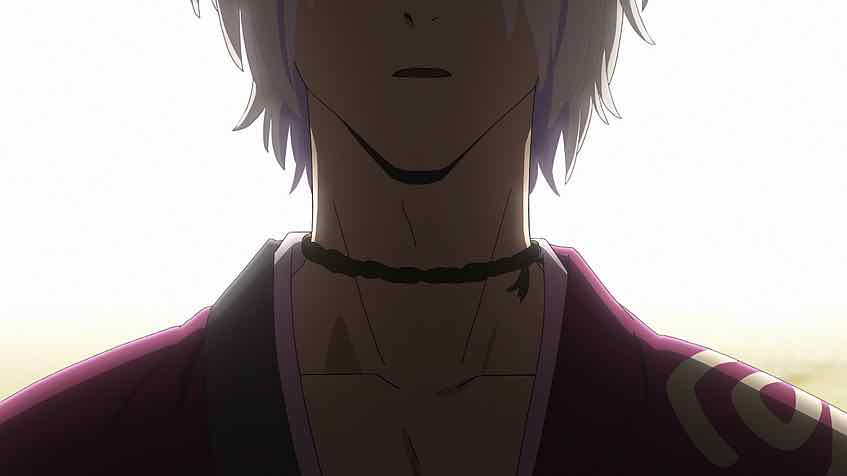
Back at the Kanze Troupe, Kan’ami has a visitor. And we have confirmation that the strange white-haired boy is indeed Inuo, Zeami’s greatest contemporary rival and perhaps the performer he admired most. He and the Kanze leader know each other, clearly. Inuo tells Kan’ami that he’s seen a flower in his son, but Kan’ami will never get it to bloom – because his “fear of silence makes it impossible”. That’s an enigmatic thing to say, and I suspect it’s a theme we’ll be exploring further.
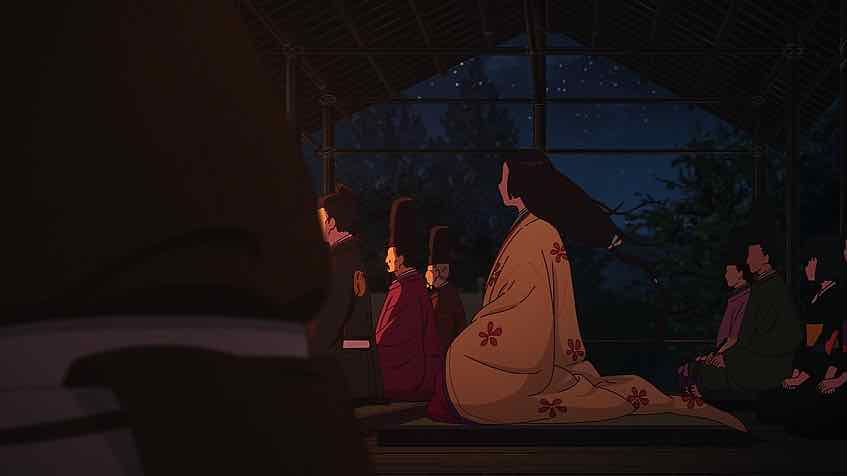
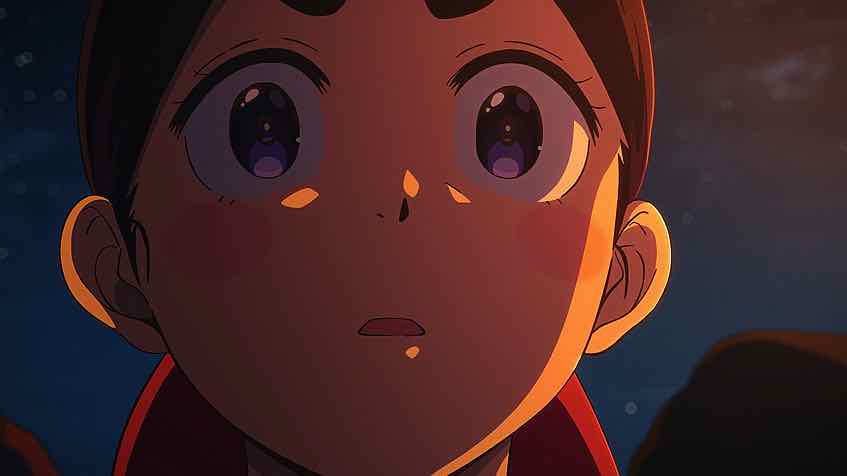
This was an episode clearly framing the end of innocence for Oniyasha, and indeed the story now skips forward to the future Zeami as a young man. What impact has being forced to face a world which increasingly heaps expectations on him without any obvious support system had on Oniyasha? I suppose we’ll find out, and history tells us that the boy we knew became one of the most remarkable and influential men in Japanese history.




































Elegiast
September 2, 2026 at 12:02 amSorry, but Kogane’s storyline is absolutely NOT anime-original.
Guardian Enzo
September 2, 2026 at 6:26 amAs I said in the post, “at least not in the part I’ve read”. Thanks for the update – in the interest of avoiding manga spoilers let’s not discuss it further though.