



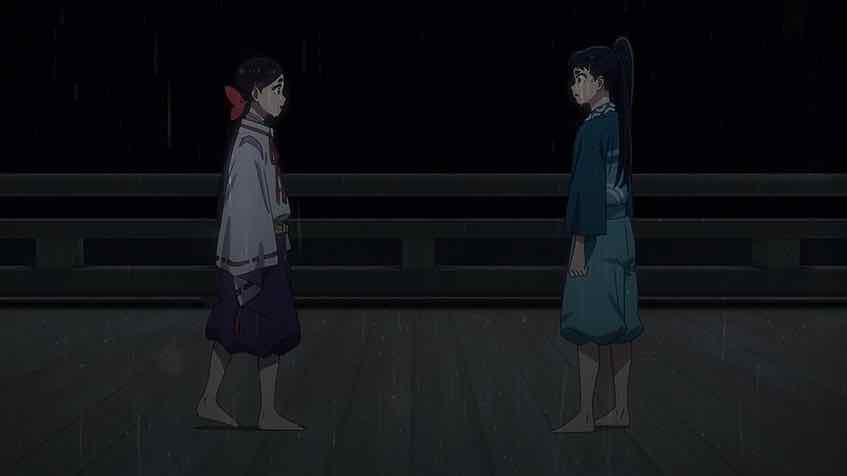
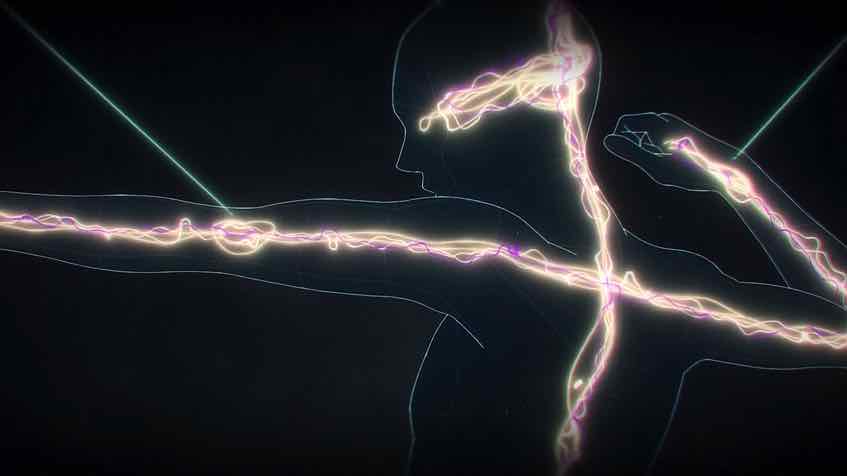
OK, hear me out. This is getting way deeper into the Shinto weeds than I’m qualified to venture, honestly. But at this point, I’ve come to view Oniyasha’s role in World is Dancing as that of the shaman. Indeed, one can take that view of historical Zeami too, quite reasonably. Broadly speaking anthropologists breaks shamans down into two types. Tenmoku no Jaadugar showed us a certain type of shaman in Töregene’s husband. In Mongolian tribal beliefs shamans are the “soul journey” variety. The shaman leaves their body and indeed this realm, traveling to another plane. This is the sort of thing Tanda and Torogai mainly do in the Moribito series.
The other main group is the “spirit possession type”. This is where spirits or Gods possess the shaman and guide their words and movements, often delivering messages to the members of the tribe. In Shinto this is the generally accepted belief. And in fact Dengaku is a form of spirit possession more or less, where the Gods possess the dancer and guide their movements (kamigakari). Dengaku is closely tied to the field rituals from which it evolved and to Kagura dances at shrines. Oniyasha has in fact practiced both in World is Dancing, after a fashion. His participation in the frantic fertility dance in the rice fields was a classic example of spirit possession.
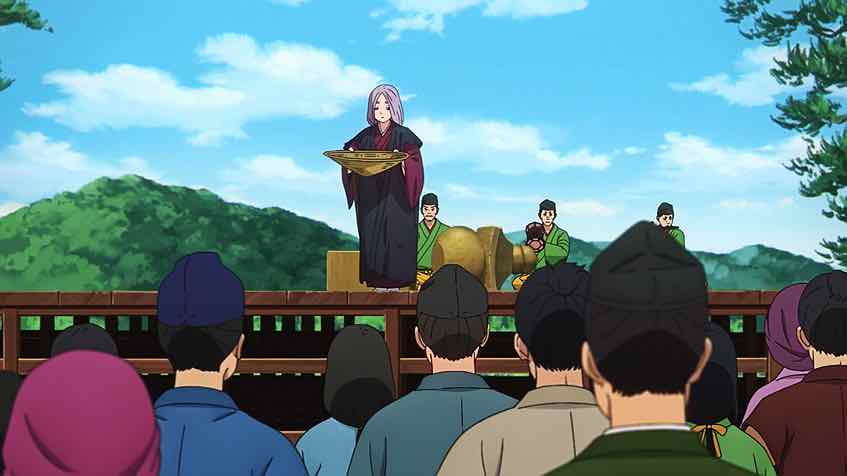

However, I think he – and Sarugaku – are temperamentally inclined towards the soul journey. This is what’s being expressed in the surrealistic sequences in the series. It’s too simpistic to say Sarugaku is based on soul journeying and Dengaku spirit possession, that’s beyond a doubt. But the essence is true, I think. And what’s indisputable in the story and in the history books is that he strove to combine elements of the two – and indeed many other influences as well. Kan’ami was a believer in this, and Zeami was the one who brought the notion to its full flower. And in doing so, created what we know today as Noh.
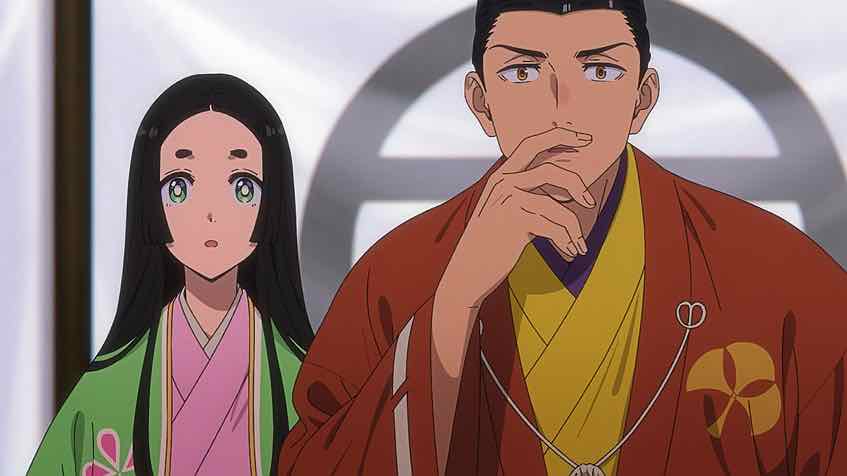
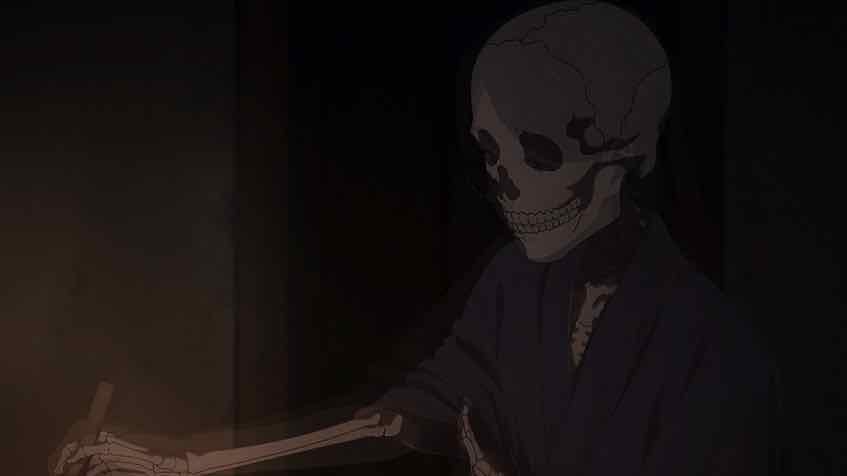
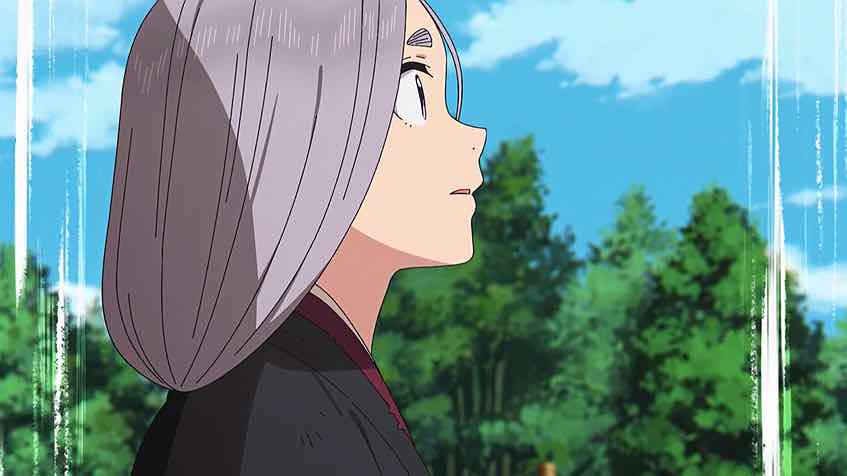
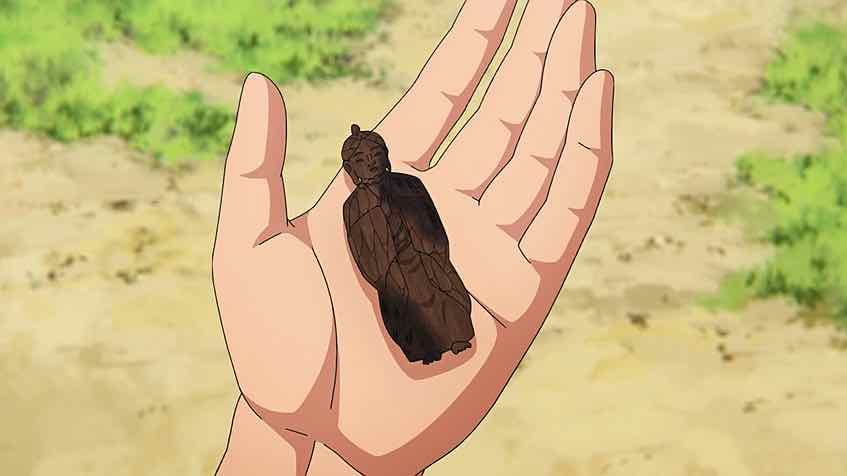
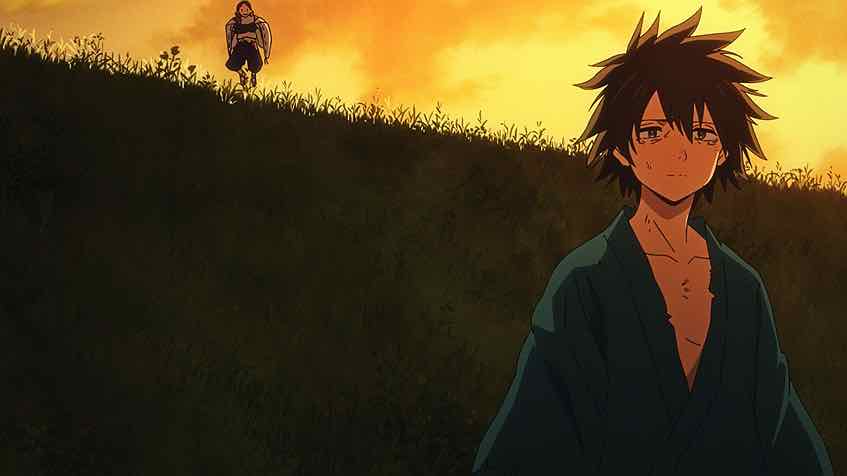
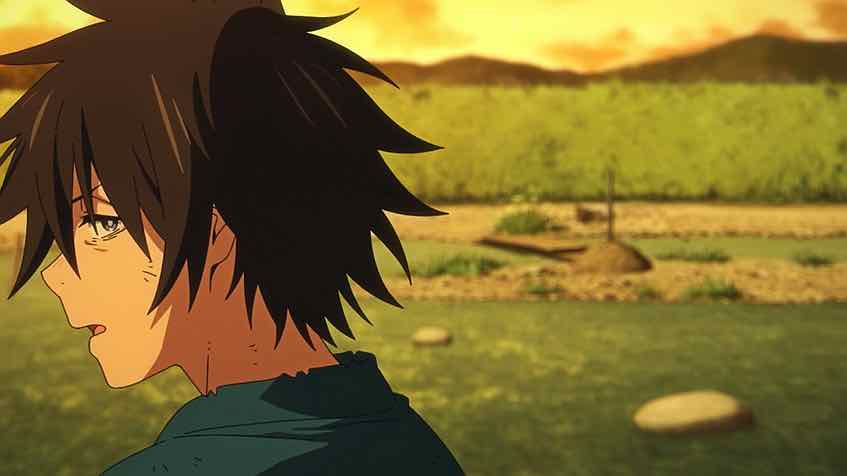
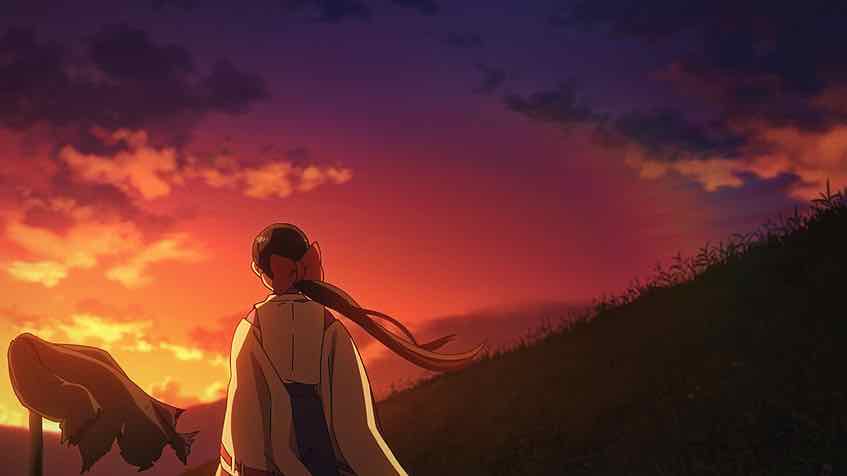
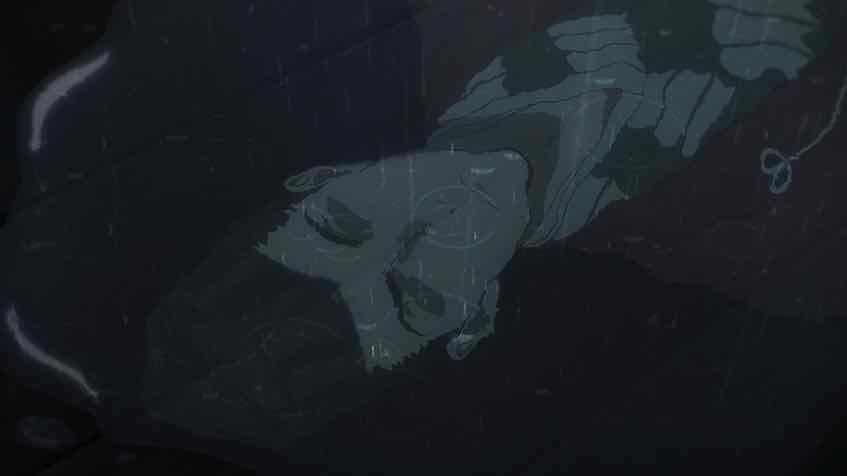
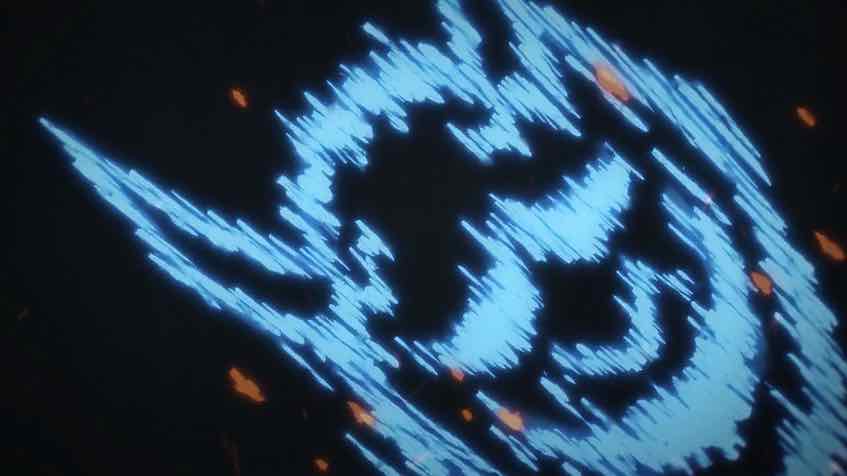
What we see in this episode is this idea, a notion Oniyasha didn’t even realize he held, start to manifest in reality. His performance of Sotoba Komachi – complete with analog smoke machine – profoundly impacts the audience. Everyone sees something different, but they all see the reality of their own insignificance. The Shogun sees it as an allegory for the burdens he carries, though he resists the notion that he has a responsibility to consider the weak and the defeated as well as the strong and victorious. Even getting him to consider it, though, is something Oniyasha sees as a personal triumph.
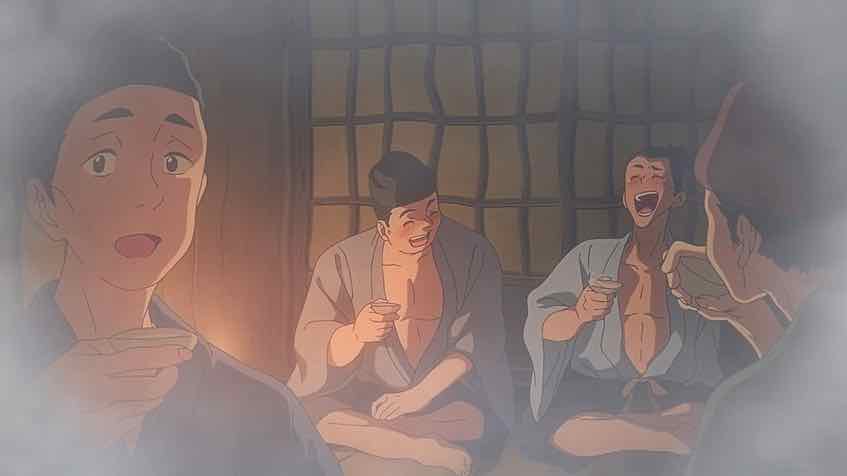
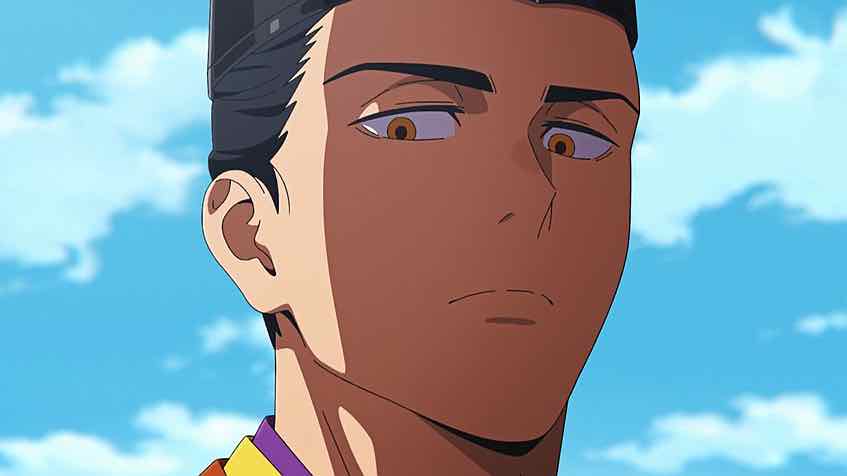
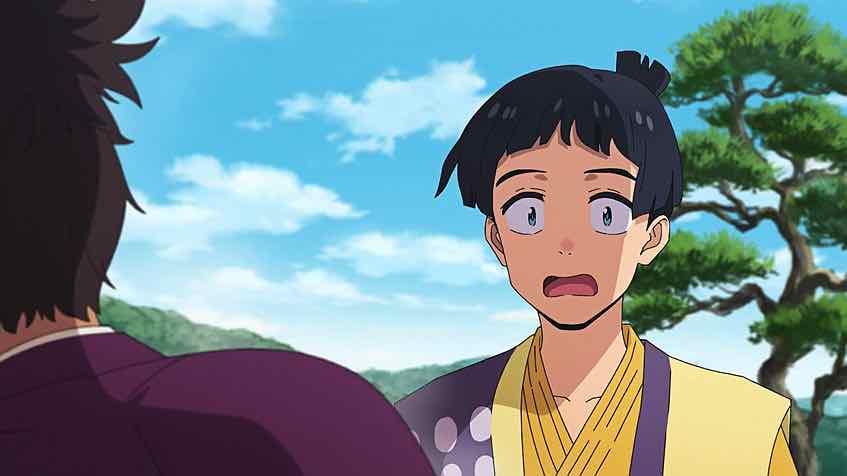
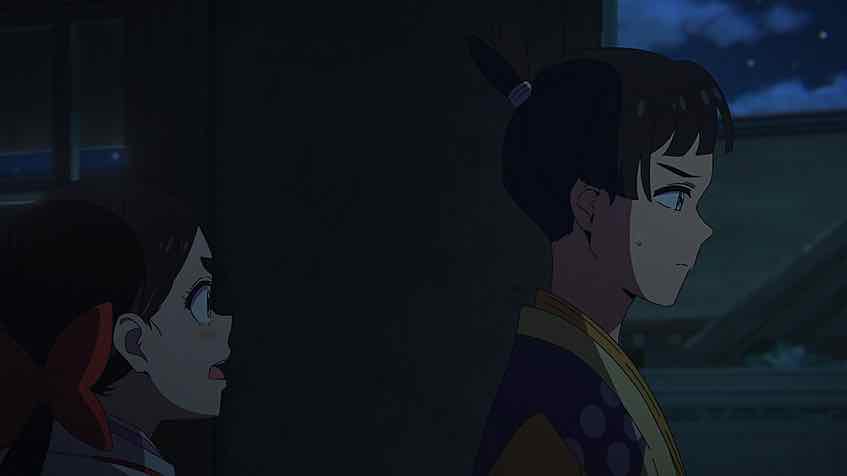
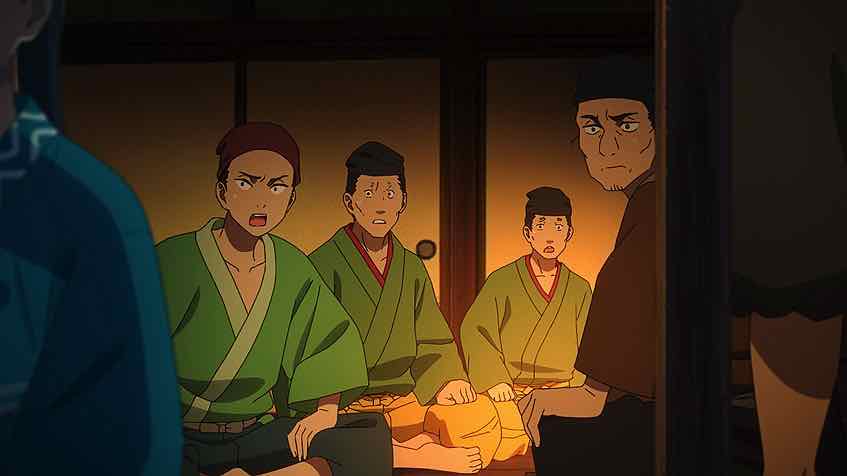
Zoujirou realizes that the Shinza have no hope of winning after Yoshimitu’s “Migoto!” exclamation. He takes it on himself to go onstage and concede defeat, in fact, but this is a bad idea and doesn’t go over well with the peanut gallery. He tells the Shogun that the troop would be shamed either by an inferior performance or a refusal to perform, and he sees less shame in the latter. But his elders in the troupe are horrified – Zoujirou’s sense of shame is no concern of the audience. In fact it’s only Oniyasha’s intervention that results in the Shinza being given another chance, a decisive third round in this match.
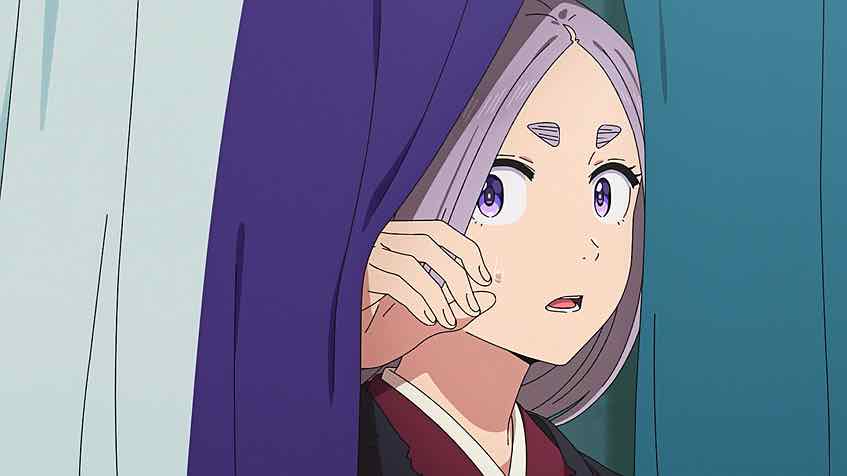
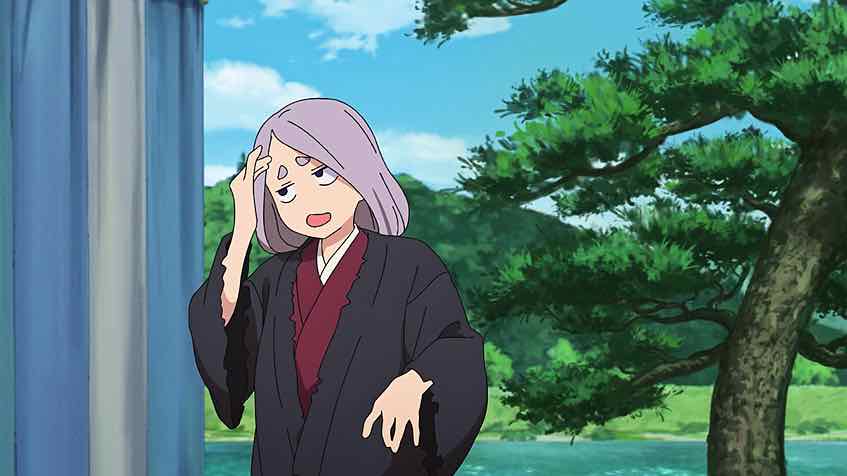
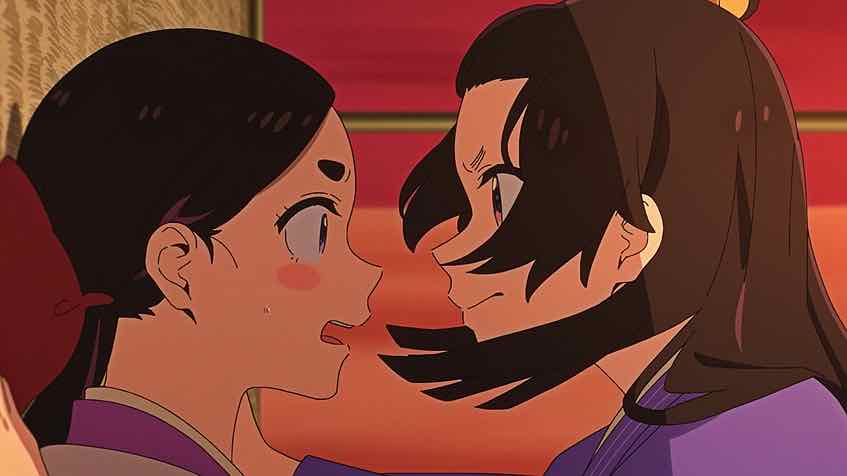
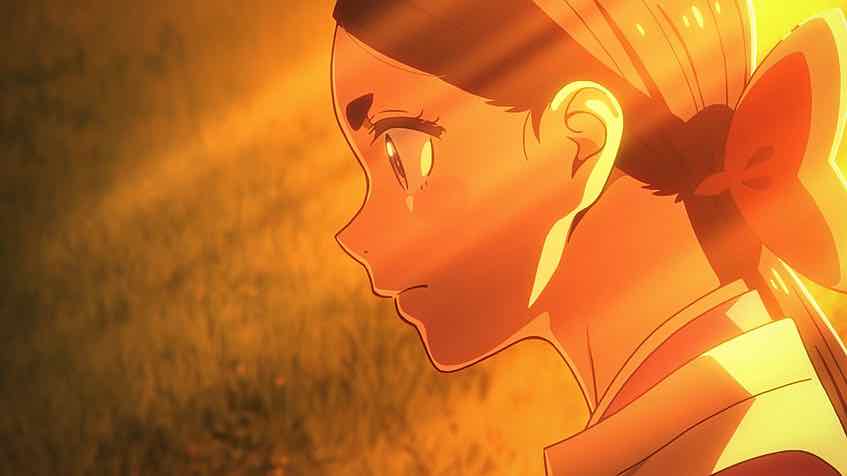
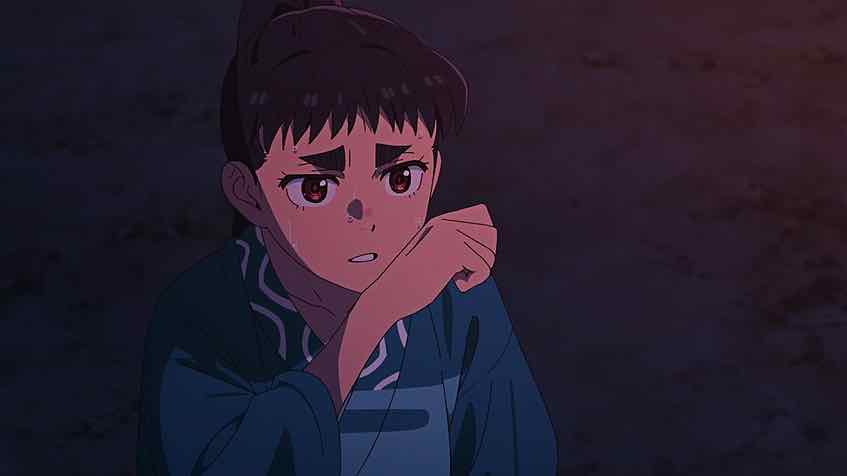
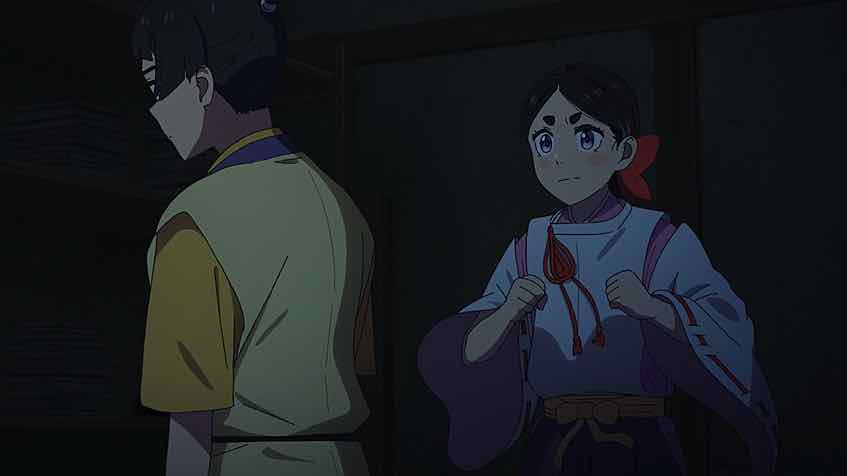
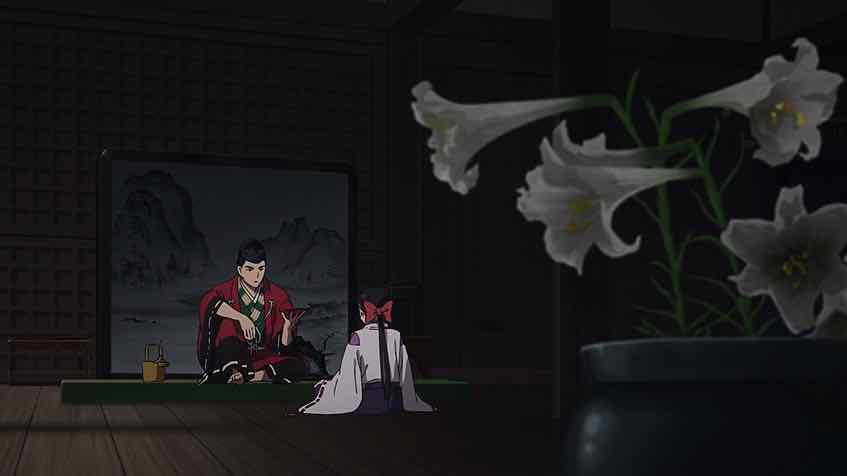
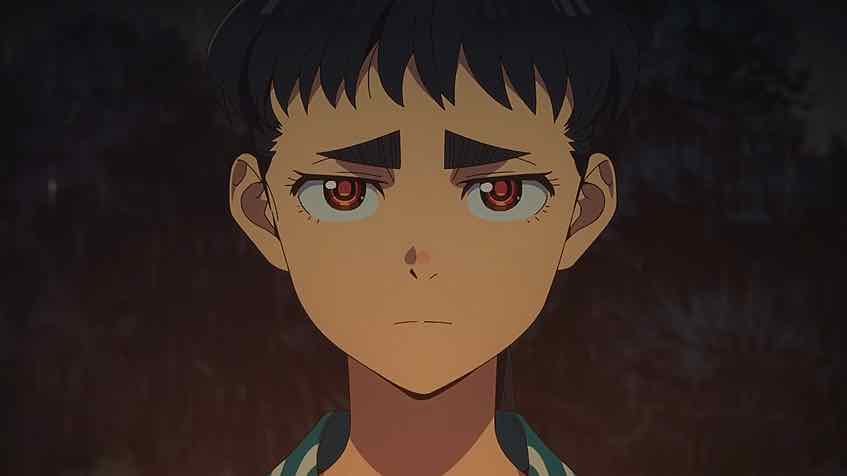
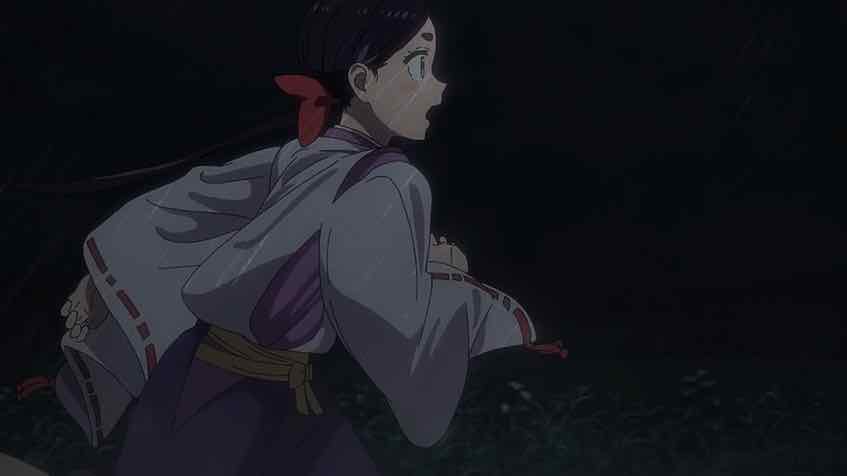
Oniyasha rightfully doesn’t brook any overconfidence based on this outcome – he realizes how fragile his shamanic quests for inspiration are. He’s also distraught that Kogane has basically told him to bugger off. But he puts the pieces together and realizes this is the result of Ishiya’s interference – the older boy trying to protect him from a dangerous association he can’t afford. And a meeting with Yoshitsune the next afternoon is likewise unsettling. Yes, he’s glad the Shogun got some of the intended meaning in his Sotoba Komachi. But Yoshitsune basically tells him he’s decided the next round in his favor before it begins. He wants to claim Sarugaku as his own, and see Dengaku crushed in the process.
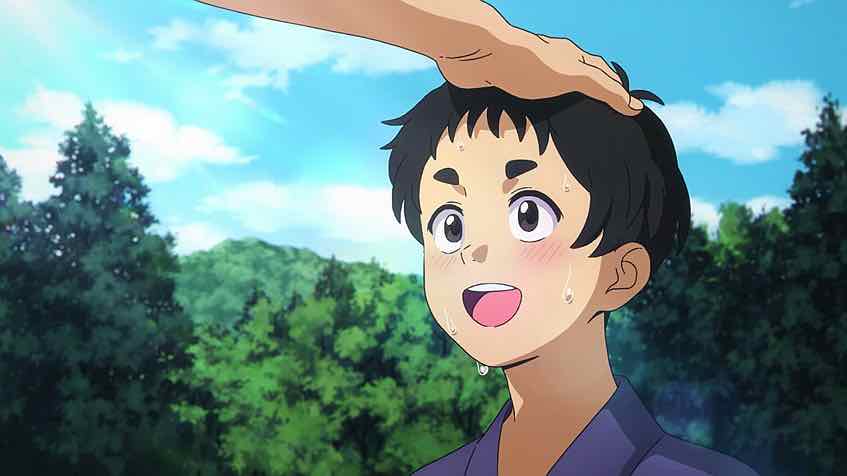


This is another aspect of World is Dancing – the eternal conflict between the artist and the politician and warrior. Ultimately what Yoshitsune wants – like politicians and warriors of any age – is to use art. To use Oniyasha and Sarugaku. He’s a warlord, and this is a battle. Always, there must be a winner and a loser. But this cuts against everything Oniyasha has come to believe. His vision quests have shown him that his own artistic flowering is impossible without the nourishment of inspiration he takes from others. He must watch, listen, and feel. And in the end, become something new, something totally itself. Not by defeating that which inspires him, but making it a part of something new.
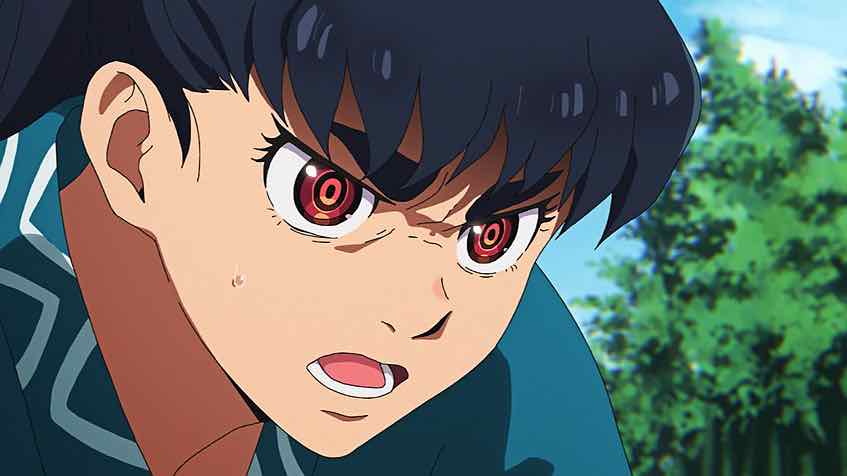
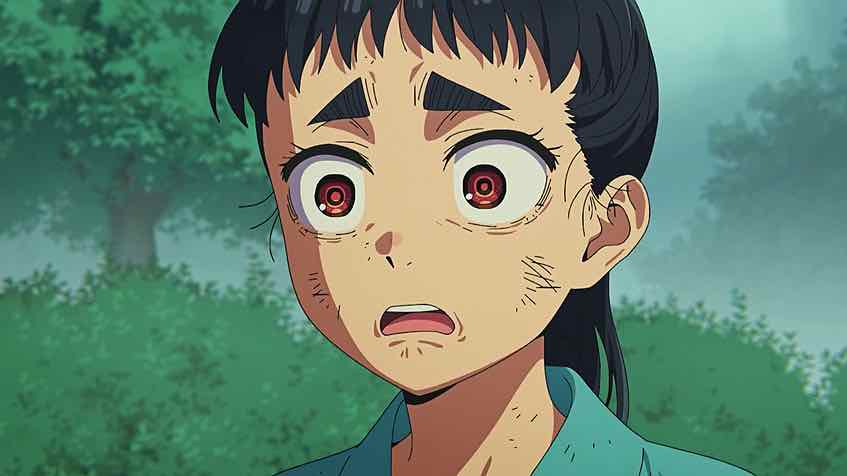
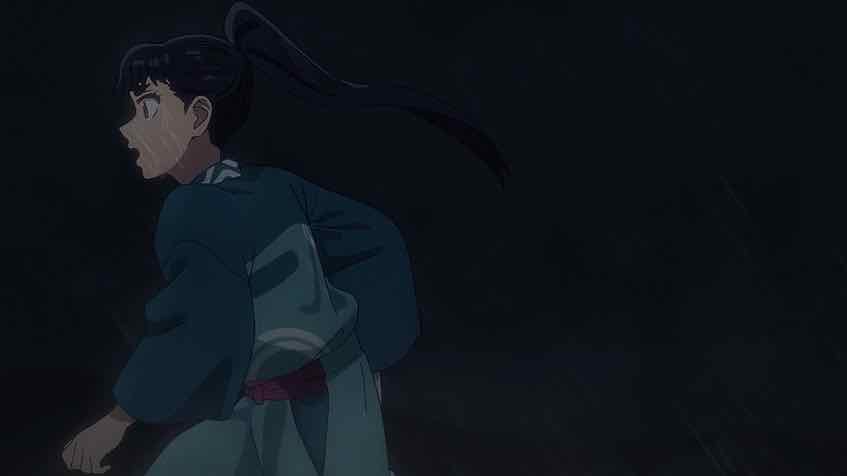
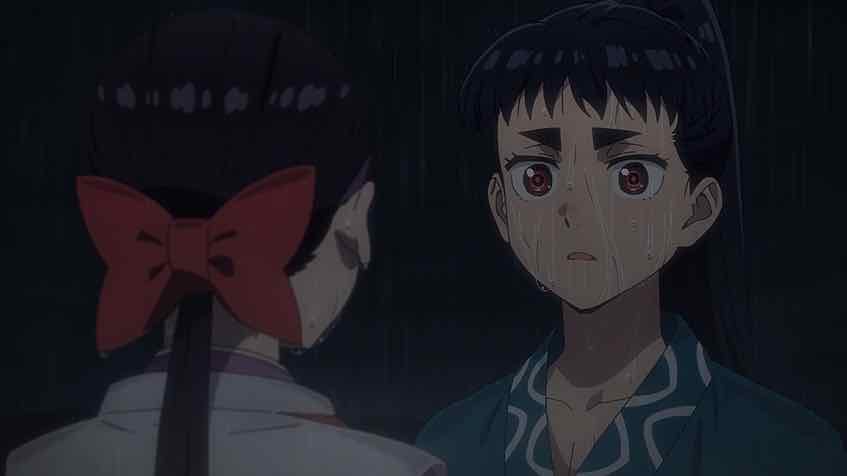
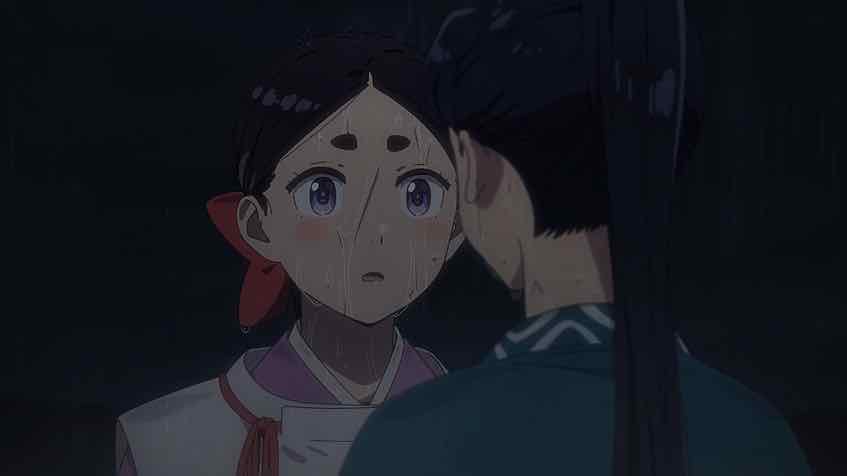
Not only is Oniyasha trying to create new art out of old, he’s trying to move the world past the idea of winners and losers. Pretty big ask for a 12 year-old boy, no question. But it leaves only one route for the contest ahead, and a dangerous one – to defy the Shogun yet again. Zoujirou has come to the same conclusion himself, having seen his own darkness and ephemerality in Oniyasha’s performance. His elder has declared that the Shinza shall perform “Shiokumi” for the final round. And Zoujirou agrees, over the protests of many in the troupe that Shiokumi is too closely tied to Kan’ami and the Kanze Troupe.


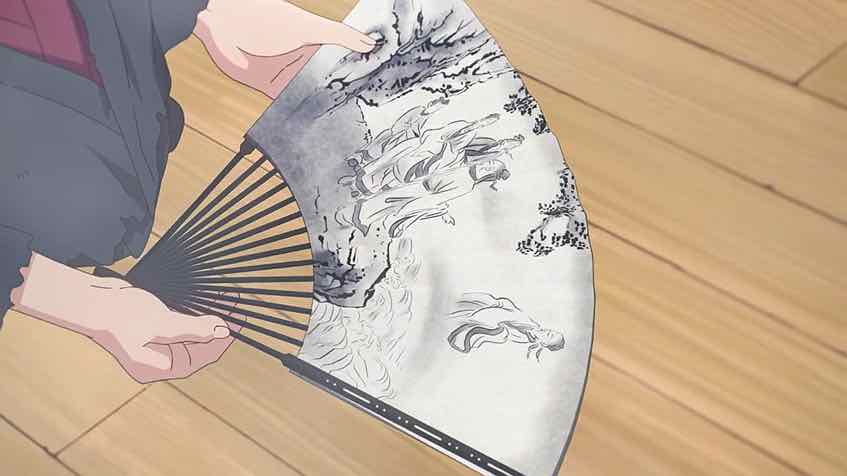
Shiokumi had its roots in Dengaku, in fact.A Dengaku master called Kiami brought it from the fields to the stage, but it was Sarugaku master Kan’ami that eventually brought it to true fame – and Zeami who made it one of Noh’s most famous plays. It’s no coincidence to see Shiokumi as the vehicle for this arc, as it represents the way Noh was born out of its earlier iterations as well as any work possibly could. In the moment Oniyasha has no idea about any of that of course – he’s just following his inspiration, as he always does.
In choosing to perform together Zoujirou and Oniyasha are in effect rebelling against not just Yoshitsune but his entire worldview and the role of the performing arts in it. They’re choosing the future over the past, daring to try something impossible. Because they’re children, and such is the purview of the idealistic and innocent. In a Vinland Saga post I once said “What Thorfinn is seeking to do may seem impossible, but here’s the truth: it takes people willing to try impossible things to make better possibilities.” The context is obviously different, but perhaps not so much as it might look at first glance.

































Henk
August 19, 2026 at 2:32 amI love the way this episode pulled me seamlessly to the same conclusion as Zoujirou and Oniyasha, without it feeling forced.
Guardian Enzo
August 19, 2026 at 9:27 amYeah, really genius.
In time I really think this one is going to be recognized as the masterpiece it is. It’s just playing on a different level.
Andy L.
August 19, 2026 at 9:09 pmApproaching Rakugo Shinjuu good. So dramatically potent and artistically intense wo just being showy. I’ve been hyping it up but it gets no play in my circles; not having little girls or yuri will do that.
P much every scene here was chef’s kiss, especially the end. Poor Kogane, man. I’ve really appreciated how Oniyasha isn’t a character you’re supposed to find so precious and likeable all the time, and what’s more, has grown and continually struggles to apply what others tell him(or blow up at him about) to his process as he finds his path forward.
Guardian Enzo
August 19, 2026 at 9:29 pmWell he’s a little kid, fundamentally kind but as immature as you’d expect, selfish. But he also happens to be a genius and one of the most important people in the history of Japanese performing arts (some would say the most). So even as a 12 year-old he’s going to be exceptional.