



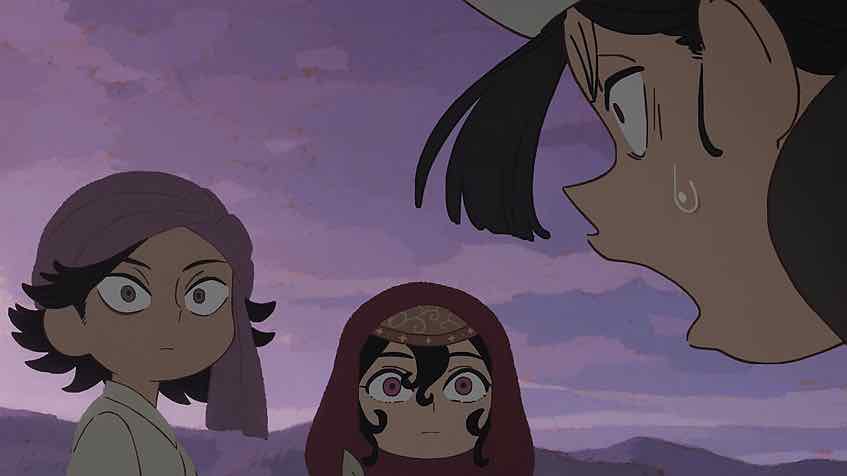

 If you view Tenmaku no Jaadugar through the lens of pure storytelling, there’s no doubt it’s a series worthy of considerable admiration. Ultimately that’s its job too, which is why my overall view of it has rounded out very positive. I have some issues I don’t need to rehash, and I think it tries to have its cake and eat it too in the sometimes clumsy way it blends history and fantasy. But step back and look at the overall picture and it’s really, really good – there’s no denying that. It’s a fascinating piece of work and getting an interesting adaptation.
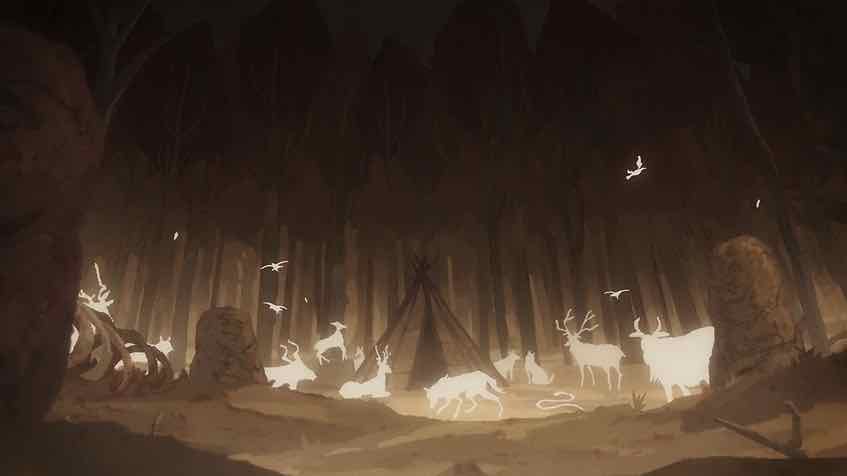
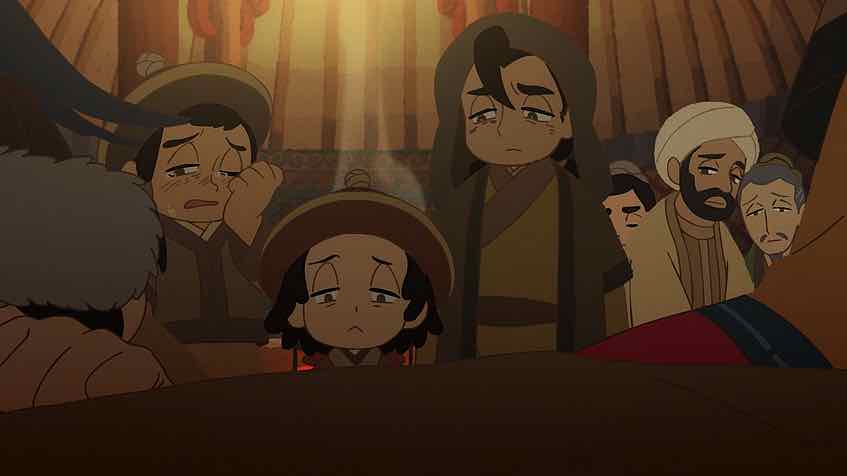
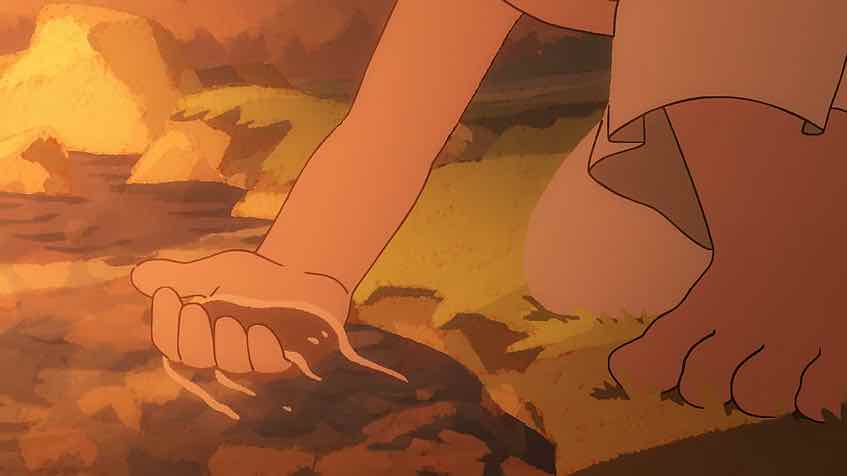
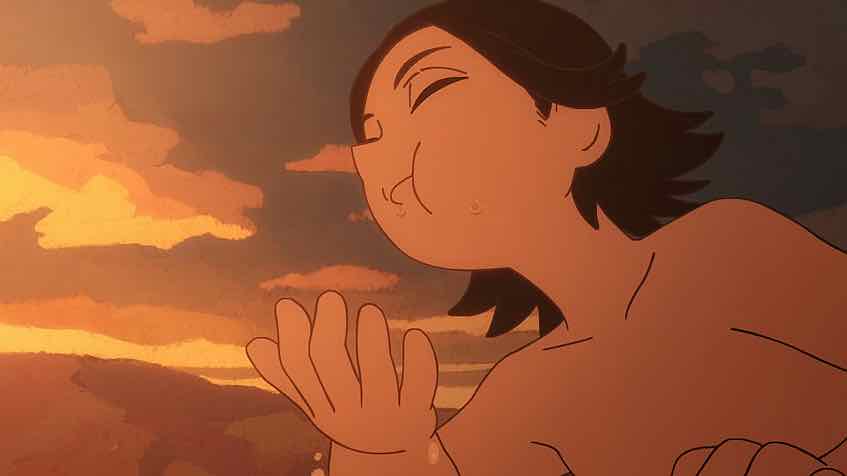
 In a world where you can summon storms with a stony concretion from a sheep’s (or other ruminant, if you’re niggling) gastrointestinal tract, you just have to accept a certain suspension of disbelief. What matters in terms of story is that Tolui genuinely thought he was saving his brother’s life, and was happy to do it. So yes, that smile last week was not him (I totally muffed that). The mechanics of it – Tolui traveling to the spirit world and shooting his brother’s soul back to the surface on the wings of an arrow – were certainly poetic. And beautifully drawn and animated, I might add.
 As to what really happened here, now that’s a fascinating question. In effect Tolui was assassinated – that seems pretty certain. It also seems pretty certain that Boraqchin was behind it, and used Töregene as a scapegoat. Mind you that’s quite a long game she was playing if so – almost murdering Ögedei as a means to lure Tolui to his own demise. But it probably survives Holmes’ “whatever is left must be true, however unlikely” test. She had the knowledge, thanks to Fatima saving her. She had the means. And she certainly had the motive.
 What is that motive? Power, obviously – as is usually the case with assassinations. The framing for me is that Genghis Khan did indeed give the throne to Ǒgedei to keep too much power from falling into any one son’s hands. And in context of this mythology, was wise to do it. Tolui may have loved his brother (well, there’s no “may” about it) and believed he was doing all this to glorify him. But he had a very different worldview and set of priorities for the Empire. And due to his position he naturally accrued much power – military and intellectual. For an ambitious woman like Boraqchin, he was a huge obstacle.
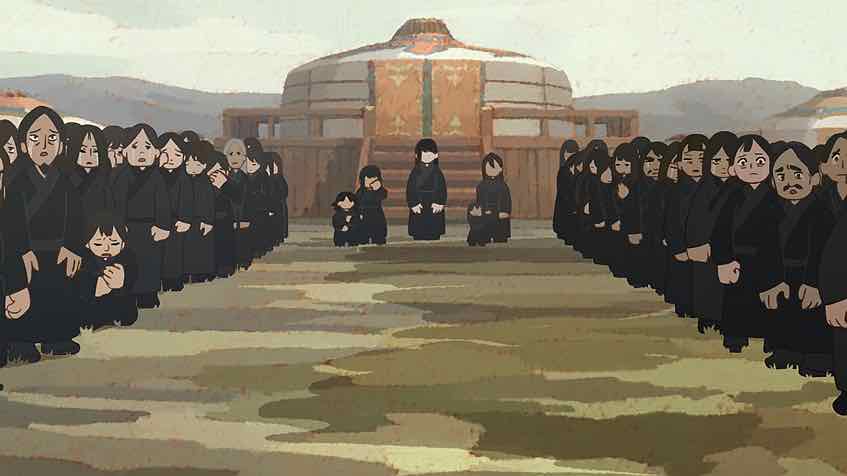
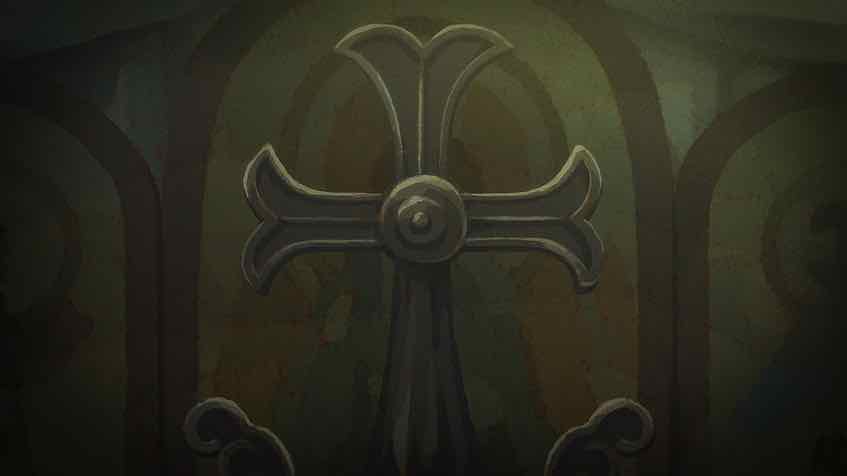
 There’s another layer to this, too. Like Boraqchin, Sorghaghtani is a brilliant and ambitious woman. She too represents a threat to Boraqchin’s power, and she’s a Christian to boot. Bereft by Tolui’s death she makes an easy mark for Boraqchin to cut down to size, not even fighting back when Boraqchin confiscates her books (including one specific one). But Sorghaghtani doesn’t strike me as the sort of woman to wallow in grief and quietly fade away, which is going to make Fatima’s convoluted position even more convoluted.
 Indeed, Fatima is at a nexus point here. Boraqchin favors her, and she’s now the center of power in the greatest empire in the world. Boraqchin returns Elements to her, and the man who stole it and killed her mistress (and namesake) is dead. In a sense Fatima has completed what she set out to do. And Boraqchin’s goals seem worthwhile – like Ǒgedei she seems intent on making the Mongols a cultural superpower and not just a military one. That sounds like something Fatima could get behind. So this should be simple, apart from the fact that it isn’t.
 I’ve alluded to this before, but it was pretty clear Fatima was getting in way over her head. She’s lucky – she learned that lesson without it costing her life. But now she has to choose who she is and what she wants. Knowing what she knows about her, is Boraqchin someone she can serve? For now by focusing on her personal loyalty to Tǒregene Fatima is basically avoiding the big questions. But this is something she can believe in, and she has allies. Shira by comparison is a simple man – he’s focused on surviving and having a comfortable life. But he’s clever, and connected. There was a moment there when I thought Fatima had gone full Sith and was going to kill Shira because he knew the truth about her, but for now at least he’s a necessary ally in her quest to save Tǒregene.
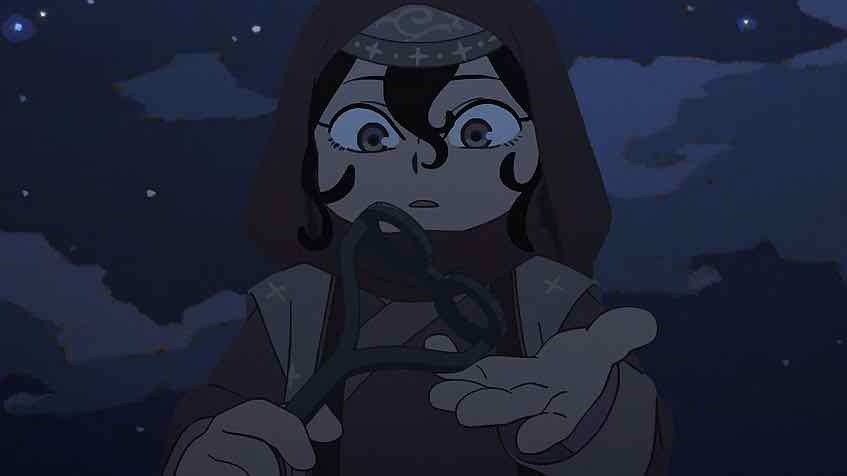
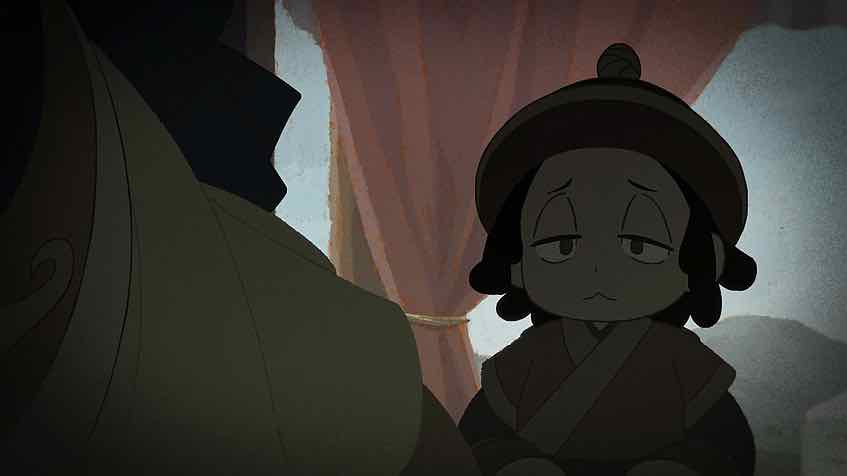
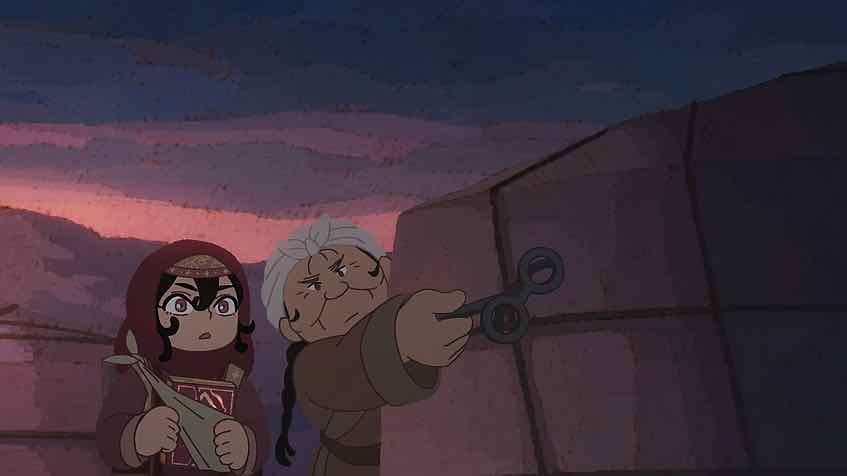
 There are other allies to be found, too. Qadaq and Fatima seemed adversarial but his disappearance confirms which camp he’s a part of. And Tǒregene, even at her moment of being personally betrayed, didn’t reveal the full truth of Fatima’s past to Boraqchin. Using his family branding iron she and Shira search him out and eventually track him down. While Qadaq is trying to save Tǒregene too, she’s not his master. That’s Güyük, first son of Ǒgedei and Tǒregene. He’s a basket case it seems, but his position makes him important. I don’t think Tǒregene is a major power player in the long-term – Boraqchin and Sorghaghtani are the two to watch. But saving her represents a way for Fatima to declare her independence and, in a sense, figure out who she is as a person.



































Henk
August 31, 2026 at 4:02 pmThe power balance has shifted dramatically but with the appearance of Güyük it doesn’t look like this game of thrones will settle down quickly. Fatima will need to be quick on her feet or she’ll be swallowed whole.
Guardian Enzo
August 31, 2026 at 4:55 pmGüyük’s role will be an interesting one. Like I said I don’t see Torogene as a major power player (I could be wrong) but he is somebody who would have a theoretical claim to some of his father’s power.