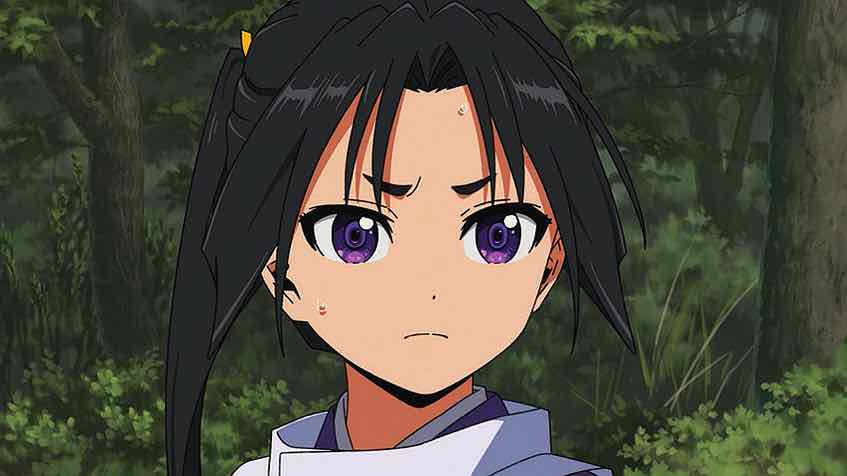

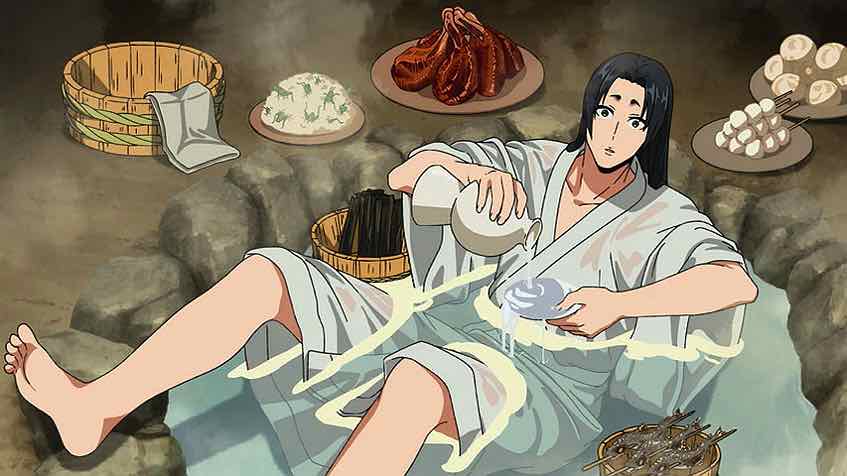
 There are times when I wonder why Matsui Yuusei chose this person to build a series around. I’m glad he did, as this fascinating period in Japanese history is broadly underrepresented in animanga. But it’s a challenge. In the first place there’s an actual history that any reader who cares to can read up on. I won’t go deeper there as many don’t choose to do that, but this specific figure’s life is a challenge in itself. And you’re writing about someone whose defining trait is a skill at avoiding confrontation whose entire life is building up to an inevitable war. Houjou Tokiyuki is a study in contradictions, as a narrative figure not least.
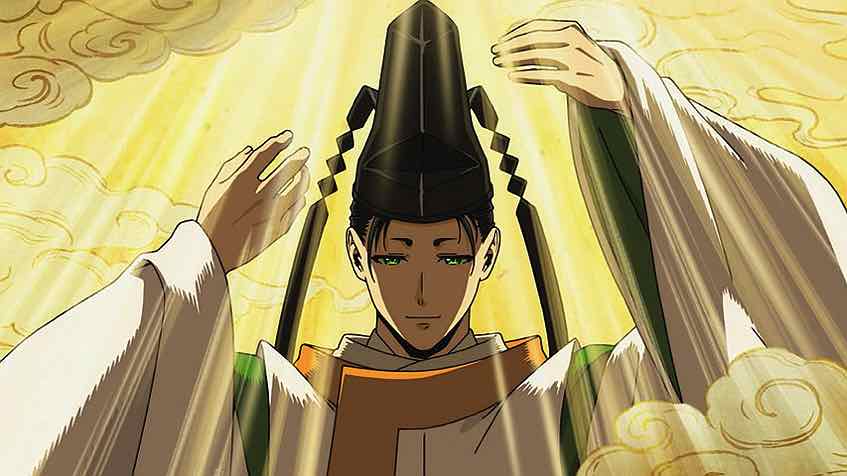
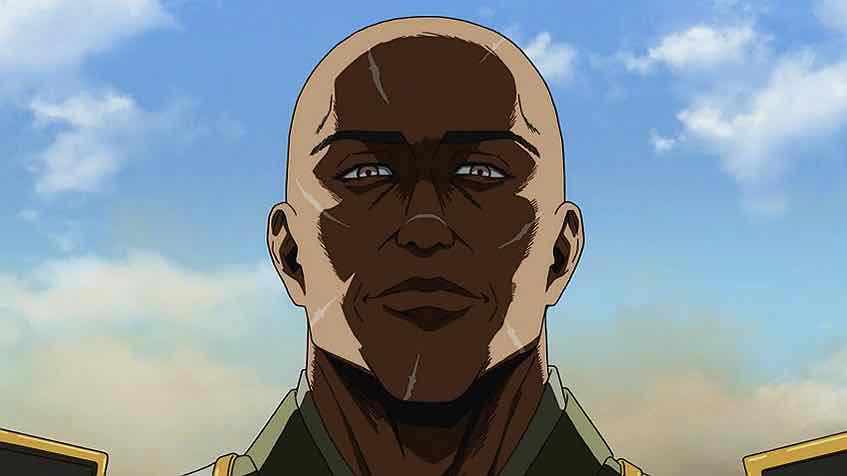
 Matsui pulled it off, resoundingly so, but I’d wager there are very few mangaka who could. And a fascinating time this was indeed. I don’t think I’ve heard him use the term but basically what we’re seeing play out here is the Kenmu Restoration (maybe it wasn’t called that until historians got their hands in). Emperor Go-Daigo – the one Kiyohara is fighting for – is the main impetus behind the overthrow of the Kamakura Shogunate. His goal was a full restoration of civilian rule under the emperor, no more and no less. Needless to say the Ashikaga had something else in mind. Opportunism drives almost every major era in Japan’s history, and this one is no different.
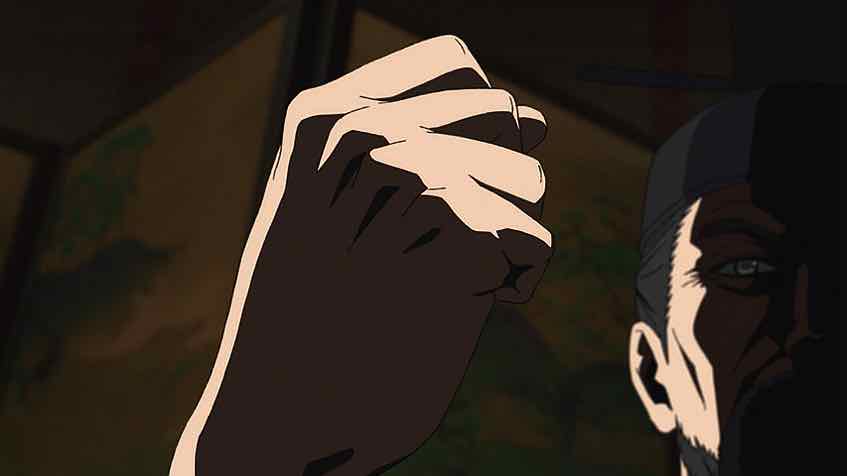
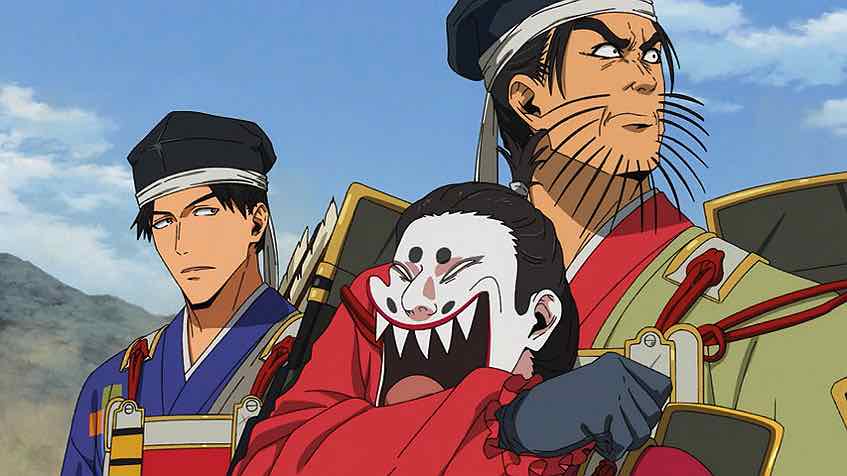
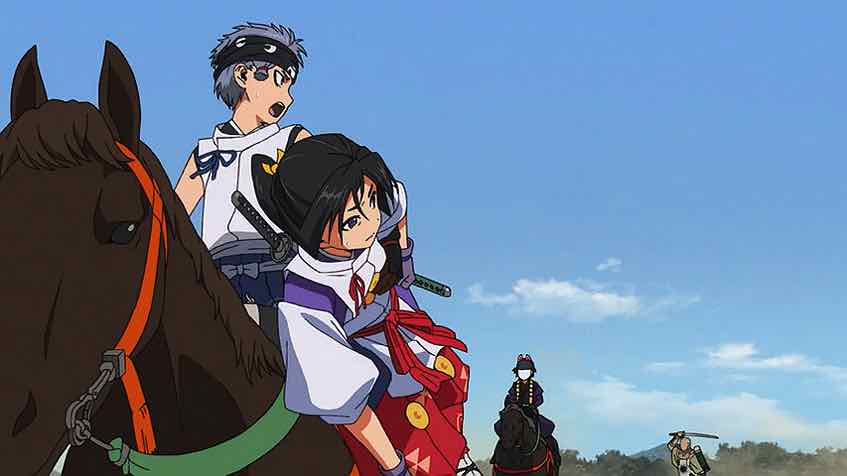
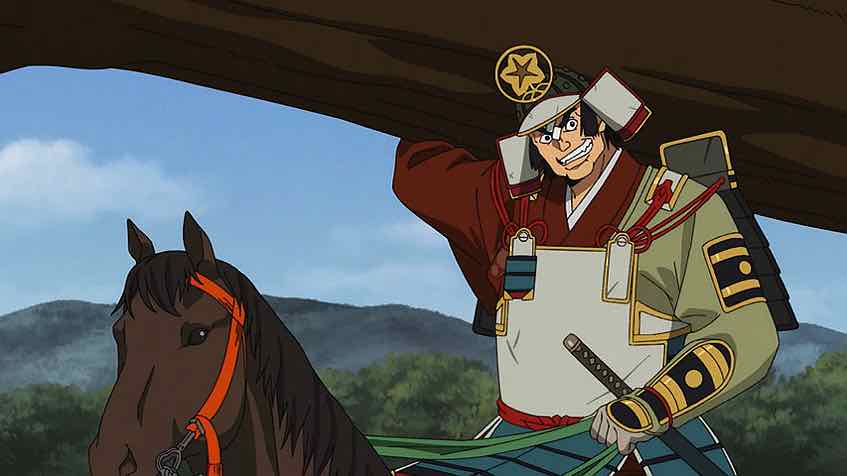
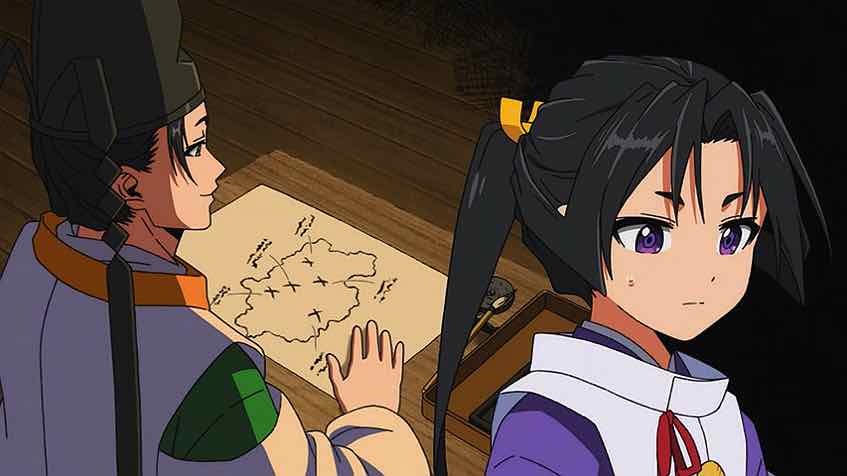
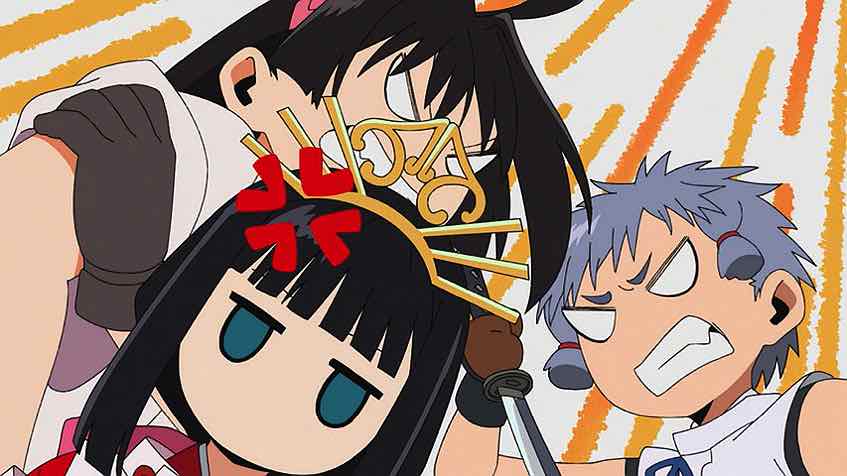
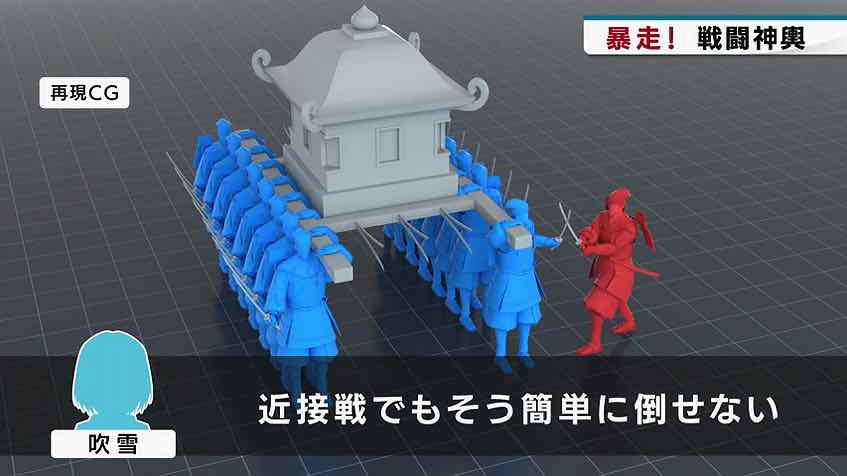
 Speaking of Kiyohara, he and his mikoshi are causing quite a headache for the Shinohara forces. As Fubuki says, the random tactics of non-military minds can utterly vex experienced generals who would never expect them. But Fubuki is able to see a way to neutralize Kiyohara. He rushes in and pleads for Shinohara to concentrate all his forces on the Imperial Envoy’s left. It’s a simple ploy with a simple explanation – most soldiers are right-handed, and they’re not going to be very effective fighting with their left. Which the palanquin’s bearers will have no choice but to do.
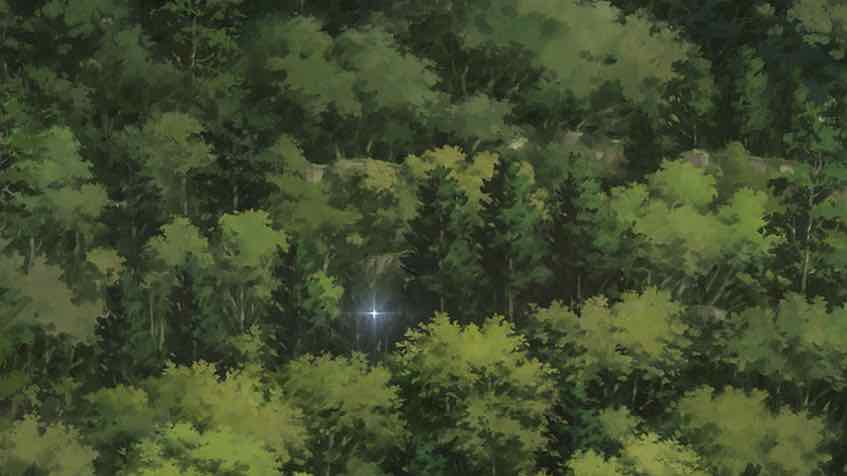
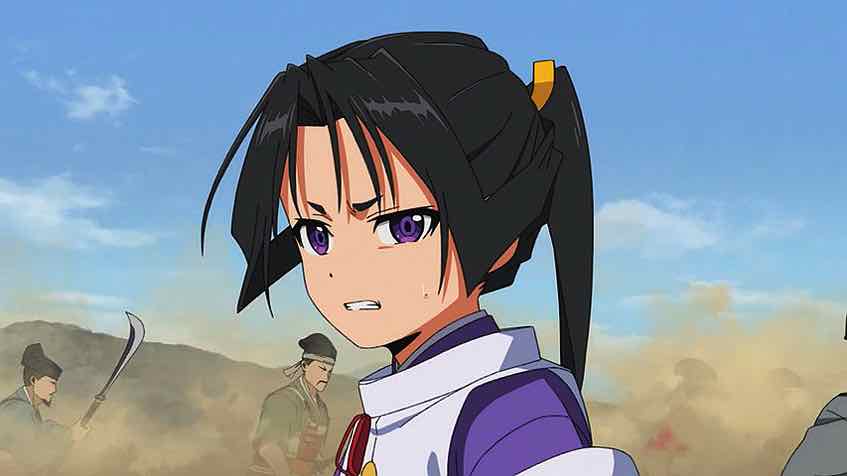
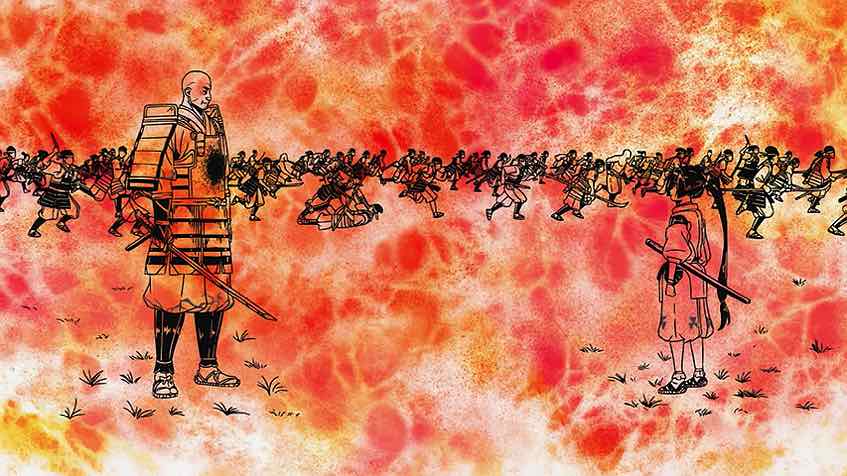
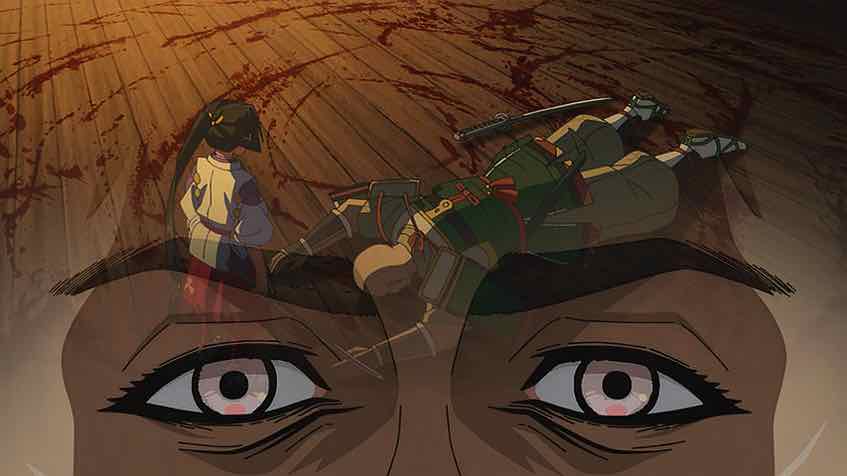
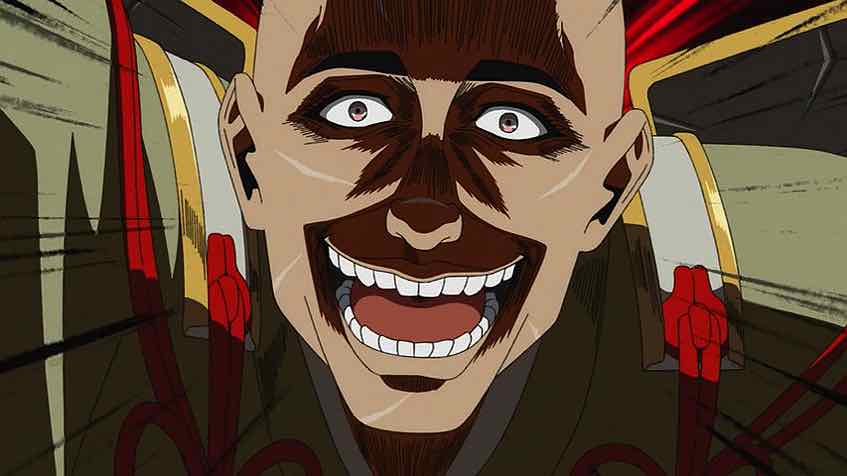
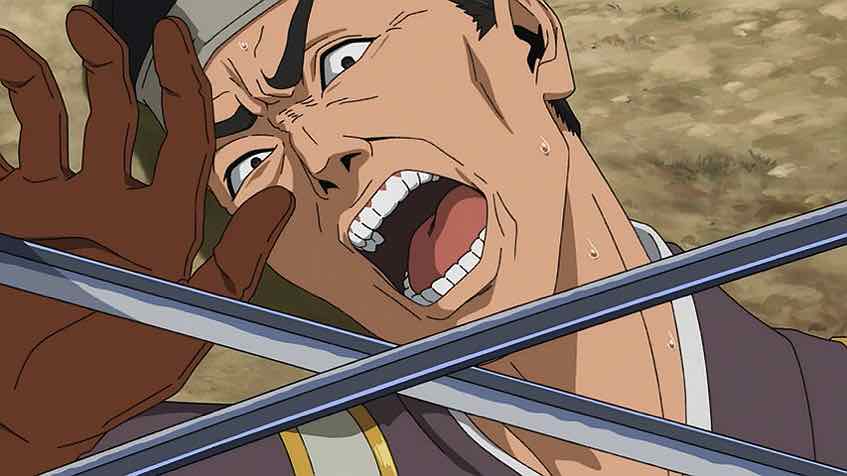
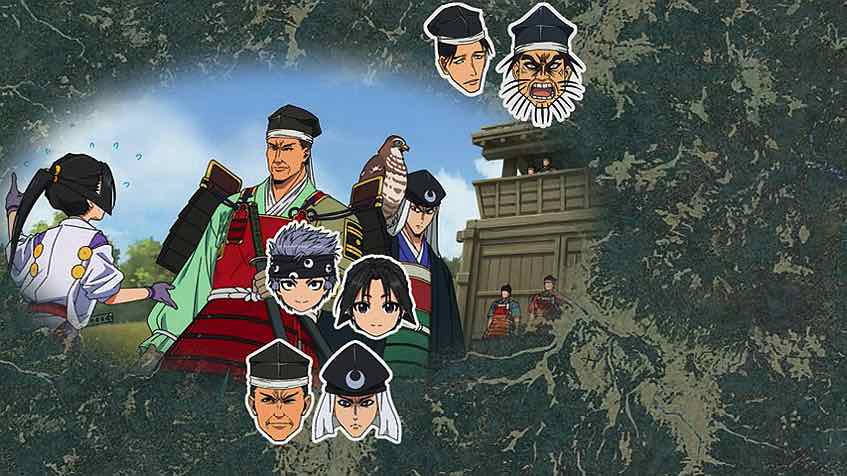
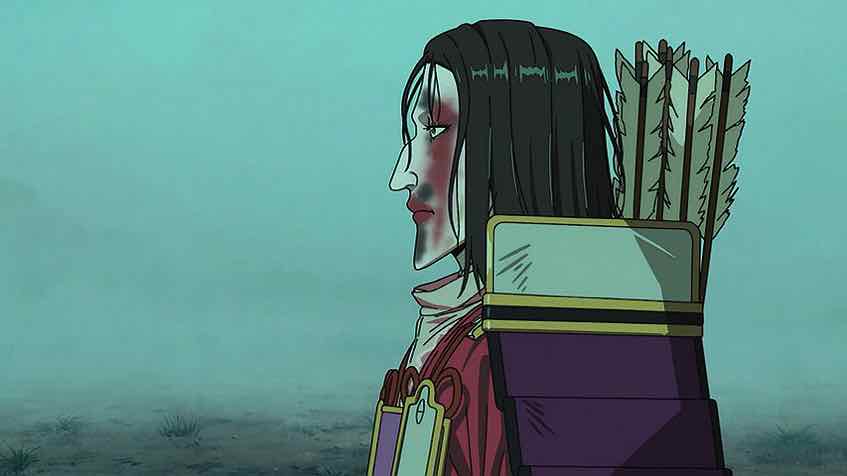
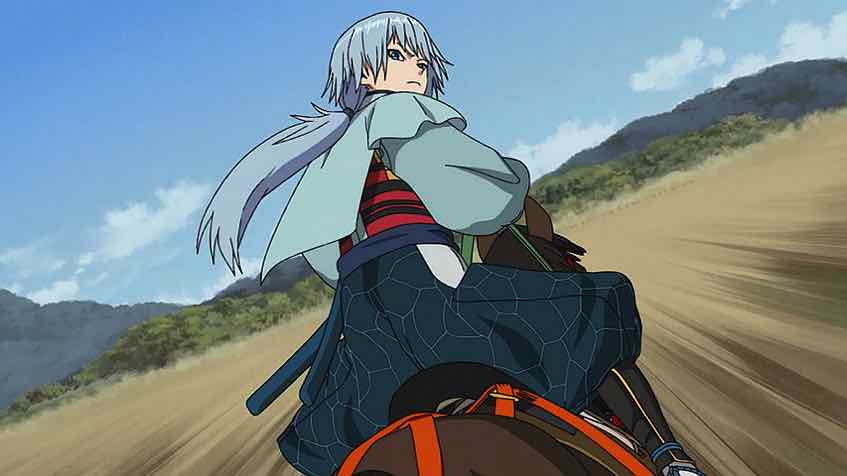 This all seems to be working rather splendidly, and Kiyohara is on the verge of capture or death (the Suwa men are especially offended at a mortal man having himself carted about in a mikoshi) when things take a dramatic turn. Tokiyuki sees a glint in the trees on the mountain behind Shinohara’s army, and his “Nige Jouzu” instinct kicks in. It seems like an impossible spot to launch a surprise attach from, but one man springs to mind – defeated by the Young Lord at his most savage, but not killed. And the enemy you allow to survive is always a threat to vex you later.
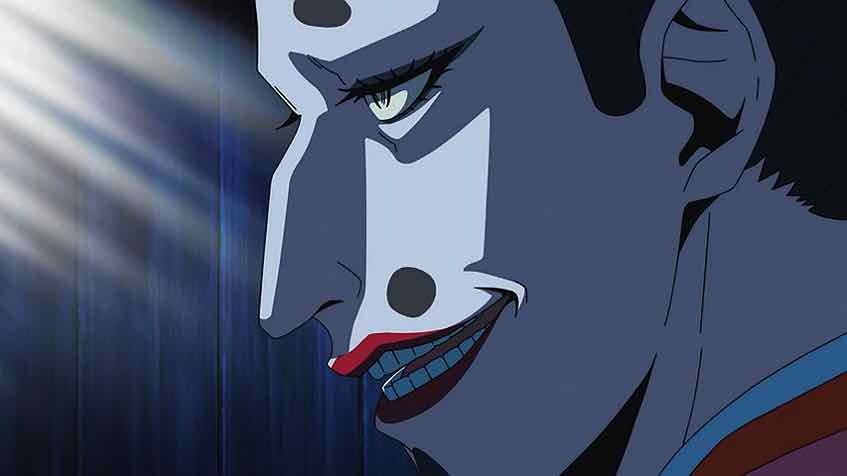
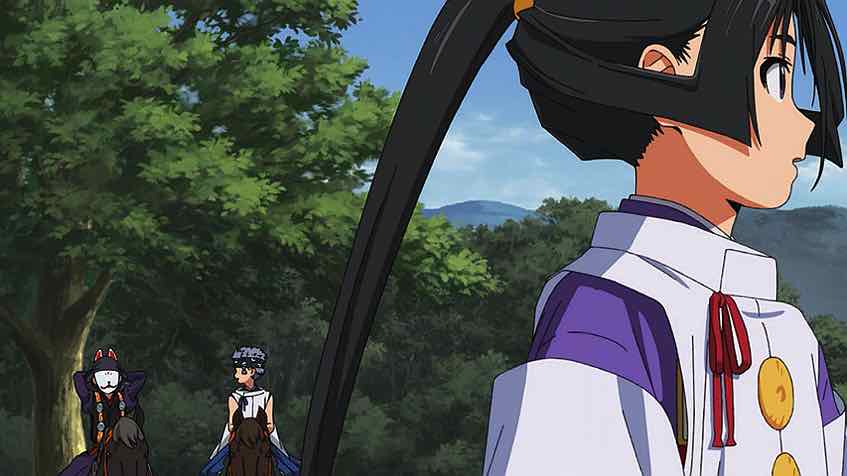
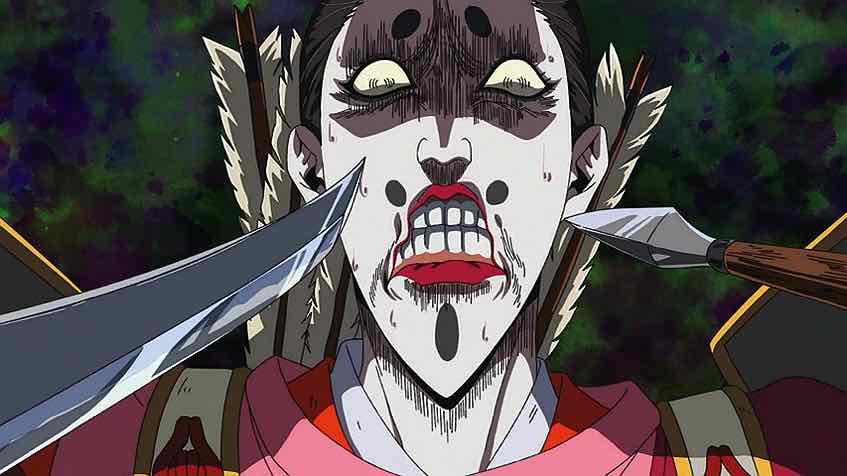
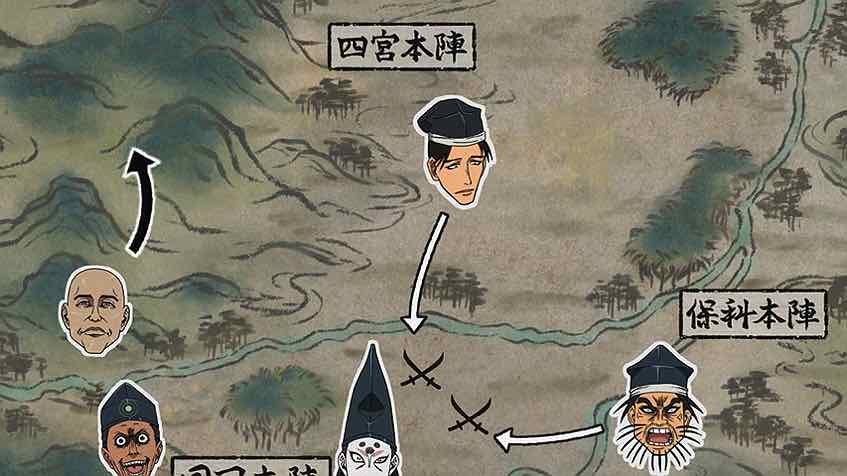
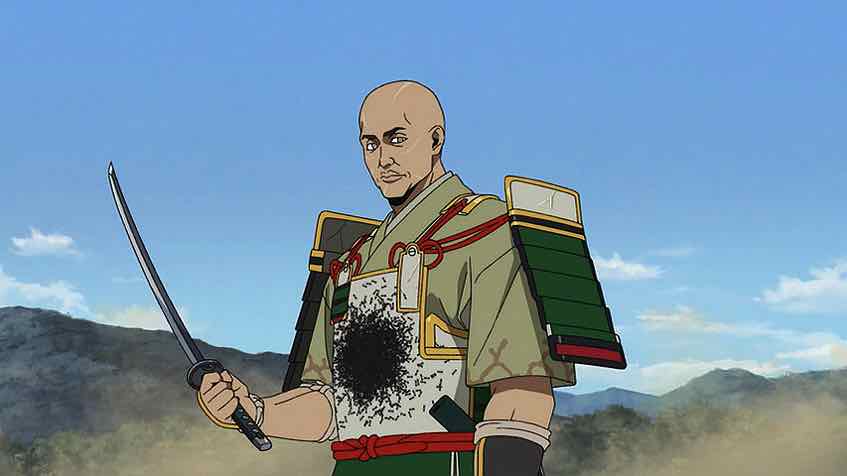
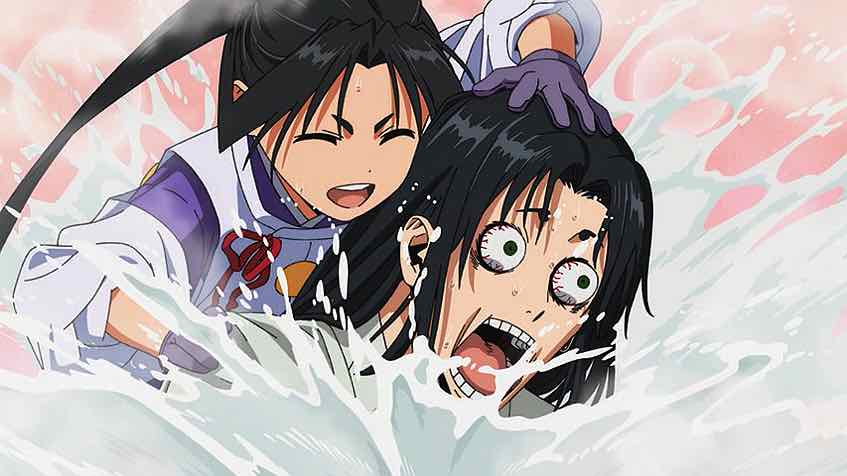
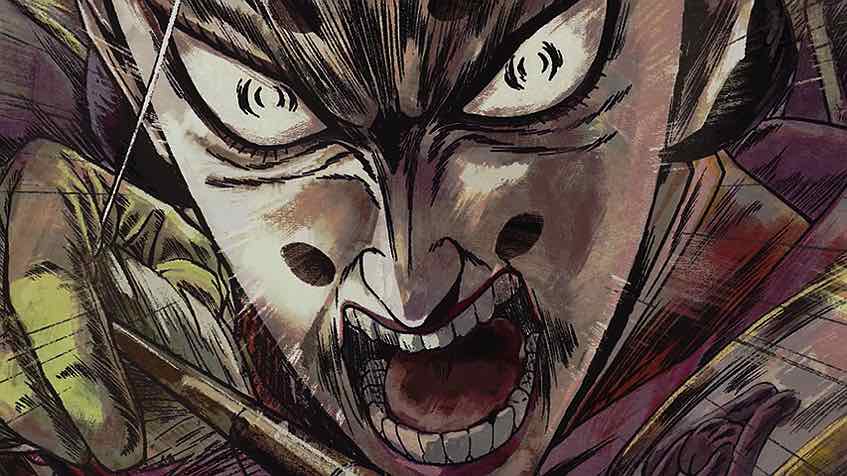
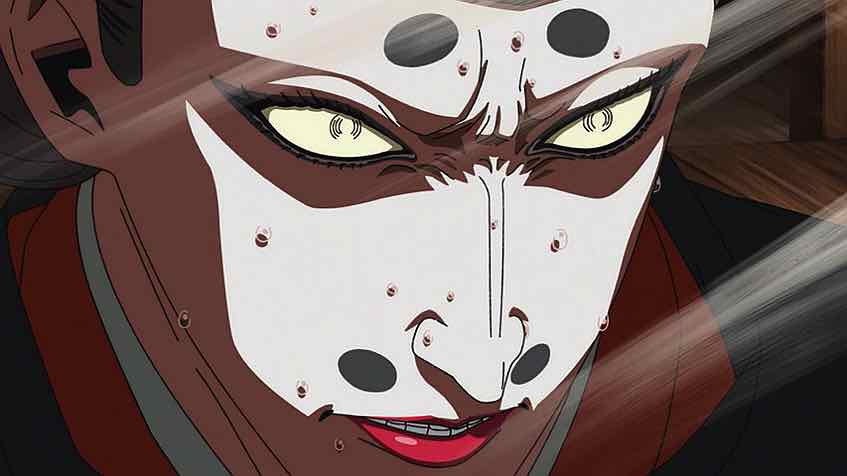
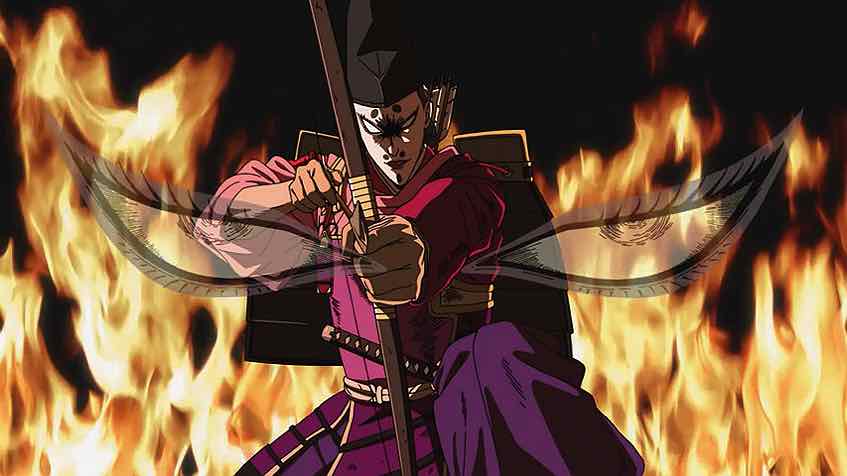 Shoukan’s arrival on the scene is the death knell for this battle, and almost for the entire Shinohara army. Shoukan is particularly interested in Chojumaru, and it’s not hard to understand why. Clearly he has revenge in mind, served cold – but the other Elusives sniff out the threat and pluck their master our of harm’s way for the moment. Shoukan’s braggadocio about real military tactics is not misplaced, but fortunately he’s not the only one capable of such analysis. Mochizuki senses something is amiss with the predictable nature of the central front and arrives on the scene to offer aid to Shinohara.
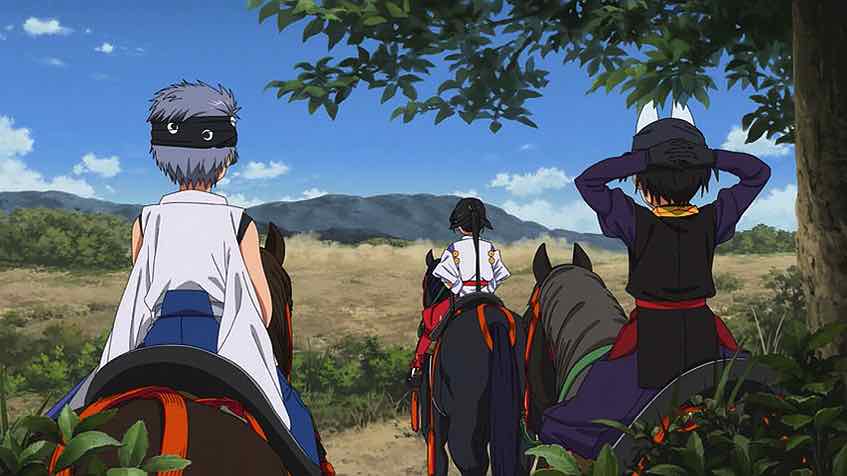
 Once more we see The Elusive Samurai advocate for the strategic withdrawal over the honorable death dictated by Bushido. Shinohara initially argues that retreat is impossible, as his men would be abandoning their own land. But Mochizuki is having none of it. There will be shelter in Harima territory, a chance to regroup. This has become a war much bigger than any of the individual clans or territories involved in waging it. There is honor in surviving and fighting another day – and indeed, in this case even intent.
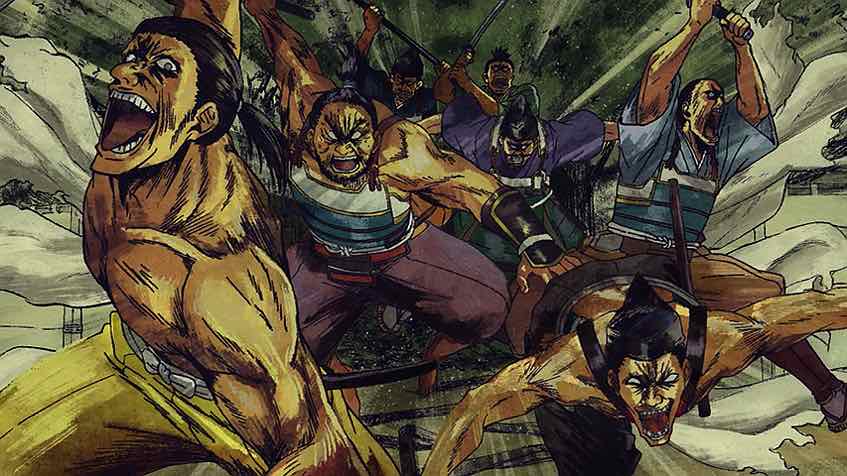
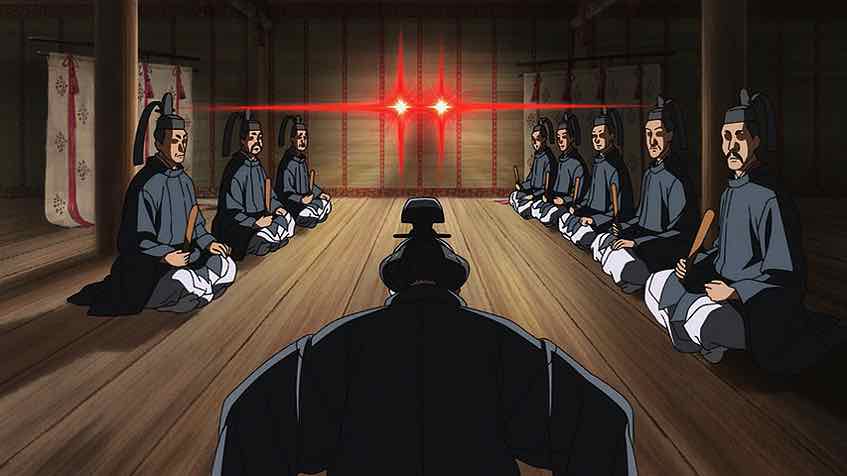 The sort of insight provided by Shoukan and Mochizuki is notable to be sure. But it’s Suwa Yorishige who’s really playing the long game here. And against the odds he’s facing, he has no choice. The goal here wasn’t to decisively defeat the enemy, but to instill unity among the disparate Suwa forces. That, and to show them the measure of the lad they’re ultimately fighting for. This is generally the nature of Japan’s internal wars over the centuries – the Suwa side had no choice but to fight, no matter what odds they faced. The alternative is to be slowly starved and stripped of territory by the side in ascendancy. That’s enough reason to fight, sure. But giving them someone to fight for in addition to something could be the difference between defeat and victory.