


Wine Pairing: Ramom Bilbao Rioja Reserva, Spain, 2018
 That’s the second Rioja of the series for me, I realize. Not a coincidence – if you’re looking for QPR in red wine (and white too, for that matter) Rioja is on the very highest level of the wine world. Especially when you buy it from a resale shop (much more common for liquor here than in the States), as I did here. There’s a fair amount of risk with this – wine is a hell of a lot more fragile than whisk(e)y, and even if the ullage looks decent and the cork isn’s protruding, you can’t be sure (especially about heat damage). But it’s also the only way you’re likely to find a well-aged riserva from a respected producer for barely over ten bucks. Lucked out here, it’s intact and excellent.
 All in all this was probably my favorite apostle story of the series so far. It finally got us out of France, though that’s not the reason – just a happy bonus. More than any of the prior stories I felt like this one really connected to the personal lives of Shizuku and Issei, and their relationships with Yutaka. On a personal level all the Kyoto and Asuka stuff really resonated with me. The Miroku Bosatsu Hanka Shiyuizo is probably my favorite artwork on the planet. I confess to somewhat overlooking the “Naki Miroku“, its neighbor at Koryuji. And I’ve never seen the Hanka Miroku at Chugu-ji in Nara (another 7th Century temple, adjacent to Horyu-ji).
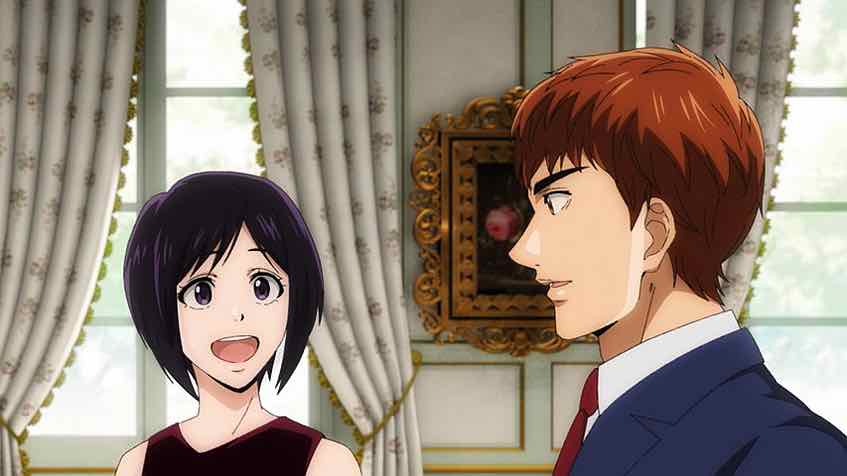
 “A feature, not a bug”. That was the mantra that made the series click for me in terms of coincidences. You just have to accept it as fate, like Leo’s son just happening cross paths with our hung-over trio the morning after. Leo’s story helps Shizuku put his own story into context, and Issei’s mother helps Issei understand how limited his vision is. These two Bosatsu statues, mere feet away from each other, are symbolic of the lives they’ve led. Shizuku has had, to be blunt, first-world problems. His angst is the angst of the privileged and comfortable (ironically, as Issei is the one with the jet setter lifestyle now). And his roadblocks have mostly been ones he erected in his own path.
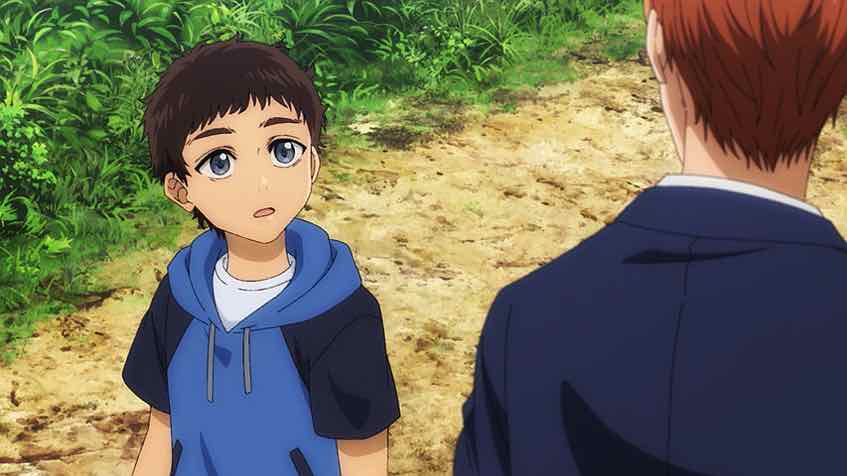 The contrast between the two step-brothers is really the centerpiece of The Drops of God and, as much as the author is obsessed with it, wine is actually secondary to that. It’s a vehicle to tell their story, which is why this series is actually so profound. And the arc-specific characters are tertiary, though critical. Like the wine, they’re essential to telling Issei and Shizuku’s stories and pushing them to see themselves (and find the apostles, of course). It was a different poem that finally led Shizuku to the answer. Not Kakinomoto no Hitomaro’s classic but a self-published one by Natsuki, Leo’s now forever-lost love.
 The two Koryuuji Miroku Bosatsu statues are mirrored in the sunrise/sunset metaphor. As Shizuku, Miyabi, and Leo watch the sunrise from Manyou Park in Asuka, Issei and his mother watch the sunset from Kiyiomizudera (and let me add, there’s no such thing as solitude at Kiyiomizudera if you’re in there legally). Shizuku is just at the start of his journey, having begun to get out of his own way. Issei carries the burden of preconceptions and past trauma, and his challenge is to shed his certainty about everything and everyone. And to forgive, which in the case of his mother is understandably difficult to do.
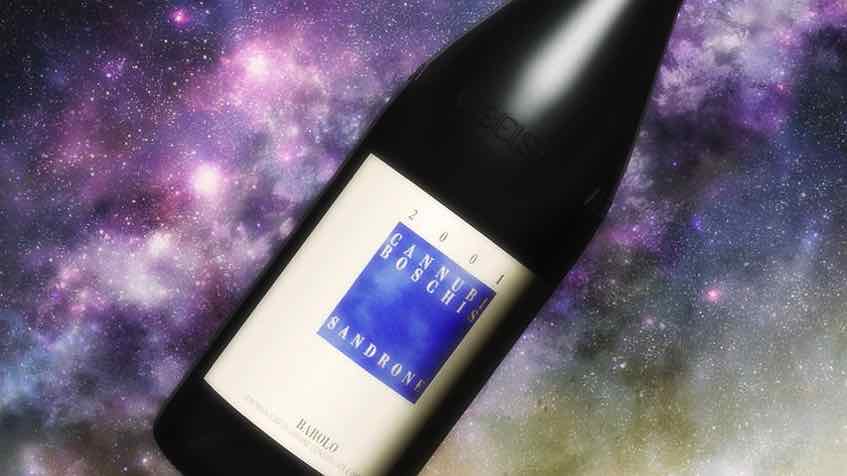
 So how do their apostle choices fit into all this? Issei incorrectly chooses the 2001 Falletto di Bruno Giacosa ‘Falletto Vigna Le Rocche’ Riserva, a timeless vintage of what’s indisputably the most revered Barolo in existence. But it’s wrong. I can’t speak to how the Chugu-ji Hanka Miroku reflects it, but the wine is too austere, too flawless – it has no “radiance”. Shizuku correctly chooses a Luciano Sandrone Aleste-Cannubi Boschis – also a 2001. While likewise considered an icon, it’s a reflection of modern winemaking methods and thus might be looked down upon by some wine snobs. Issei’s baggage weighs him down, but Shizuku is free of it.
 Is it too simplistic to say Issei needs to be more like Shizuku, and vice-versa? Probably – but there’s no doubt Yutaka had that in his mind when he set up this whole exercise. Part of the story here is Yutaka reflecting on the mistakes he made in his life. And while he obviously loves both these people, they also serve as reminders of those mistakes – not least the fact that they had no relationship with each other. For Yutaka wine seemed to be mainly about the experiences that went along with it. And ultimately, he wanted his legacy to be using wine to bring his two sons together as brothers at long last.