

Wine Pairing: Leggero Appassimento Bastioni della Rocca IGT, Puglia, 2025 – Italy
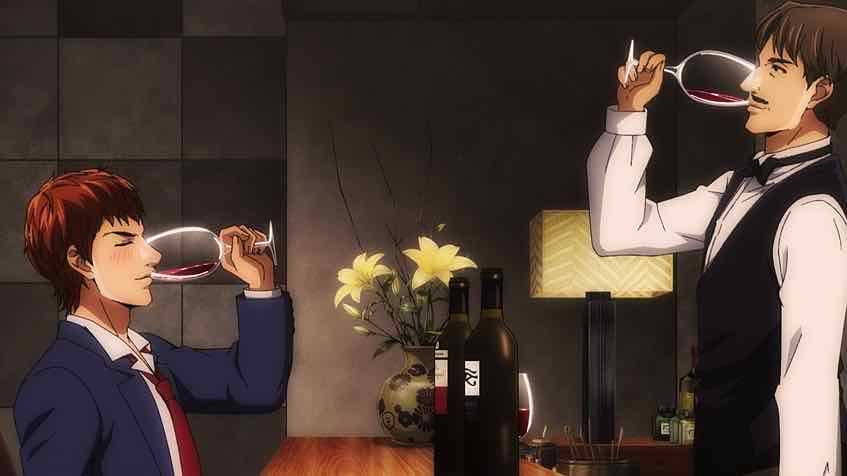
 The ending of this episode was certainly the headliner. But we don’t know what that means yet, so let’s take things in order. First, the wine: Appassimento is an Italian style where wines are allowed to shrivel almost to raisin-level before being pressed (Amarone is the most revered example). This tends to create highly-extracted wines with elevated alcohol levels and lots of dried fruit character, which wine snobs (and critics) usually piss on. This was a cheap and cheerful and delivers exactly what I expected – exuberant fruitiness and a fair amount of grip, especially with a couple days of oxidation.
 Back to the story, we spend most of it in Australia. The “Japanese are our enemy” thing didn’t go where I expected – I guess that was just too much of a third rail. As it turns out Nadia hates Japan because their consumerism is a big cause of deforestation in Australia (that’s true too). He’s the founder of “Emerald Forest”, an environmental protection group. What’s a bit odd is that he knew Yutaka (remember – feature not a bug) and in fact the two of them had a bonding experience together. But that seems not to have softened his opinion of the Japanese at all (even after he learned Shizuku’s name).
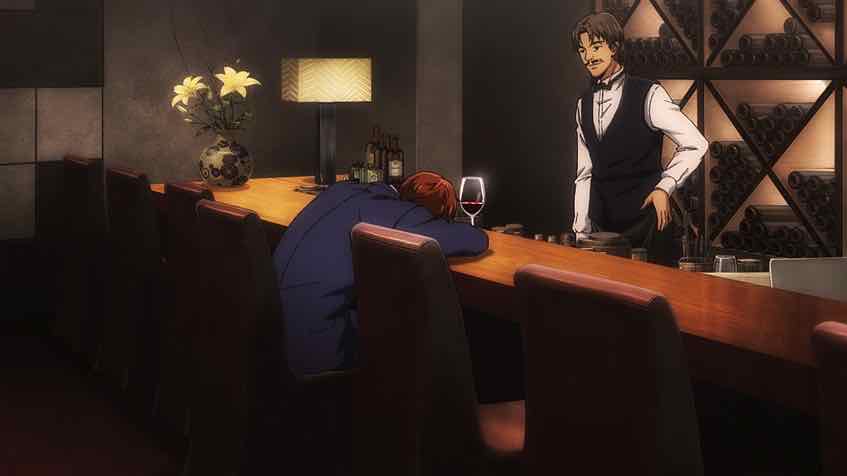
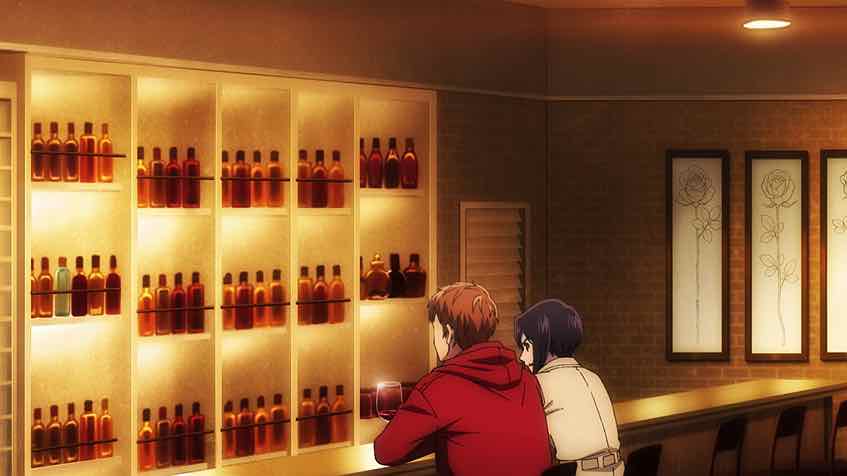
 OK, let’s let that one slide. In yet another coincidence Miyabi and Shizuku overhear a couple of mooks in the hotel bar plotting to burn down Daddy’s forest as revenge for his interference in the logging trade. They call Nadia to warn her, then head over to offer whatever help they can provide. Dad is skeptical but Shizuku’s sniffer can be extremely useful in a situation like this one. He asks the old man about wind direction, what trees burn best (cedar in this forest), and such. Eventually he tracks down the cedar and then the scent of barrels being seasoned, and the old man and his team manage to contain the blaze.
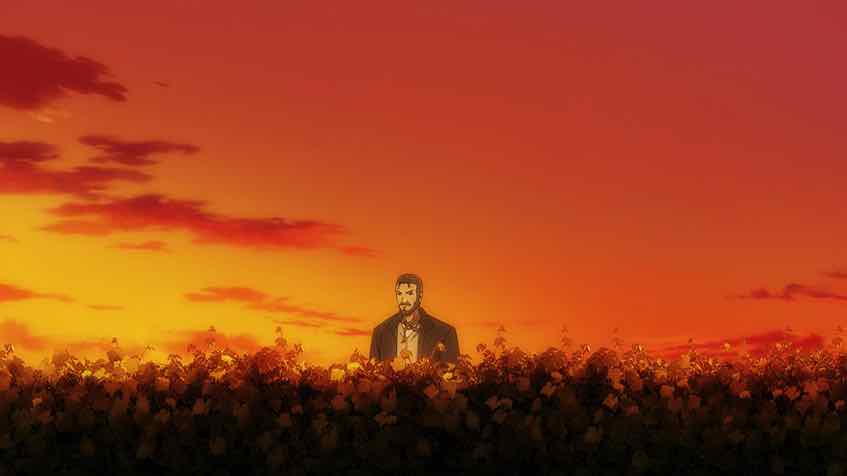
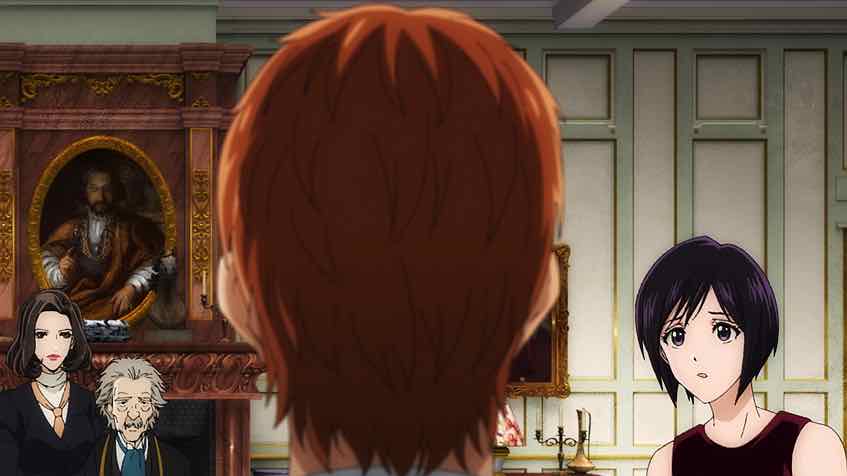
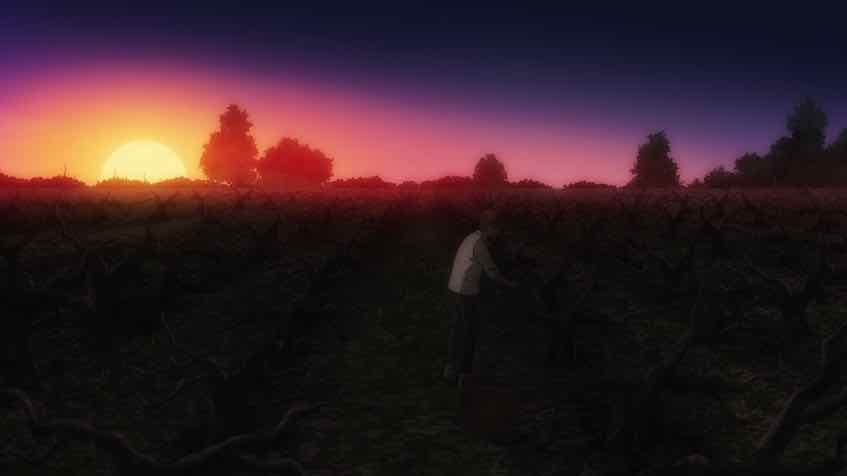
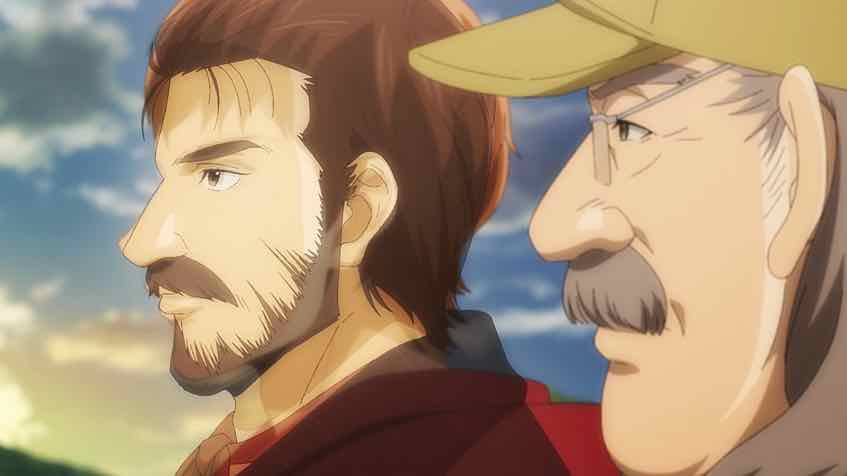
 Out of this experience Shizuku gets the story of Dad’s meeting with Yutaka, and the abandoned vineyard they chanced upon. As far as I know the wine he eventually chose at the apostle doesn’t have that origin story, though it does come from an ancient plot with elderly vines. As for Issei it turns out that Kent is in the process of making a film about the pioneers of Napa Valley and how they conquered the old world (the Judgement of Paris and all that) and wants Issei to watch and assist. With that it’s a lightning scene change to the villa, and the wines the brothers chose are revealed.
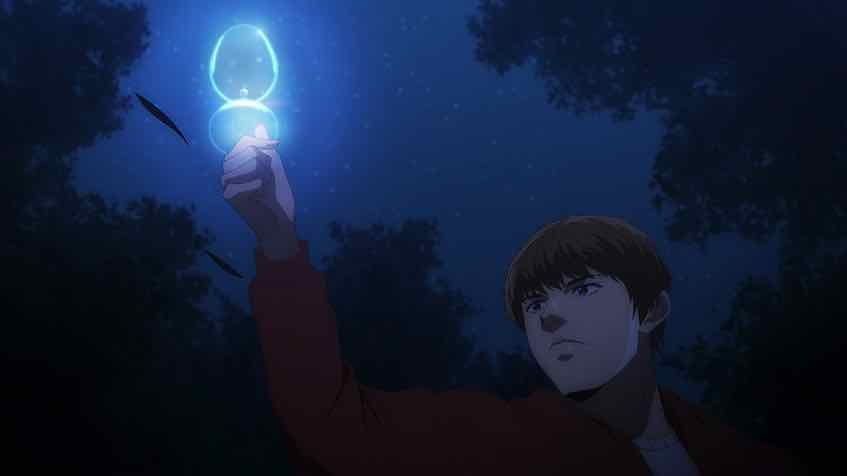
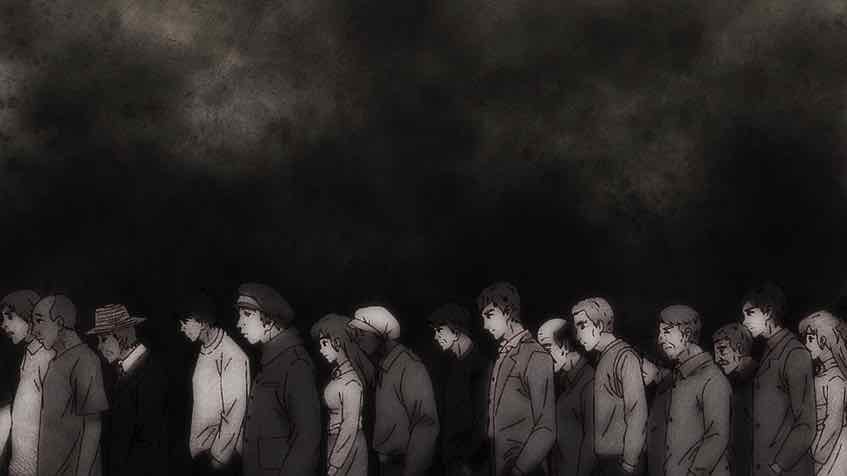
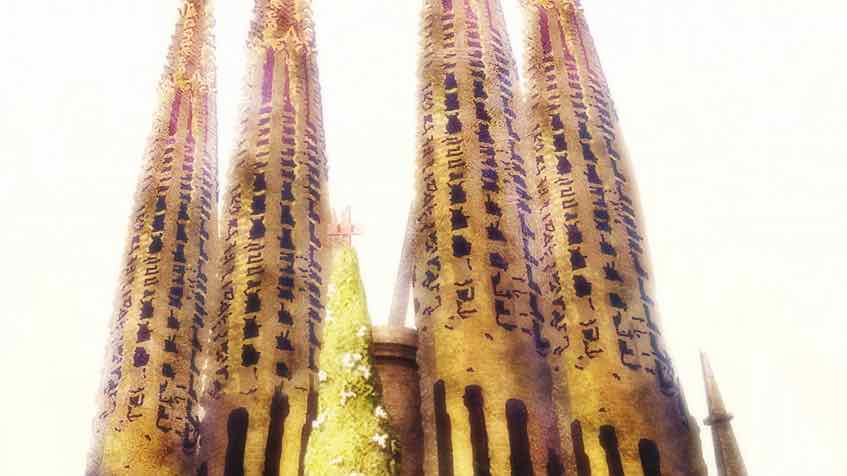
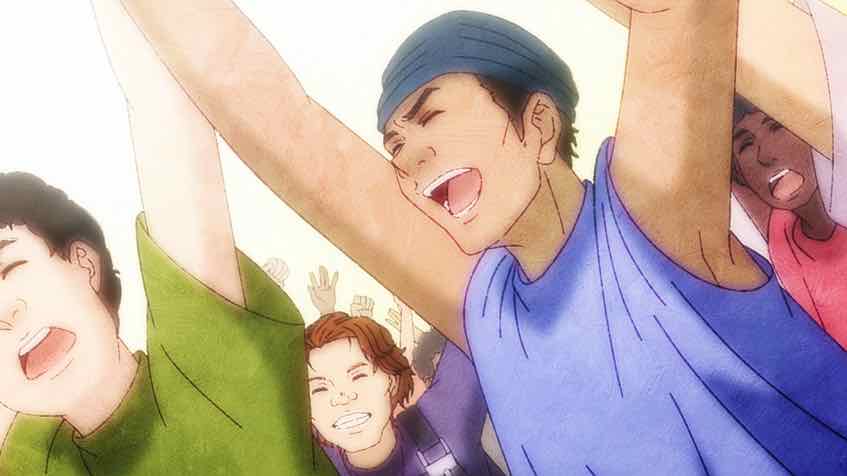
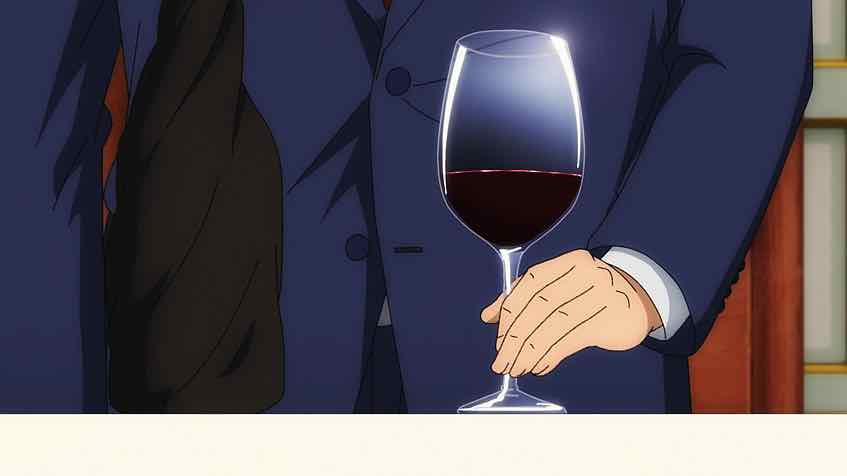
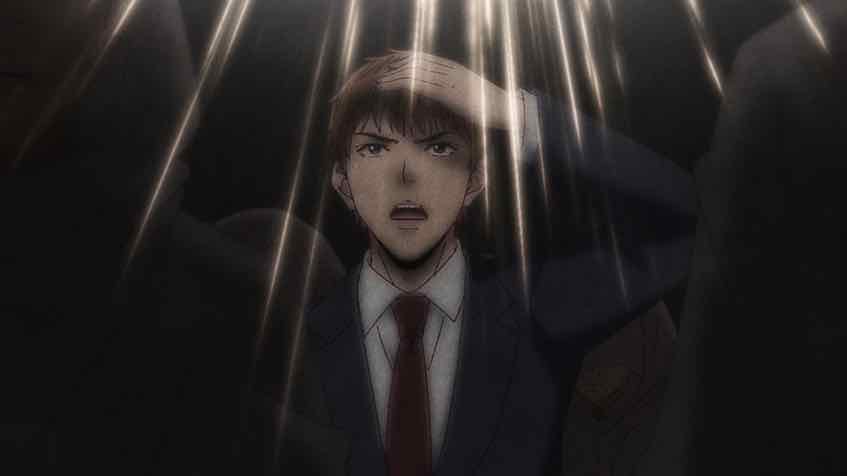
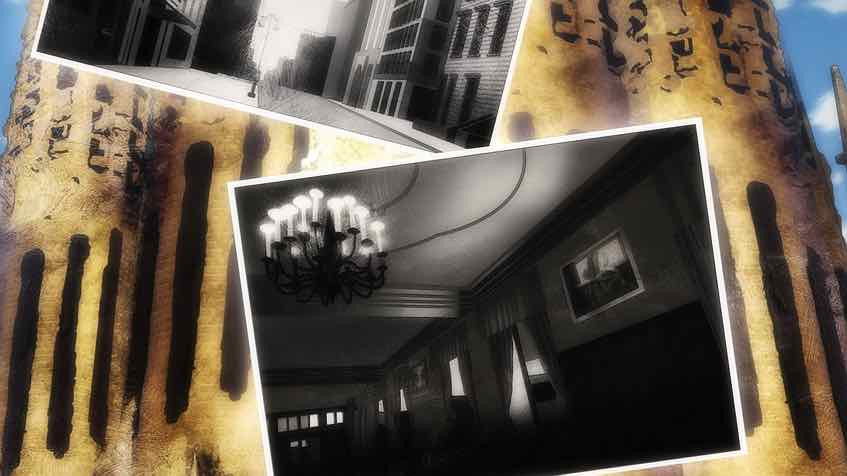
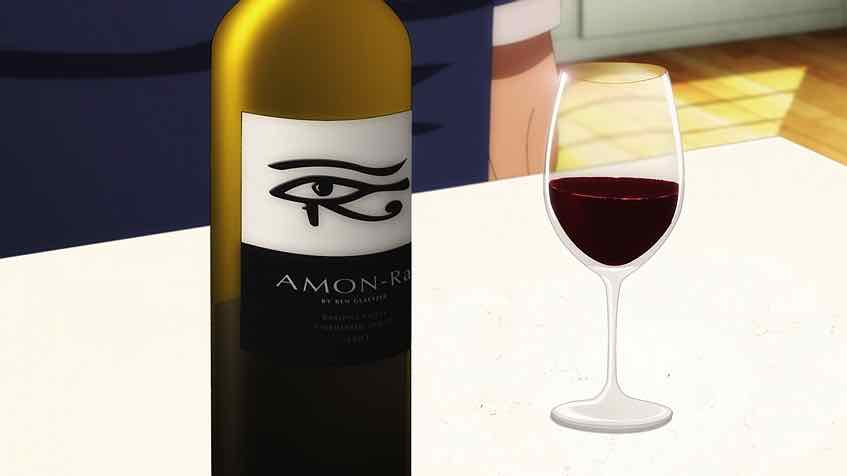
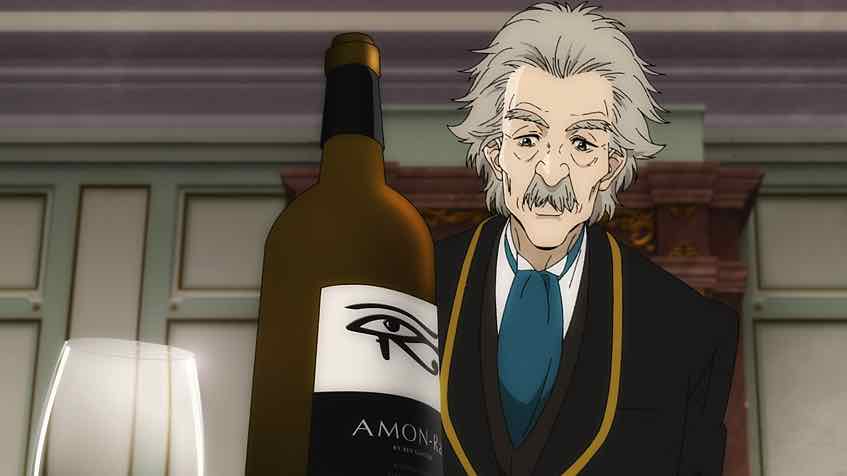
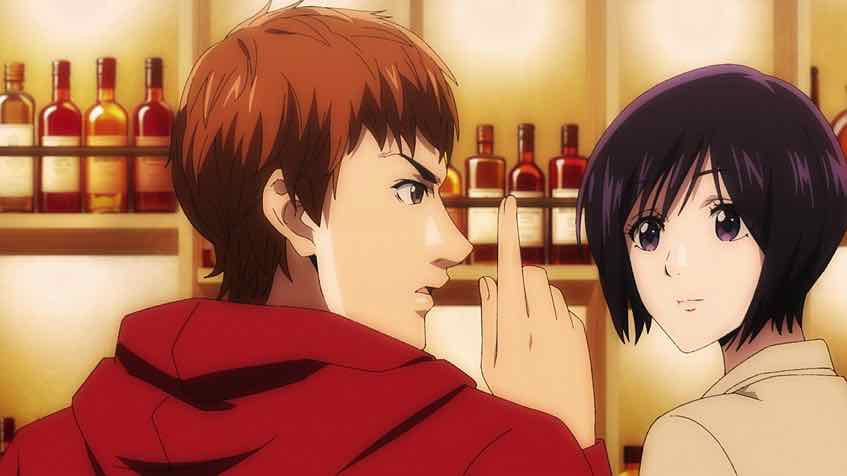 Both went for 2003 syrah here – Shizuku’s going by “shiraz” of course, the Australian name. His wine is the Glaetzer Shiraz Amon-Ra Barossa Valley, indeed a much-revered wine by legend Ben Glaetzer (who’s left the Barossa Valley for Tasmania as a result of climate change). Ironically I think Glaetzer contradicts Yutaka’s snark about Australian wine lacking “artists”, but either way, Shizuku is wrong. He gets something austere here – Angkor Wat – and not welcoming (Sagrada Familia).
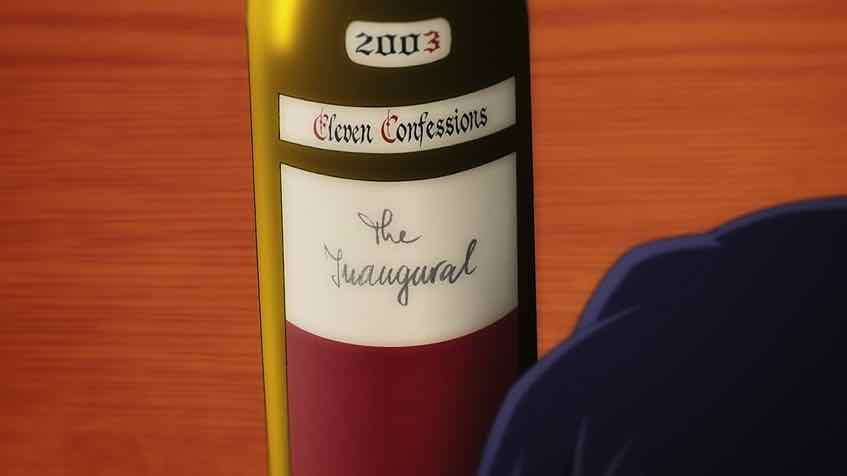
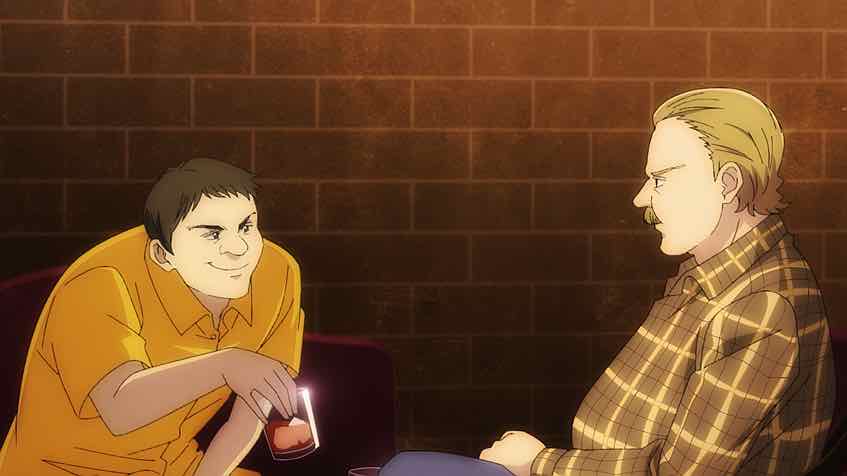 Issei has chosen an even-more revered wine, the Sine Qua Non Syrah Estate Eleven Confessions Vineyard from the California Central Coast. It indeed one of the all-time cult wines and widely considered one of the best wines in the world from any country. More importantly, it’s the Seventh Apostle. What Robert says about the two choices representing where each contender is now is interesting – I think Issei has an understanding of how all the elements of wine greatness (terroir, genius, weather, et al) intersect than Shizuku does. Shizuku is running on instinct and talent here, but there are limits to how far that can take you in a field like wine criticism.
 Is that why he chooses to abandon the contest – or at least tell his work colleagues he is? I’m skeptical that’s going to take, but the fact is, it would be one possible path to the series actually ending in a few episodes when barely half of the apostles have been contested. The challenge, it seems to me, would be how to end the series that way without it feeling like an anti-climax. But that’s not to say it couldn’t be done, and if indeed that’s the course we take I expect it’s one the writing it up to – otherwise the reverence the manga is held in probably wouldn’t exist.