



 Nesting doll, onion, choose your analogy. Demons of the Shadow Realm just keeps revealing more of itself the deeper we go. It’s a hugely successful manga by a legendary mangaka, so there’s absolutely no rush on the author’s part to sort everything out. How far she intends to go only Arakawa-sensei knows, but it’s up to her – no editor will stop her from doing what she wants, and the anime will surely continue as the pace of the manga allows. As an anime viewer that can be both exhilarating and frustrating, but it does demand a bit of a patience from the audience.
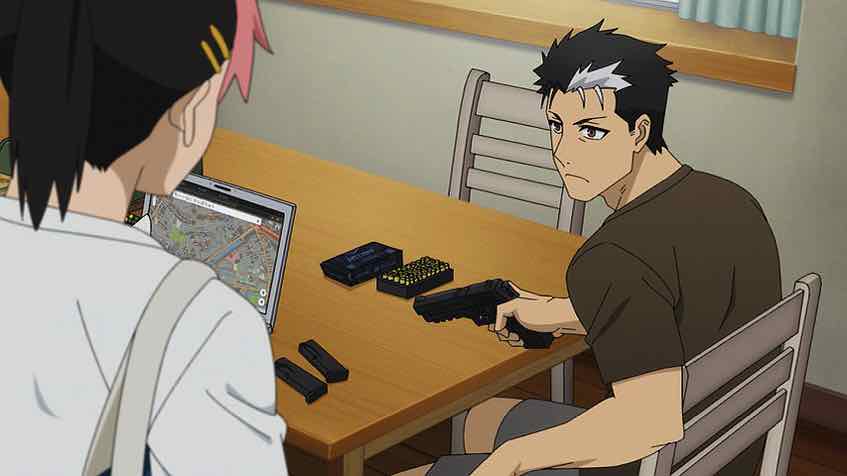
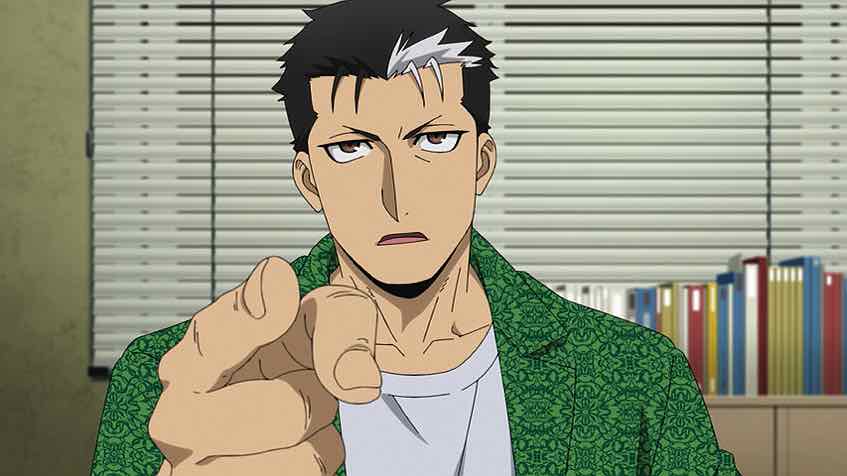
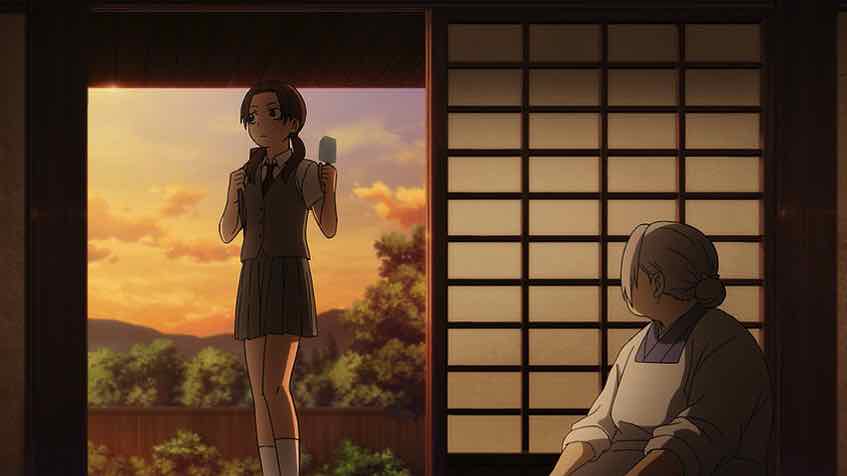
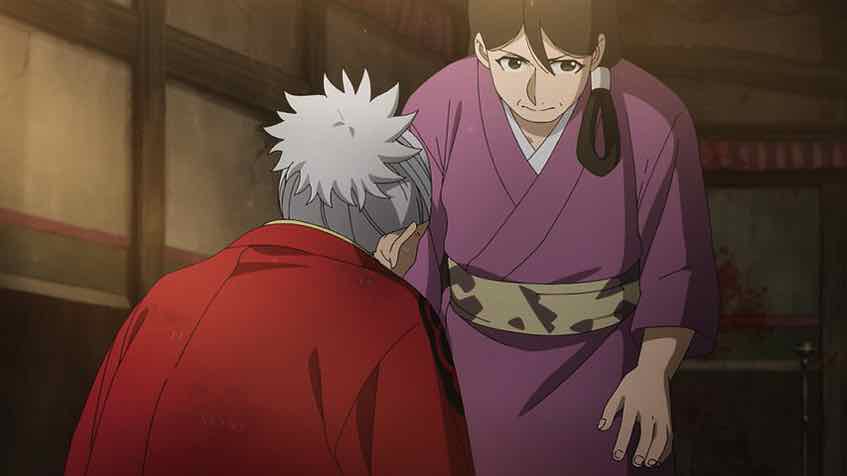
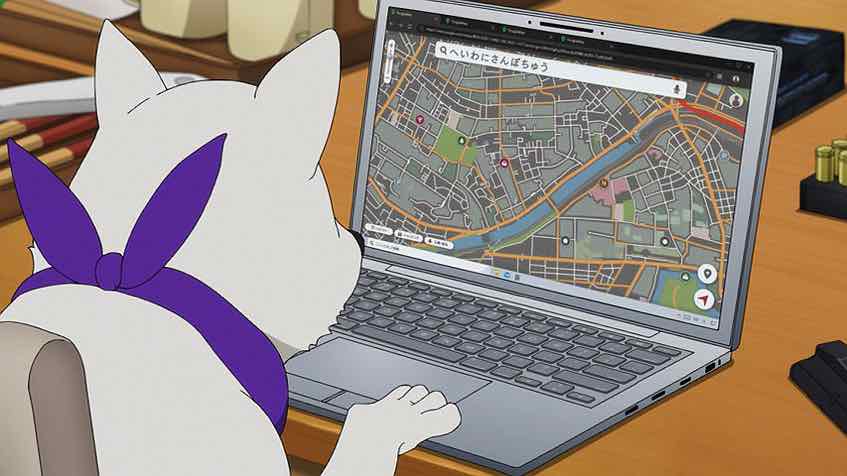 Family was very much the theme here, starting with Hana-san. All the adults here are cagey, picking and choosing how much of themselves they reveal to others. She initially does as the “bandits” instructed and doesn’t tell Dera about the message carved into Yama’s body. But eventually she does – and in doing so, I think she reveals that she does feel something more than utility for these dudes in her life. Yuru’s straightforward nature surely has some impact – the children in Yomi no Tsugai are far more straightforward (as are the daemons). But Hana seems pot-committed to Dera and this whole project, which entails a certain emotional component in addition to pure calculation.
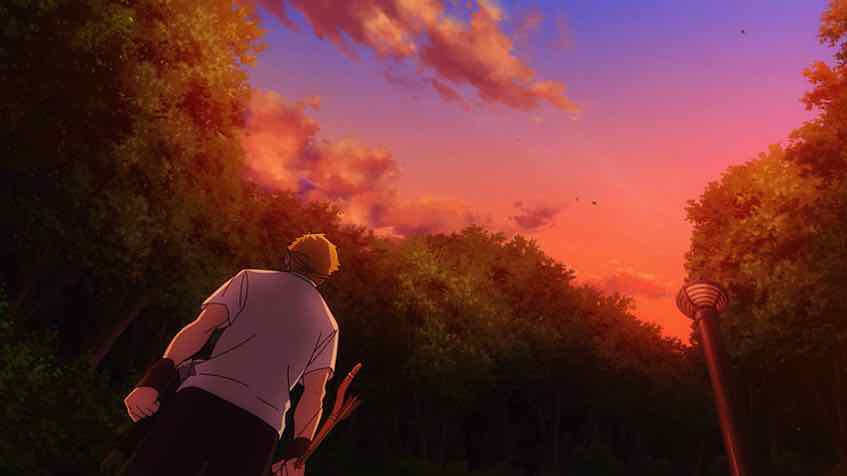
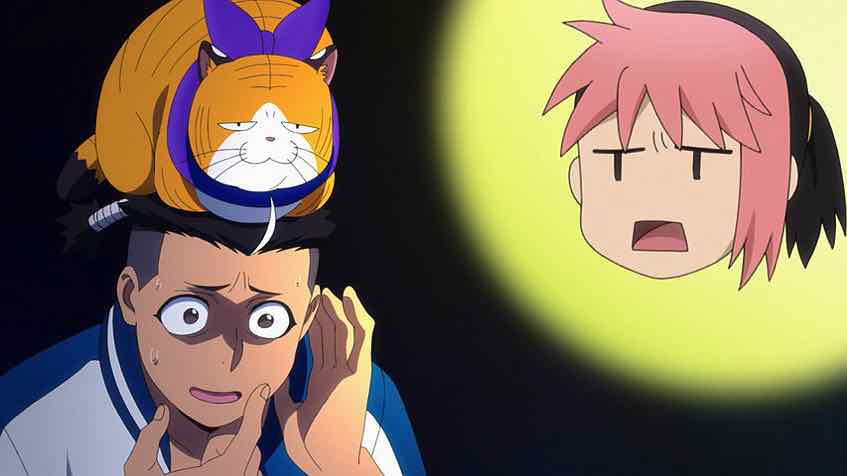
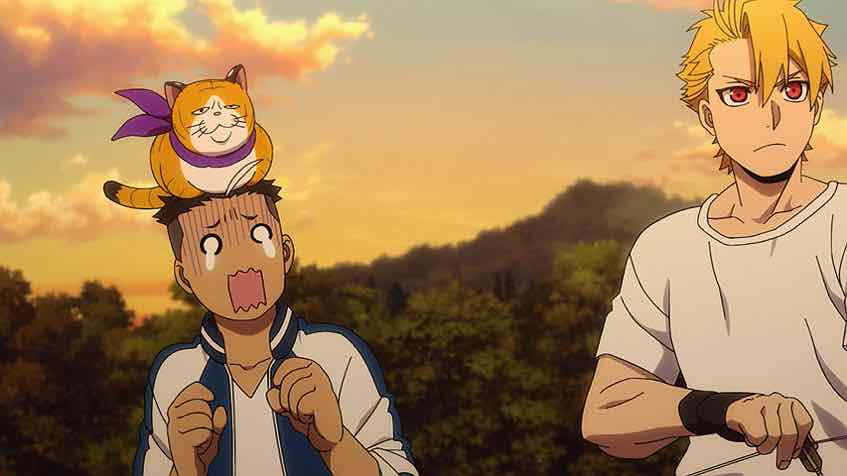
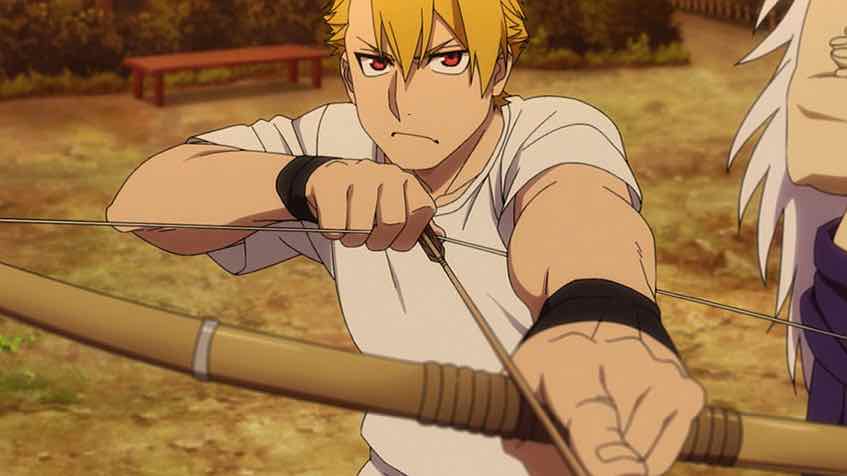
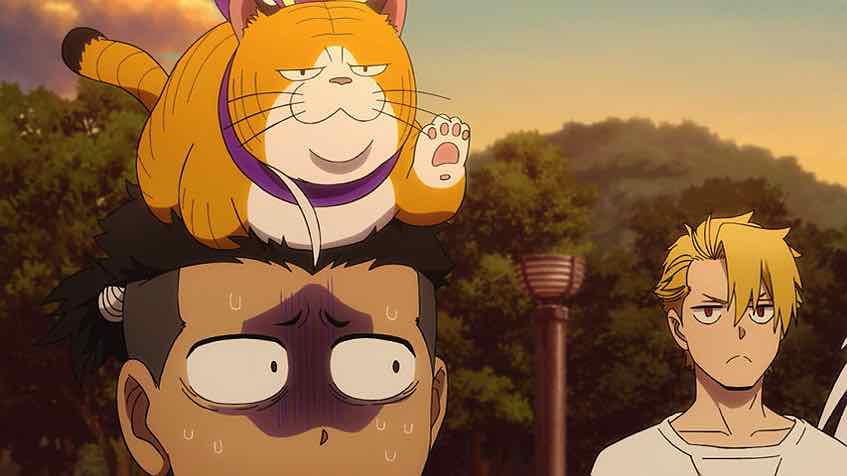
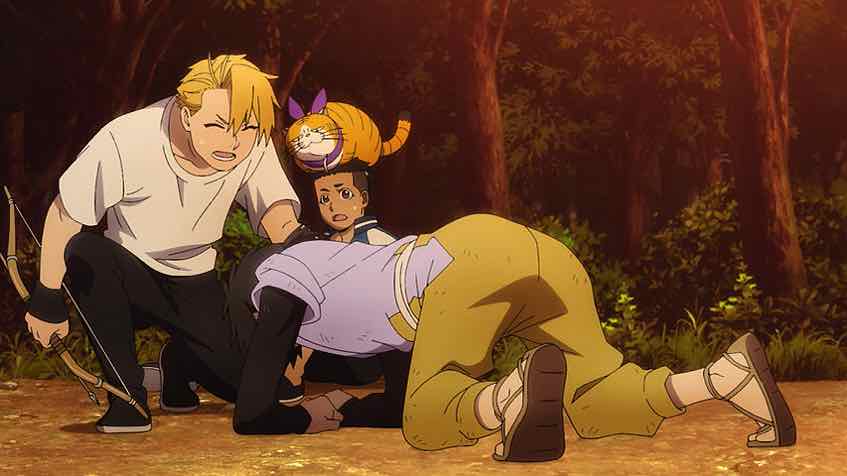
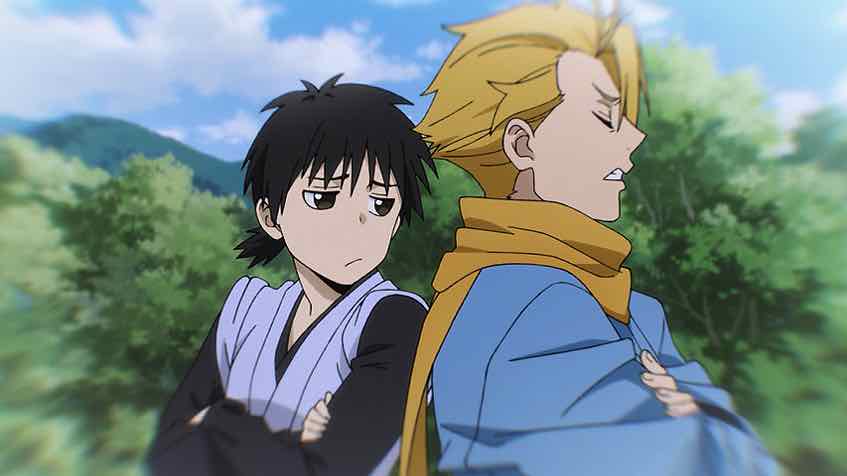
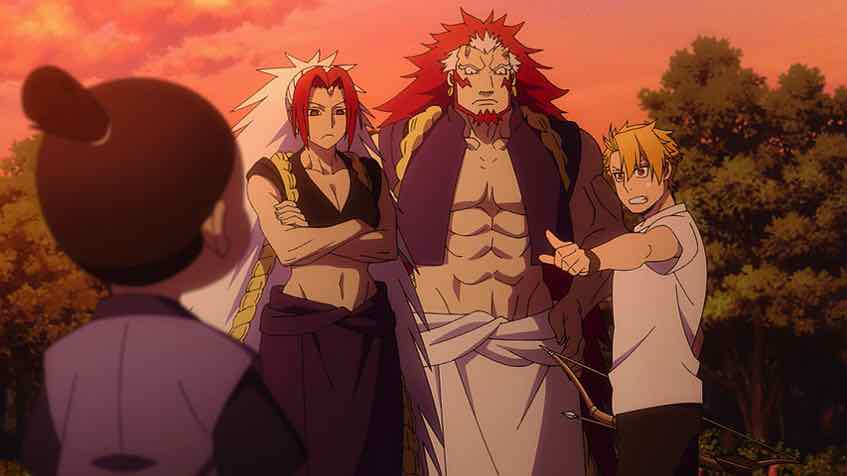
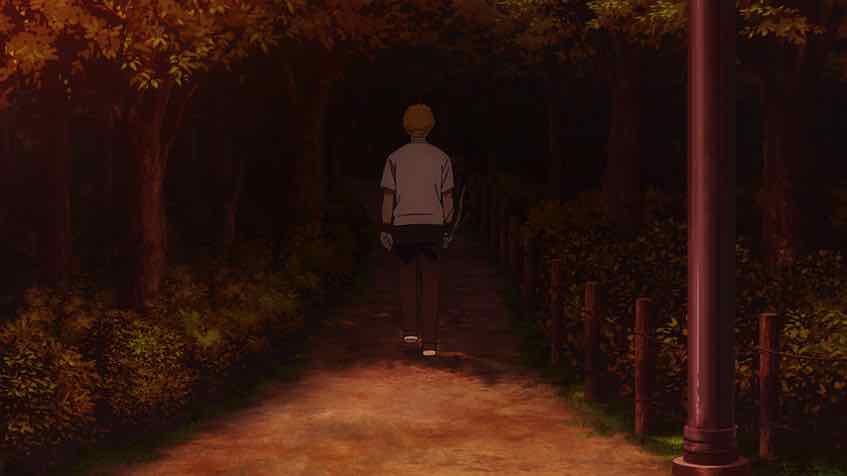
 Again we see this dichotomy between the way Hana and Dera behave and the nature of the events they’re discussing. As they do so the boys are out looking for a place to practice archery and finding no joy (in Tokyo you’d have to look for a dojo, pretty much). Kotetsu is tagging along for tracking purposes, and of course Migi and Hidari. Ken is alarmed by Yuru’s ignorance of seemingly every custom and law of the modern world, and promises himself that he’ll raise him right. Then Right and Left sense a tsugai presence, and the story takes yet another unexpected twist.
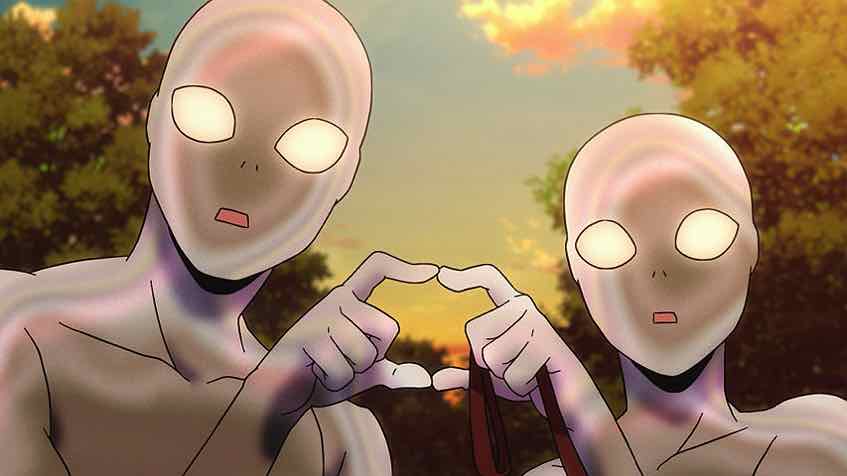
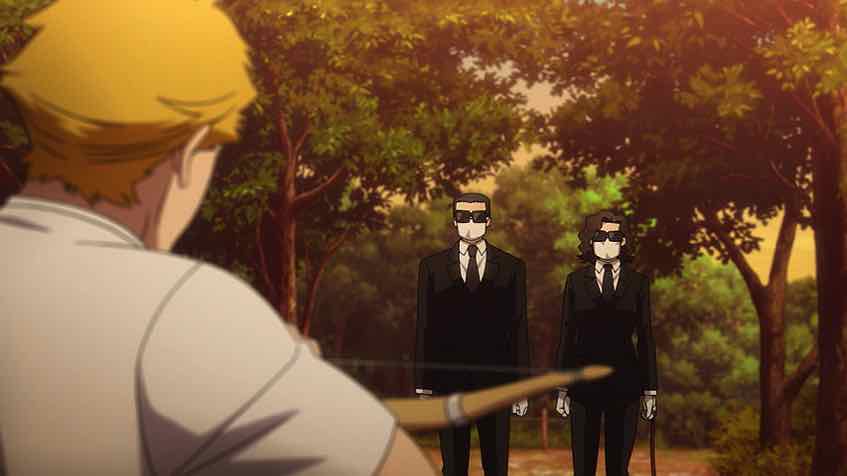
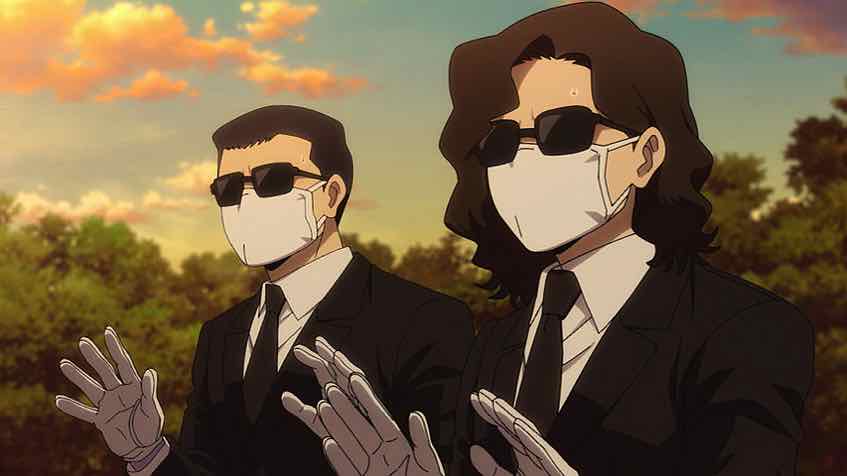
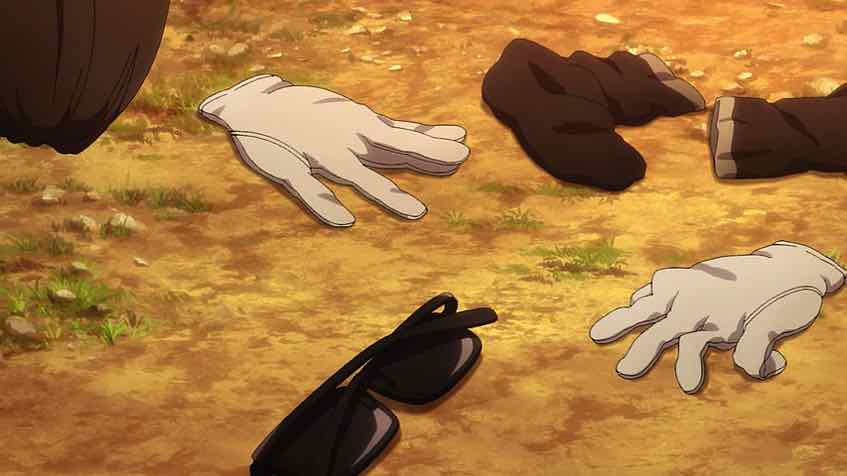
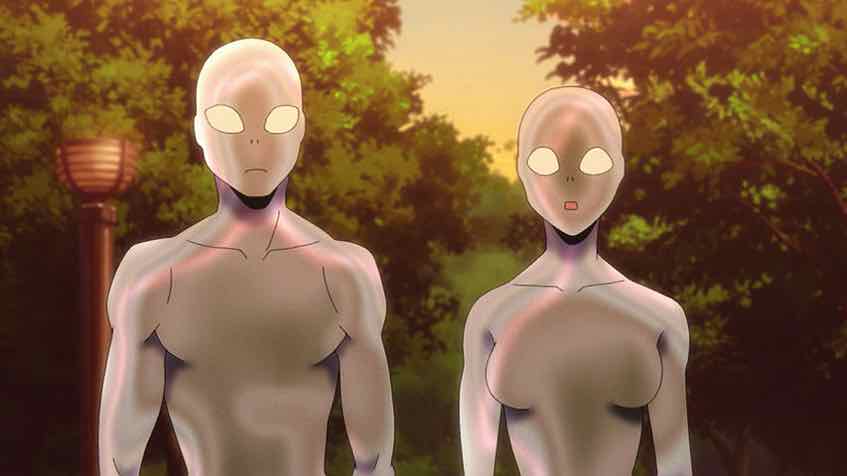
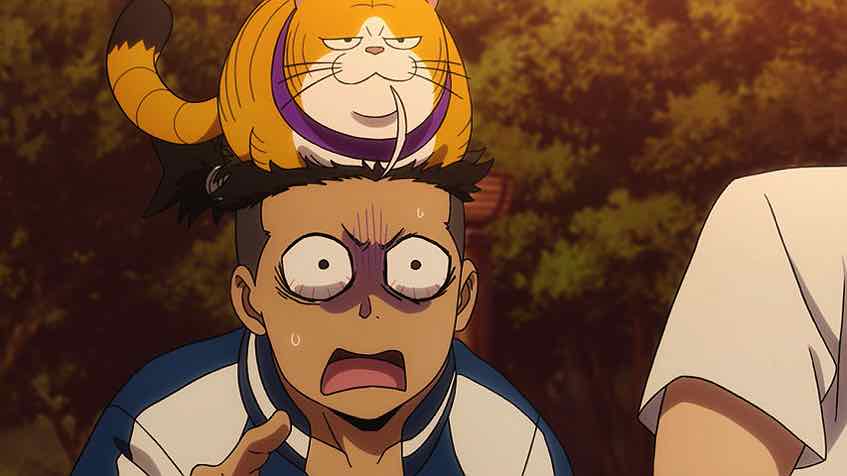
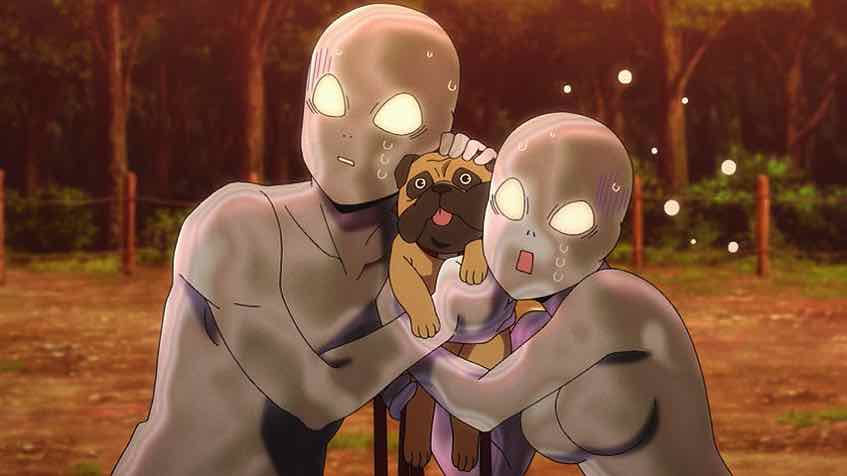
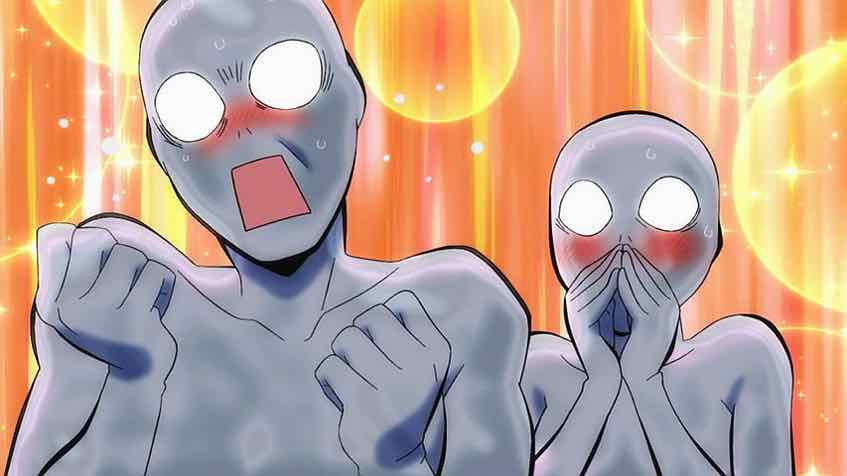
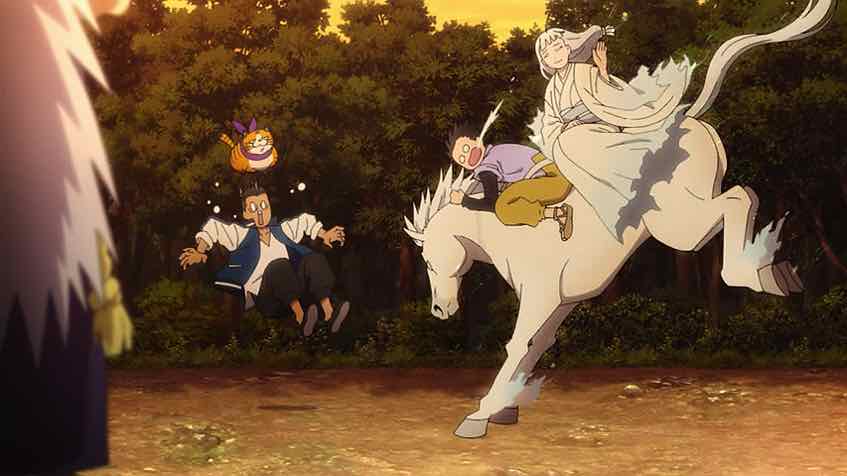
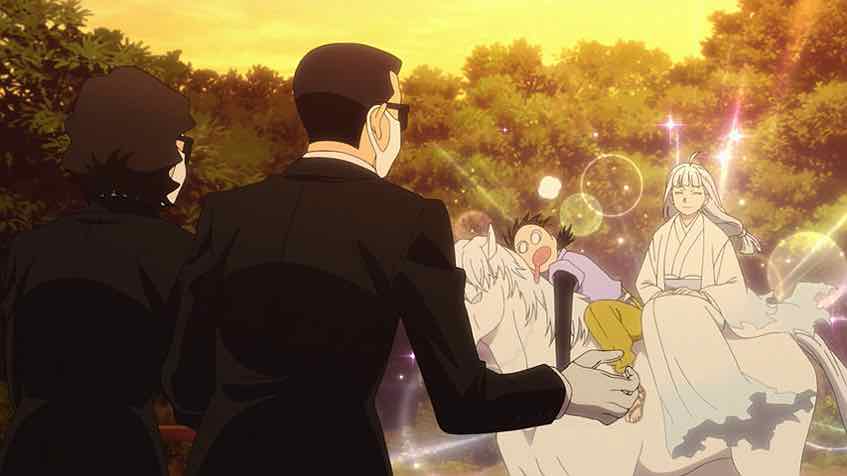
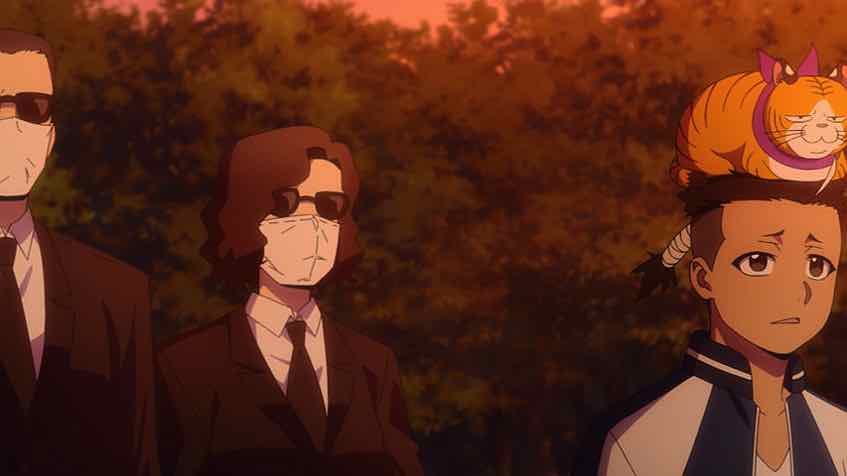
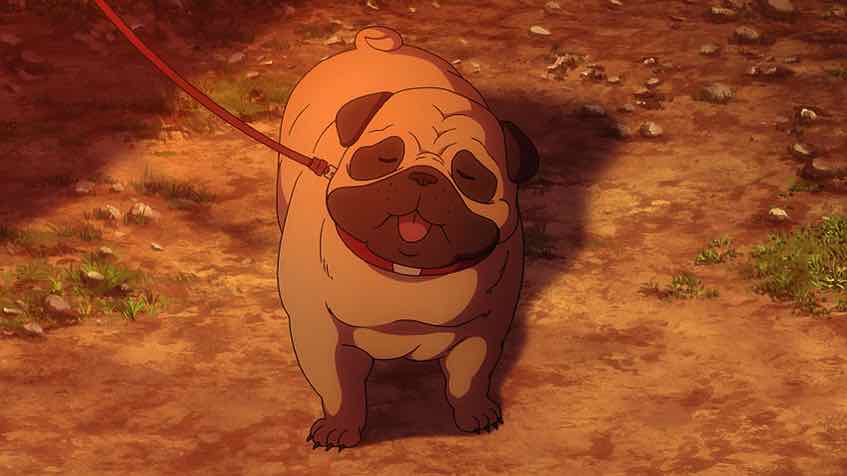
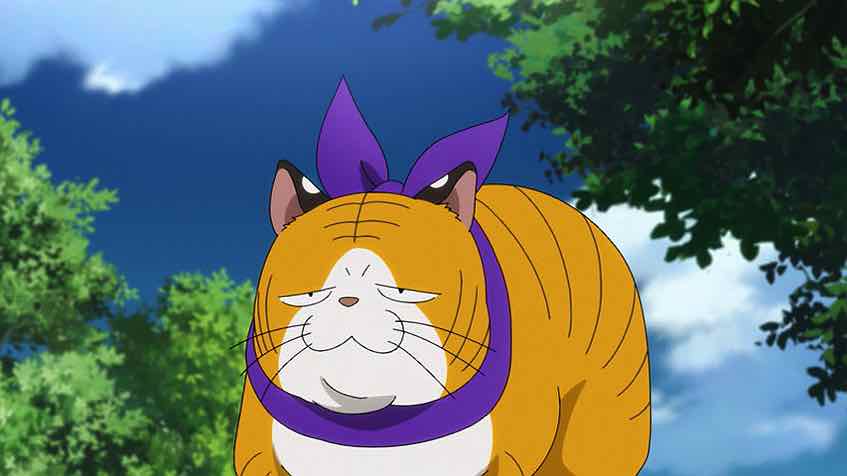 This time around what we have, by appearances, is two aliens dressed in MIB cosplay with a pug as their master. How did that happen? Somewhere in Noto they sat as relics, forgotten, and when the dog fell down a hill and injured itself its blood got on them, and formed a contract. Having a literal dog as their master is obviously problematic, but [unpronounceable] refuse Yuru’s offer of help to get their contract voided. They just want someone to talk to, and Migi and Hidari are happy to provide that. And soon enough they have more friends, as Oshirasama shows up, Danji in tow.
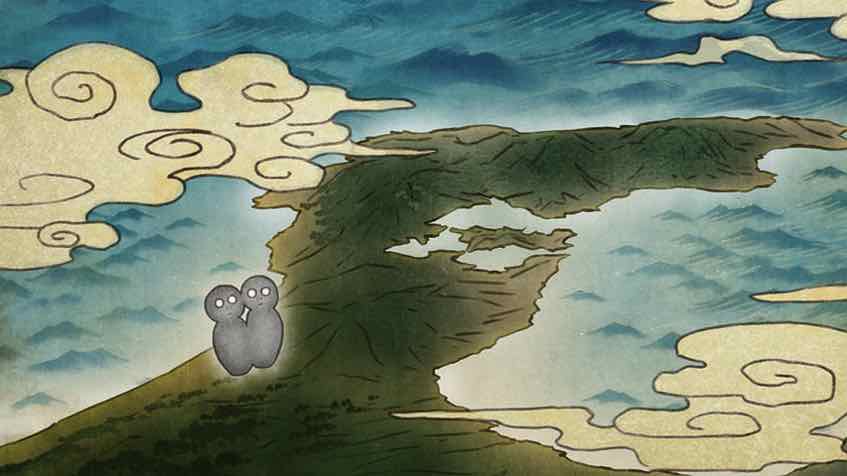
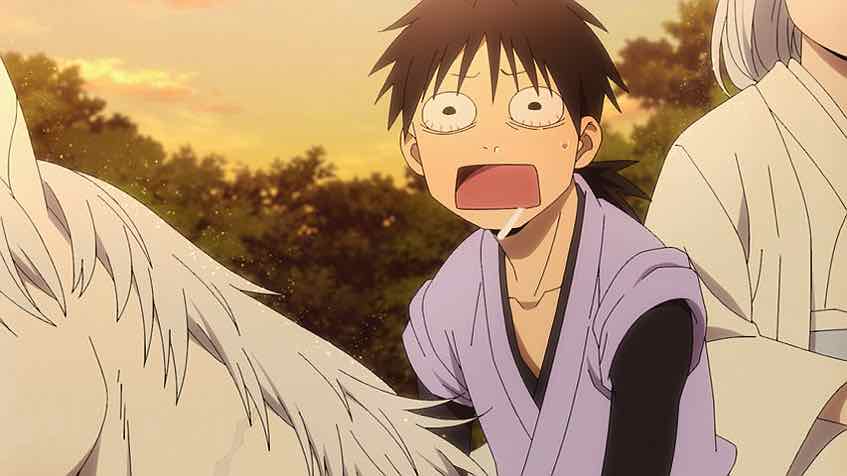
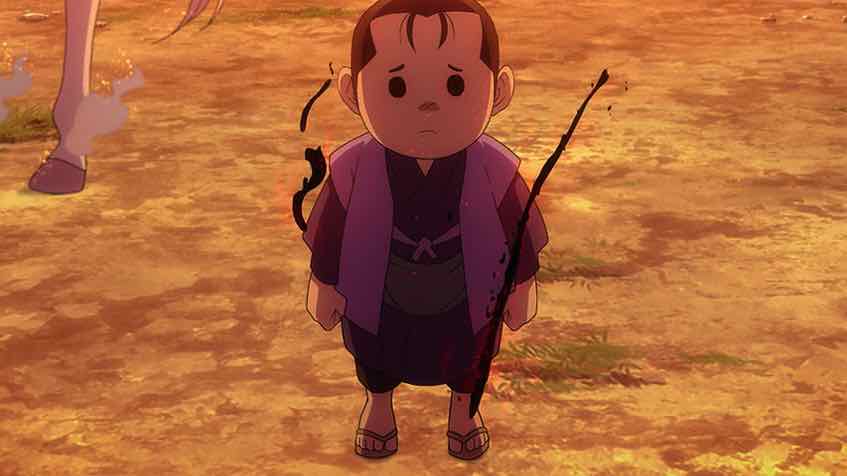
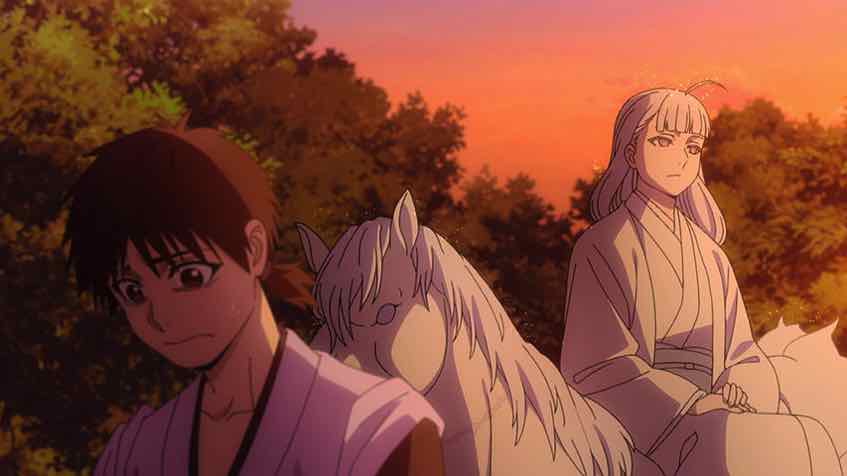
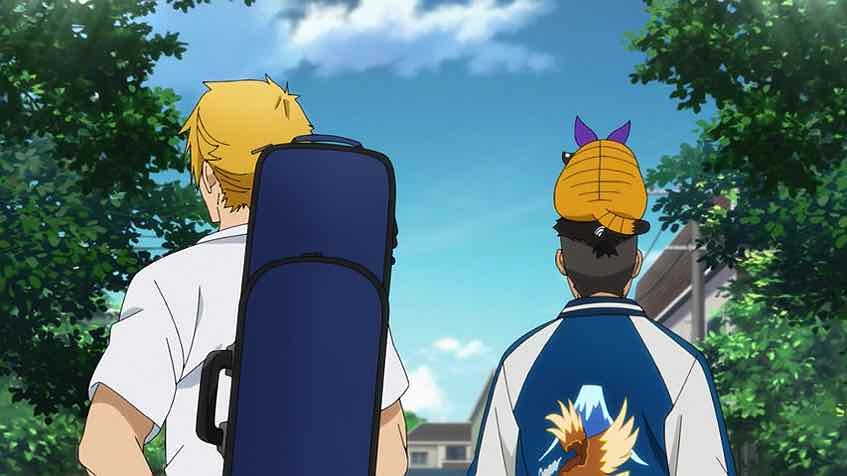 Yuru having trust issues is perfectly understandable, that’s for sure. So Danji turning out to be a daemon – Yuru deduces this by his lack of a shadow – is definitely a triggering event. Danji has been his best friend since childhood, so whatever the motivation this is just more evidence that there’s no one he can trust. Asa is his partner, and his “mom” his master – this is a sort of human-tsugai relationship we really haven’t seen. In fact the pair of them are zashiki-warashi, as Danji shows to Yuru by revealing his true form.
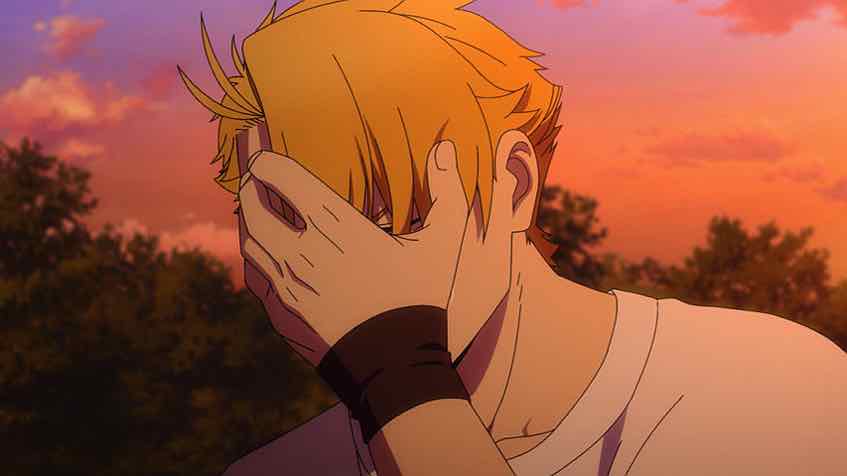
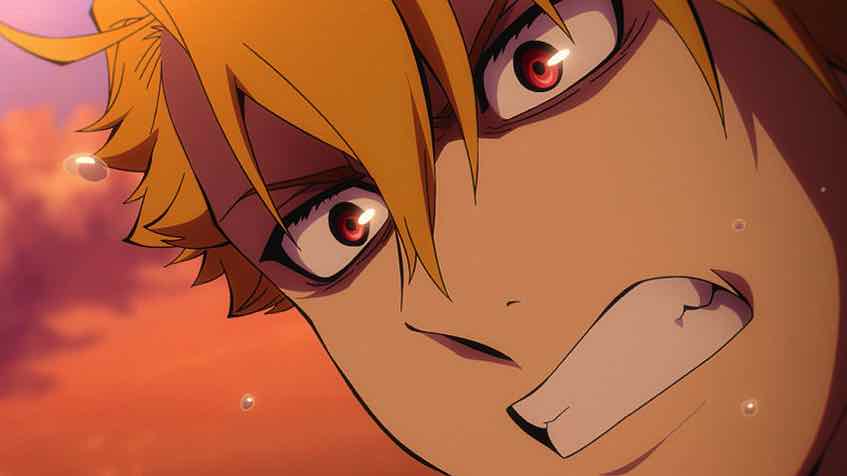
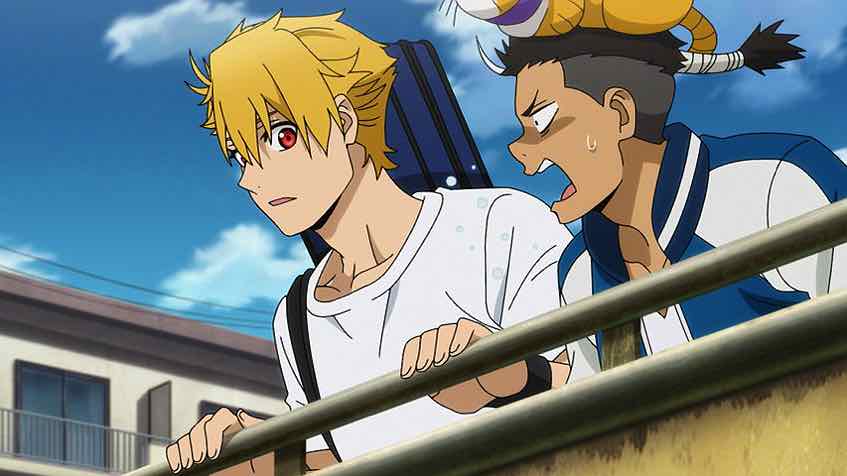 I see no reason to disbelieve Danji here when he says his master’s intent was to protect Yuru. But I also can’t blame Yuru for being furious. Everyone he thought was family or friend is proving to be something different, and his parents – who abandoned him – are nowhere to be found. Why should be trust anybody, except maybe Left and Right? I can see this as a major problem going forward, as Yuru is being pushed in directions that cut against his essential nature. Is there going to come a crucial moment that calls on him to trust someone, and he’s unable to do so?


















Raikou
July 13, 2026 at 11:24 amI misjudged Hana. Seems like she’s solid.
The lack of Shadow is something I didn’t realized at all, yet so simple.
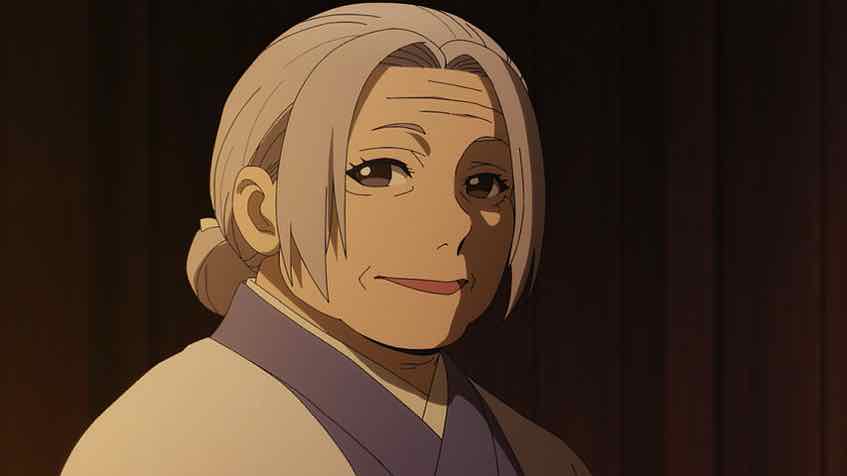
I’m thinking…Danji and fake Asa aren’t the only Daemons acting as humans in that village.
Guardian Enzo
July 13, 2026 at 11:39 amThat seems very likely. We know at least some of them are human because of the vaccinations, but it’s very possible a lot of them are daemons.
sonicsenryaku
July 17, 2026 at 12:34 amI think you put it quite aptly last week when you described this series as a story of victims and victimizers. With certain Higashi villagers lacking the ability to see daemons and the ease by which they get slaughtered, it’s tempting to assume those particular villagers are on the innocent, but they’re actually not (at least for the most part) : they’re aware of the assassination attempts, actively participate in them, and play the role of deceiving whoever they are tasked to deceive. What’s tragic about their circumstance, however, is that a bunch of them probably got indoctrinated into this cult rather than proactively making the choice to be a part of it. I imagine some of the villagers come from generations of people who accidentally found themselves lost within the Higashi barrier, leaving them (and their future kin) with no choice but to acclimate to the culture of their newfound home.
I wouldn’t be surprised if Granny promised the villagers unimaginable wealth, prosperity, and power if they lived by the village customs (or at the very least, convinced them that following customs was the only way to survive in this foreign land) and faithfully followed her, even if it meant doing immoral things. The village kids are probably the most innocent of the population, but it’s sad to think that as they get older, granny and the rest of the adults will indoctrinate them into their cultist practices; and so the abusive cycle continues.
Anyway, this victims and victimizer lens seems to be relevant in how flippant most of our central characters behave around violence; if anything, I’m kind of intrigued by how violence is treated in ‘Tsugai’ and would like to see Arakawa take this flippant portrayal of violence into a thematically rich direction
Guardian Enzo
July 17, 2026 at 8:48 amIt’s pretty close to unique in the way it approaches murder and general violence. Very discordant in what I assume is an intentional way.
I guess the Occam’s Razor approach is to view the village as a cult and the Kagemoris as a criminal gang, and all the children – starting with the fated twins – as victims. In Kuroshitsuji almost all the dramatic impetus comes from people in the victim group trying to switch to the victimizer group, so maybe a possible clue about future developments in that.
sonicsenryaku
July 17, 2026 at 1:44 pmYea; if we went the way of something like Kuroshitsuji, that would be pretty compelling; I’d be all for that. Tsugai’s such a solid show: most of its compelling draw so far has come from how the audience is made to never be quite sure of whose allegiances falls where, who’s withholding what information and why (hell, or what relevant information the parties involved are even privy to), and who can be trusted.
We’re essentially bearing witness to a sort of slow, fantastical cold war being fought between crime families and cult groups: the action isn’t in the fights (though they serve their purpose quite well when they occur), more so than it is in the way each side withholds or disseminates information, trying to coerce one another (mostly through omission and deception) while carefully and covertly moving their chess pieces in advantageous positions before going for checkmate and satisfying their self-interests. This narrative structure has been adequate so far, but now it feels like the story is finally getting ready to unveil its dramatic core and meld that with all the intrigue its built up until this point, so definitely looking forward to that