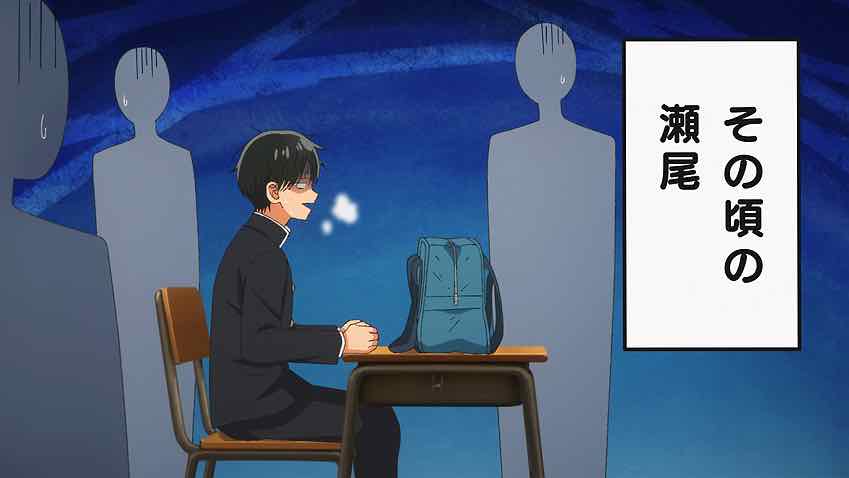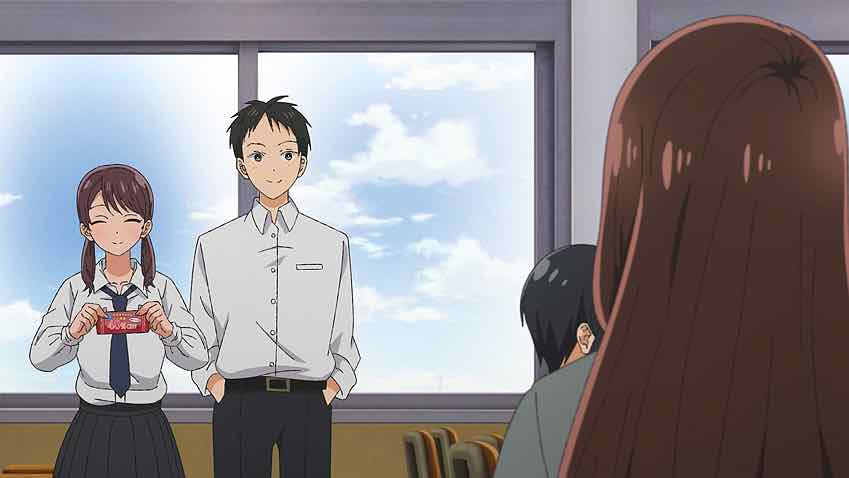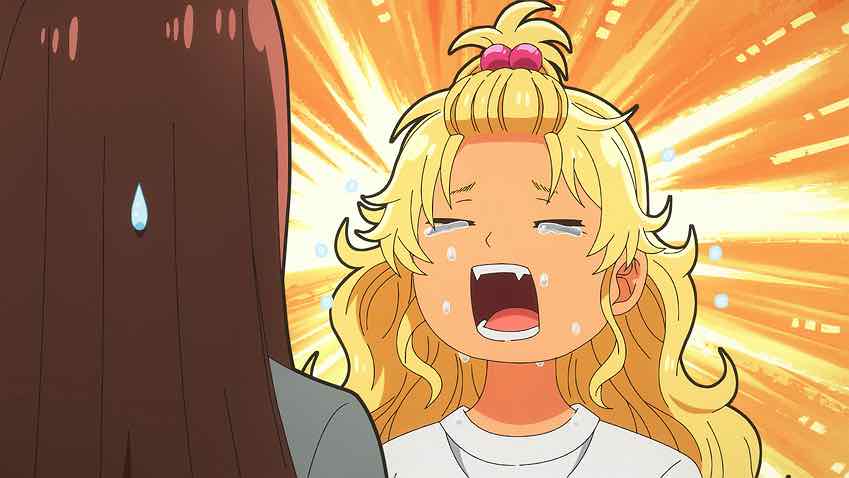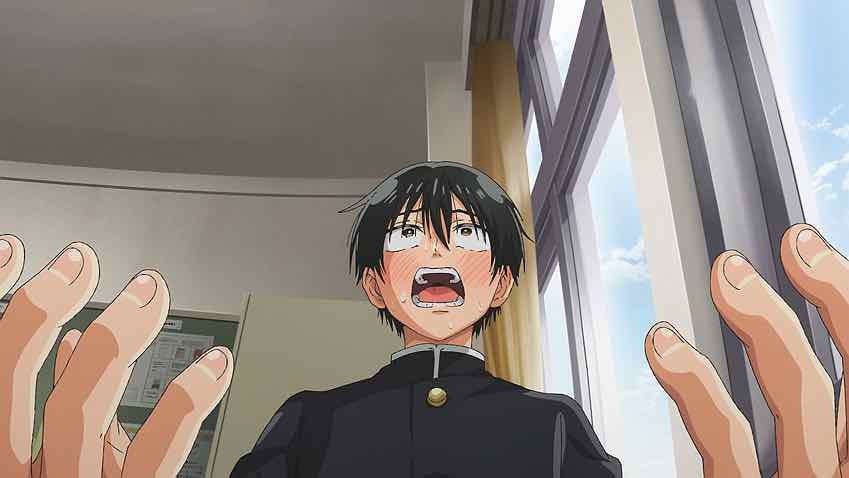



 That was an interesting title drop. Not exactly in the context one might have expected given the premise, but it made sense in situ. I can’t say this was the most exciting episode of Otagal – it’s the three-way chemistry of the main trio (especially between Kotoko and Takuya) that gives the show oomph, and that was entirely missing here. As such there was a sort of “let’s get this done” quality to this episode, though not really in a bad way. It just came off a little bland, and I’m not sure it added much of anything to the plot.
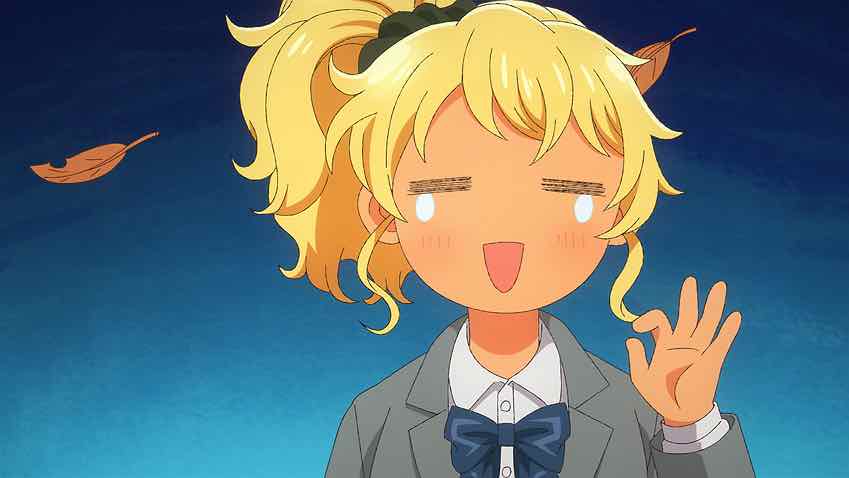
 That said, if a Kotoko-Kei (though they chose to keep going with last names in the end) origin story was something you were waiting on, this provided it in pleasant and understated fashion. I will say, the contrast between the two of them is certainly truthy. Ichiji is one of those kids that’s totally at ease in any social situation, and Amane… isn’t. Kotoko isn’t trying to dunk on anybody or climb the social ladder – being friendly is just her default setting. Sometimes people like that can start obsessing over resisters like a dog gnawing on a bone. And sometimes that obsession can lead to real unpleasantness. But in the end, though there was some, it wasn’t the last word on the matter.
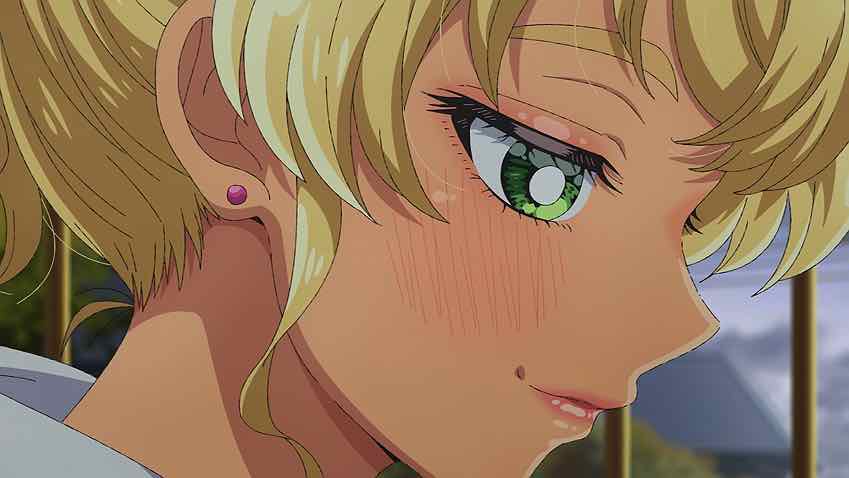
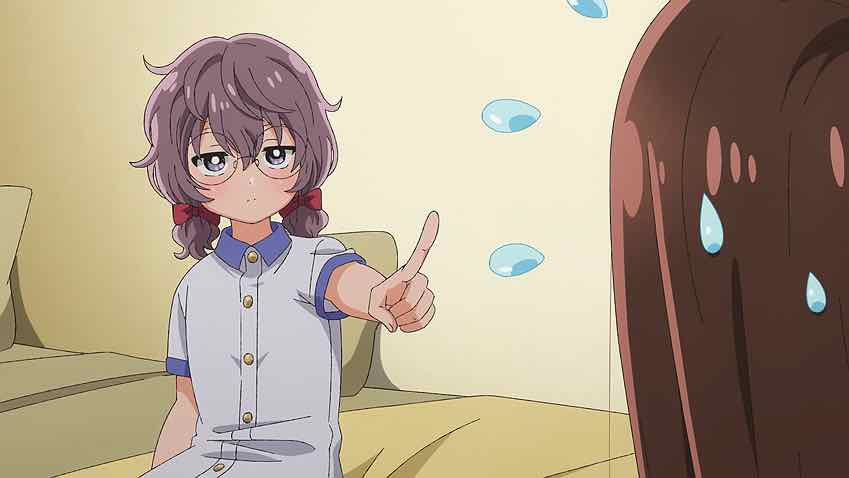
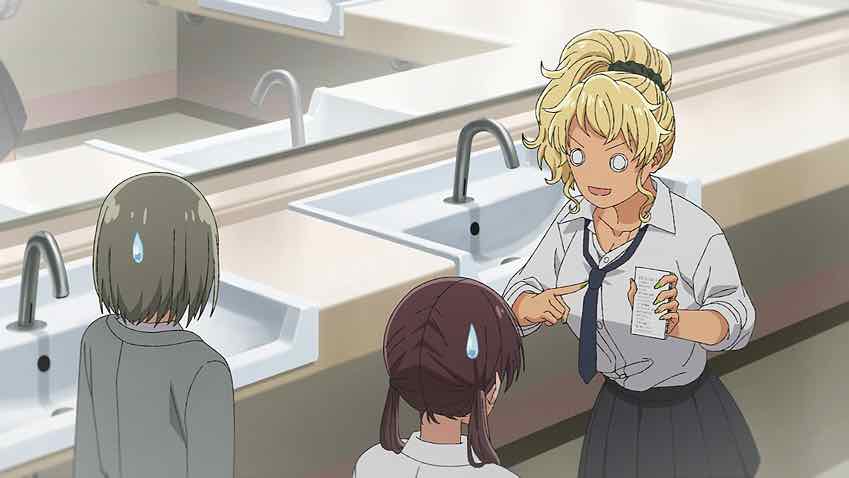
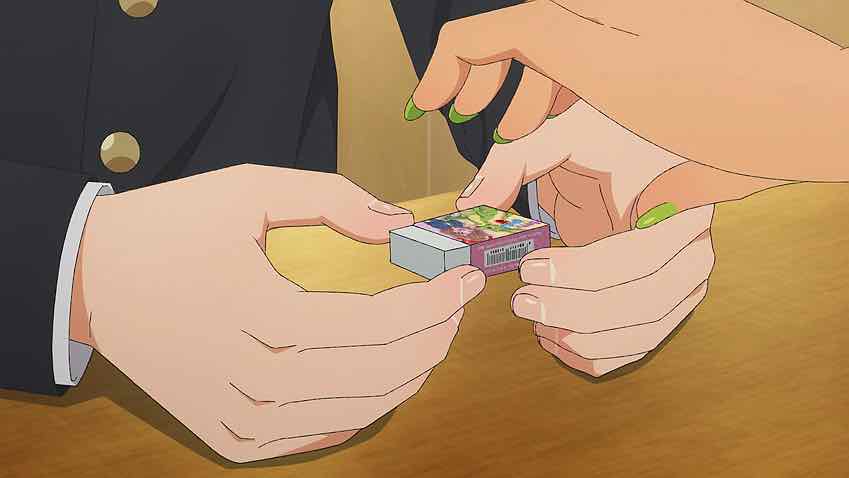
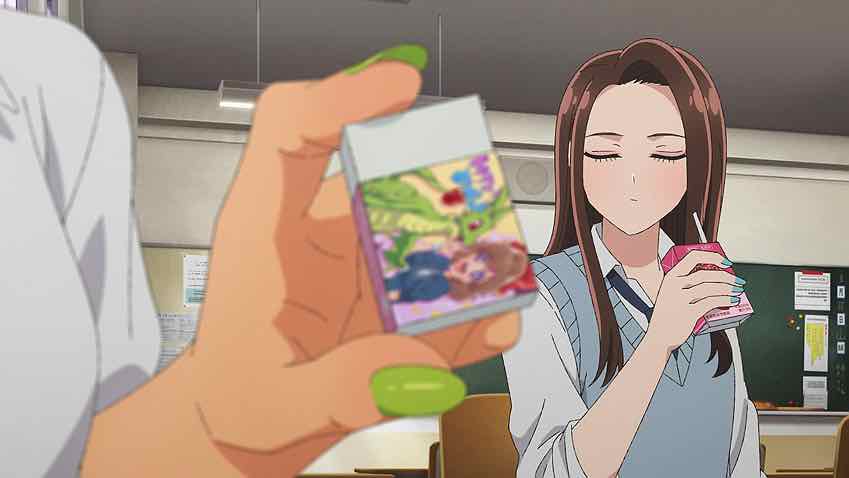
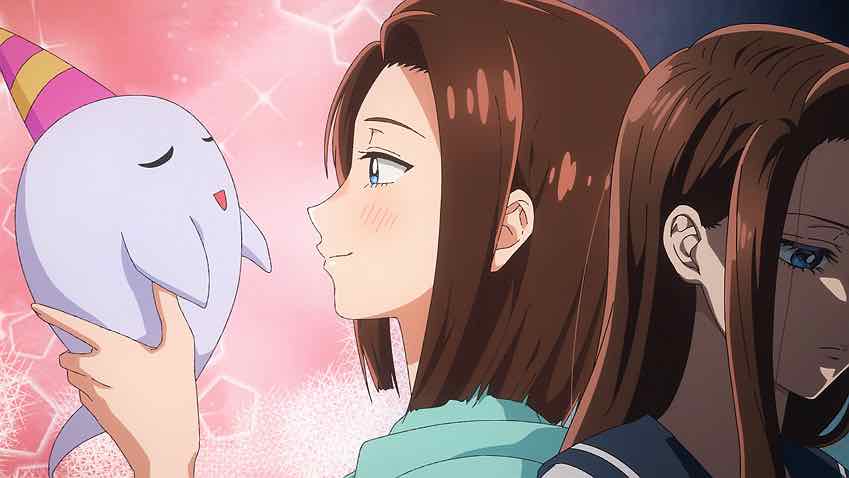
 Ichiji-san (who does ask “did anything happen after I fell asleep?”) is the one who starts the process of reflection. Kei’s initial interest in her was fueled by the fact that she looks like a “Glittermon” character (Micchi). But quickly enough Kotoko’s familiarity pushes her out of her comfort zone. She gently tries to distance herself but Kotoko won’t take the hint, and Kei finally relents when Kotoko – the natural organizer of class social activities – invites her to the arcade. But Kei accepts thinking it’s going to be just the girls, and when Kotoko tells some guys they can come too, this – not unjustifiably – rubs Kei the wrong way.
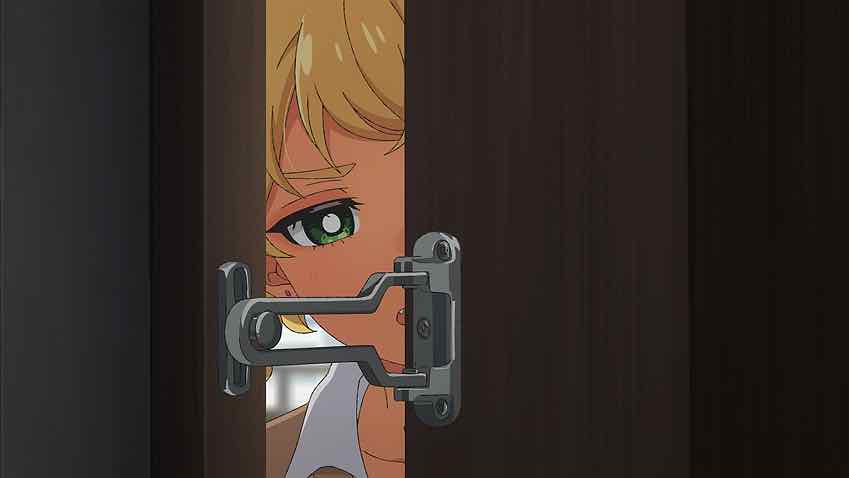 A couple of things seem notable here. Kotoko’s inability to say no – she’s self-aware enough to realize the reason – is innocent enough in this context. But she’s getting to the age where it can start to be dangerous, especially where boys are concerned. Kei is within her rights to be irked by this but she definitely overreacts – or at least reacts in an unnecessarily mean-seeming way. Part of this is down to her natural demeanor but anyone in Kotoko’s shoes would have taken it the way she did. Kei apologizing and setting things right came a little too easily to be totally realistic, but Otagal is the sort of series that doesn’t care to dwell on the negative too much.
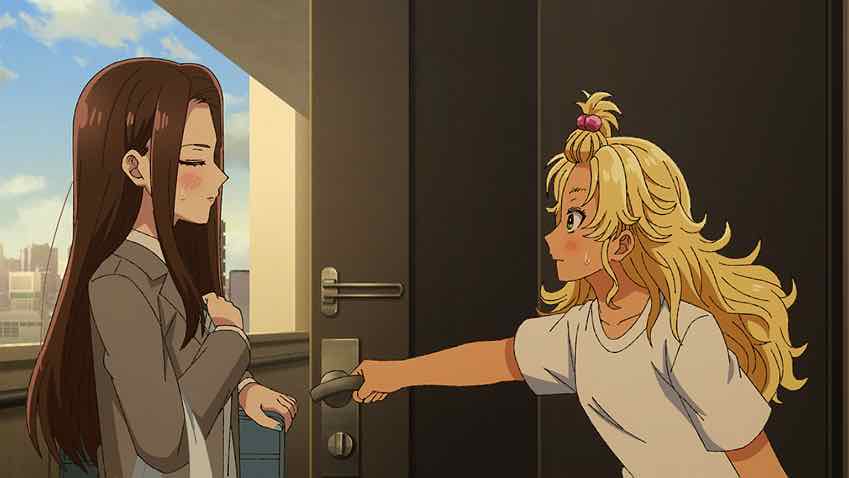
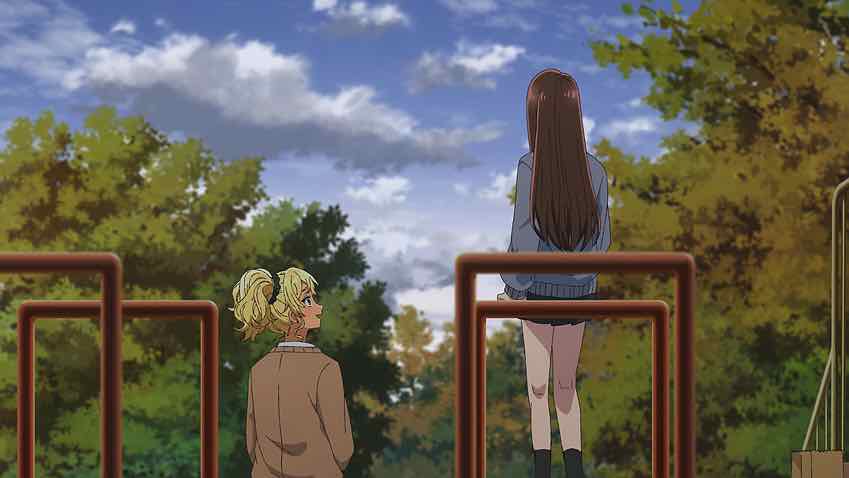 That takes us, more or less, to the events of the premiere and the dawn of the love triangle. Kotoko is the glue here – she’s always the instigator, making it easier for people who don’t gel easily with others to gel with others. Again, in real life – especially adolescence – this doesn’t usually spin so positively. But also again, Otagal is an accentuate the positive sort of series. It’s a bit of a fairy tale in that way, but there’s nothing wrong with a good fairy tale. Especially one that takes a refreshingly chill approach to the tropes of the romcom genre.