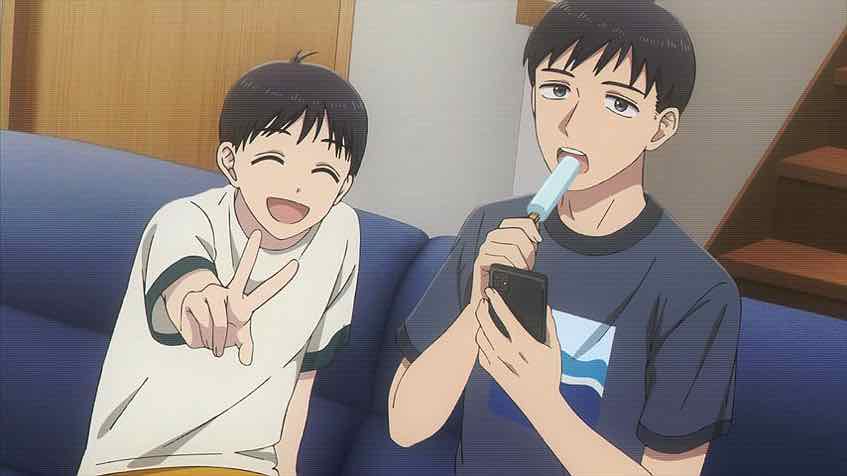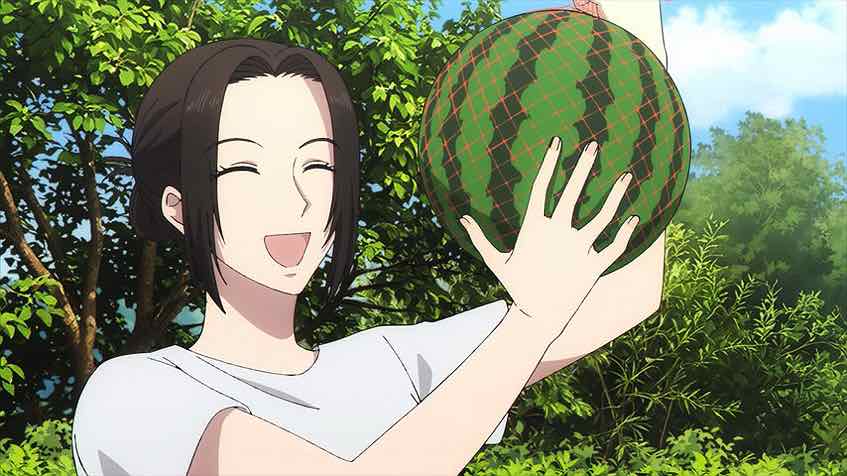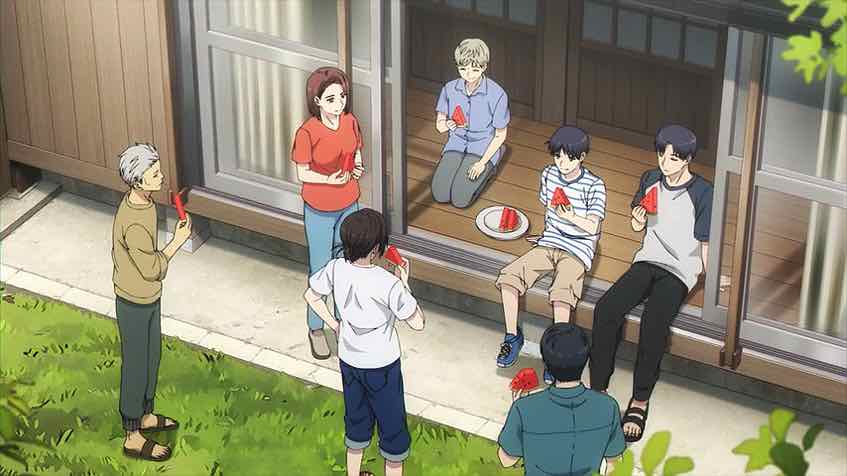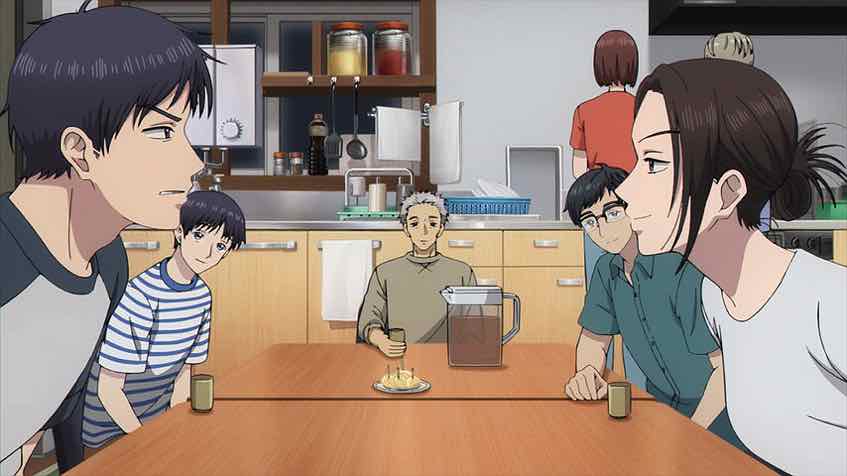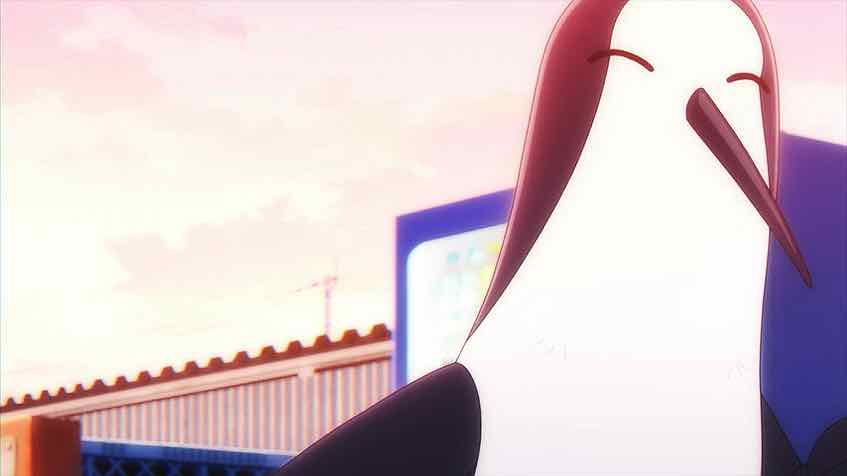


Home is, indisputably, where the heart is.


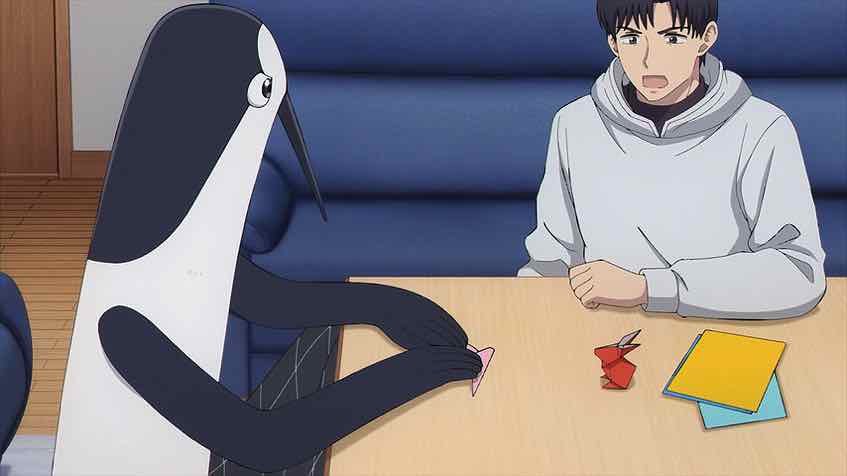 For once I really don’t mind using that subject line. Yeah Kujima Utaeba Ie Hororo is over, and yeah, that makes me sad. But there are no regrets here. The story was told in full and faithful form, with no concessions necessary to adapt its five volumes in 12 episodes. What’s more it was told brilliantly, succeeding in pretty much everything it set out to do. It’s much harder to be sad at an anime’s ending when it leaves you fully satisfied. With its choices, and with its execution.
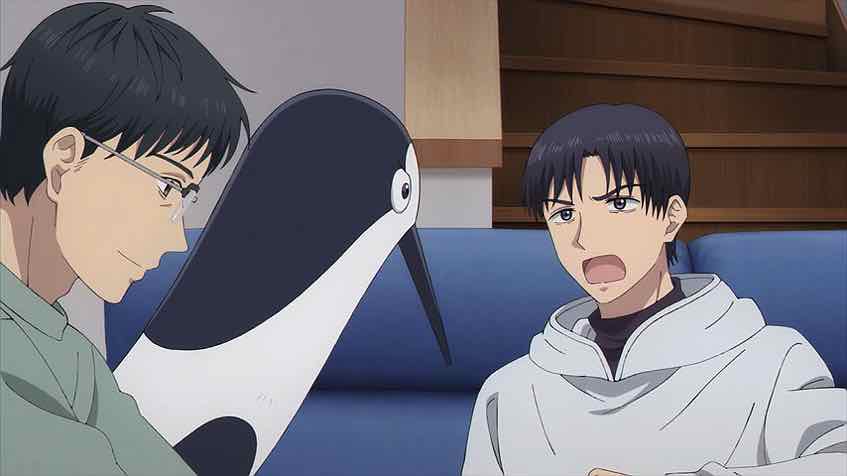 For whatever reason, I found myself thinking “Miyazaki would really like this series, I bet” a lot during this finale. I can’t even quantify exactly why, it just struck me. Kujima is very Japanese in its intellectual and emotional approach, I think in a very similar way to Miyazaki. There’s something very gentle about this story – it caresses rather than punches. I don’t know why fantasy seems to be the best vehicle for exploring humanity and the beauty – and pain – of the ordinary. But it does. That’s why it’s Miyazaki’s preferred canvas. Somehow it seems to be easier to step back and recognize ourselves in settings and characters that are far removed from the reality we know.
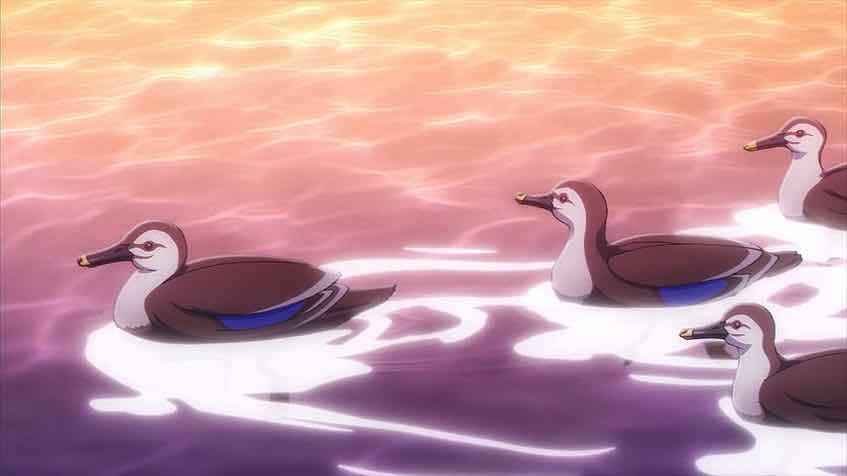
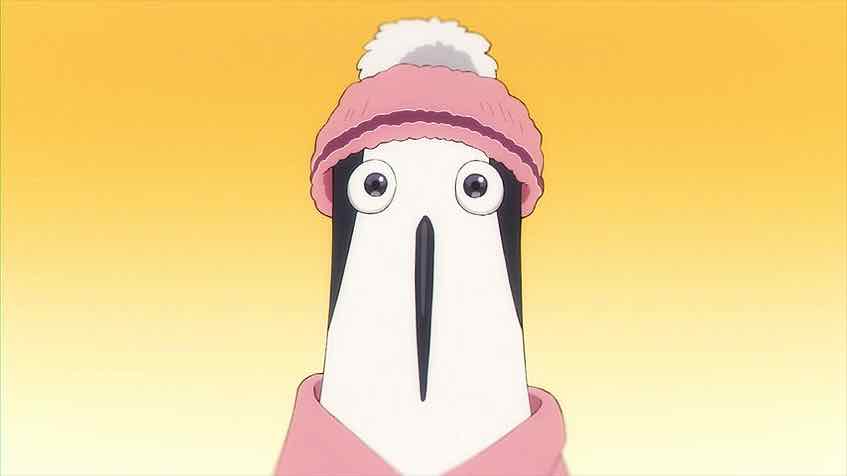
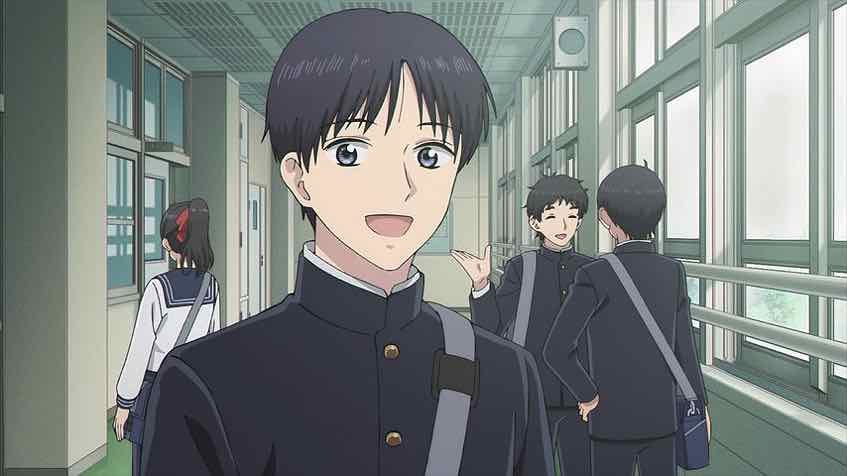
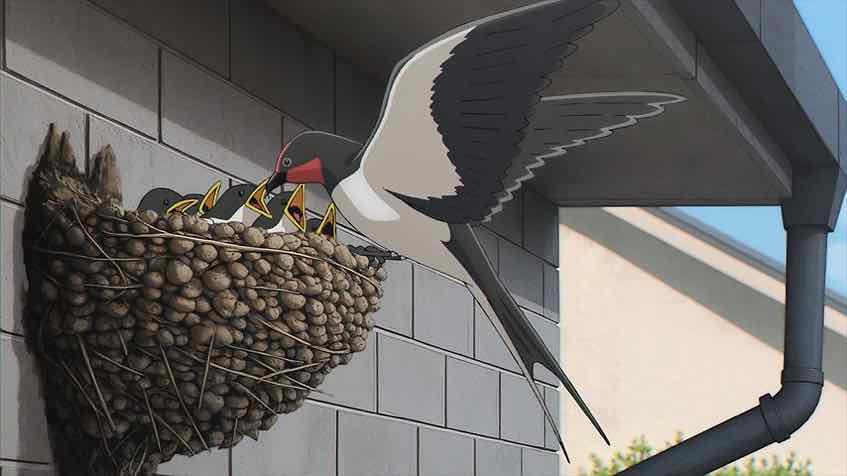
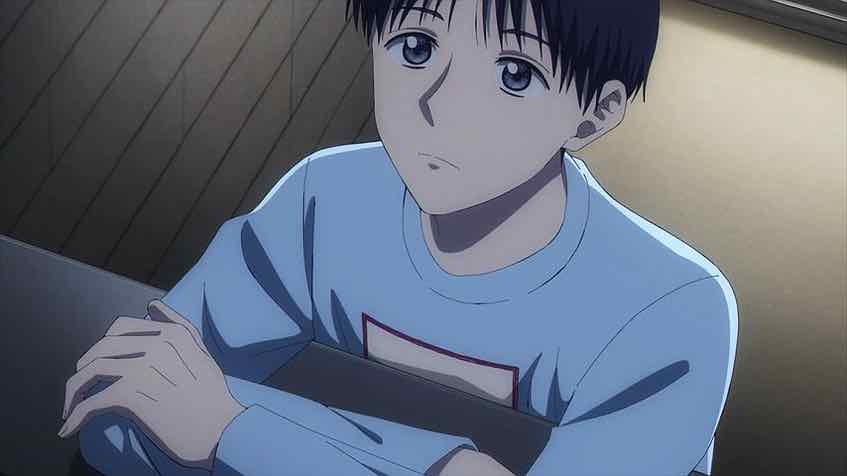
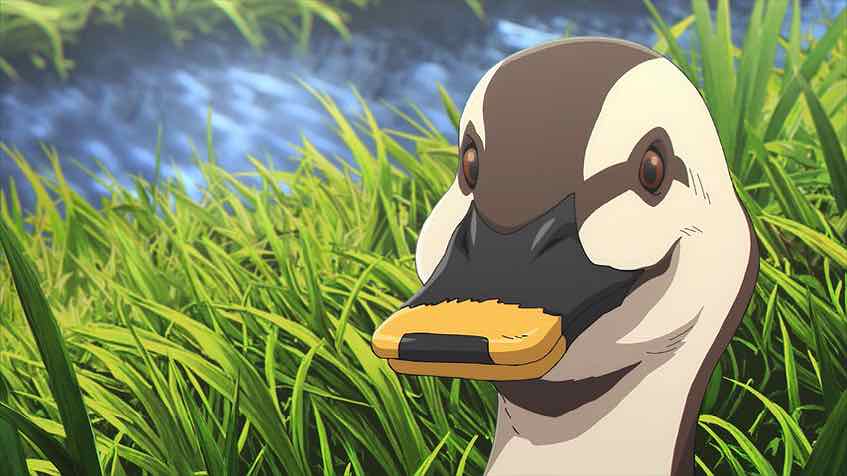
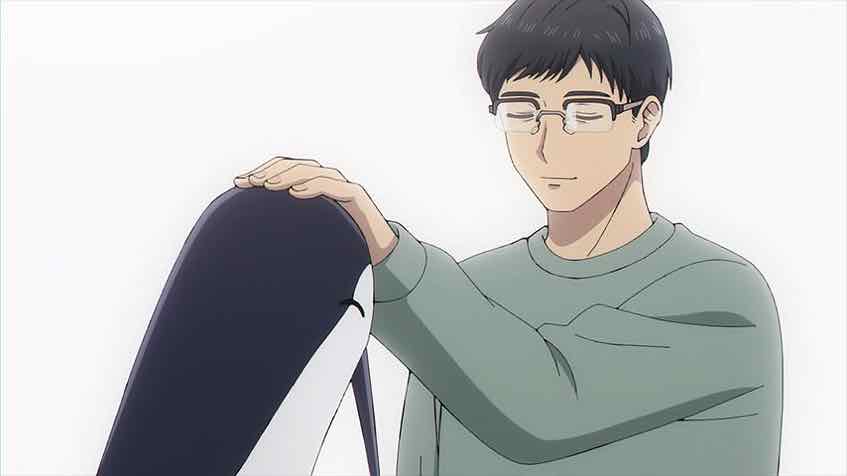
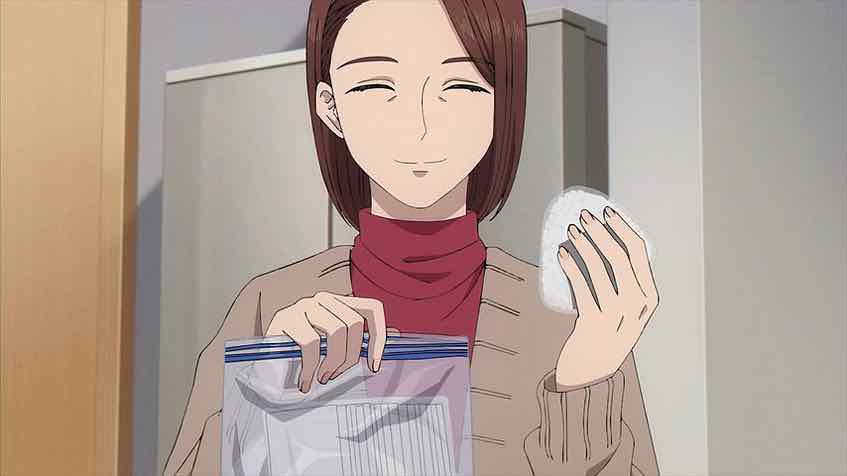 The goodbye I’ve known was coming and was dreading for basically all 12 episodes finally arrives. Arata kind of spoils the ending – but then I did last week. Yes, of course Kujima is going to come back. Where birds are concerned migration is a two-way street, and you can’t spell homing without “home” (except for the “e”). But it’s still goodbye, and those are hard. Especially when you’re a kid, and a lonely one at that. Mom makes and triple-bags some onigiri (and photos) for the swim. Both “parents” lovingly rub Kujima’s head. And Suguru is his usual douchey self.
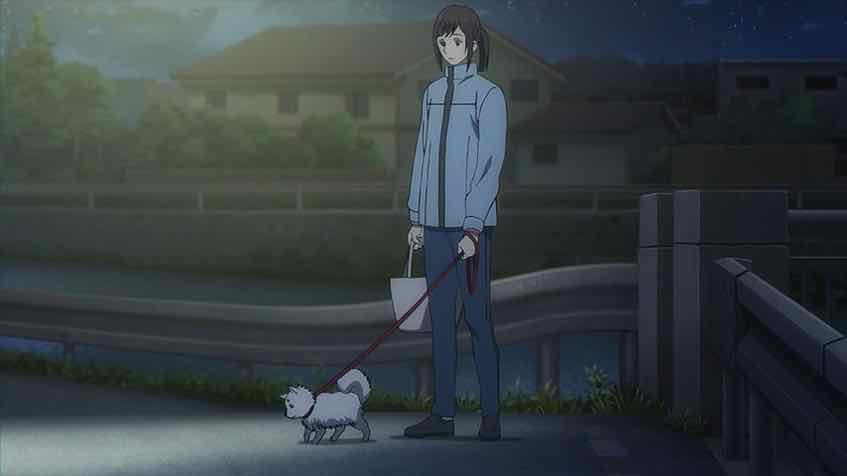
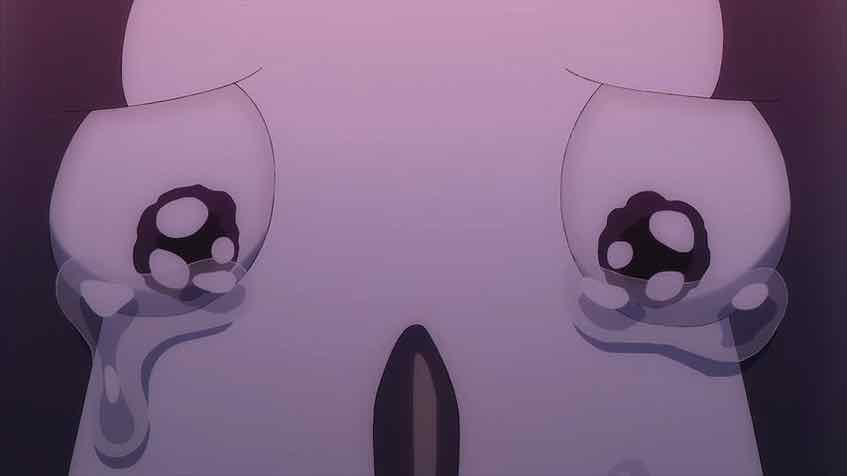
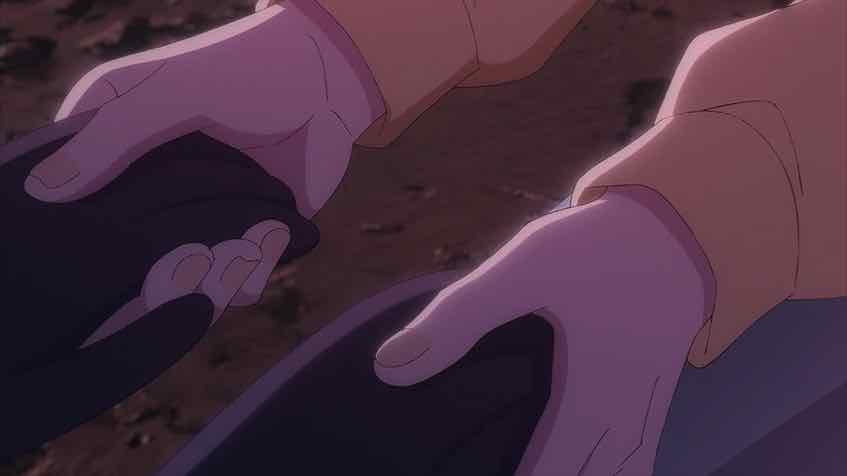
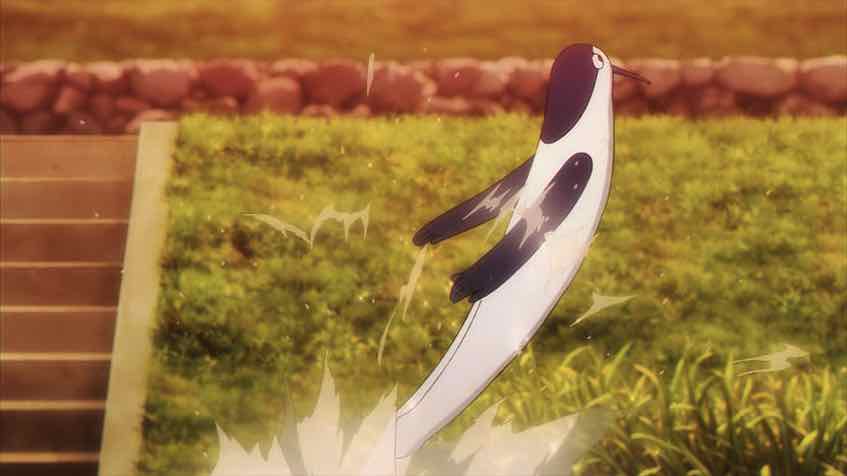
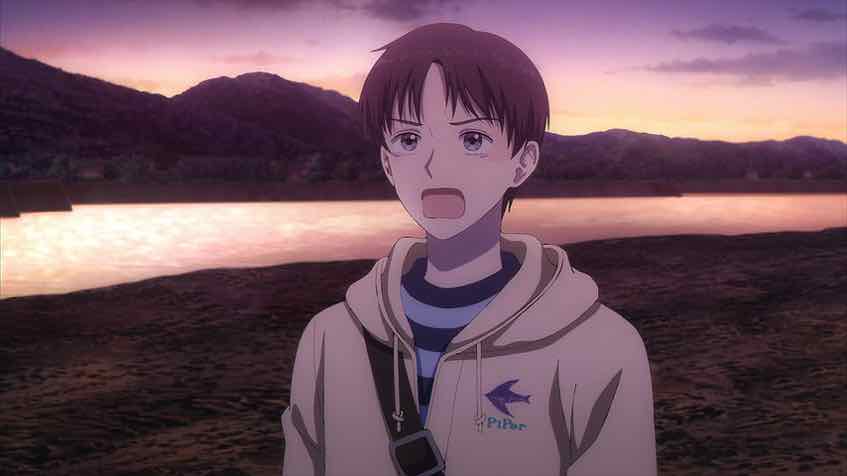
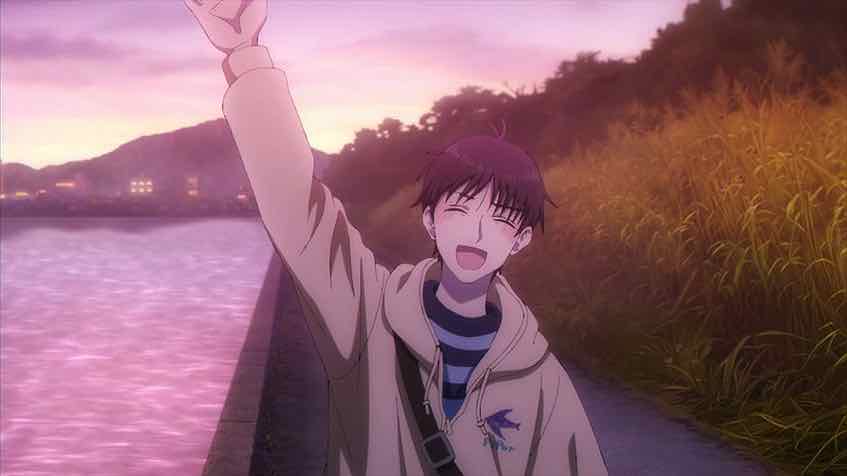
 Fittingly, Arata alone walks Kujima to the water, doing his best to wear a brave face. Even with a pre-dawn departure there’s still a chance of a random encounter, and it’s a lady and her dog (one of those little yappy ones). Kujima saying they had an idea should have been enough to ring alarm bells for Arata – but then, this is the boy who thought putting a horse head on Kujima would fool his teachers. Sooner than intended the pair of them reach the sea, and Kujima can’t hold it in any more. Arata barely manages to (and he’s not the only one).
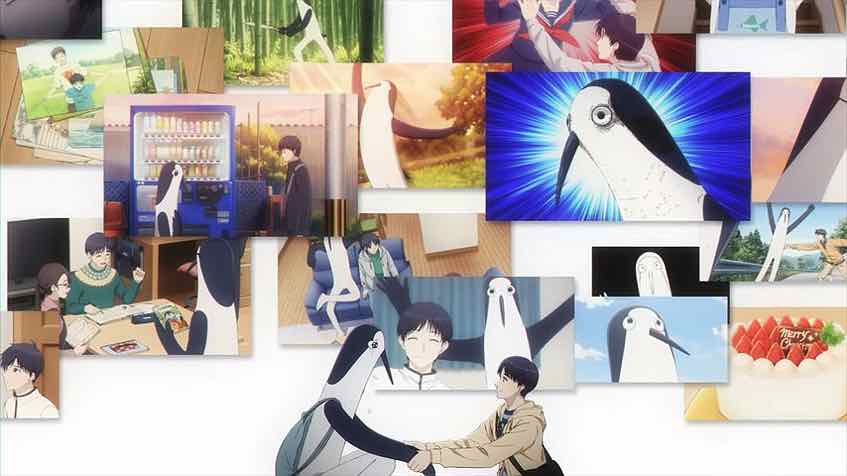
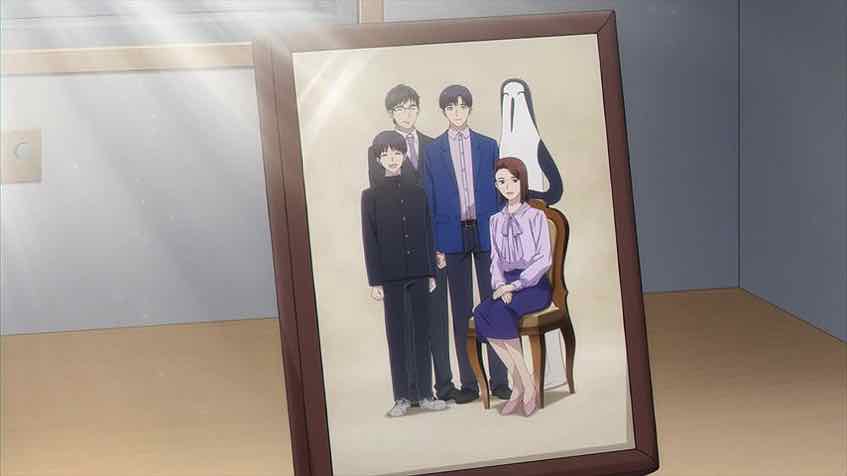
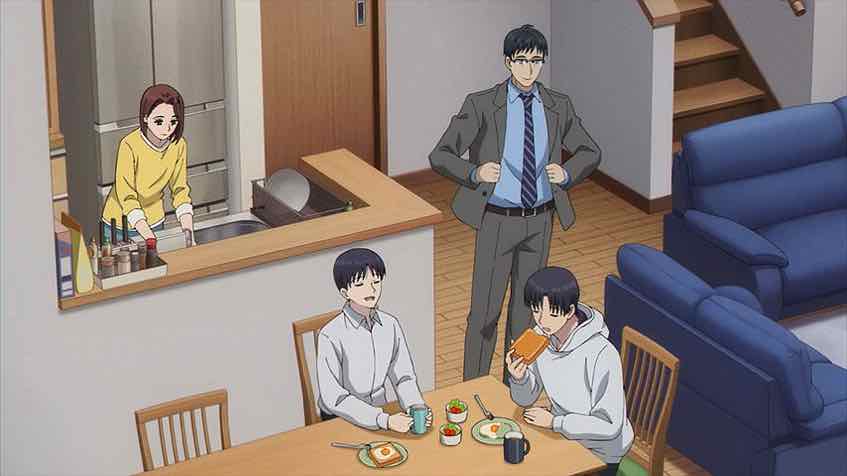
 One of the things I’ve constantly praised about this show is the soundtrack. Both the OP and ED are great and totally fit, and the BGM is probably my favorite of the season. Galileo Galilei couldn’t have been a better choice – their sound is a warm blanket and a mug of cocoa on a frosty morning, and they get not just an insert montage with the OP, but an insert song as well. The use of photos to reflect on the past year is really well-done here. Especially as it looks not just at the past, but the future – the passing of time after Kujima’s departure. My favorite part of this was Dad opening the “Suguru, Arata, and Kujima” file on his PC and smiling as he looks at the antics of his three kids (and no, we never do get a declaration of Kujima’s gender).
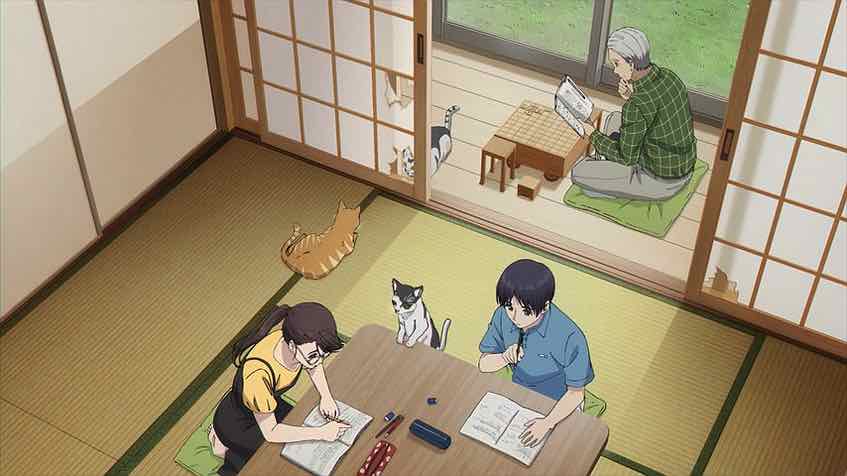
 That moment says so much, in such innately Kujima fashion. Stoic father waits till he’s alone to get sentimental, and thinks of this strange creature as part of his brood. We don’t get a big emotional scene with him, but we know exactly how he feels. Suguru heads off to university, with some indication he’s become mildly less of a pill around his family. Arata enters his second year of middle school, the days and weeks and months drift slowly by. Arata waits impatiently for it to grow colder, even as summer clings stubbornly on and the cartoon birds on TV fret about global warming and confused migratory birds.
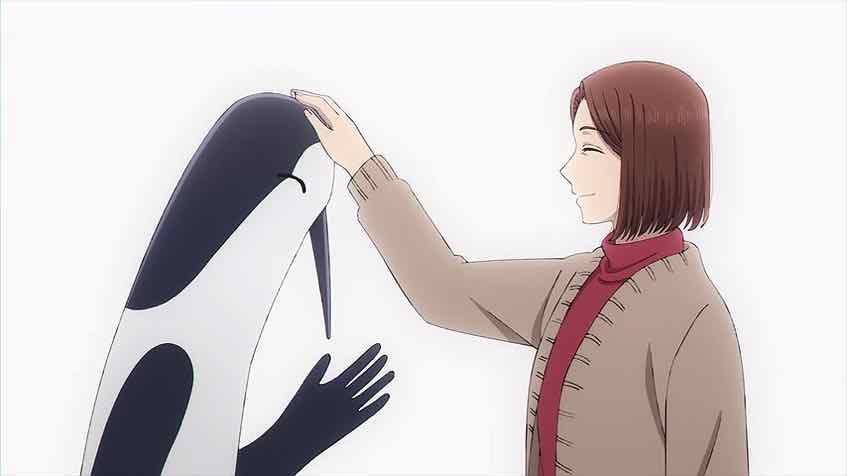 Why did Suguru choose to learn Russian at college? No matter what reason he’d give, we know the truth. As surely as we knew Kujima would return home to Russia and Maxim, there was no doubt the wheel of life would turn and bring them home again to Japan and Arata. There might have been days when Arata’s faith was tested – like migration, it’s a long and treacherous journey – but I’d like to think he always believed. Either way the payoff is well-deserved, understated, and perfectly in-line with the 12 episodes that built up to it. Not only was it the perfect ending for Kujima Utaeba Ie Hororo, it was the only possible one.
 I can’t sign off on this wonderful gem without one last time calling out the performances of Murase Ayumu and Koouzki Yuria. Their performances are very different, but equally indispensable to this series’ success. Murase is one of the best in the business at finding the groove, fitting the moment perfectly. As for Koozuki, everything about her performance is bold and full of risk – all her trills and warbles and the “avian” accented Japanese. But it totally works – this is what a Kujima would sound like, I’m sure of it.
 I’ve said it before, but I have a particular fondness for shows like Kujima Utaeba Ie Hororo because only manga and anime provide them. Maybe that’s why the Miyazaki connection occurred to me this week. I’m always fearful when one of them ends that it’ll be the last one, because by their very nature they’re not commercial enterprises and anime has never been more risk-averse than it is in 2026. But somehow they keep dribbling in, one or two a season if it’s a good one. And I fervently hope that never changes for as long as anime exists.