

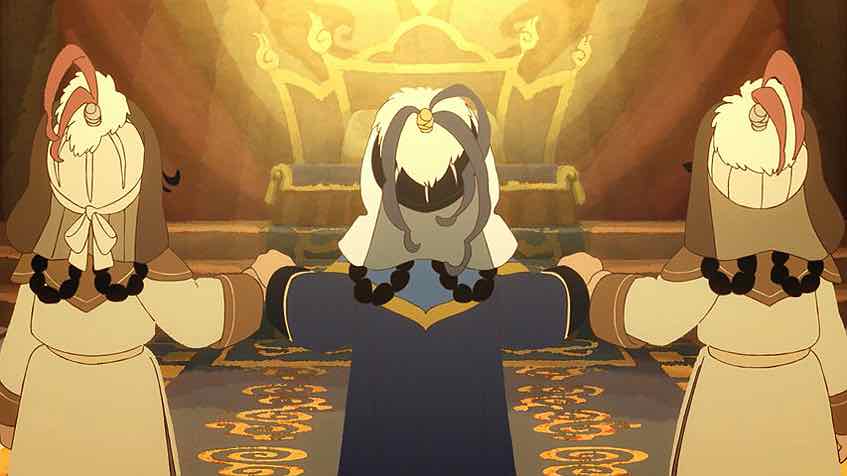

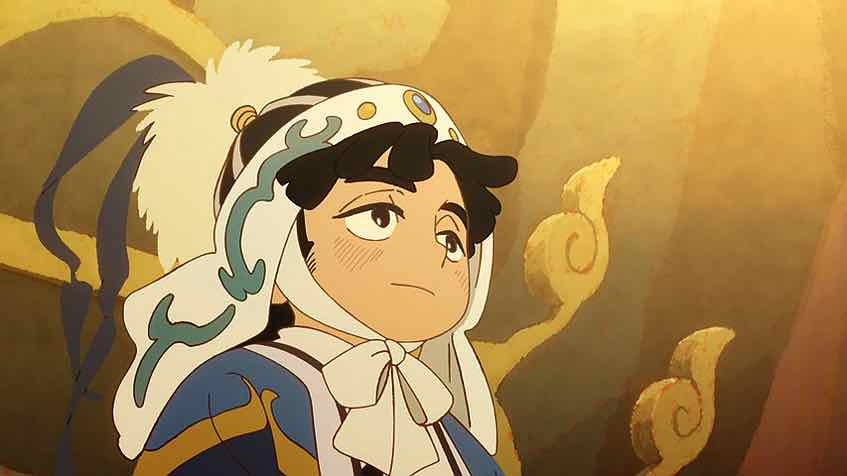
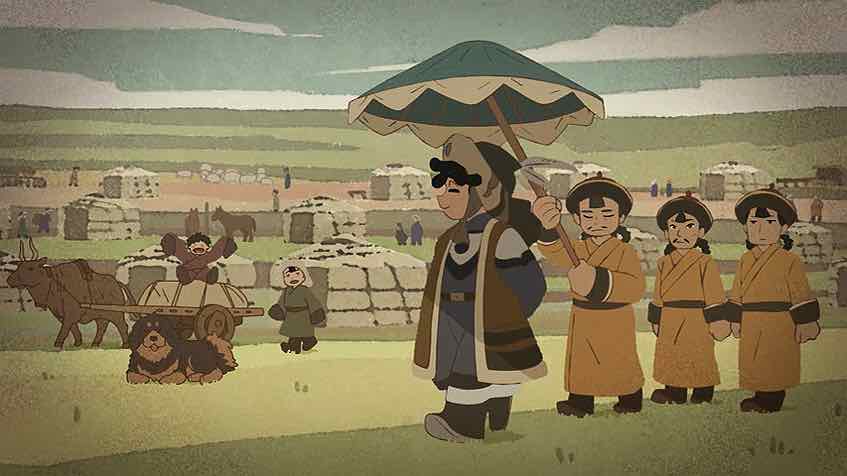
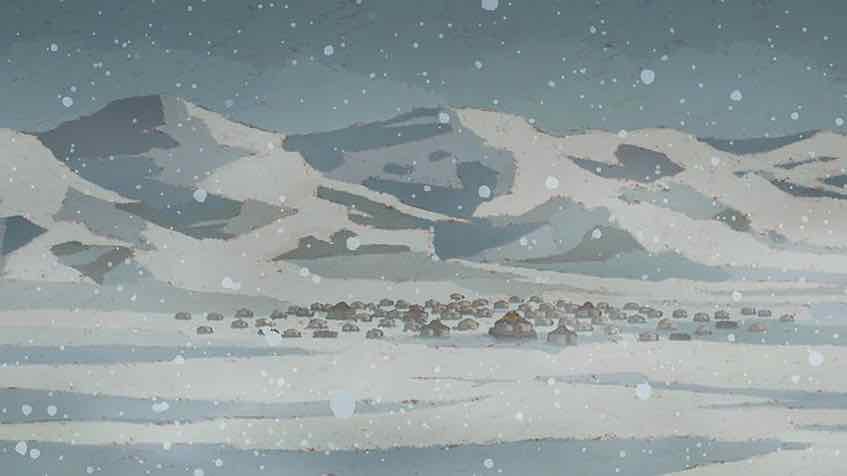
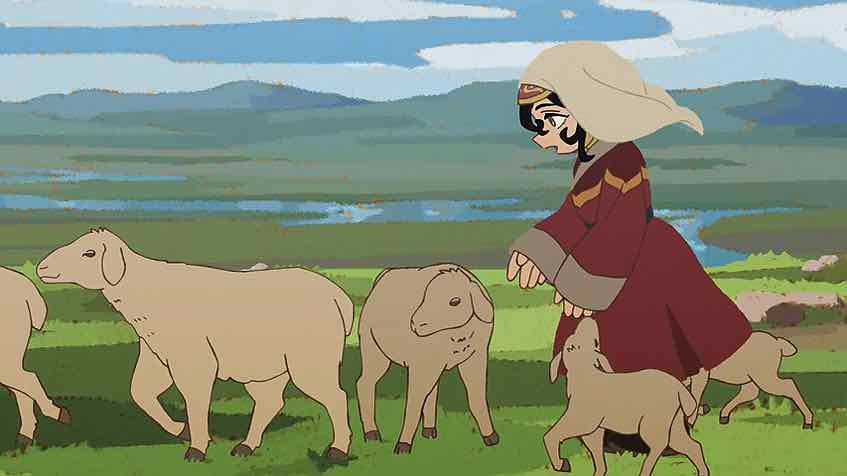
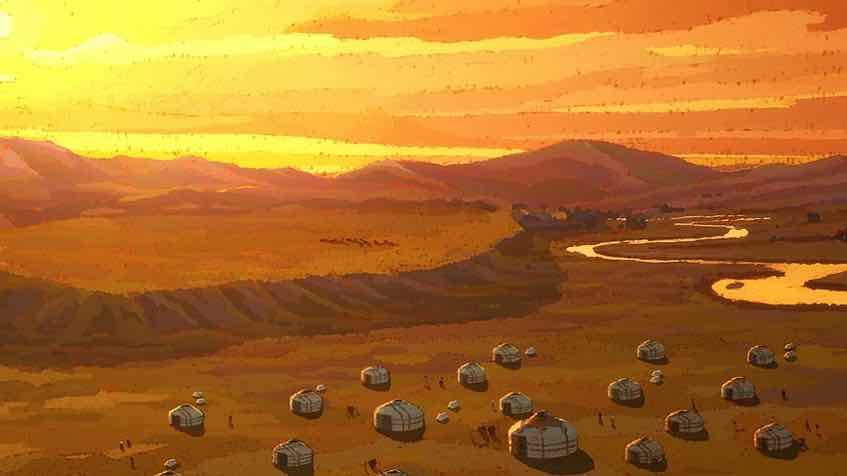
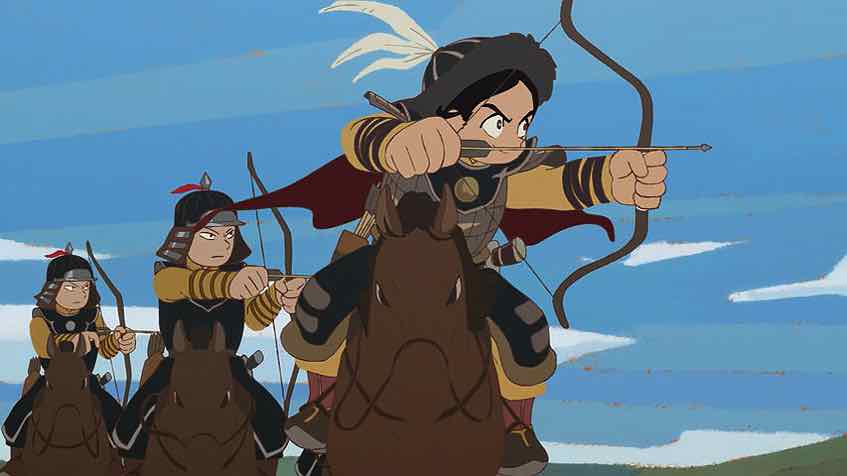
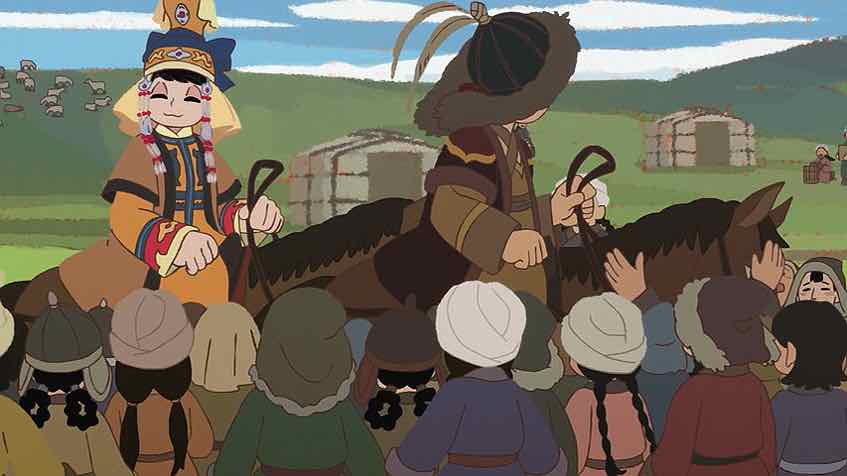
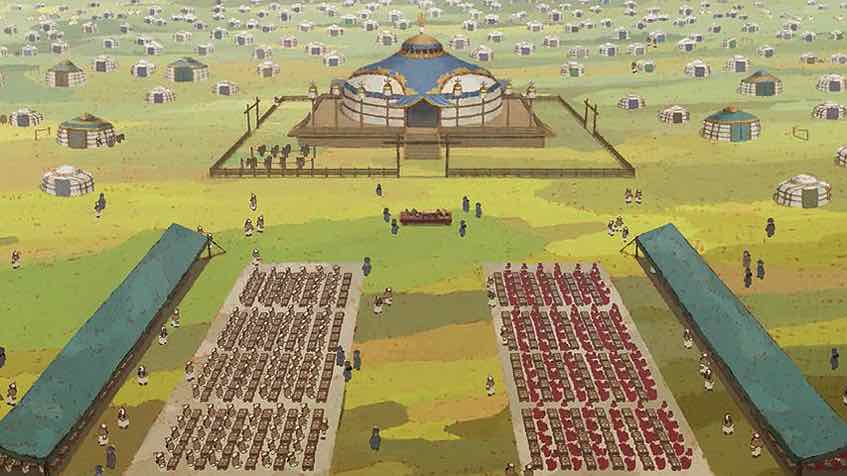
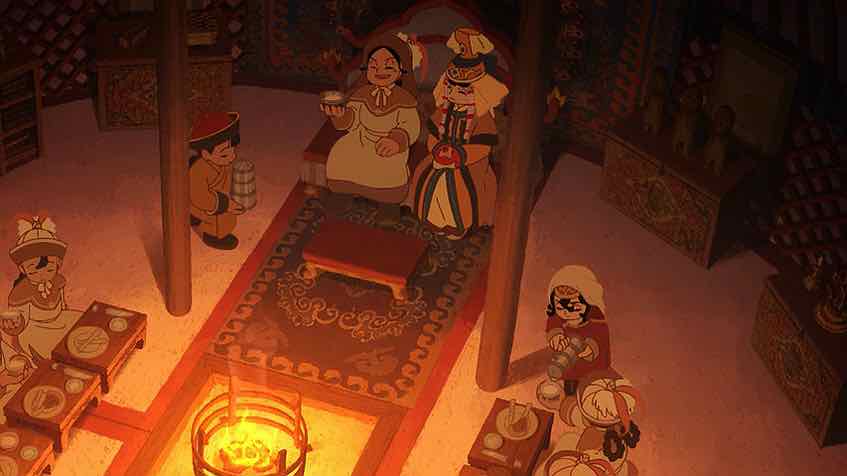
 It’s worth noting that this is more or less what I hoped would happen with Tenmaku no Jaadugar. As we’ve moved past the part of the manga I read it’s gotten better, and largely for the most likely reason – it mostly leaves its “good slavery” fetish behind. It still exists, but with the comparative aspect removed plays a far less important role in the story. Rather the focus shifts to the machinations of the Mongol Empire and daily life on the steppe, both of which are fascinating topics largely heretofore ignored by anime.
 The Mongol Empire is a funny thing. It was the largest the world has ever known, dwarfing the Roman Empire or any other pretender. Yet we learn next to nothing of it in Western schools, because if doesn’t fit the Eurocentric worldview. It’s outside our comfort zone. I don’t think it gets much play in Japanese schools either, though I have less certainty about that. Today Mongolia is largely a backwater in the eyes of the world, sparsely populated and poor. But the empire’s influence, while subtle in the West, is not lost. Not least genetically, as Genghis Khan and his progeny were prodigious procreators (and rapists, most likely).
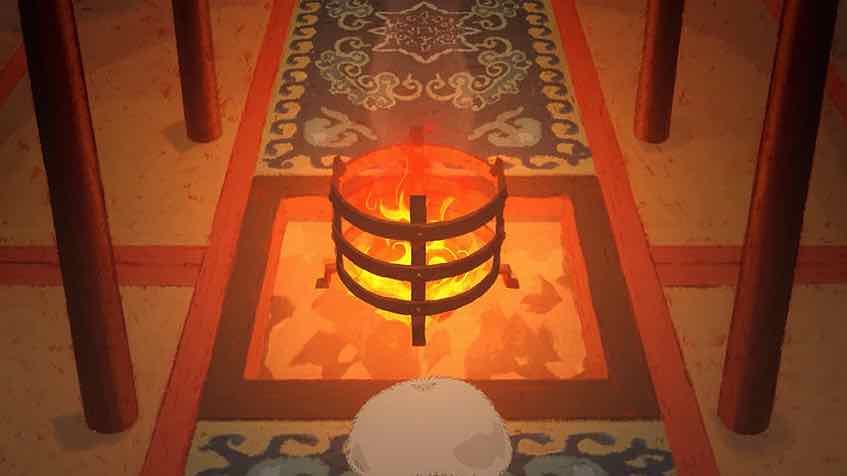 In the context of this series, it’s only Genghis Khan’s four “official” sons who matter. But he had six wives and numerous concubines, and proudly proclaimed one of the greatest joys of conquering was forcing yourself on the wives and daughters of the conquered (which has so far gotten zero mention in Jaadugar, incidentally). It’s impossible to know how many children Genghis fathered but it’s not for lack of trying by geneticists, some of whom estimate the number at over a thousand (and that’s just him personally). But again, within the story here it’s only the four we’ve met who are important – and indeed, everything revolves around them.
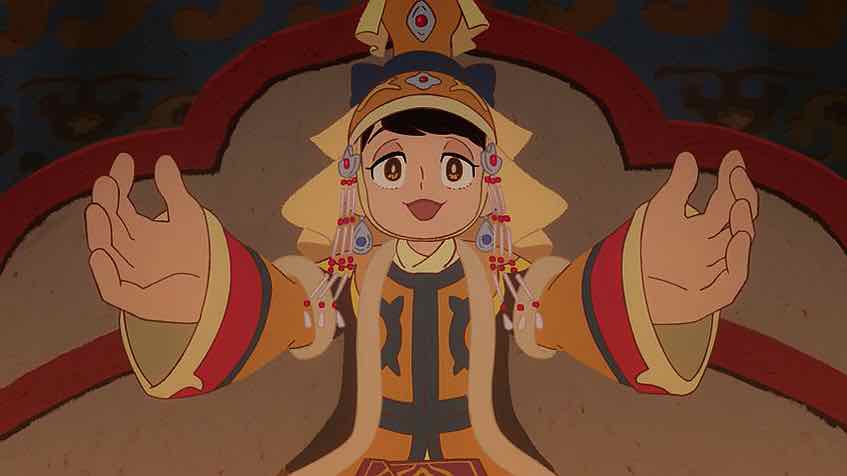
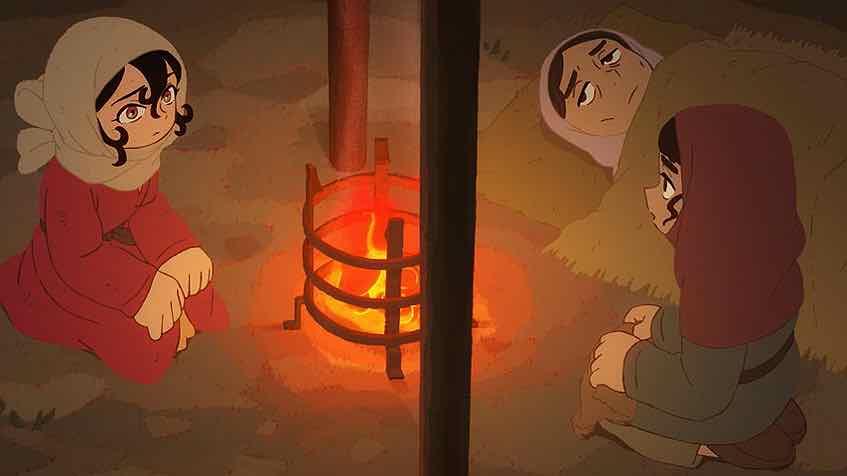
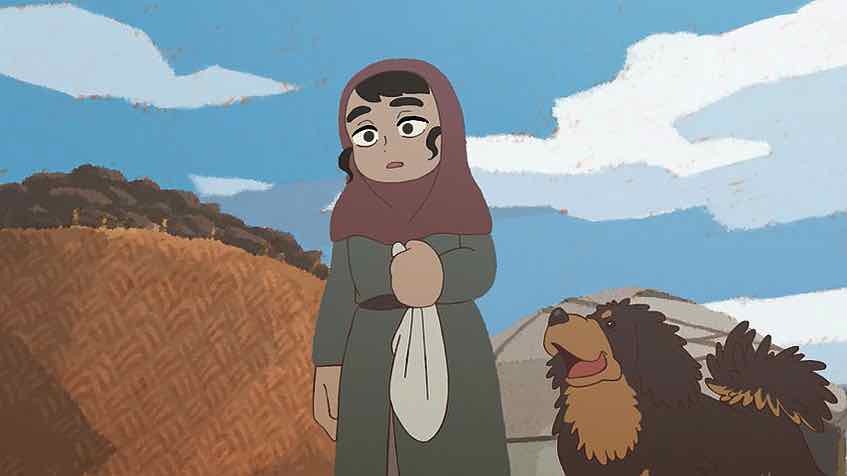
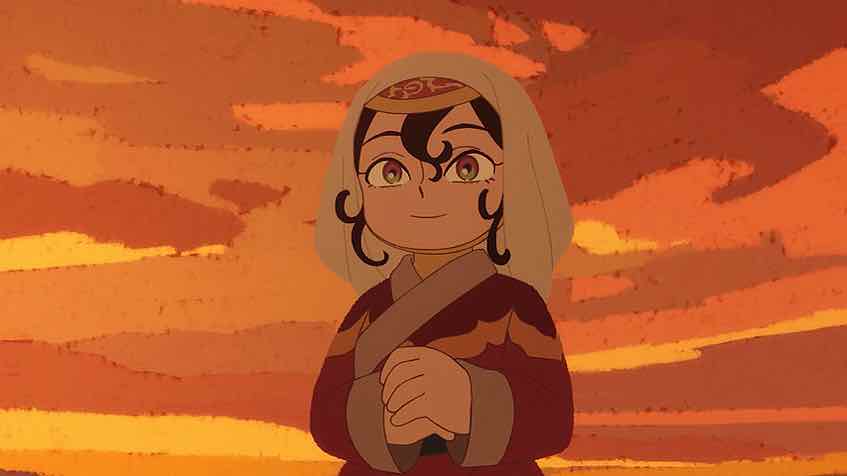
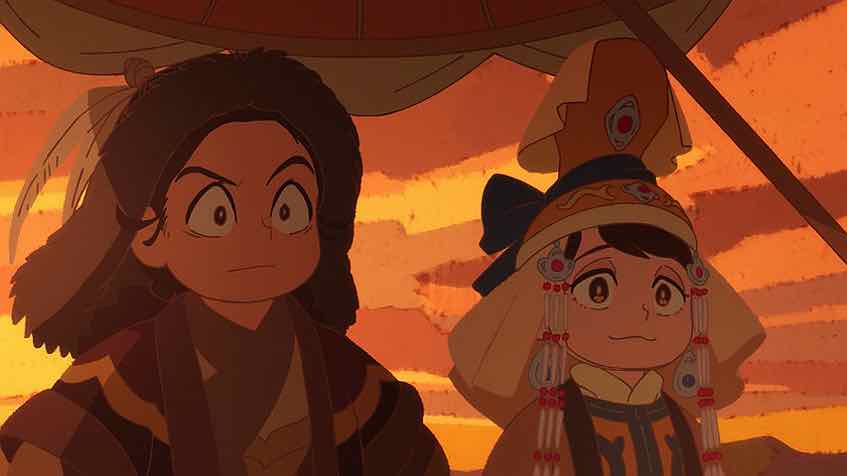
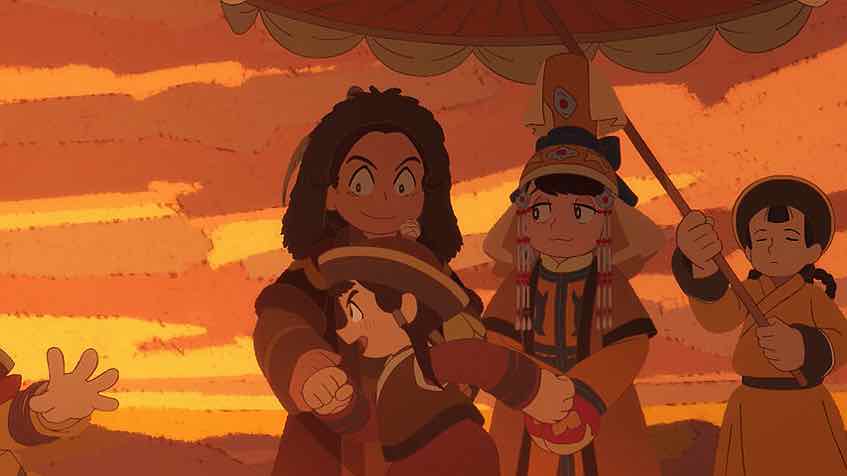
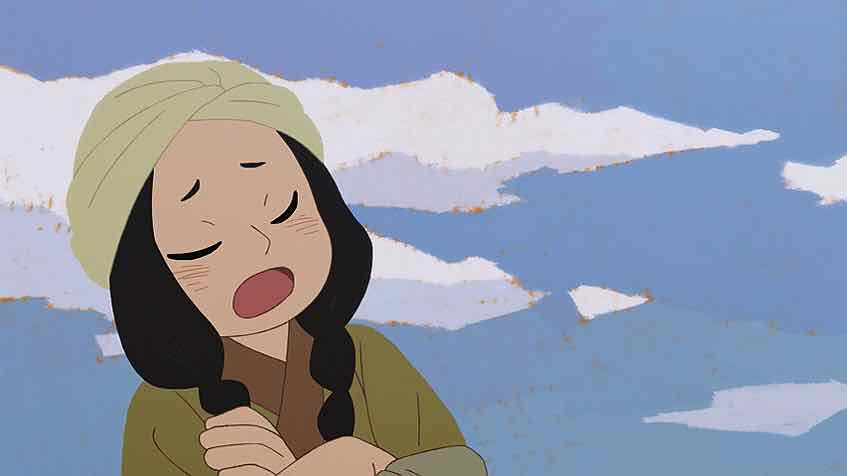
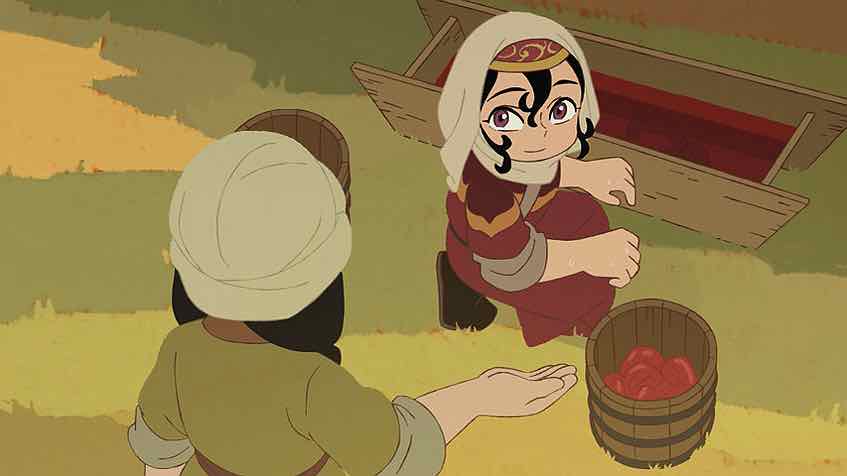
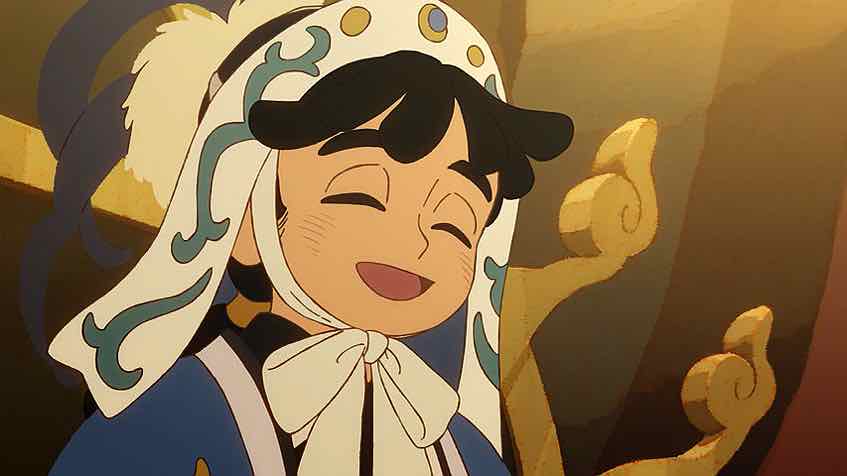
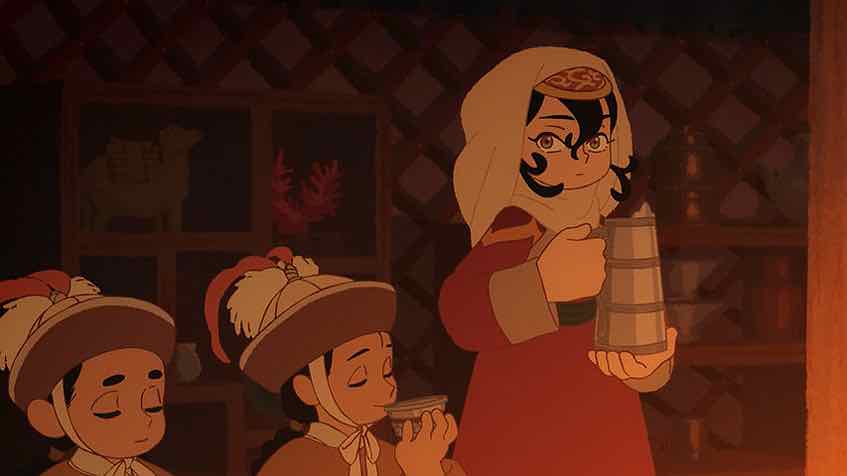
 The two women at the heart of the story are of course Sitara and Beki Sorghaghtani. Sitara – as Fatima – vows to hold onto her precious anger, to get her Euclid back at any cost. Her initial plan is to convince Sorghaghtani that the book is useless – “it just states the obvious”. But Sorghaghtani is no fool, and even smart enough to know what she doesn’t know. She understands the gaps in Mongol knowledge and longs to fill them. And intends on being Empress one day, and passing that knowledge down to future generations. This infuriates Sitara, who wants to disdain and loathe her, not respect her. But also because for all her seeming humility and grace, Sorghaghtani has no regard for how Elements came into her possession.
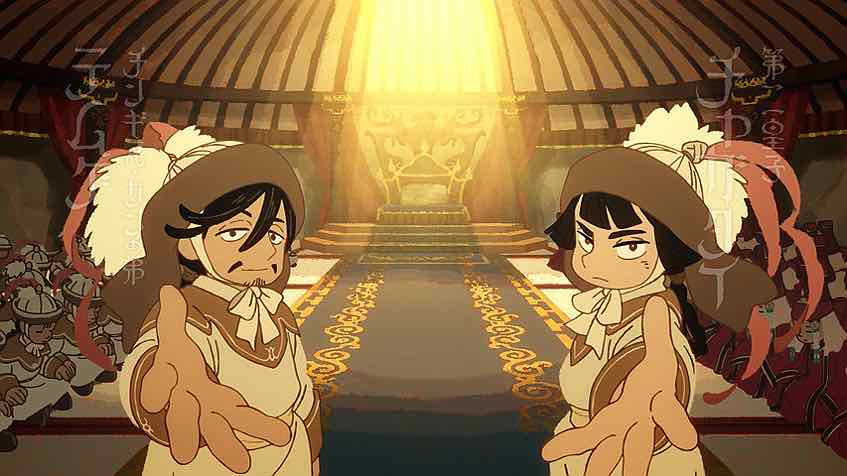
 The concept of ultimogeniture is crucial to the story of the Mongol Empire and Tenmaku no Jaadugar. It dictates that the youngest child shall inherit the estates of the parents – after staying behind to care for them in their old age. Tolui is the youngest, the Otchigin. By rights, he should become the next Khan (and this is what his wife is counting on). This is especially important as the story begins in the waning days of Genghis Khan’s life and reign. And after two timeskips – the first of 3 years and the second of 5 – he’s died, and left the empire to choose his successor.
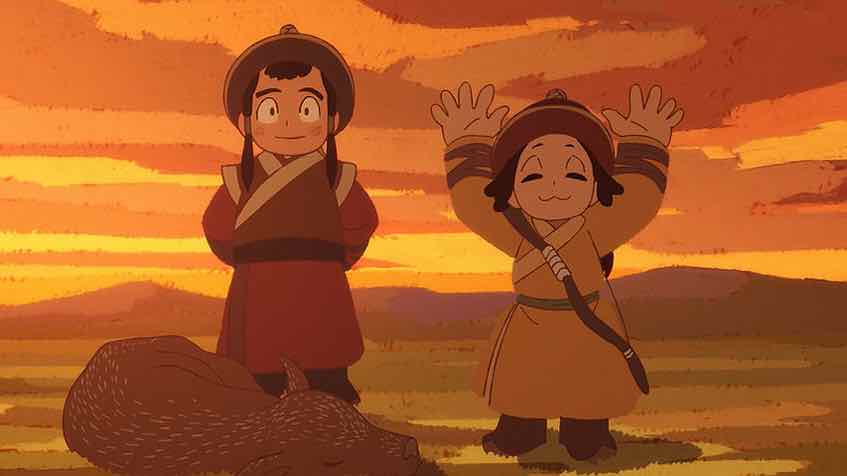
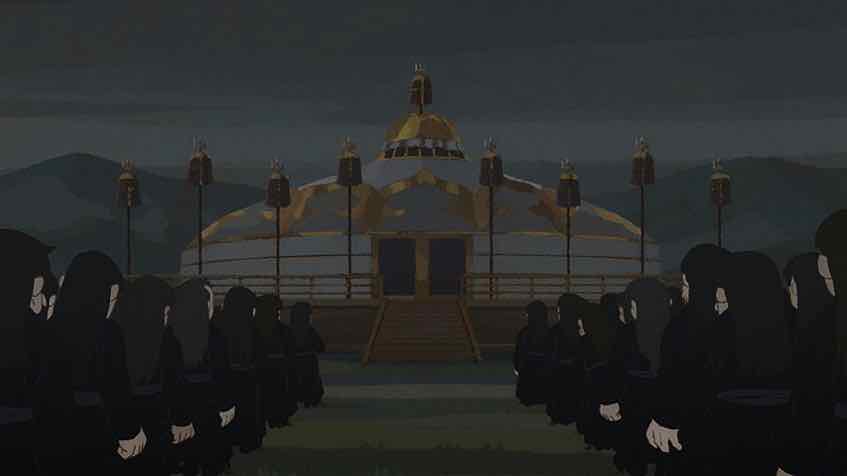
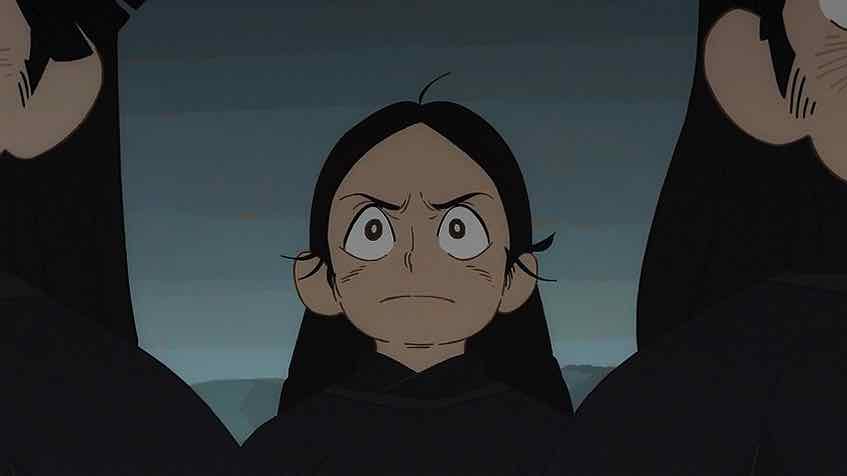
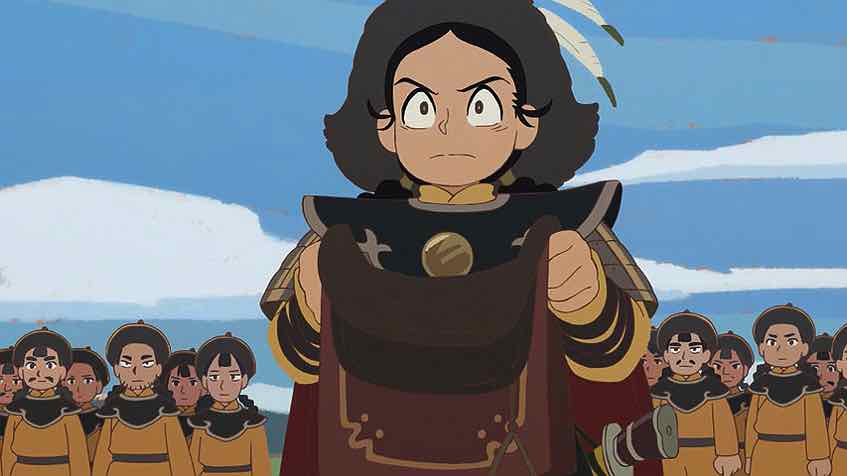
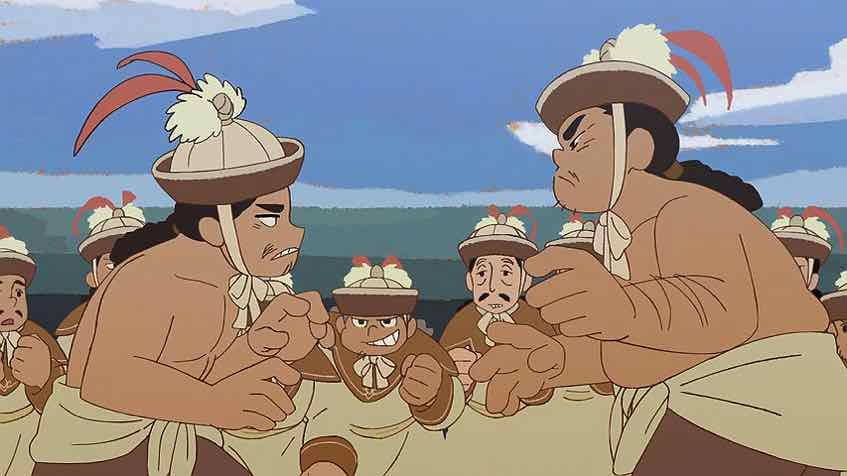
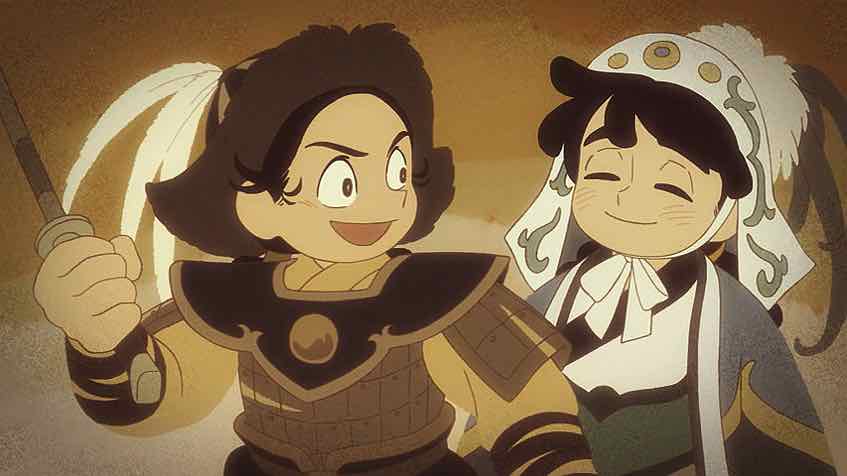
 Along the way we meet Tolui’s two sons, Kublai and Hulegu (at least one of those names should be familiar to even non-history buffs), who view Fatima as a sort of auntie. When the kurultai – the great council of military and political leaders – called to select the next Khan is called, it’s assumed by seemingly everyone that Tolui will be chosen. He’s been acting as regent since Genghis’ death to seemingly good reviews. But after 41 days (the 41st day was prophesied to be auspicious) it’s Ögedei – the third son – who’s chosen. It seems to have been the will of his father that Ögedei succeed him, but it’s not immediately clear why he would break with tradition to do so.
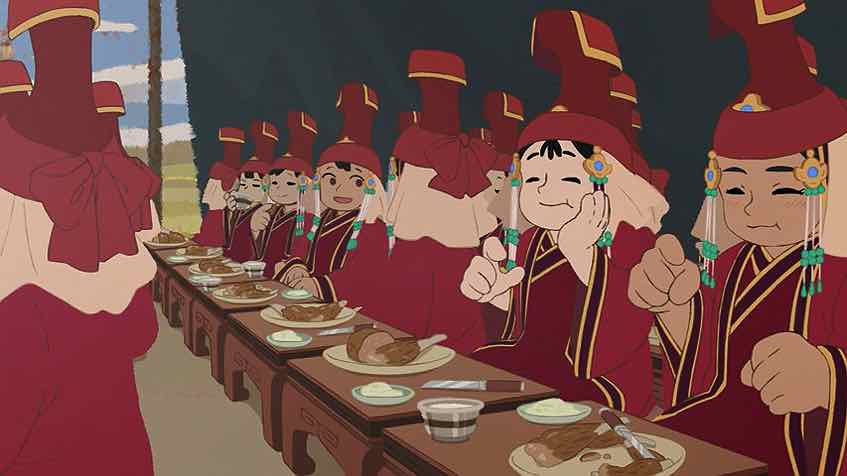
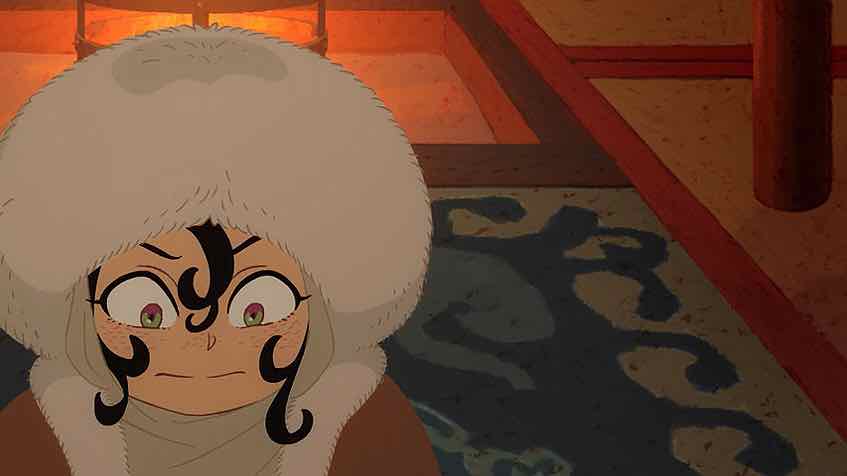 Whether you’re a student of history or not, it should be obvious that this is a crucial nexus point in the plot. Tolui appears rather sanguine about this – “unsurprised” at the very least – and Sorghaghtani puts on a brave face. But this is a smart and ambitious woman, and for her at least this turn was clearly unexpected. Sitara initially believes this is all water off a duck’s back to her – let the barbarians do as they will. But she’s involved now, whether she wants to be or not. Sorghaghtani tasks her with a new role – to be her spy, presumably within Ögedei’s inner circle. It’s a test of Sitara’s loyalties to be sure, and her priorities as well.

















Raikou
July 20, 2026 at 11:14 am>It was the largest the world has ever known, dwarfing the Roman Empire or any other pretender. Yet we learn next to nothing of it in Western schools, because if doesn’t fit the Eurocentric worldview.
Thank you for saying this Enzo. As an Asian I never realized this until few years ago when I read more on history. Nice to see this in an anime discussion.
Guardian Enzo
July 20, 2026 at 12:55 pmIt is nice. I would also say it’s not nice that – so far – the series is totally ignoring the fact that the Mongols were extremely rapey and Genghis Khan probably the worst in the history of the human race. Kind of like the good slavers/bad slavery thing in Ep 1-2 it’s annoying but not a deal-breaker. To be fair there’s still time for the series to address the issue.
Raikou
July 20, 2026 at 1:09 pmWell it is just the first 4 episode, I think it will be addressed later. Also, this is still an ongoing manga, right?
Guardian Enzo
July 20, 2026 at 2:35 pmYeah, ongoing.