


I could open this post by saying “by coincidence, I was sipping a glass of Pinot Noir” (although it was 9:30 AM, ROFL). But that would be a lie, because in truth it’s no coincidence. Not that I was drinking wine – I’ve been mostly whisk(e)y for years. But Kami no Shizuku sparked my passion for wine back into flame. And not that was Pinot Noir, either. For a multitude of reasons, all of which dovetail with the contents of this episode.
Pinot Noir is special. To me, and to most wine aficionados. It is purity. The hardest grape to grow, and the one which proffers the greatest rewards. There is no “best” wine in the world – not when every palate is different. The great Chateaux of Bordeaux, Barolo, the botrytis miracles of Sauternes, the gnarled old vines with their inky magic in Rhone and Australia – all have their patrons, with good reason. But Pinot Noir is special. When I decided to buy a bottle so I’d have something to savor with this show on Saturdays, I knew it would be a Pinot. And a Burgundy at that.
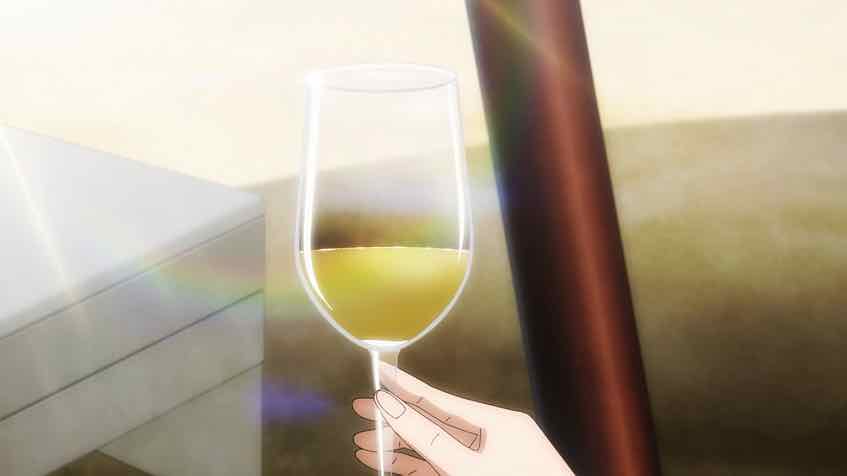


I settled on a 2017 Auxey-Duresses. A humble village wine from a lesser-known appellation whose unpronounceable name terrifies non-French speakers. Because of its humility it’s a good value – and “value” is the exception with Burgundy. It’s everything I want it to be – bewitchingly alluring on the nose, velvety tannins settling into comfortable middle-age, a marriage of red fruits and herbs and dark chocolate and baking spice in the palate. It’s not a “great” wine by any conventional measure. But as the dialogue for this episode played out, I found myself genuinely moved as I was savoring the experience.
As Kanzaki Yutaka’s description of the first of the “Twelve Apostles” was being read out, I immediately knew “Pinot Noir”. When you talk about petrichor (forest floor), “purity”, flowers and clear springs of sweet water and red fruit, it can only be Pinot Noir. And the gentleness of his description told me it was a Bourgogne, not a vibrant and striking Pinot from Willamette or Mendocino. “Subdued”. That’s about as far as my expertise and experience can take me – I was a wine broker, but I never endured the training to become a professional grader as I did with coffee. But it’s not nothing.


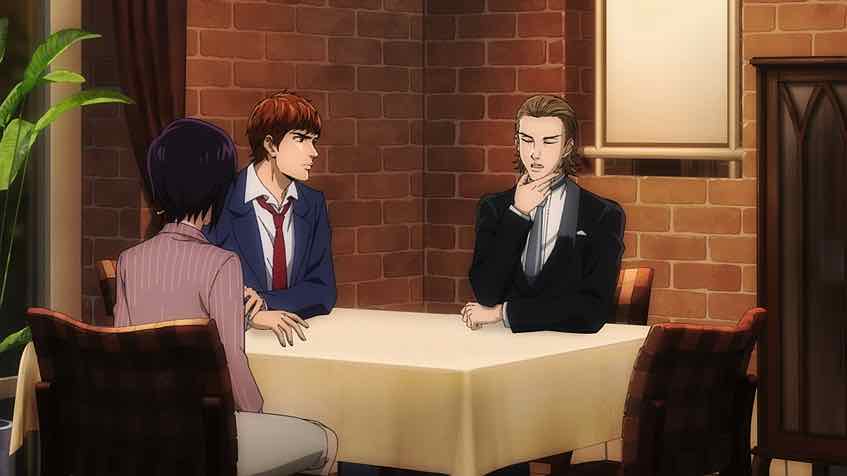
This is the truth of The Drops of God, and Issei touches on it. Obviously the premise is a conceit, but it’s a fun one. To call this a “needle in a haystack” hunt is an understatement. To nail down a region, a village, a vineyard, a year from Yutaka’s words is practically (in both senses) impossible. But it’s a fun fantasy, and it makes for good drama. My hope is that Issei is not a stock villain, and I see hints that’s the case (that this is seinen and not shounen improves the odds). He does love wine. He has a little sister who loves him. Shizuku intrigues him. But he is the antagonist, of that there can be no doubt. He’s the prose in a story that celebrates the poetry of wine.
Poetry – and romance. So far the wine stories have been tied into love – parental and romantic – and that’s no coincidence. Yutaka embraces this aspect of wine in his will, the way it embeds itself in the world of art and music and literature. This seems to have been the long way round approach he took to teaching his son to appreciate wine – by showing him the world of art and literature and music and food and travel. The things that make life more than biology. That speak to the genius of man and the glory of the planet. Can there be a more romantic view of wine than as the intersection of Man, Earth, and God?


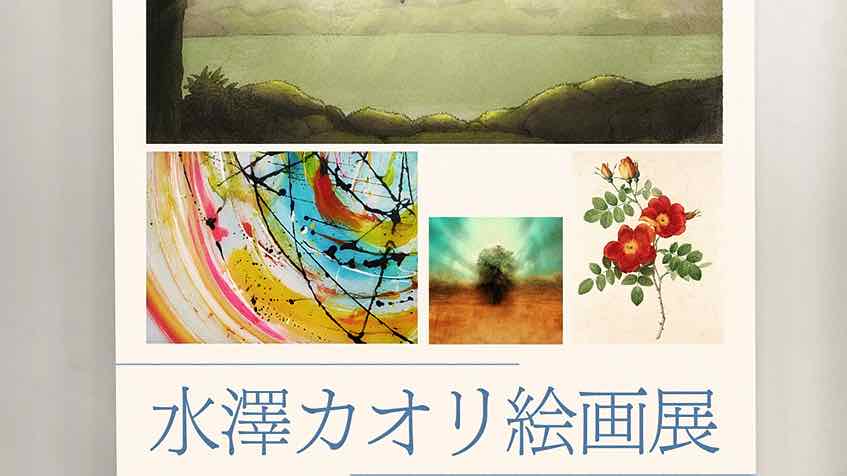
Shizuku does indeed make the move to the Wine Division of Taiyou Beer. A division consisting of Kawarage-san and his assistant, Kawamata-san. Laid back and tiny, obviously an afterthought. But that’s good – there’s not much for Shizuku to actually do, and the company is fine with adding Shinohara-kun as a consultant. Shizuku can happily play meitantei all day, as anything he finds is good publicity for the fledgling wine division. So why not enlist the help of Mishima and Fuijieda, and why not walk the streets in search of answers? Walks which lead, via impossible coincidence, to the art gallery of an amnesiac woman named Mizusawa Kaori.
All I’ll say about Kaori is this. While I get the “she’s happy, leave her be” angle, Shizuku is right. Her past is a part of her, and if the life she currently leads is the right one for her, learning about it poses no threat to it. That the one link to her past is a wine experience – one which prompted her to paint an image Shizuku and Shinohara saw when hearing about Apostle #1 – so much the more romantic. None of this is realistic – the coincidences, the idea that everyone who drinks a wine will see the same visions. But wine is about impossibility and impermanence and poetry. And romance. None of those things are grounded in realism either, so I’m perfectly fine with that.