



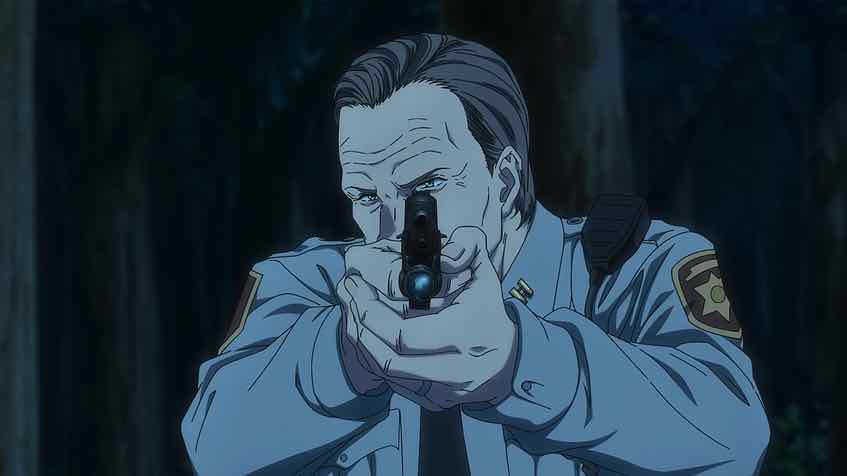


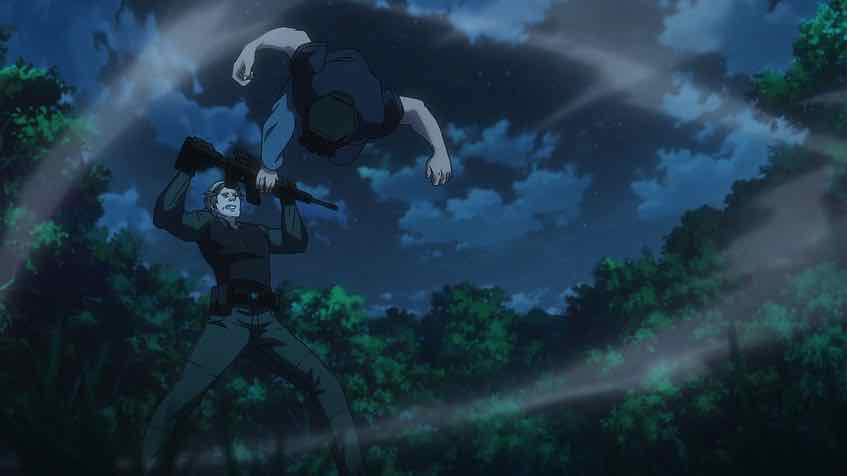
 10 episodes, 17 chapters. This season will consume almost exactly half of The Darwin Incident’s currently existing manga chapters, so a second faces no insurmountable obstacle. Apart possibly, of course, from the production committee. We don’t know where they stand on this series, but the manga sales have seen an appreciable bump with the anime’s release. As I noted a while back it’s been received markedly more favorably in Japan than in the West. It’s also a Manga Taishou winner, and sometimes those get a bit more leeway from the money entities. We’ll see.
 If you’re still hating on Darwin Jihen, I think your mind has pretty much been closed on it for a while. Of course, if that’s the case why are you still watching it? The fact it, this show has gotten really good – just, I might note, as I’ve been saying it would. Some series just take a little longer to find their voice, and this is one of them. Which is interesting in that it won the Taishou quite early in its run, at which point I would have said it was a decidedly mixed bag. If we do get a second season it’s going to cover the best part of the manga (in my opinion) so I’m obviously hoping fervently that we do.
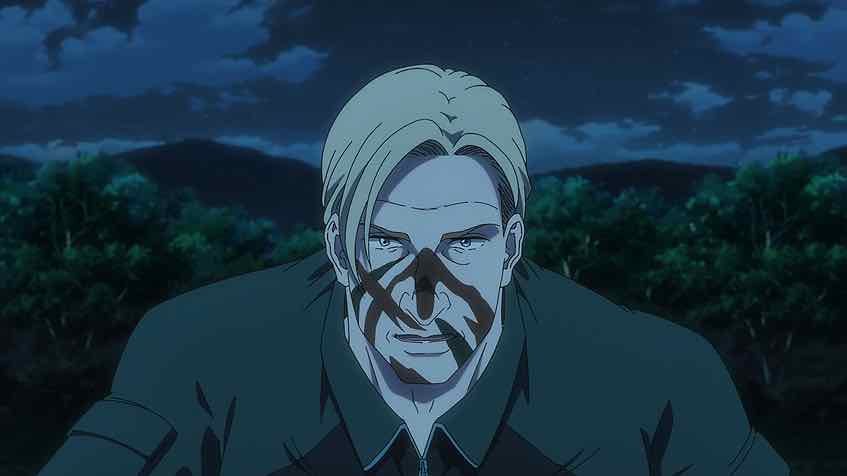
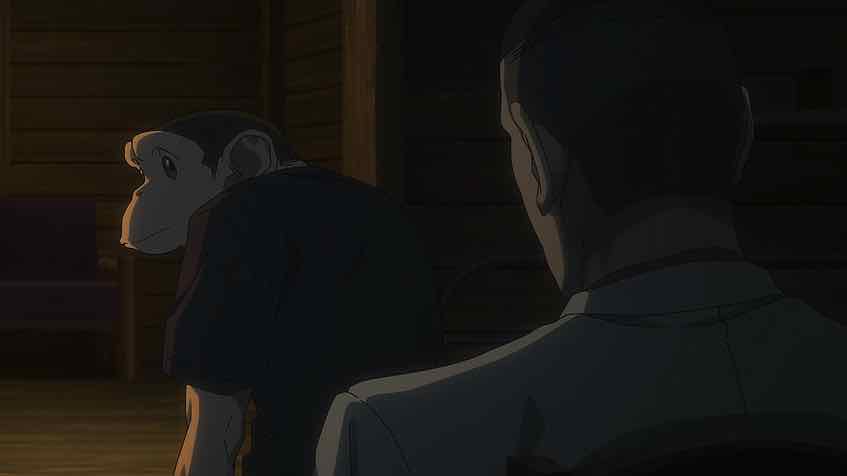
 The anime experience is hugely enhanced by Ohtsuka Akio, who’s pretty much always Godly but makes a tremendous impact as Feyerabend. Because Charlie is such an emotional cipher it falls to others to drive the story in many ways. Most obviously Lucy, but Feyerabend is the one who’s pulling the strings on so much of what we see. If he’s not darkly charismatic none of this really works. He has something on Lucy – this “journey of identity” whose mention so obviously rattles her – but he chooses not to play that card for the moment. He’s content to let the events outside the cabin play out – and you get the idea the result was exactly what he expected.
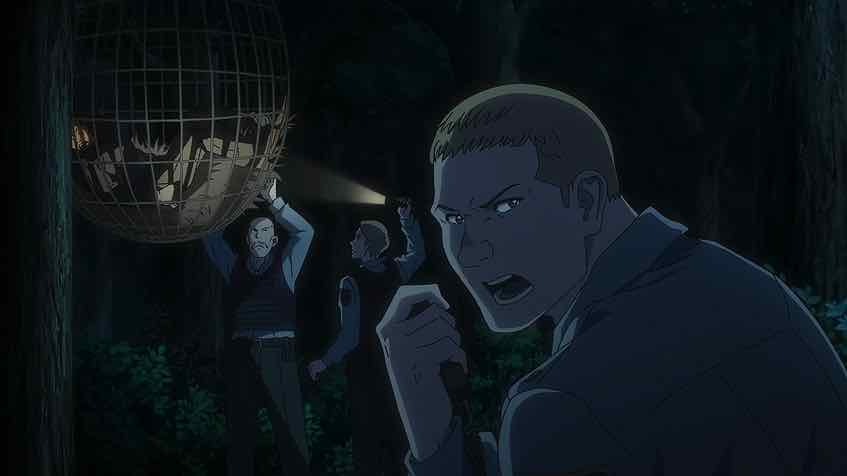
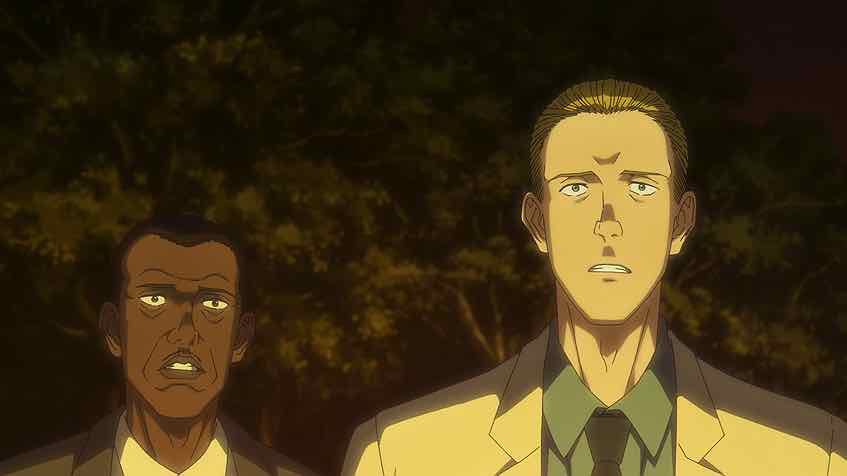
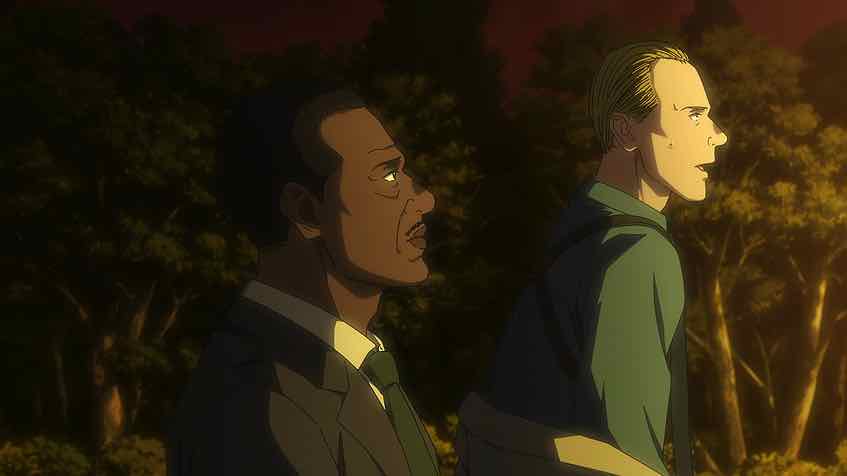
 Those events culminate in a faceoff between Charlie and Major Lippman, the last human standing. Lippman is not Feyerabend – by contrast he’s almost an innocent. He makes the case to Charlie – if you don’t care about helping animals, help us because you’ll be helping save the planet. An appeal to emotion obviously won’t work on Charlie, but the logical one bricks too. Charlie tells Lippman he feels “no responsibility” for the world, as he was just unceremoniously dumped into it. Lippman is a good soldier and a strong man, and he manages to bruise Charlie’s windpipe pretty good. But in the end he too is no match for the humanzee.
 Feyerabend betrays no displeasure or surprise (not that he ever does) on Charlie’s arrival at the cabin. Lucy is, as he promised, uninjured. He even declares his intention to keep his promise to tell Charlie about his personal history. He adds a little ALA history too – how they were small-timers and tools in the hands of research corporations looking to do the dirty to each other. Things changed when a job offer to take down the Stollard Institute came in – from the lab’s own chief, Dr. Grossman. The condition – a chimpanzee named Eva had to be rescued and delivered to an agreed location.
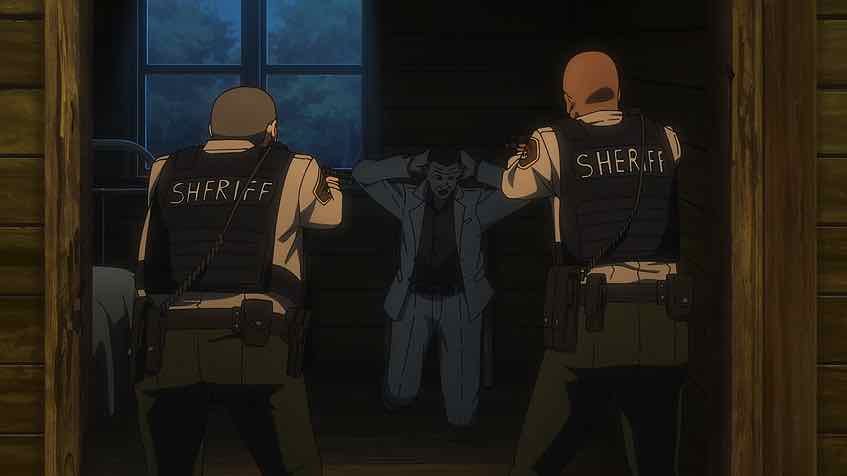
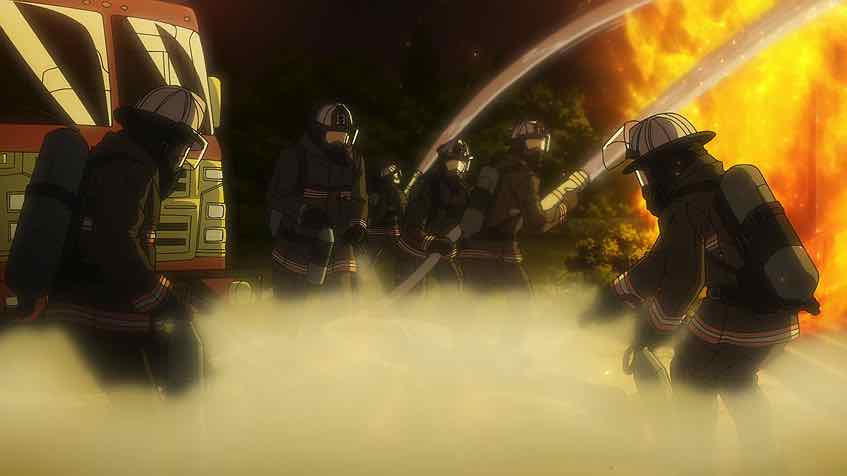
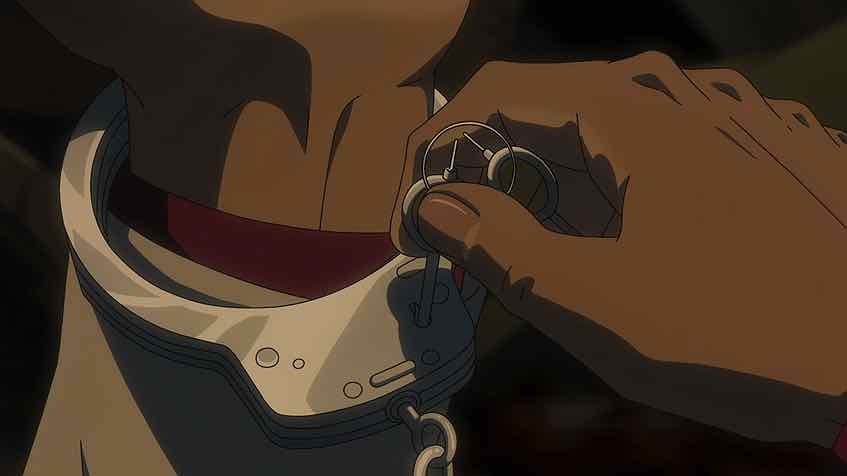
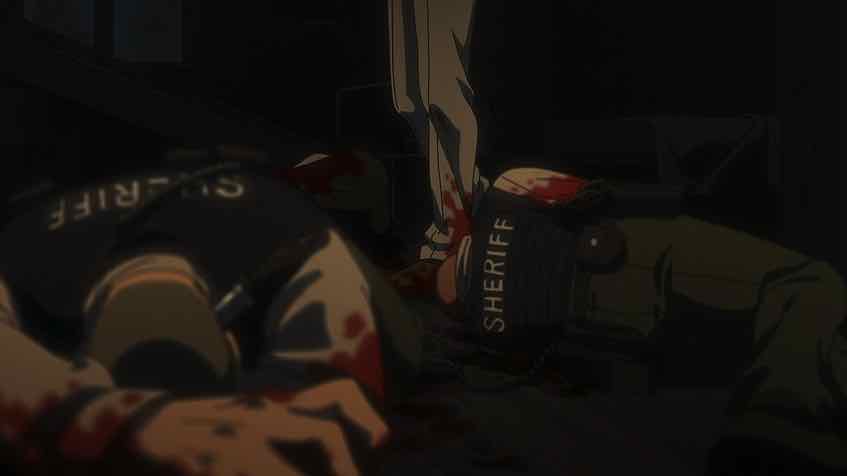
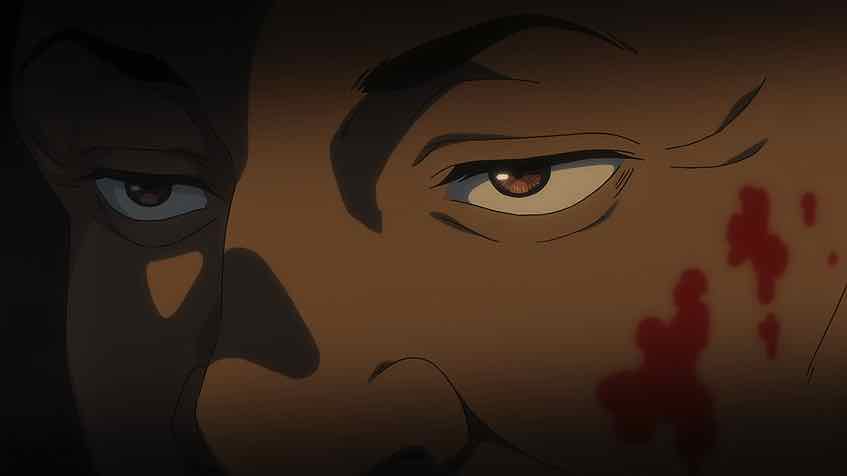
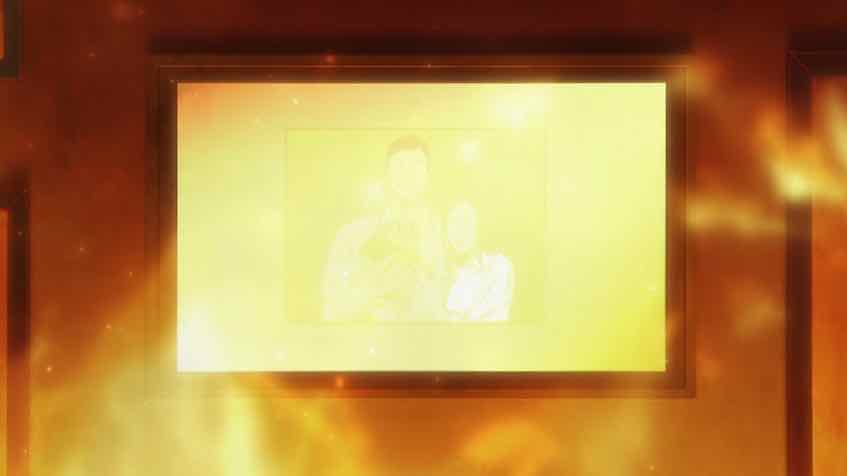
 Eva is Charlie’s mother. And Grossman, it seems, his biological father – if Feyerabend is to be believed. Feyerabend offers to help track down Grossman if Charlie will join forces, but before he has a chance to consider Lippman – complete with two broken arms and a broken leg – arrives to break a window and threaten Lucy’s life. Feyerabend disapproves – taking hostages is a sign of weakness. And then Phil and the cops arrive, Lucy having put a GPS tracker in her undies and an app to track it on Phil’s phone. Again, Feyerabend seems wholly unperturbed. And Lucy realizes what – and who – his true target has been all along
 Umezawa Shun has never been afraid to take Darwin Jihen to some dark places, so this turn is not ultimately surprising. It certainly represents a very dark place for Charlie, which is surely the whole point from Feyerabend’s perspective. Not even he can know what a Sphinx like Charlie will do when confronted with such a trauma, but he knows the status quo wasn’t meeting the needs of the ALA and this was the most surefire way to change it. Having seen what an under control humanzee can do – not least to his own troops – most sane men would be terrified at the prospect of what an enraged one will do. But Feyerabend is clearly not most men, and the jury is out on sane.





















Nadavu
March 12, 2026 at 4:52 amShock value-wise, this isn’t nowhere near the school shooting episode, but the fact that it hits much harder emotionally speaks to an uncomfortable human truth – we care a lot more about those we actually know.
catterbu
March 12, 2026 at 6:54 amI do not know if I am yet at the point where I would call this really good yet, but it is getting there. The way I see it, the series really lacks when it gets into philosophical discussions. To this point they have not been rooted in the characters, which means they have to be especially strong to carry any weight. And the do not. This episode was a strong step up because it was less about making a philosophical point and instead giving some action, some reveals that have personal significance for our characters, and of course the death of two of the only characters in whom the series has invested to this point. I am hopeful for the rest of the season. Also, reading manga sales have gone up, and seeing that it does have some Japanese popularity, I would love to see it get a second season. Even if I did not have the Enzo guarantee of better quality, it is clearly a series finding its voice.
Guardian Enzo
March 12, 2026 at 5:35 pmHeh, I’m comfortable with “really good” for where the series is the past 4-5 episodes. Not great, not a masterpiece, but I think it clears that bar. Obviously if I averaged out my grade for the entire 10-episode run so far the like would be a bit lower.