




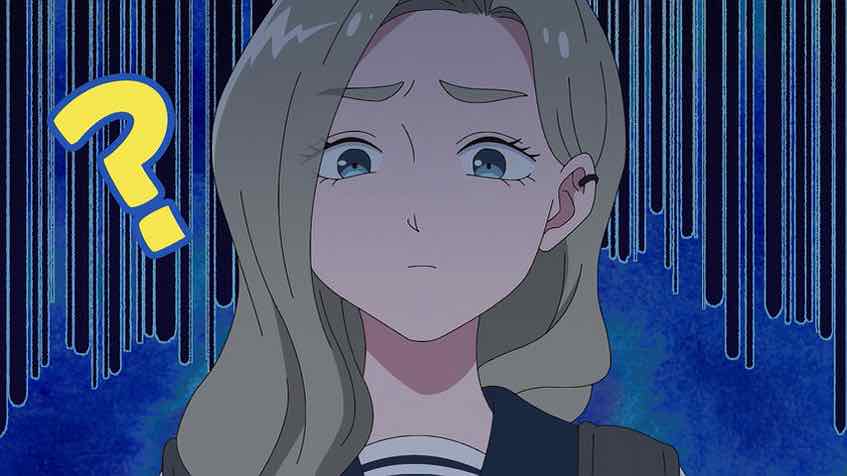
 I would be hard-pressed to ask for a more successful three episode rule than Seihantai na Kimi to Boku. I kind of knew I was going to like it, but it’s clicking on pretty much every level that a romcom can click. Sometimes you fall in love with a romcom without really considering it a great show (Kasiwada-Oota is a good recent example). With You and I Are Polar Opposites, it’s both barrels. I’m developing great personal affection for it, and objectively I think it’s really excellent. Not a foot wrong has been put in the first three eps.
 One of the things that the best examples of this sort of series do is establish a really strong supporting cast. It’s one of the factors that can separate the great from the merely good, and unsurprisingly it’s another area in which Seihantai is excelling. There can be “B couples” et al (indeed there are hints there will be here), but that isn’t an absolute necessity. What is, though, is that the supporting cast are interesting in their own right. They have to be distinct individuals who exist as more than plot devices to catalyze the development of the main romance. We’re already seeing that – and with the boys too, as much as the girls. I was a little worried about that after the premiere but no longer.
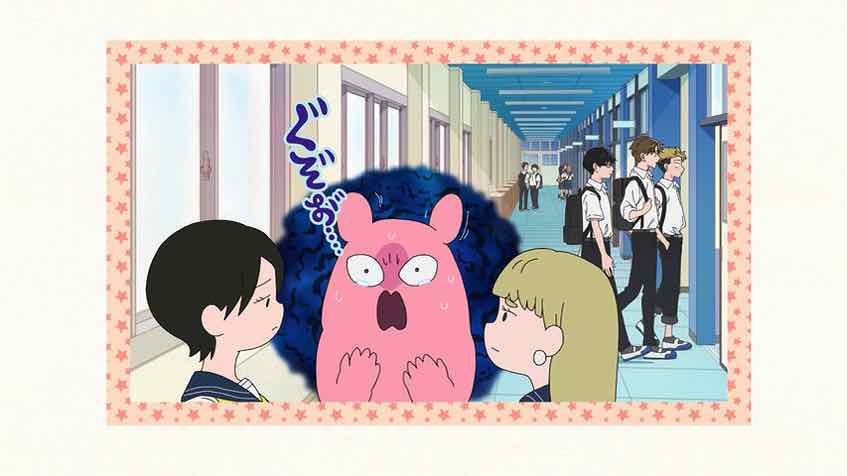
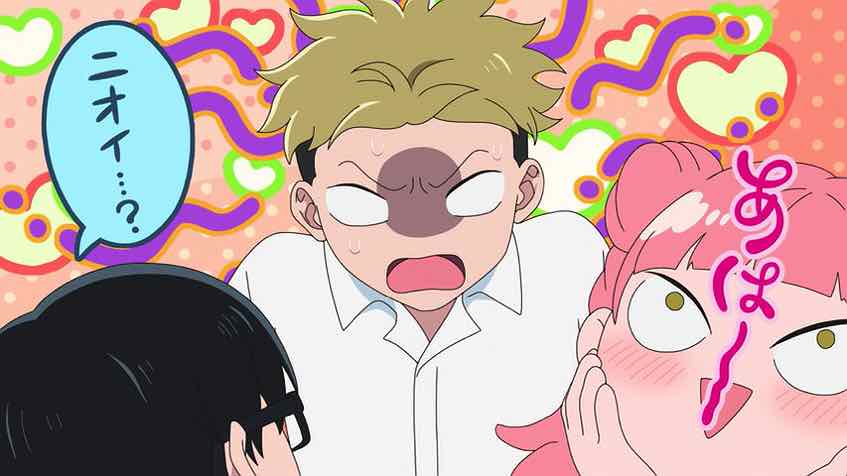
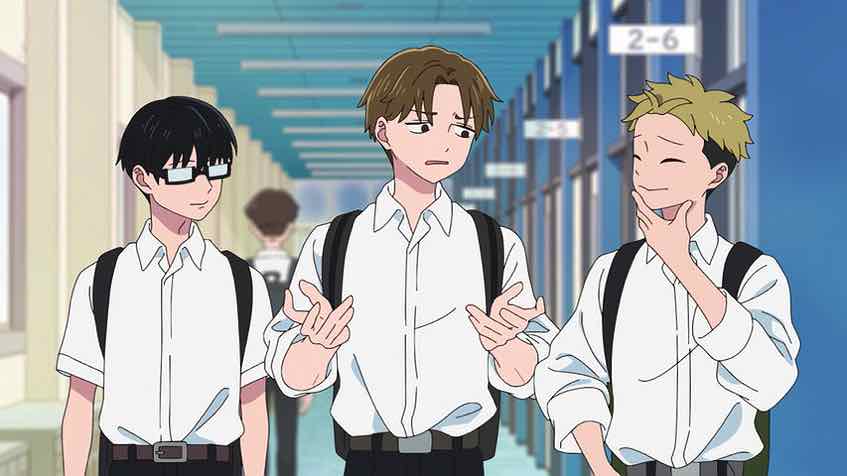
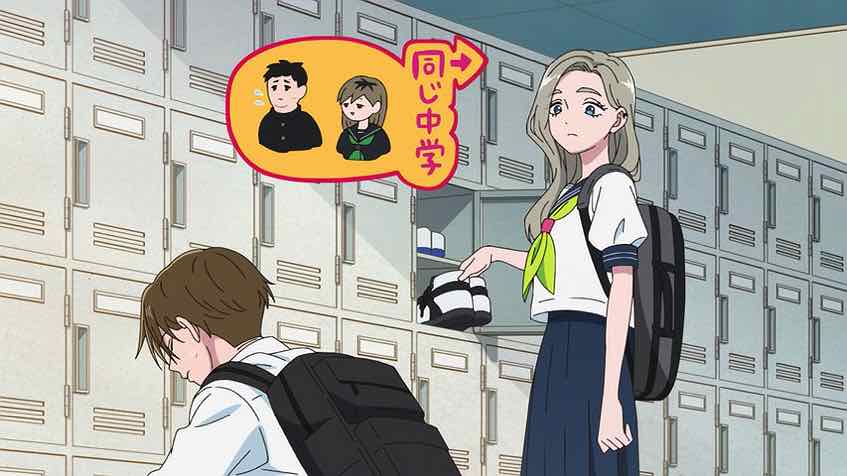
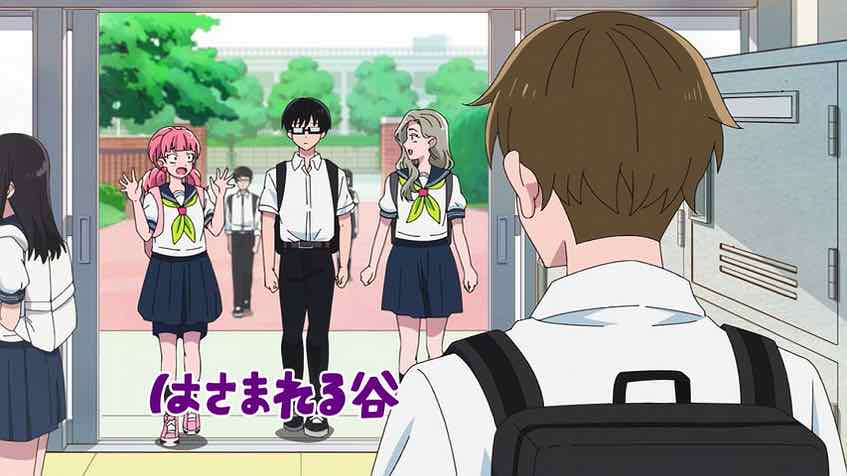
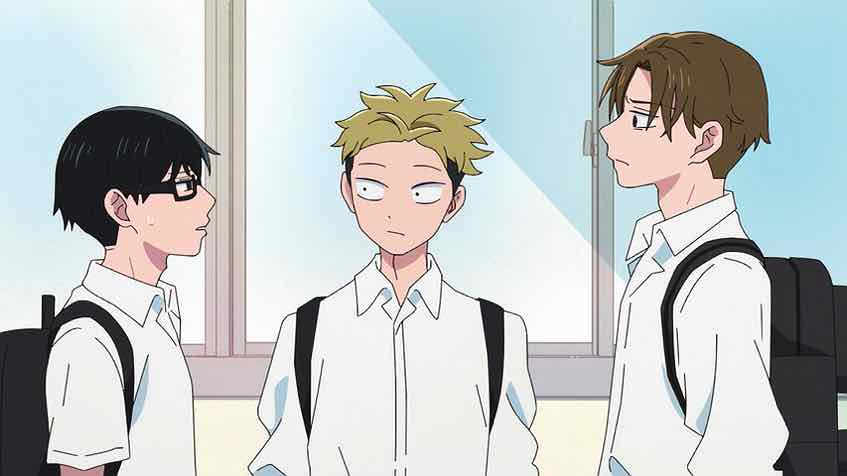
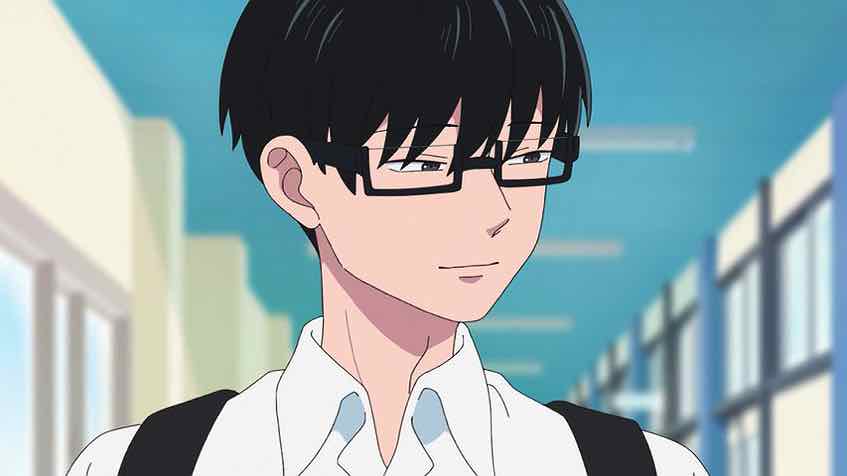
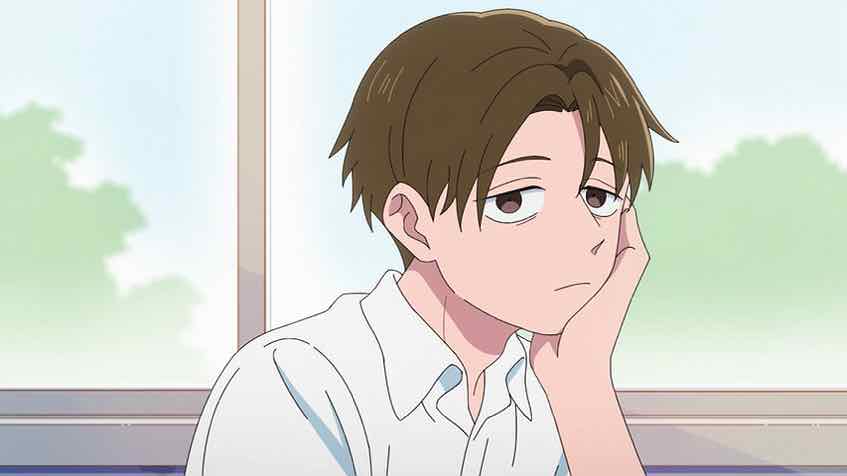 Two kids who’d been on the periphery for two episodes step into the spotlight this week – and they’re childhood friends. Azuma “Azu” Shino (Shimabukuro Miyuri), is a deadpan girl with a taste for “scum”. Her last boyfriend is in juvie (“I wish him much happiness”), and she’s quite shocked to learn Miyu is now dating Tani-kun. Taira Shuuji (Kaitou Wataru) is equally surprised, though for somewhat different reasons. He and Yamada seem to be best buds, but you could hardly find two guys with more different demeanors.
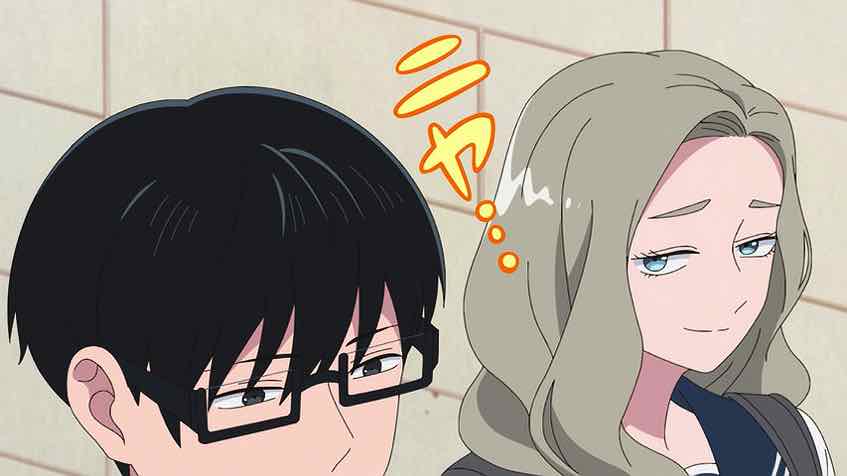
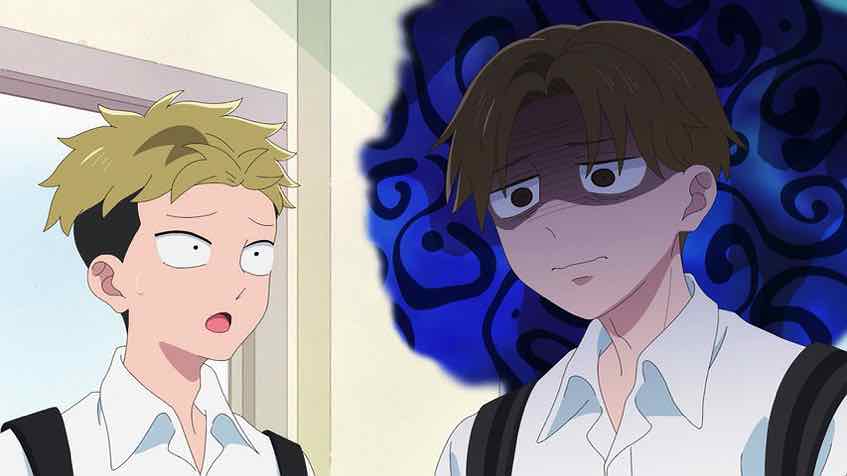
 As I said last week, for all the deformed faces and fluffy cuteness this show is actually pretty deep when it comes to relationships and adolescents learning to be humans. A recurring theme is the boxes we put each other in, especially as teenagers. Yuusuke doesn’t make sense as Miyu’s bae because he’s not on her rung of of the social ladder. Taira-kun emerges as a sort of Greek chorus here, commenting on the absurdities he sees with a backdrop of hilariously confused and mortified expressions. He’s not interested in Suzuki himself, that seems clear (Azu, OTOH…). But not knowing why this is happening bothers him because it doesn’t fit with the worldview he’s constructed.
 Shuuji goes so far as to confront Miyu directly about why she chose Yuusuke (and will later report this to him in the form of an unsmiling compliment). This is a hard realization for him – the kind of hard realization that defines adolescence in many ways. He categorizes people because he has no deeper sense of who and why they are who they are. He has friends (at least one) but no real sense of connection to the world he inhabits. Azuma remarks on some sort of personal rebranding he undertook when he got to high school, and there’s clearly a deeper story there in more ways than one.
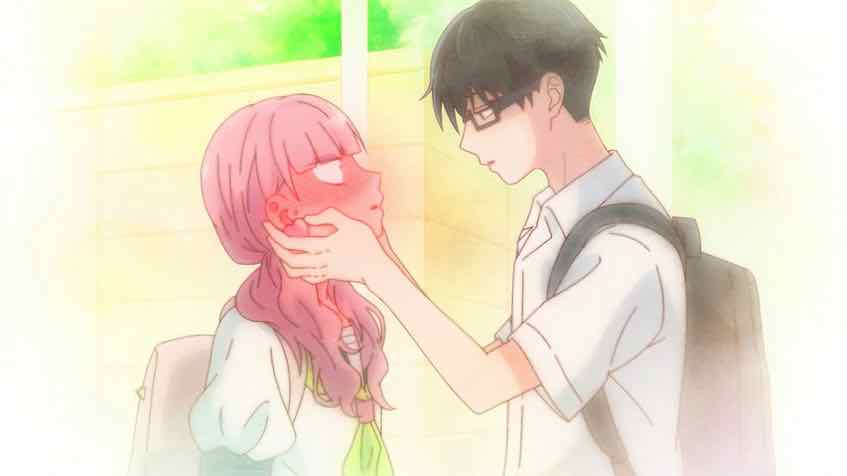
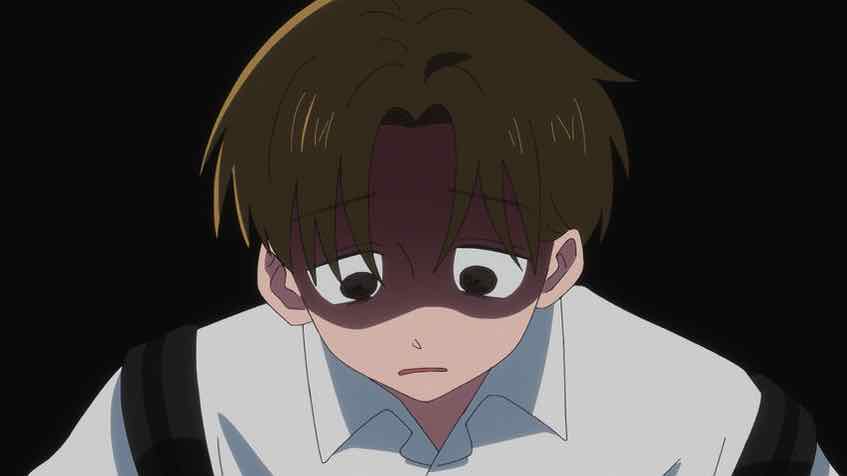
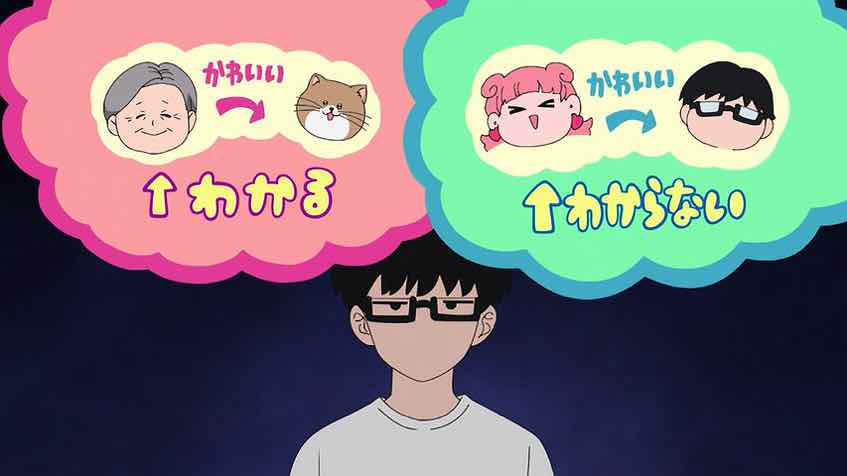
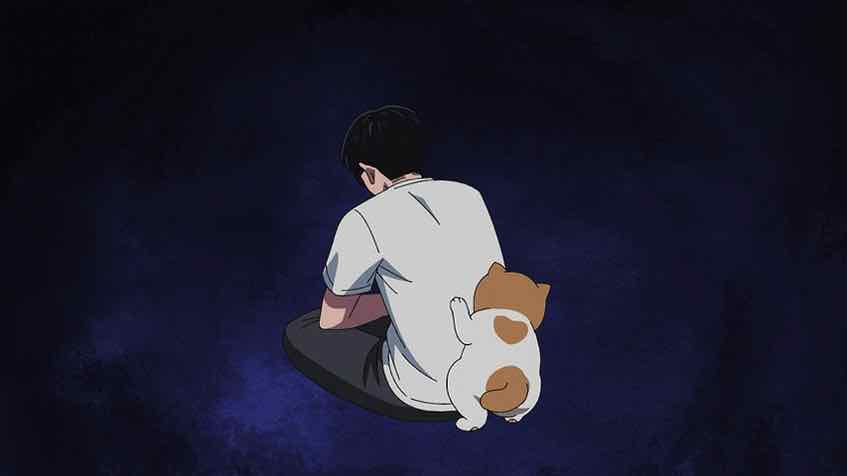
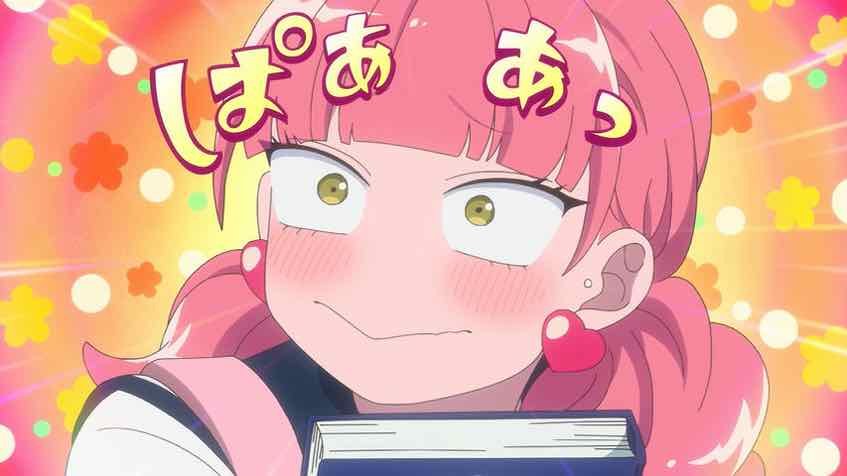
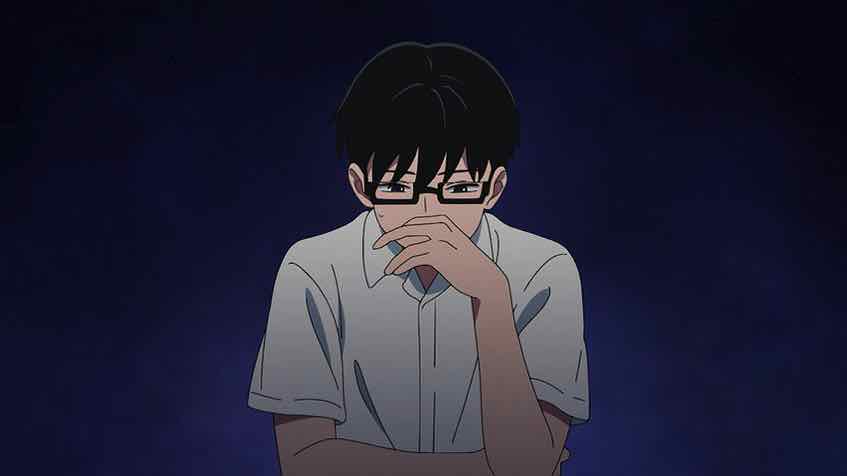
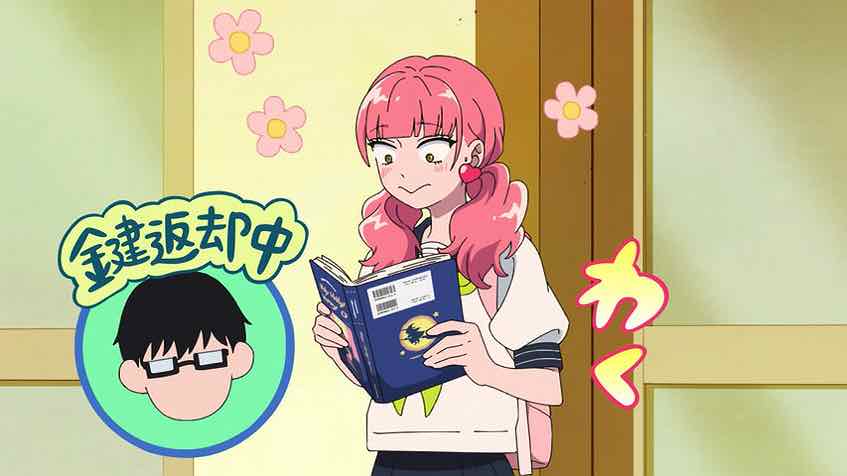
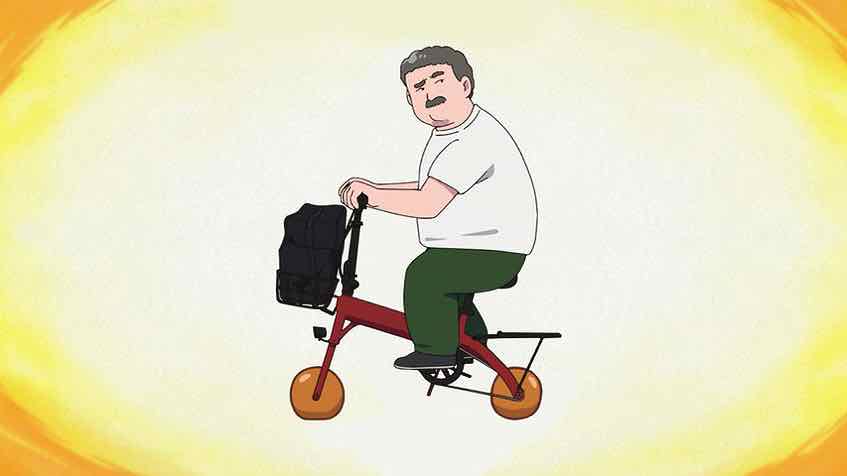
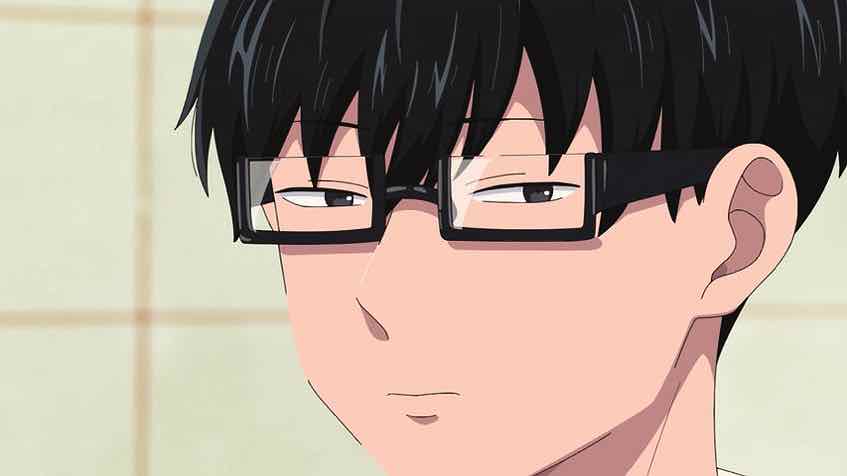
 For Yuusuke and Miyu, the communication gap between them still exists but it doesn’t currently represent a threat to their bond. He is, in his own words, someone who only thought about the literal meaning of things. Being in a relationship with someone who truly is his polar opposite forces him to reconsider his own worldview. Miyu constantly calls him “kawaii”, and he struggles to understand what this means. When his grandma calls his cat Tempura (also played by Katou Wataru – the Yeti was also played by Kusunoki Tomori) – “Tempura” is a great cat name BTW (Tem-purr-a) – cute, he can grasp that. But how can he – never mind the social studies teacher Gomapon – be kawaii in the same way?
 It’s not until he realizes how cute Suzuki-san is to him that Tani-kun really gets it. Again, this is the sort if epiphany that defines adolescence. Adults can fool themselves into thinking they’ve always known the things they know, but they had to learn them first. There’s a first time for everything – and being in a relationship (for the first time) is a fast-track to first time experiences of all sorts. It’s awfully hard to depict the high school experience with authenticity – it almost always gets bogged down in nostalgia or self-aware preciousness or absurd levels of raunchiness or drama. But that’s not the case with Seihantai na Kimi to Boku so far – and that authenticity, as much as anything else, has been the key to its success.




















Nadavu
January 26, 2026 at 4:07 amConsidering how much time each one gets in the ED and OP, I expect each kid in class to have their moments of glory.
I’m very happy with how this show is coming along. It’s so refreshing for the romance to establish itself so firmly and quickly and for misunderstandings to be solved within the same scene as they arise. Everyone knows, everyone’s okay with it, and things are just progressing.