





 My irritation at this being the final episode of Tenmaku no Jaadugar is on me – I just assumed it would be ending when everything else is. That double first episode with the 12-episode count screwed me. I can’t say it’s going out on anything but a high note – the past few weeks have been uniformly stellar. We got off to a rocky start but in the end this show cemented itself as a certain top-10 honoree, with the potential to place pretty high on that list. It’s almost an animanga Game of Thrones, except it hasn’t jumped the shark yet.
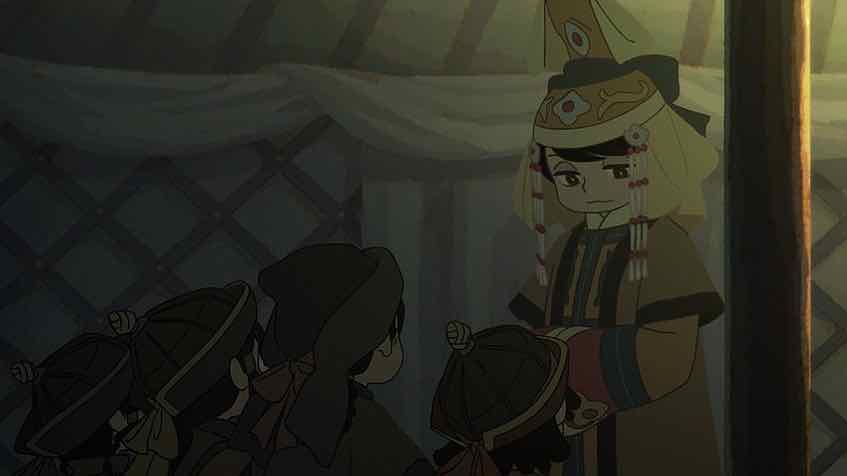
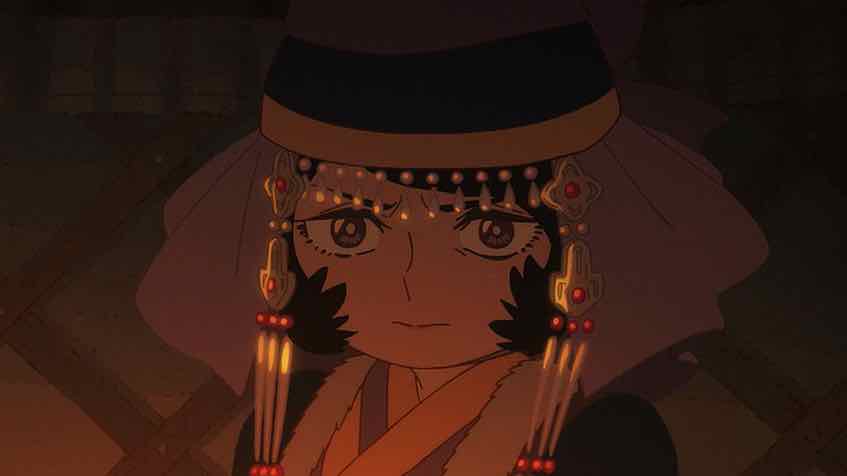
 This ending is steeped in moral ambiguity, much as the entire final arc and much of the series have been. Boraqchin may have gotten what she wanted in eliminating Tolui, but apart from that she’s being stymied at every turn. Sorghaghtani – the greatest threat to her power base – refuses to quietly retreat into the sunset. It’s as Boraqchin says – she’s refusing to let the House of Tolui be absorbed into the House of Ögedei. She has sons and they’re the literal path to power for her house, but Sorghatani also has herself – and she appears to be as formidable as anyone in the story, male or female.
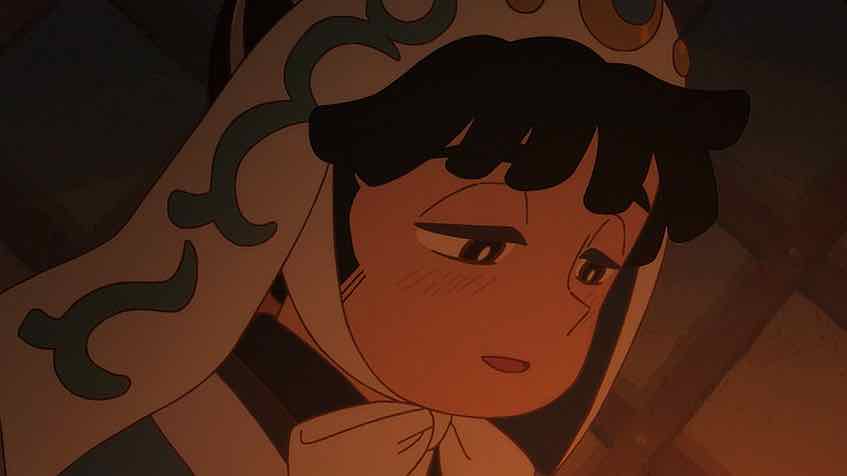
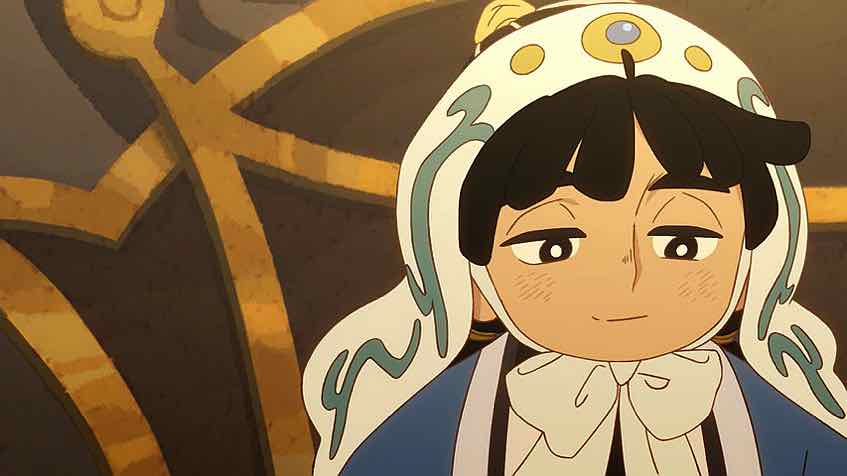 The irony here is, from what we know of Sorghaghtani and Boraqchin’s goals for the Empire, they actually seem largely aligned. Boraqchin is the theoretical antagonist at this point, and she’s a murderer. But she also wants to help the Kha’an pursue a path of relative peace and make Mongolia a center for learning and commerce. As for Sorghaghtani she in many ways represents the most heroic figure in the cast. She’s never personally wronged anyone that we’ve seen, she’s ambitious and intellectual, and devoted to her family. Fatima’s hatred of her is strictly personal, and not based on anything Sorghaghtani did to her.
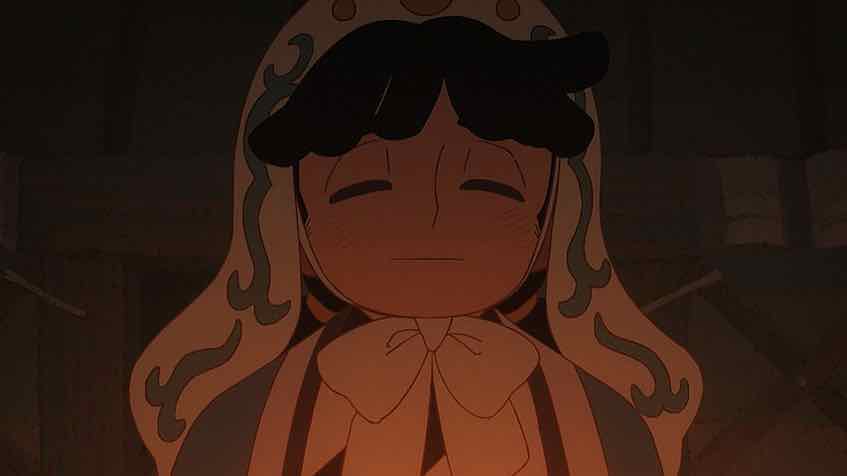
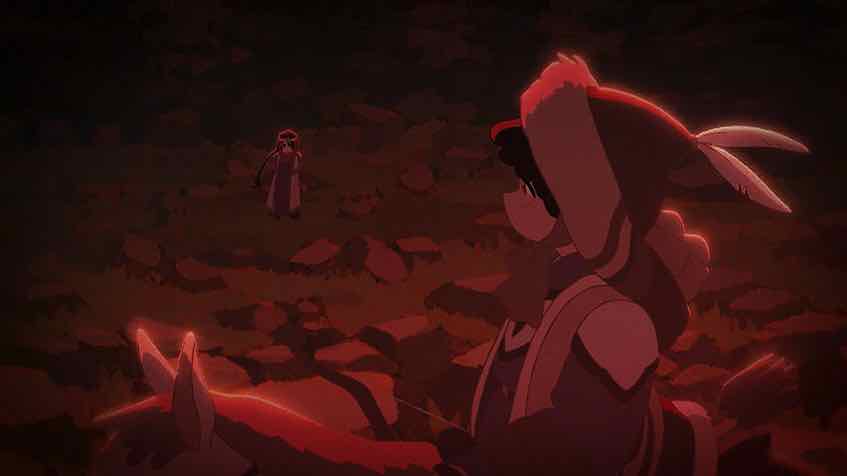
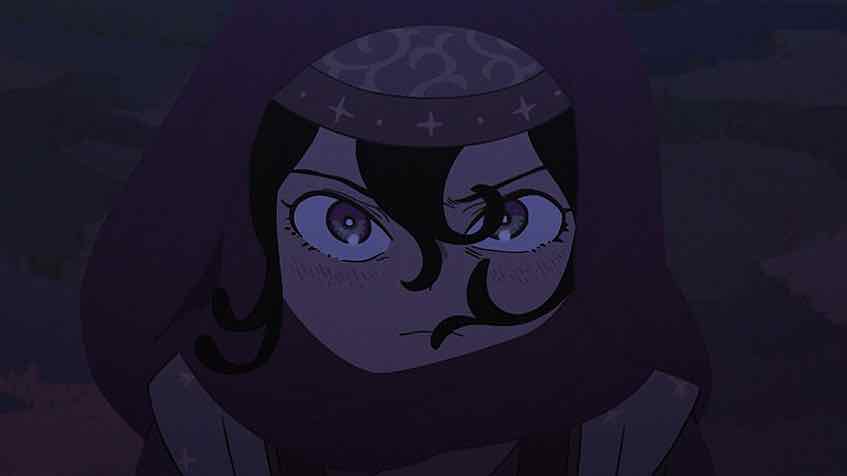
 We know Fatima struggled over this. And that in the end, her respect for Sorghaghtani and what she represented caused her to – momentarily as it turned out – reject her path of vengeance and embrace the possibility of a future in this world. Fatima is the protagonist of Tenmaku no Jaadugar, of that there can be no doubt. But is she the person we should be rooting for? She’s arrogant, as she showed in her final showdown with Ögedei. She’s prioritizing her own hatred over anything else. Her loyalty to Törogene is admirable, but it’s mostly based on their having a shared grudge.
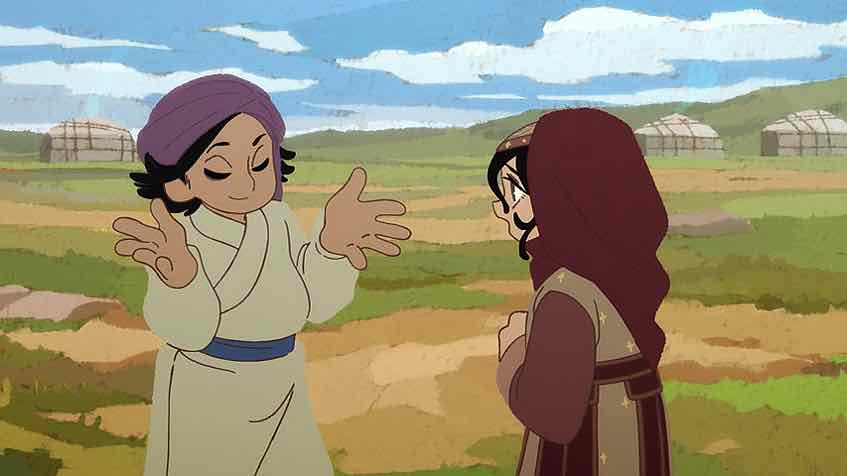 In rejecting Boraqchin’s command to marry Güyük, Sorghaghtani quotes Alan Gua (the browser tabs got quite a workout again this week), the semi-mythical Mongol princess whose five sons were said to be the patriarchs of the five Mongol clans. This staredown with Boraqchin seems destined to continue indefinitely. As for Törogene, Ögedei bears her no grudge over what happened – indeed, he asserts that he still has great affection for her. He insists that Boraqchin keep her hands off her, and tries to convince Törogene to go to Güyük’s territory in the west, where she’ll be shielded from the implications over what happened to Tolui.
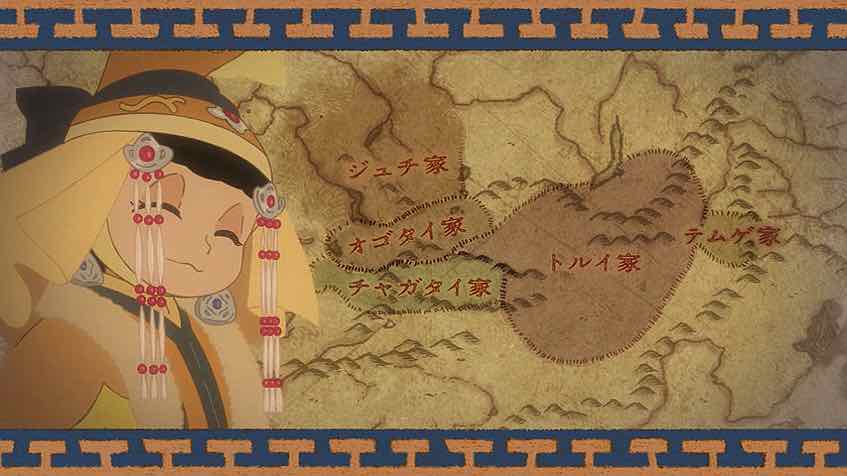 Ögedei himself is a fascinating figure. From everything we’ve seen of him, he seems judicious and kind on a personal level. His goals for the Empire could hardly be more progressive in context. What he’s offering Törogene is hugely generous in this situation, and I’m not sure we should be admiring Töogene for rejecting it in order to continue her personal quest for vengeance. Or Fatima for rejecting the prospect of what Sorghaghtani’s vision represents in favor of continuing to pursue her own revenge, and aligning herself with Törogene. It’s understandable certainly, but not admirable.
 This is the great paradox of the Mongol Empire, and I admire Tomato Soup (that pen name still throws me) for embracing it in the clever way she has. This was the greatest empire the world has ever known. They were enslavers, they crushed those who refused to submit, and Genghis Khan was probably the rapiest man in history. But they also gave women more freedom and power than any other contemporary society. They allowed freedom of religion in all the territories they conquered, and life under Mongol rule was generally better than anywhere else. Their society was a relative meritocracy when almost nowhere else in the world could make any claim whatsoever to that title.
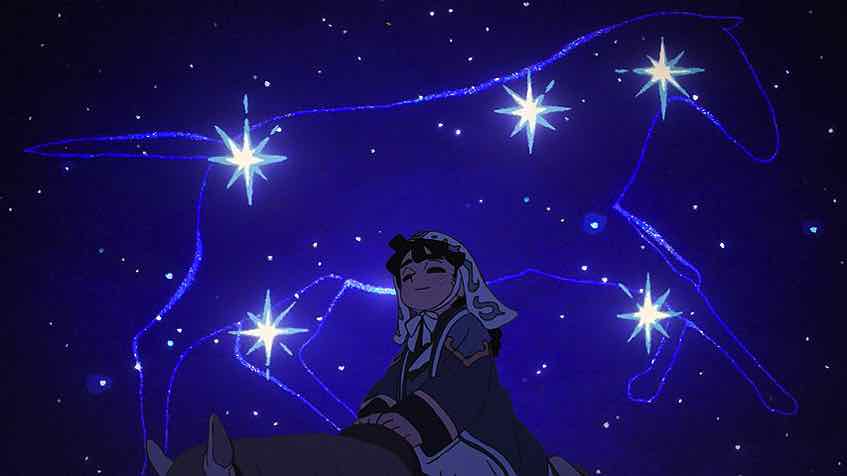
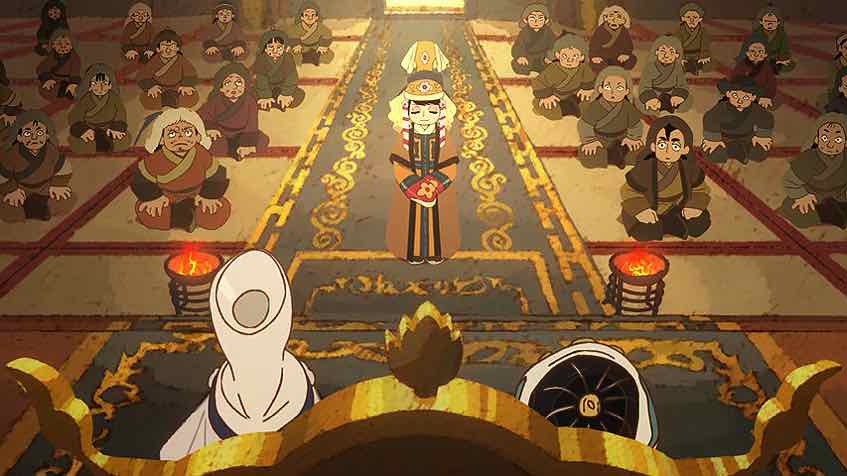
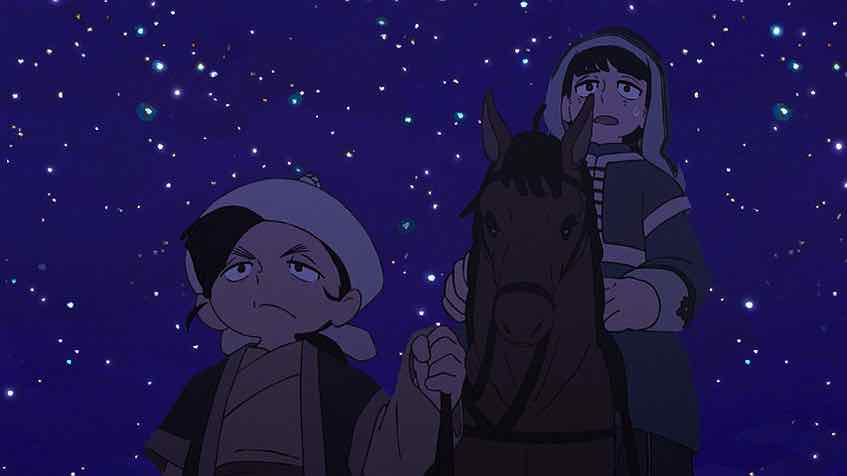
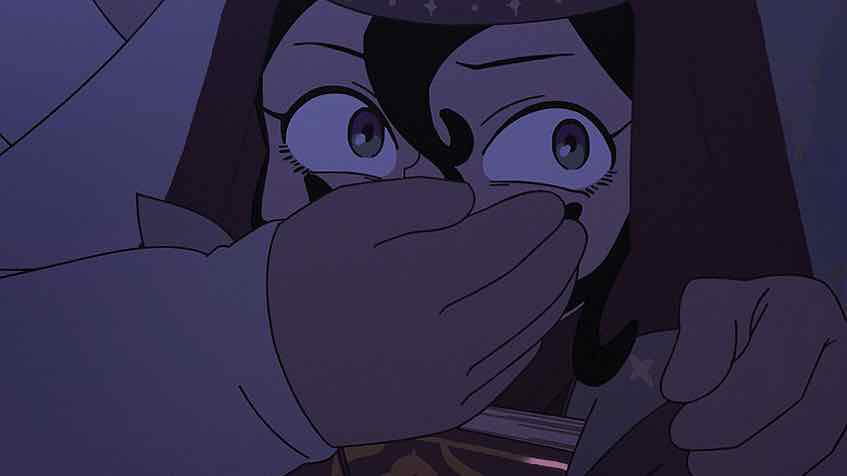
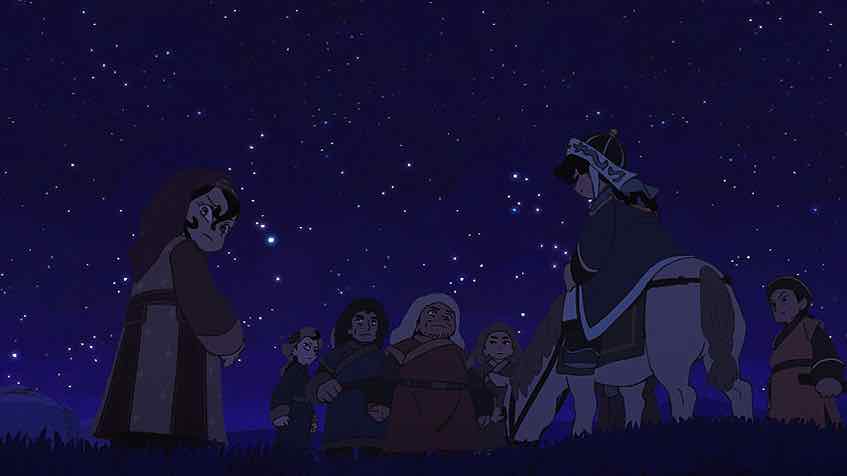
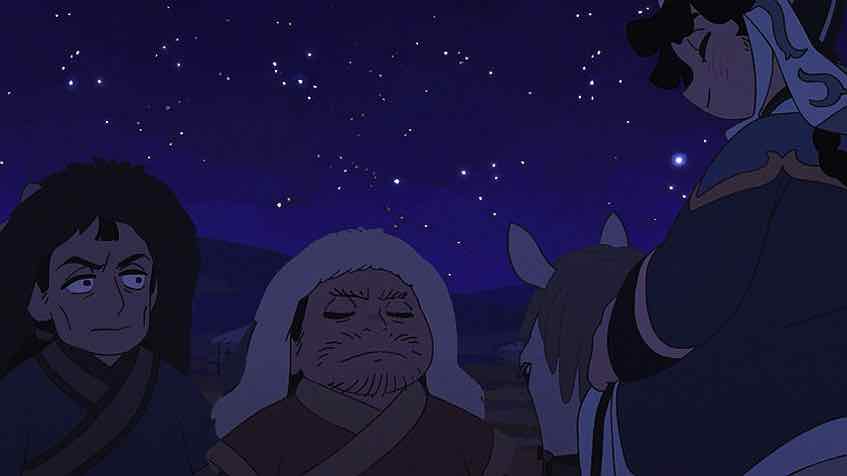
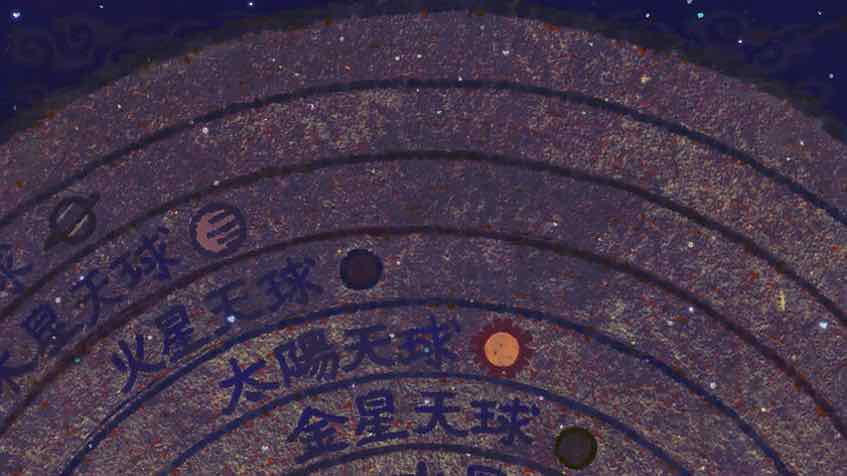
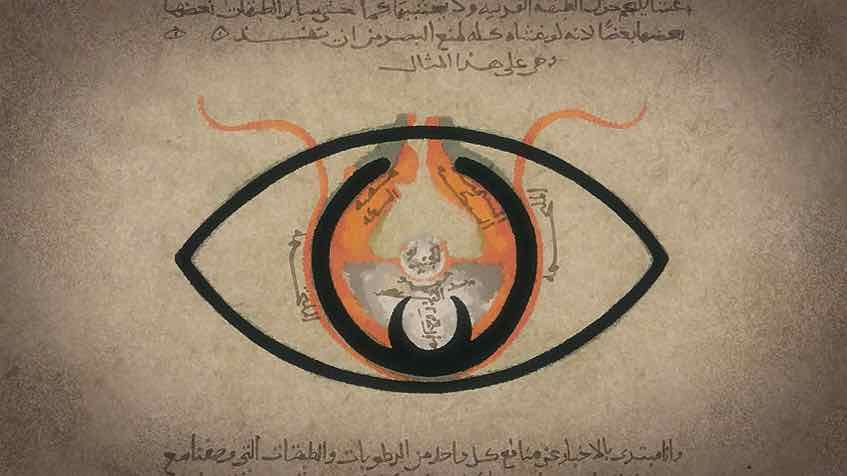
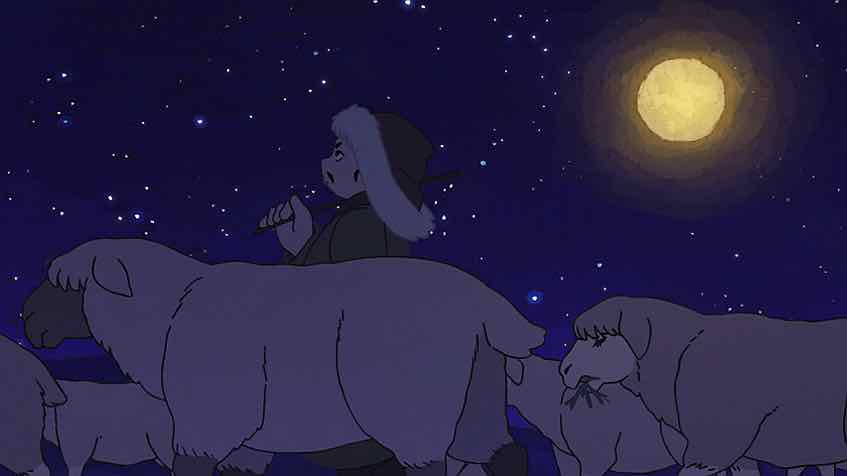
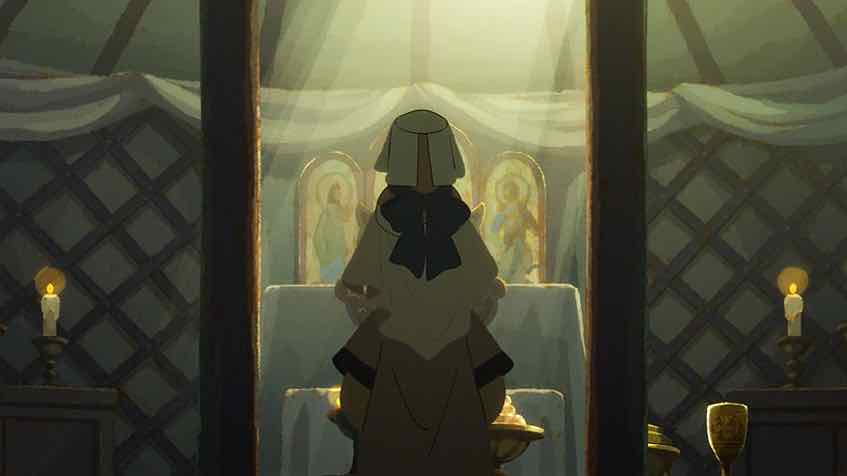
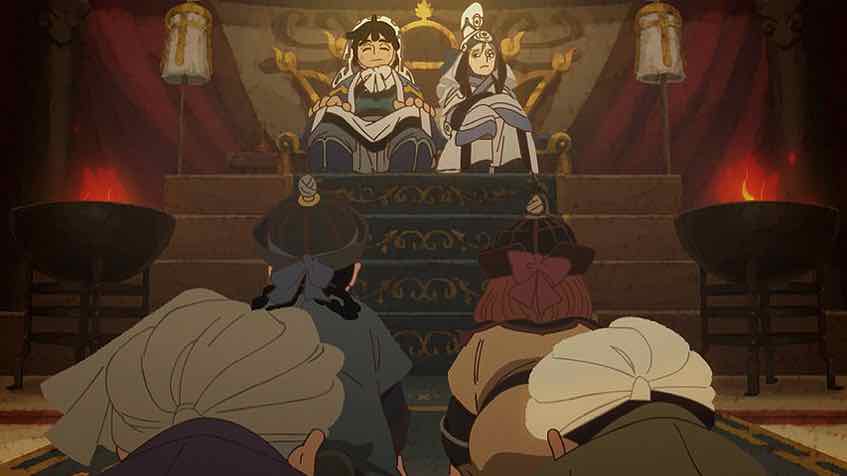
 That last conversation between Ögedei and Fatima is a compelling way to bring the series to a close. After General Ilüge scolds him not to address such a lowborn directly, Ilüge’s son is deputized to relay their words, but the Kha’an has little patience for this farce. If Ögedei were a lesser man Fatima would not have survived addressing him that way – well, if he were a lesser man Törogene would already have been executed. Who comes off better in this exchange? Both espouse explanations for stellar movement that modern science has disproved, but Ögedei recognizes that his story is just that, a story – and that stories change from place to place. Fatima is – to repeat – arrogant in pronouncing that hers is unassailable.
 Ögedei proposes that his goal is to make Törogene and Fatima happy, even if they despise him. Her goal is to destroy him. Again, who comes off the better in this exchange? These final moments could even be interpreted as casting Fatima as the villain of the series going forward, but – as with most things in Tenmaku no Jaadugar – I don’t think it’s quite that black and white. Ögedei, Boraqchin, Sorghaghtani, Fatima and Törogene – each are going to try and manipulate events to achieve the future they desire.
 That brings us to the unavoidable question – what next for the anime? The manga is ongoing, and the anime has used 25 of its 44 existing chapters. It briefly switched to a bi-monthly release schedule before the mangaka went on maternity leave, but seems to be back to monthly now. In theory a second season could be produced as early as late next year – though 2028 or 2029 seems more realistic. Is that likely? It’s at least possible – the series sells pretty well for a jousei, and the anime has – unsurprisingly – been very well-received. But it’s not a commercial property in any sense that production committees increasingly prioritize these days, so my optimism would be guarded at best.
 The age-old “read the manga?” dilemma is largely mooted here, since only a few chapters beyond what the manga covered are even translated and the official English release is well behind. It’s a common frustration for an anime fan, nothing new. But it doesn’t change that this was, in the end, a really outstanding adaptation of a very thought-provoking manga. Science SARU continues to impress after a very rough start as a studio. My issues with the early chapters are on the record, but in the end this series won my respect – once that minefield was cleared, it was nuanced and elegant in its storytelling. Jousei continues to be a reliable source – albeit rarely tapped – for outstanding anime.

























Antony Shepherd
September 13, 2026 at 7:40 pm“Both espouse explanations for stellar movement that modern science has disproved”
I’m hoping for fan-art where the main character from Orb shows up and says “You’re both wrong!”
I’ve really liked this show and I’m hoping we do get a second season. In the meantime I’ve picked up the manga.
Guardian Enzo
September 13, 2026 at 7:46 pmThat was fast!
What really strikes me about that scene is that Fatima comes off as a closed-minded zealot, and Ögedei as a wise and humble guy who understands that the myth he’s relating is just that.
Henk
September 13, 2026 at 9:35 pmReligions often have very strong opinions when it comes to things like the earth, sun, moon and stars so from that angle we shouldn’t be too surprised by Fatima. But a lot of that comes from her thirst for revenge of course. She wants the destruction of the Mongol empire no matter the consequences it seems. A fantastic show, hoping for a second season!
BBOvenGuy
September 14, 2026 at 5:02 amDon’t know if you caught it back in one of the early episodes, but Sorghaghtani’s (redacted). So that tells you who wins in the end.
From what I’ve read, there was a real “Fatima,” too. If the manga followed her story, she’d (redacted).
Guardian Enzo
September 14, 2026 at 7:41 amYes I know both of those things (I hinted about the first one), but given that some folks don’t (again, we don’t get much Mongol history in the West), even though this is all in the history books I don’t want to be the reason they’re spoiled so I’m going to edit that comment a bit. You’re not wrong to post it but I’m going to err on the side of caution.