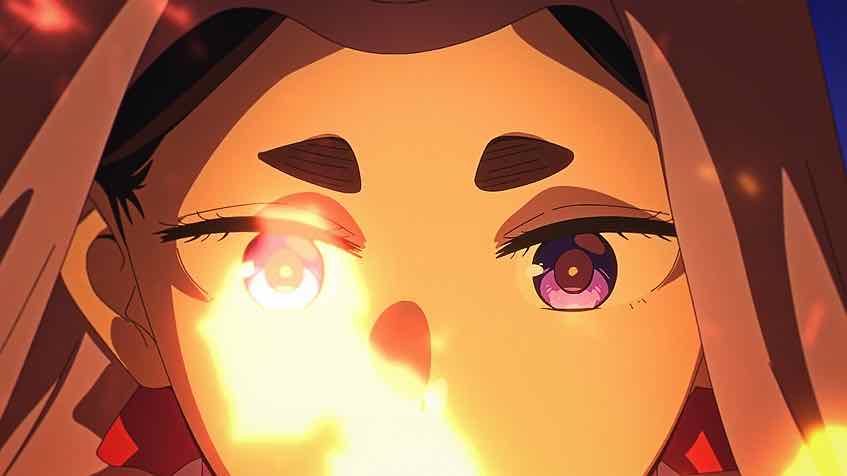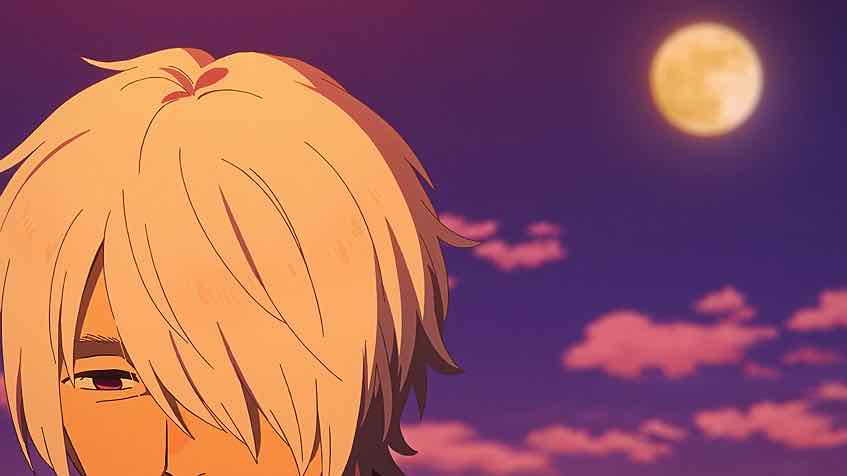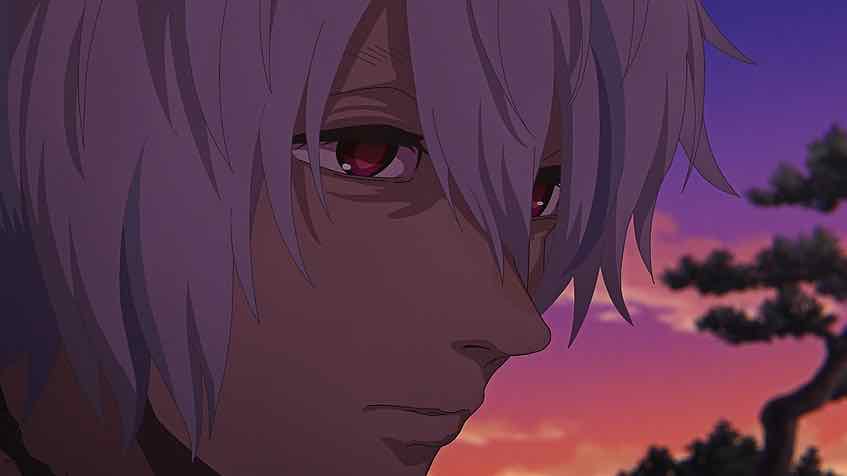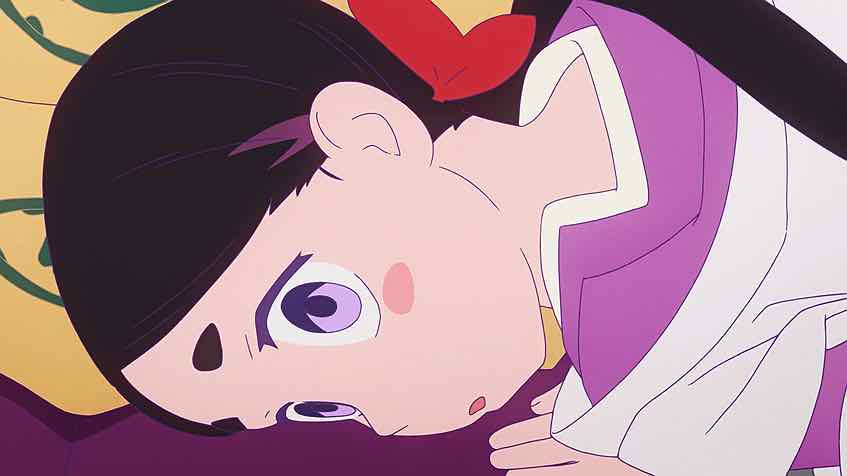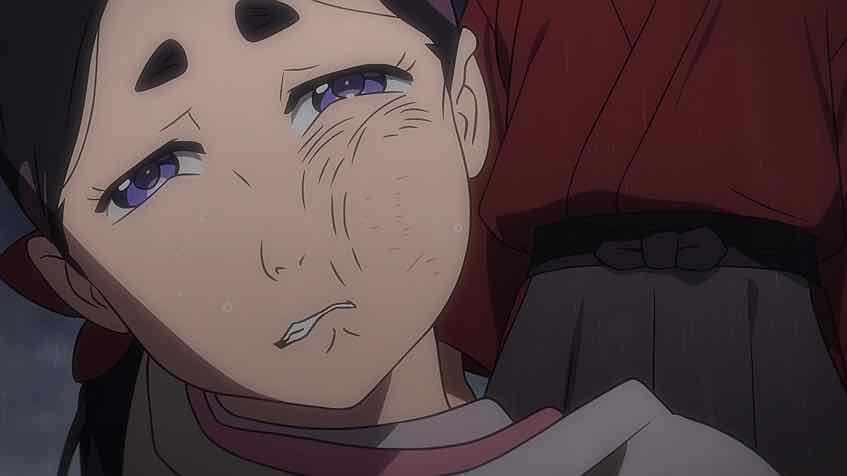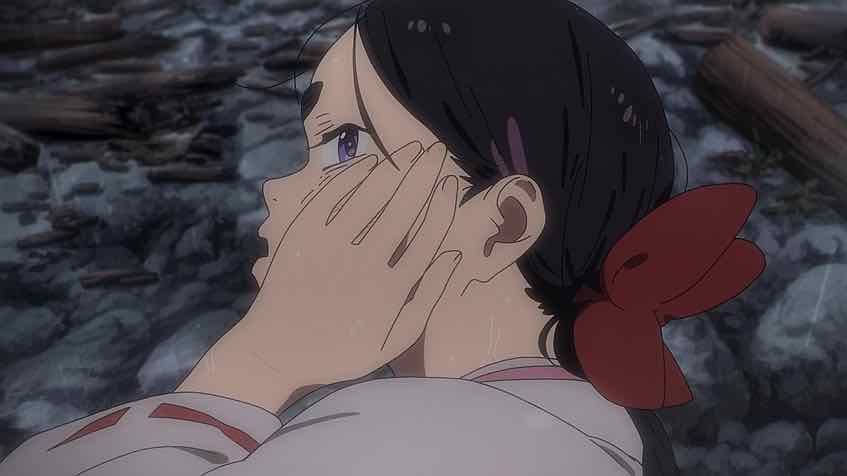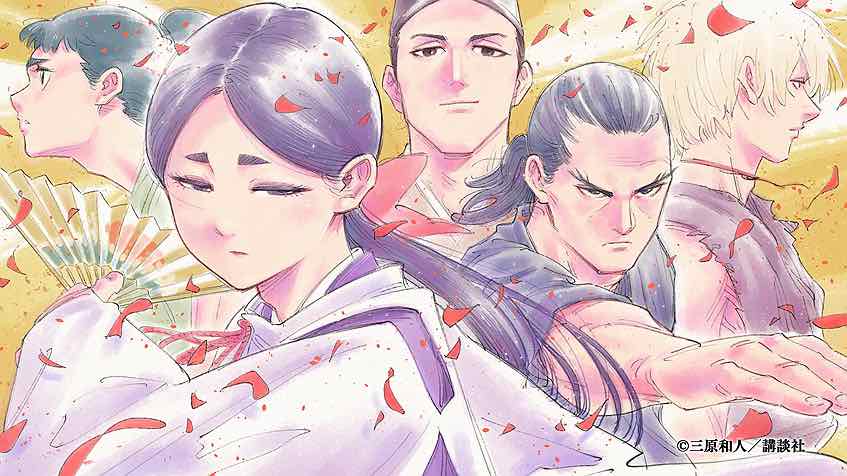



 It was pretty obvious by the way Episode 10 ended that World is Dancing was about to take a darker turn. But seriously, that was one of the most existentially depressing things I’ve seen in anime for a long time. The episode title “The Moon Before It’s Full” suggests things will turn again. And of course history tells us that Oniyasha would emerge from his youth to become arguably the most important figure in the history of the Japanese arts. But this was still mighty hard to watch.
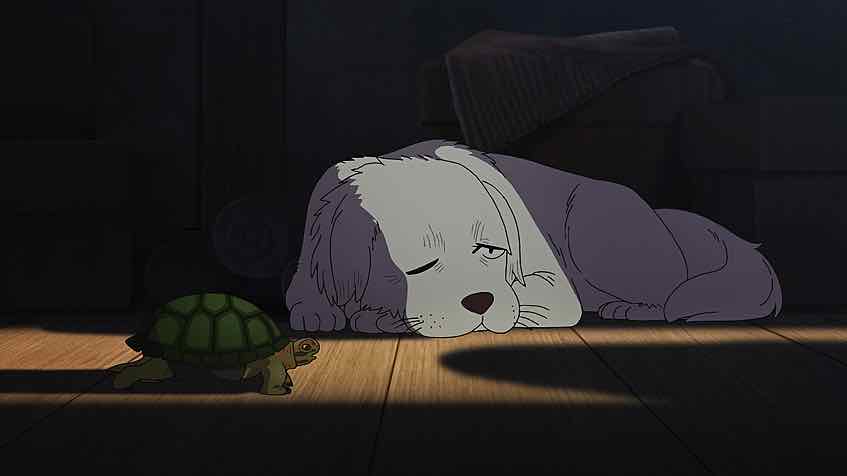
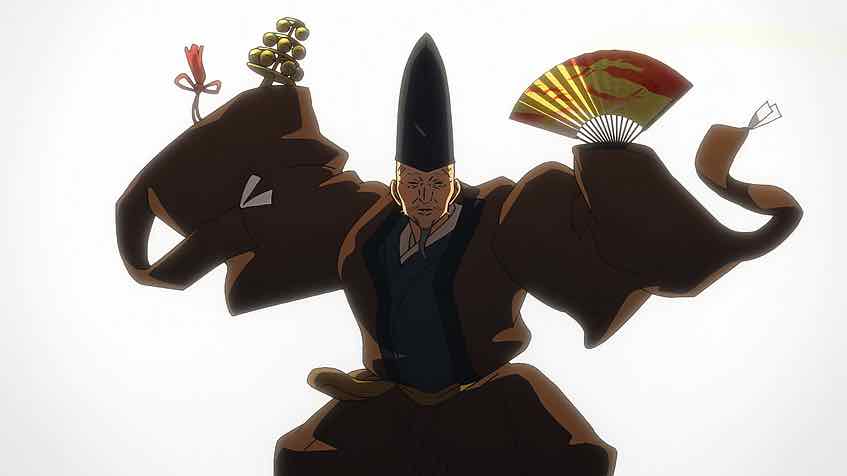
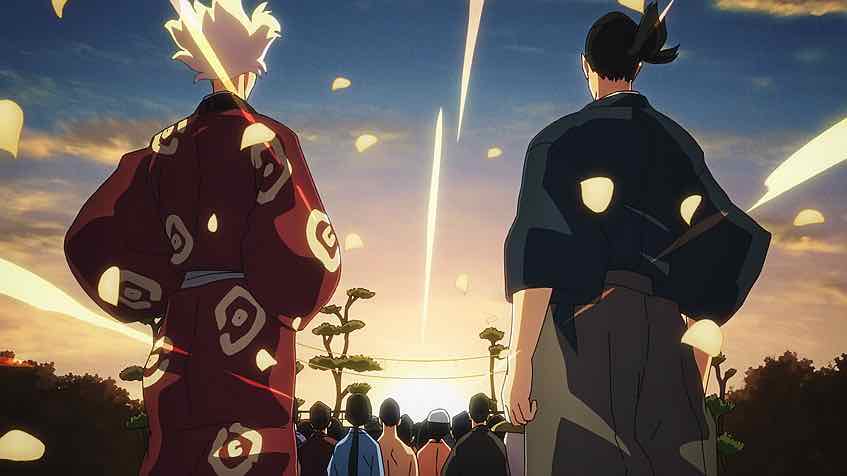 There’s a lot happening here, but the episode starts off not with Oniyasha, but with the elephant in the room. Inuo has popped up here and there throughout World is Dancing but it wasn’t until the third act last week that he was identified by name. And now he grabs the narrative by the throat. Inuo is well-known to anime fans, as he was the subject of Yuasa Masaaki’s avante-garde film Inu-oh – a film in which Oniyasha had but a cameo. Inuo is based on a real person, a Sarugaku performer of Zeami’s generation who was massively popular but largely forgotten outside of serious Noh scholars. Until Inu-oh, anyway.
 Inuo is shrouded in myth and legend, with little truly known about him – in sharp contrast to Zeami, who documented everything and left a library of plays, poems, and treatises on the history of theatre and dance. Stories abound of his bizarre physical appearance and freakish athleticism, but reliable accounts are scarce. He was definitely popular and seen as a rival of Zeami, but Zeami makes it clear he admired Inuo and it’s generally believed their relationship was one of mutual respect. In short you can’t do a biopic (or manga) about Zeami without Inuo playing a prominent role. But the exact nature of that role is down to artistic license.
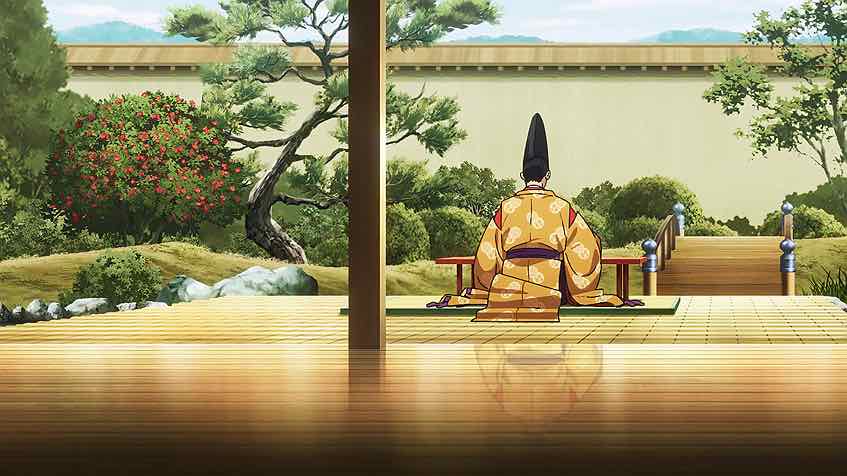
 I could be wrong on this – wouldn’t be the first time with this series – but I’m pretty certain the “Hiyoshi Troupe” is a creation of the manga. Inuo receiving shogunate patronage is not, and indeed it seems as if he’s the new favorite. Yoshimitsu’s Kyoto residence has burned down (perhaps due to arson) and he seizes the opportunity to build what would be known as the “Flower Palace”, on land that’s now Doshisha University near Marutamachi Station. And it’s Inuo he has in mind to perform at the grand party he plans to throw in celebrating its completion, an ominous sign for Oniyasha.
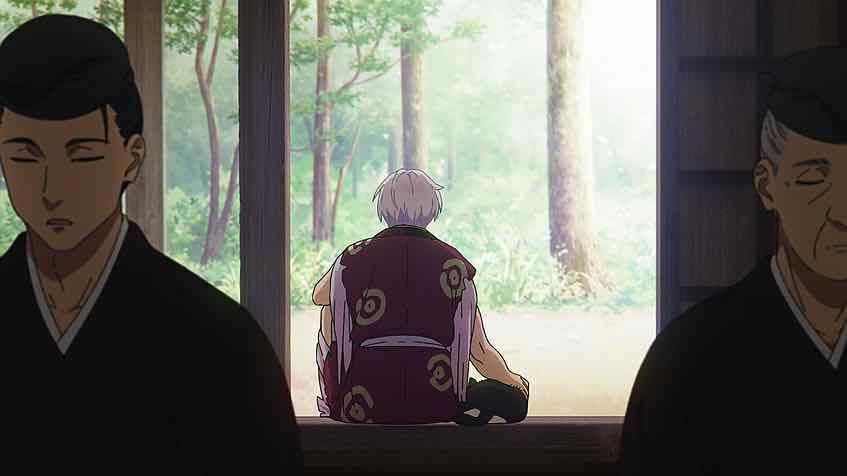
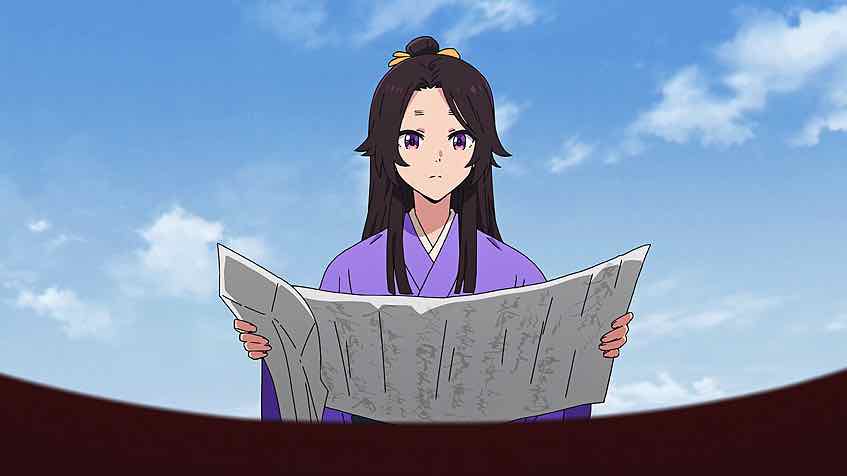
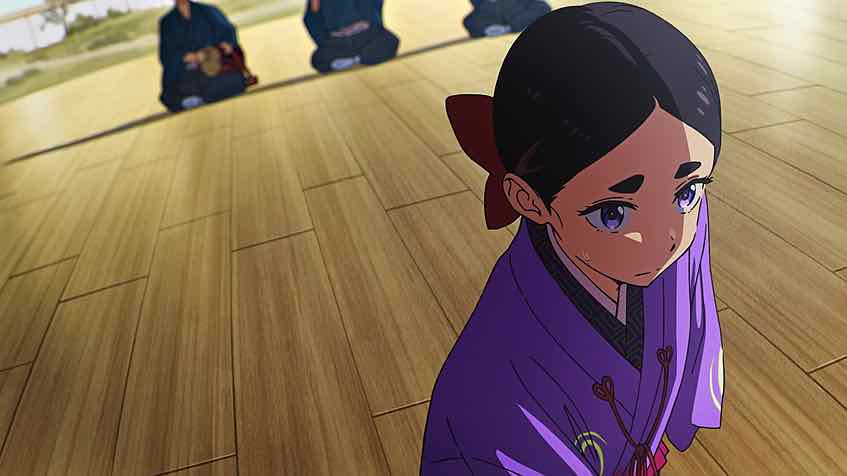
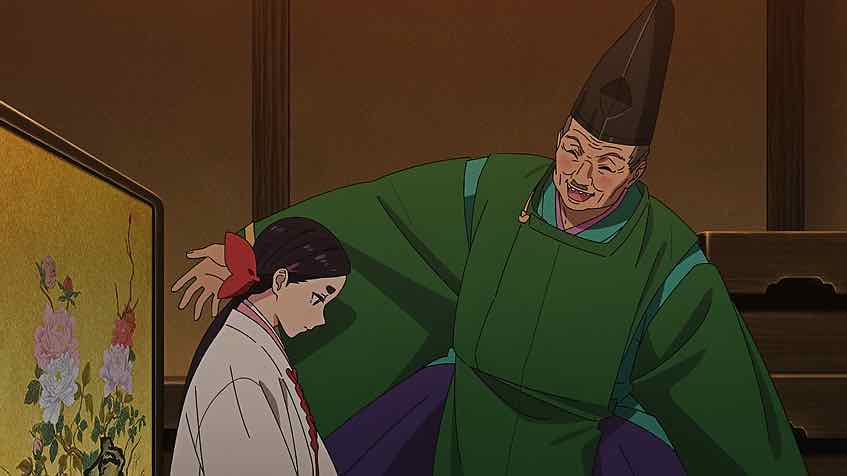
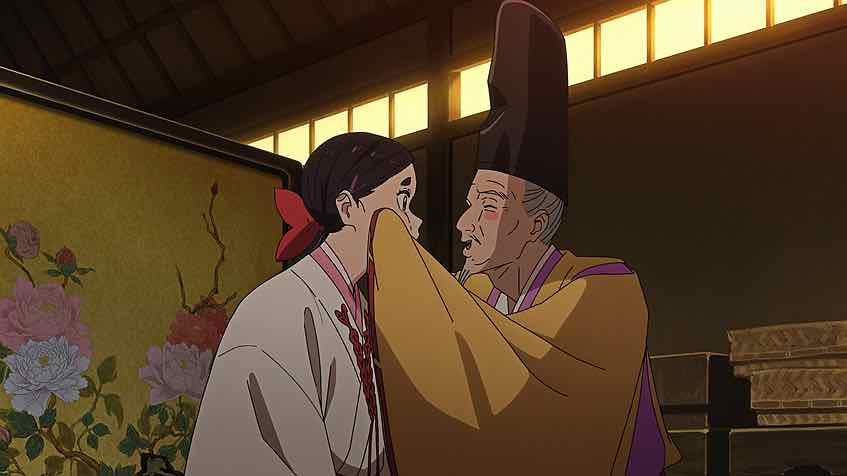
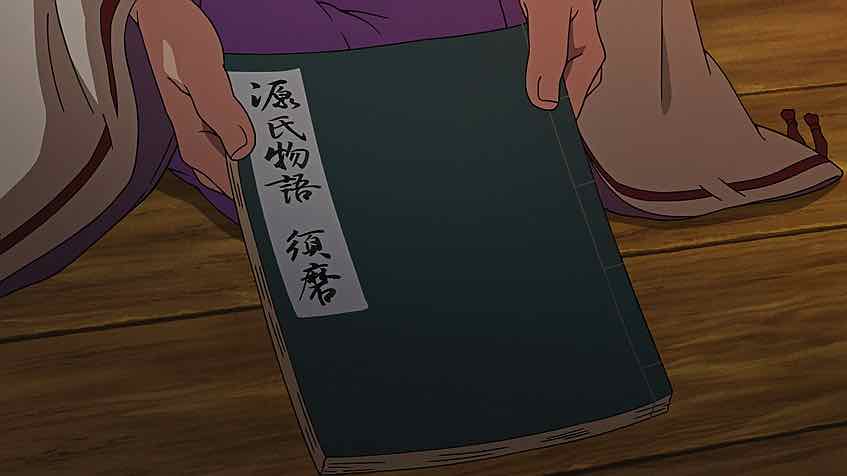
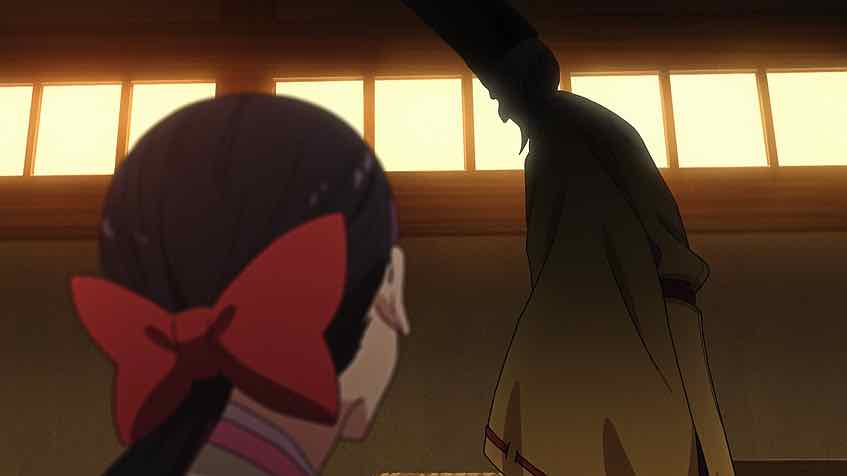
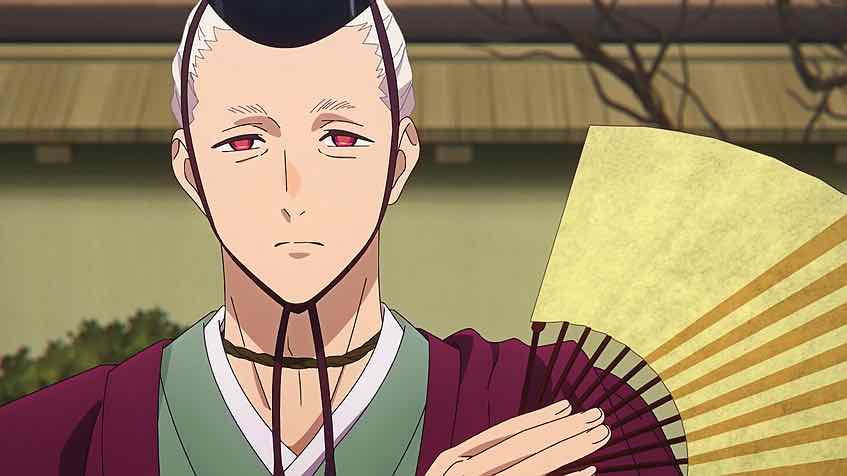
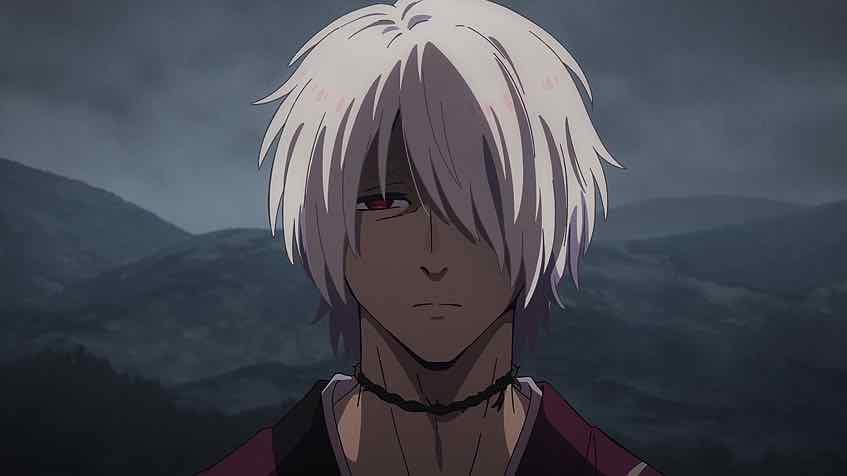
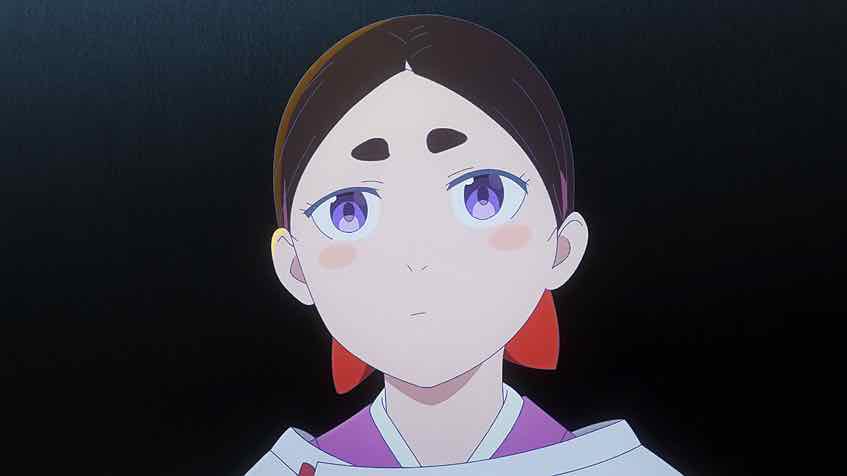
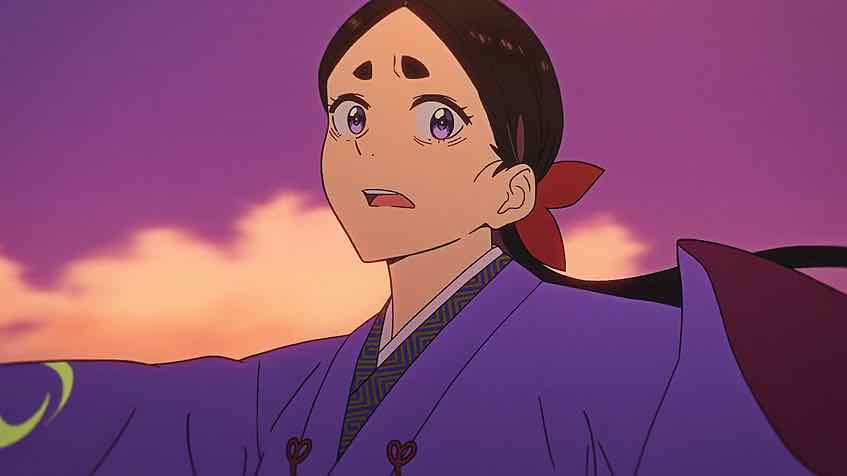
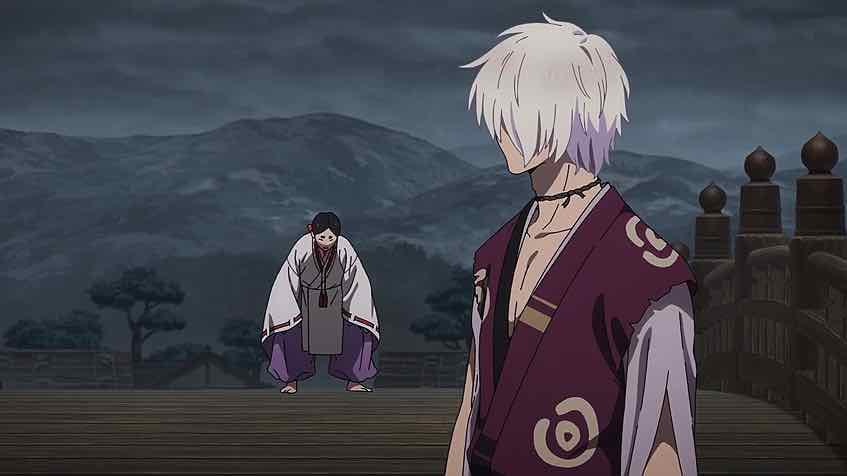
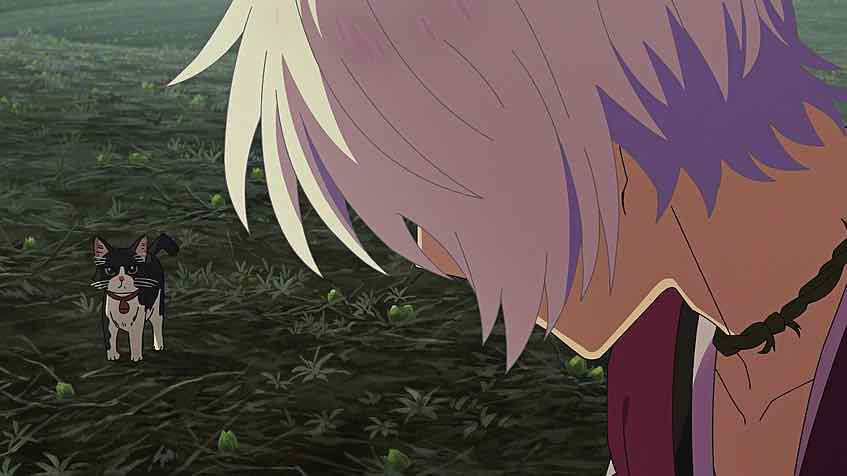 Even taking events at face value, it’s easy to see that Oniyasha’s world has become a dark place. But as always with this series, it trusts the audience to read between the lines. He’s now a young man in his mid-teens, voiced by Nobunaga Shimazaki. He’s a god actor but it’s quite a shock to hear that voice coming from Oniyasha, even looking older – I might have chosen differently but that’s a small point. He’s effectively an idol now, with screaming fans and sycophants and “admirers” who relentlessly hover over him. And Yoshimoto Nijou is still ever-present, a book in one hand and who knows what in the other.
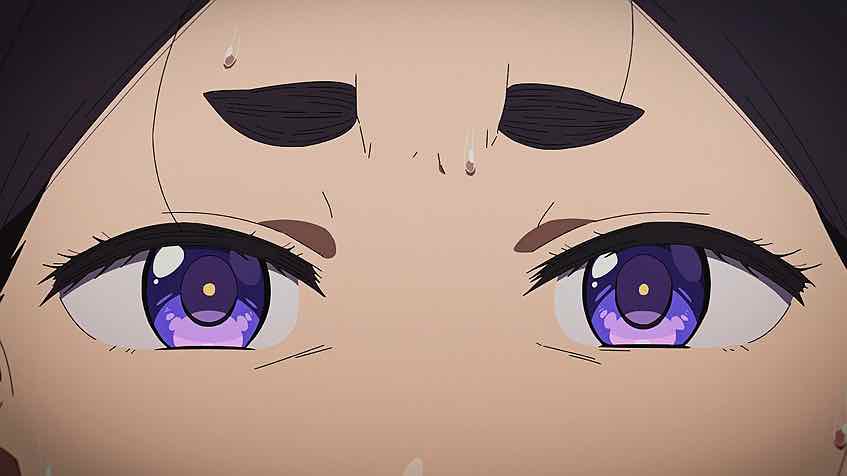
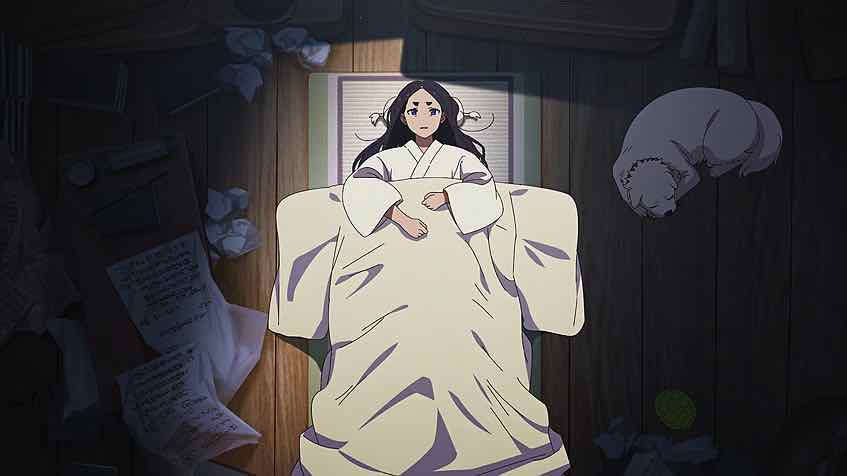
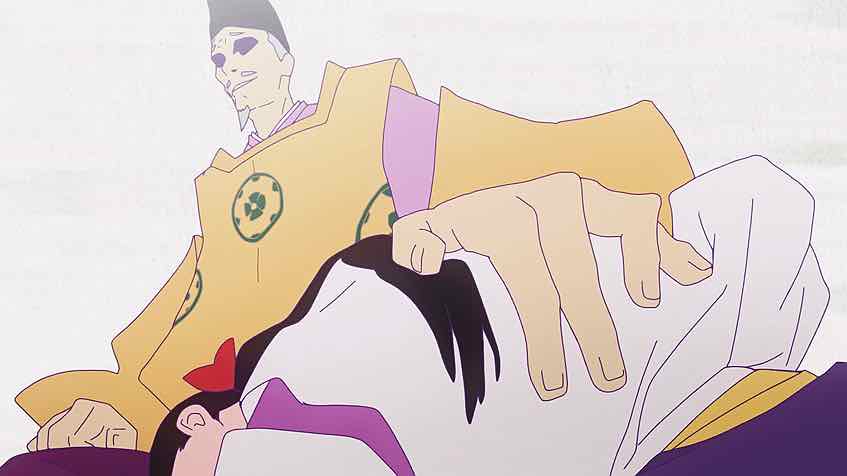
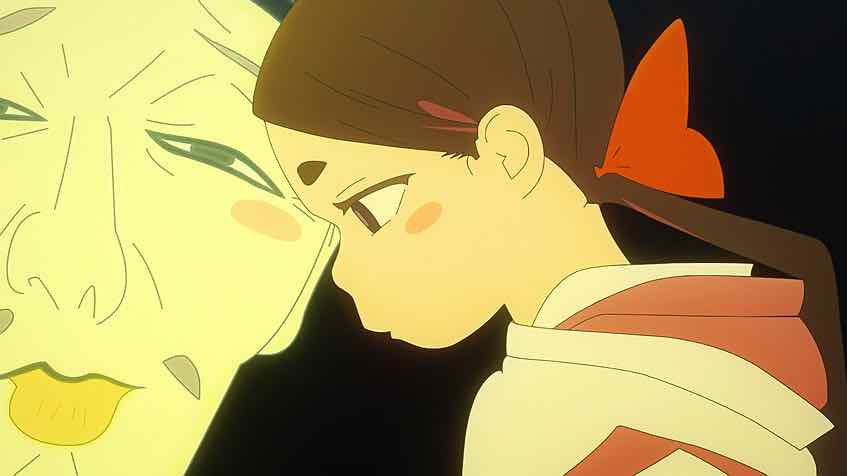
 Here’s the hard truth – Oniyasha’s rage against the world comes from more than artistic frustrations. The series only hints at it for understandable reasons (I don’t know if the manga is more explicit) but Oniyasha bemoans his lost youth because he feels he’s been despoiled – literally as well as artistically. He hears the whispers, and whatever the truth is, it’s a certainty that he’s been abused here. Perhaps by the shogun himself (that’s been widely rumored for 650 years), perhaps others. And like most children subjected to that, he blames himself for it and comes to hate himself for allowing it to happen.
 Setting aside the historical aspect and taking as read that artistic license is at work here, purely from a story standpoint I’m enraged on Oniyasha’s behalf. He was left to endure this on his own, and that should never have happened. His friends left him behind for dubious reasons, or died. And where is his father? Kan’ami seems to have made no effort to see to his son’s welfare in his residence at the palace. Oniyasha is pure frustration here. The things he wants to change never change – war and death and injustice scoff at his dancing as a means for change. All that changes is what he desires to remain the same – those he loves, his body, his voice. He curses that which he’s become, which in his mind is defiled.
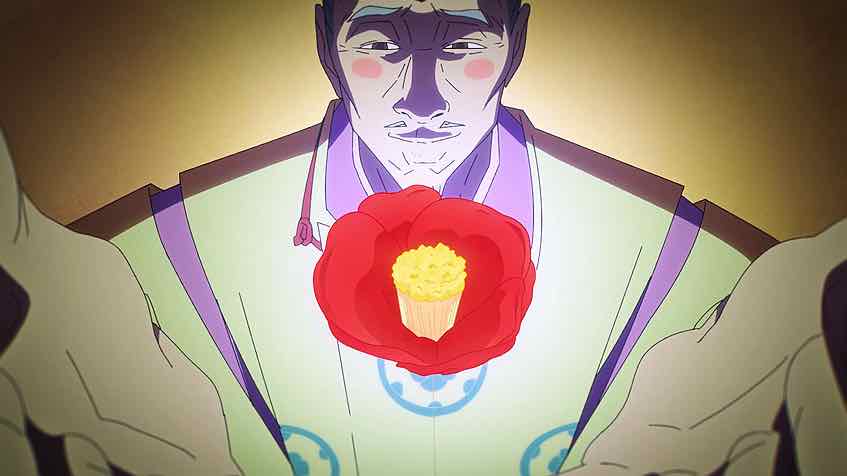
 “You have garnered praise while losing youth” Yoshimoto muses. “At times it is bitter, and that is what makes it sweet. Peak season. A most delicious period, and one you can never turn back from.” It’s true, but extremely sinister coming from him. In his darkness Oniyasha ventures out and finds Inuo – unaware, it seems, of his entree into the Shogun’s favor. Oniyasha tells him that what is “good” should never change. And that he wants to create this, something good to everyone that offers salvation to all. “I understand” Inuo replies. “Only those who solemnly progress on their own can make a brilliant flower bloom”.
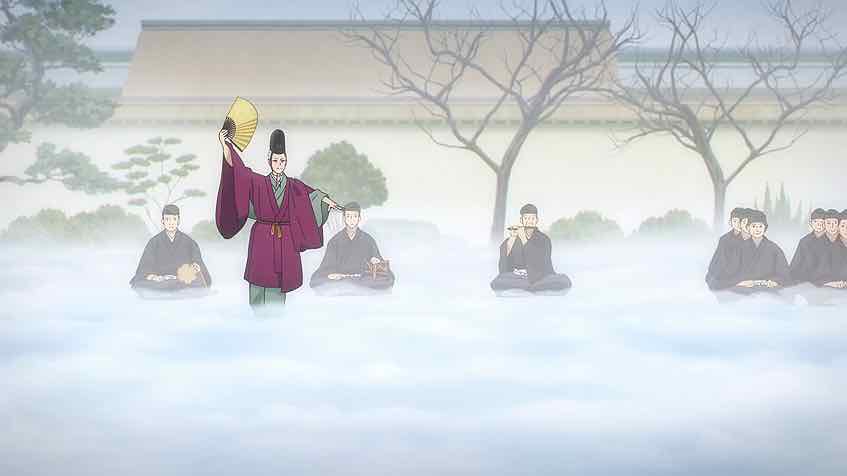
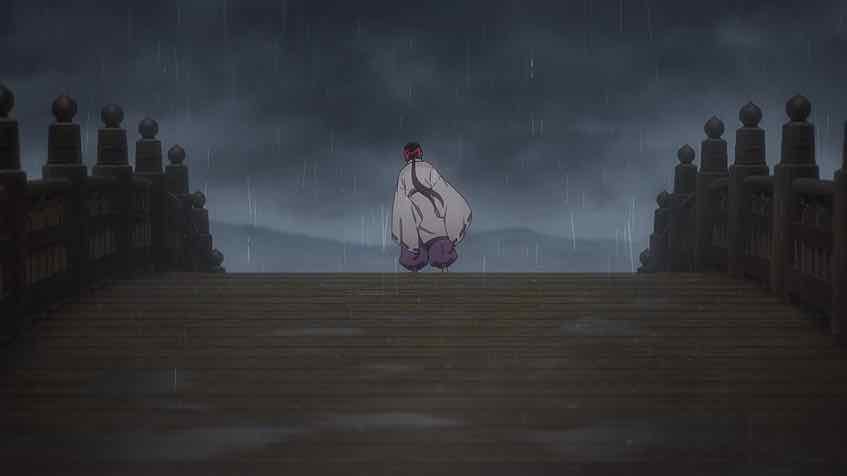
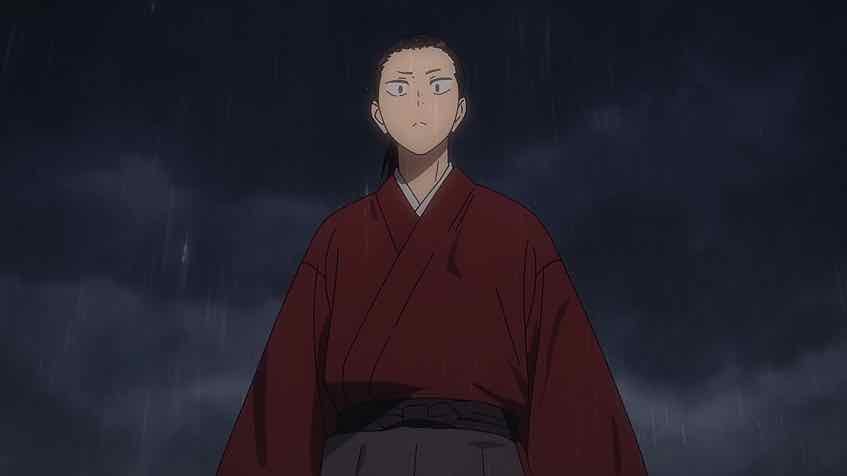
 When Oniyasha sees Inuo perform with the Hiyoshi Troupe – in a haunting and beautiful dance witch segues into the dark surrealism of Oniyasha’s desperation – he realizes that’s exactly what Inuo is doing. But Inuo makes it clear that as he is now, Oniyasha can never follow this path. Youichi remains one person who shows him kindness, but Oniyasha angrily rejects his admonition to give himself a break from his relentless searching and self-loathing. It ends with Oniyasha collapsing in the rain, at the nadir of his darkness. But the one who finds him there may be the one who can lead him back to the light, an old friend and rival who clearly has his own story of change to tell.