


I don’t really know what’s happening here but I know this with utter certitude, Auntie Witch is the good one.
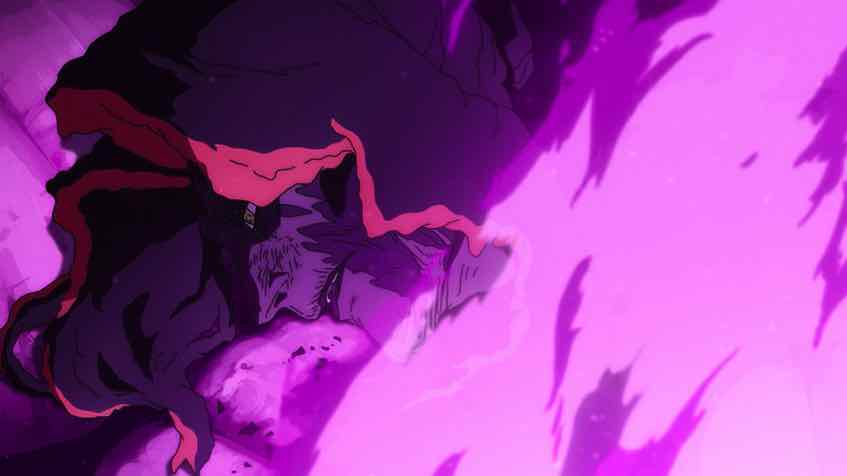
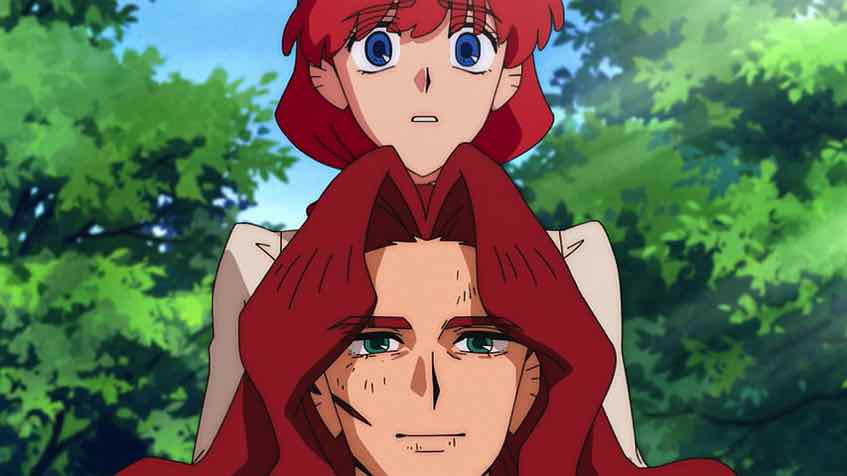

For those who didn’t read the comments from last week’s entry, here is what Grace was quoting in full (thanks, Simone):
“We are born, so to speak, twice: once to exist, the other to live; one time for our species and another for our sex. Those who regard woman as an imperfect man are wrong without doubt, but the analogy based on externals supports them. Up to the age of puberty children of both sexes have nothing to distinguish them in appearance. They both have the same face, the same figure, the same complexion, the same voice — everything is equal. Girls are children and boys are children; the same name suffices for beings so similar. Males whose later sexual development has been impeded preserve this resemblance all their lives; they are always big children; and women who never lose this resemblance seem in many ways never to be anything else.”
That’s from Emile, or On Education by Jean-Jacques Rousseau. Published in 1762, by the way, which would have been right around when Lara was born. Trying to interpret something like that in Sayonara Lara’s context is the rabbit hole to end all rabbit holes, but given the series’ interesting slant on gender (Kouta, for example) the mind can’t help but speculate. Maybe to an extent Lara is trying to tell us that gender is a meaningless concept anyway, I don’t know. But I feel confident Grace didn’t quote it by coincidence.
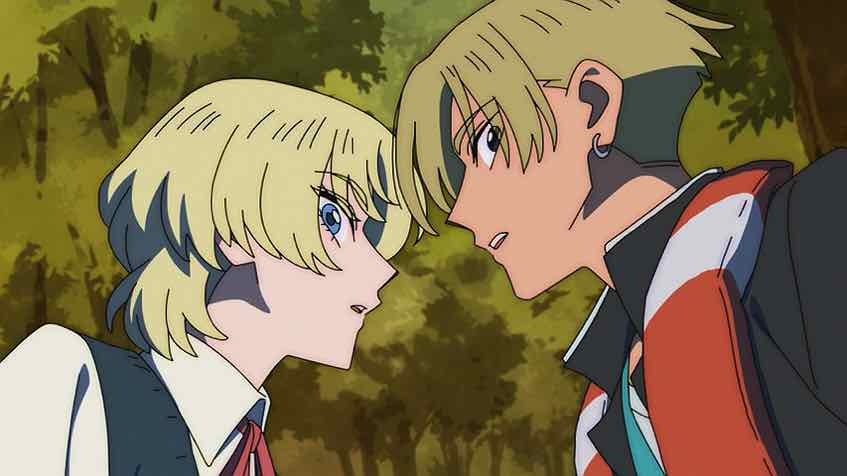
What I do know is that the extent to which some viewers are obsessing over this story as some sort of love triangle is doing the writer a disservice. In my own words last week (please don’t read anything into me quoting Rousseau and myself in the same post) “If Lara’s light turns out to be either Mari or Luca and nothing more I’ll be quite disappointed.” That’s no less true now, if anything more so. That’s not to dismiss the same-sex romantic themes in Andersen’s original, but this wasn’t really the point there either.
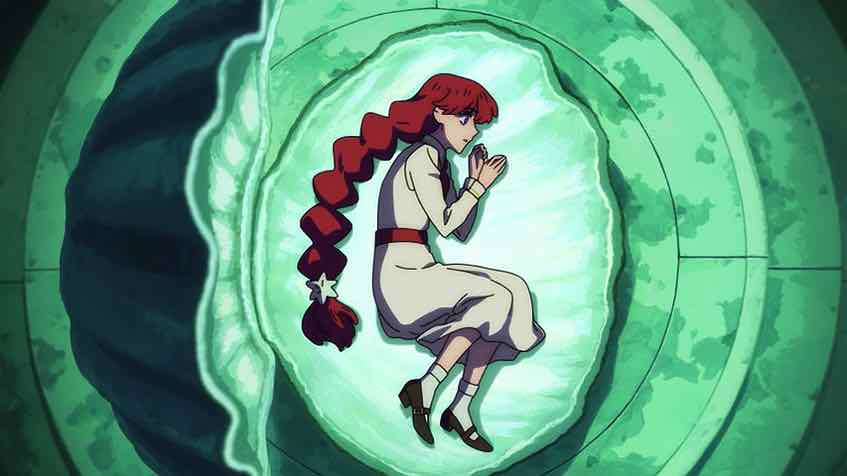


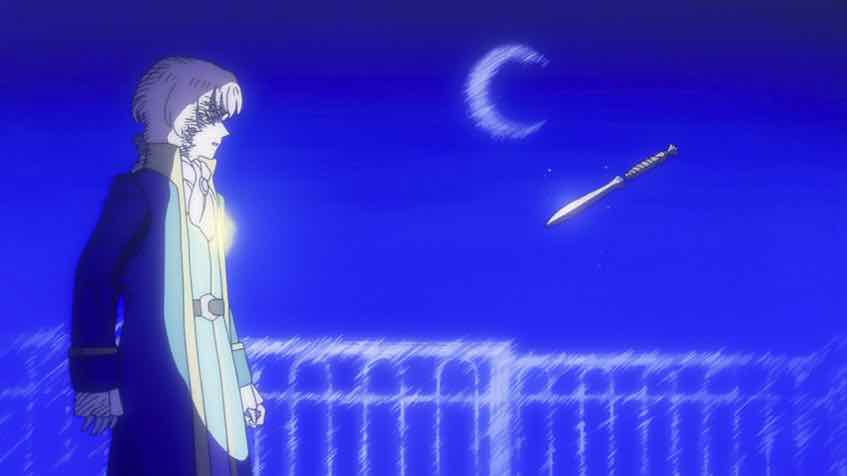
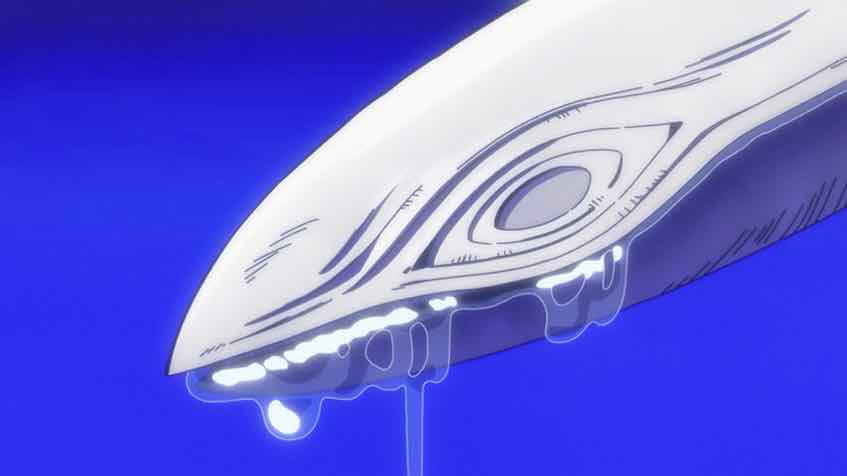
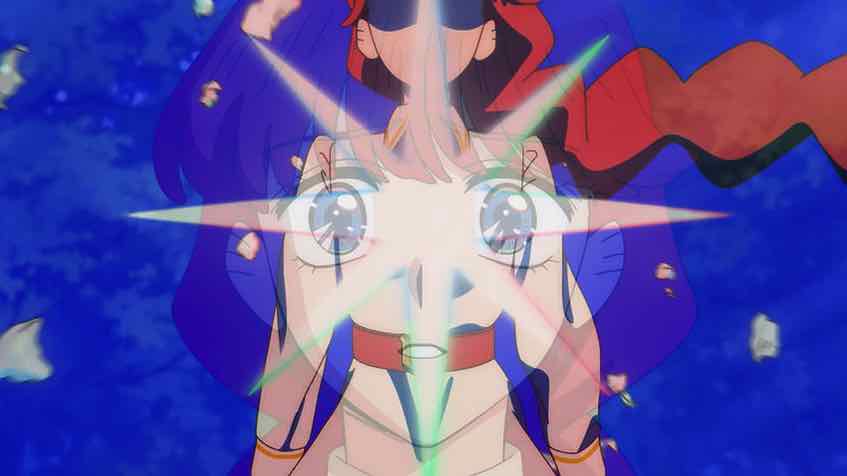
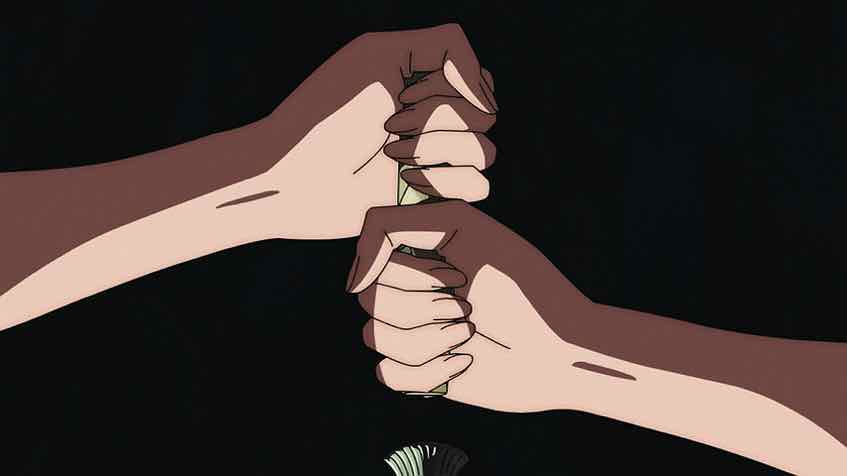
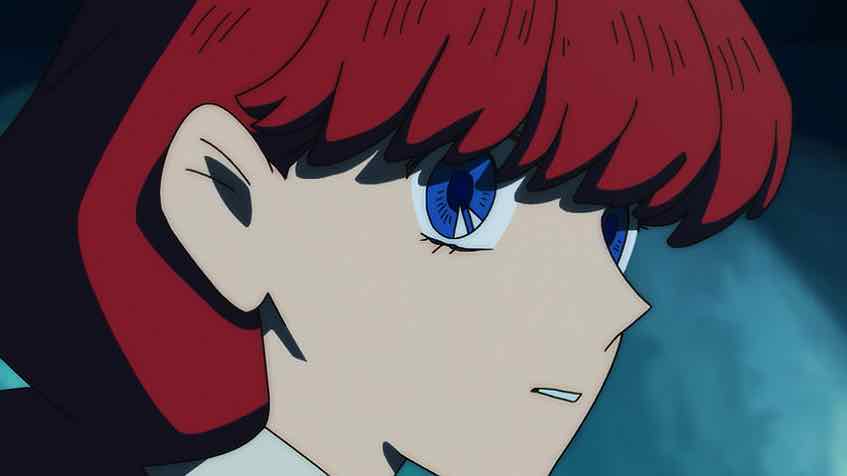
This business about Lara having to stab the one she loves to save her family is pretty much lifted right from Andersen. And it was certainly Mari whose face appeared when Rowan spelled that out for her. It’s also worth noting that she clearly did love the Prince, who it’s strongly implied is connected (reincarnation?) to his lookalike Luca. And indeed Rowan also implies that being betrayed by him was what turned her “light” into a blade, and that it seeks revenge against the blood of her betrayer so it can turn back into light. So basically, who the hell knows.
Just what Lara’s light is really stands at the center of the whole mystery. “Lara” is a name with connections to light as a meaning. It’s of Greek origin and probably comes from Larissa, and has connotations of both “fortress” and “light” (and that sure fits). What’s striking to me is that Rowan and his older daughter seem to want to do pretty dark things with that light. It sure sounds like this is a revenge game for him – he blames humans for the death of Lara’s mother Rigmor (despite the seeming Latin implications the name means “powerful mother” in Andersen’s native language). And for pretty much every ill in the world. He calls Lara’s legs an abomination, and basically sounds like he’d like to wipe out the human race.

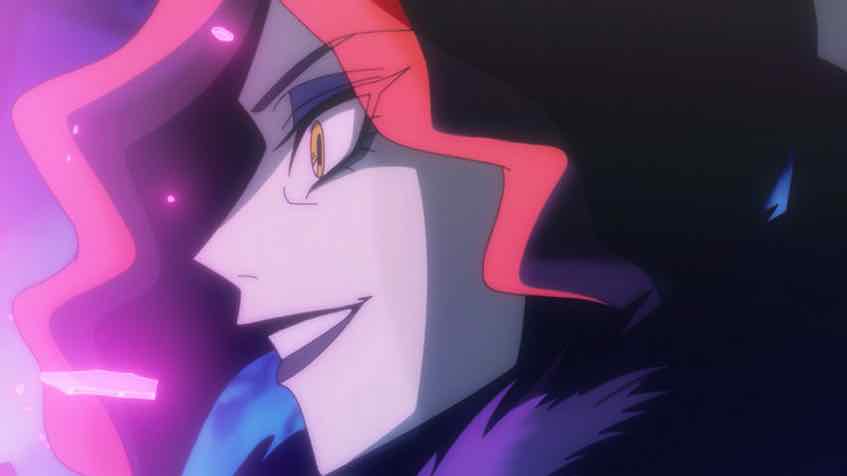
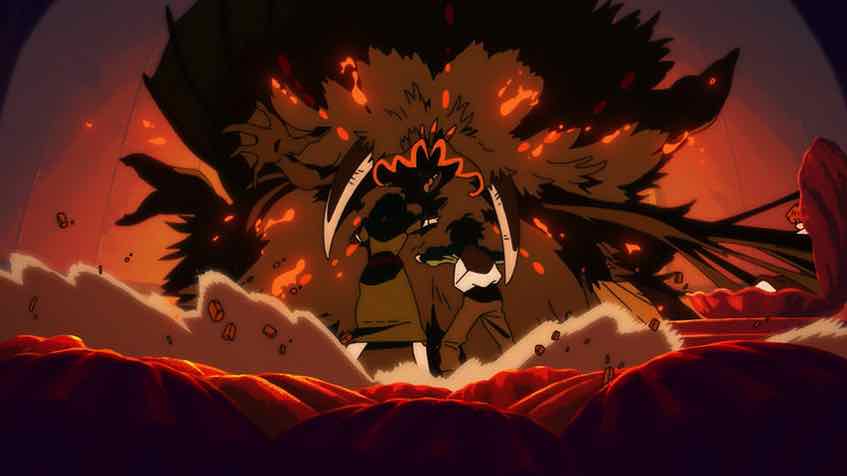
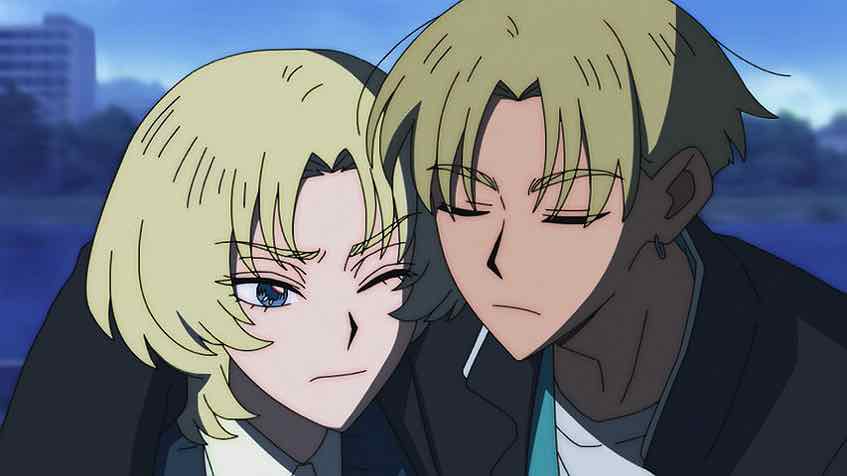
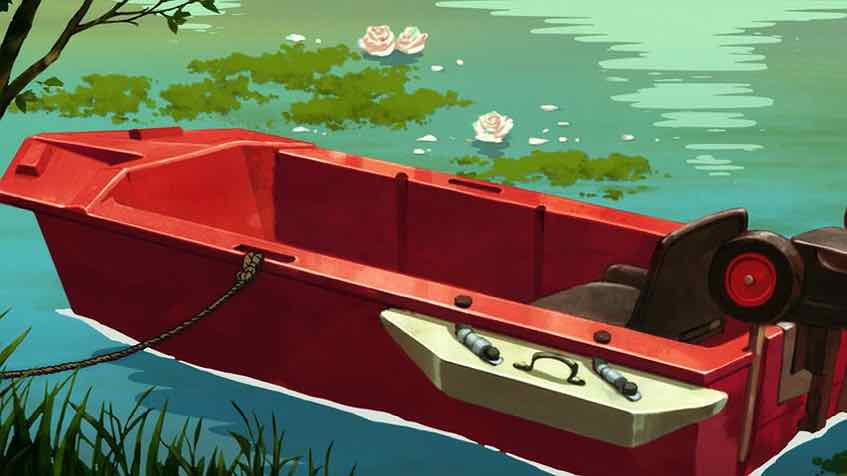
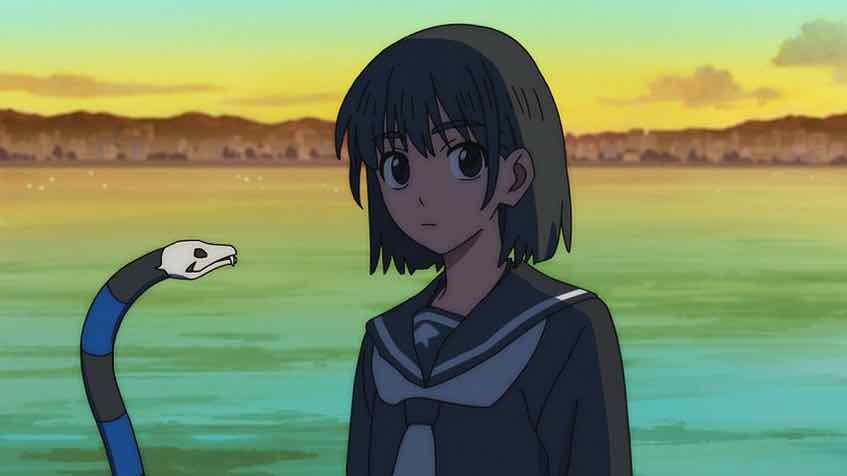
Where does Grace come in? The details are still fuzzy in my opinion, but I feel – and have for a while – that Gon-chan was trying to save Lara from a fate which she I think correctly refers to as a curse. Perhaps to give her love for its own sake, or just to set her free to do as she will. Is Grace dead? Maybe, but if so at least one of her snake minions is still around, and kidnaps Mari to bring her to Okishima right after Ishiya has finally procured a boat and the pair of them and Luca are about to go to the island. I suspect that’s exactly what Ishiya and Luca will do now that Mari has been snatched away.
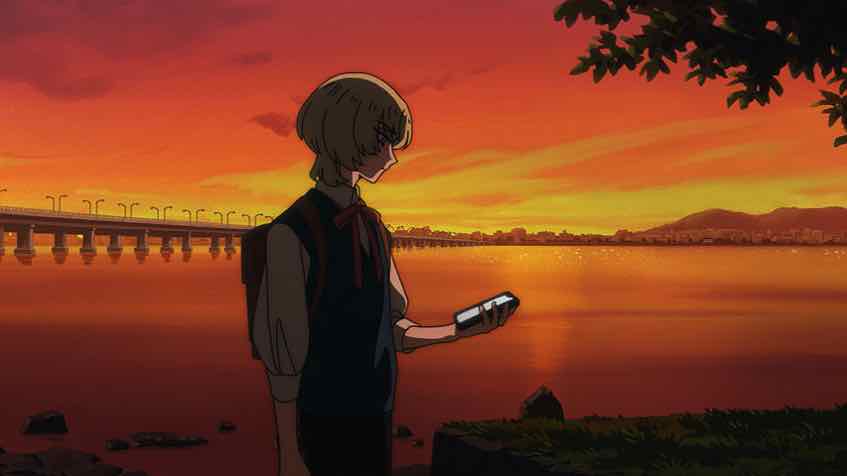
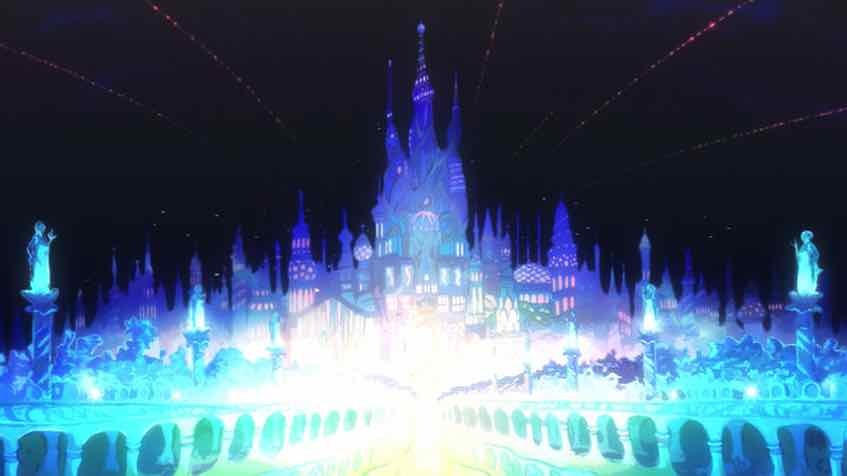
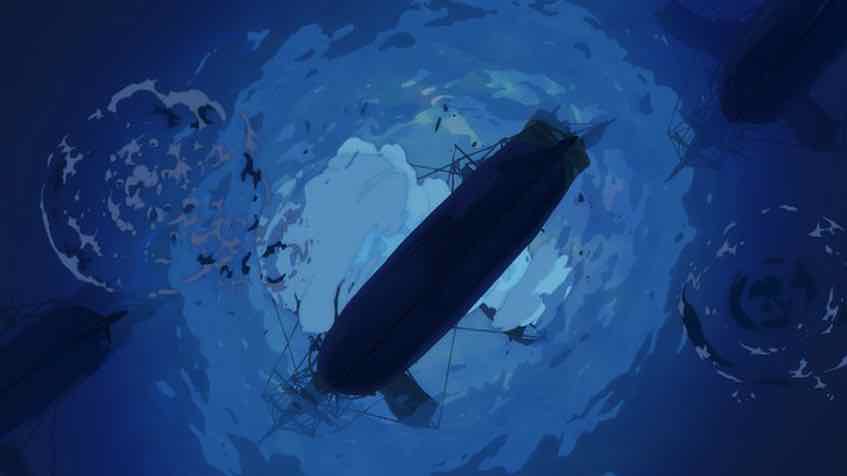
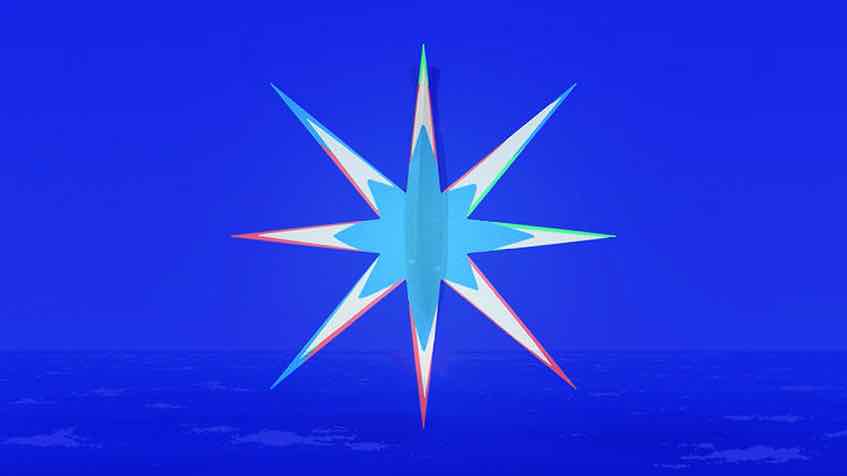
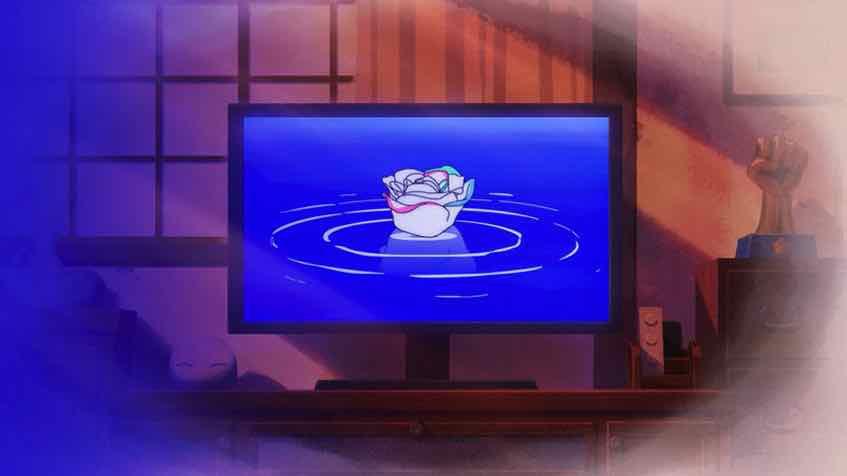
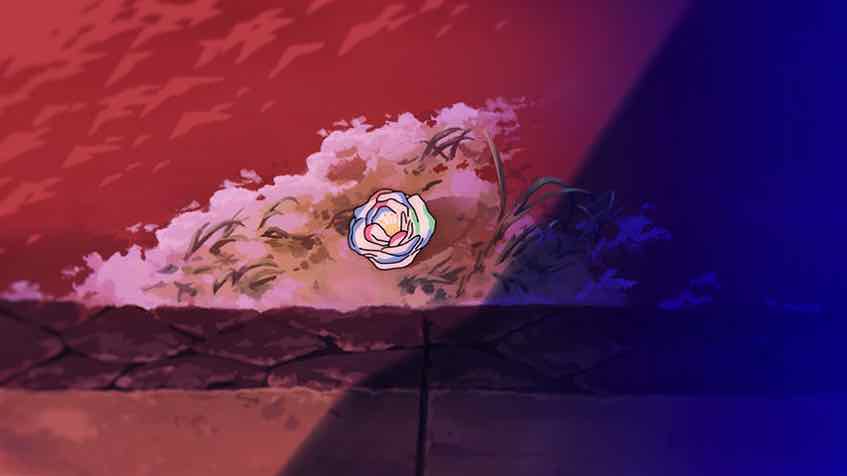
This show is very interesting both visually and narratively, and I give it high marks for that. It really strikes me though that this is sort of show that really should have been 26 episodes (or at least two cours of some length), as indeed it would have been for most of anime’s history. Like Mawaru Penguin Drum, a series it increasingly reminds me of (and I expect a similarly bleak ending). And in fact I learned this week that there’s a sort of second-degree relationship there, as director Koide Takushi’s mentor is Tomohiro Furukawa, whose mentor was Ikuhara Kunihiko. You can really trace the bloodlines, which is very cool. I think Lara has bitten off more than it can chew in 12 episodes, but that’s anime in 2026 – it’s a miracle that it saw the light of day at all, no pun intended.





















Llinos
September 8, 2026 at 5:27 pmYes! I’m so excited that the Mawaru Penguin Drum keeps increasing for you. It’s a quality of a show that has continued to build for me as well. I feel internet cool for pointing it out in episode 3. Love that there is even a directorial lineage resonant here as well.
I’m really looking forward to how things will wrap up here. While I do think two cours would have been great here, I also wonder if they would have been able to maintain some of the opacity they feel drawn to with the narrative. I think the shorter episode length allows us to forgive not having clear answers in a way that you might want more coherent narrative structure from a longer series length. Either way it’s been a delight for me. So glad you stuck with it!
Obviously very off topic, but I was wondering if you were watching Neko to Ryuu. Very breezy show, and the cat focus has been great! Once you get over how it decides to set up the premise. ^^;
Guardian Enzo
September 8, 2026 at 6:41 pmYeah, I forgot you theorized MPD was back in Episode 3 so my apologies for that. But I really see it now.
I haven’t seen a second of Neko-Ryuu, just no time. It’s one I’d like to check out but time is always the issue.