


At long last, the main event.


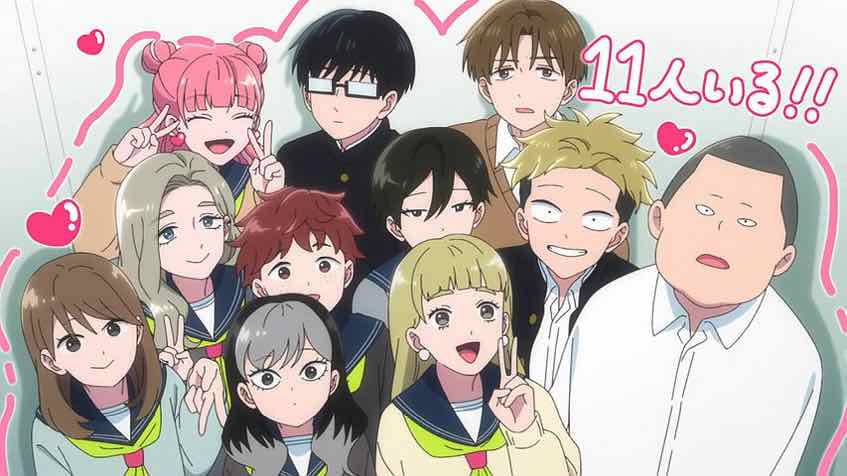

 Needless to say, I really like this series. That should be bloody obvious by now. But it’s TairAzuma that speaks to me most powerfully among all the voices it speaks with. I already had a lot of respect for Agasawa Koucha just for being able to create a romcom this charming (and Ramparts of Ice is noteworthy too, if not my speed). But the truth is, mad respect for her realizing which were the two best characters and building up to them. It takes guts generally to so freely veer away from the main couple, but it’s clear Koucha understood that this was the pairing that really had dramatic legs.
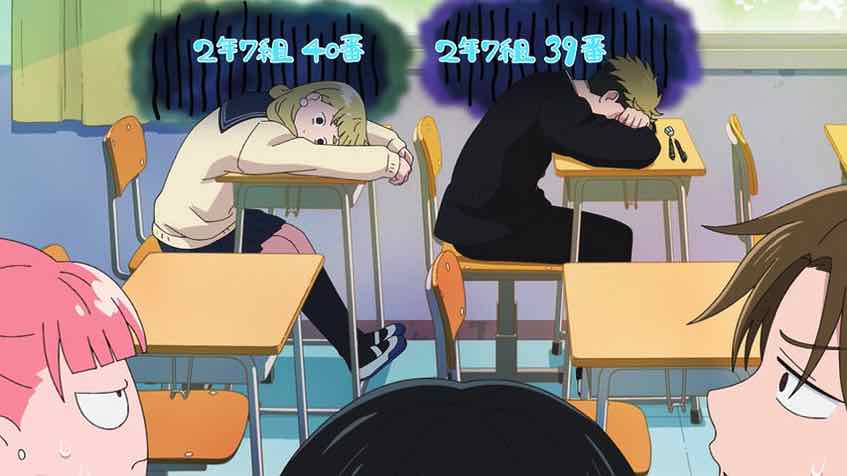
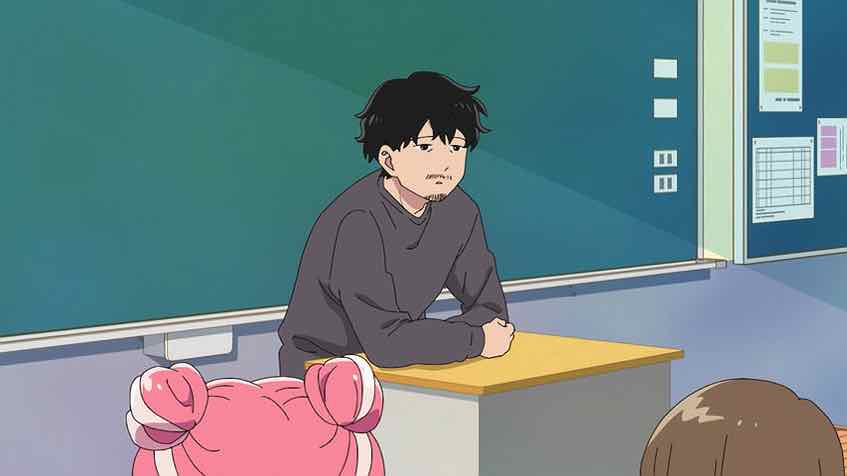
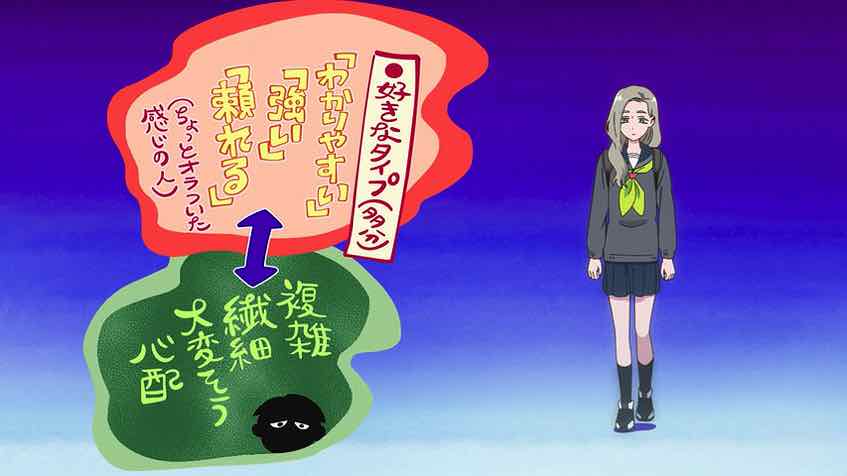
 There are a lot of “there are two types of people” that more or less hold true. Males and females, introverts and extroverts, etc.. But the one that really resonated this week is people for whom life comes easily, and people for whom it’s really hard. I feel Taira, truly I do. If you’re a person who overthinks you can’t help but see yourself in him. It’s so hard to live in the moment when you’re worried about the repercussions of everything. Probably the best clinical term for what Shuuji is would be neurotic, but neurotics are like snowflakes. No two manifest the same.
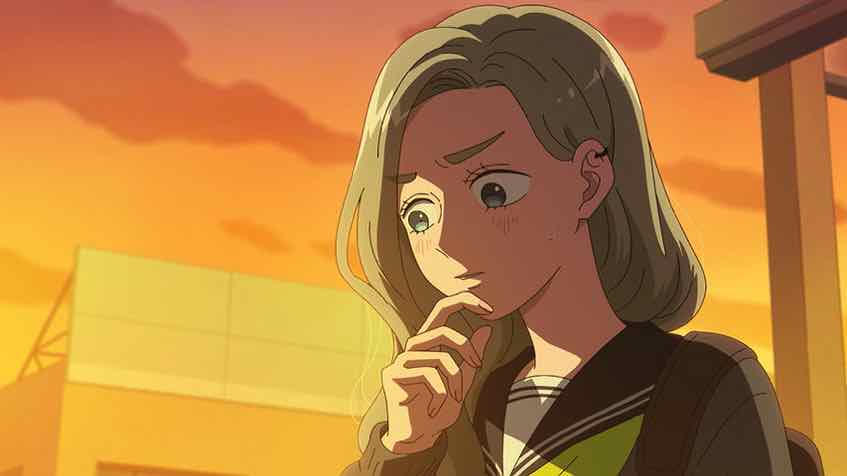
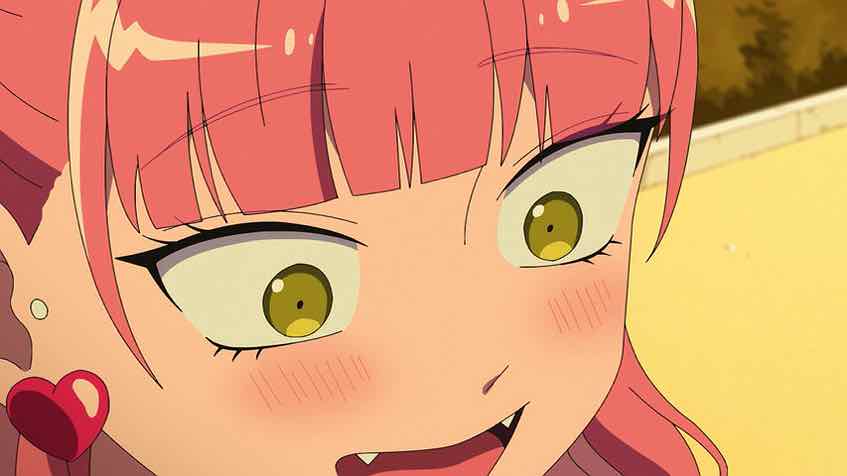
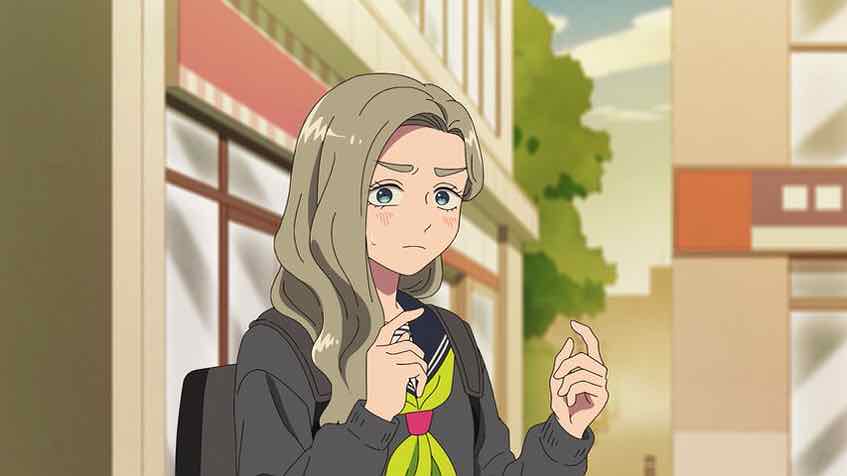
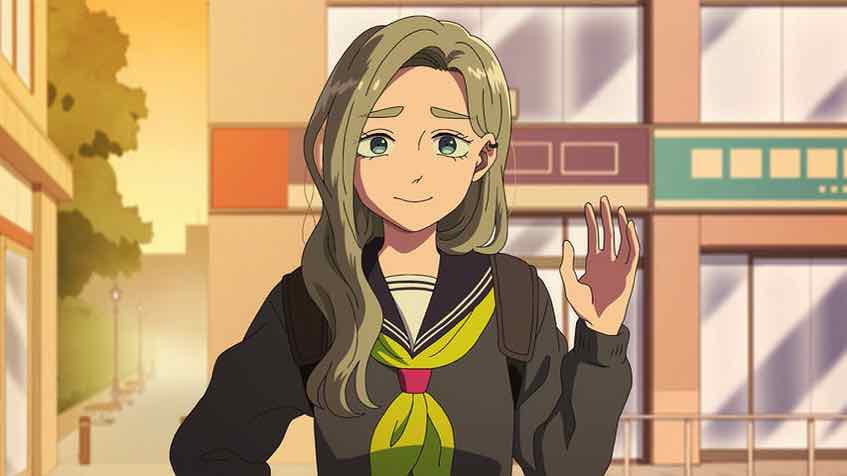
 The title of this show is everything you need to know about it in some sense. But – as with everything else about them – it’s more complicated with TairAzuma than the other two couples. Superficially sure, Azuma laughs easily and can casually shoot the shit with anybody and seems to let stuff roll off her back. The anti-Taira. But she’s messed up, just in different ways. Rather than obsessing over the things that upset her she pretends they don’t exist and let them eat away at her from the inside. She hold herself back from emotional commitment because she doesn’t think she’s worthy of it.
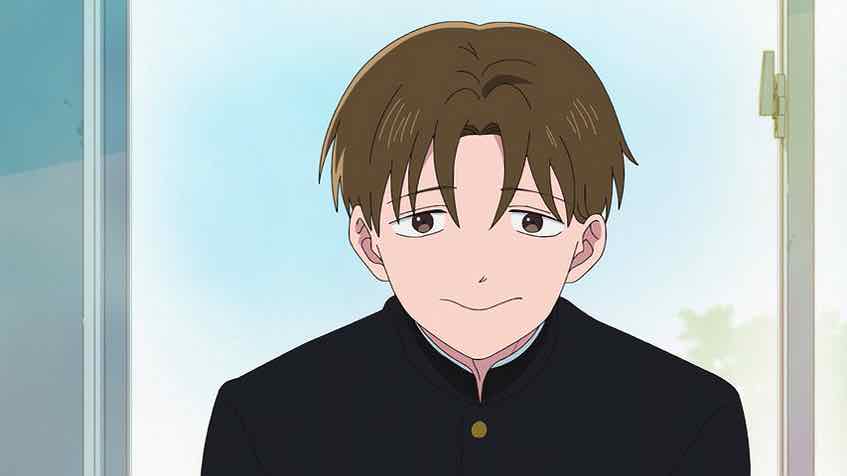 I think all good couples help each other change in ways that are beneficial for the person involved, including MiYuusuke and NishiYama. But it’s more literal with TairAzuma. The difference is, Shino is more able to take when Shuuji (or Miyu) tells her and roll with it. Shuuji pretty much nurses all his grudges against life – and himself – eternally. He can explain why things bother him, but that doesn’t make them bother him any less. And he’s the proverbial elephant that never forgets. He builds up emotional scar tissue (“I have a weird laugh”) like karmic arthritis and it restricts his existential freedom of movement.
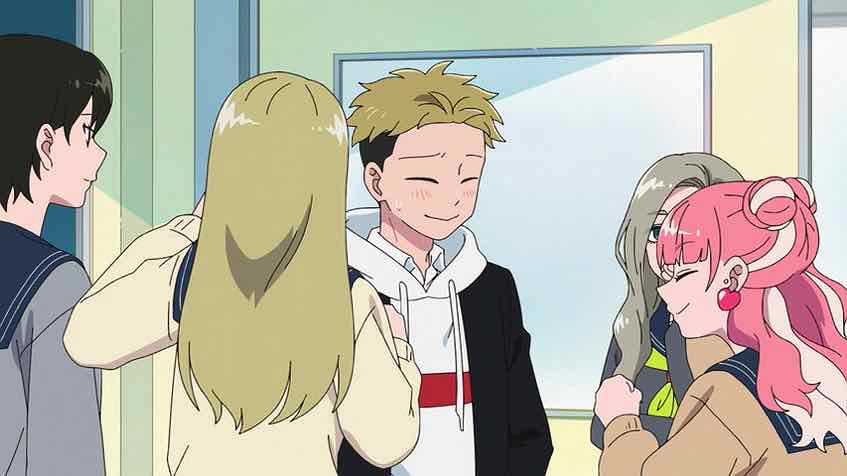
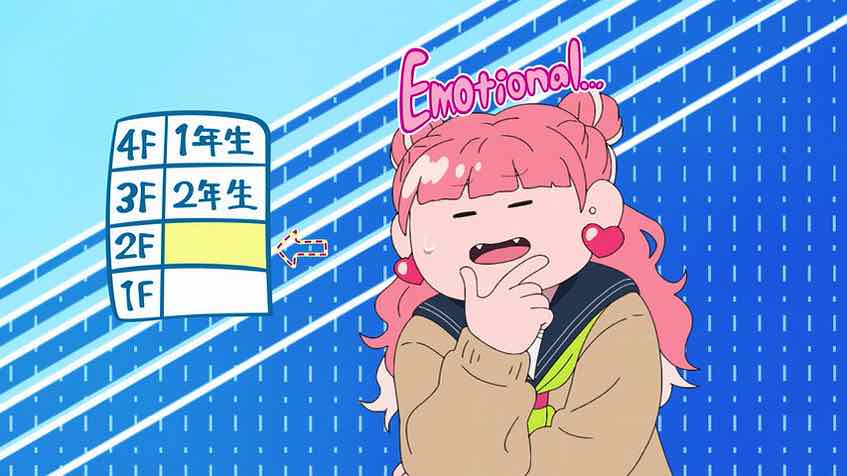
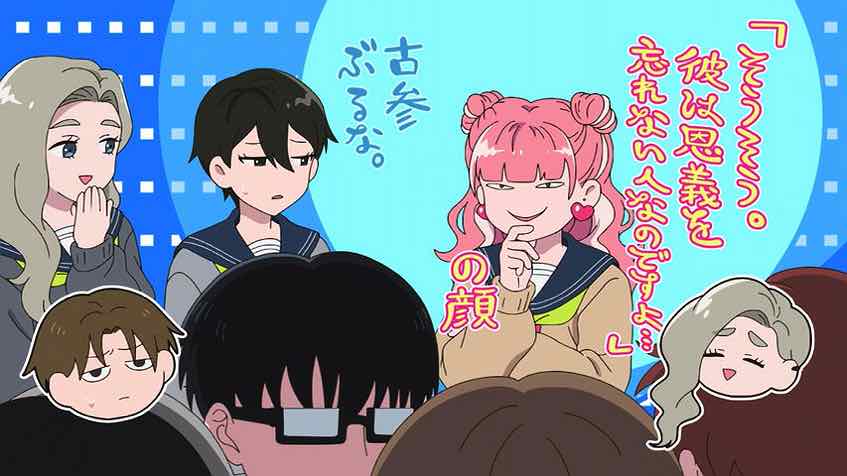
 Still, there is such a thing as progress. Taira won’t allow himself any credit for it, but having a social circle is a big growth step. I have no idea what “Prince Shotoku-style retorts” even means, but it shows he has a role in the team. Would the old Shuuji have kept his schedule free in case the group wanted to get together after the last day of class? Having friends is immeasurably important for a kid who doesn’t fit in, no question about it. But there is something different with Shino. They’re both aware of it but don’t quite know what it means or how to process it.
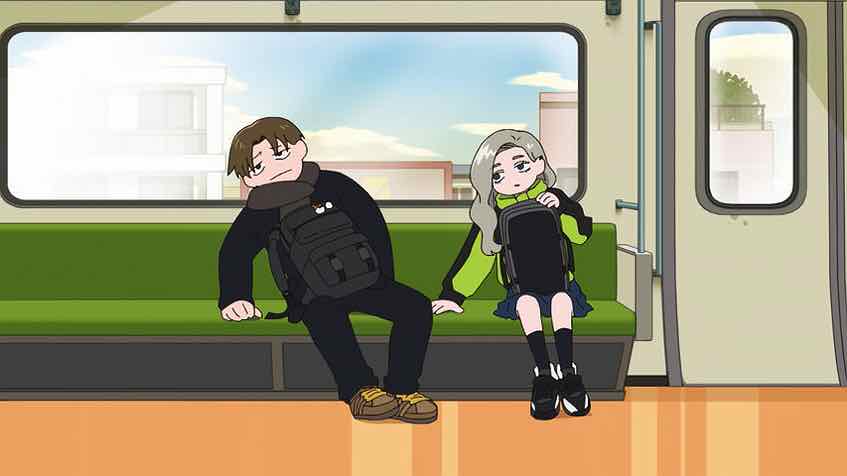
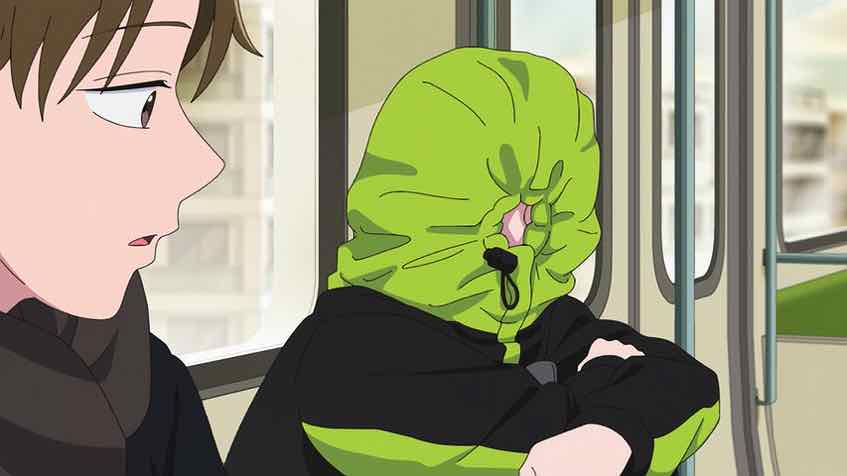
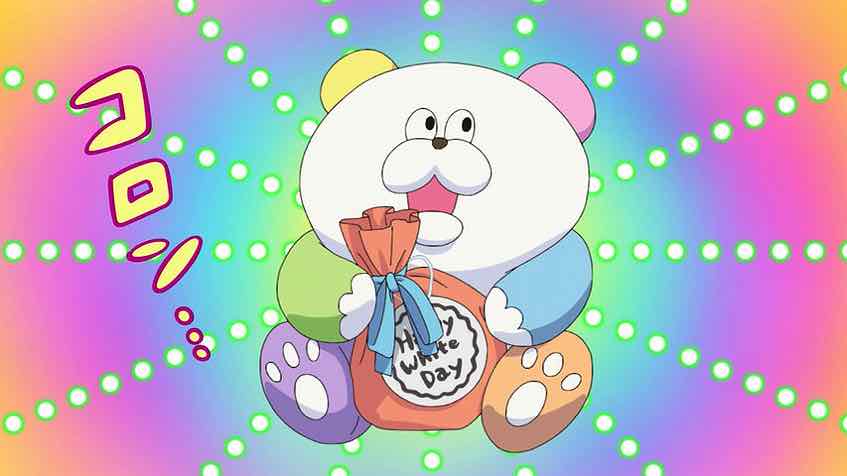
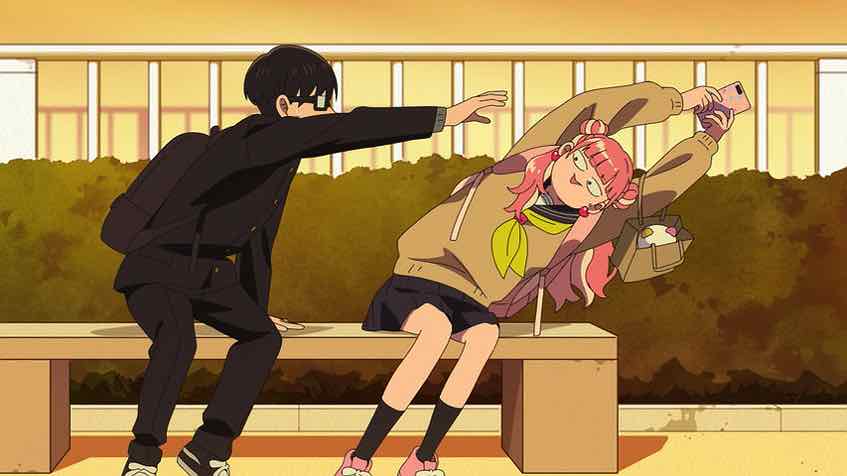
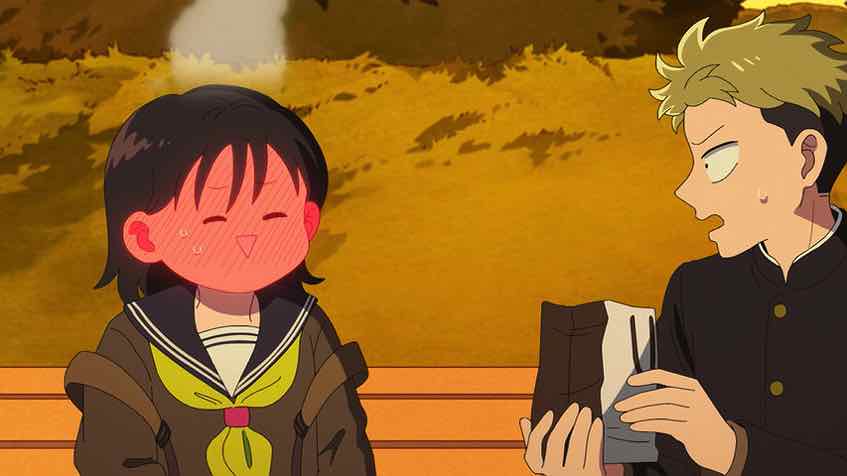
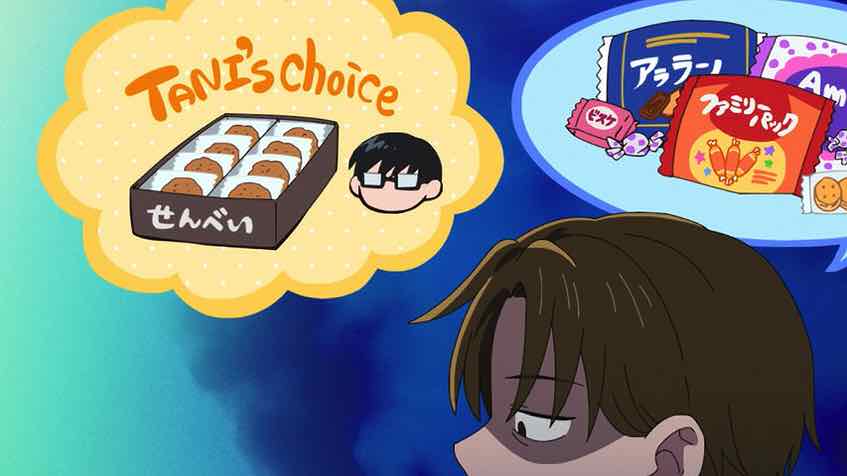
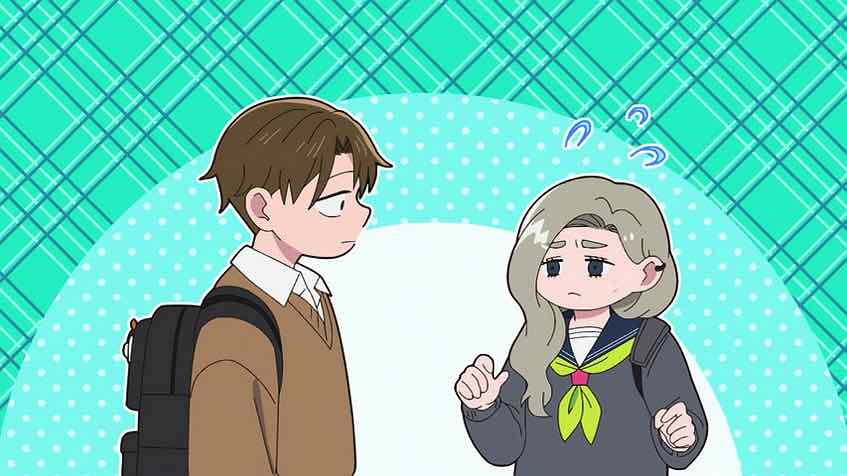
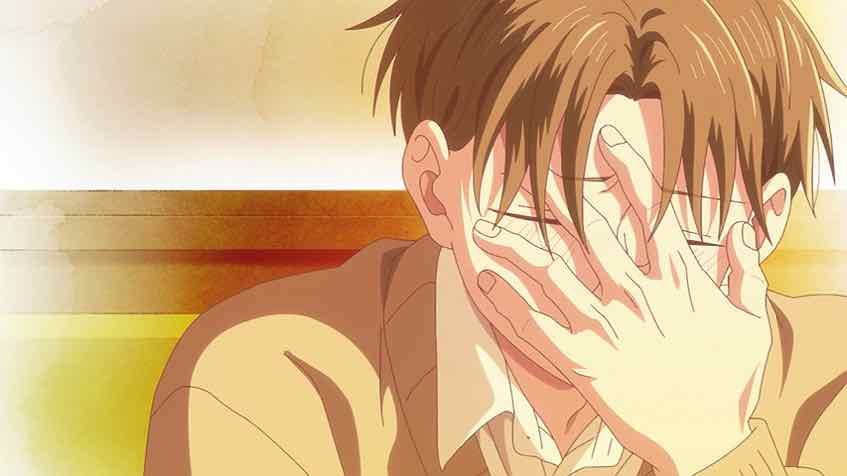
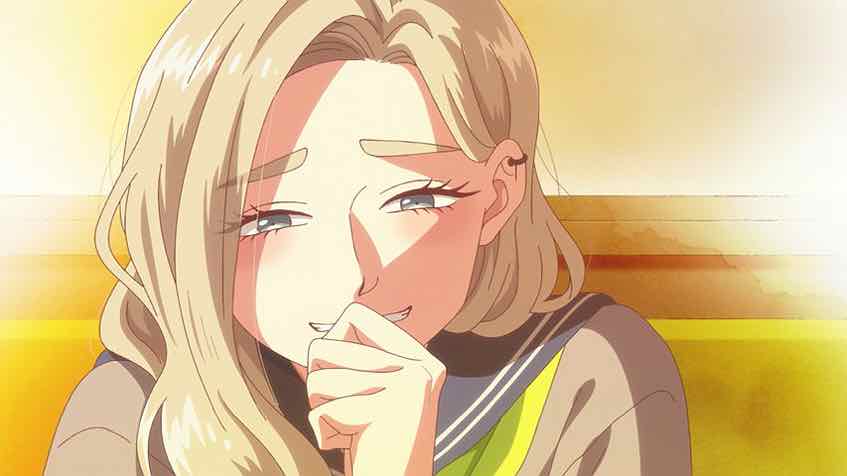
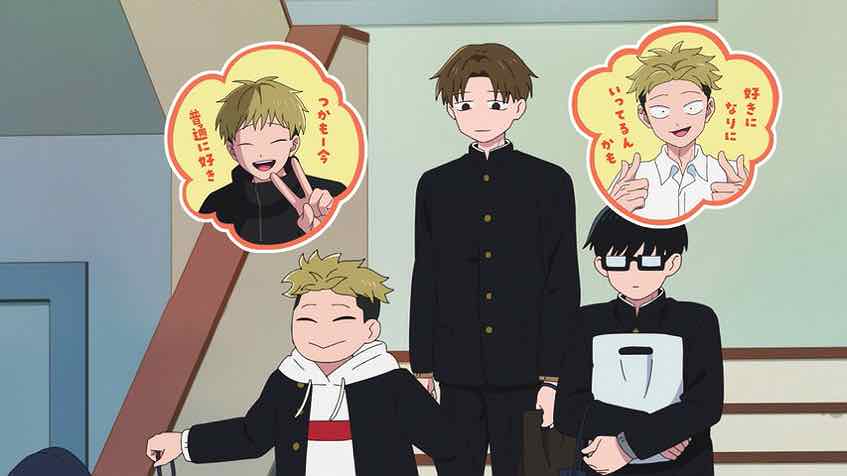 The real joy of the B-part this week is watching these two try and figure out just what they are collectively. They’re comfortable with each other, clearly, even if there are sometimes awkward silences (hey, this is still Taira). Shuuji has come to realize that Shino has been doing a lot for him and at the very least, he’s grateful and wants to show it. The White Day thing is an example of that. Shuuji admitting the truth about his laugh insecurities is very telling. But at the end of the day, he’s still ready to sign off at their home station. It’s Azuma who suggests, for the first time, that they extend their day.
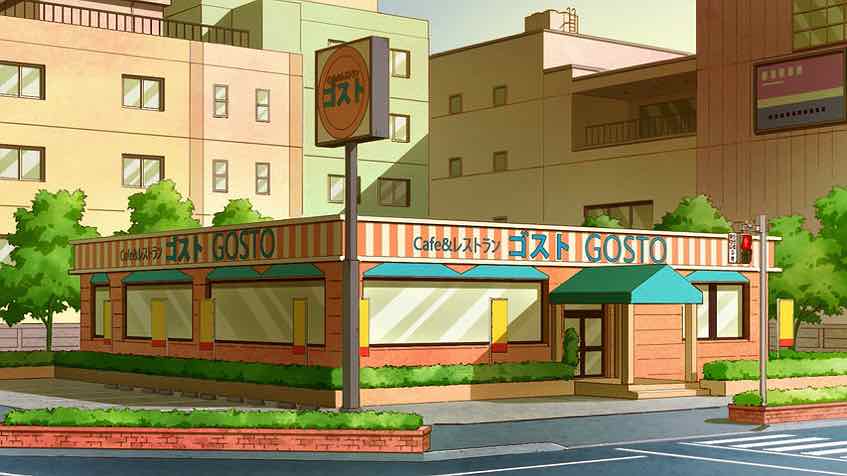
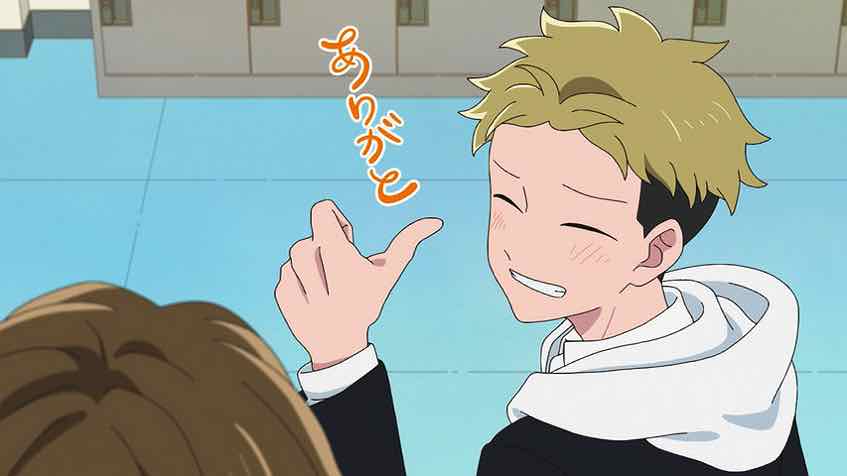 Even she doesn’t know exactly what that means, obviously. But he does agree, and they head off to “Gosto”. He stresses over someone he knows seeing them, but catches himself and realizes how pointless that is (albeit in characteristic over-analytical fashion). She tries to order from a server, as if such things still existed in Japanese family restaurants, and the pair of them have a good laugh about it. And at the end what they share is no confession – she tells him she’d like to have him keep sharing his troubles, and vice-versa. But if these two weren’t the slowest of burns, they wouldn’t be nearly as fascinating as they are.
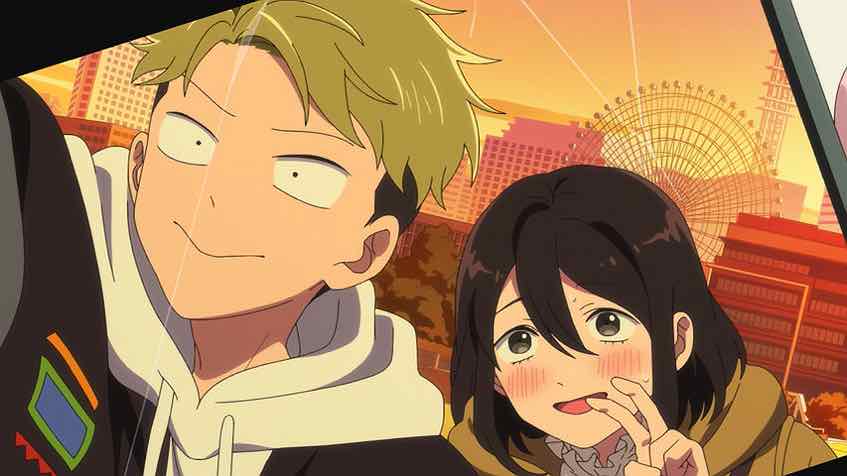 “He isn’t the type I like in that way at all”. “When there’s a distance between us, I feel lonely”. “When he’s close, I feel happy”. And most importantly, “This restless feeling I have right now… I wonder which feeling it could be”. All that adds up to a realization – whatever “it” is, for Shino, it’s different with Shuuji than it is with anyone else. I think this places her one step ahead of him, but they’re finally moving in the same direction.



























Nadavu
August 10, 2026 at 4:33 amI don’t know about the retorts, but isn’t Prince Shotoku the guy whose face adorns all Yen bills?
What made this show stand out was the speed at which the main couple got together. I remember marveling at the concept of a confession on the first episode and not even a cliff hanger. Then Yamada and Nishi took their very sweet time, but we’re half-way through season 2 and Azuma and Taira are finally starting to suspect that maybe they like each other. Marvelous pacing. Bravo.
Guardian Enzo
August 10, 2026 at 9:17 amPrince Shotoku is arguably the most revered man in Japanese history. Founder of Horyuu-ji, one of Buddhism’s greatest patrons, author of the Taika Reforms. But I never heard anything about him being known for snappy retorts.