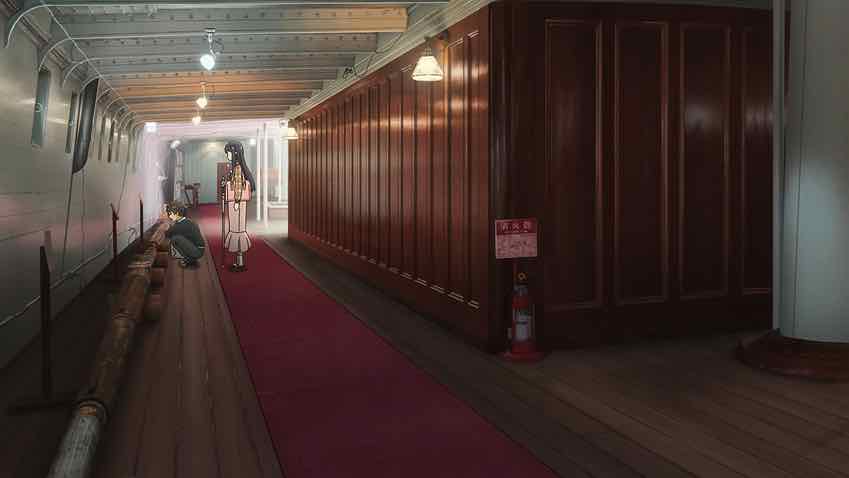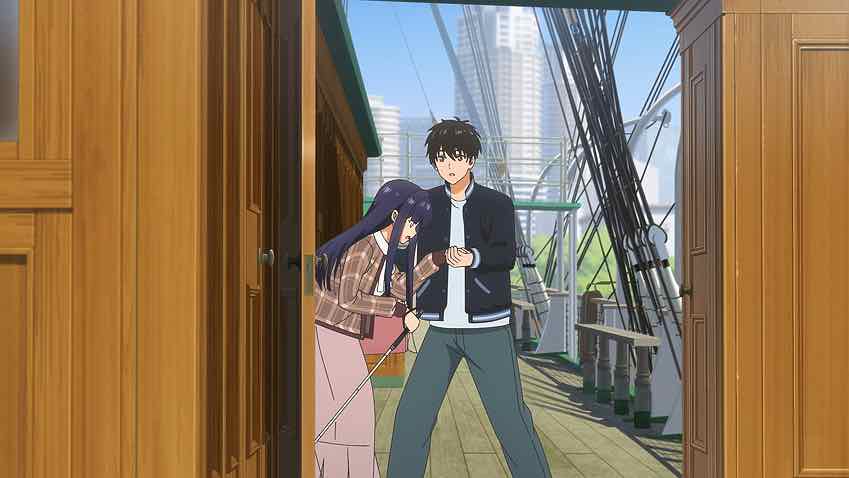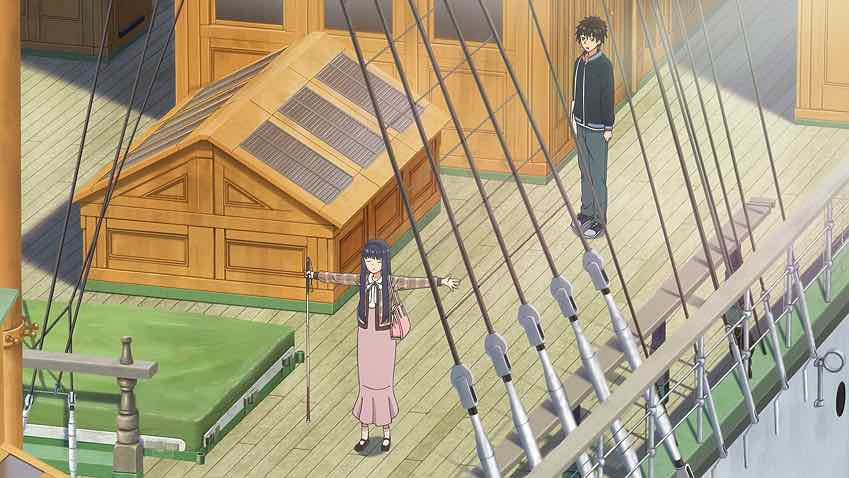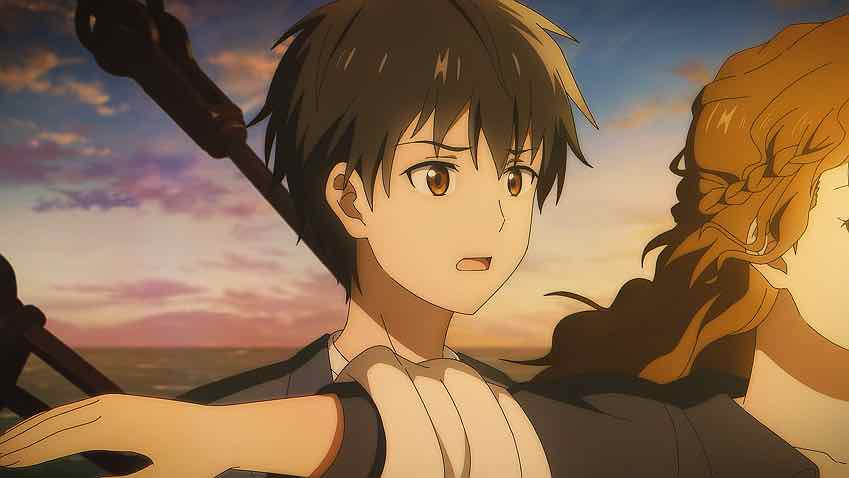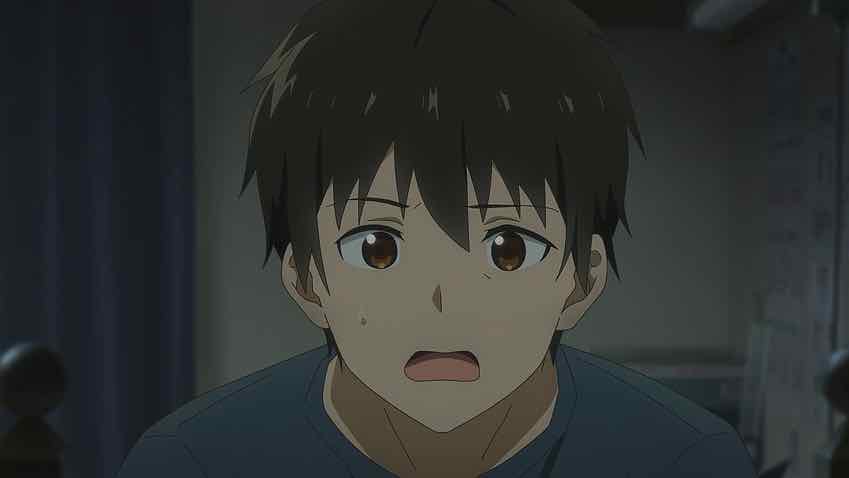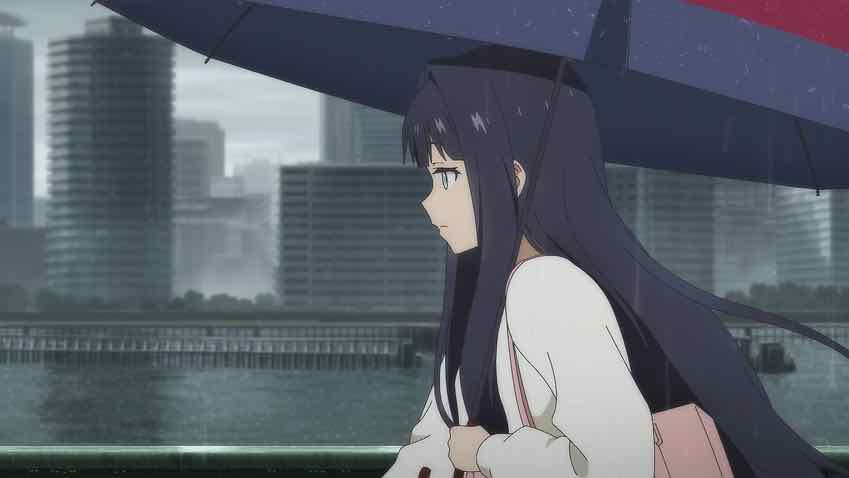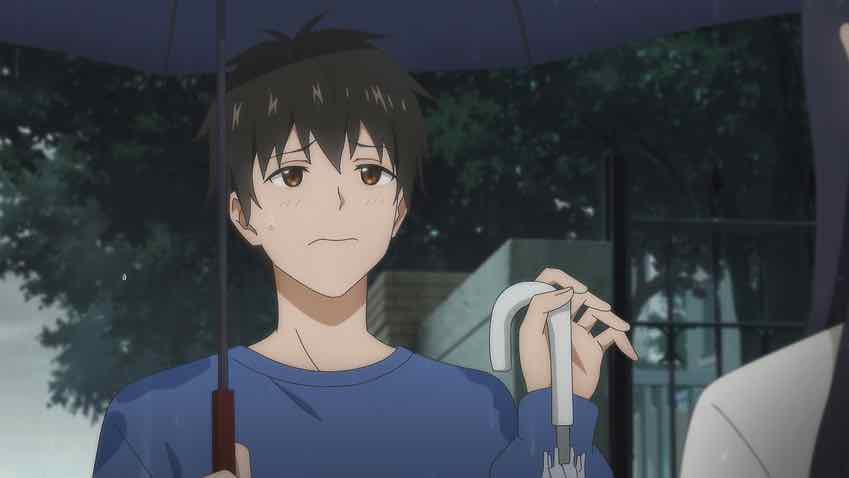


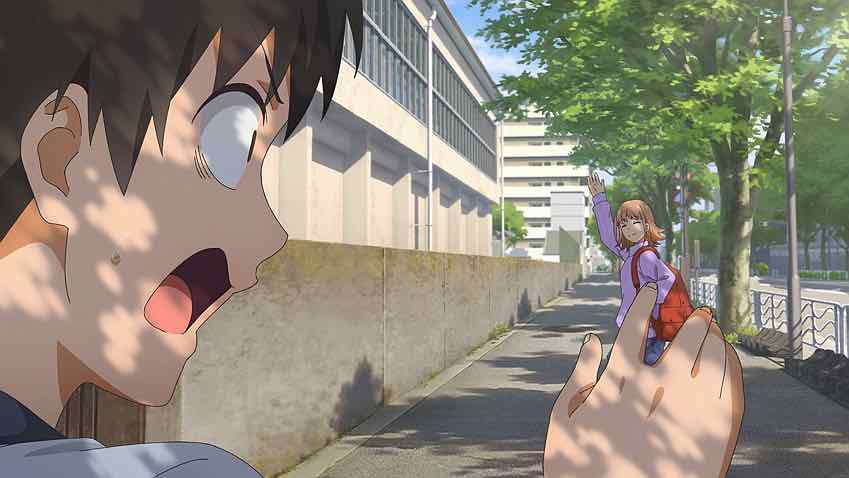


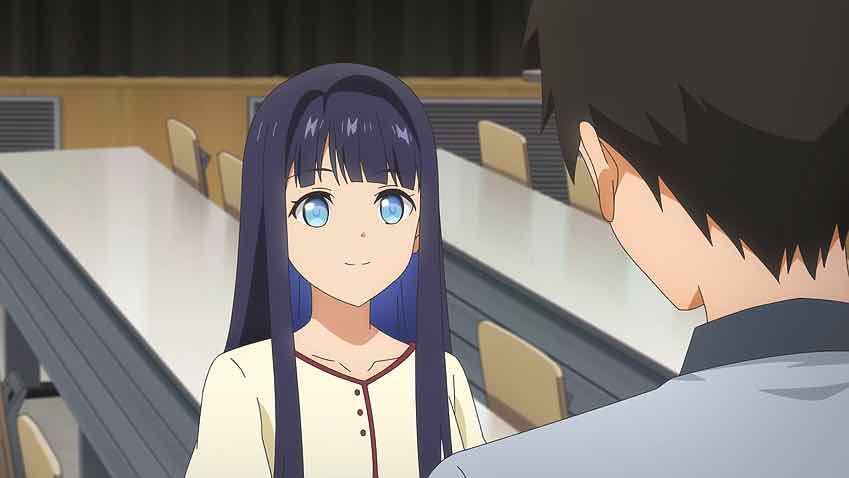
 Two episodes in, Toumei na Yoru ni Kakeru Kimi to, Me ni Mienai Koi wa Shita. seems like the best bet among this season’s LN adaptations. The non -KyoAni ones anyway. That’s a low bar – there are plenty of seasons where I don’t cover a single LN anime. But one does try to keep an open mind, and so far Toumei is pretty solid. Both leads are getting strong seiyuu performances, especially from Irino Miyu. We’re not immune to the narrative shortcuts (and endless titles) endemic to the medium and the usual oversimplification of emotion does show up at times. But on the whole this show is quite restrained in a good way.
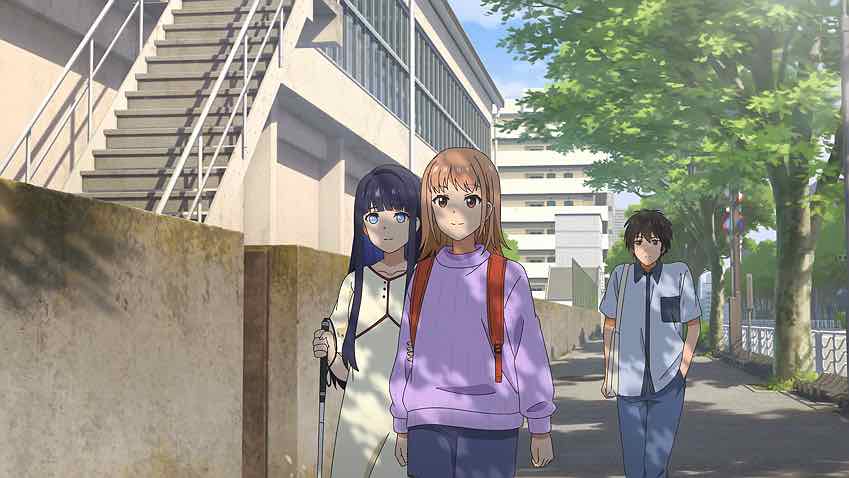
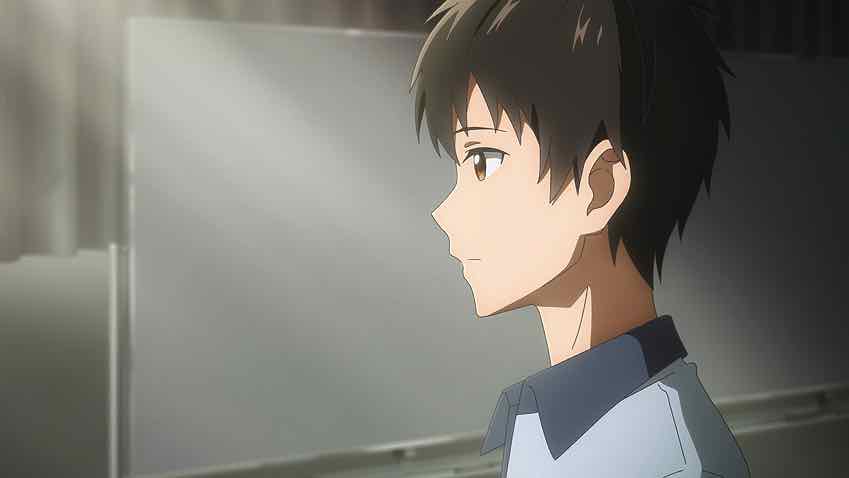
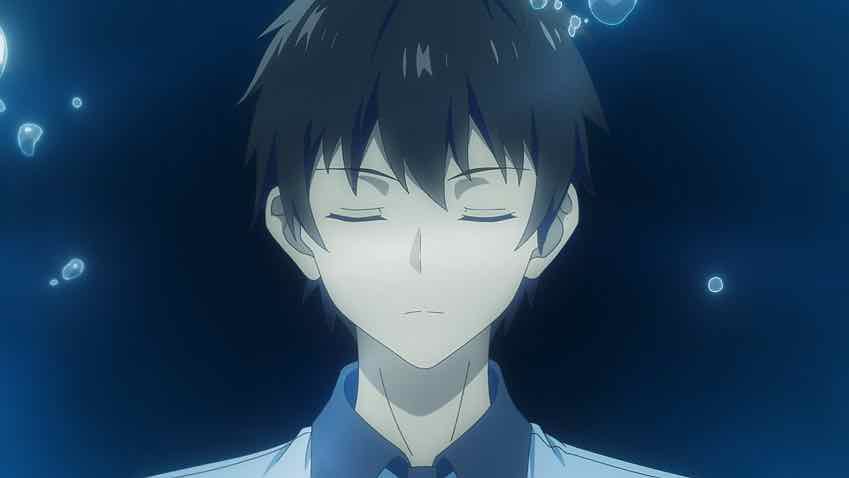
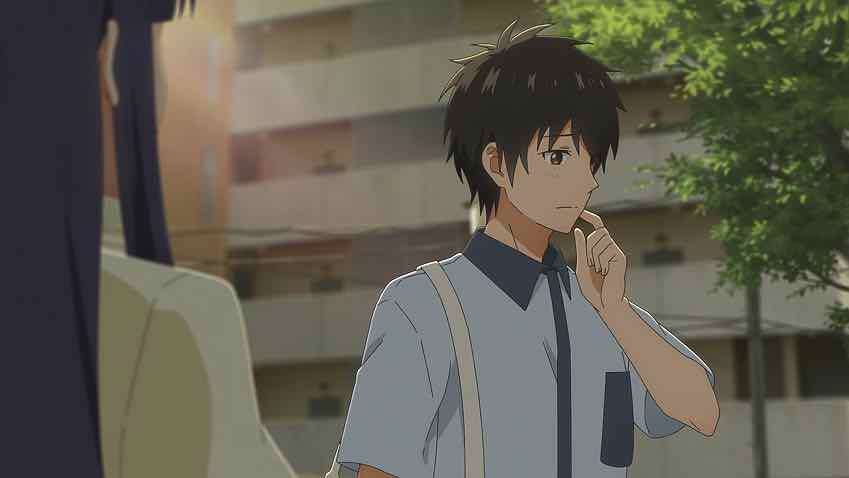
 Essentially what makes this premise interesting is the inner workings of the Kakeru character. Basically he’s a guy who loves feeling sorry for himself and is kind of offended that Koharu – who in his view is way worse off than him – seems not to. He wouldn’t think of it in those terms of course, but that’s exactly the point. Where does a girl who can’t see get off not being miserable? The element of his just not wanting to be bothered is there too, but this is the gist of it I think.
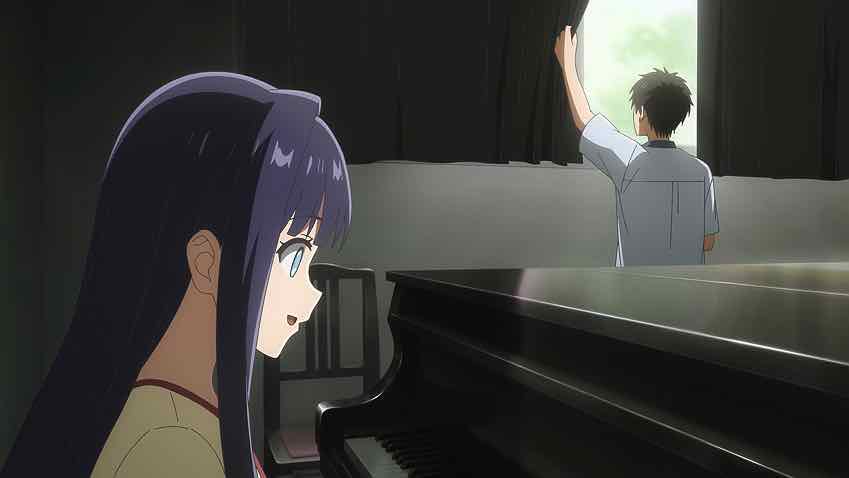
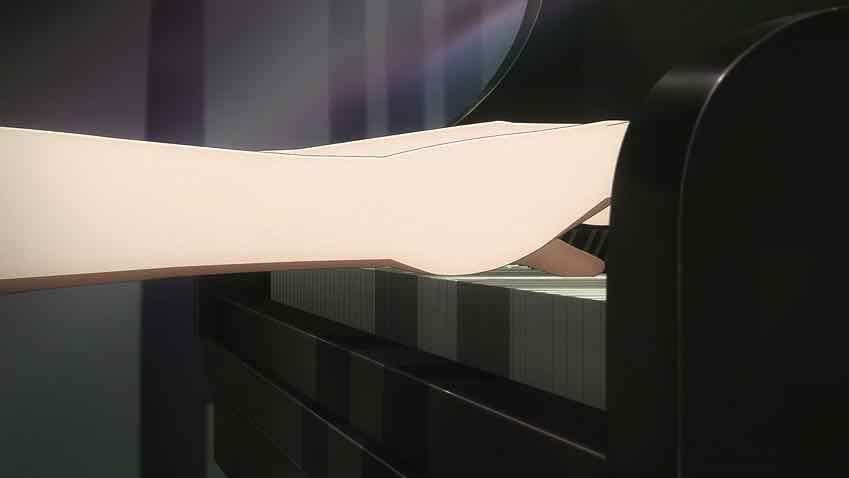
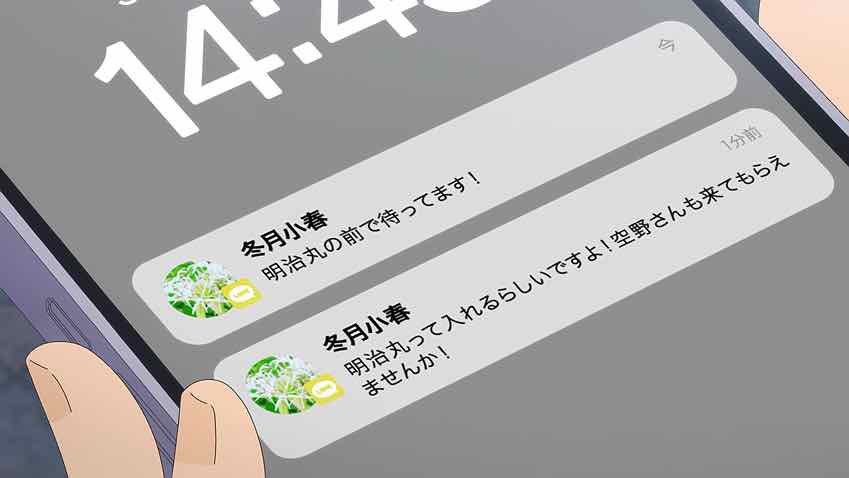
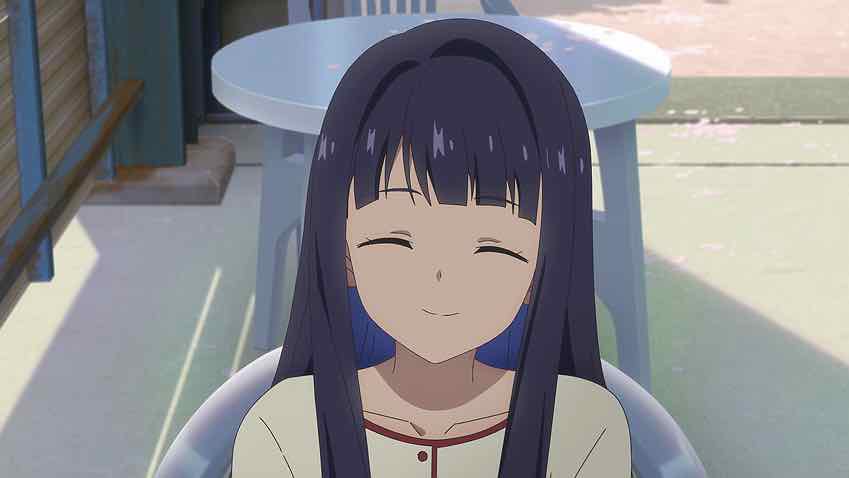
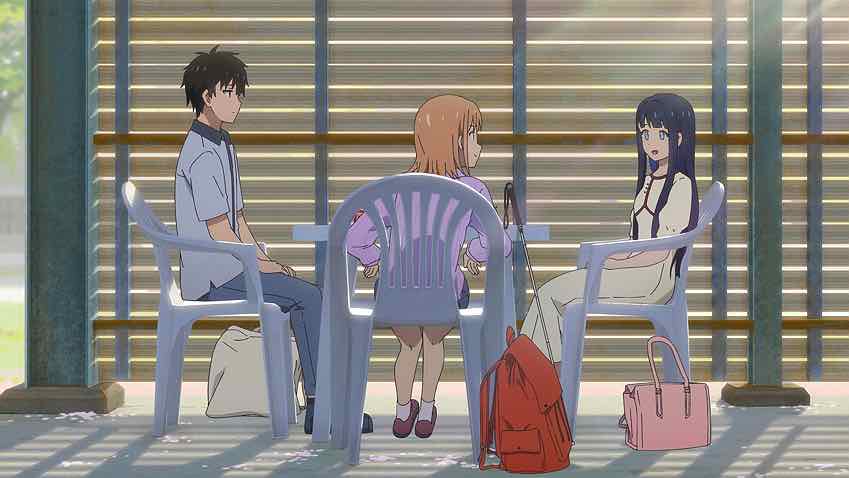 One thing we learn this week is that Koharu did have the ability to see at one point. Kakeru isn’t sure how to take this – he’s not really ever sure what he is and isn’t allowed to say – but again, she seems quite sanguine about it. Better to at least have the memories of what things and people look like, even if she sometimes has inconvenient reflexes as a result. We also learn she plays the piano, and Yuuko (who’s an extremely pushy person, let’s be honest) immediately jumps on that to get her to test the piano in the memorial hall for use at an event.
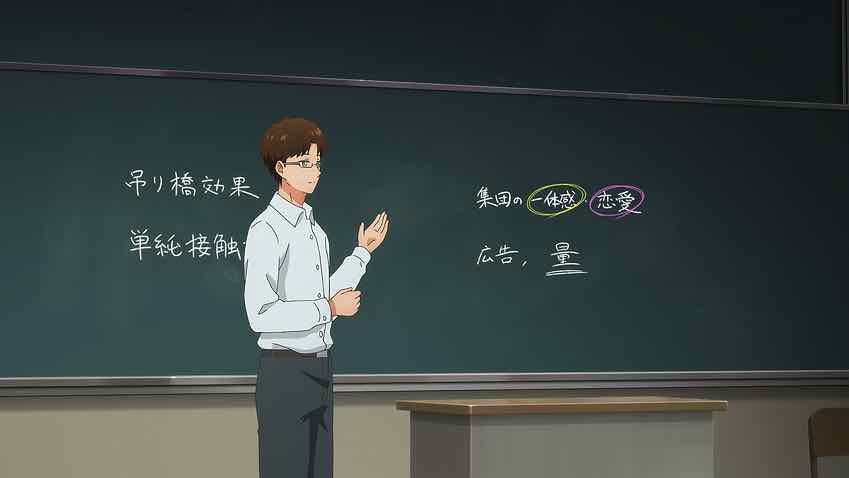
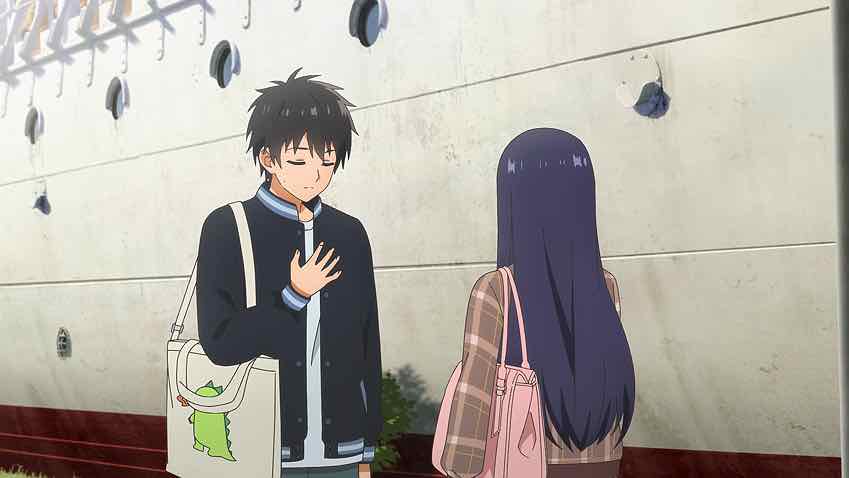
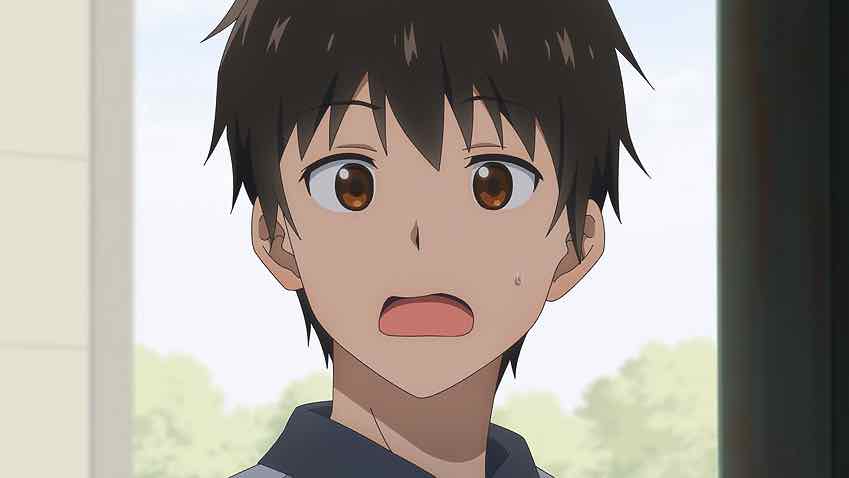 This dynamic is interesting, at the very least. I’m curious where the writing goes with Koharu. Is she compensating by acting cheerful when she’s really hurting inside, or is this just who she is? It’s kind of dangerous territory to tread but again, interesting. I think Kakeru’s attitude overall is pretty realistic for someone who hasn’t had much experience with disabled people. What is he allowed to say and what isn’t he? But he’s slowly transitioning from seeing Koharu as a burden to enjoying his time with her, to the point where he has to try and explain that away with Psych 101 terminology.
 The formula is pretty lean and to the point here. So far it’s only Kakeru’s perspective we ever see, and whether that changes is an important unknown. It’s also unclear exactly what role Yuuko and Ushio are going to play, both in terms of being facilitators and being characters in their own right. But the potential is there for a pretty engaging personal drama, and Irino is perfectly capturing that tweener energy of a college student not at home either in the world of adolescence or adulthood.