



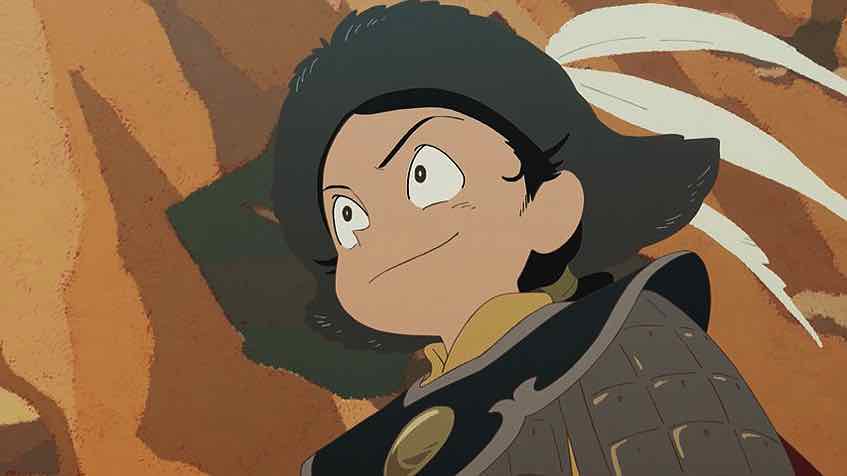
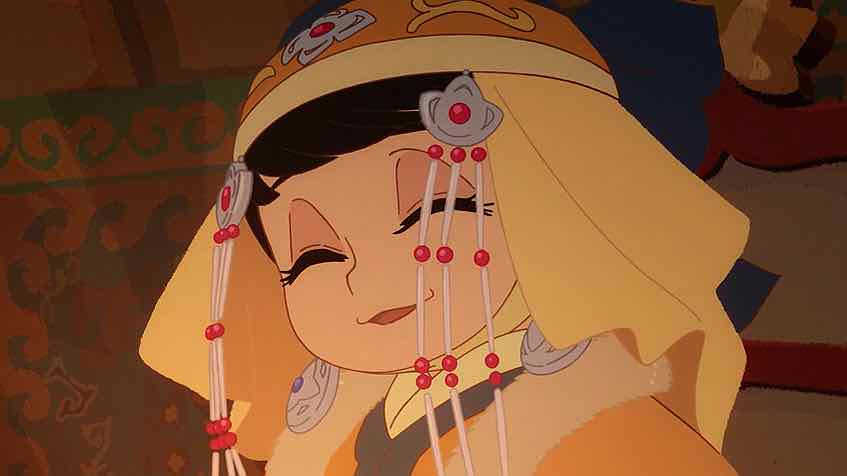
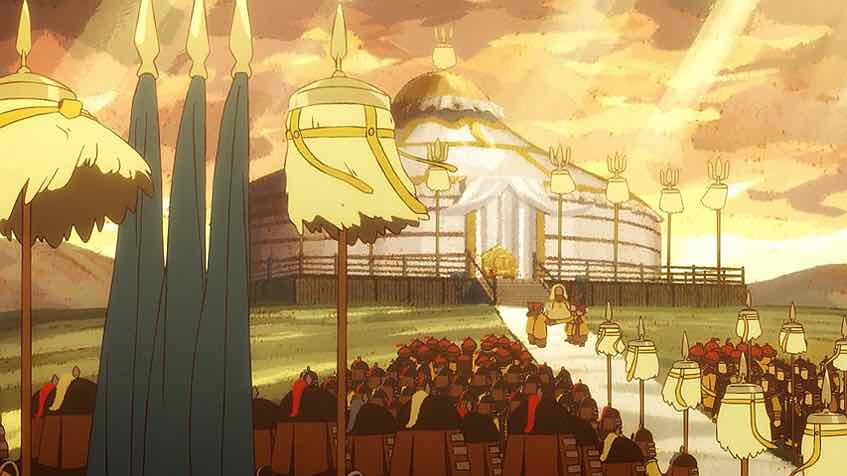
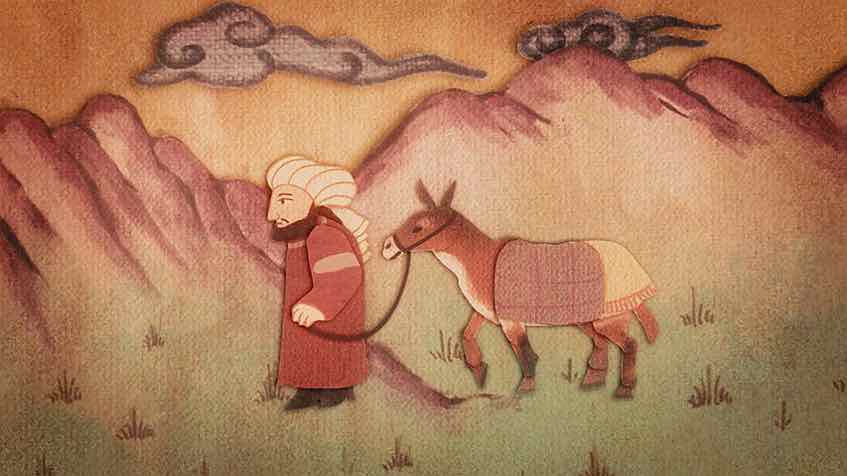
 There’s no burying the headline here, that episode was pretty great. At this stage Tenmaku no Jaadugar to an extent moves past the irritating good slavery/bad slavery trope, at least as a central pillar of the story. That makes it much easier for me to revel in the things the show is doing well, which are considerable. It is, as I noted last week, a serious work about serious things. Science SARU is doing a lovely job capturing the manga’s whimsical fairy-tale visual style, with understated visual flourishes spicing things up. We aren’t so lucky as anime fans that we can toss aside a show like this because of a few flaws, no matter how grating they might be.
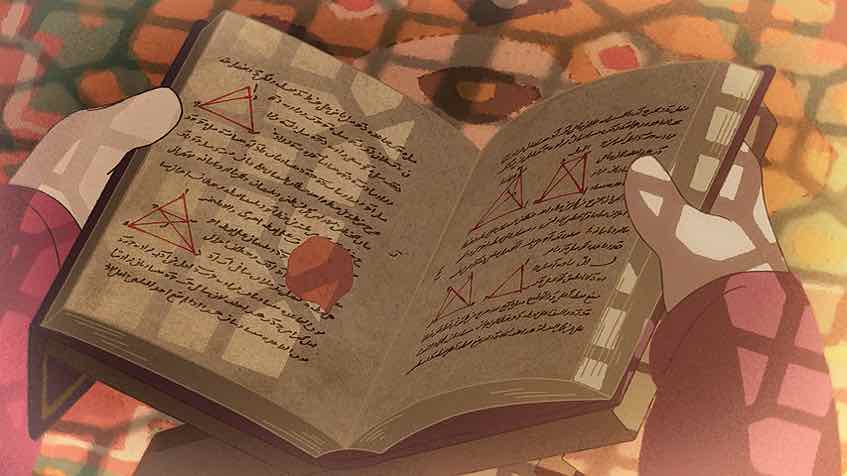
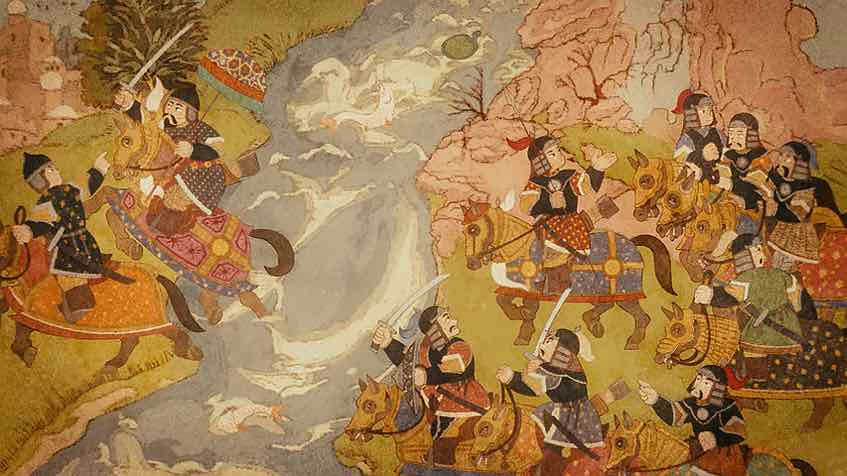
 There’s all sorts of historical context in the plot beyond the slavery issue, and the cast is peppered with characters based on real people. We’d already met Tolui, the youngest of Genghis Khan’s sons and the one responsible for the Persian offensive. Now we meet his three older brothers (played by Nojima Kenji, Namikawa Daisuke, and Shimono Hiro). Though the youngest, Tolui is greeted by eldest brother Jochi as the “future emperor”. And it’s his wife that’s the reason he was so interested in Euclid’s Elements. But neither he nor she have the ability to read it.
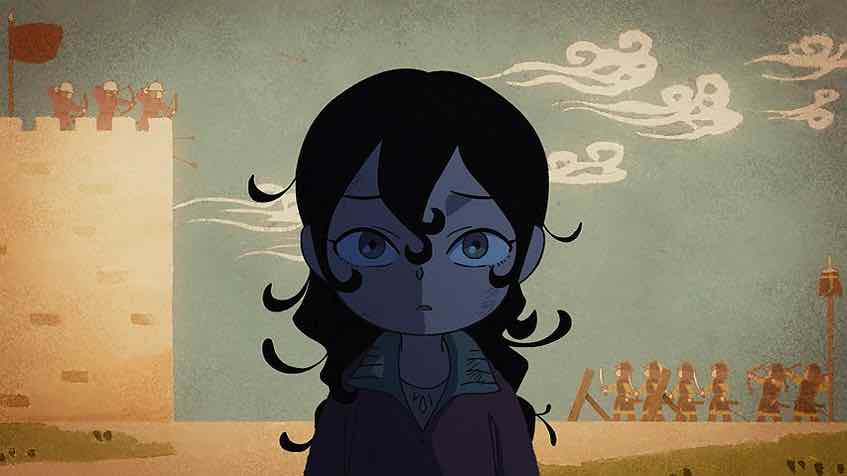
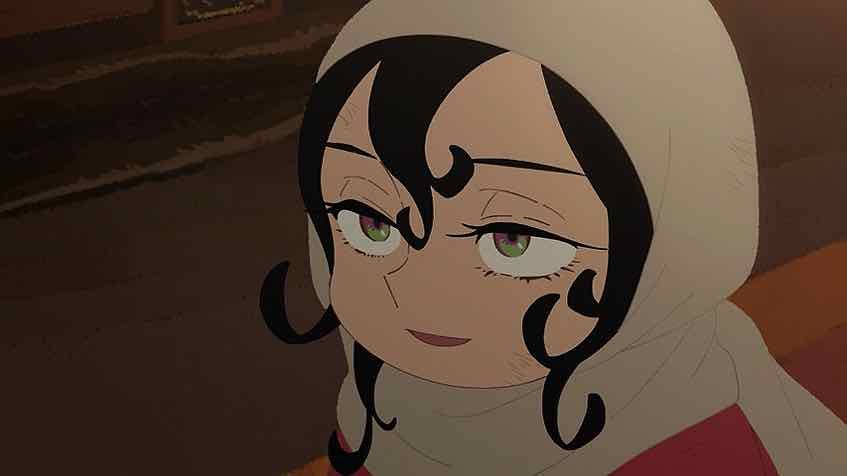
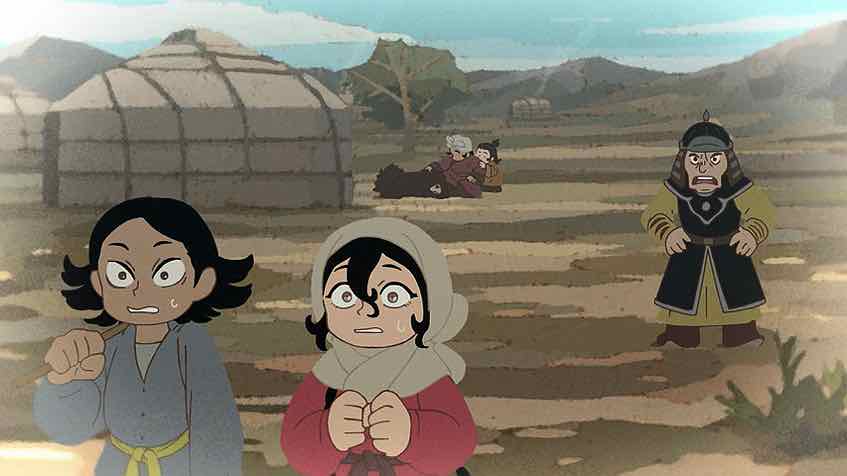
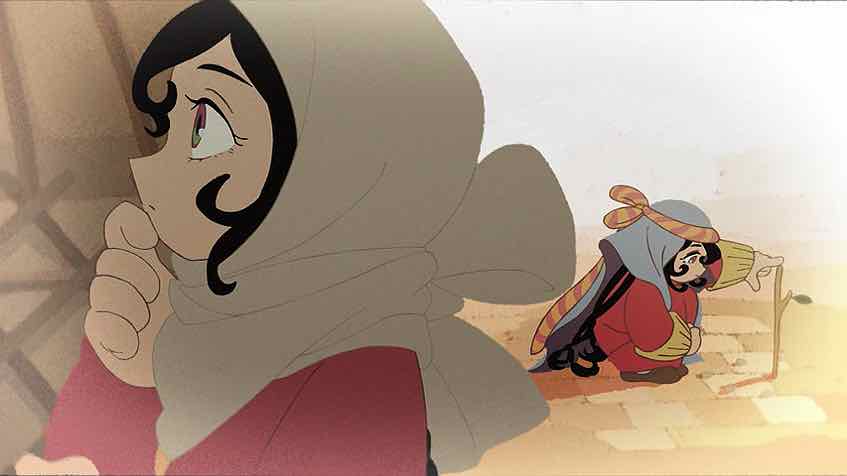
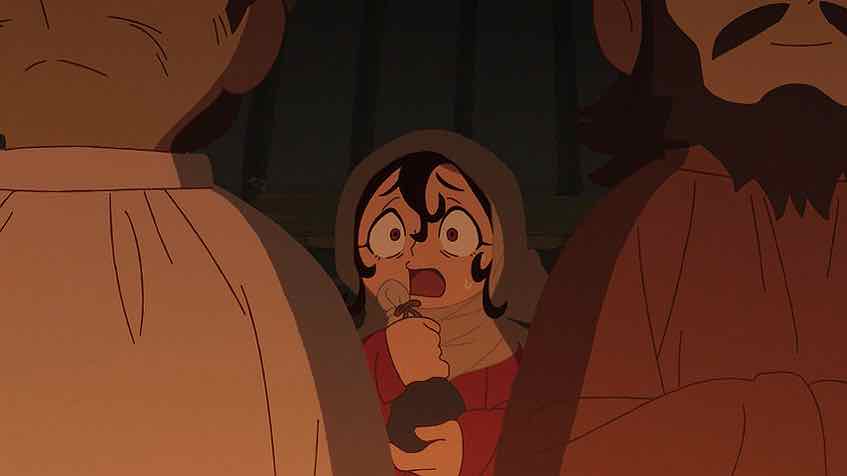
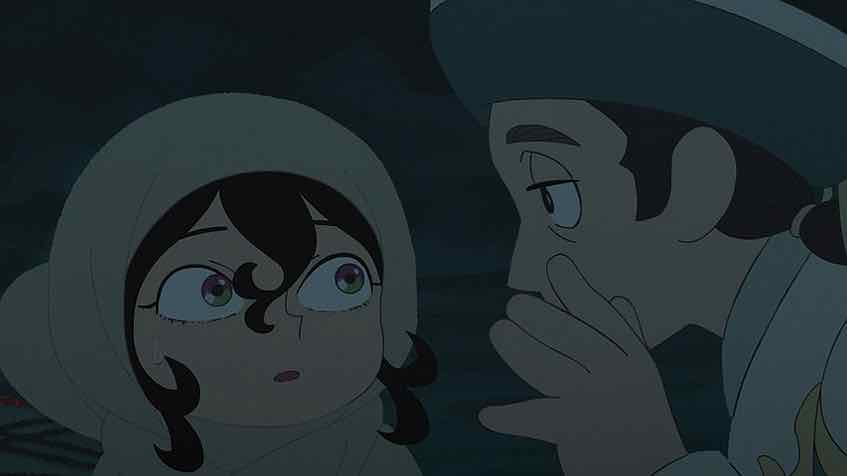
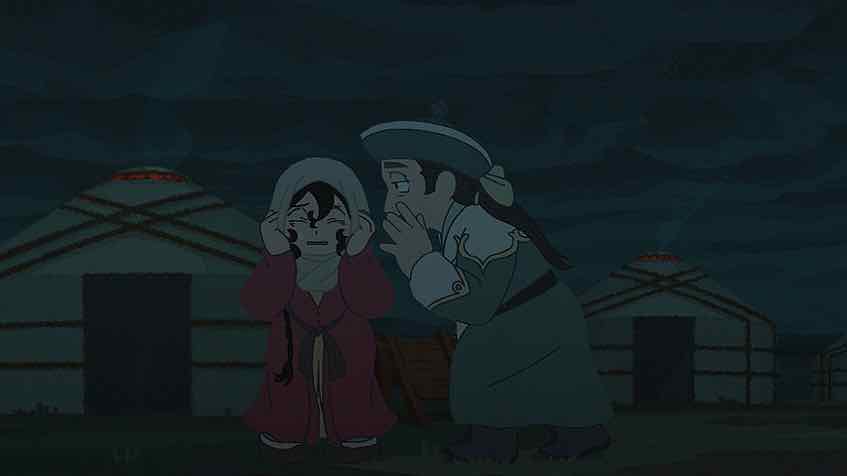
 Shira steps into a crucial role here. As a side note, Irino Miyu alone among the seiyuu is dubbing all his own Mongolian here, as he speaks it with some fluency (as if he weren’t GAR enough). Shira is desperate to do anything he can to keep himself from being sent to the front lines, where the Mongol armies were known to use boys his age as human shields (women too). A native of Samarkand (now part of Uzbekistan), Shira is clever, resourceful and practical. He knows Sitara can be useful to him, and vice-versa. He entices her with the notion that she can become a personal attendant of the royal family.
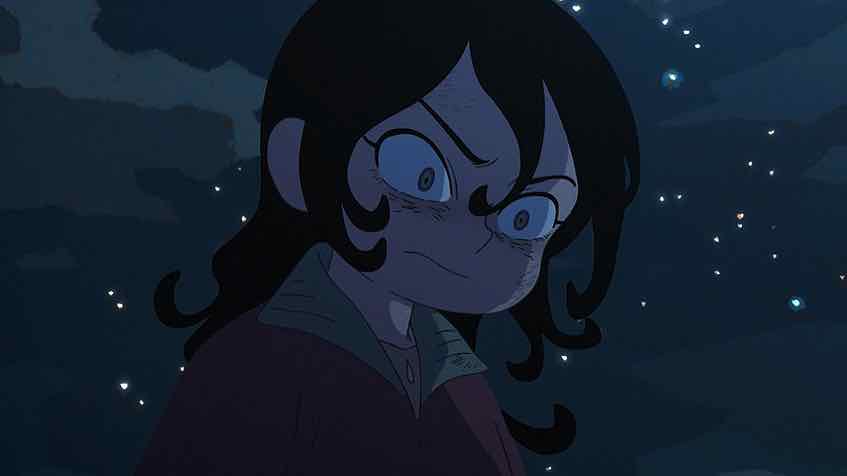
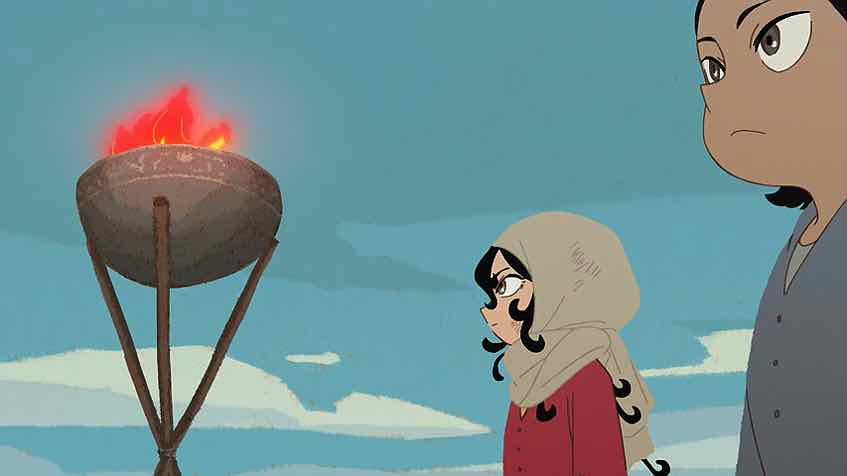
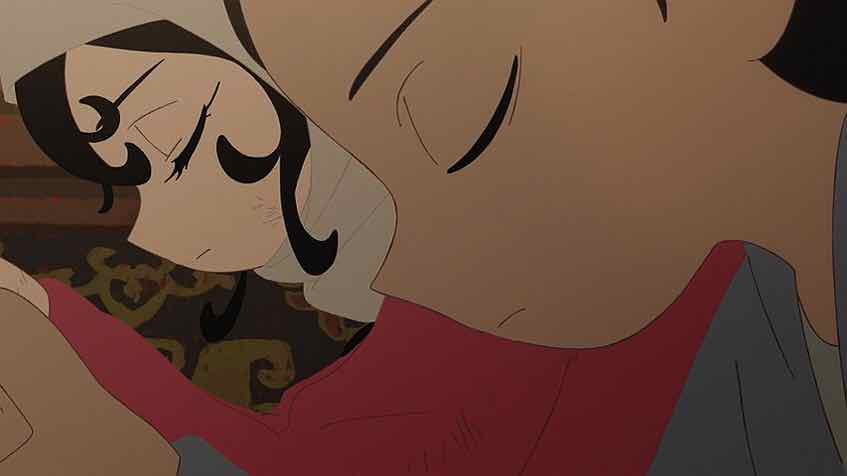
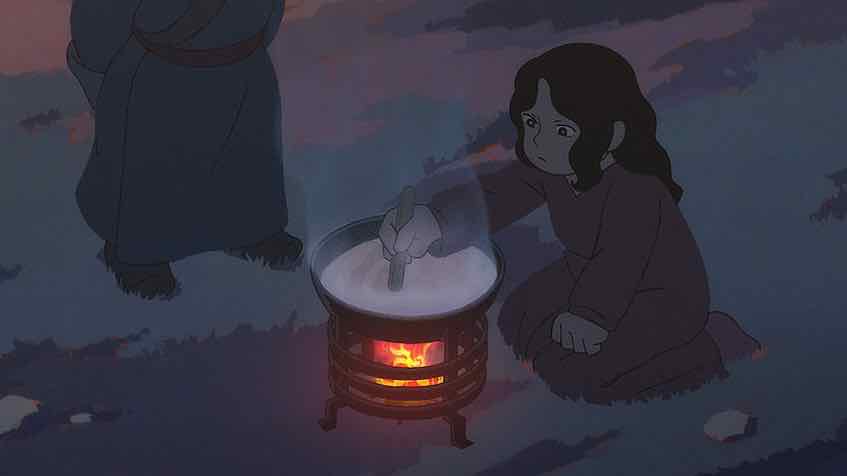
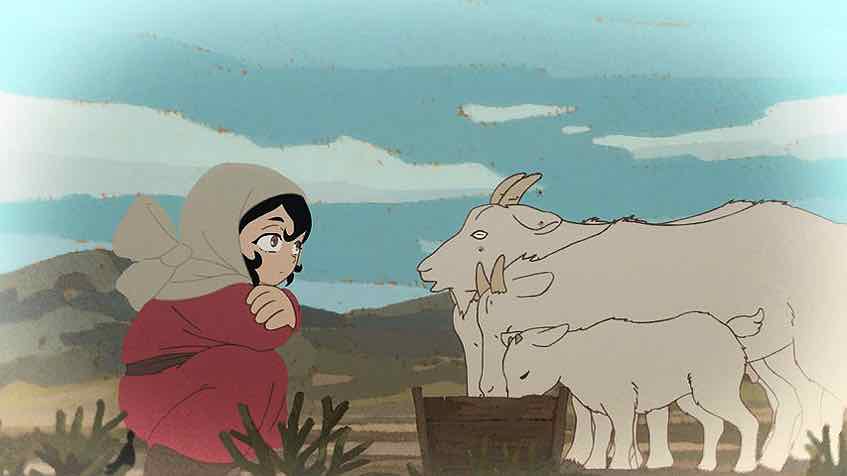
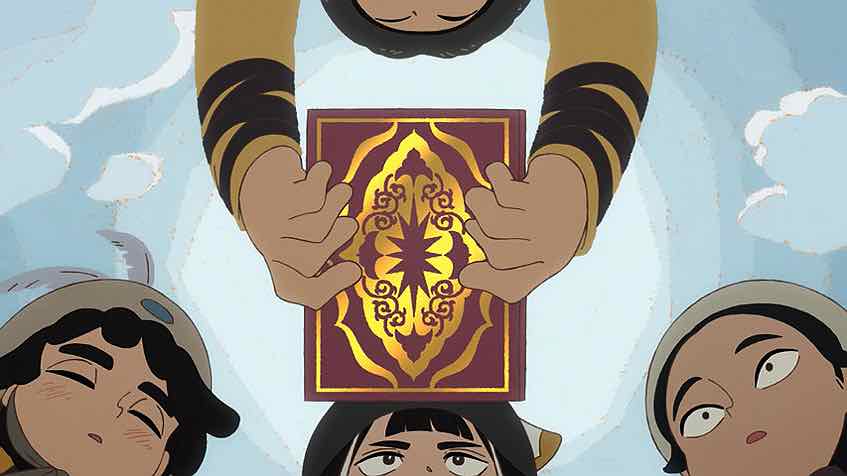 Sitara, for her part, is understandably resistant. These people killed her mistress and destroyed her comfortable life. But she remembers what Muhammad said about scholarship allowing her to make the best decisions. The goal is to get the book back, but this may be the means to do it. And what Shira tells her is crucial – a path has opened for people like him (and her) to advance based on merit. And as she’s starting to realize, for all their cruelties the Mongol society offers more opportunity for women than the Persian society does. Distasteful as it may be, a path is opening before Sitara here.
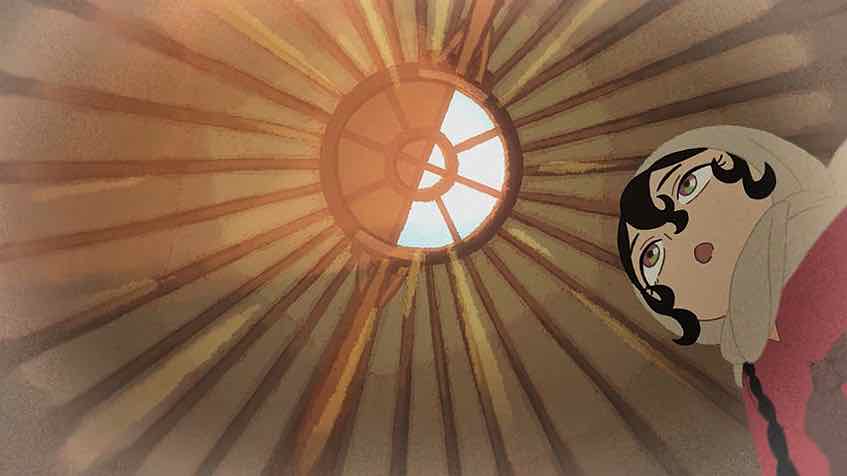
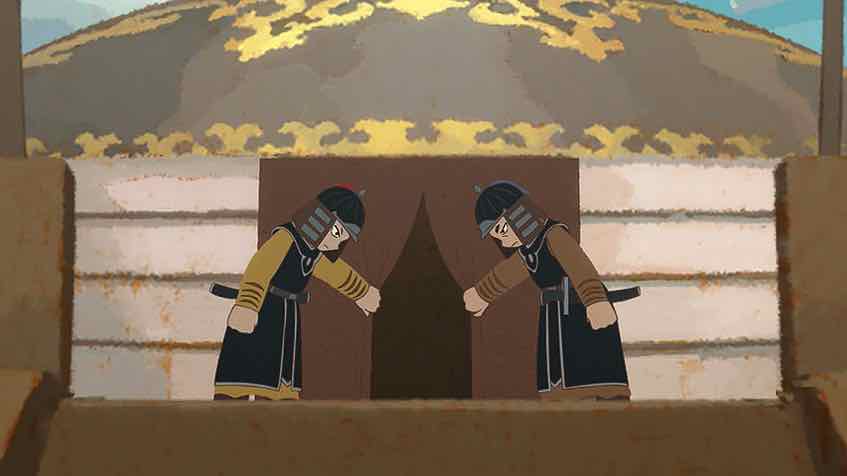
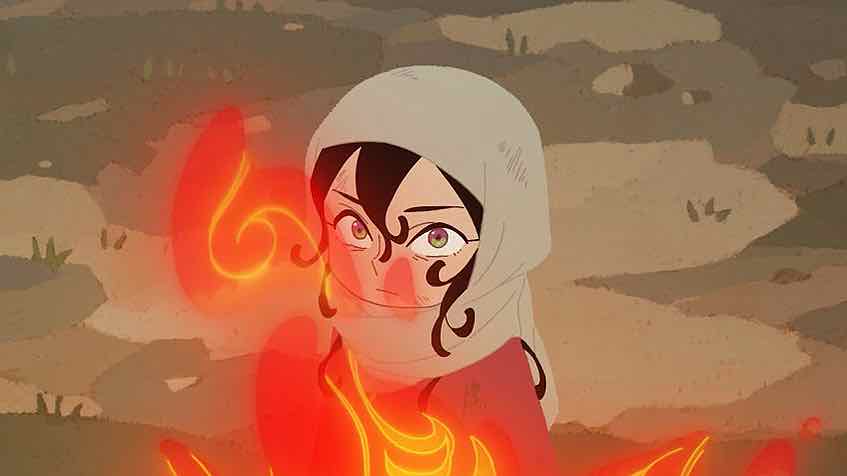
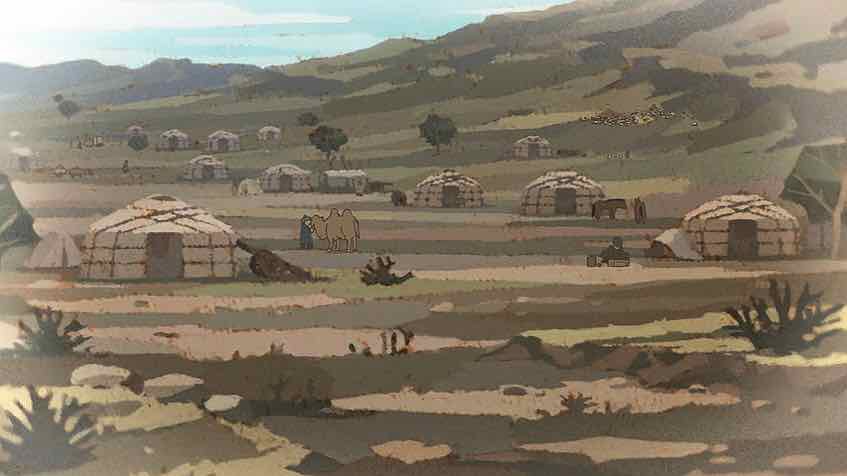
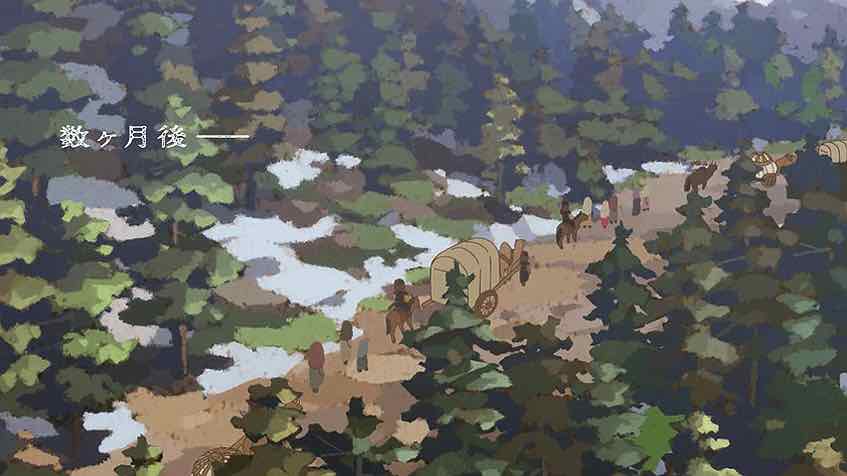
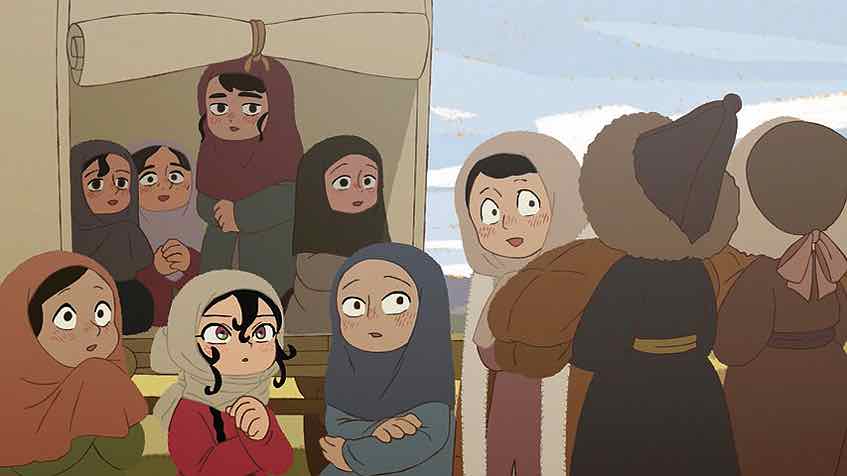
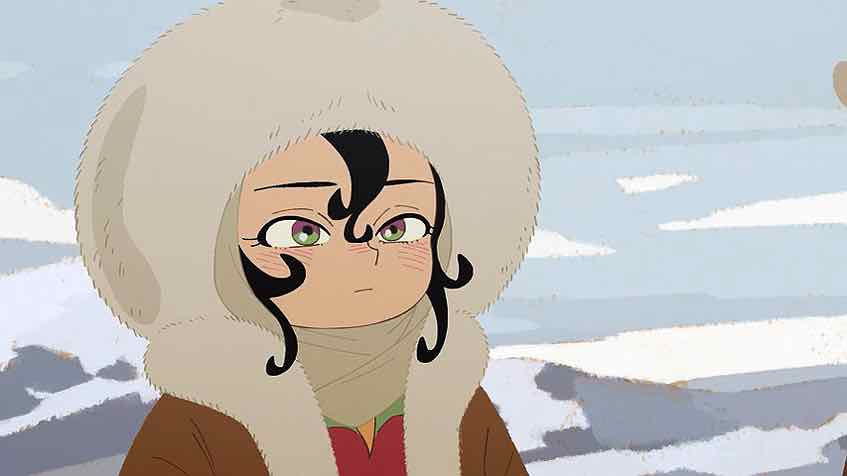
 But that path is going to require adaptation. And that includes the name of someone from the scholarly class, not a slave. So she chooses Fatima – that of her mistress, no doubt savoring the irony of the choice. Shira advises her on the protocols and taboos of Mongol culture – like never stepping on the threshhold of the tent as she enters. And Fatima starts to realize that these Mongols are very clever in their own right – like using the roofs of their tents as sundials. And they’re not above respecting the intellectual resources of those they conquer – like the sage who meets up with the caravan on its return to Mongolia.
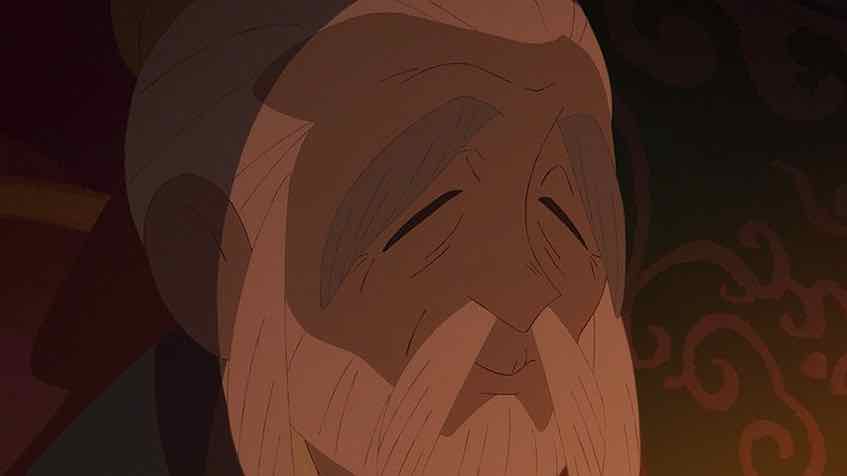
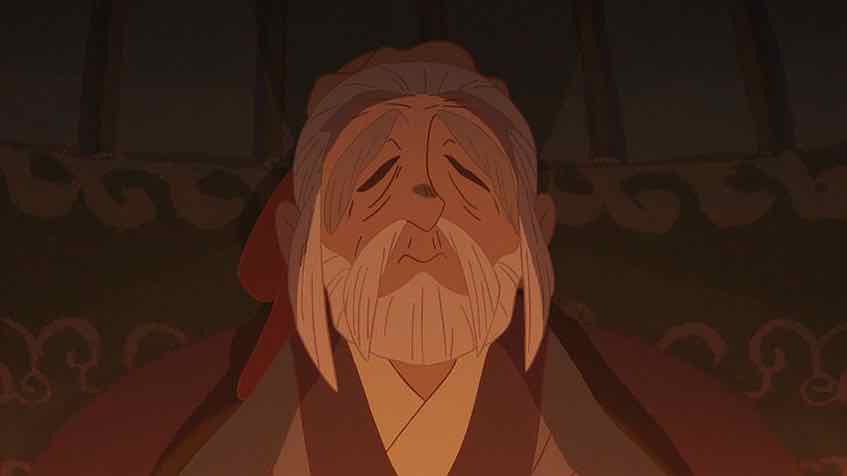
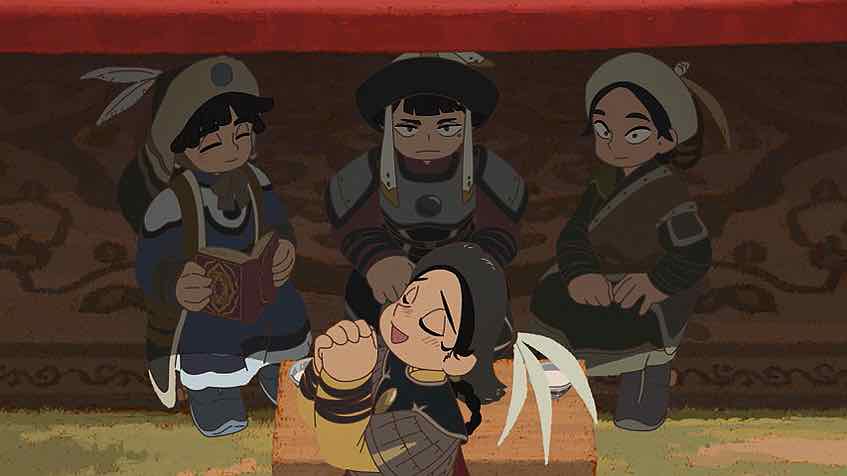 This sage, Chaengchun, is one of these real figures – known to most as Qiu Chuji. A Taoist sage from Shangdong in China. He built a great reputation – even legend – as a scholar and mystic, which drew Genghis Khan’s attention. When Genghis Khan sent for him to meet him in Yangjing, Changchun accepted in the hope that he could dissuade Khan from his indiscriminate massacres of conquered peoples. Khan was interested in immortality, but Qiu Chuji told him frankly that it was impossible – an honesty Genghis Khan respected. In this context Fatima/Sitara impresses him with her description of a recent solar eclipse, which the sage is seeking more information about.
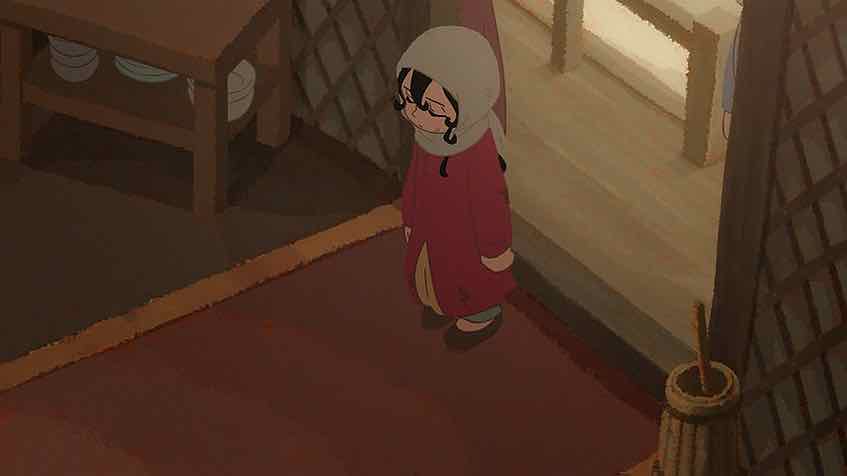
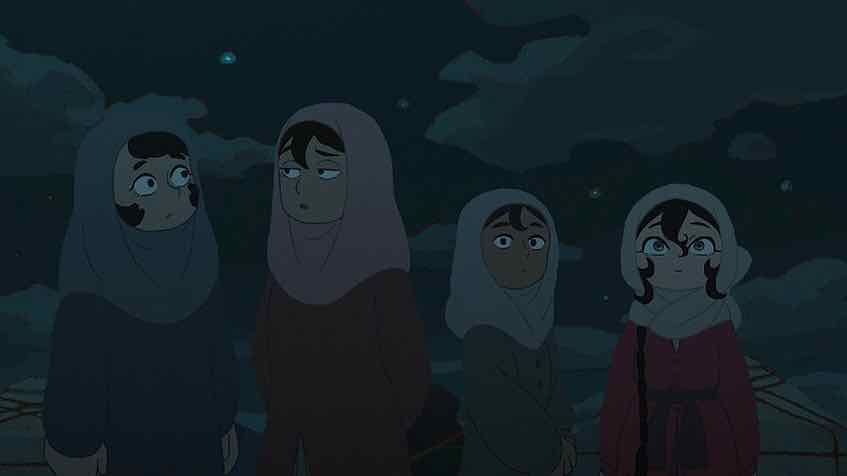
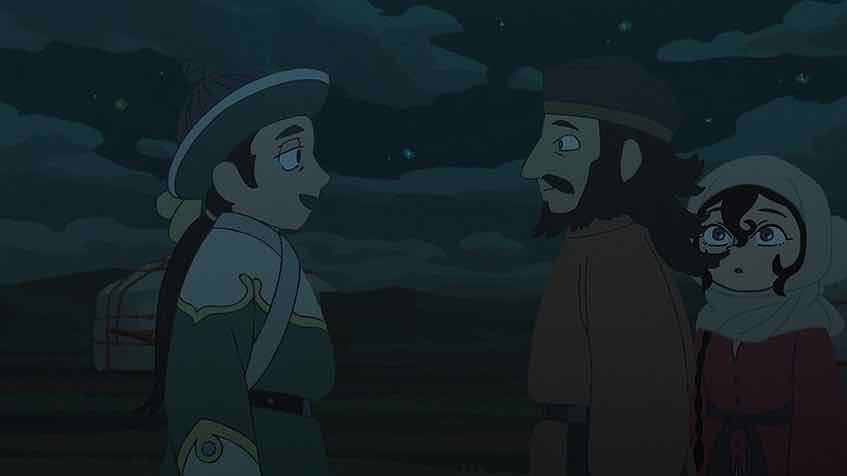
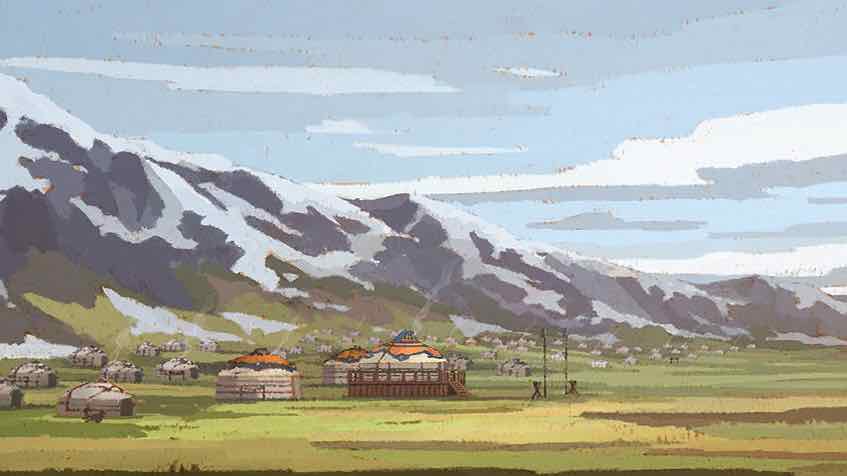
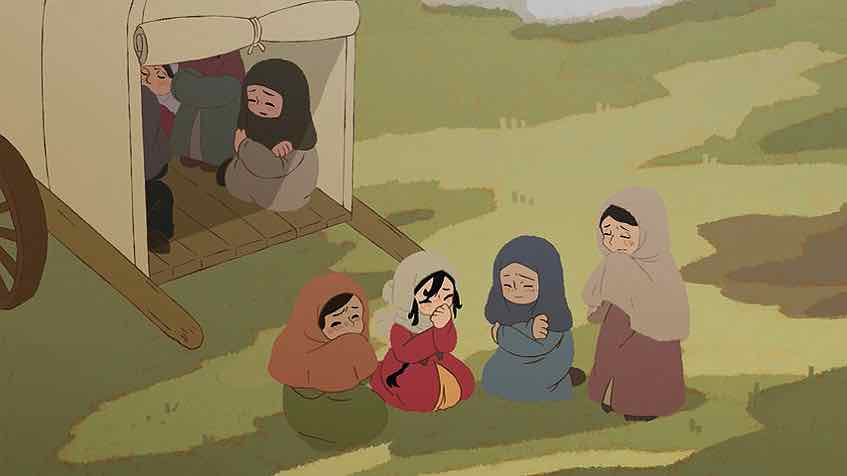
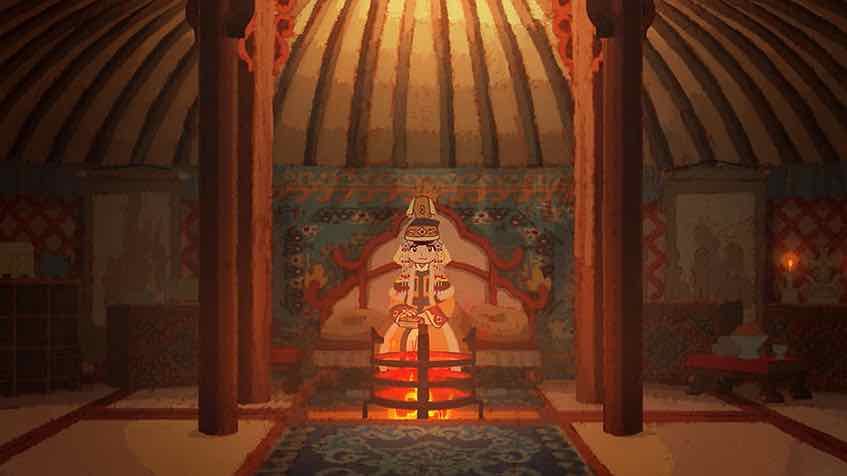
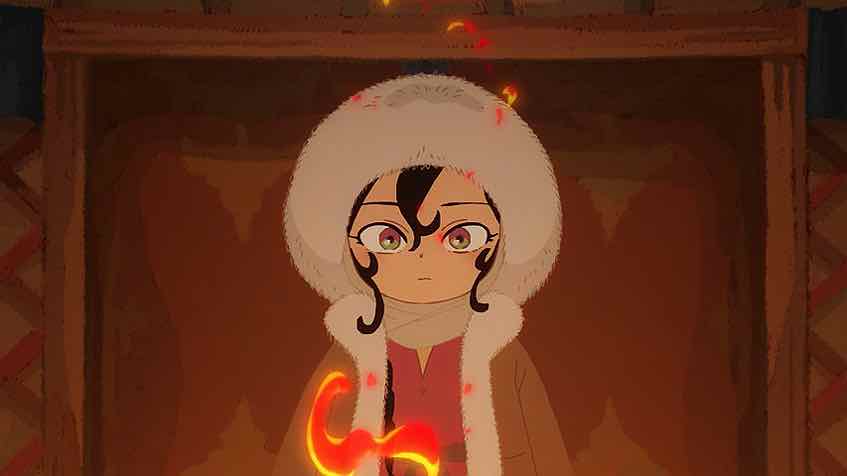
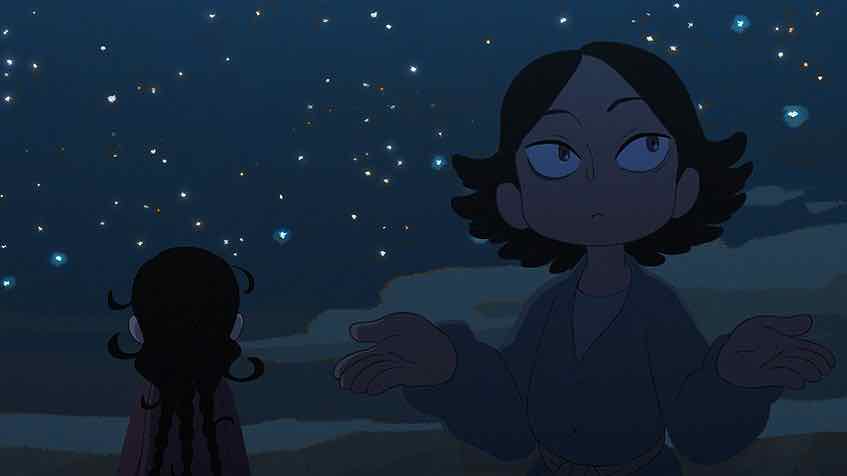 Eventually, the caravan arrives in Mongolia and are met by Tolui’s wife, Sorghaghtani Beki. It’s she for whom Sitara is to translate Elements, and Sorghaghtani orders that warm tents and clothing be provided to the newly-arrived prisoners. Needless to say this is an important meeting (both Sorghaghtani and Fatima are important historical figures), the start of a new chapter in Sitara’s journey. The world she knew is gone forever, and she must accept that she understands little about the new one she’s entering. Understand your own ignorance is a critical trait for a scholar, after all.






















Henk
July 13, 2026 at 4:15 pmYup, a great episode! I’m interested in learning more about Mongol life and society as I know pretty much nothing about it.
Simone
July 25, 2026 at 6:10 pmTBF I didn’t feel so much the “good slavery” issue. What we were shown specifically was ONE instance, one master, Fatima, who was good to her slaves, in a context and social order in which slaves as the lowest rung of society were common and buying one was essentially the equivalent of hiring a maid (for her, at least, given her needs as a widowed woman). And Fatima wasn’t even “her” slave technically as much as a sort of loan or temporary foster (to be educated so she could eventually be sold at a higher price), so she probably would have been more respectful of her as she wasn’t technically her property. I think a lot can be explained by just that individual attitude plus the fact that for all its darkness the series is overall, frankly, rather toned down compared to what I can only imagine the real history was. It feels like it’s almost aimed at older kids, and not just because the designs make everyone look like children; lots of violence is glossed over and in this episode for example there’s a noticeable lack of the kind of casual abuse and harshness I’d expect the conquering mongols to display towards a captured servant like Fatima. Worst we get is some men shouting orders. Basically I don’t get much out of it other than “Fatima was a better master than the Mongols” which is believable, a lone woman whose servants are also her main source of companionship vs the hordes of a bloodthirsty conqueror who would put entire cities to the sword for a slight and capture and ship people by the thousands.