





If I were to sum that episode up in a single word, I think it would be “intense”. That’s no small feat, though. There was a lot to unpack there, and it left me wanting to take more time to contemplate than I realistically have. World is Dancing is great, that’s the simplest thing one can say about it. But I think it can work on many different levels, and different audiences will take different things away from it. Someone extremely well-versed in Noh history is certainly going to pick up more detail than I will. Not everyone will notice the nods to earlier anime styles (especially Gainax) that the production team is incorporating. The writing is loaded with symbolism and subtext.
But… I don’t know how much of any of that one needs to get to appreciate what’s fundamentally a vastly entertaining and beautiful piece of entertainment. World is Dancing has taken a somewhat different course than I expected to being the early season’s best anime, but it’s gotten there just the same. Trying to understand what art is – and how it impacts us – is a complicated journey for anyone, much less an 11 year-old boy. I would argue most people never really get there in their entire lifetimes. The problem for Oniyasha is his circumstances more or less force him to face that challenge head-on. That’s why the “good” dance he saw in the premiere impacted him so profoundly.


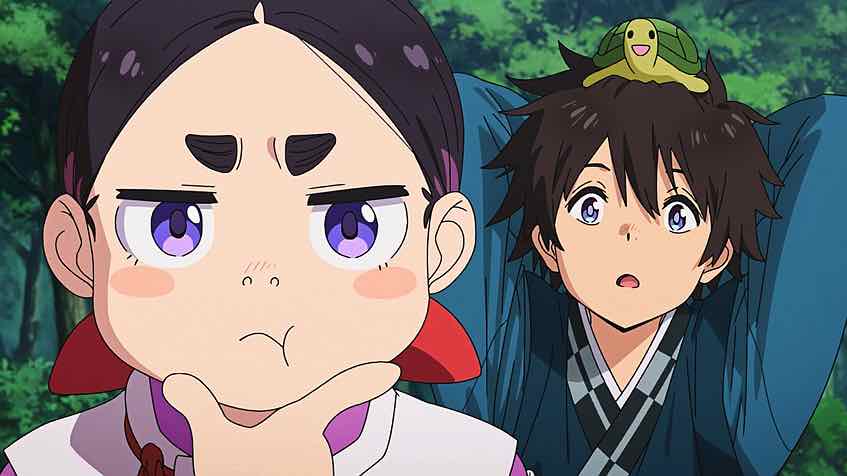
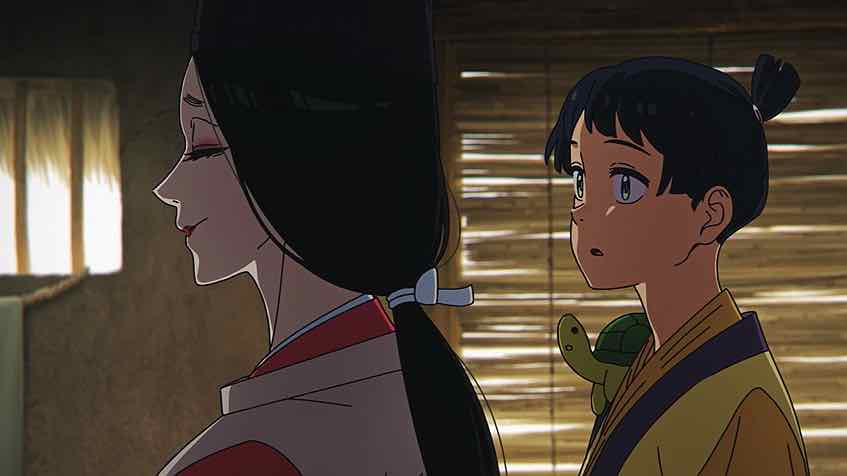
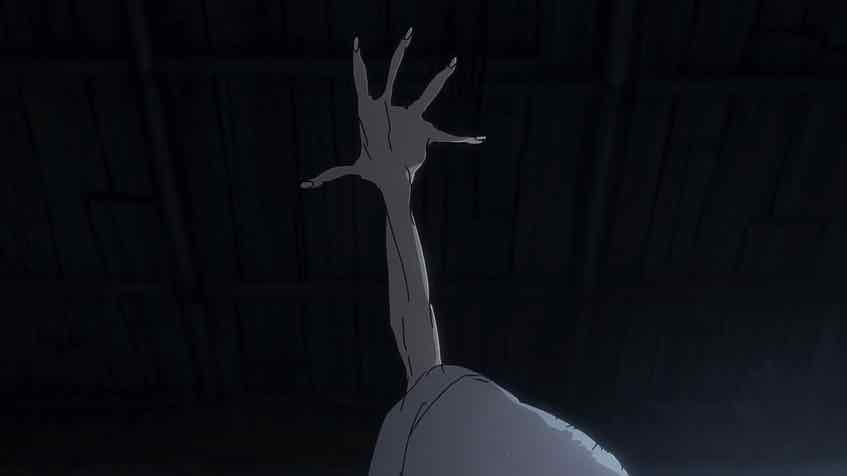
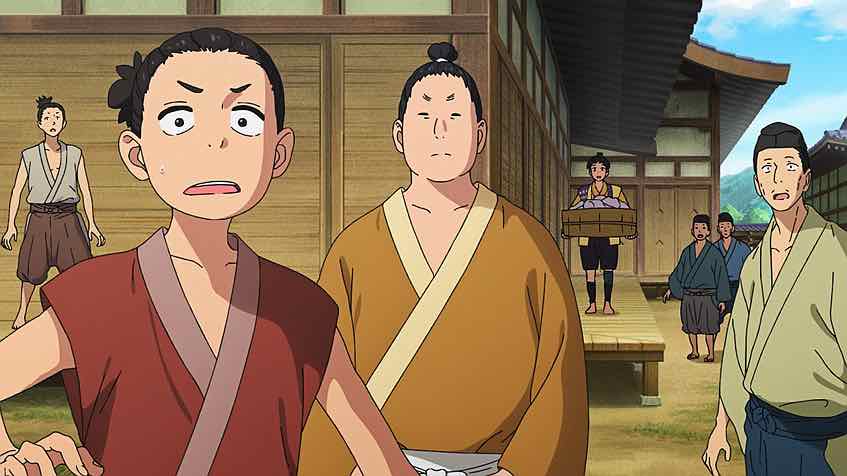
That throwaway bit with Oniyasha falling in the river turned out to not be a throwaway bit at all. He almost drowns in fact, though Ishiya and Kogane (and Ishiya’s turtle) save him. Oniyasha has something of an OBE under there but it’s pretty much a contiguous thing in the aftermath of his psychedelic encounter. He craves that experience again and demands everyone he meets dance for him, including Ishiya – who can’t, though he can sing – and Kogane, who can (and quite well). Nothing scratches the itch, though, Ishiya finally asks why they don’t just go back to the forest and ask the woman for an encore, but Oniyasha is convinced what he saw was in fact a youkai.
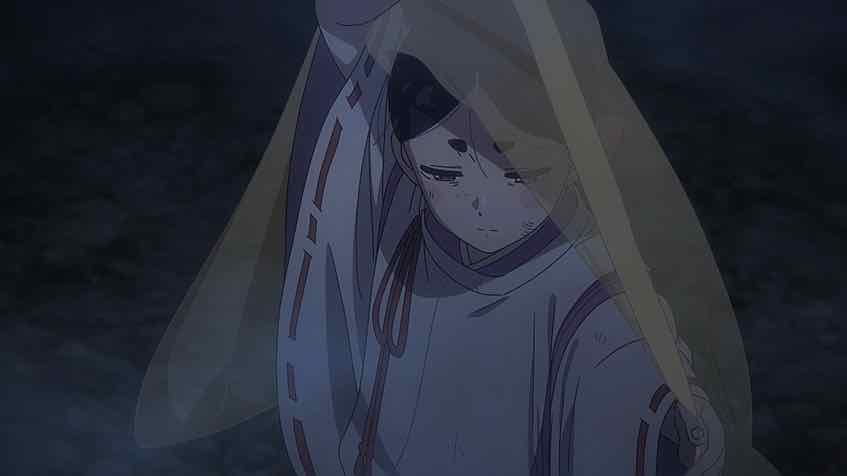
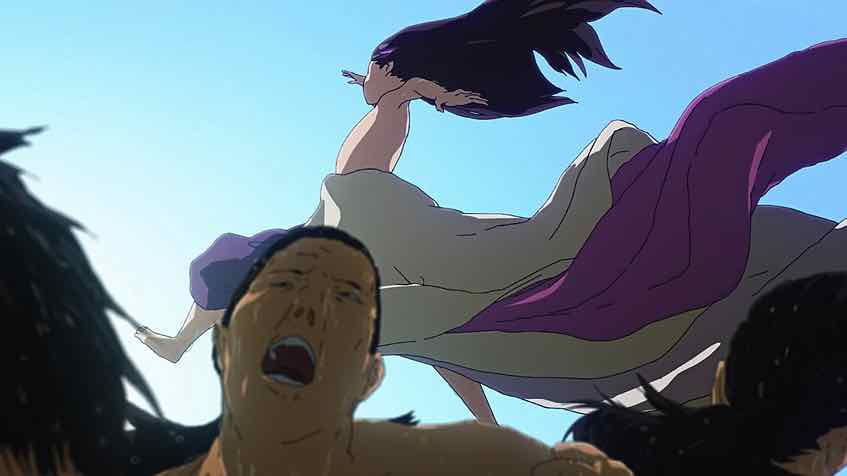
That dancer was no youkai, of course. She’s a human woman, in fact a Shirabyoushi. That’s an important word in this historical context – Shirabyoushi danced for the nobility (dressed as men) through much of the Heian and Kamakura periods. Of course they sometimes did more than that, as anyone familiar with Heike Monogatari could tell you. In fact Shirabyoushi were credited with introducing kusemai dance to Noh, of which it became an integral component. The context here is important – among the many things World is Dancing aspires to be is a chronicle of what inspired Zeami in the creation of modern Noh (which he is far more to be credited with than anyone else).


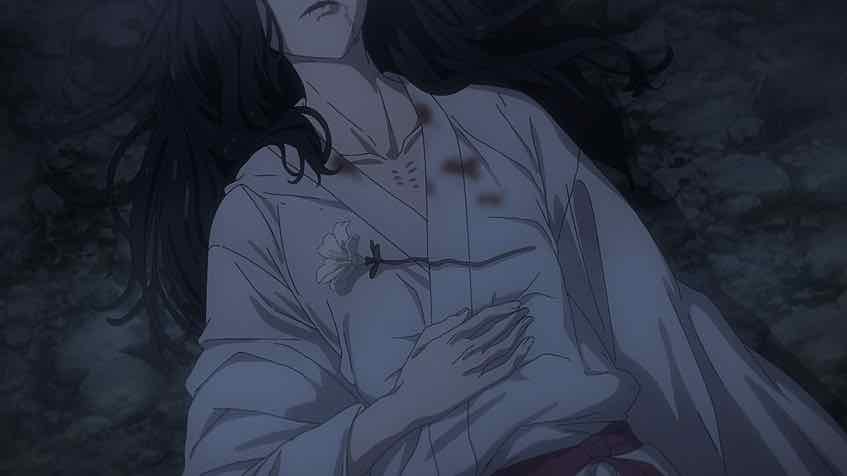
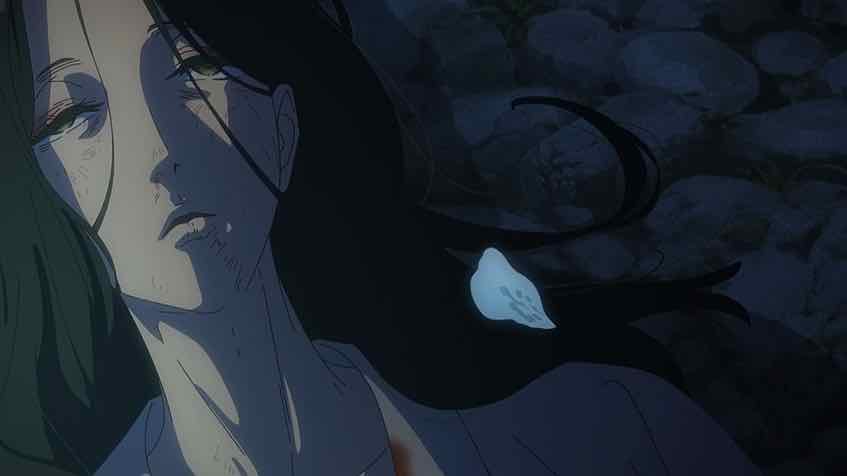
Shirabyoushi – that we never learn her name is highly symbolic – is played by Sawashiro Miyuki with her usual brilliance. She’s ill, with tuberculosis or some other disease of the lungs. Her life is one of regret – at having missed her chance to dance for the shogun. At what her life has become, selling her body to men for meager sustenance. She bemusedly humors the trio of youngsters who come to her with good humor most of the time, even dances for Oniyasha. But she never shows him the “good” dance – the one that changed his life forever. Whether she can’t or whether she chooses not to is an interesting question with no definitive answer.
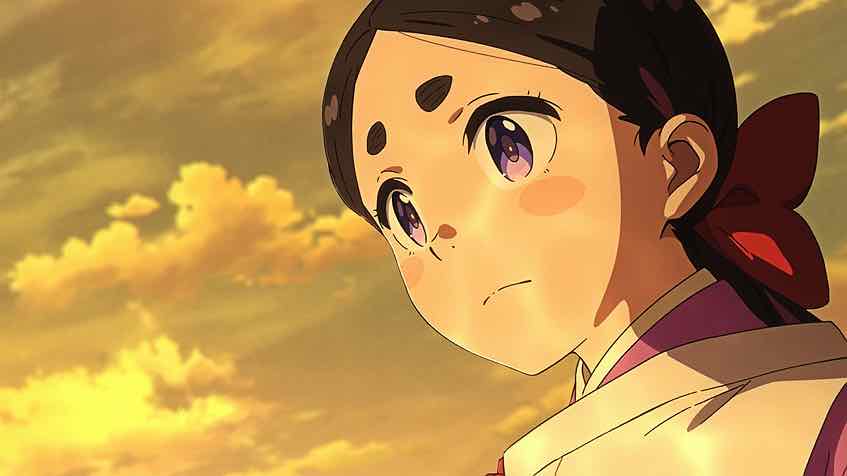
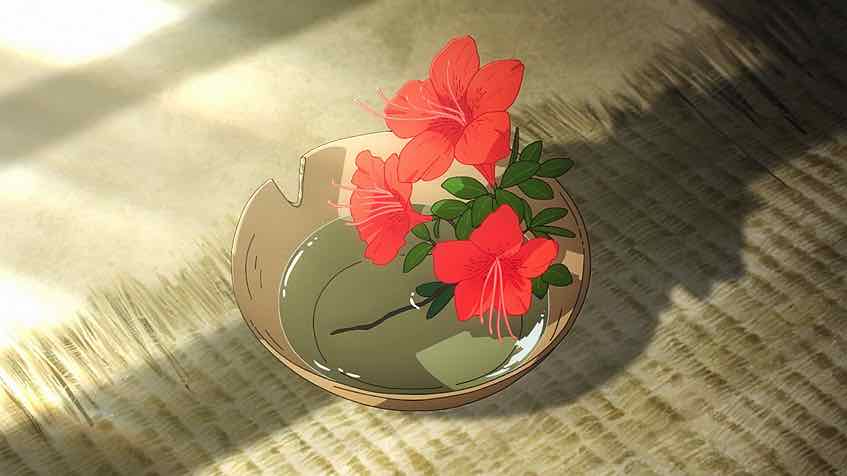
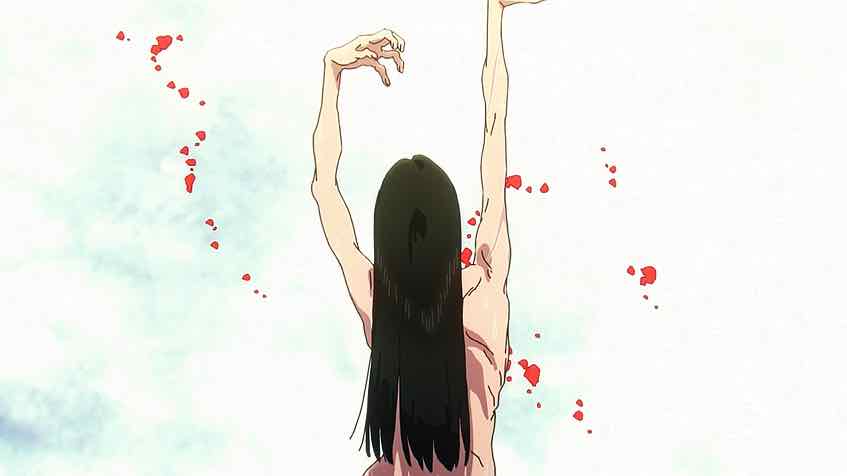
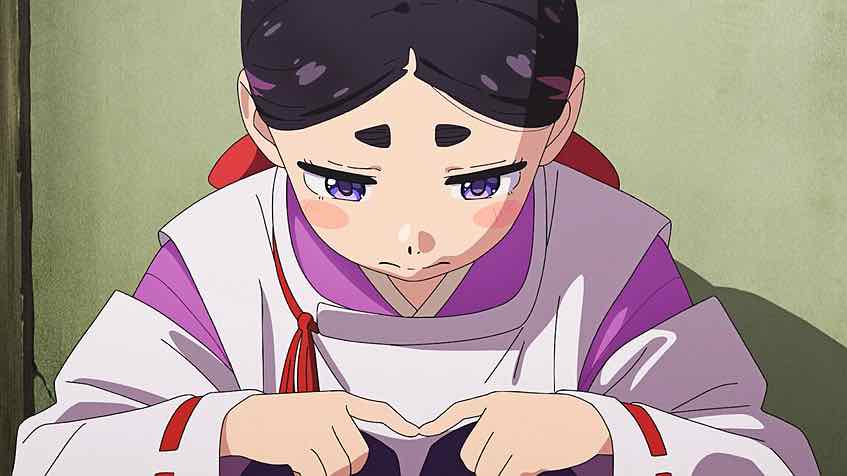
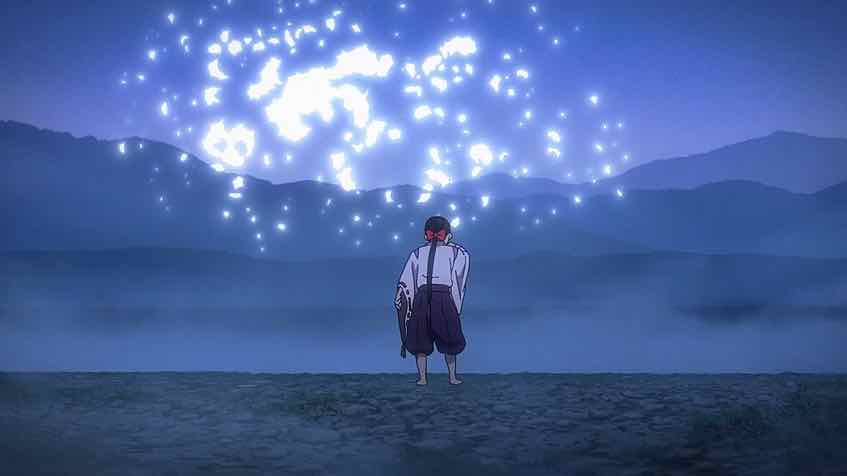
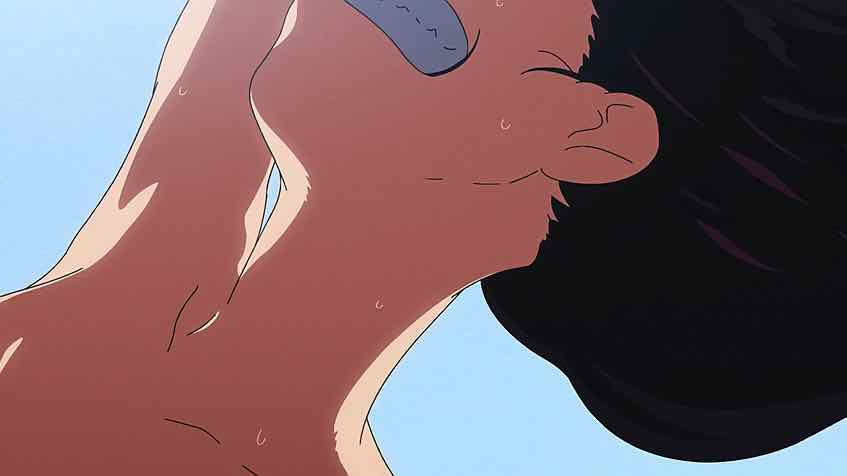
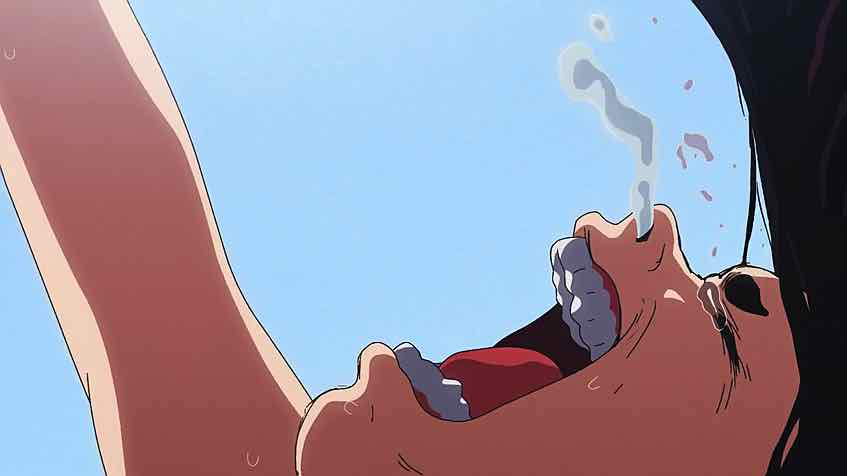
But Oniyasha is a child, full of a child’s curiosity and eagerness to learn. He picks up what Shirabyoushi is teaching him by osmosis in the way kids do, without realizing it. It causes Kan’ami to praise his son’s dance for the first time, much to the astonishment of the troupe. But Oniyasha has angered her with his relentless demands and his naiveté, and in doing so finally elicited that which he so longed to see. It’s another absurdly gorgeous dance, and I love that Cypic has chosen to go full surrealism in these crucial sequences. Oniyasha’s fear and shame make him reluctant to go and thank Shirabyoushi, but Ishiya convinces him to do so.


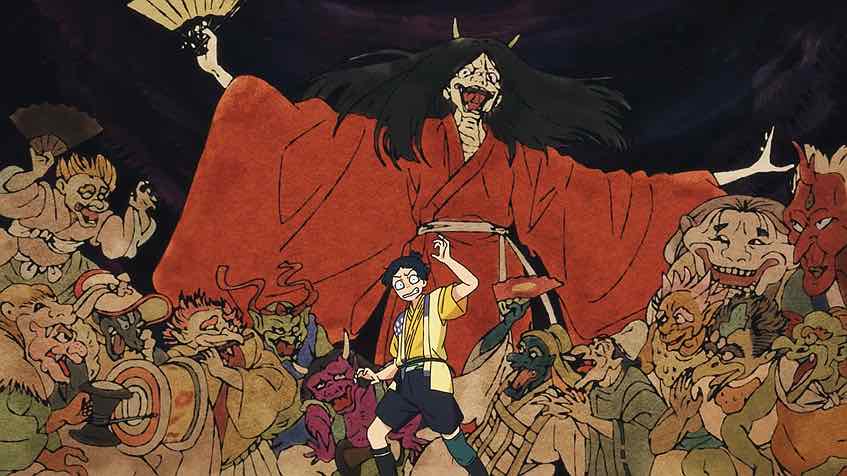
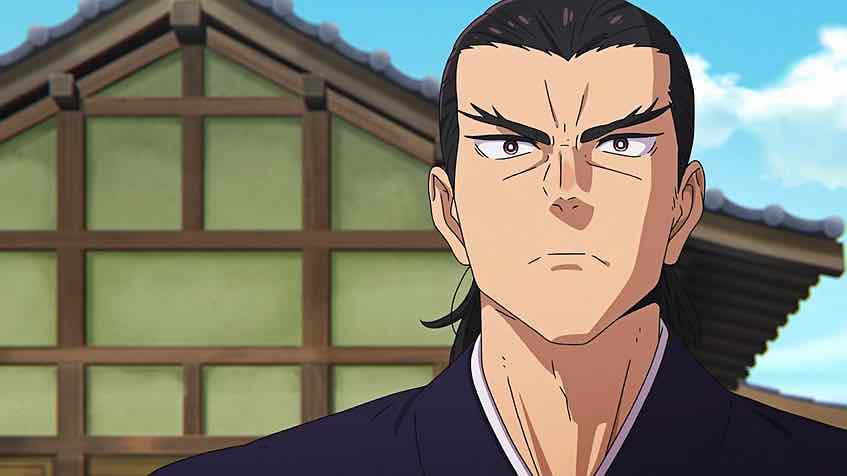
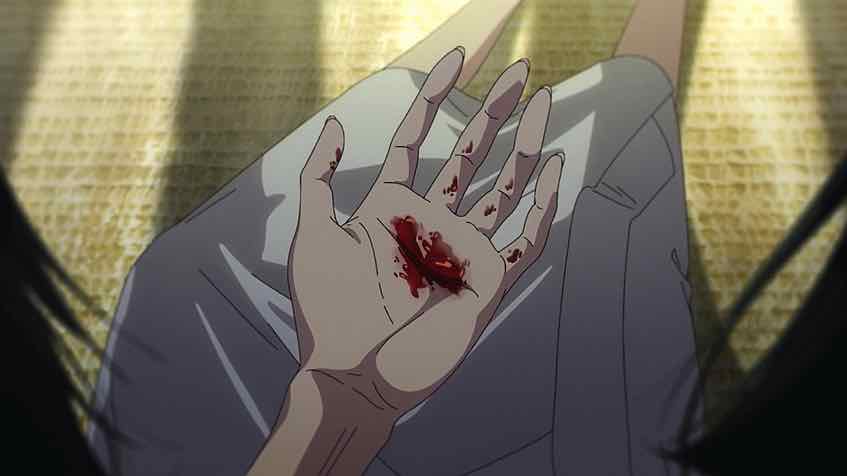
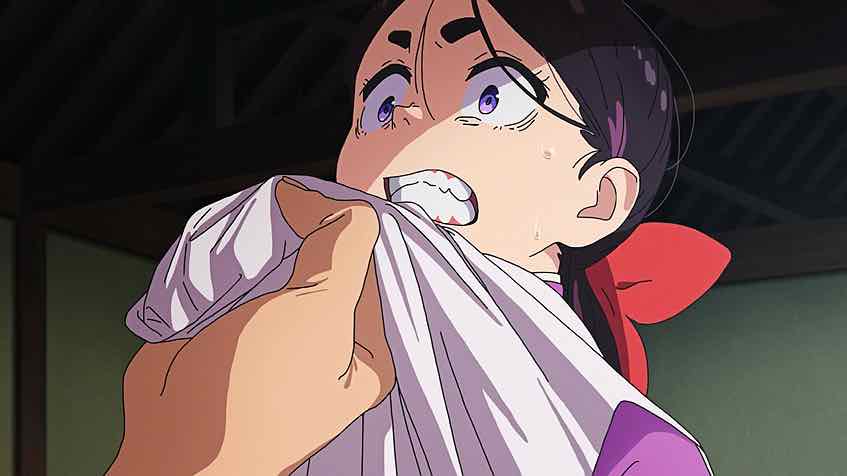
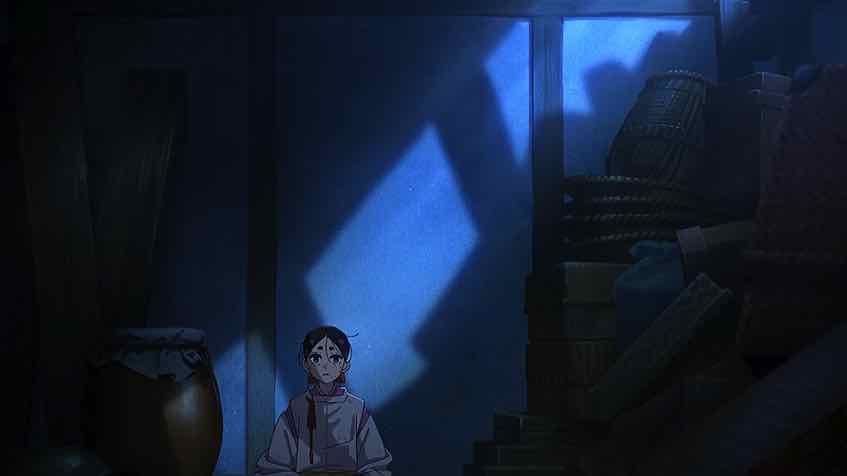
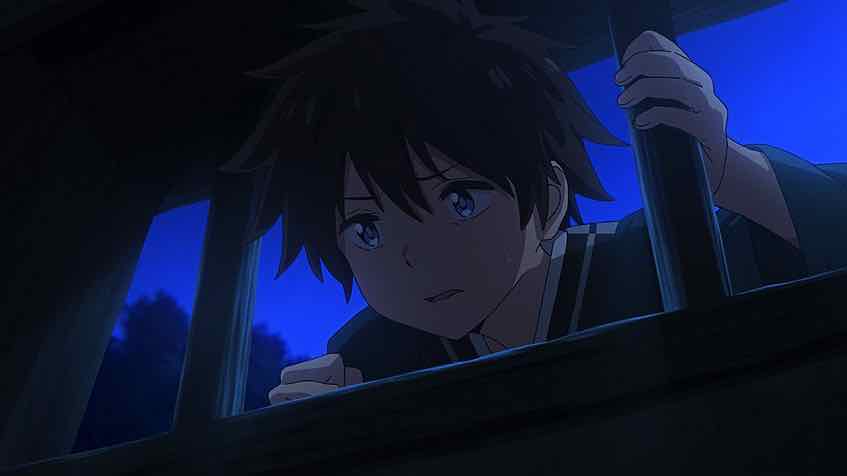
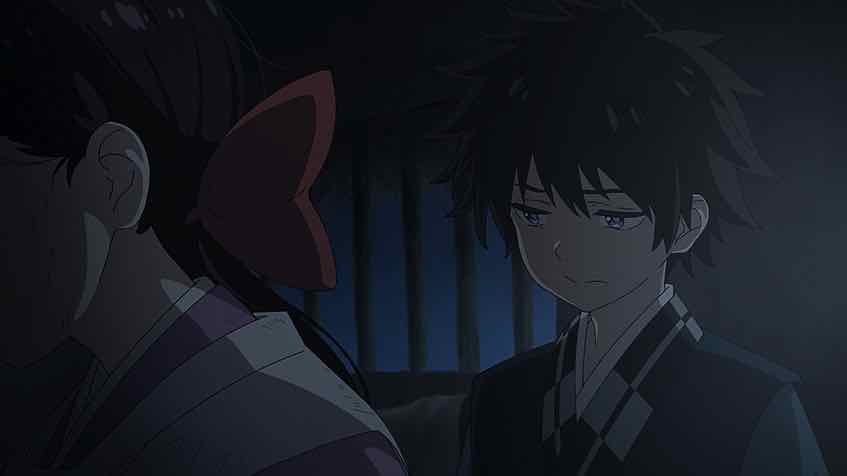
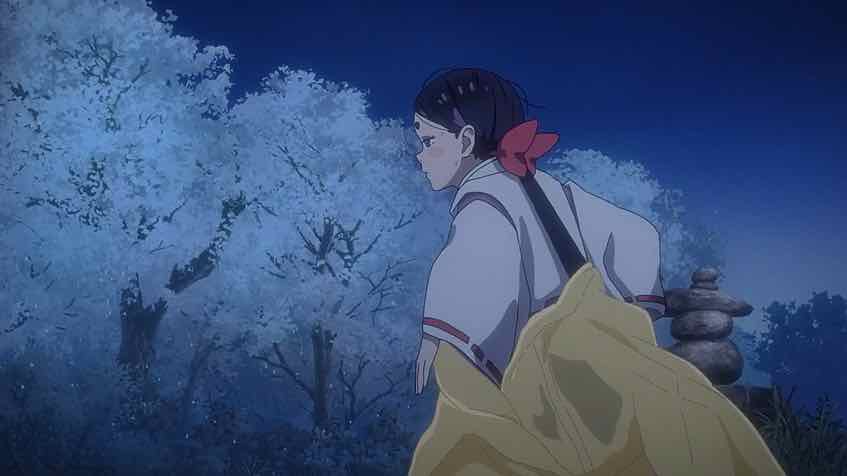
This is a very dark turn for the series, indeed. Oniyasha is cruel and extremely childish, because when he sees Shirabyoushi happy for the first time – because his father has paid her handsomely for helping his son – he’s enraged that the magic is gone. He takes her money and flies, and in giving chase she collapses. Heedless of that the boy rushes home and confronts his father – possibly for the first time – furious over what’s happened. Kan’ami makes it clear in no uncertain terms – a dancer must be compensated if they dance for your edification. For him, this is a truth of almost religious significance. He locks Oniyasha in the kura, and it’s only when Kaname comes to free him that he realizes what’s happened and why.
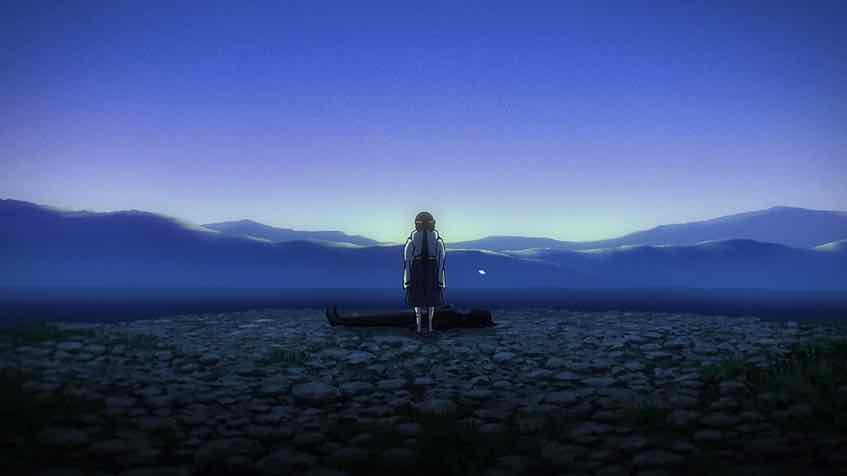
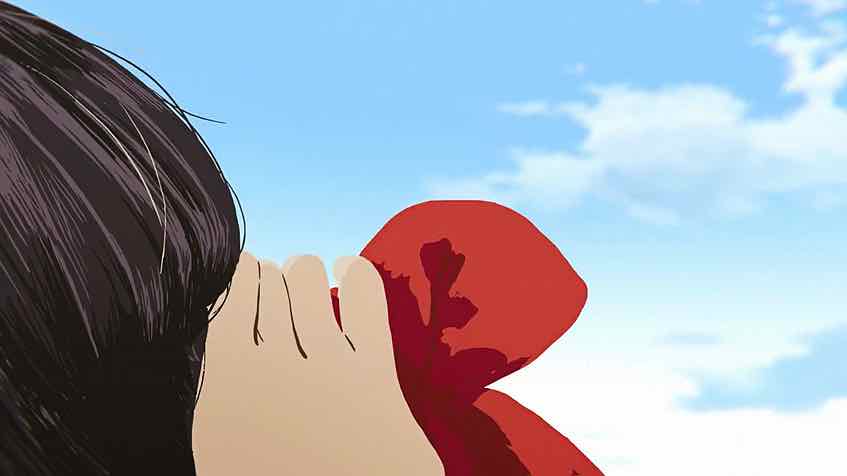
There are many conclusions one could draw from this, many questions and implications. Is true art, in fact, possible only through misery? For Oniyasha the most immediate truth is that his dancer is dead, and he feels responsible for it. In fact the men his father was speaking to when Oniyasha confronted him were from the court of the shogun, inviting the Kanze to perform for him (an event that will be one of the seminal moments in the history of Japanese performing arts). The only way he can repent for what he did to Shirabyoushi is to dance for the shogun in her place – to incorporate her “good” dance in his own performance. She no longer has a body, but he does – and that privilege now comes with a responsibility.
































BluBlu
July 12, 2026 at 9:22 pmFirst for first, let’s not deny the obvious, it is beautiful. Actually, I found it funny because related to one of the many questions about art, subjectivity, what is good art, what is bad that we can have, I think that one of them is also, is something being beautiful visually enough to make it interesting ? On that matter, I think that it’s always funny that, in my opinion, usually battle shonen, when they are beautiful, they are often called “it just has beauty, cool graphics but there is nothing in it”, “critics” might be more eager to quickly praise, amaze all the aspects of the material, especially when it is made with “misery” and love for the art, far from commercial vultures.
But anyway, that’s another point. The thing that I really, really, really think might stir debate in that episode is Oniyasha himself. Because I didn’t visit any forums, but I would not be surprised that there might be a huge debate about his attitude, especially at the end of this episode, regarding we know what. Because actually on a French website on which I’m looking at it, there’s someone who really had harsh words about his behavior. Interestingly, I was « more angry » in the first phase of the episode with the « could you dance for me ? Hmm, no it is not this » (maybe because I think that they were trying too hard to go with humor to make him look cute and I am not a fan of it).
On the other hand, at the beginning of the money scene, on the contrary, my first reflex was to say, okay, he’s a child, children do stupid things sometimes or whatsoever. But I have a feeling that not many people are thinking the same, really. And I can understand both opinions. But we also, I mean, it’s also quite pretty clear in my opinion that he’s not responsible for her death. So this we can clearly put it aside. But it’s also quite clear that he could be a bit divisive.
And also coming back to the beautiful, I think that beauty can make easier to swallow some pills regarding characters. But anyway, let’s see where it goes from there and that he will grow from that and be less selfish.
Guardian Enzo
July 12, 2026 at 9:51 pmInteresting comments, thanks. In my view no, beauty is not “enough”. It has to have soul behind it or it’s just sterile.
I take the view that Oniyasha is a child, and he behaved in a childish way. He reacted, and instinctive reactions in young children tend to be selfish actions. What’s notable is that he realized it after the fact – too late for Shirabyoushi (who was obviously fated for this anyway, though perhaps not so soon), but realized it just the same. That’s what learning to be a whole person is, basically, and some people never get there.