


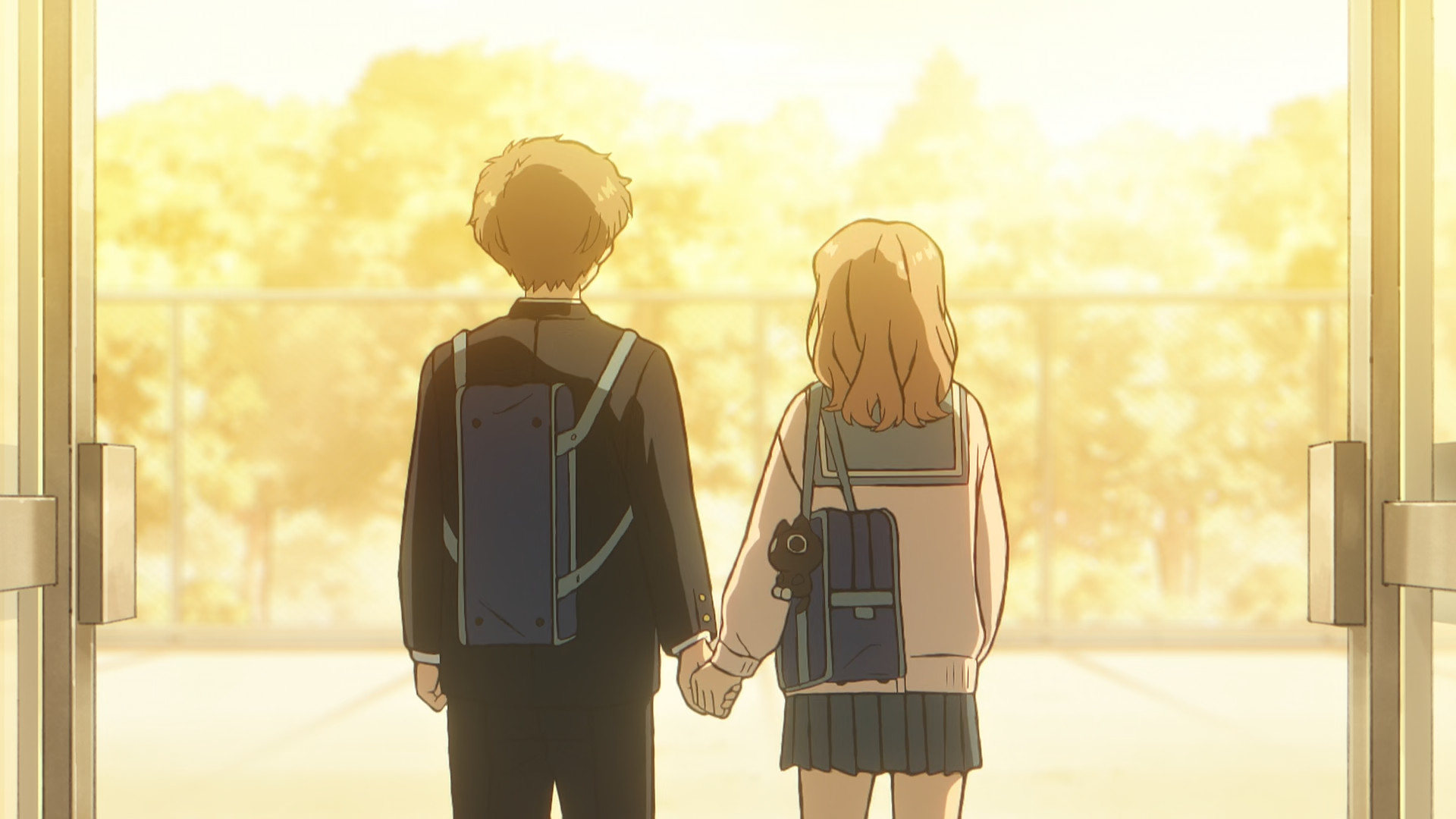
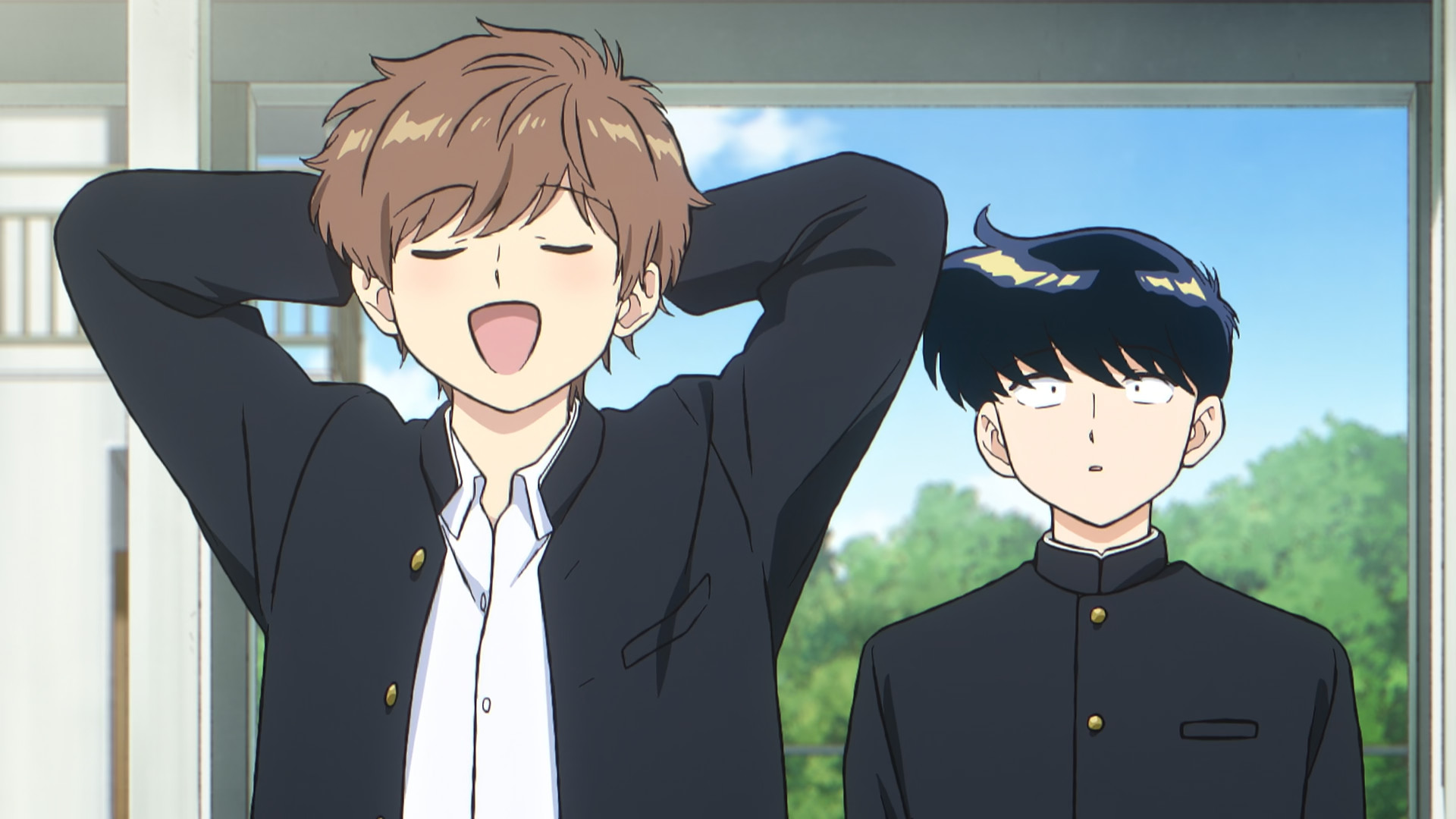
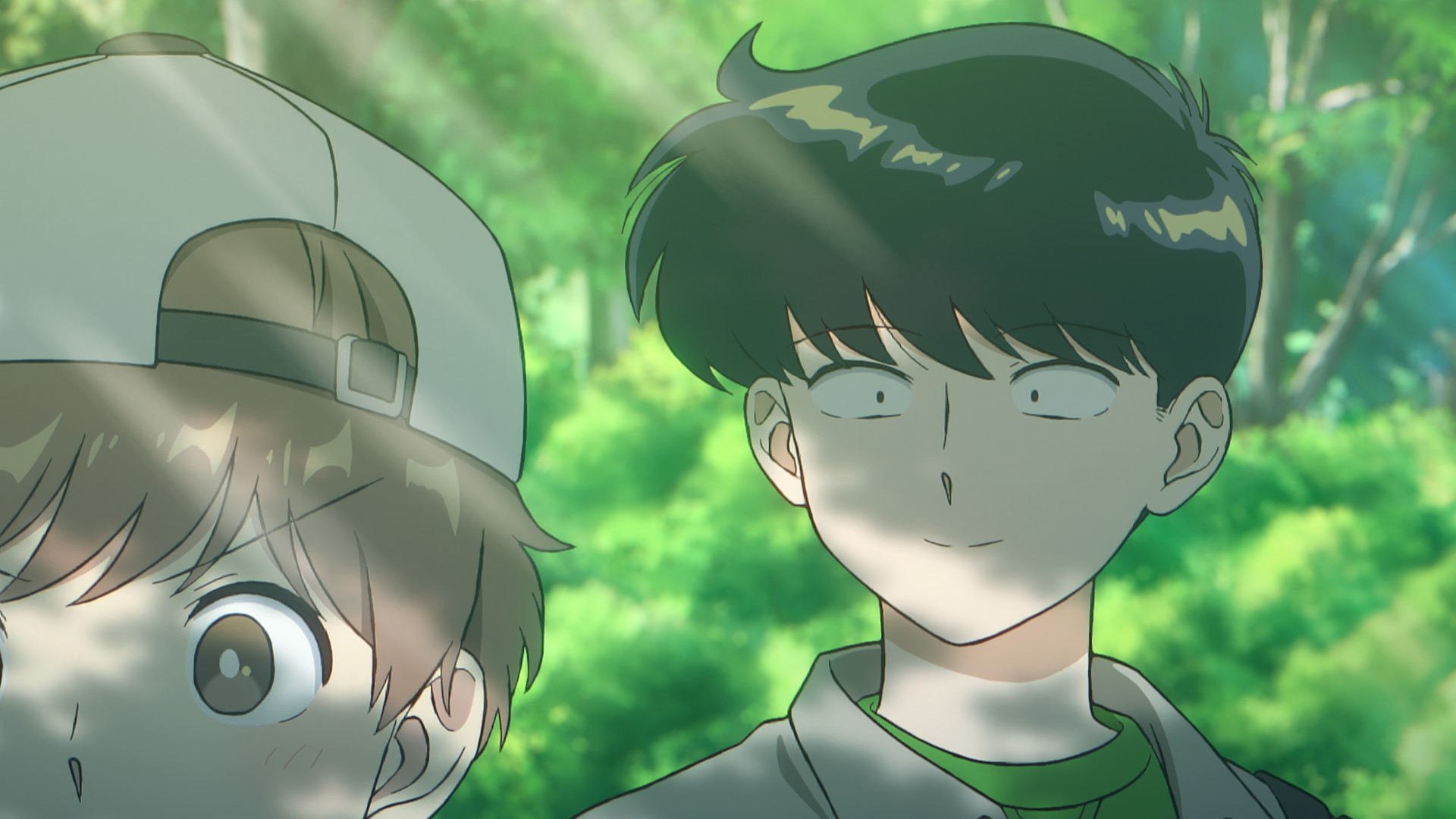
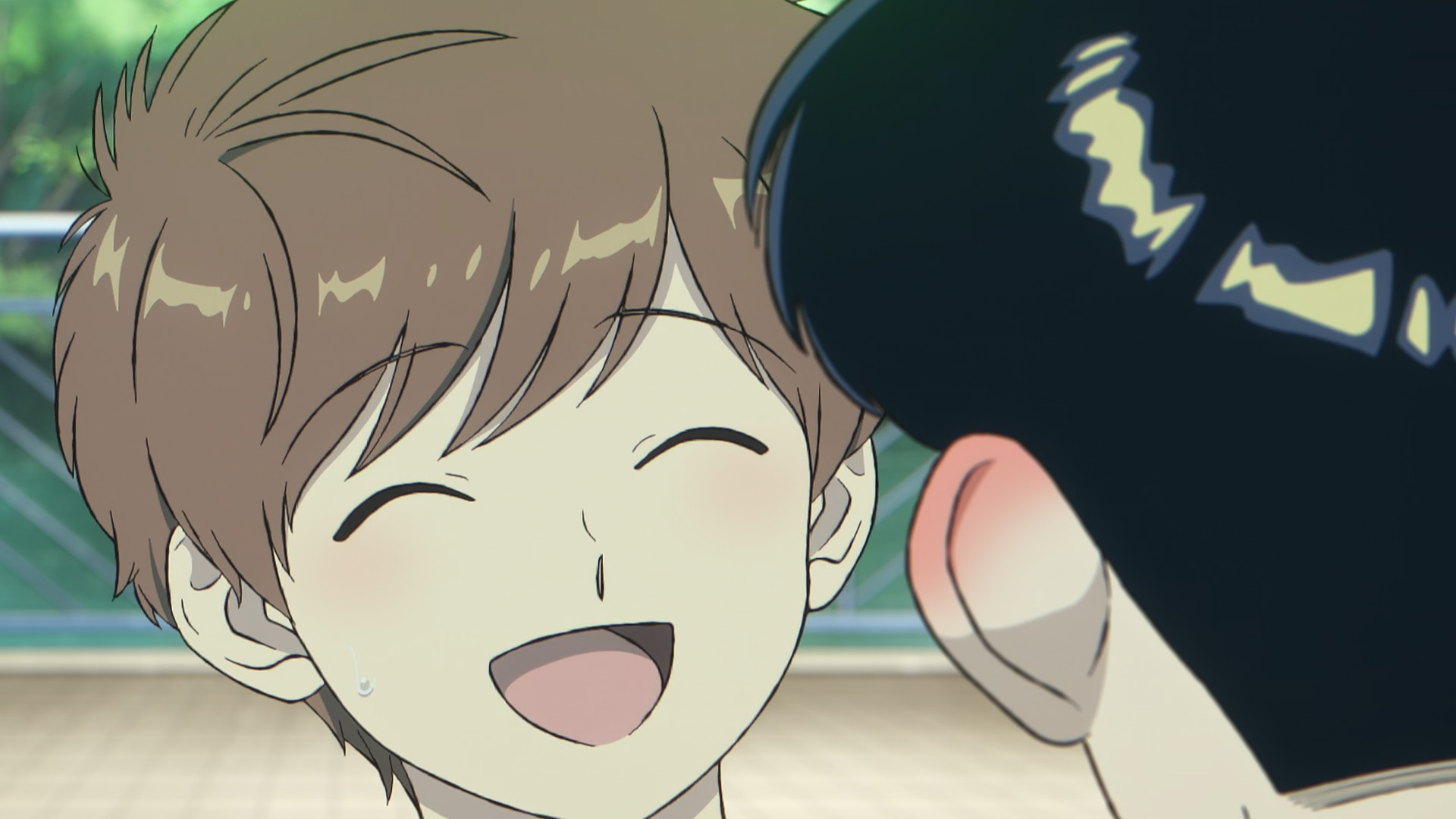
 Ganbnare! Nakamura-kun!! has a pretty tall order to fill with this finale. First and foremost, I think, it needed to decide (or declare) just what sort of story this was. It’s a love story that’s both universal and very specific, which in itself is a tough balancing act to pull off. But is it a fairy tale? A tragedy, or something else altogether? I think I would vote for the last one based on this final episode, but the most important thing is that it worked. This was an ending that managed to be both effective in its own right and to avoid anything that seemed a betrayal of what came before it.
 In practical terms, if you wanted something definitive as regards the elephant in the room, well – you didn’t get it. That was more or less in-line with my expectations, though. As regards the specifics of living with Nakamura-kun’s circumstances, again, I must defer to those who could speak to them from experience. But it seems to me that sort of uncertainty is part and parcel of being gay and a teenager. Statistically speaking, the person you fall in love with is unlikely to be able to return your feelings. But does that mean you stop loving them – or even hoping that this will be the time that defies the odds? Maybe it’s a matter of taking things on faith and letting the hope nourish you.
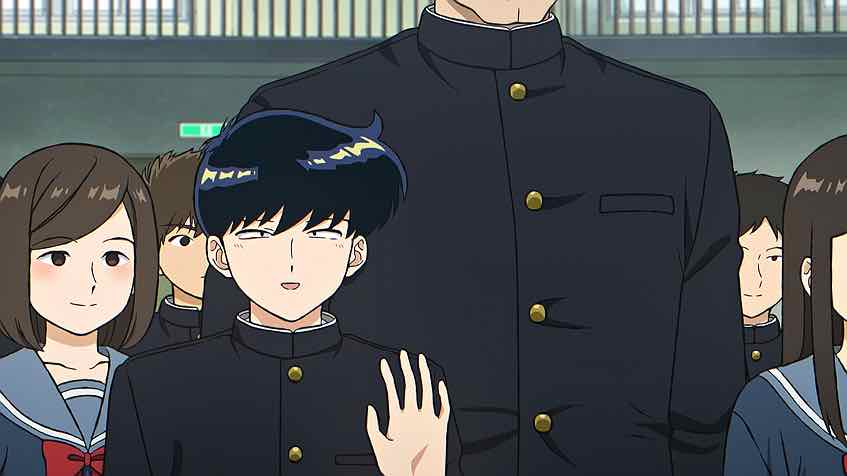
 One thing we know – Hirose considers Nakamura his friend. He tells his girlfriend that, but we already knew anyway. We also know that Nakamura is smart enough and a good enough person to realize he should want to be happy for Hirose. If Hirose is happy that should be enough. Wanting it and being able to do it are two different things, but the desire itself isn’t meaningless by any means. Nakamura understands what a friend is. He does value being Hirose’s friend, very much. There’s just that nagging bit about being madly in love with him that gets in the way.
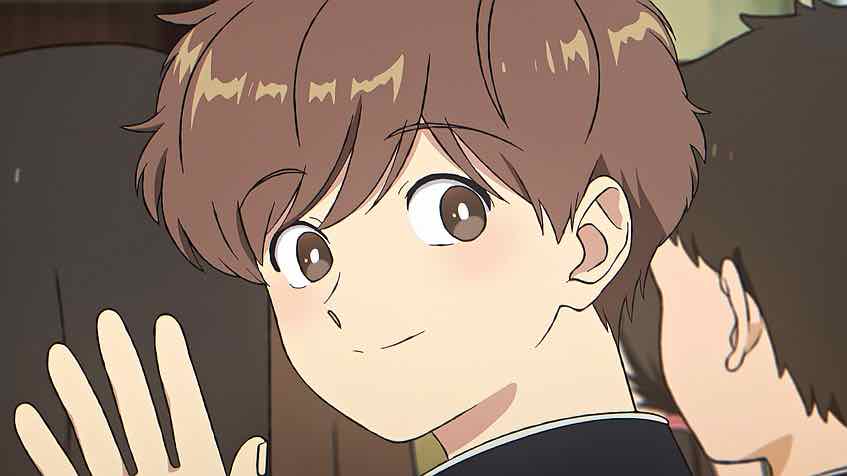
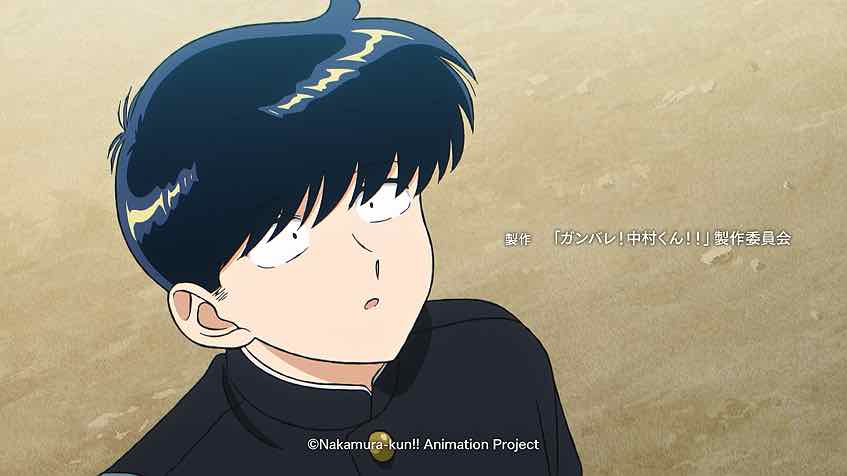
 And that’s the heart of the matter, I think. Because more than anything else what I think Ganbare Nakamura-kun is about – and is better at communicating than almost any other series in recent years – the experience of being totally, completely in love with someone. That’s where the universality comes in. I’m straight, and I didn’t need any Cliff’s Notes here. I got it, because it was presented in a way that touched the heart and soul of the viewer. We spent 13 episodes looking at Hirose through Nakamura’s eyes. We see all those things that made him “completely” charming. We feel what true love is, the way Nakamura feels it.
 Being both universal and very specific is a neat trick, and a strong indicator of quality – like being epic and intimate, something I praise lavishly when a show pulls it off. The only thing that’s hard to understand is how someone could not be in love with Hirose-kun, Nakamura’s love for him is so pure. There are collateral effects from that, most importantly that Hirose never rises above being an object. He is as Nakamura sees him, impossibly appealing and good and kind. Under normal circumstances that would be a flaw in a romance series, and a pretty big one. But I can’t say that here because it was really the whole point. I do want to understand Hirose better, to see the world through his eyes for once. But if we did, the spell would be broken and we wouldn’t have a story.
 From there, a whole lot is left to the interpretation of the viewer. Hana dumping Hirose was not a surprise, because he never seemed that into it in the first place. That can easily be because he’s 15 or 16, and a young 15 or 16 at that – very much still a child with no experience in romance. Could it be more than that? Sure, and you can bet Nakamura is thinking about that. But who knows. Hirose did enjoy being liked by someone, and confessed to – what boy his age wouldn’t? But in his own words. he didn’t really “get it”. Because he never had any particular interest in Hana in the first place – there was nothing compelling him to be with her.
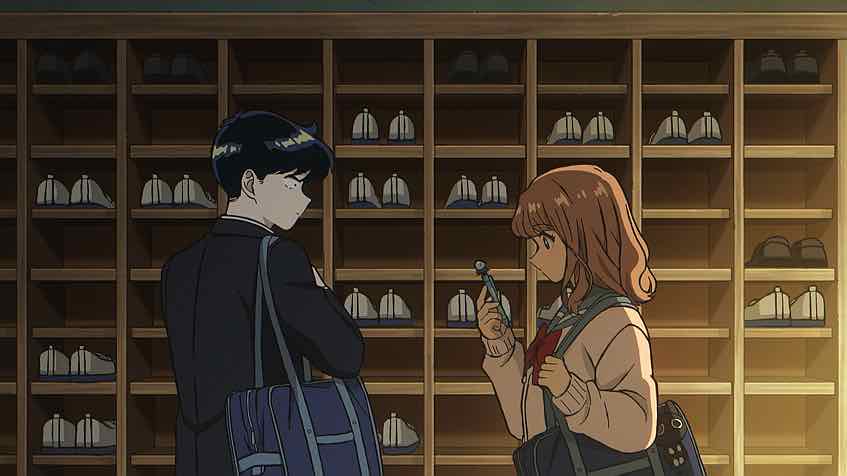 In much the same way, Hirose’s feelings about Nakamura can be interpreted however the viewer wants to. He likes having a friend who never judges him, and indeed thinks he’s charming. He likes that Nakamura is a talker and a sensitive guy and a good listener. They like some of the same stuff, even. Hirose may just be a boy surrounded by boys desperate to be masculine and tough who likes having someone to talk to. Or he might actually get what’s really going on here, and he intrigued by it. Or at least not threatened by it, which does seem possible given how empathetic and kind he seems to be. Because Hirose is an object, we can’t know – we can only interpret. Because we only know the Hirose that Nakamura knows, and that’s all he can do.
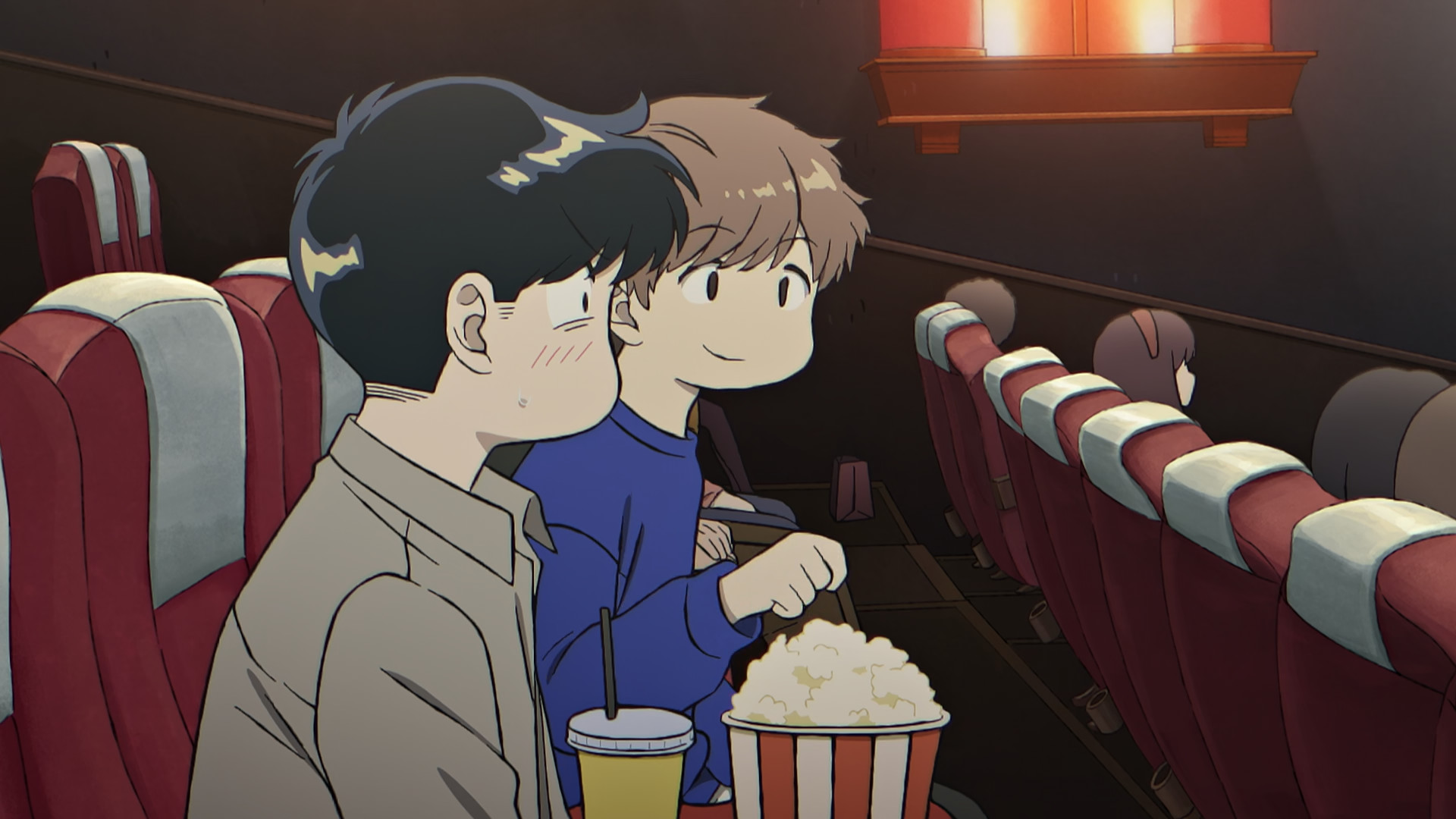
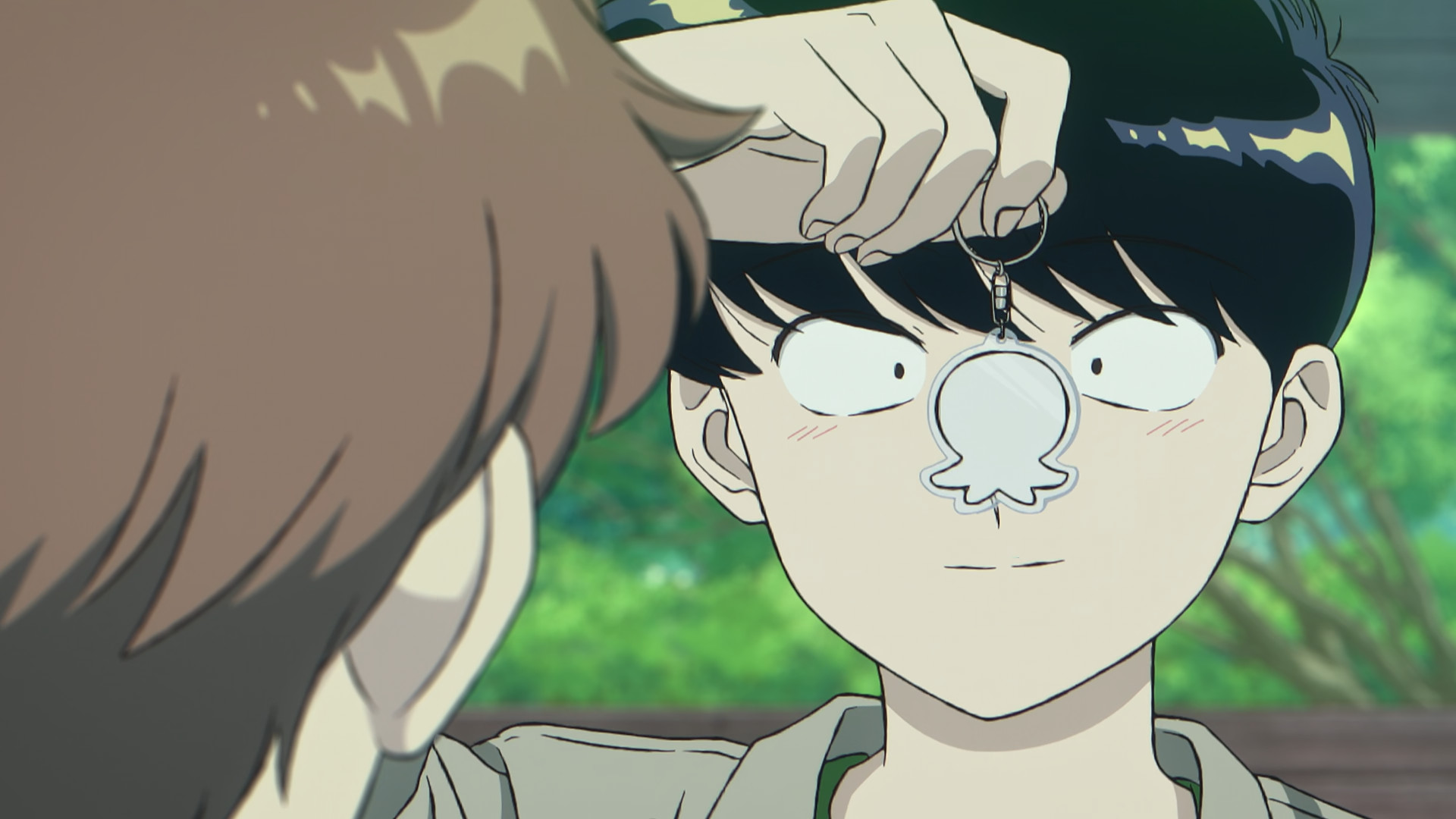
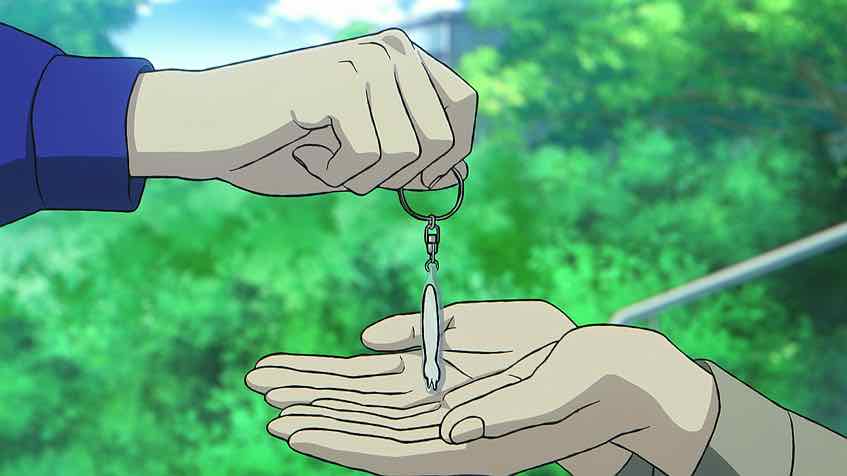
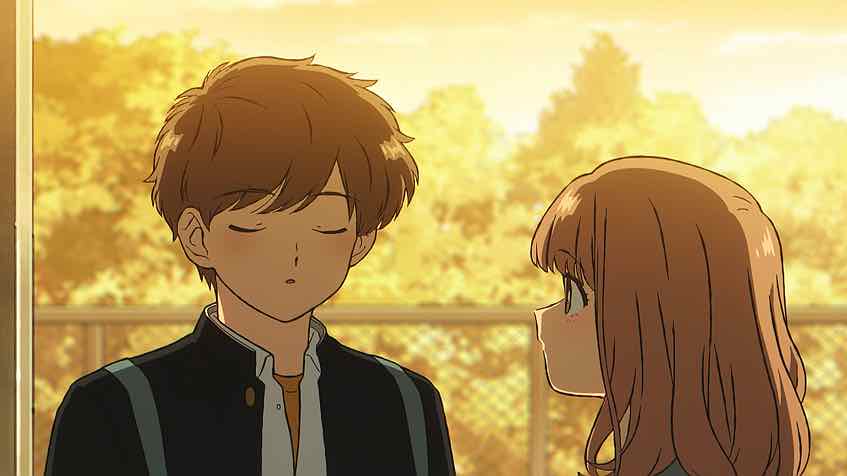 Obviously the two of them are incredibly cute together, and it would take a cold heart indeed not to root for them. Crying at the same movie scene, exchanging octopus charms and compliments, whatever they have going on is genuine. It’s heartfelt. You almost feel sorry that romantic love has to enter into it, because it prevents Nakamura from truly diving in and enjoying all this for what it is. As long as he’s with Hirose-kun he’s always going to want more, and there’s nothing he can do about it. But to deny that would be to deny the experience of being unreservedly in love with someone, and that experience is arguably the most powerful expression of humanity we have,
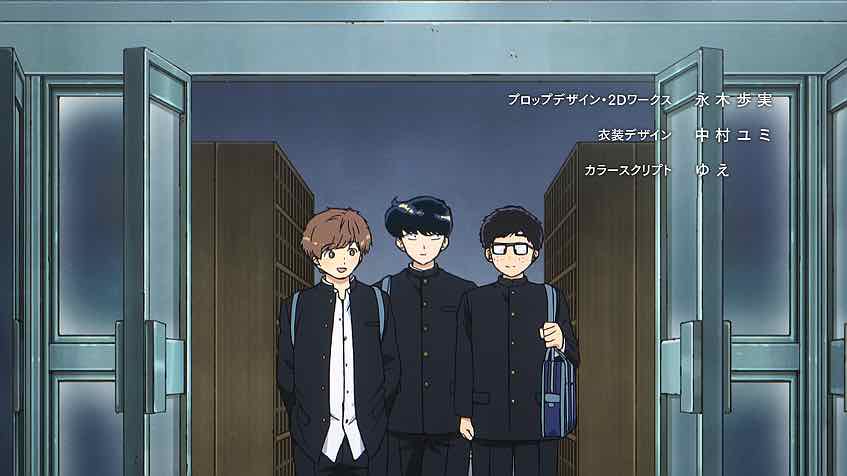
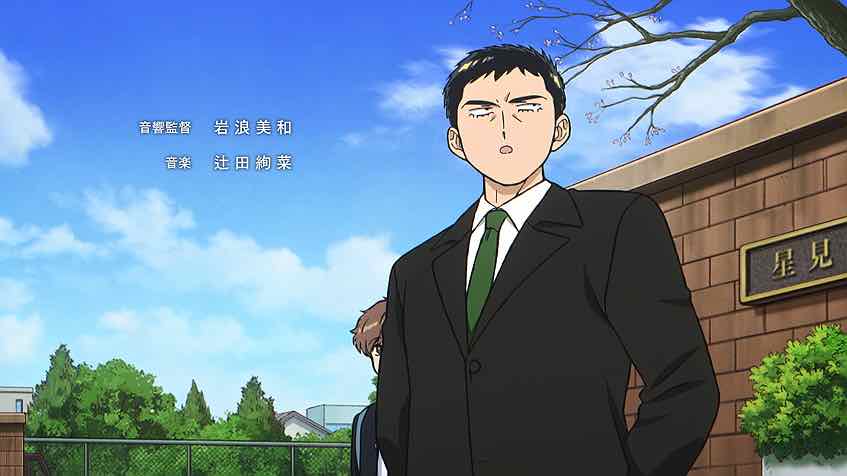
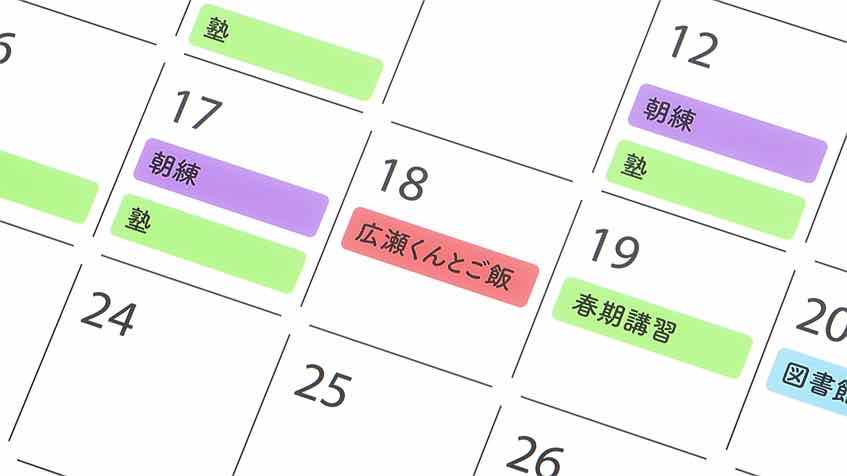
 And there it is – in that one contradiction, Ganbare! Nakamura-kun!! being as universal as you can get while tackling a very particular hardship with sensitivity and insight. The writing is obviously the source of that, but the achievement of the anime itself can’t be overlooked. From the eerily authentic 80’s look to the wonderful collection of 80’s ED sequences to the way it expanded a two-volume manga into 13 episodes, this was a stellar adaptation in every way. Not since Karakai Jouzu Takagi-san, probably, has an anime so deftly expanded on a source material.
 I don’t know exactly where this show will be in the year-end summing up, but it’s certainly going to be a part of the conversation. There were two episodes here (6 and 12) that will definitely be among the very best of 2026. And while the slapstick interludes didn’t do much for me, everything else pretty much clicked. It’s wonderful that Ganbare! Nakamura-kun!! told a gay love story with such wit and restraint, and without relying on subgenre tropes for easy gratification. But it also managed to be a portrait of being young and in love that speaks to anyone and everyone who’s ever been either.






















animealex
June 21, 2026 at 4:14 amThat was a fun series. I read the manga a few years before and I quite liked the adaption. Oh well, to be young again and in love with your best friend; what a chaotic time that was. At least Nakamura-kun is already as a high-schooler aware, that he bets for the other team and it’s quite charming (if unrealistic, if we are honest), that he never faces any repercussions for that. Still, like Enzo said, the fact that this story doesn’t rely on certain clichés to get the ball rolling and it’s positive messages are universally applicable make this work so great.
I must confess, I mainly posted this short series review, because an empty comment section on such a great series doesn’t feel fair, so I just posted my ramblings here.
Guardian Enzo
June 21, 2026 at 8:33 amPost anytime and often! I love to see your comments generally, but I agree it’s sad this gem got so little discussion.