

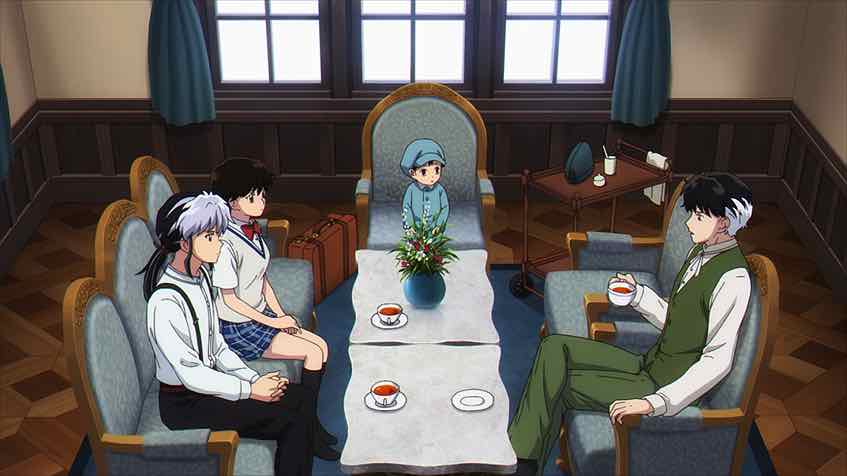
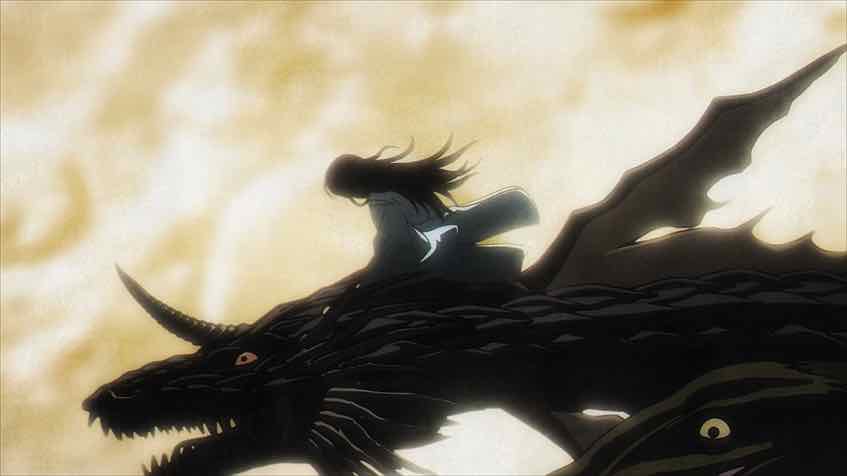
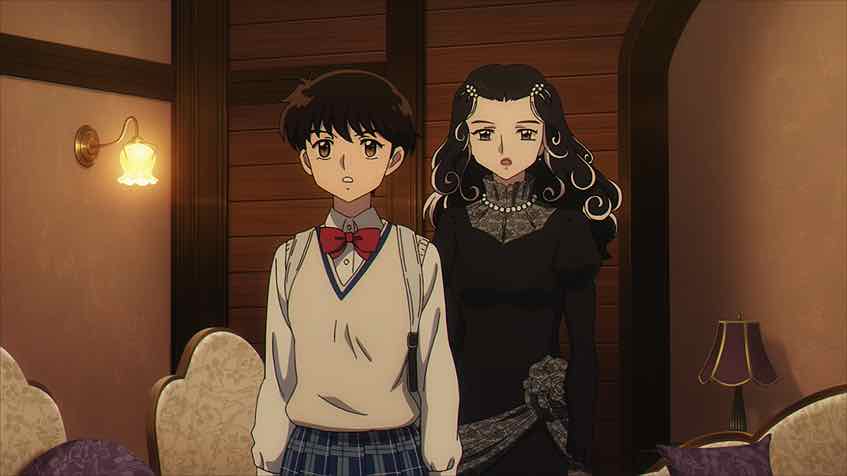

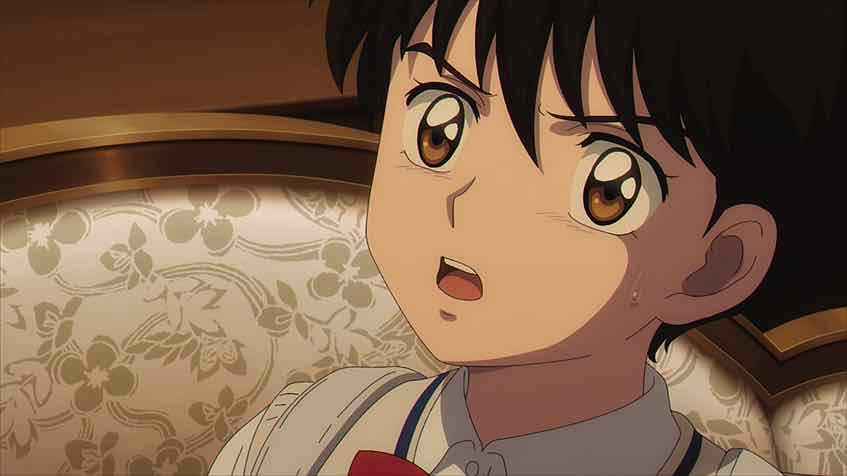
 I have to say, I have great admiration for the sheer logic and precision with which Mao is put together. Every episode has been a puzzle piece of exactly the same size give or take, patiently forming a picture of what this story is. To the point where the finale could only have been one shape, and it seems obvious now that it’s slotted into place. This series is old-fashioned in every possible way, even in terms of episode count. Those of us around as long as I’ve been know that 26 used to be the default number, more or less. But we rarely see it in this day and age – two-cour series are rarer to begin with, and almost never 26 episodes.
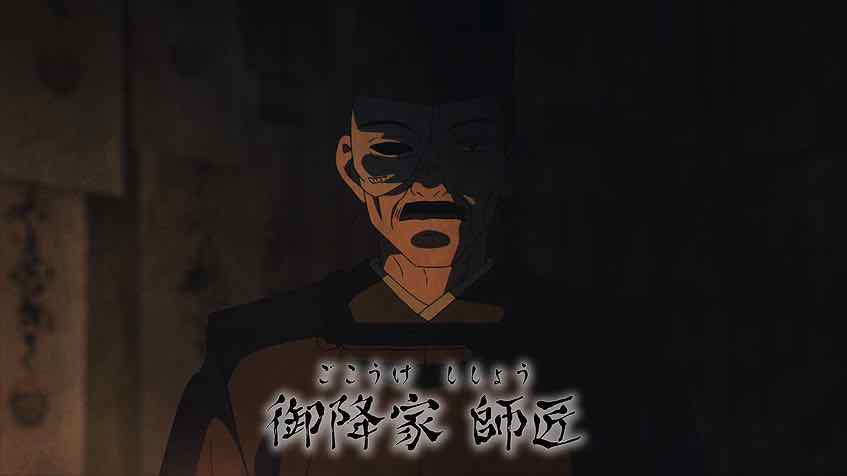
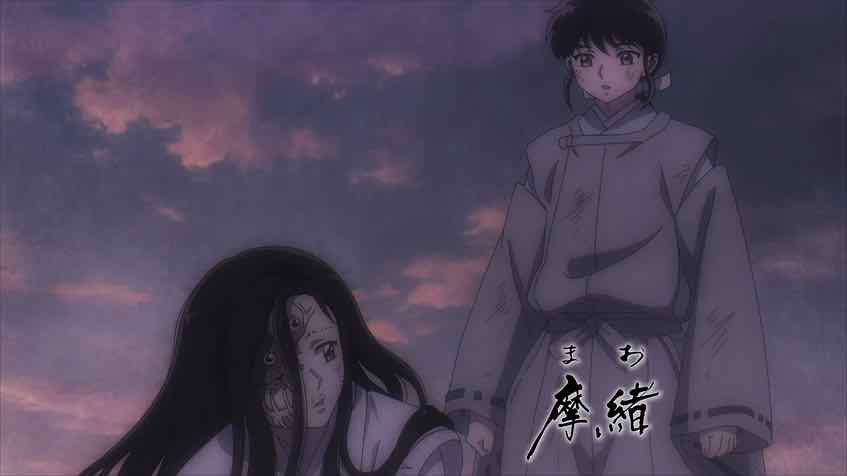
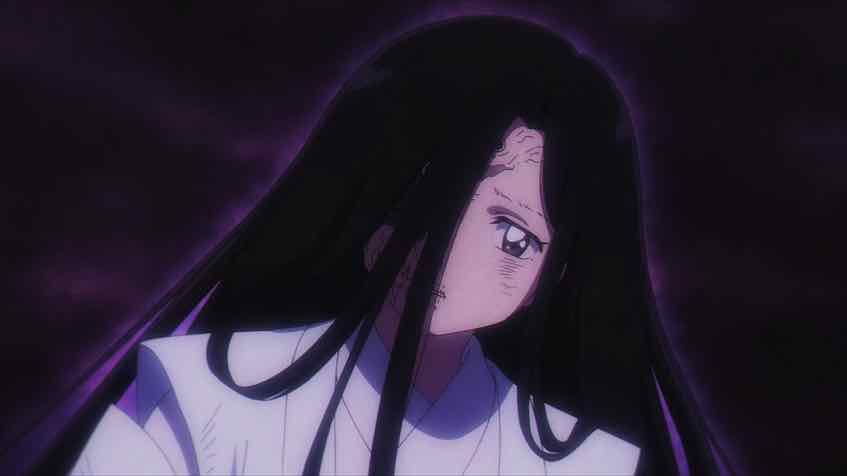
 That the Goko Clan was an absolute scourge against everything decent has been obvious pretty much since the beginning. But Yurako’s backstory was the cherry on top. She could be an unreliable narrator of course, but even a hard-core cynic like Kamon sees no reason to disbelieve the tale she will spin for Nanoka. Why? Because it totally fits with the pattern of behavior of the Goko Clan and its master. The hard truth is every trace of its existence really needs to be wiped clean, but that includes the continued lives of some genuinely good people (not least Mao).
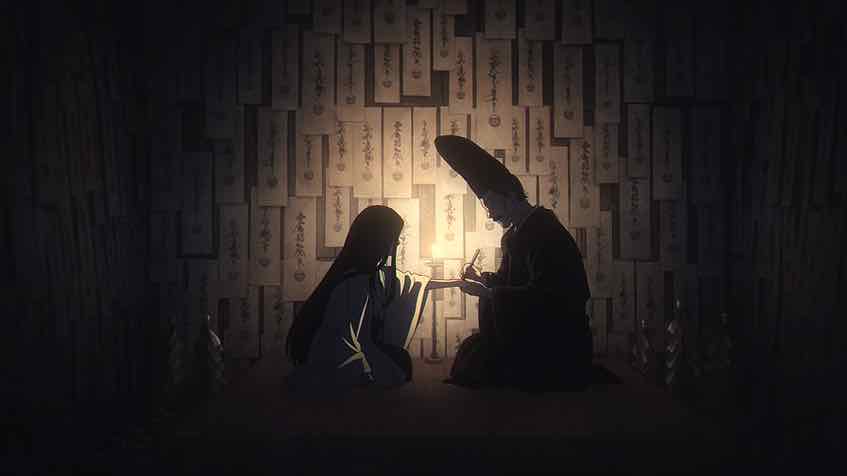
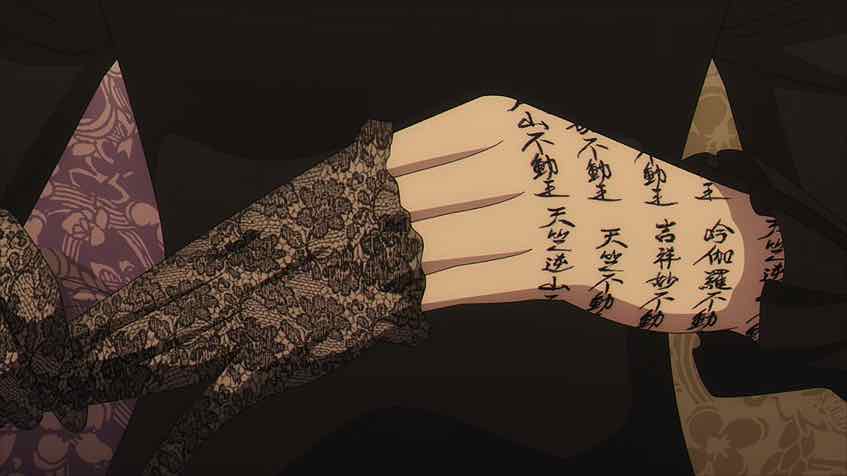
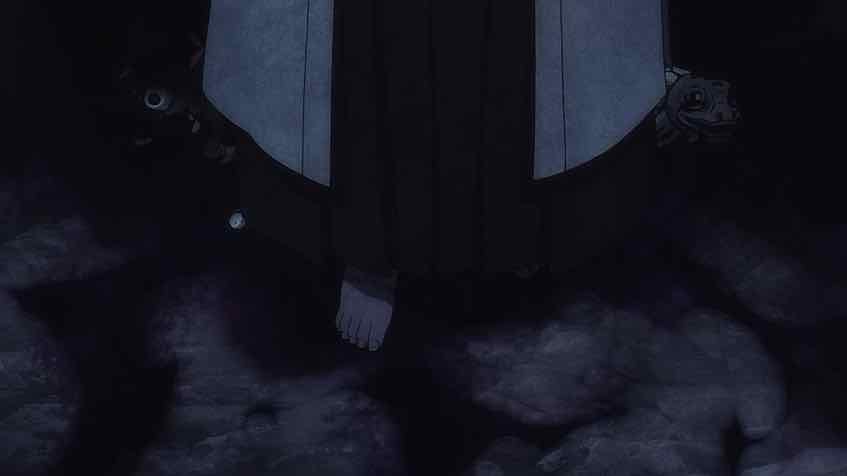
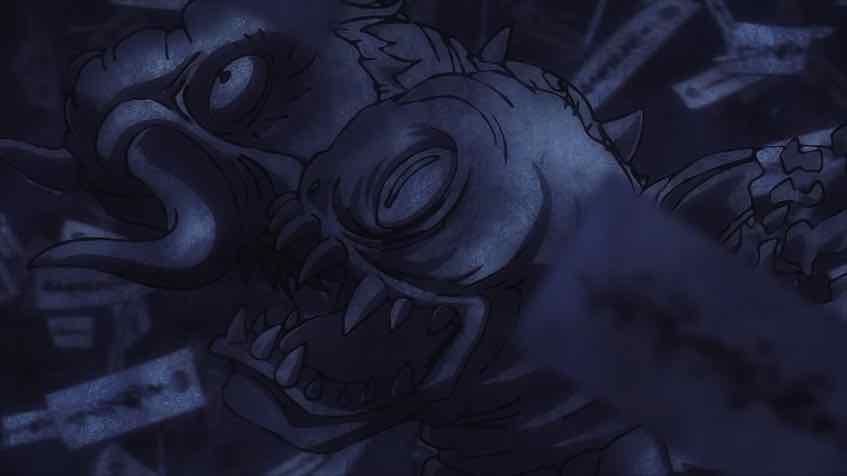
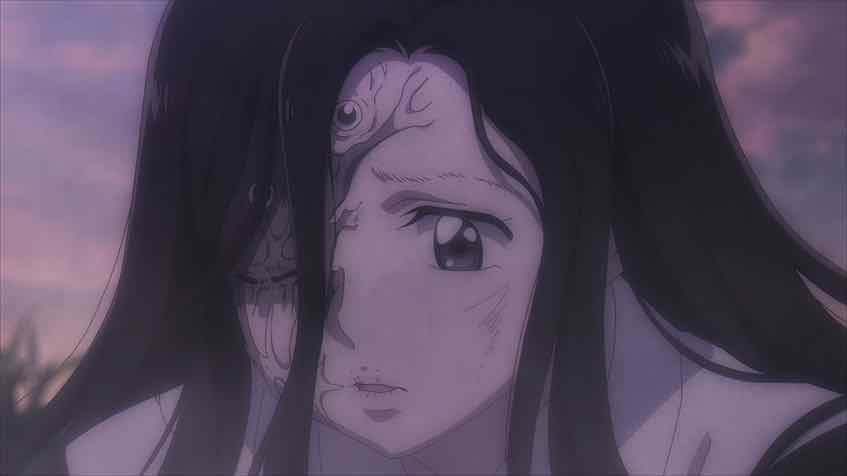
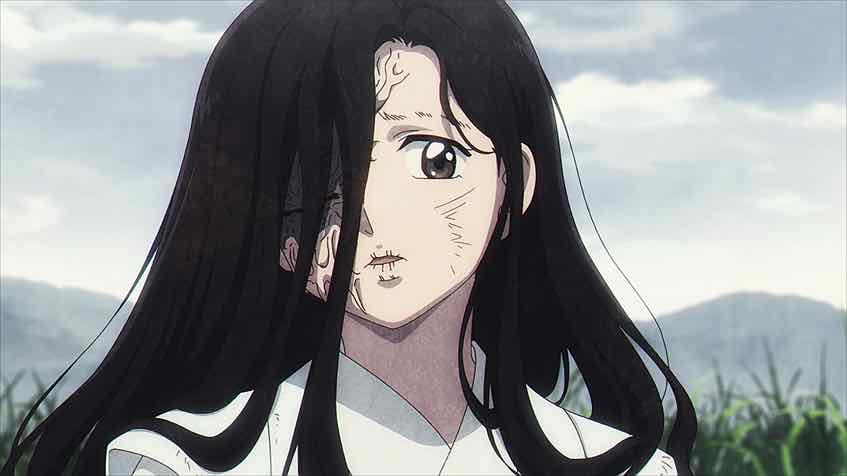
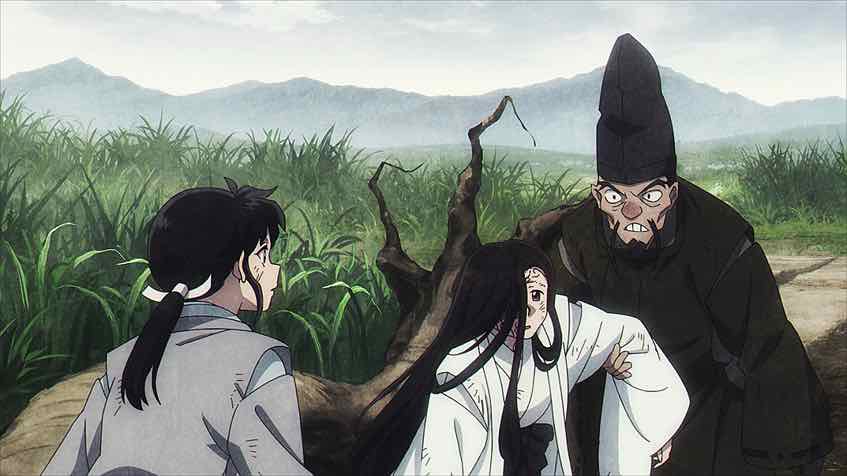
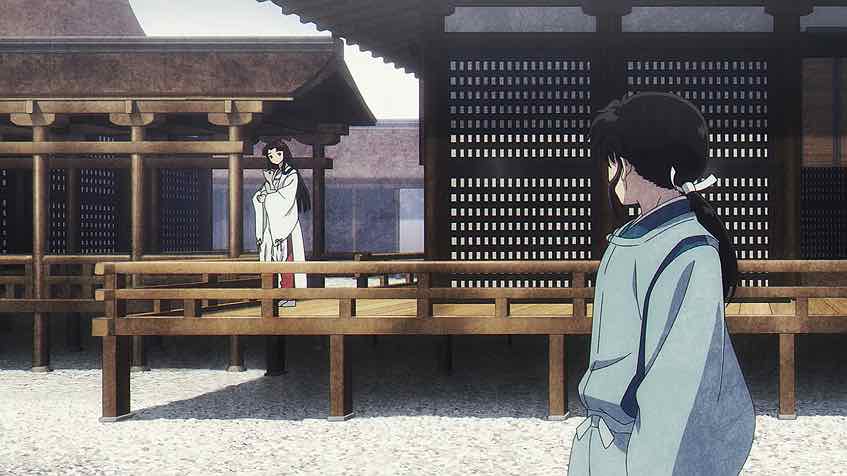
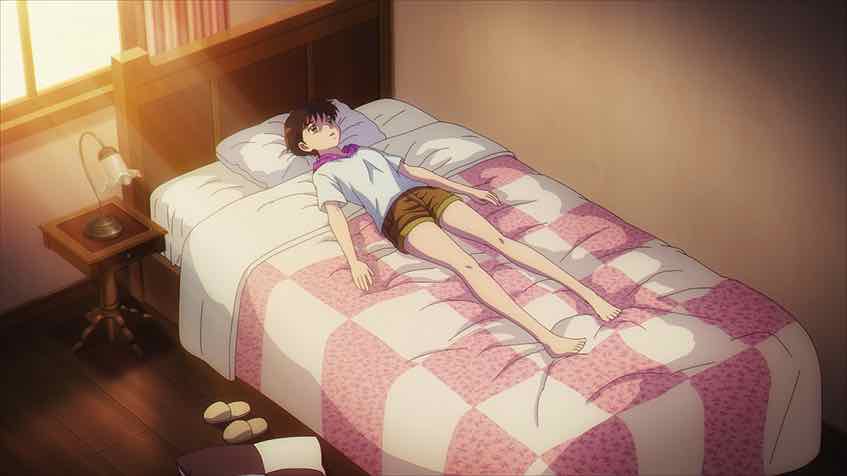
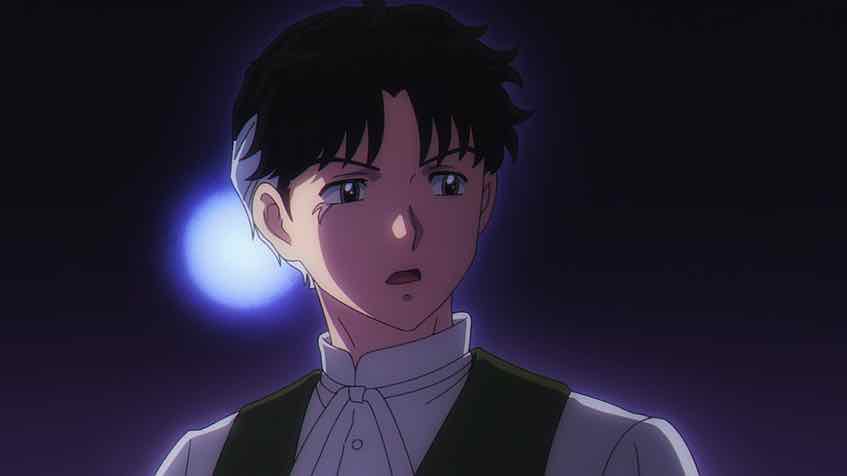
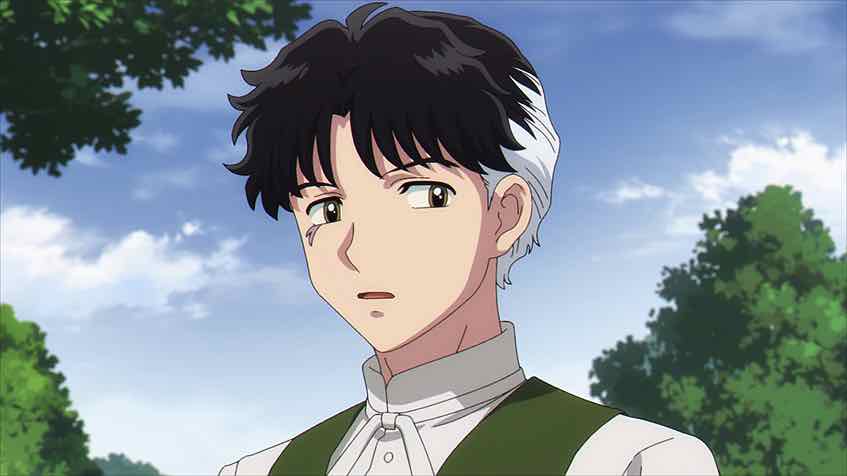
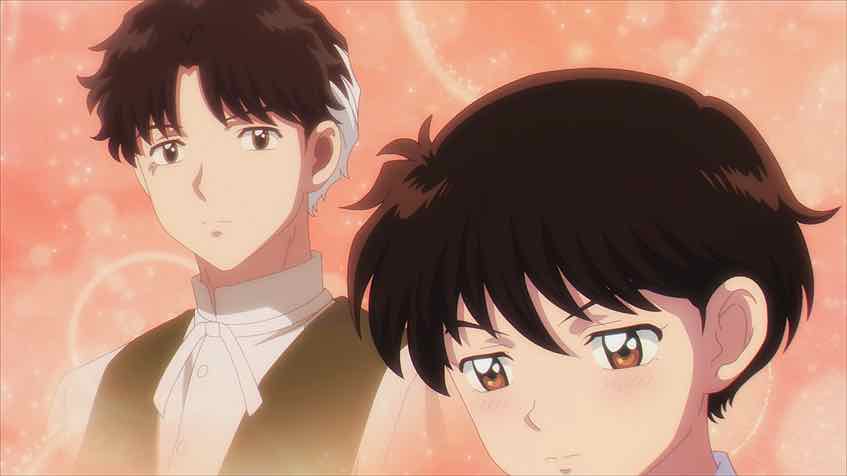
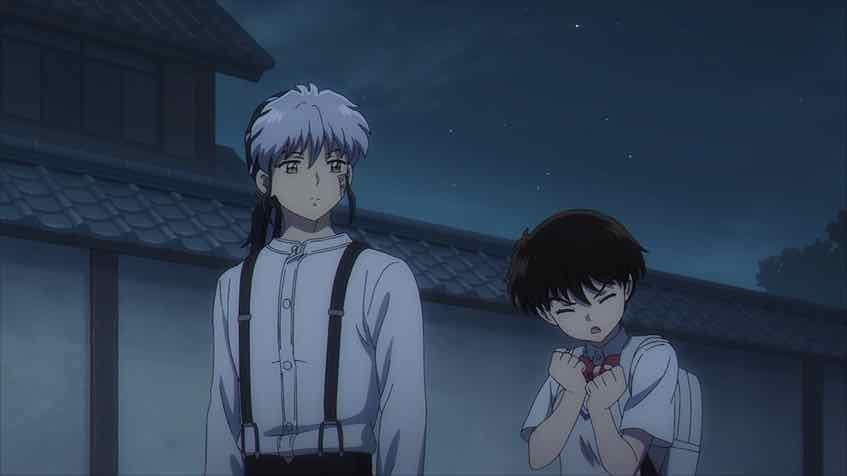
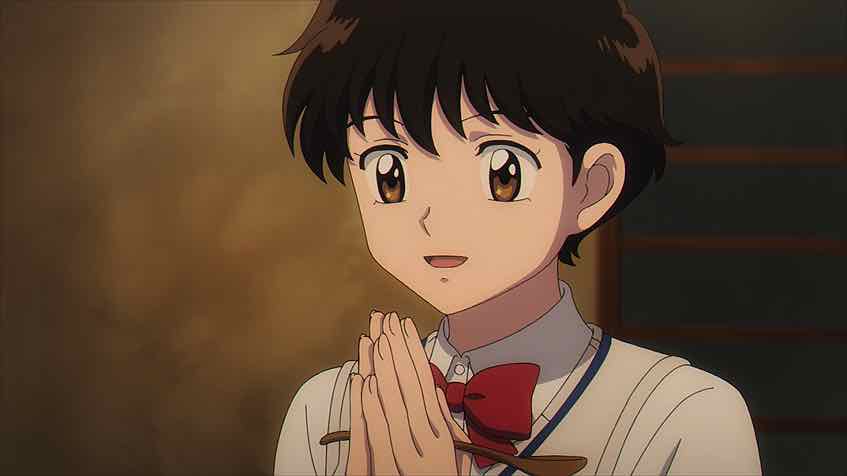
 Yurako’s lot in life was about as brutal as you could want. Living in darkness, covered in tattoos, forced to act as a vessel for all the retaliatory curses hurled at the Goko Clan. It was only through a freak – and temporary – escape that she learned that the outside world existed. And that she met Mao, the only person who ever showed her kindness or was concerned for her welfare. Of course she fell in love with him – how could she not? Not even Nanoka can dispute the inevitability of that.
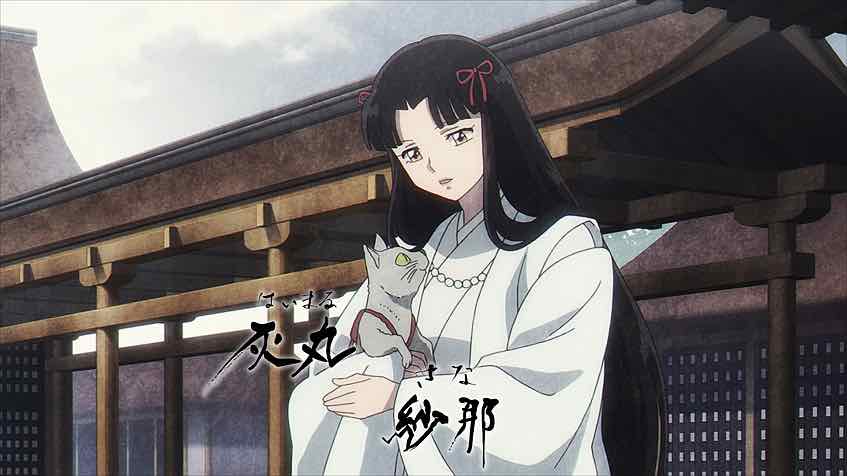
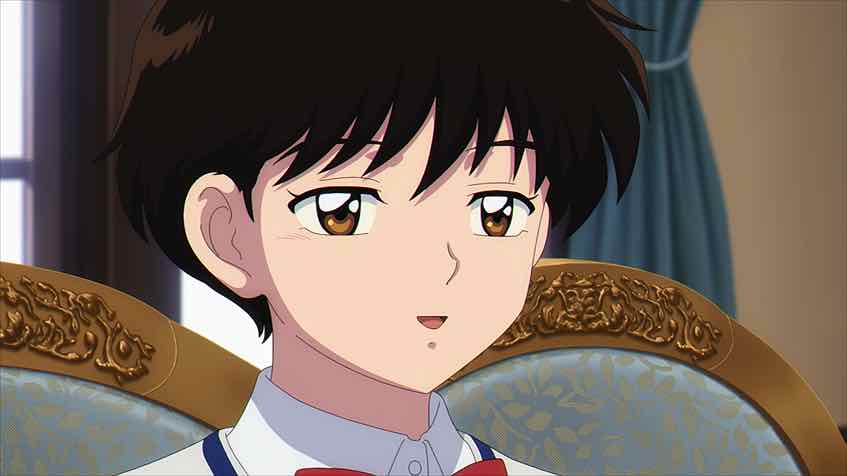
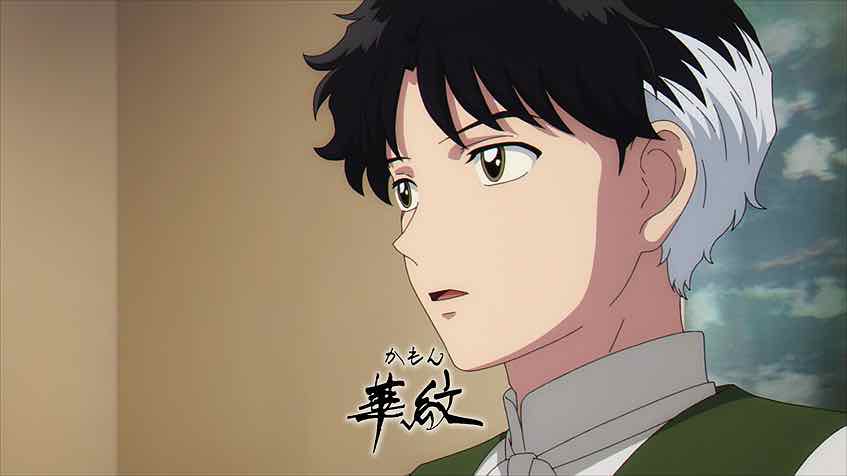
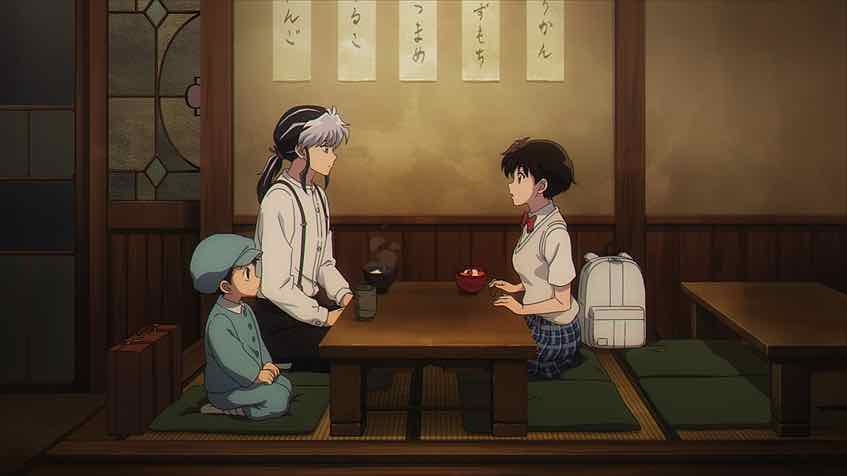
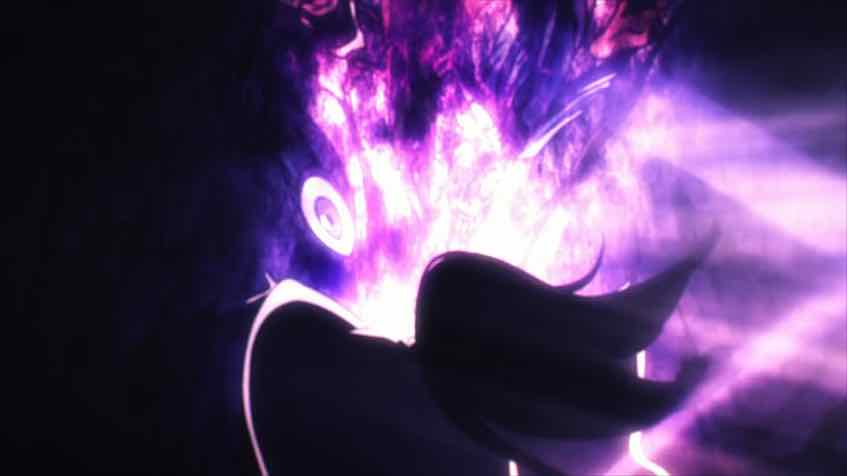 What we still don’t know is how Yurako ended up with Sana’s face – though it’s logical to surmise that she chose it because she knew Mao was in love with Sana – or why she ended up working with Shiranui. Why? Because she chose not to tell Nanoka those things. Doing so held no benefit for her. Yurako makes no move to threaten Nanoka in any way – she only shares her painful story. But Kamon, the sharpest knife in the drawer, sees through her actions with crystal clarity. Words are a type of curse, he says. With them, you can bind someone’s heart.
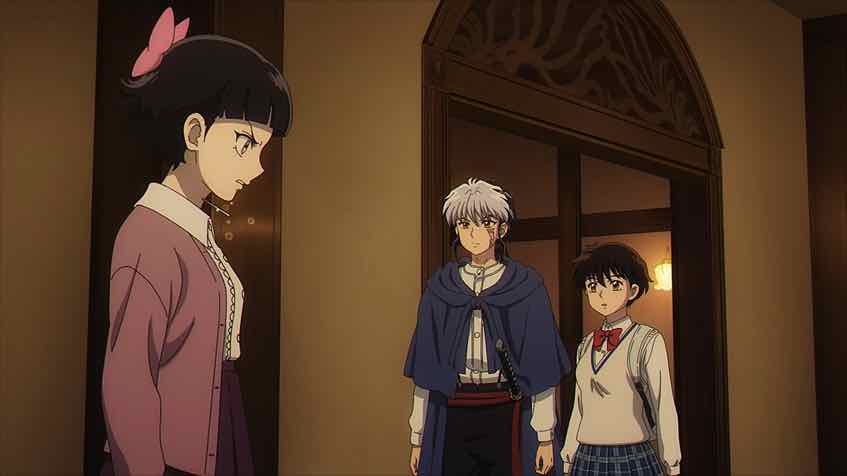
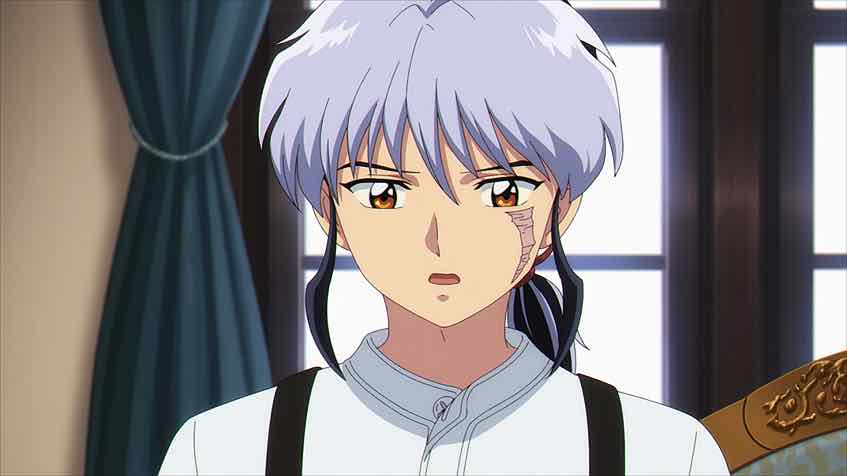
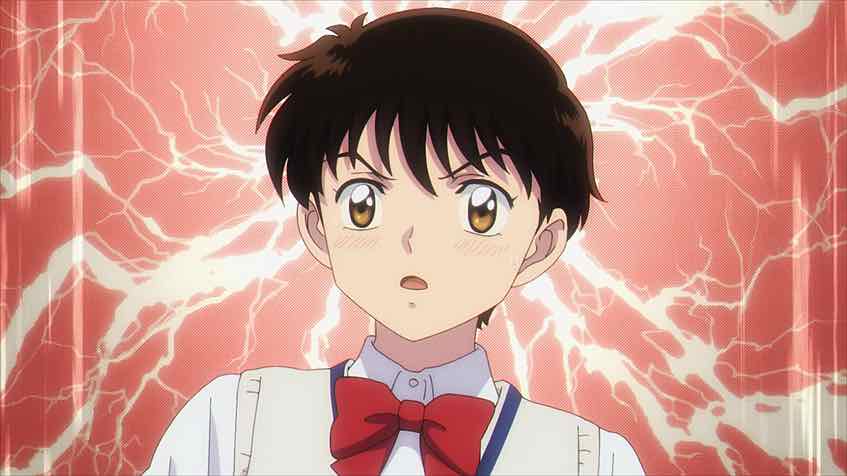
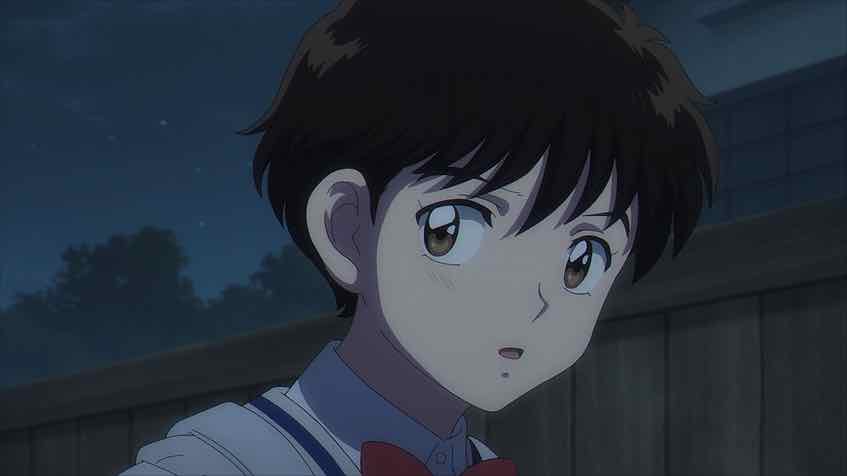
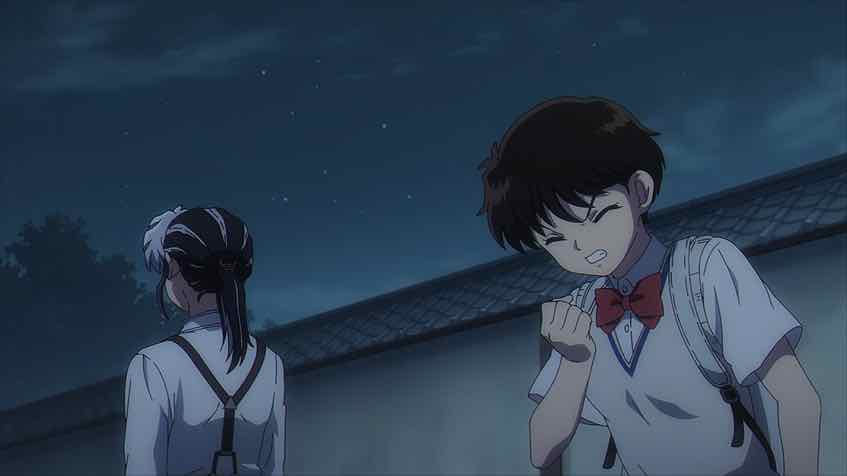
 This is the profoundest moment of the episode, no doubt about it. Nanoka is very much a child in every sense, Kamon a wizened ancient as skeptical as they come. They see Yurako’s actions and words in a very different way. Yurako is still in love with Mao, and Nanoka is an obstacle. But she can’t hurt or kill Nanoka without making Mao despise her. So she uses the truth as a curse and binds Nanoka’s heart. Of course Nanoka feels sympathy for her – any decent person would. Of course she thinks “How can I compete with that?”
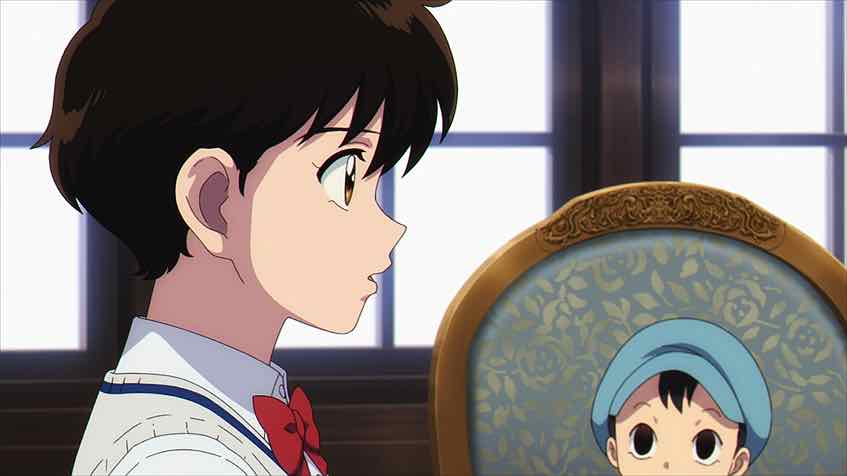
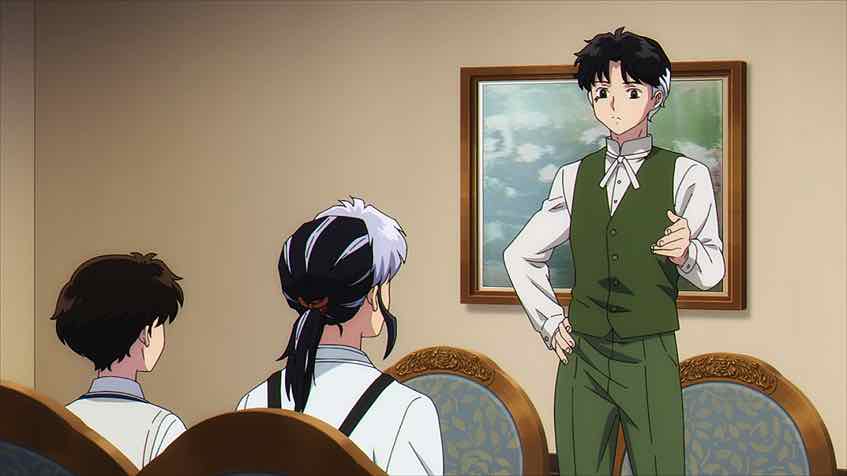
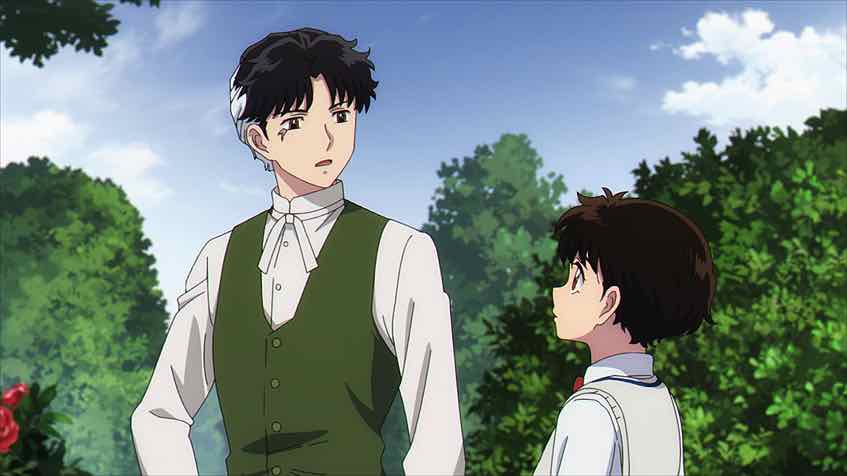
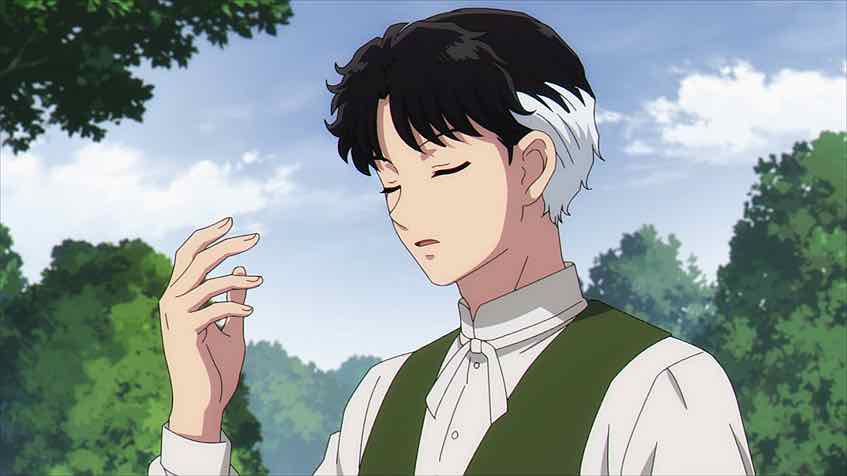
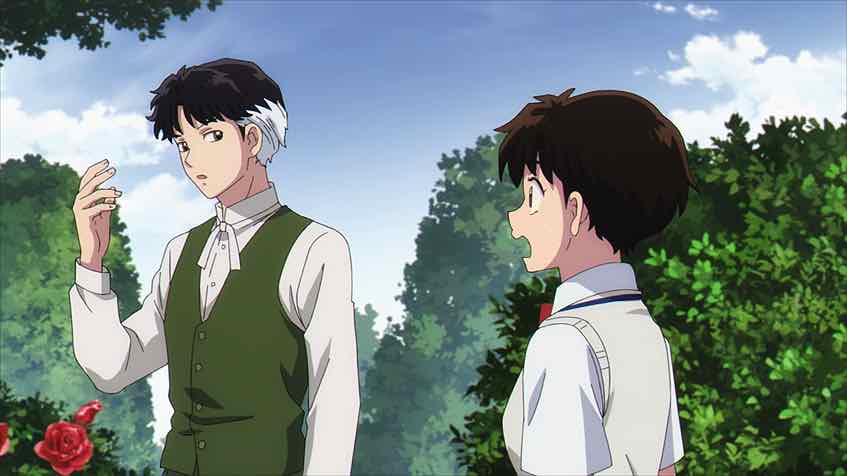
 Kamon is a fascinating piece of work. He’s a cad, no question about that. But his actions towards Nanoka are deceptively kind. When he tells Mao “I lifted the curse” it comes off as a quip – because that’s the Kamon thing to do – but it’s literally true to a significant extent. He shares his perspective with her and allows her to see Yurako in a different light. In doing so, he frees her to be true to her feelings, at least to a degree. Nanoka is someone who knows exactly what she wants, and whose dreams are straightforward. She’s the odd one out here, a mere babe in a cast full of relics of another time whose lives are weighted down by a millennium of regret and deceit.
 Mao is consummately Rumiko (it certainly reminds you of Inuyasha specifically), but also an outlier in some ways. It’s quite serious – not self-serious and certainly funny when it tries to be. But that’s rarely, by her standards. I would say it’s very “quiet” for a Takahashi series, both in terms of action and emotional tone. Even in her nominally serious works she tends to go for more overt drama and inject more absurdist comedy. Is this a function of where it sits in her career timeline? Perhaps – it’s more mature in obvious ways than some of her earlier work. But maybe she was just in the mood to do something a little different.
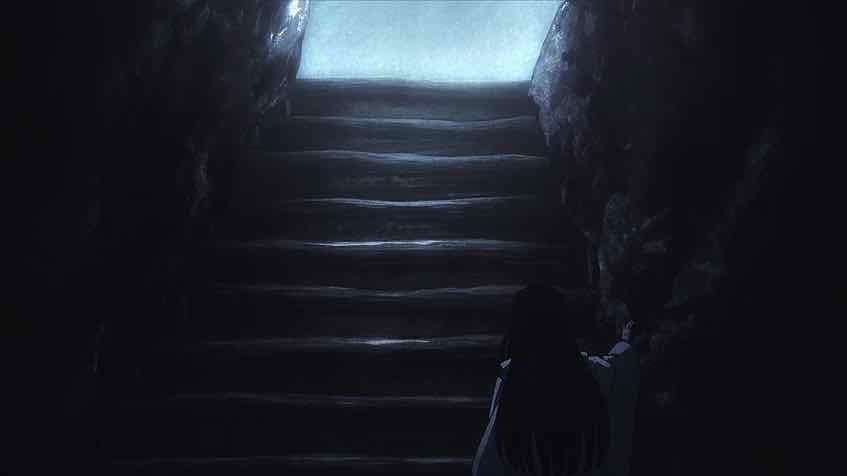 Of all the series ending this month, Mao is perhaps the most uncertain when it comes to the “will it or won’t it?” question. I sort of suspect we will get a continuation. There’s plenty of material, Rumiko is still a massive name, and this episode made no overtures whatsoever towards being conclusive. But Mao is not the commercial bomb that Yomi no Tsugai is, and it’s obvious that this season had a pretty decent budget to work with. Is there going to be the will to keep going?
 I certainly hope so. This show is sneaky good, all substance and little flash. Rumiko is still a master at what she does, and there should still be a place for her in anime. The lukewarm reaction to Mao shows how out of touch with current tastes her storytelling model here is – you see words like “slow” and “meandering” which could hardly be more laughably inaccurate, the product of an audience shaped by light novels and battle shounen desperate to gran an audience with their first volume. Now, when it’s finished, if you’ve been paying attention you have a sense of just how accomplished this season of Mao was. May there be more to come.









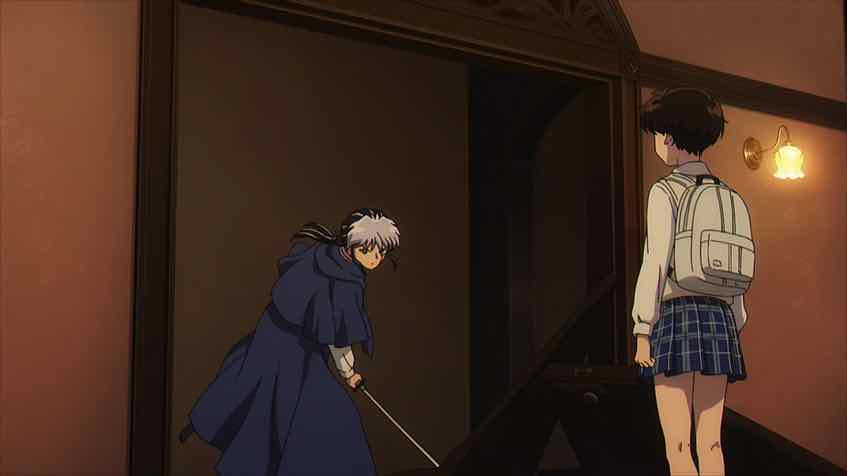
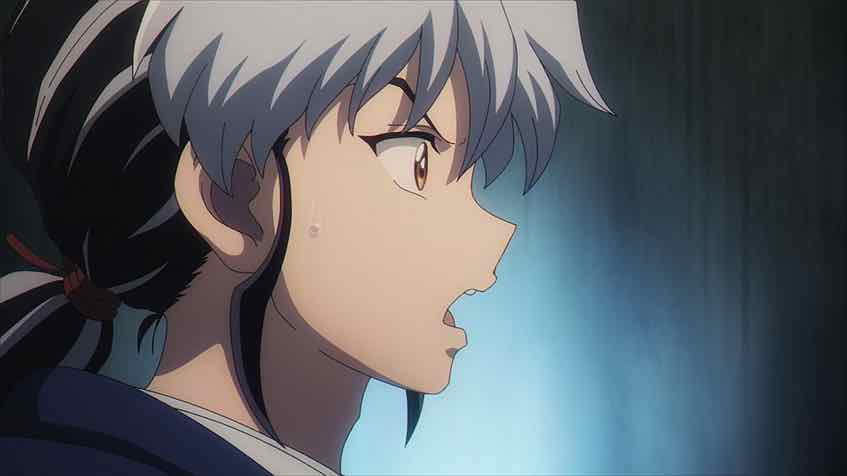















Joe
September 27, 2026 at 12:24 pmWonderful review. I have been lurking here for a bit now, but decided to leave a comment on your last review of MAO’s first (and hopefully not only) season.
I find it a shame it has gotten such a lukewarm reaction from overseas fans, but it seems to have been a bit more popular in Japan (apparently it did quite well ratings-wise on TV).
Here’s to hoping that RT’s legendary status and the ratings are enough to bring about more seasons, because the story has much more to offer and has only really just begun.
Guardian Enzo
September 27, 2026 at 12:51 pmThanks Joe, happy to have you join the conversation.
If I were a betting man I’d say 65-35% in favor of more. Rumiko is still enough of a draw in Japan than I think that will carry the day.
colony flow
September 28, 2026 at 10:58 amCalling Mao’s final stretch a puzzle where every episode is a perfectly cut piece is a great way to put it — the logic of the curses and the Goko Clan finally locking together is what made the ending land. I kept waiting for a loose thread and never quite found one. I run Colony Flow, a guide site for a small ant colony puzzle game, and that same satisfaction of watching a plan click into place is why I like tightly plotted series like this.