



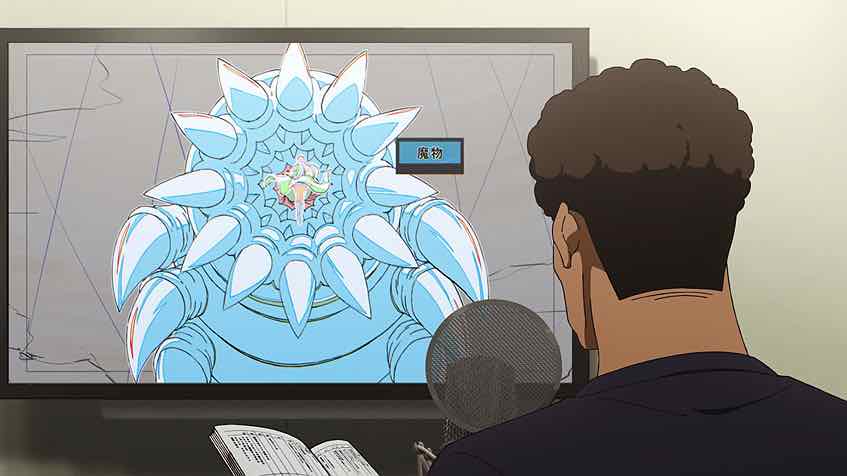
 I’ve been thinking a lot about why this adaptation often comes off as sort of lifeless, despite a highly pedigreed staff. I admit I don’t consider the manga to be anything great, but I think Akane-banashi wrestles with some deeper issues as an anime. It’s endemic to what it is – a shounen sports manga with rakugo as the sport. In a baseball manga adaptation, it’s no issue if the young players aren’t that great at baseball yet. It’s tougher when performance is the theme, but even something like Kono Oto Tomare is fine as long as the soundtrack is up to snuff (and it certainly was).
 I feel like, on some level, a rakugo series can only go so far as the rakugo takes it, even if rakugo isn’t ultimately what it’s really about. As a manga, no problem. But anime isn’t manga. Shouwa Genroku was a story about legendary rakugo performers, the very best in the world or so we’re told. Their performances – and seiyuu – reflected that. Akane-banashi is about a bunch of newbies and mid-bosses trying to get to first base in the rakugo world, while all the great performers sit in the peanut gallery and critique them. Again, not so much a problem on the printed page. On the screen, and through the speakers? A different story, no pun intended.
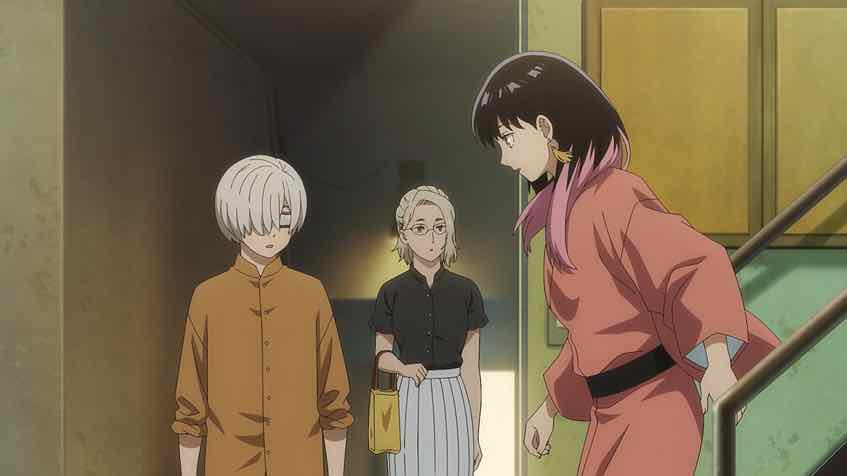
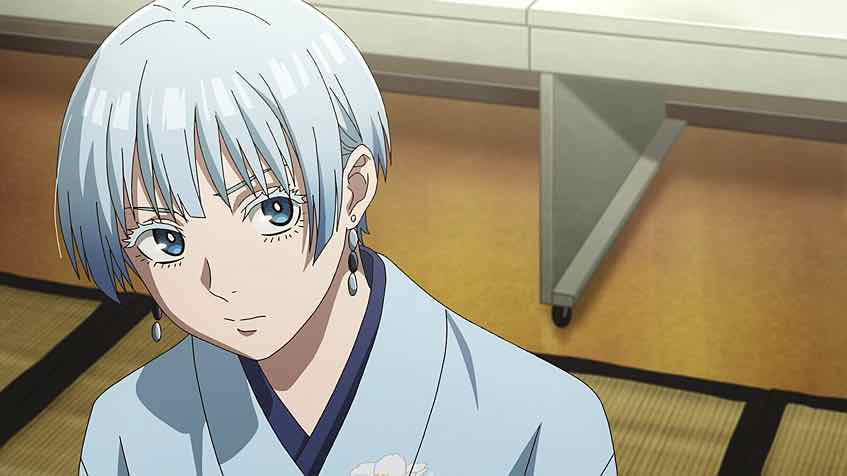
 That takes us into fuzzy territory with Kouragi Hikaru. I found her performance to be a complete miss. Sterile, flat, and worst of all not recognizably rakugo in any way that strikes me. Takahashi Rie is certainly a fine seiyuu, one of the usual suspects in big-money adaptations. But here? I don’t know – I felt nothing, despite “Shibahama” being reputedly one of the most emotional ninjo-banashi of them all (and the most famous). But how much of that is execution? I got the sense from the manga that we were supposed to assume Hikari’s “Shibahama” was exceptional – a crowd-pleaser at the very least. But it can be hard to tell what the author intends.
 Either way, it didn’t make much of an impression in anime form. “Shibahama” of course has strong connotations in the plot – it was the story Shinta performed that fateful day six years earlier. Akane doesn’t seem fazed by this, at least superficially. As for Isshou he praises Hikaru’s performance despite, he says, a philosophy that students shouldn’t perform “Shibahama” because they lack the life experience to bring the story alive on-stage. Hikaru’s performance is all about manipulation, and in-situ at least she’s very good as it. But it all plays as a sort of staged reading or one-woman play rather than a rakugo performance (and those are different things).
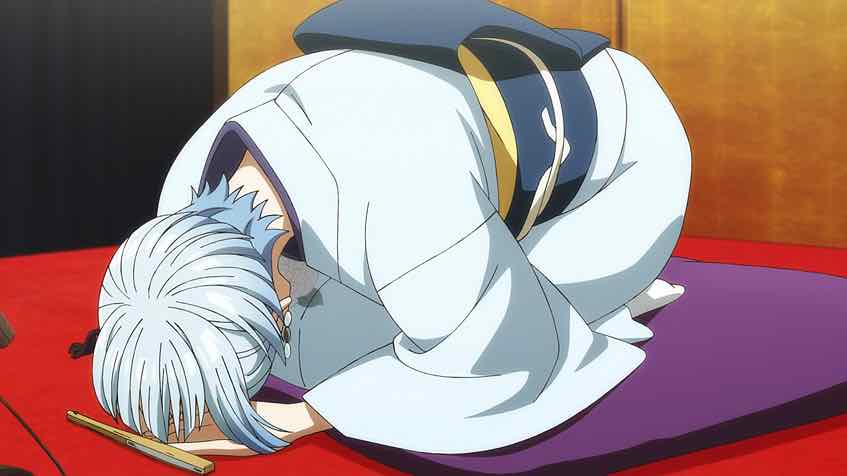
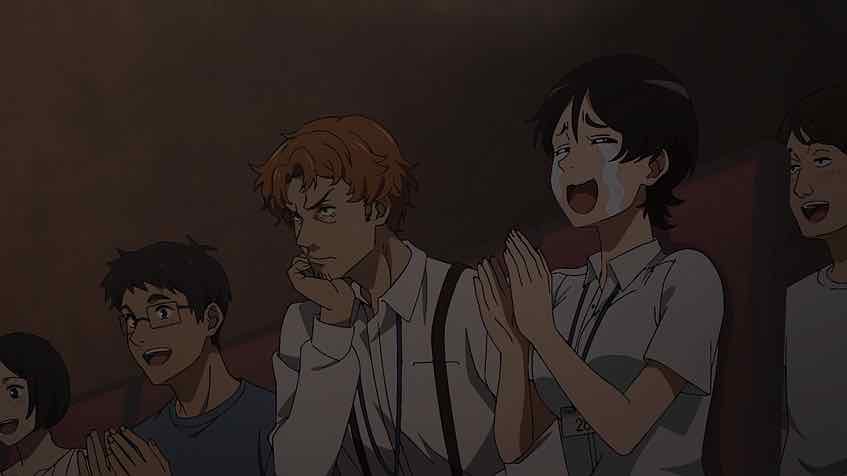
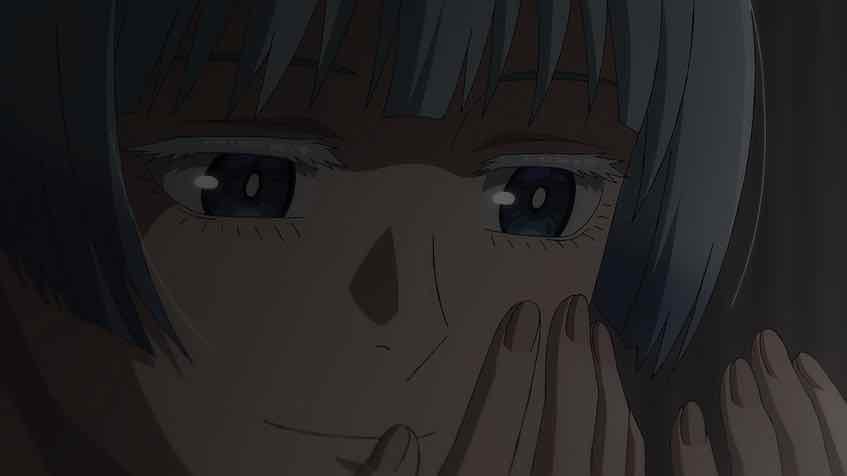
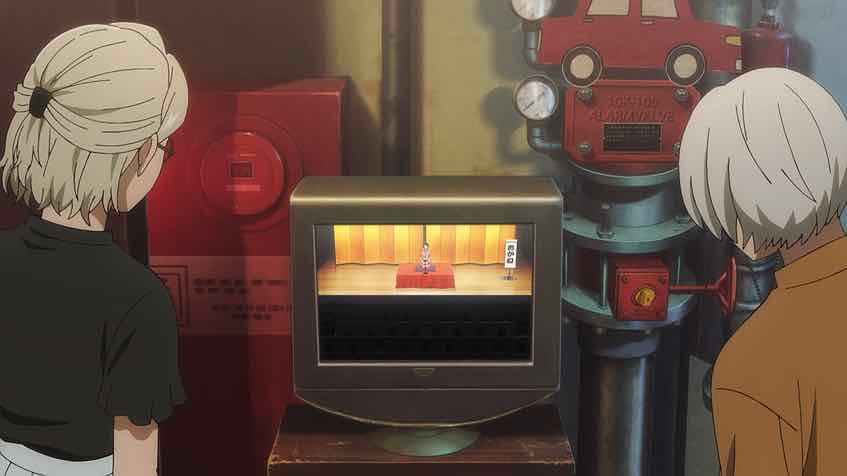
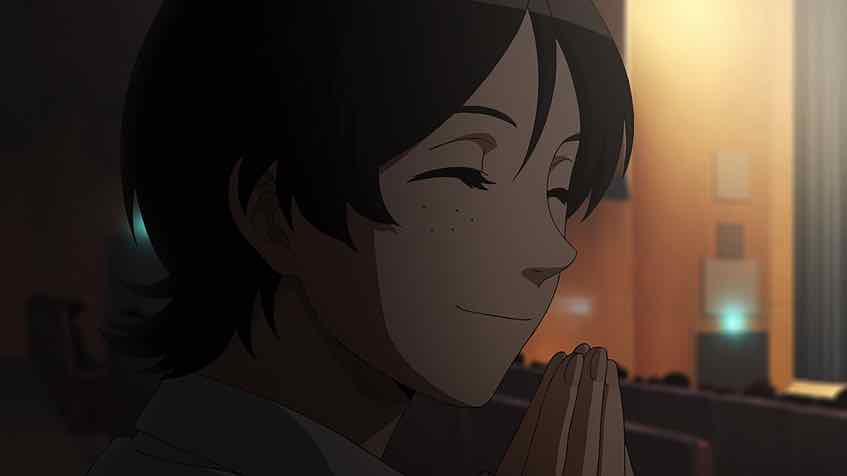
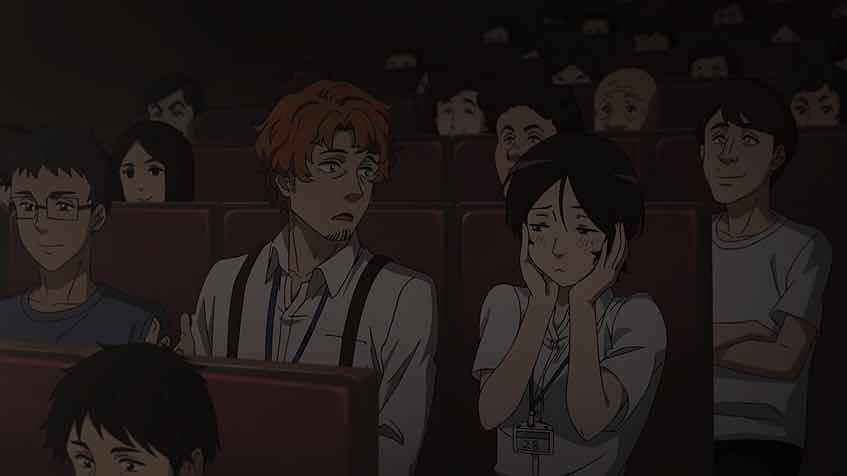
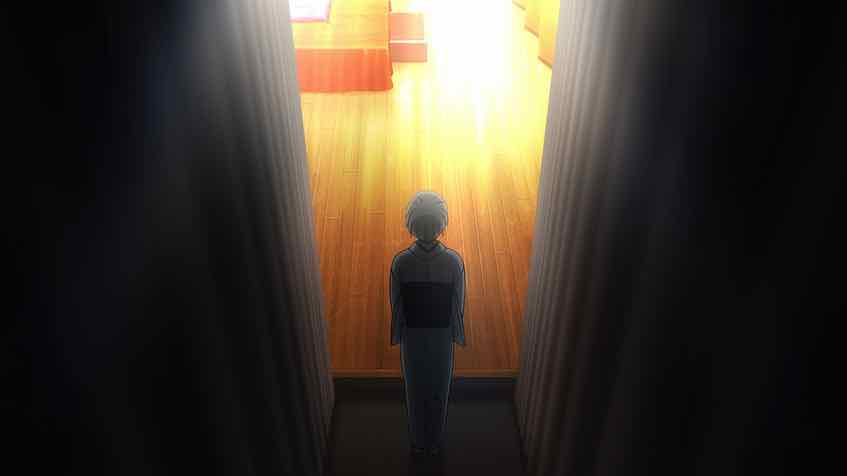 Nevertheless, Hikaru is the headliner and Karashi the two-time defending champion. As such, there’s a serious lull in the atmosphere when Akane takes the stage. You get where the mangaka is going with this – Akane learned his lessons at that izakaya well. She’s giving the audience what they want under the circumstances – not another crescendo, but an interlude of serenity. Her “Jugemu” this time starts off in leisurely fashion, inviting the audience to relax and move to her rhythms. After a purely theatrical performance, a stripped-down rakugo one.
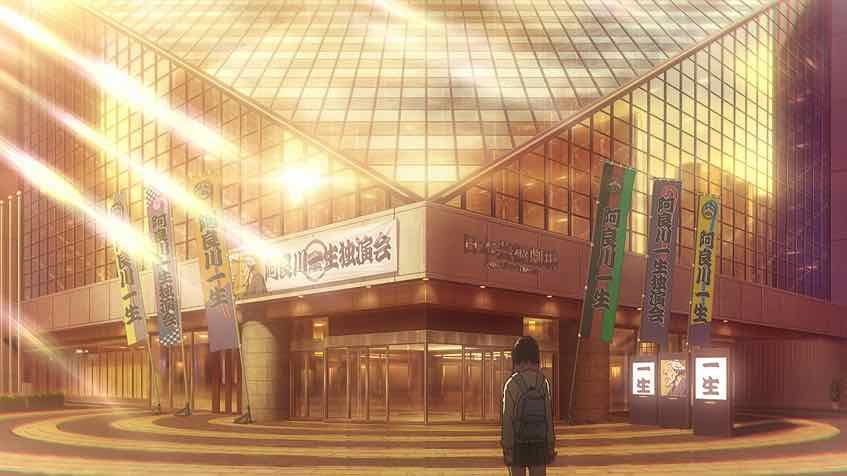
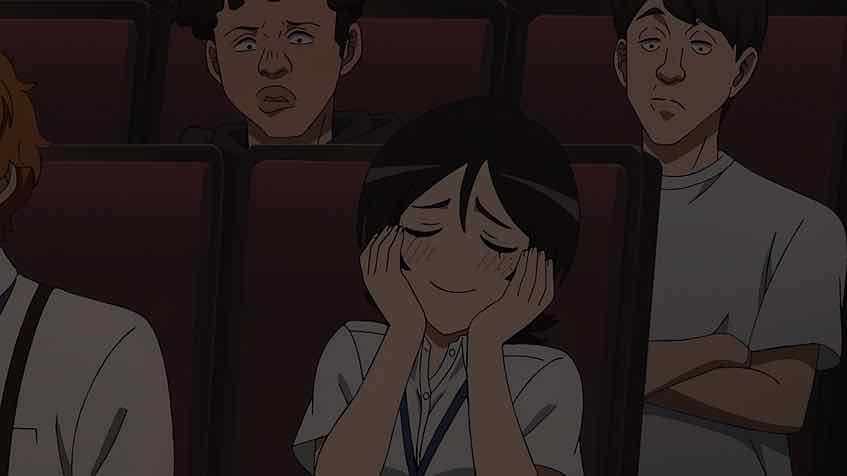 In theory, that’s all good. In practice, well – again, is that really captivating television? Maybe in the hands of the right seiyuu it could be. And there is a definite irony in this arc partly centering on a seiyuu trying to succeed as a rakugoka. This performance is a concept that sounds great on paper but in anime form is just kind of neutral. If anime is going to do rakugo, it has to deliver rakugo performances that reach out and grab you through your screen. What good is it to say you have to feel the experience in the hall to get it when we can’t feel the atmosphere in the hall? I don’t think adaptation – or many of its performers – are especially stylish or riveting. But I also think Akane-banashi is somewhat limited by its own essential nature as a story.



















Raikou
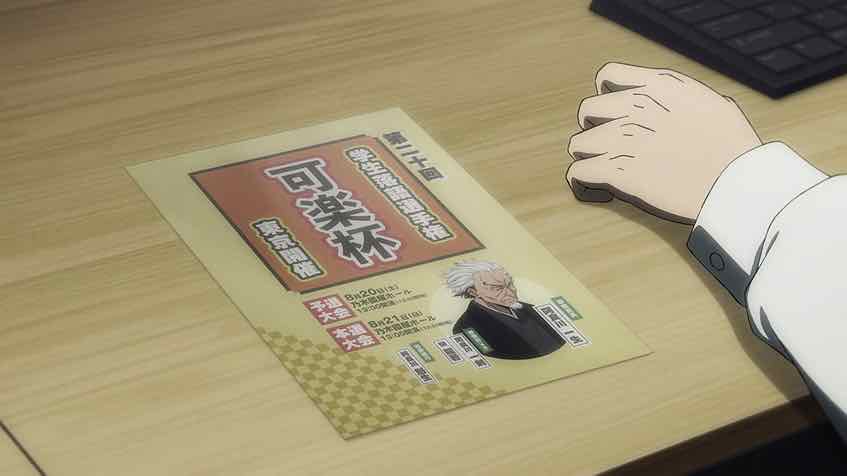
June 2, 2026 at 1:19 pmYeah, Takahashi Rie is not qualified enough to play Rakugo. I know that Karaku Cup is supposed to be amateur competition, but still the performance didn’t grab me enough.
Maybe the whole casts should be all veteran seiyuu, or needs to be played by actual Rakugoka, I dunno.
Guardian Enzo
June 2, 2026 at 1:48 pmAgain, I think the problem is that the seiyuu who could really do the rakugo justice aren’t playing characters who do rakugo on-screen. SGRS had seiyuu doing the stories, not rakugoka, but they were seiyuu who could handle it.
I thought Karashi’s performance was quite good, and Kaisei was the best of the series so far. Apart from that not so much.