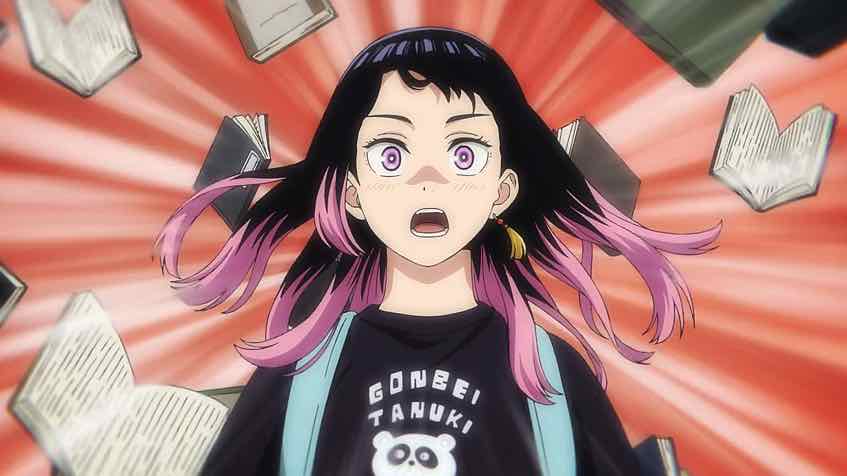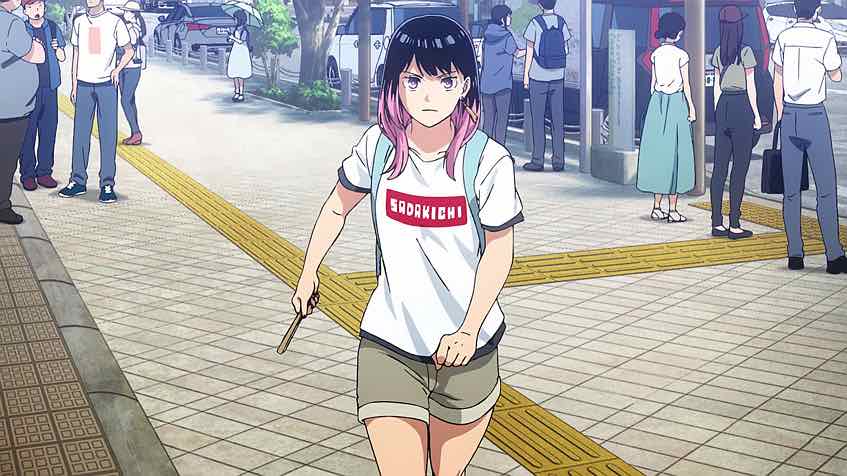



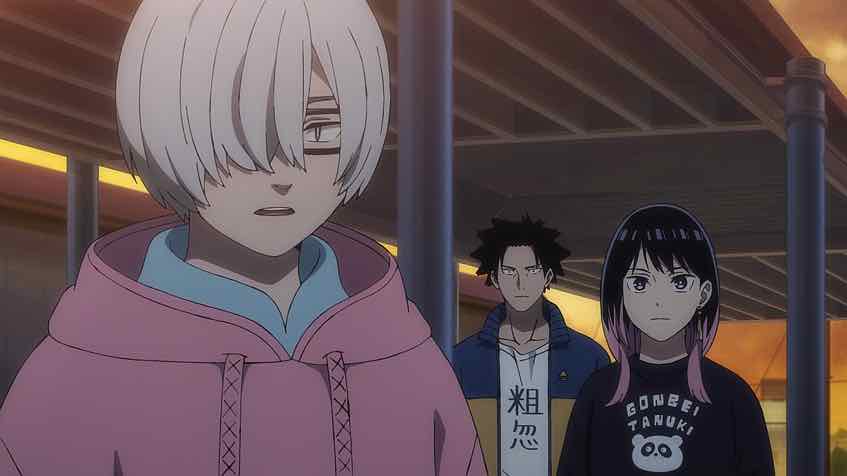

OK, I was lying when I said Otagal and Koori no Jouheki were the last bubble series of the season. Akane-banashi falls under that umbrella too, though it’s different in that there’s virtually no uncertainty about what’s going to come. I’ve read every released chapter of the manga and the anime is as by the numbers an adaptation as you could ask for. The equation here is whether that gentle simmer I feel for the series is enough to keep it cooking for two cours.
The thing is, there are individual sections of the manga – sub-arcs or whatever – that if not a rolling boil, do at least come up to temp for me. But it’s awkward and probably pointless to start and stop covering a show, so I’m either all-in – for the spring at least – or not. And this “Karaku Cup” arc is one of those that sort of cooks. And given that the anime has handed Isshou to Ohtsuka Akio, it actually does have a leg up on the manga here. There’s lots of rakugo, more Kaisei, and more non-Akane characters to share the spotlight.



Akane participating in the Karaku Cup is problematic in the first place. It’s an amateur event and she’s supposed to be a professional. Guri-chan discourages her from even asking, but Akane as is her wont barges in and demands permission from Shiguma anyway. He knows better than to try and dissuade her, but he does set a condition – she has to win the tournament with “Jugemu”. Now, this is indisputably the most famous rakugo story there is – the one story even non-rakugo people know. Little kids know it. But to perform it in competition – and twice in succession? It’s a shrewd move by the old fox, meant to test Akane and push her.
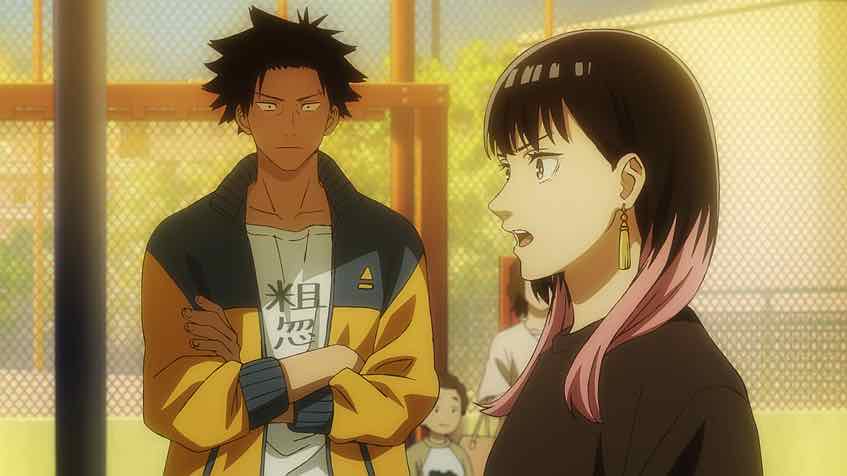
Guriko tosses Akane a helmet and takes her to see Koguma, the “Terakoya” of the Arakawa school – the folklore teacher. He’s a Toudai student and a bit of a curmudgeon. But fortunately for Akane (on whom fortune literally always smiles) he’s also an admirer of her father. So Akane’s stated reason for entering – Isshou is judging and has promised a one-on-one meeting with the winner, and she wants to demand answers about Shinta’s banishment – appeals to his dark side. Koguma agrees to help Akane, and asks to see her “Jugemu” on the spot. He was expecting a video and got a live performance, but he saw what he needed to see.


Look, even I knew what “Jugemu’s” original ending was. But she’s a kid – it’s not surprising that Akane isn’t that connected with the history behind the stories. That’s why her enunciation is just sounds, not real communication to Koguma. He surely approves of her request to watch him perform that night, though. And he does “Foxes of Imado” (Kobayashi Chiaki does quite well with it) specifically for her benefit. If “Jugemu” is rakugo for the masses, “Imado” is as inside poker as it gets. It’s a rakugo story about rakugoka – the (more or less) founder of it, Karaku’s (for whom the cup is named – at least Akane knew that) apprentice, Ryuunosuke.
There are many reasons Kaguma chooses this story for Akane’s eyes, most obviously the Karaku connection. But mainly it’s because this is a rakugo story where understanding the context is pretty much everything. It’s atypical in that it’s told mostly in narration, rather than conversation. This is Koguma’s invitation – nay, demand – for Akane to embrace the meaning behind the words she delivers on stage. That’s what makes rakugo really interesting – not least for me, which makes this a welcome turn for Akane-banashi to take.