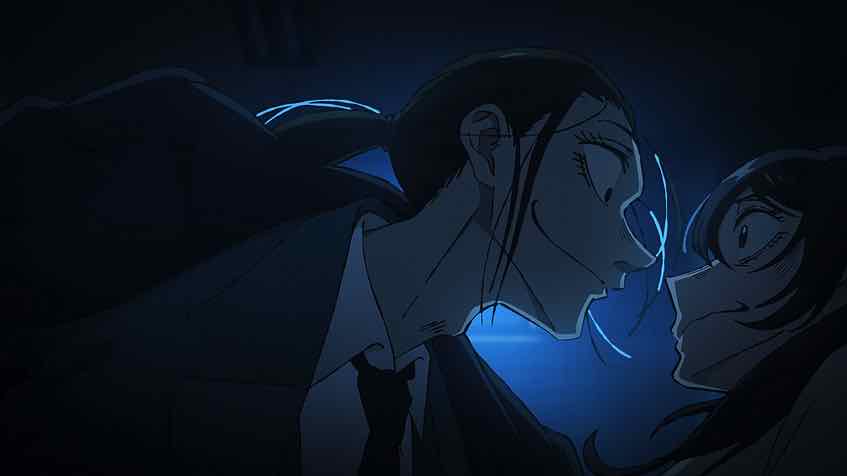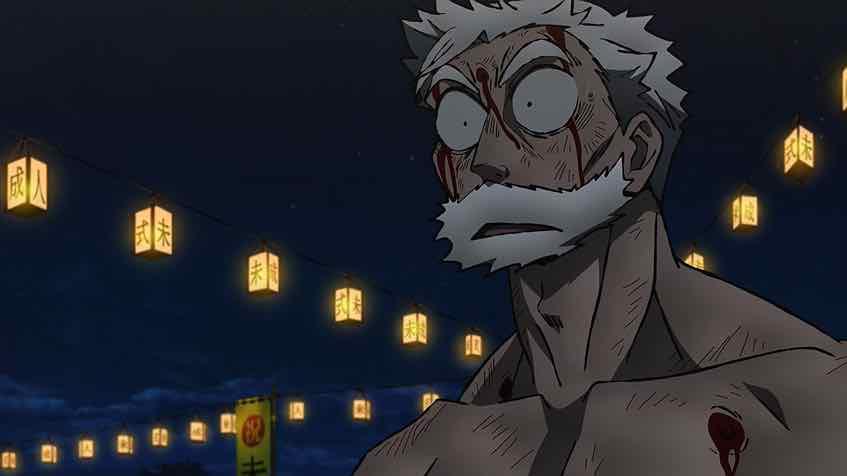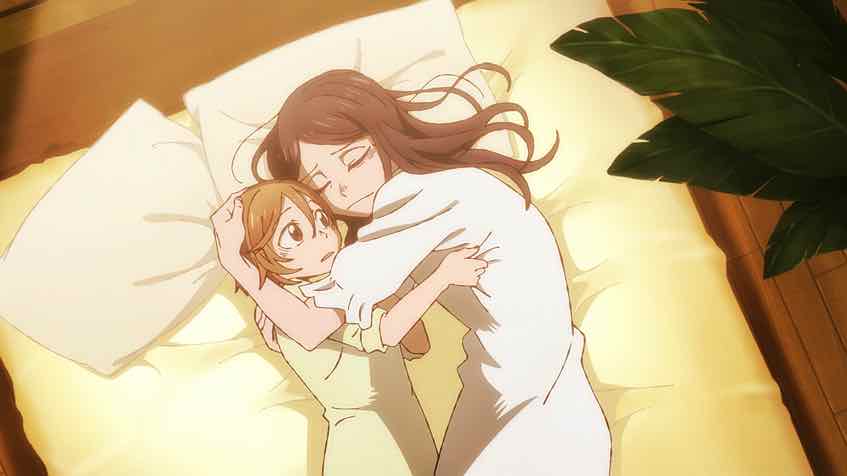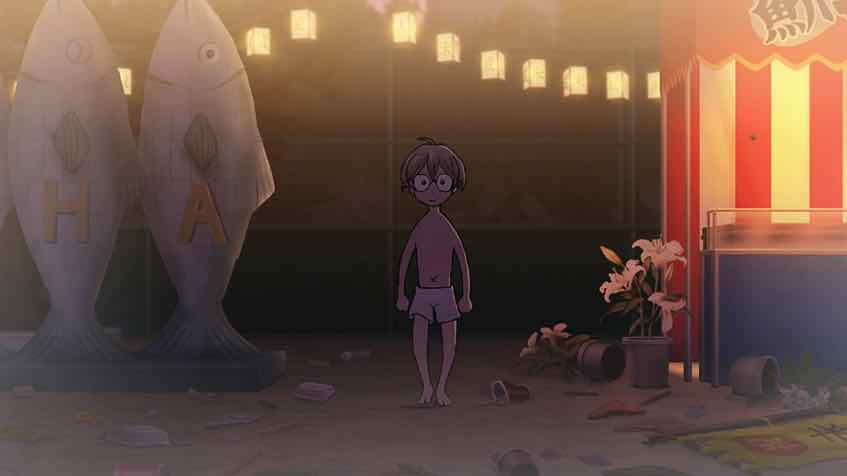


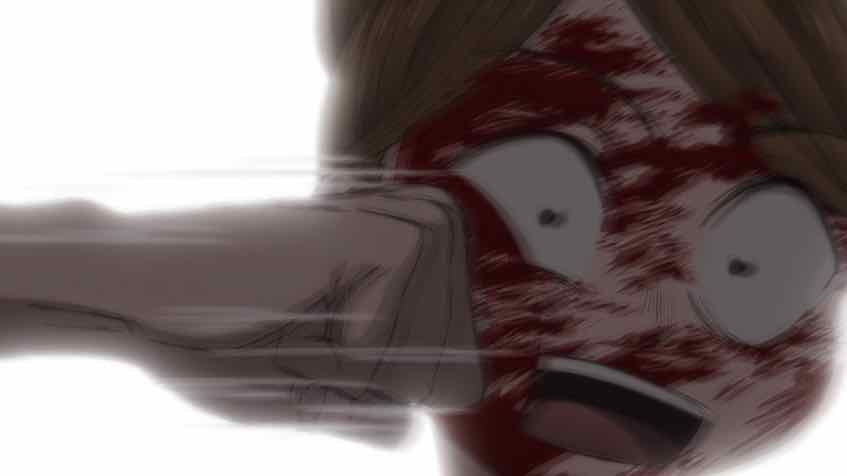
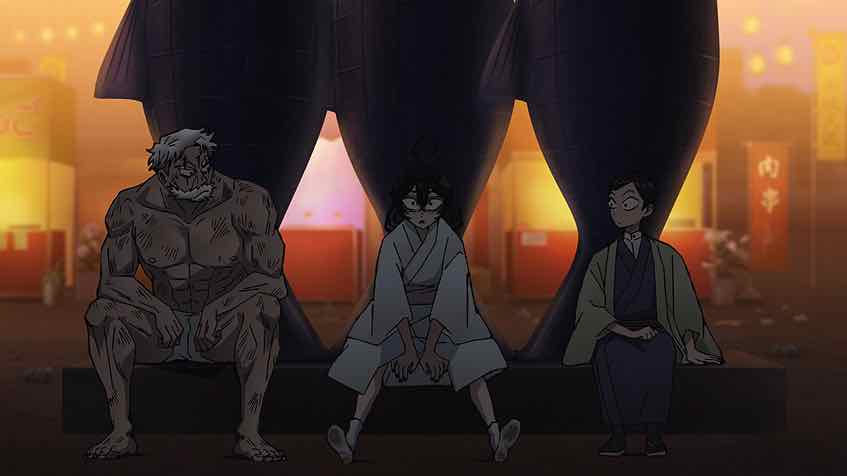

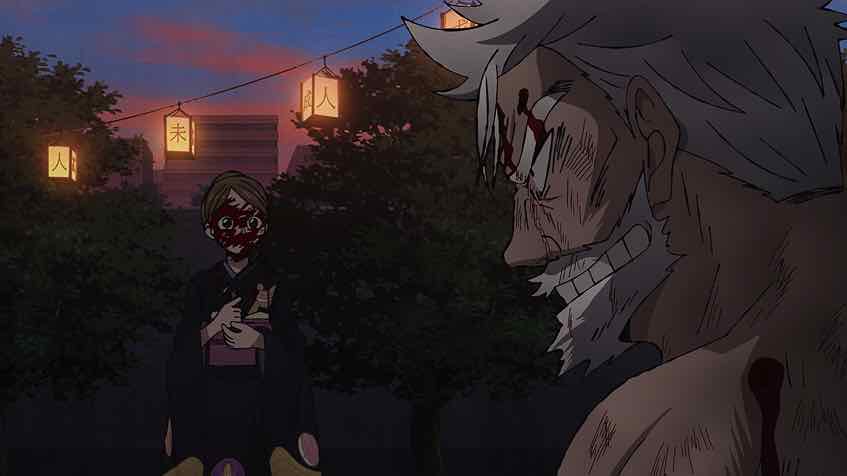
 The fact is, we’re in a completely uncertain situation with Sanda. Heading into the final episode we have a finished manga, and an adaptation that’s going to use well under half of its chapters. It’s a modestly popular series that probably wouldn’t usually get a sequel, but the product of a high-profile author with a strong sales track record (albeit her biggest hit is a different series). Whether it just stops, does some sort of original ending or timeskip, or actually continues is anybody’s guess.
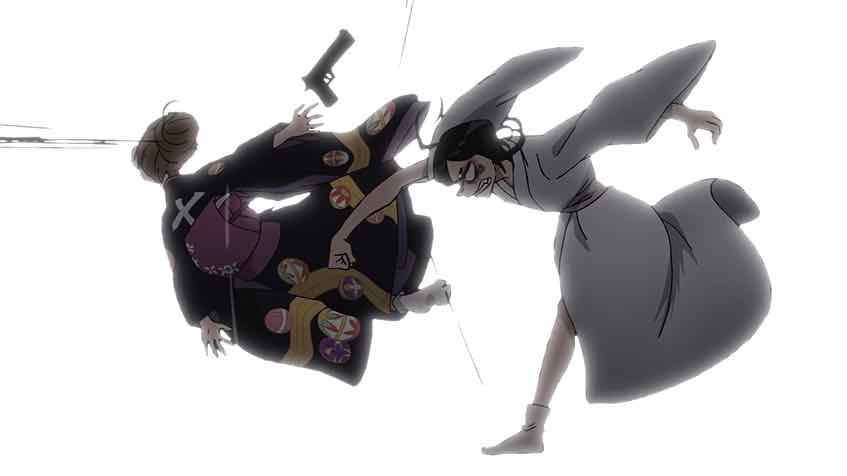 That uncertainly unavoidably colors how I view the final episodes. I just want them to be satisfying more than anything, and I think that can be achieved in any of the above scenarios (though some obviously pose a bigger challenge than others). On the whole this episode was less effective than the previous several for me, for a few reasons. But it can’t be judged with any finality, because it’s the last episode that will tell the tale of how successful this one was.
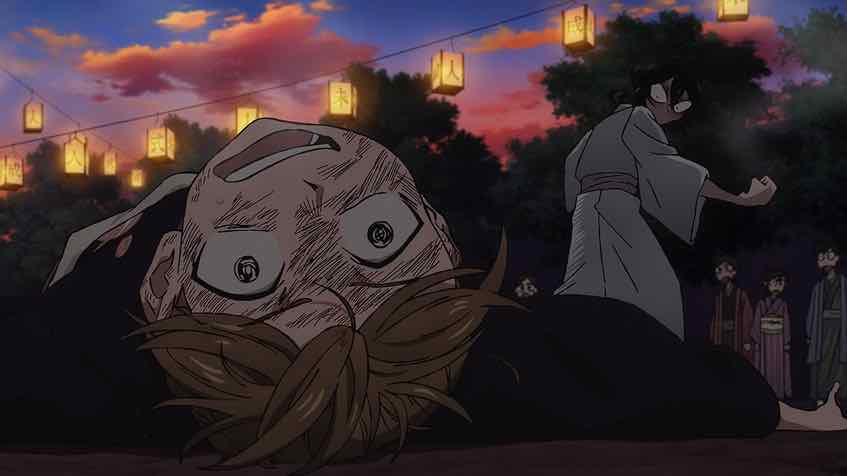 Sanda is at its best when it ponders the big ideas at the heart of it. Like Hagyuuda’s comment about kids at 15 (or 14) being on a knife’s edge, a twilight of life (though that’s a depressing metaphor) between childhood and adulthood. It’s less effective when it grinds on the mechanics of its plot, as it did this week. I would say that’s broadly true of Beastars too, though the dichotomy is less extreme there both because the plot is a little more coherent and the big ideas a little less so. Normally one expects things to trend in that direction at the close of a series (which is a reason why many struggle with ending), but one right in the middle of its larger story? Who knows.
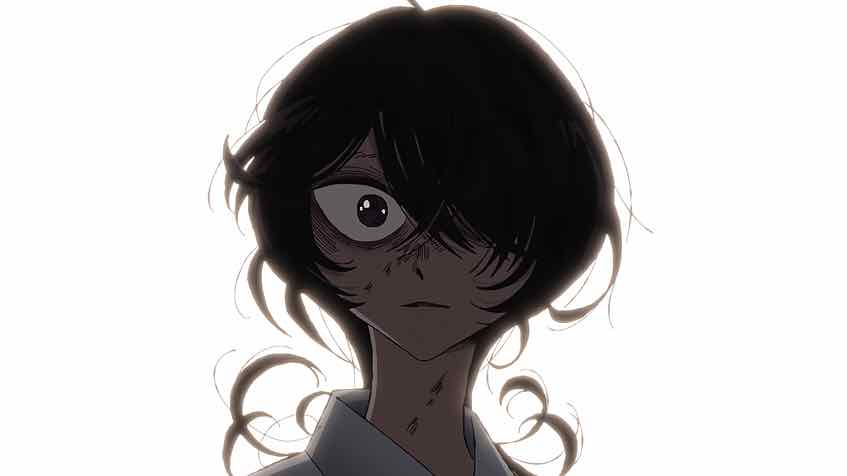
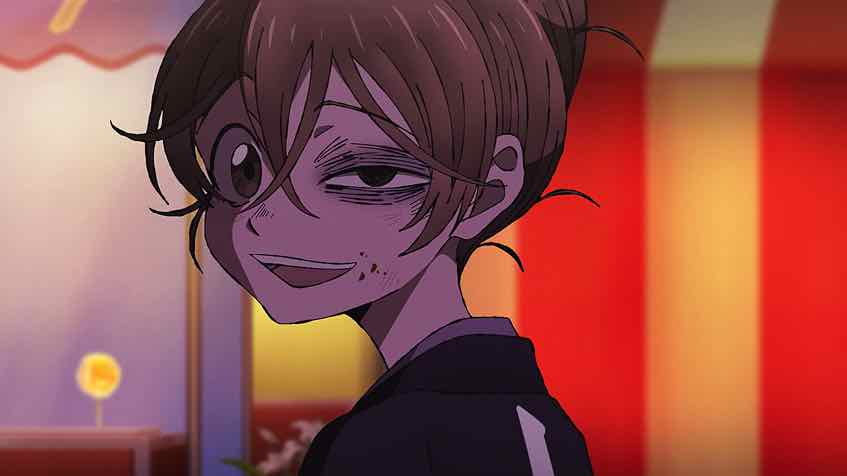
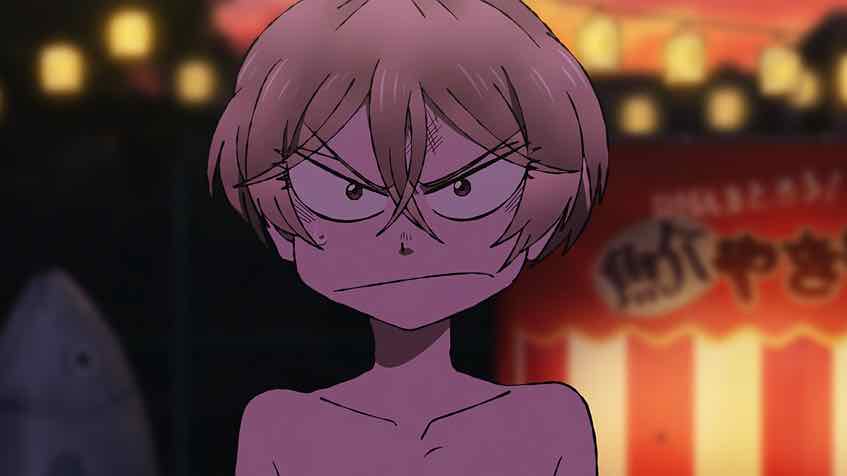
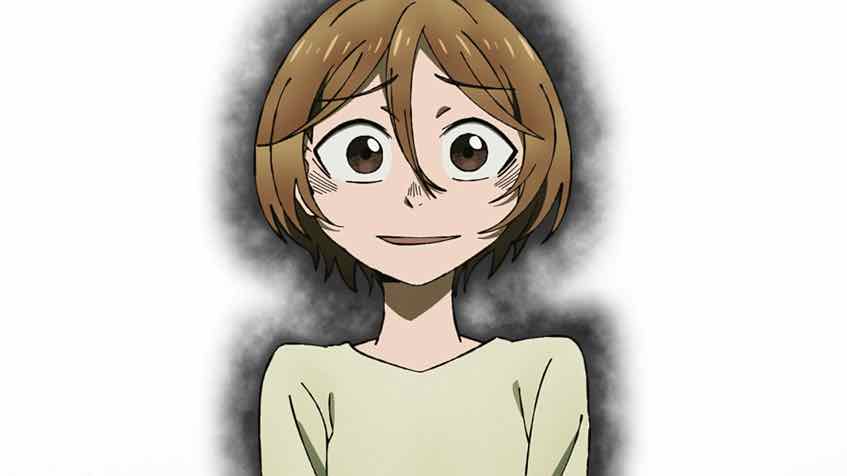
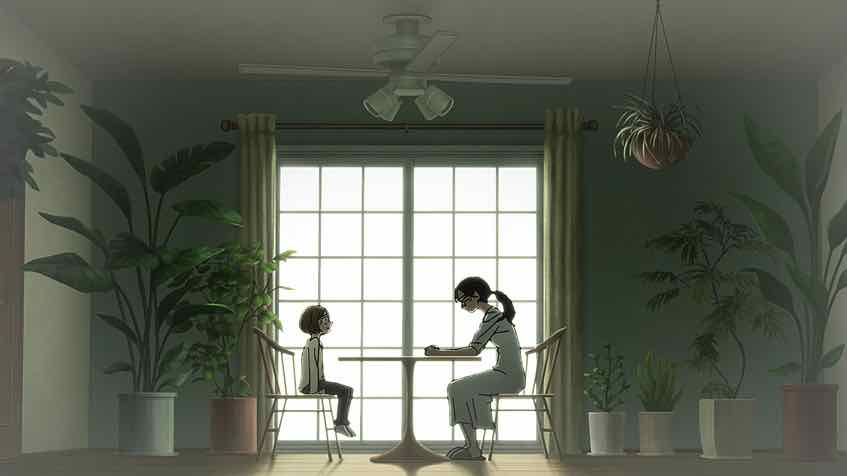
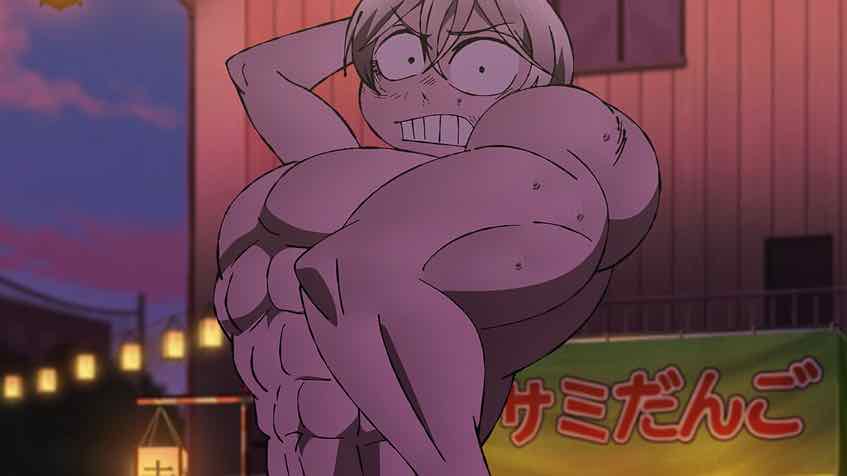
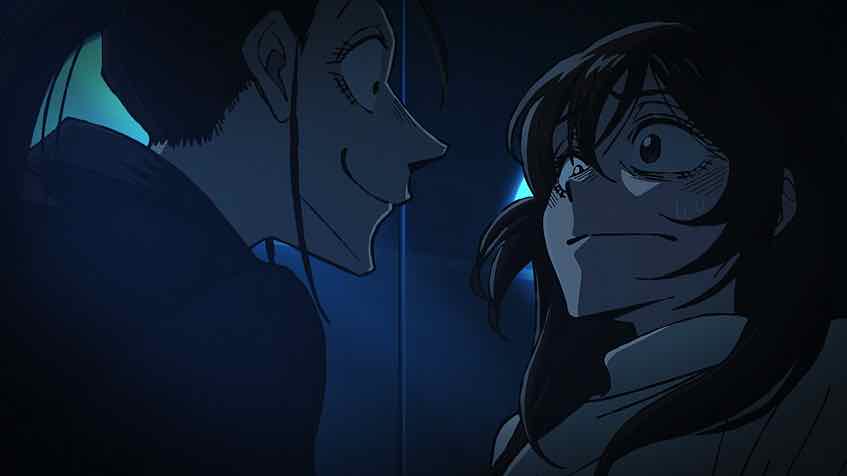
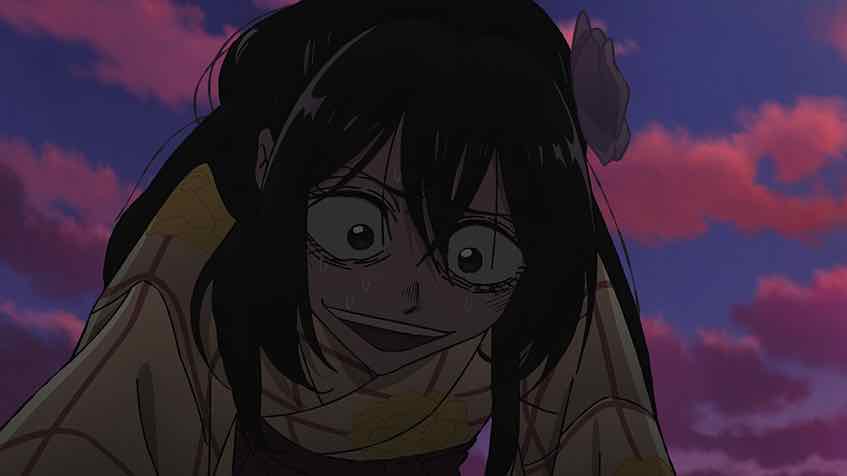
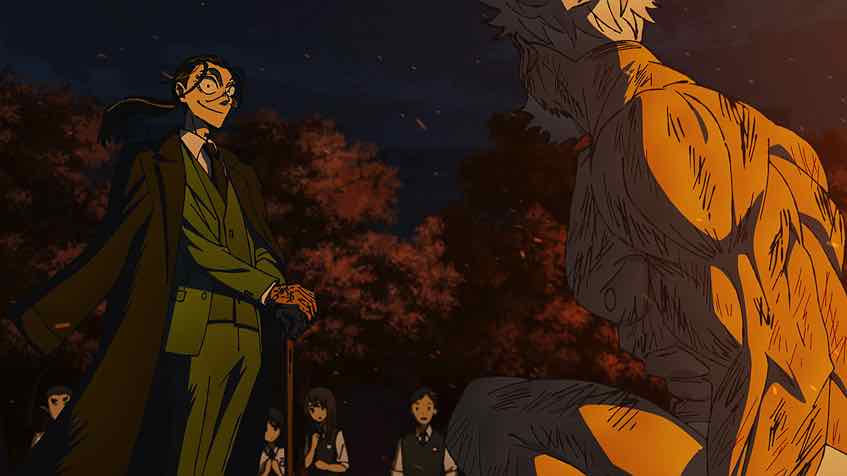
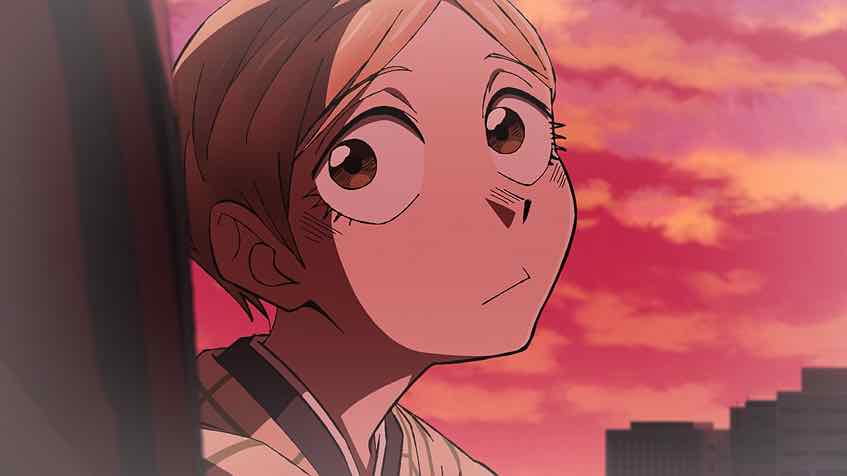 So that’s one reason why this didn’t click as much for me. The other is that it tried (unsuccessfully) to turn Namatame into a sympathetic character. That was pretty telegraphed by her flashback of course, but I’m not buying it. I do get that some kids are messed-up because of messed-up adults. And I certainly get that this society is seriously twisted in the way it deals with childhood. But I also know that sometimes people – even kids – are just evil. Namatame enjoys this way too much to write everything off to bad influences. I’m not saying she hasn’t been twisted by bad adults, but even among kids – even in this mythology – there is such a thing as personal responsibility.
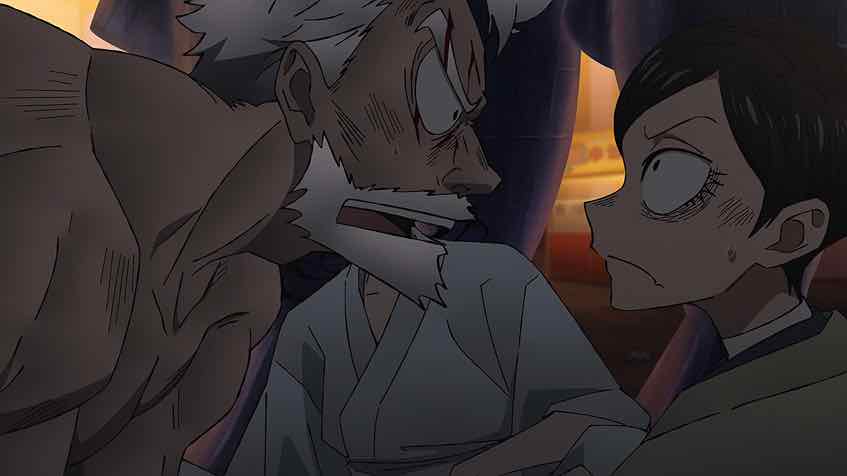
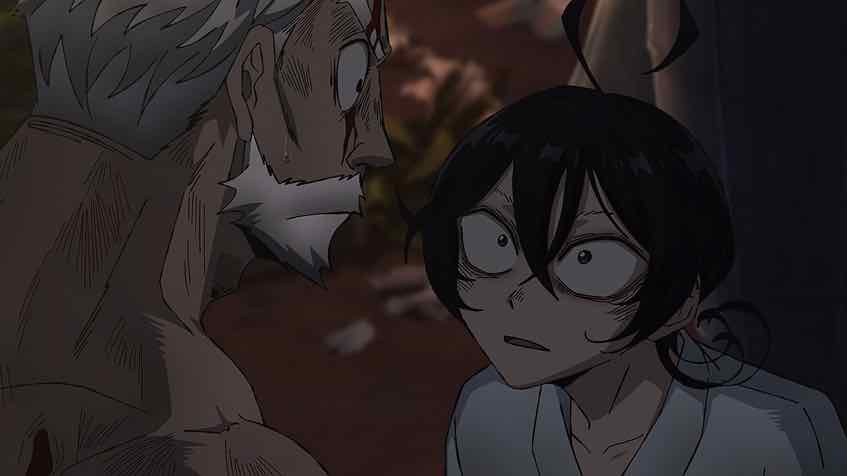
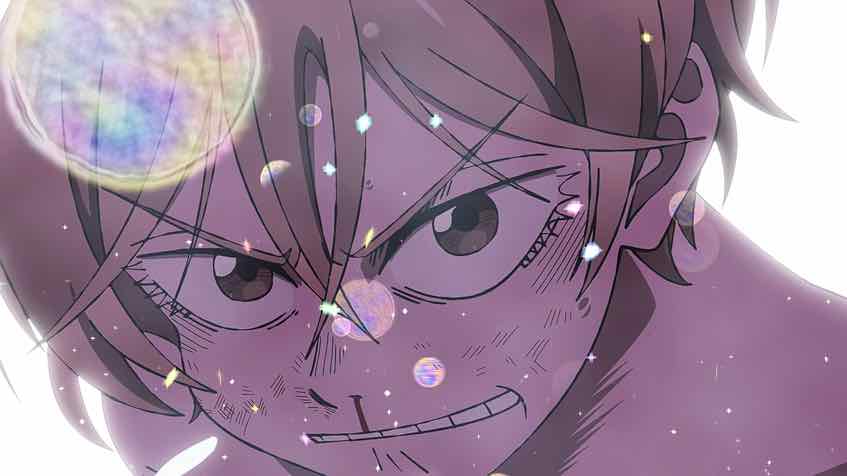
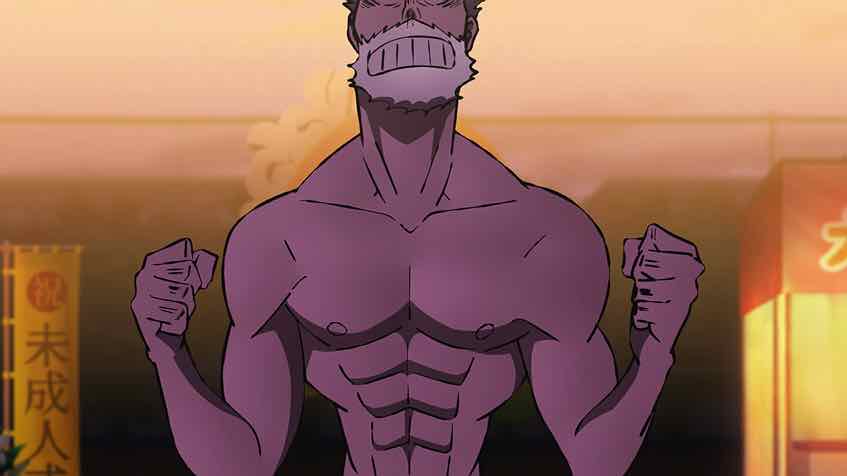
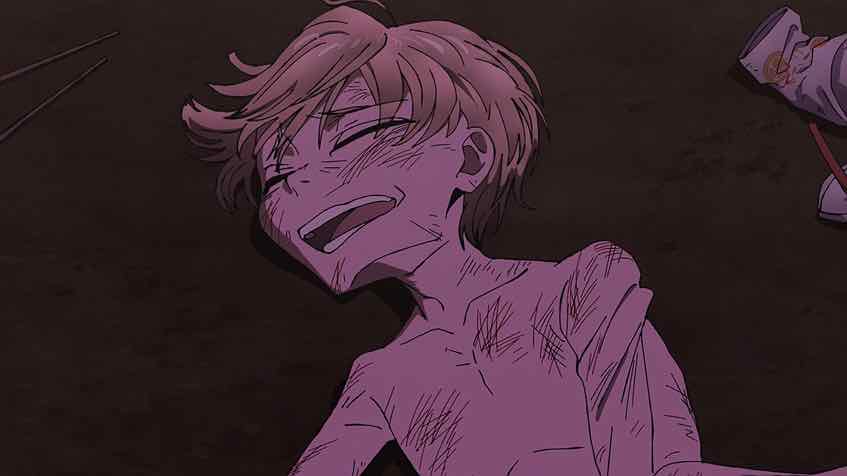
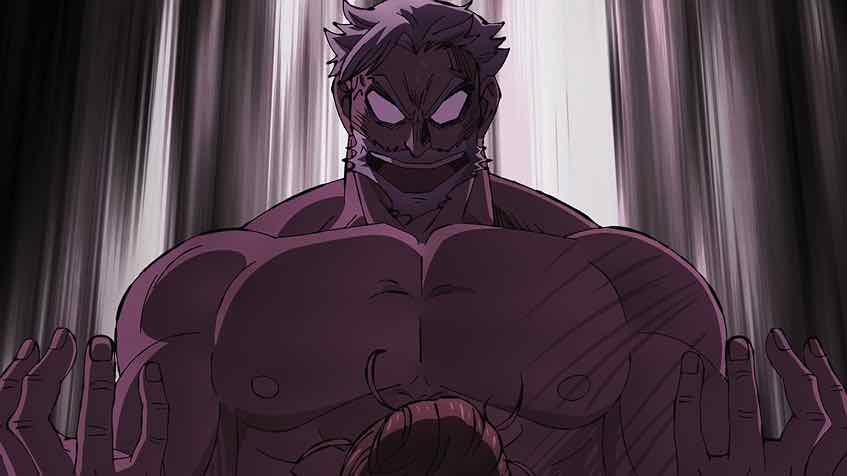
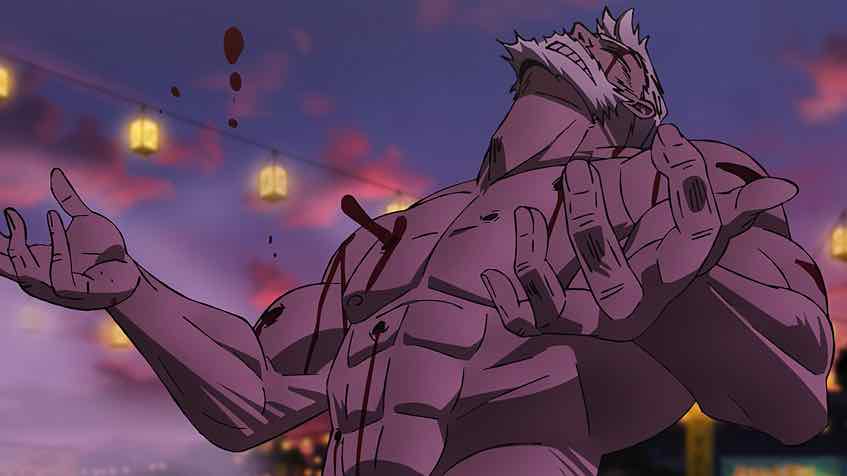
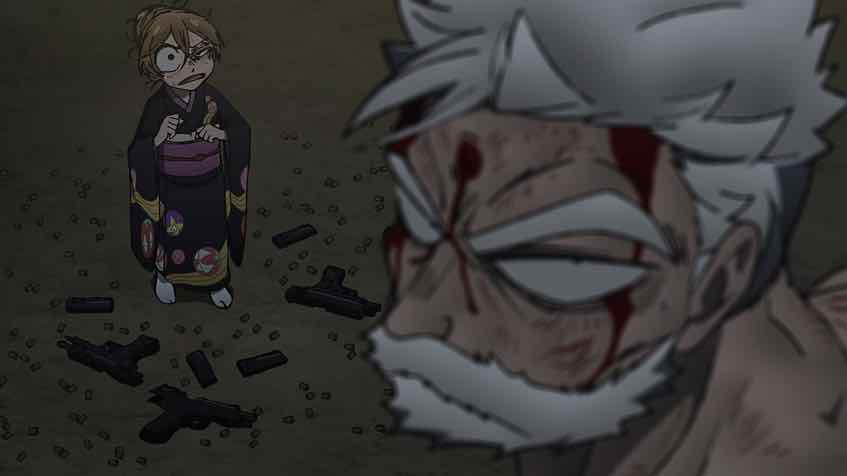
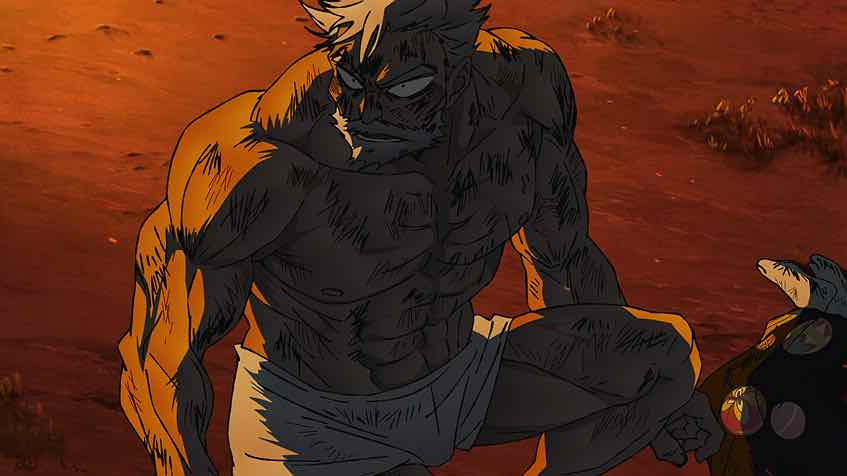
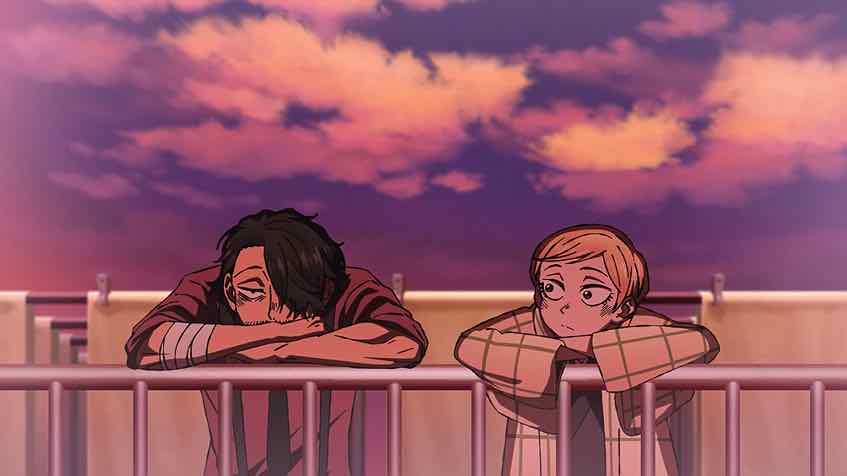 That’s where Sanda falls apart just a bit for me. What was Sanda’s plan here, really – just to let Namatame pops caps in him until her ammo runs out (which it does eventually, as it happens)? That’s not much of a plan really, either in practical or narrative terms. And it ties into a gap in the premise, as much as I find it fascinating. What’s the larger point of Santa’s existence? Is it to allow kids to stay kids, or help them grow into good adults? I don’t see a lot of evidence of either at this point if I’m honest. That’s something that may get addressed in the latter stages of the manga – but that doesn’t help us an anime viewers at this point.
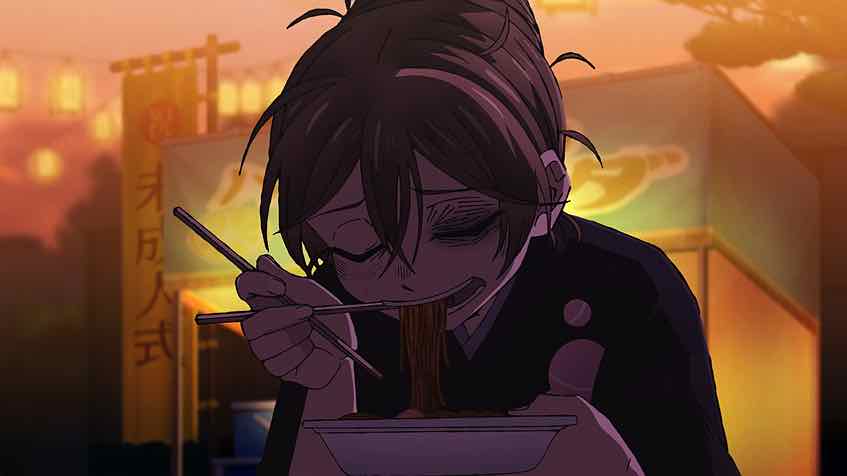
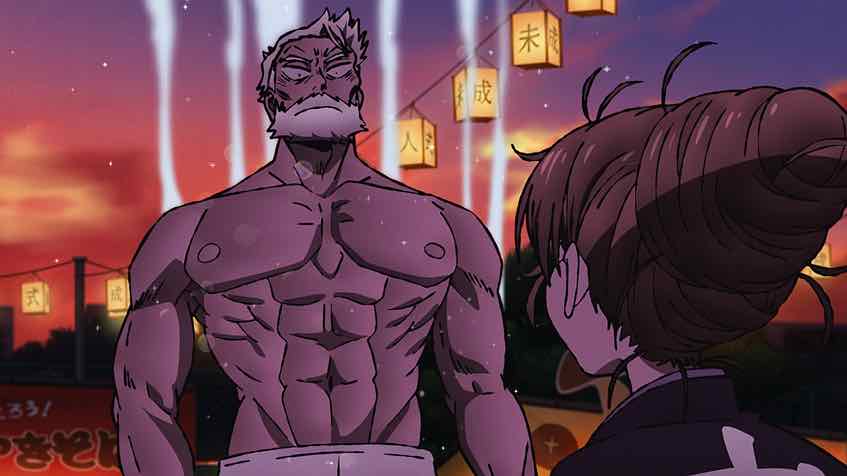
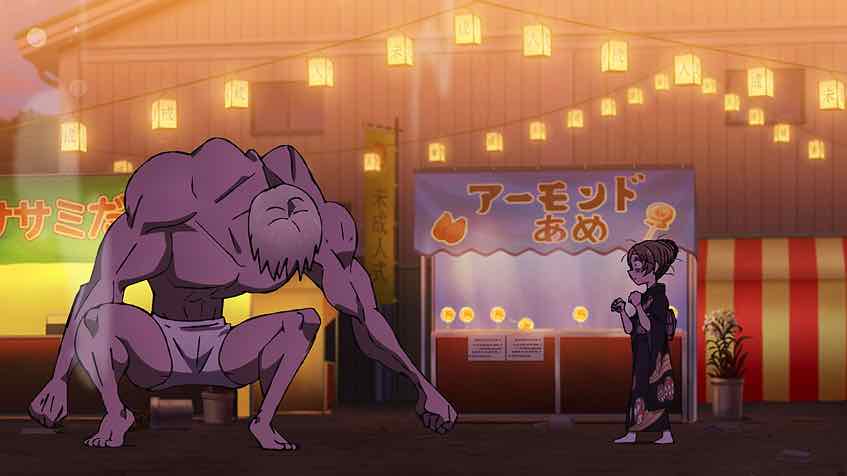
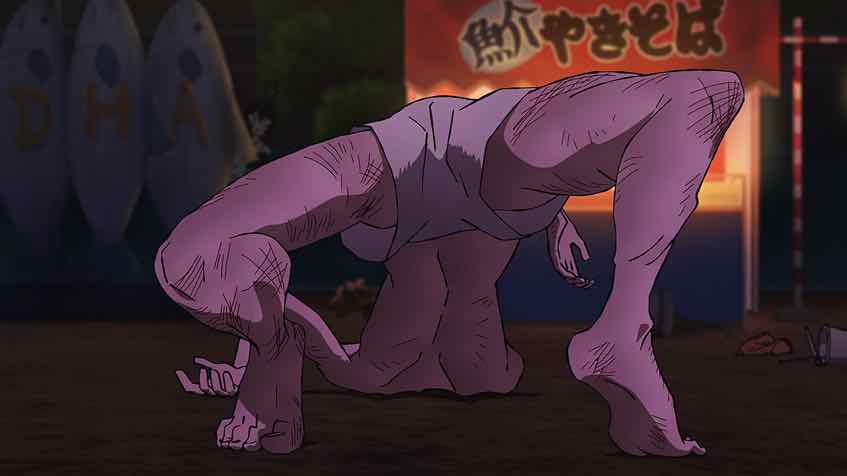
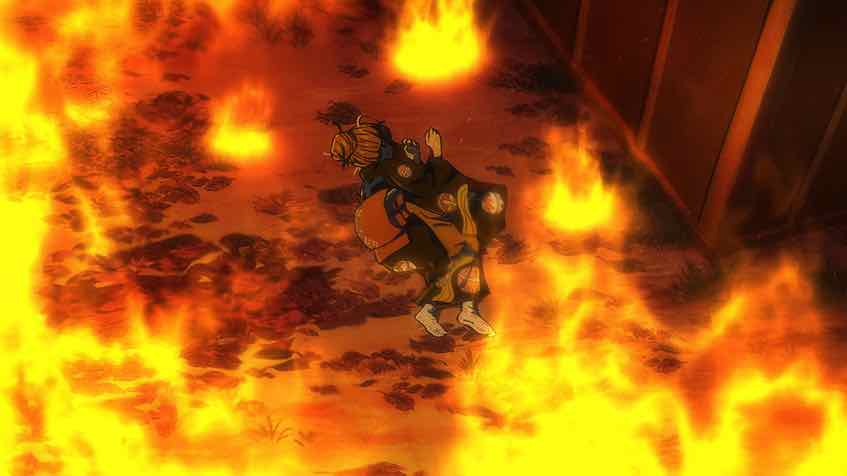
 And then we have Oono, who Namatame declines to shoot both to conserve ammo and because nature seems to be doing the job anyway (the yakisoba vendor isn’t so lucky). She’s in bad shape, though I suspect she’s incorrect in assuming she’s about to die. Even if they’re the same age the idea of her having a relationship with Fuyumura – by her own assertion very much still a kid – now feels very wrong. I’m not sure what Ooshibu has in mind for her but I still see that thread going down a very dark path (though again, perhaps not within the range of events covered by the anime).