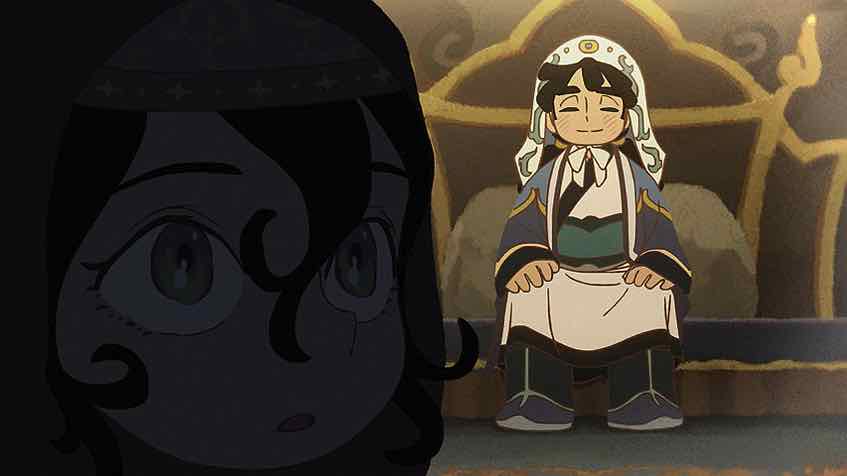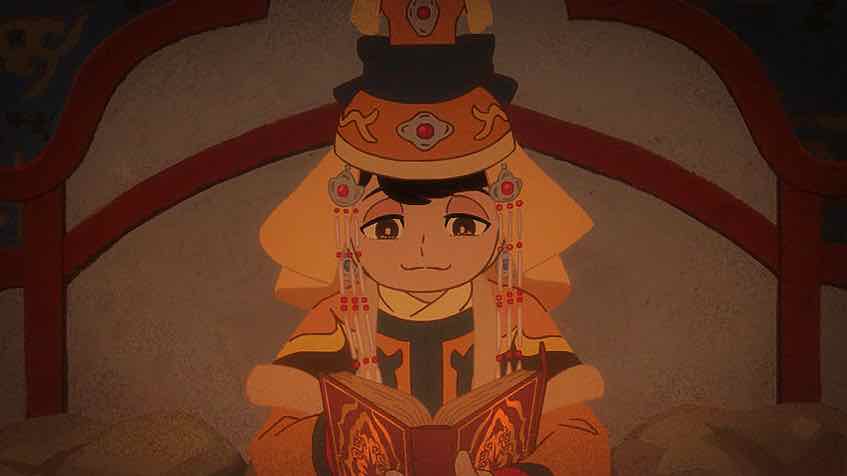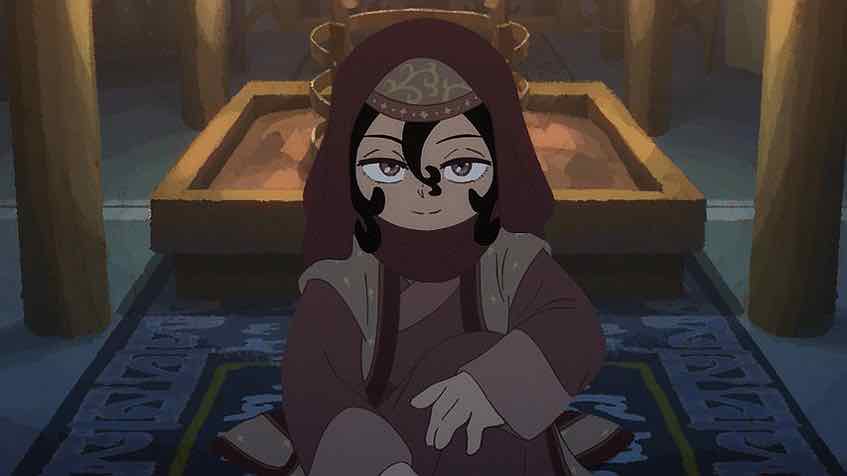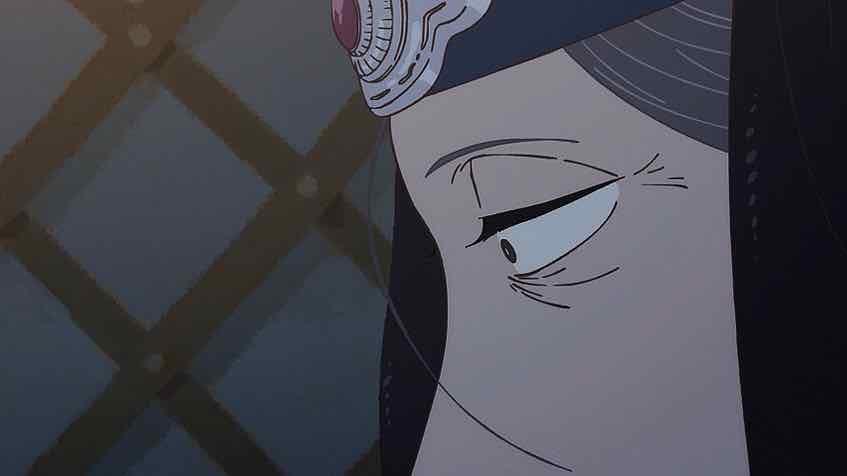



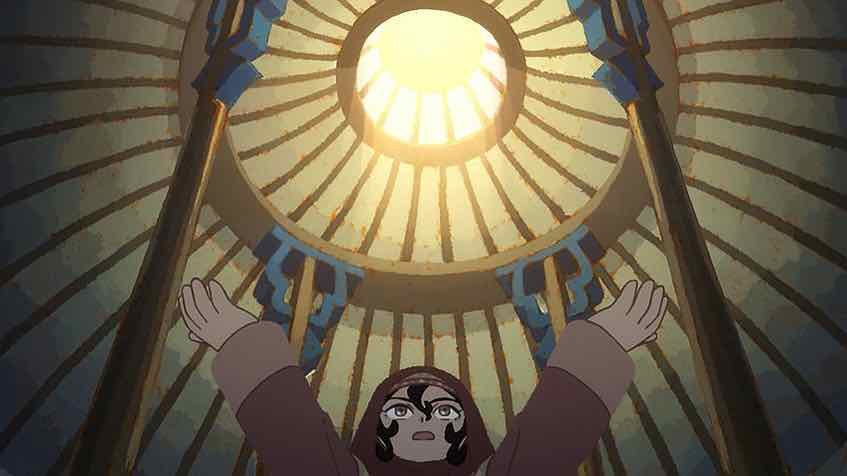
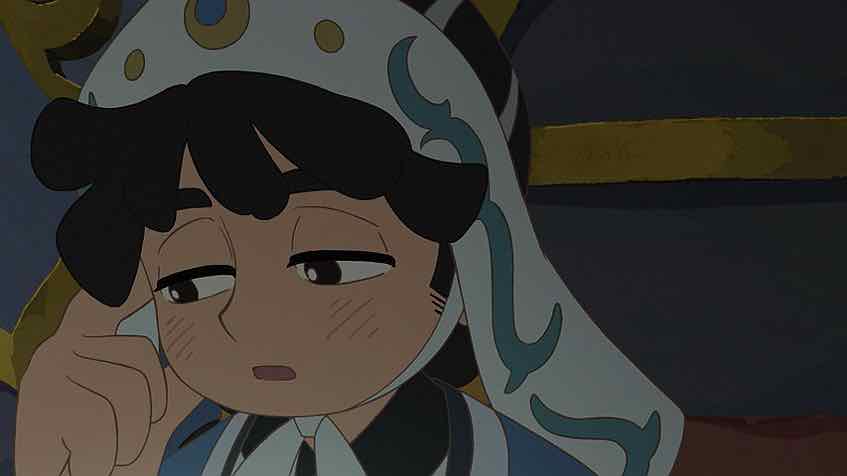
 Man, I just don’t have enough browser tabs for an episode of Tenmaku no Jaadugar. If Mao is minimalist, this series is incredibly dense. So many characters, so many twists and turns, so much history. I do enjoy being educated by anime, and I’m learning a tremendous amount about the Mongol Empire by watching this show. But I feel like I’m doing an ongoing research project with every episode. Who was Boraqchin? What was urum again? There’s an aphorism which comes from baseball stadium vendors in the days before radio and digital scoreboards – “Can’t tell the players without a scorecard”. Jaadugar makes me feel that way every week.
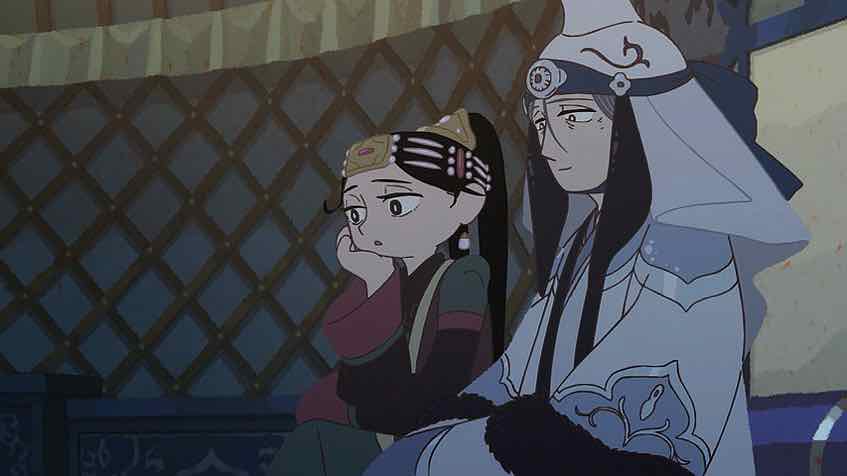
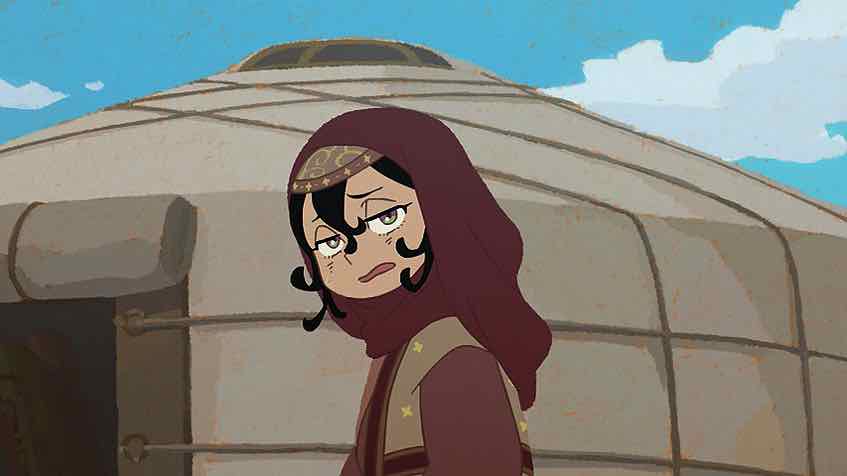 Fatima is smart, there’s no question about that. But I can’t help but wonder if she’s as smart as she thinks she is. She’s playing a game with enormous stakes here, not least her own life. It’s also not entirely clear that her cause – shared with Töregene – is just. At best, it’s morally grey. In the first place Beki Sorghaghtani was nothing if not good to Fatima, and she thinks nothing of plotting against her now. And the reason – as with the entire project – is really more personal revenge than any desire for justice. But given what was done to both of their peoples, can one really say they aren’t justified?
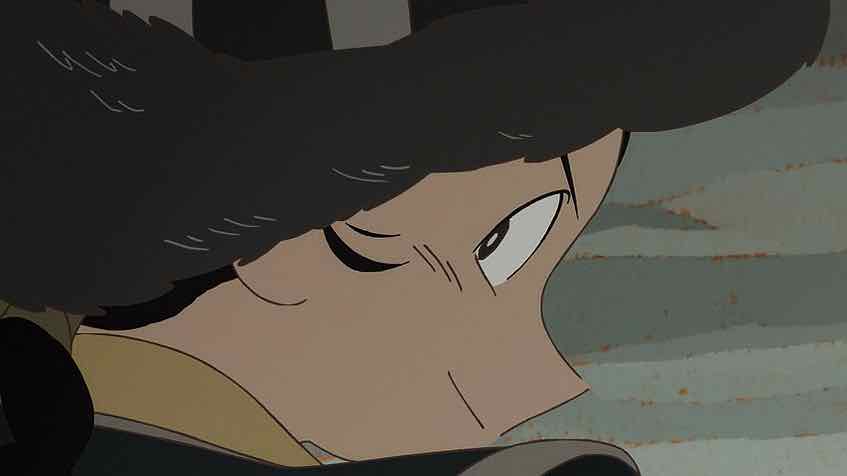
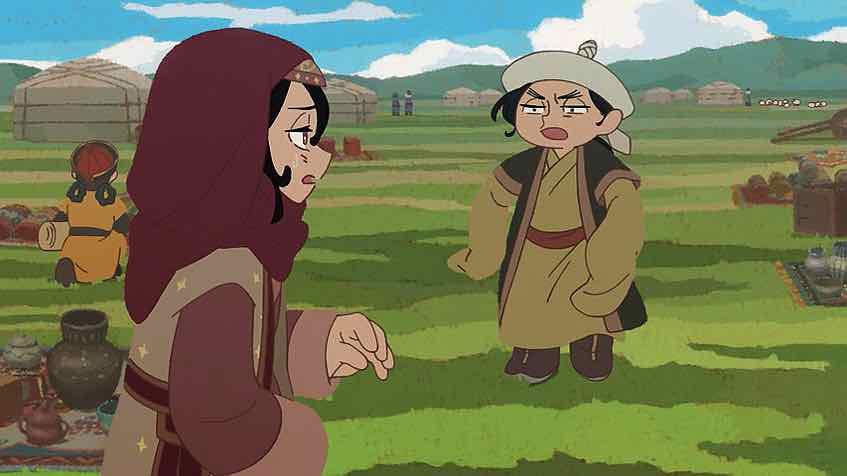 We still don’t know who Qadaq is working for, and I can’t shake the feeling it’s relevant. But he and Fatima are both drafted by Chinqai to help transcribe a manifest of everything (a lot) Ögedei bought from the Persian vendors. She wonders why there’s a shortage of scribes when the Mongols are absorbing scholarly peoples left and right, and Boraqchin will later tell her that it’s because Tolui has rights to all those people as the Otchigin (and will try and use that as a wedge issue). Among the swag are a book by Jabir ibn Hayyan (yes, I had to look him up), which naturally enough Sitara can read as it’s written in Persian.
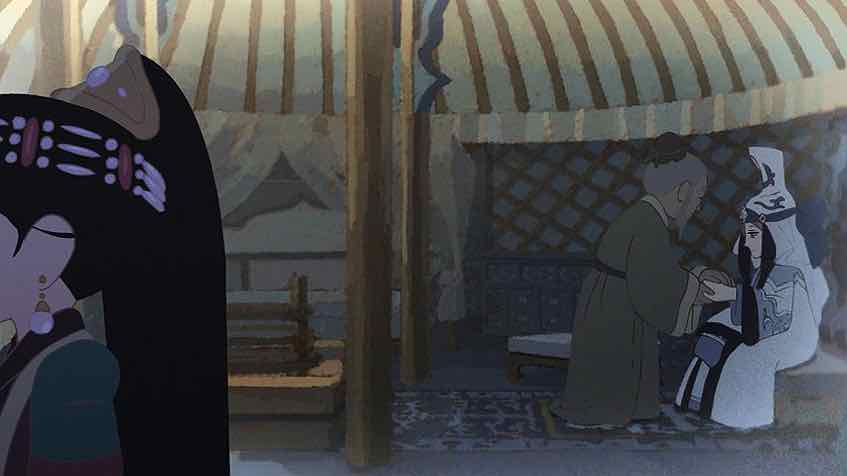
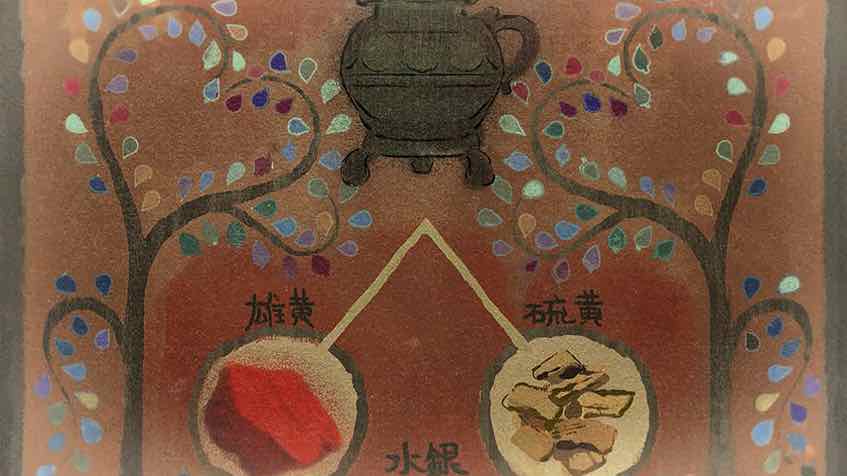
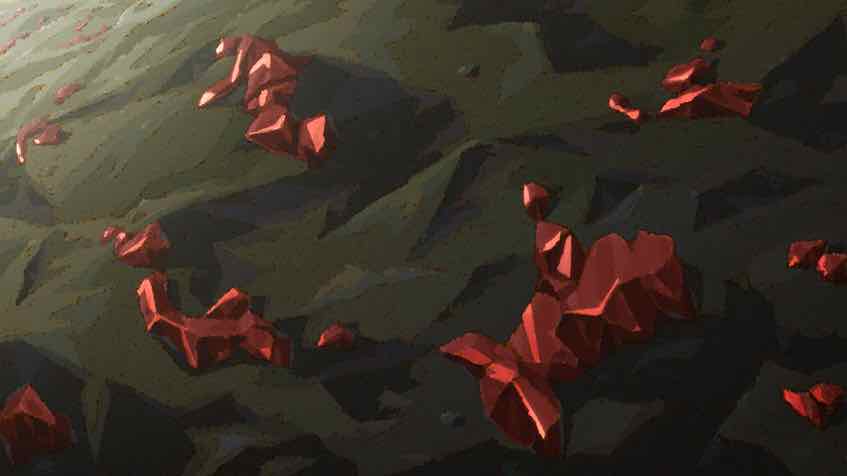
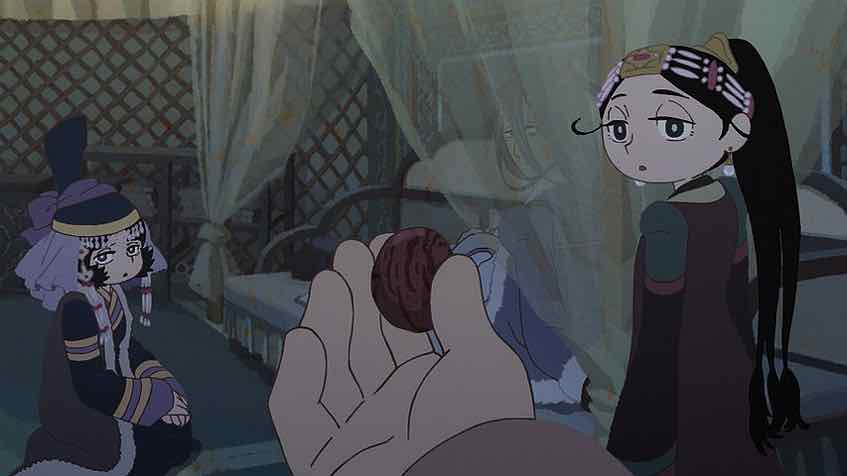
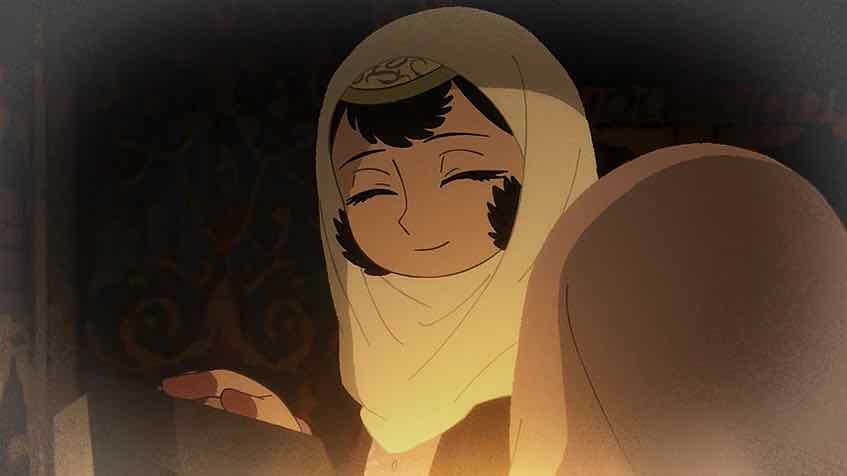 Jabir ibn Hayyan may or may not have been a real person – that’s been in dispute for a millennium. But he’s credited with 215 works ranging from treatises on Islam and mysticism to alchemy and conventional science. Among his claims was the formula for al ixsir, a sort of elixir of life with a similar makeup and reputation as the Taosit danyao (yes, I had to look both those up). Möge has convinced herself that Boraqchin is being poisoned by her physician, because she heard him use the word “poison”. But in fact she’s been taking Rahj-al-Ghar (that’s a tab), the Arabic name for the mineral realgar. She thinks it’s a path to immortality, but in fact it’s poisoning her.
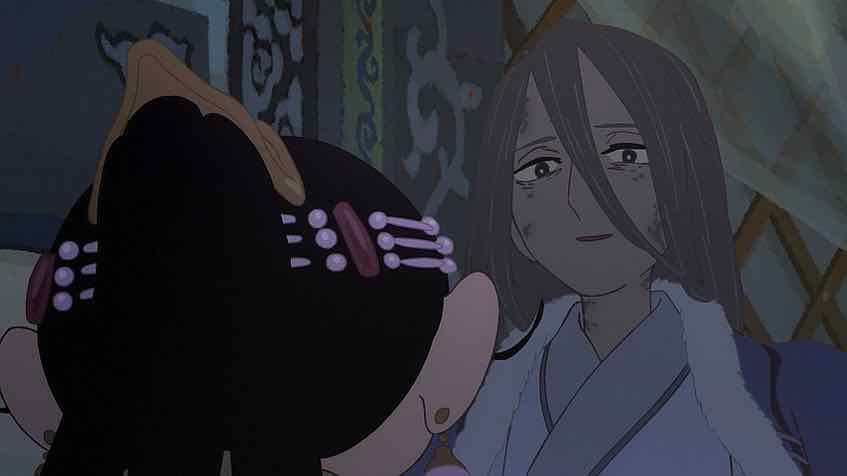
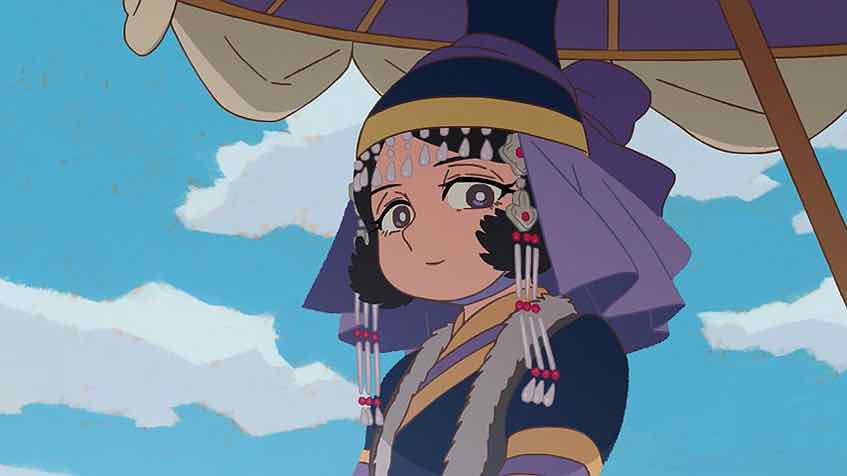
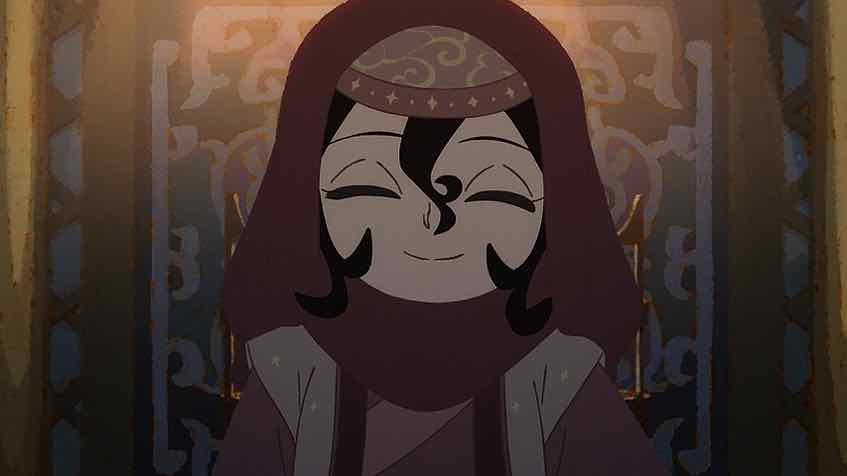
 Möge for her part seems a lion amongst the lambs here – a sweet and simple girl with no ability to engage in the intrigue these other women are eyes-deep in. She loves Boraqchin and nothing else really matters to her. Boraqchin is a key figure obviously. She was Genghis Khan’s eldest wife – thus the Great Khatun – but no one seems to know why. It was Mongol custom for sons to inherit the wives of their father that aren’t their mother (the more you know) and thus she transferred to Ögedei. Fatima believes that the Jada Stone is the antidote to her poisoning (modern science says no) and figures that by curing her and winning her trust, she puts herself in a better position to sow storm clouds in the empire.
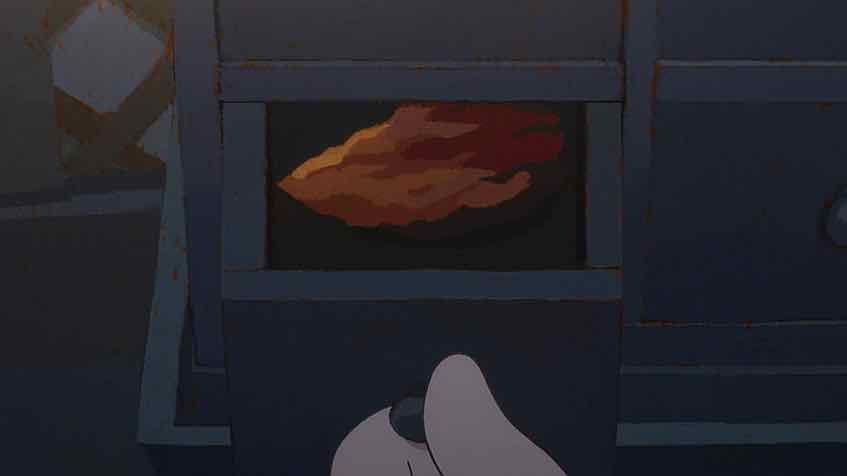
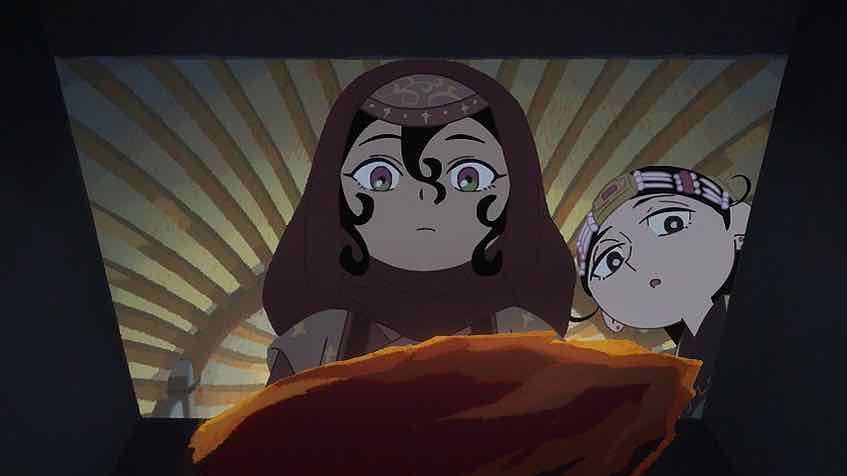
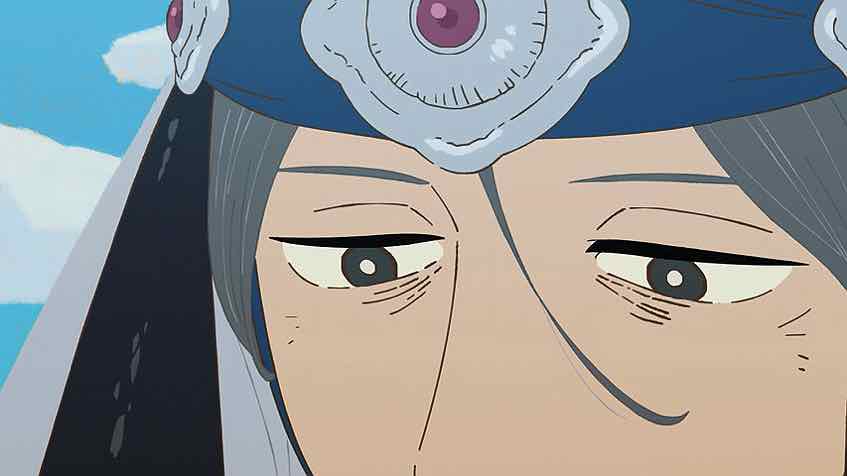
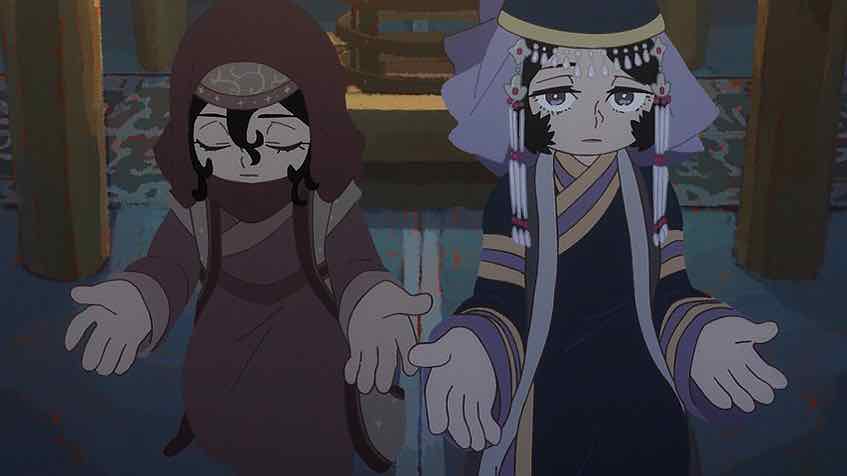 This is quite the tangle, to say the least. The bezoar does manage to cure Boraqchin, and the Empress does indeed take an interest in Fatima. The latter is pretty sure she’s winning the older woman over with flattery, but I’m not so sure. Fatima decides to push her chips in and tells the Empress that Sorghaghtani is plotting against her. Boraqchin seems to sense what’s really happening here. And not only that, Töregene is growing salty about Fatima spending so much time with Boraqchin, even in the service of the greater goal.
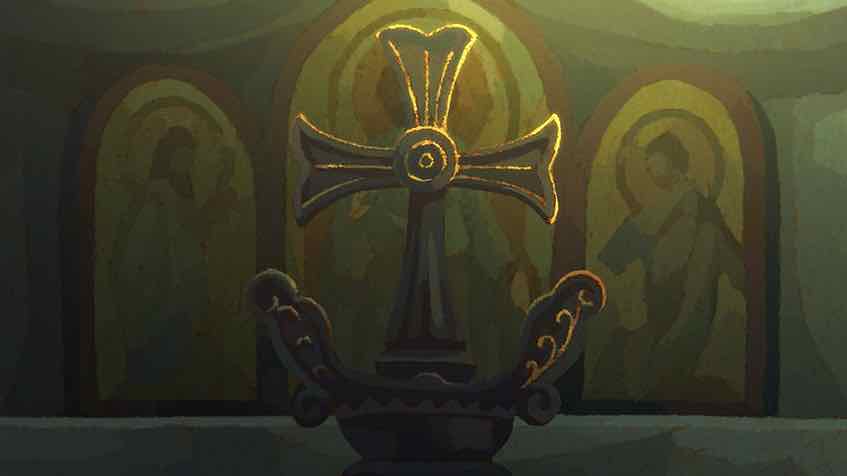
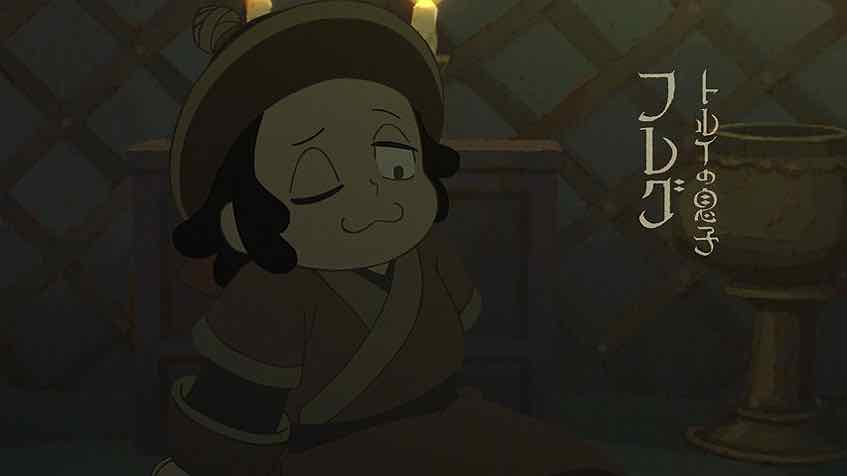
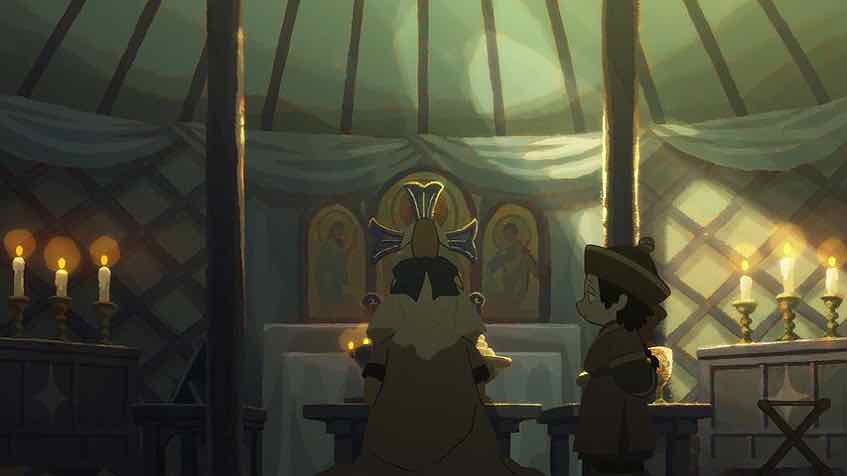
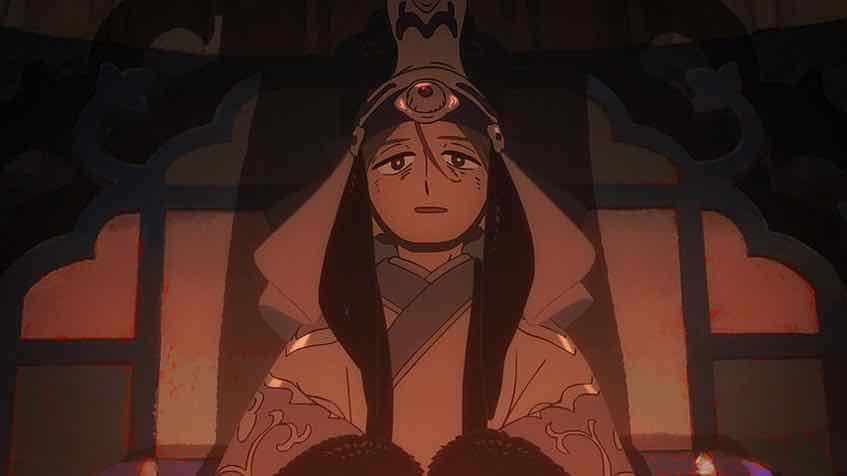
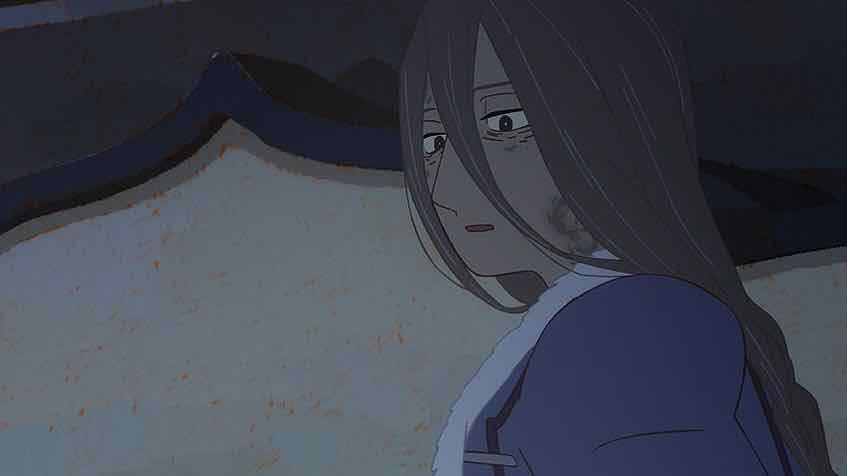 The Empress’ response to Fatima’s provocation is in fact to summon Töregene, which is an unpredictable move from an unpredictable woman. Another complicating factor here is religion. Sorghaghtani was in fact a Nestorian Christian – a group which held considerable power within the Mongol Empire. That’s not a front burner issue yet, but given that the title of the next episode is “Tengri” (that’s a tab) – the supreme God of Tengrism, Genghis Khan’s faith and presumably Boraqchin’s too – that may be about to change. Oh, what a tangled web we weave…