


Wine pairing: Papua New Guinea Natural Processed Coffee and Toast (I watched this episode at 8 AM)
 Often I’m reminded of just how much the “horses for courses” adage applies to anime. Watching Kami no Shizuku I’m readily able to see its flaws as an adaptation. I get why it’s largely ignored among Western viewers. But it fits me like a glove. It speaks the language of wine and so do I, however much fluency I lack. And when we got to Yutaka’s description of the Sixth Apostle, I immediately understood everything he was trying to say. It was as if he was speaking to me directly.
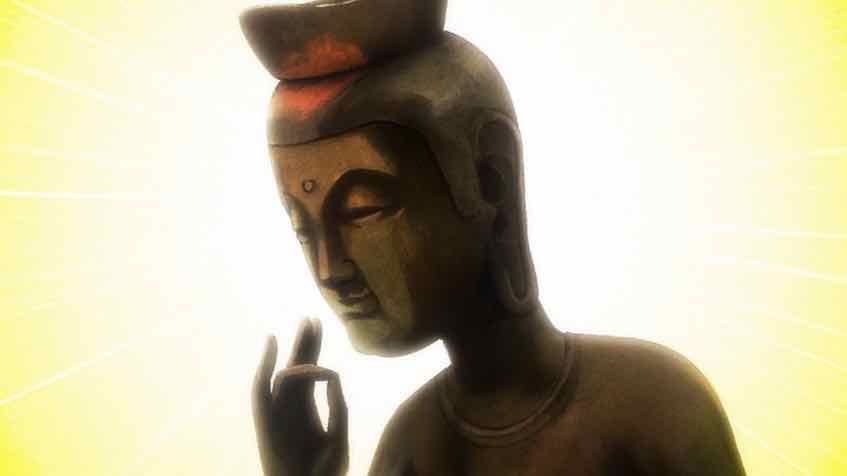
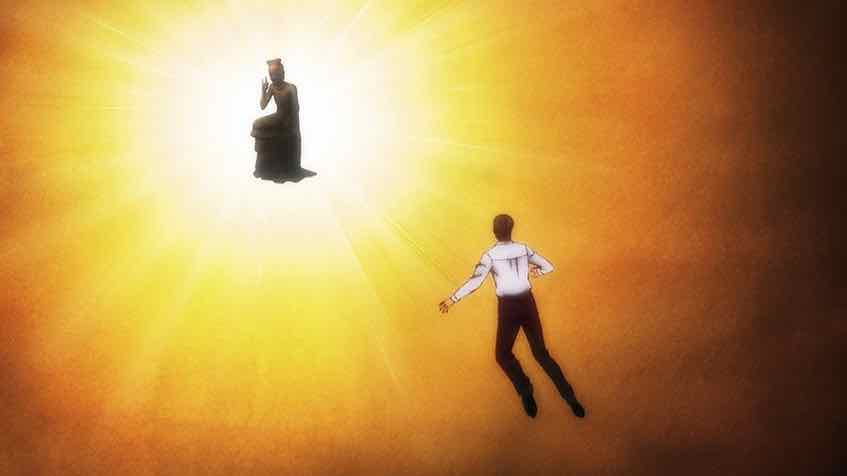
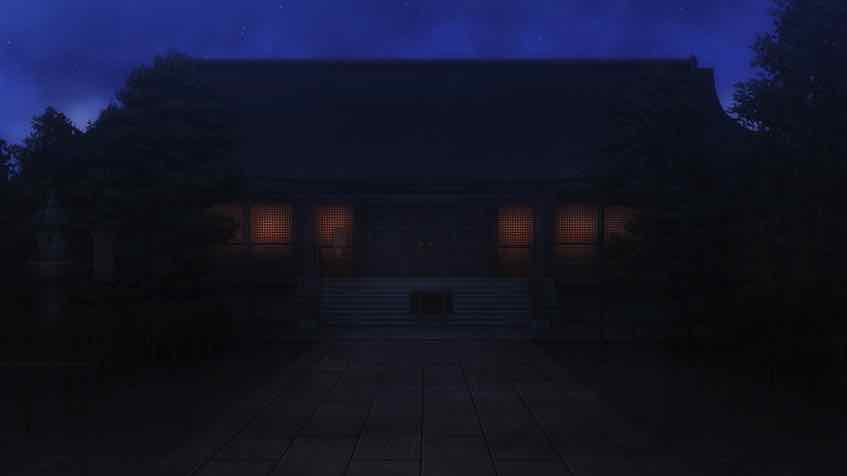
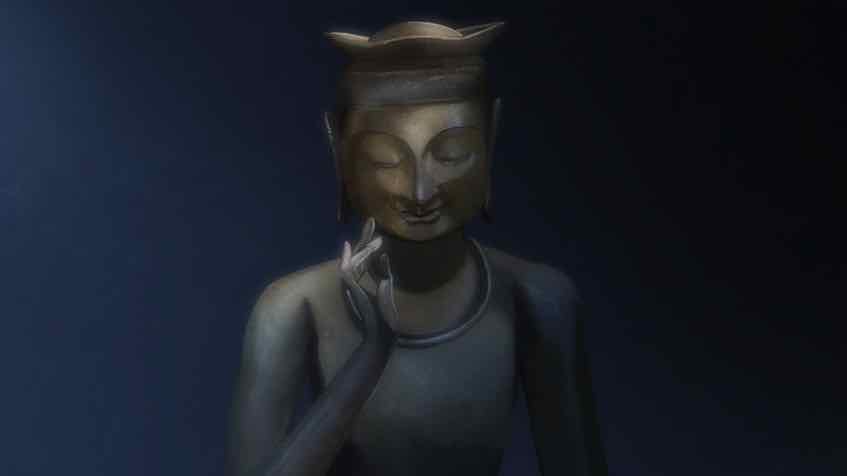
 First off, that Yutaka was writing about his own mortality should have been pretty obvious. But when this appeared, the personal connection struck like a temple bell on New Year’s Eve. I recognized the Miroku Bosatsu Hanka Shiyuizo immediately, from the tiniest silhouette. It’s my favorite art object in Japan and perhaps the world. I’ve done exactly what Issei did here, plant myself at Koryuu-ji and stare at it for an eternity. Not so much looking for answers as pondering the questions themselves. That statue has a power far beyond its undeniable aesthetic sublimity. Koryuu-ji is the oldest temple in Kyoto, but itself is rather pedestrian. It’s the Miroku Bosatsu Hanka Shiyuizo that makes it exceptional.
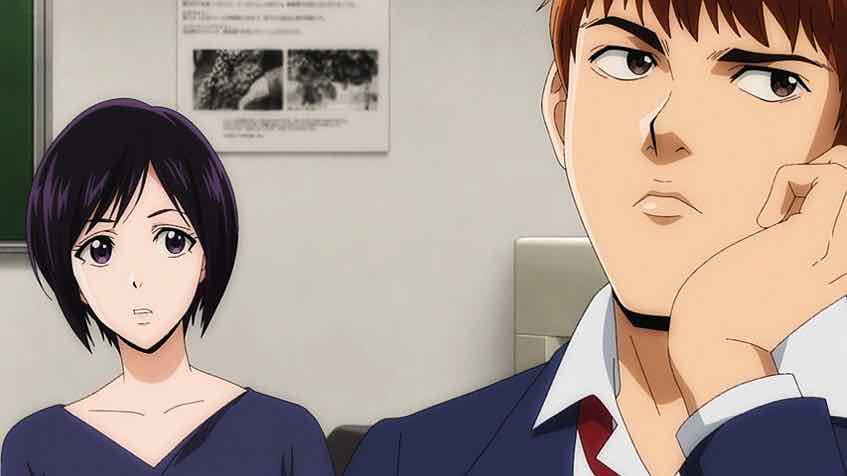
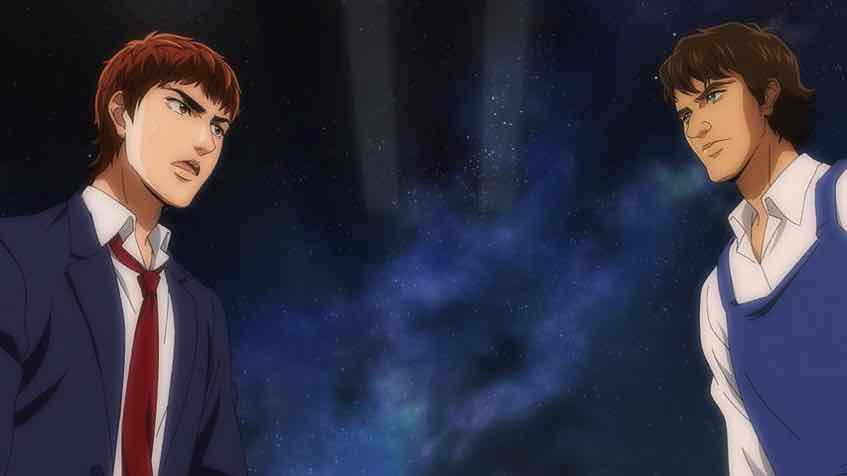
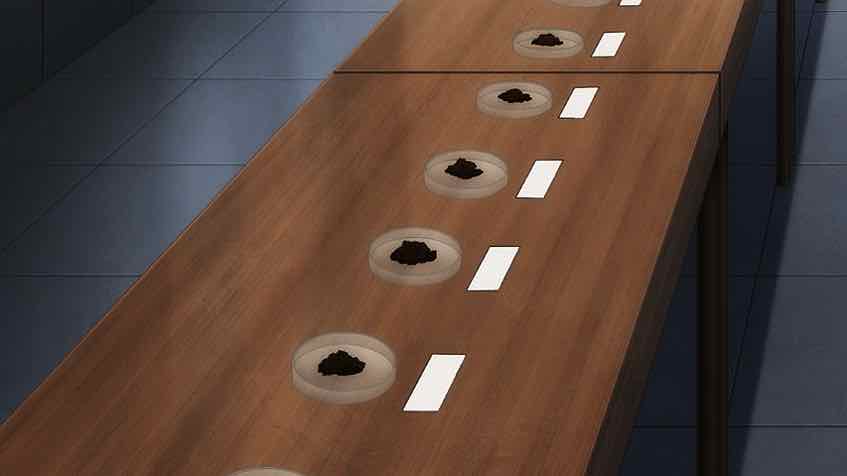
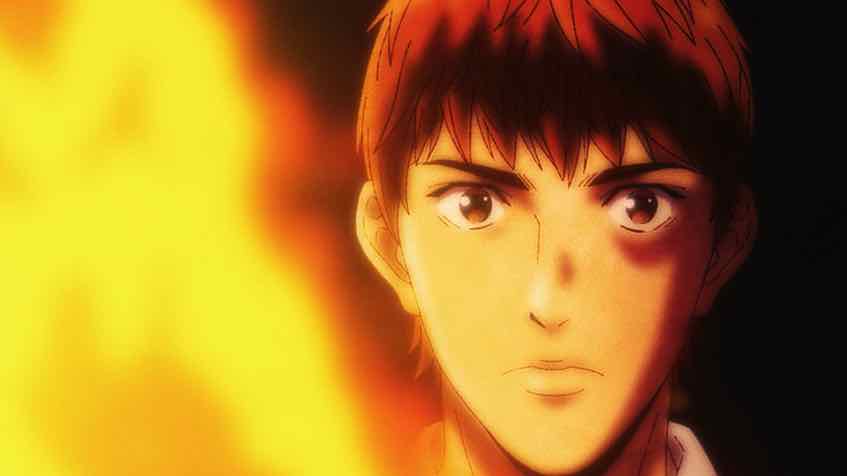
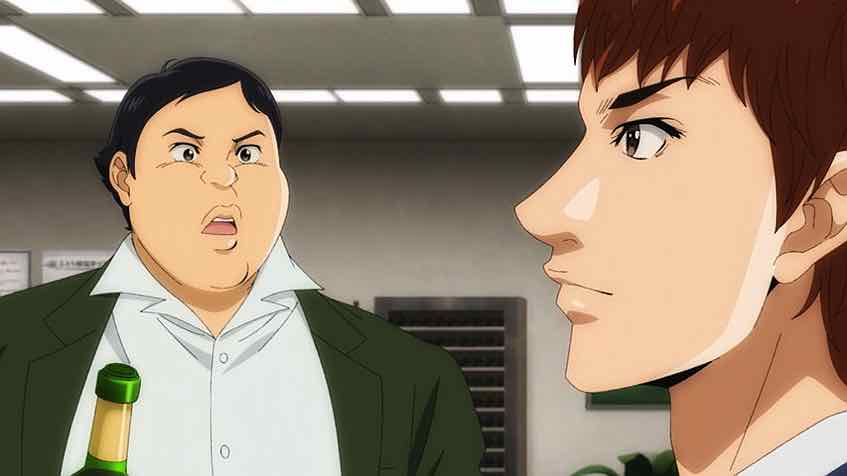
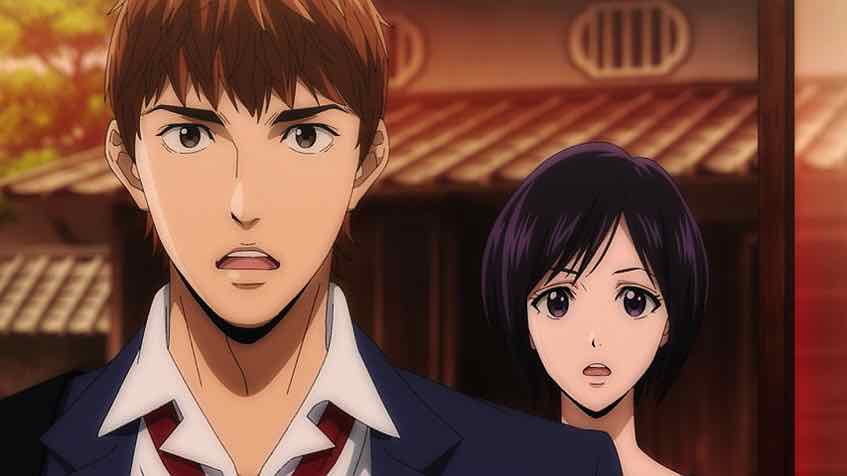
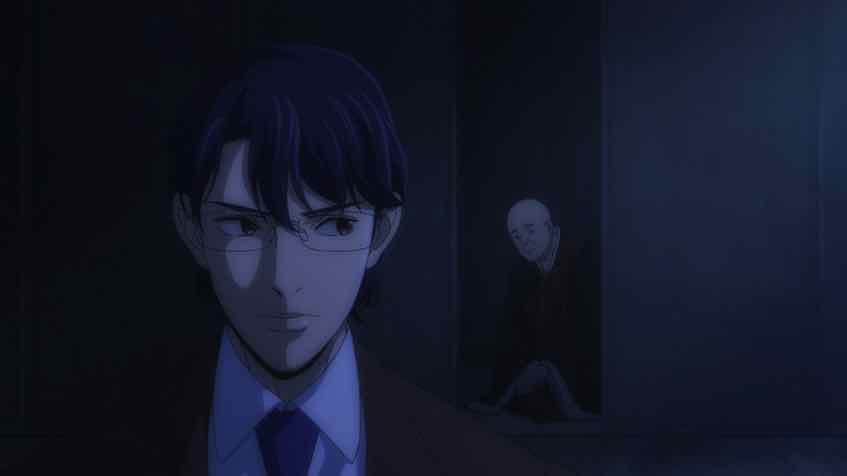
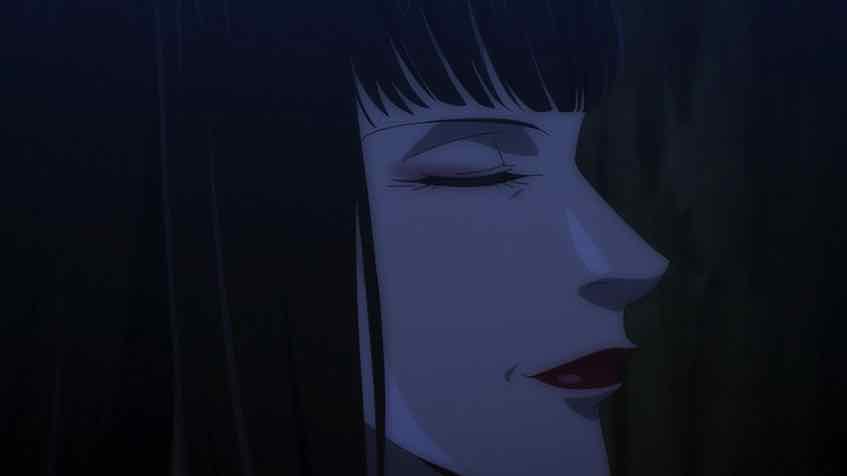
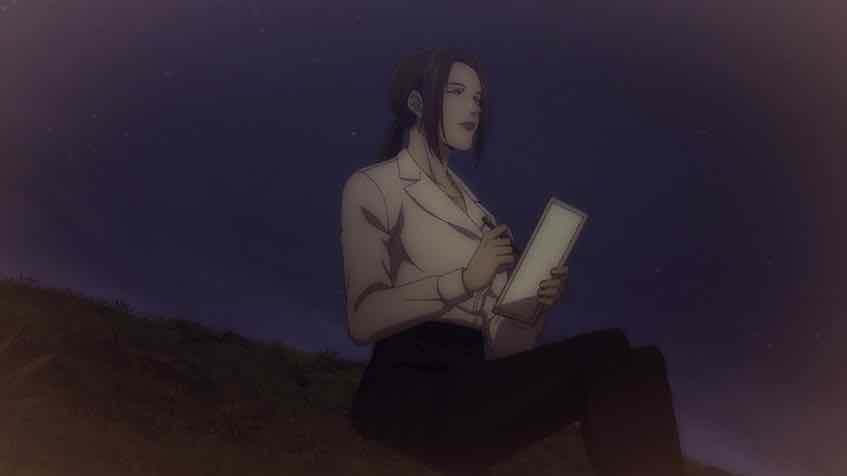
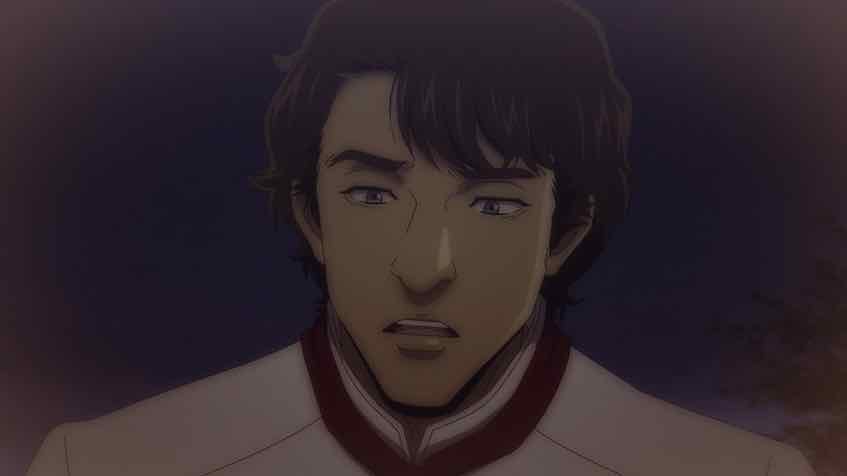
 Issei is quite a ludicrous popinjay really, eating soil and spouting grand ideas. His mother sums him up perfectly – a blend of arrogance and inferiority. Her arrival on the scene is an interesting one, given what the Matterhorn arc revealed. It’s hard to blame him for wanting nothing to do with her, though Sarah has other ideas. She’s also a renowned wine taster herself, as she’s not loathe to remind him. She also claims not only to know what the apostle is, but to have imbibed it with Yutaka. He’s adamant that if she tells him he’s disqualified, but even just hinting around at it is dodgy ethically if you ask me.
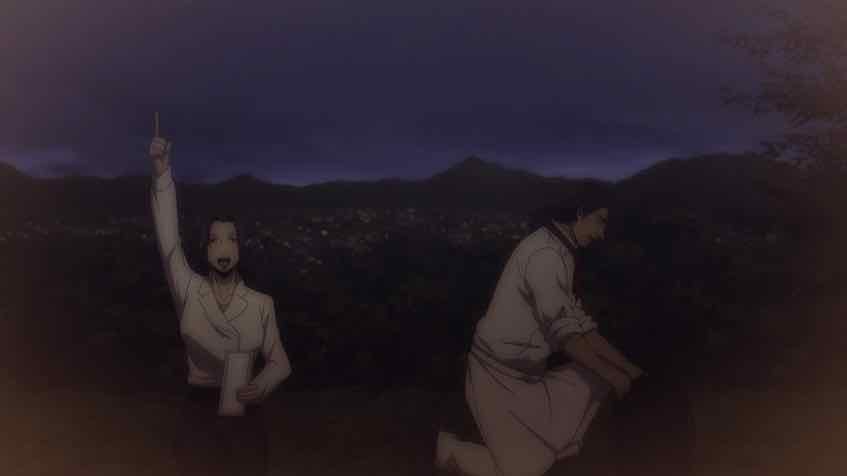
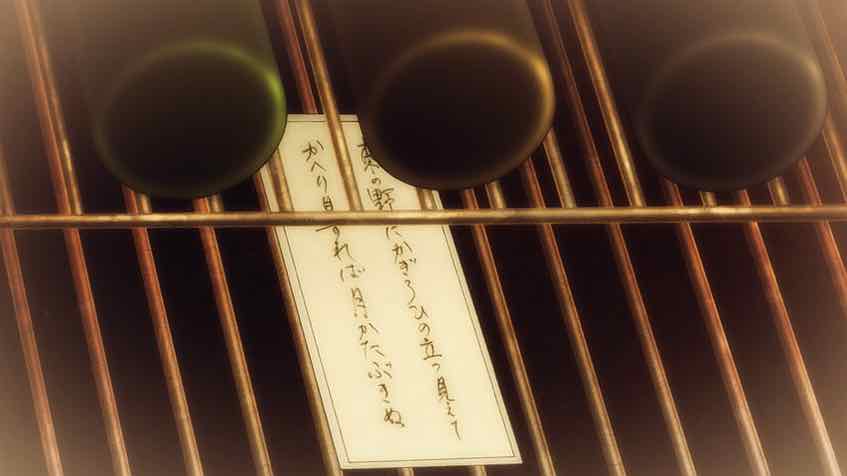
 As to that apostle, it represents another milestone. We finally got a white wine with #5, and now we seemingly leave France at last. For Italy – Piedmont, home of the Nebbiolo in all its legendary forms. Yutaka writes of facing eternity and the loneliness that implies, and references a 7th-Century tanka poem from the Man’youshuu, composed by Kakinomoto no Hitomaro in Asuka:
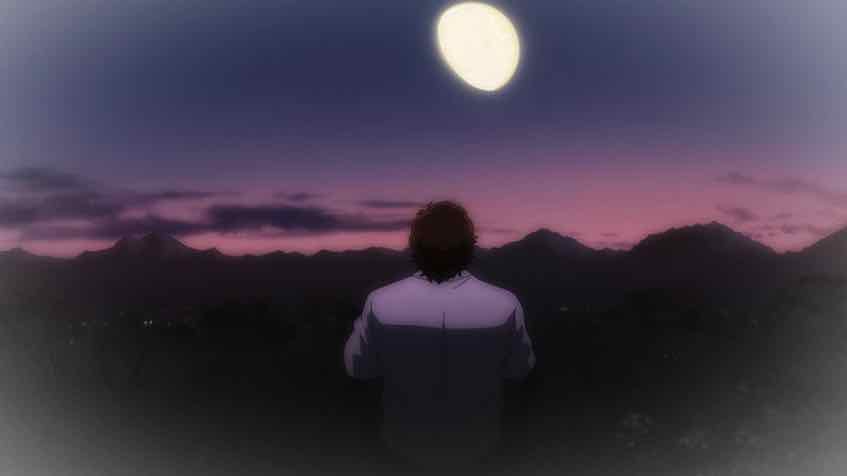
Higashi no / no ni kagirohi no / tatsu miete / kaerimizu reba / tsuki katamakinu
“On the eastern field, the dawn’s shimmering heat-glow is seen rising; when I turn and look back, the crescent moon has tilted low in the west.”
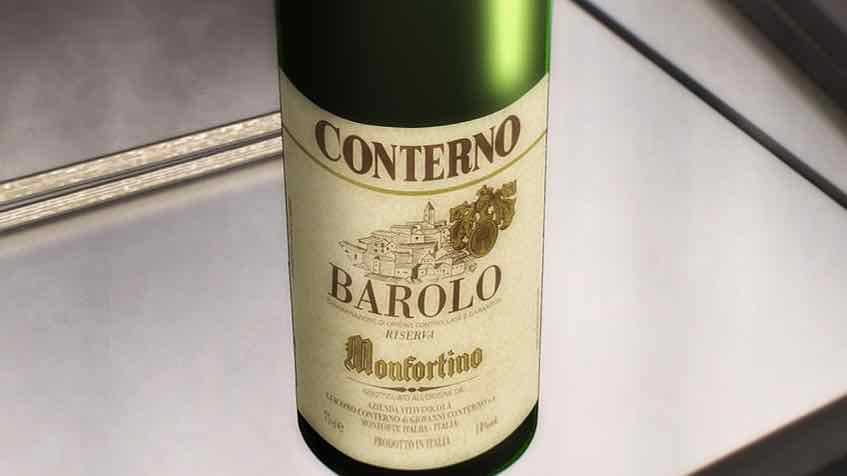
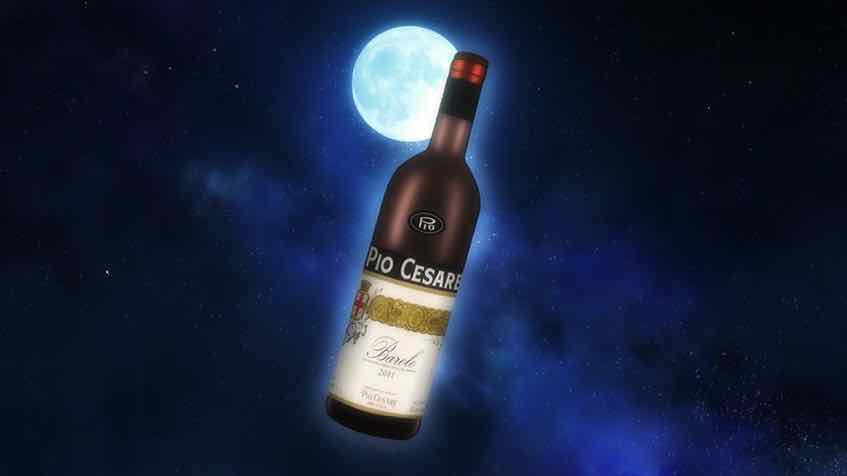
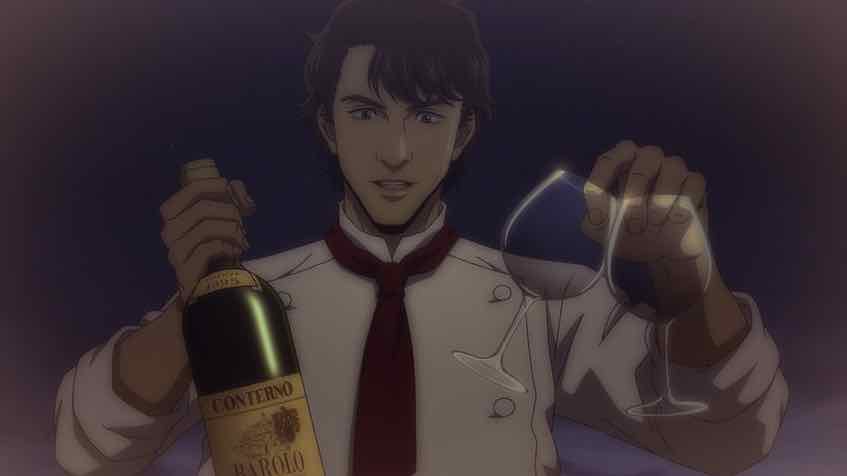
 Honma-san, on hearing this, is convinced the apostle is a Barolo – the ultra-legendary Giacomo Conterno Barolo Riserva Monfortino (1990). Shizuku agrees this is close – this majestic wine does give him a sense of space and eternity. But not quite. It’s agreed to focus the search on Nebbiolo and Piedmont. Issei does the predictable thing – goes to Koryuu-ji to gaze at the Miroku Bosatsu Hanka Shiyuizo. But Shizuku senses this is the wrong course for him. Issei is likely hunting for a wine he’s already tasted – Shizuku has to find it from scratch. He chooses to chase the poem instead of the statue, and heads to Asuka with Miyabi.
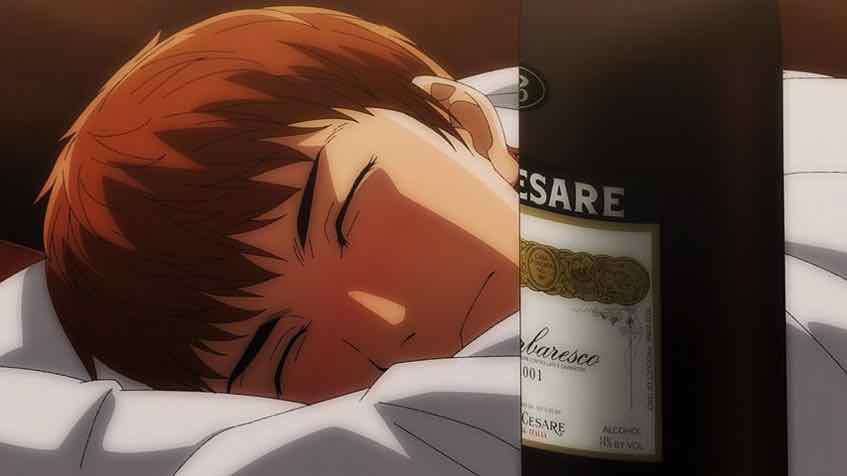
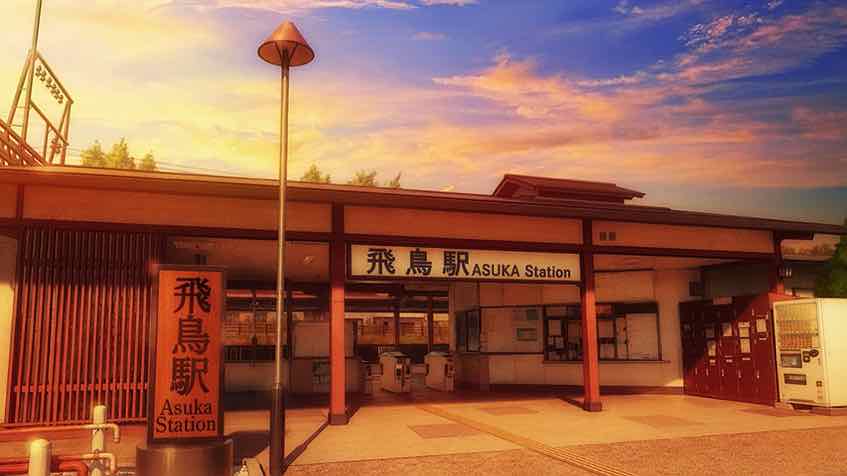
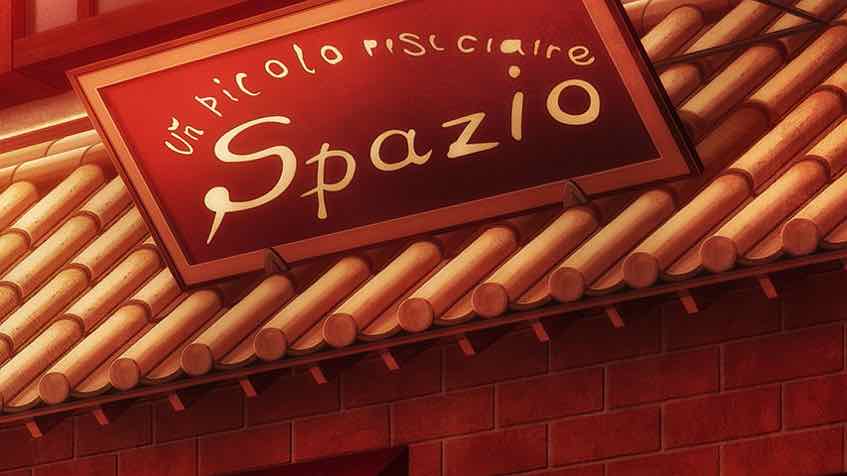
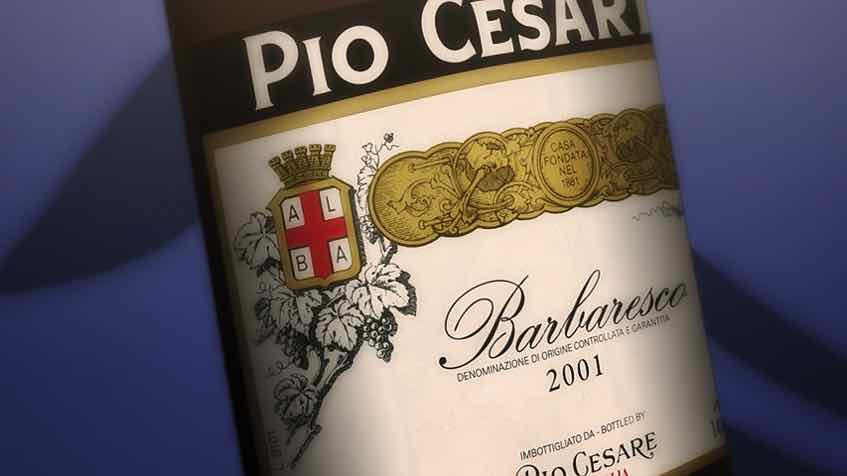
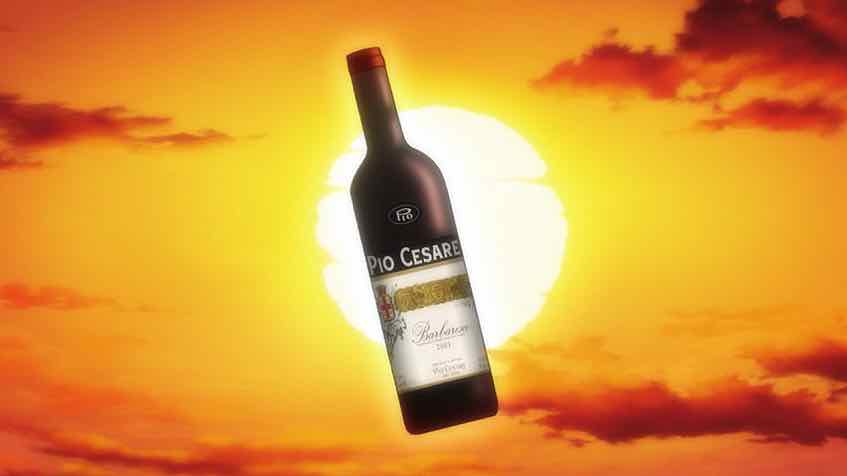
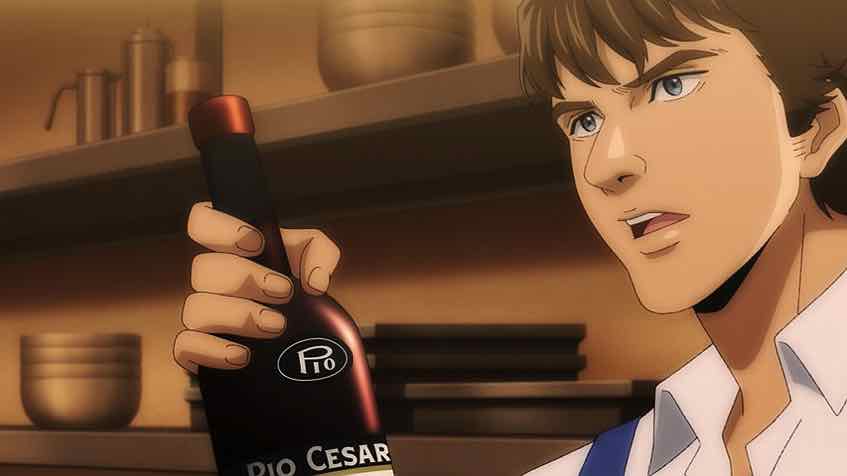
 This being Kami no Shizuku you know a ridiculous coincidence will happen. I’ve accepted that this is a feature, not a bug – the hand of fate intervening in these stories is part of the series’ mythology. Near the station they find a small bistro called “Spazia” (seriously – y0u couldn’t guess what that means?). The owner, Leonardo, is a Piemontese who’s come to Asuka searching for his ex-lover, who left him (along with their unborn child) leaving only some wine and the aforementioned poem behind. Leonardo drinks Pio Cesare Barbaresco and stares at the setting sun over the hills of Akino, but has never found his Natsuki.
 Maybe it’s the sense of personal connection, but this hunt feels the most eloquent and cogent of the apostle cases so far. I understand Yutaka’s words perfectly, and the wines themselves just seem to fit the imagery. The Barbaresco gives the setting sun and the Barolo the moon, but neither both – and both are essential to both Kakinomoto no Hitomaro and Yutaka’s message. Could it simply be a matter of the wrong Barolo or Barbaresco? Could one of Piedmont’s lesser-known areas be the answer? Perhaps Shizuku’s idea – to drink a Pio Cesare Barolo at the site where the poem was set – will lead to the answer. But I find myself hoping it’s not quite that easy.

















Elia Notari
August 10, 2026 at 5:59 amPerfect timing with this episode, I’m currently enjoying a holiday in Piedmont, a few minutes away from the Langhe region.
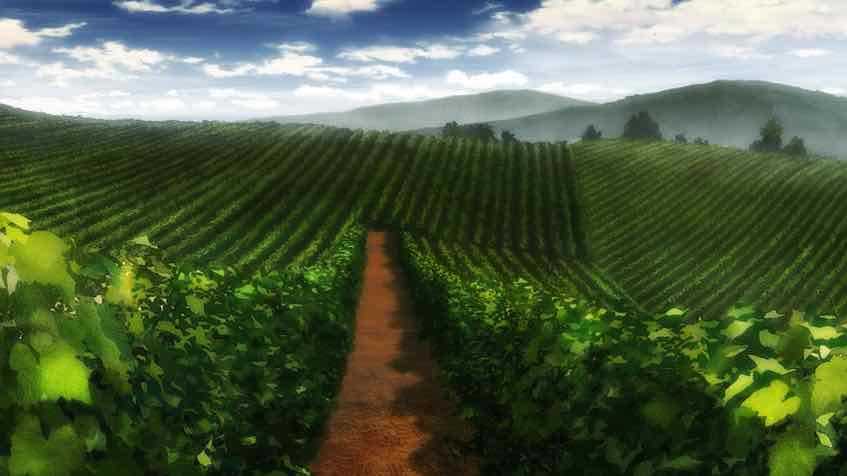
I’ve walked through the vineyards of Barolo today, what a peace of mind!
Guardian Enzo
August 10, 2026 at 9:18 amMake sure you enjoy some Langhe Nebbiolo. Send me a bottle!