

 Tenmaku no Jaadugar is wading deeper and deeper into the pantheon of historical figures here. The history of the Mongol Empire is a complicated one to say the least, and what little knowledge I have of it I gained of my own volition and not that of my teachers. I’d never even heard of the Mergen people before last week, or the Naiman before this. But they were integral players in the regional struggle that fueled Genghis Khan’s (Temuujin in those days) rise to power.
 The Mergen – or Merkit as they’re generally known – were one of the five major Mongol tribes that occupied the Mongolian Plateau. Ethnically and linguistically they were close to Temuujin’s Borijin tribe, but were bitter rivals over many decades. Kidnappings (including Temuujin’s wife, a Merkit) were a common tactic used by both sides. We know how this ended up, of course – even those largely ignorant of history know the name Genghis Khan. But this episode is a semi-fictionalized account of what that meant for the conquered Mergen people.
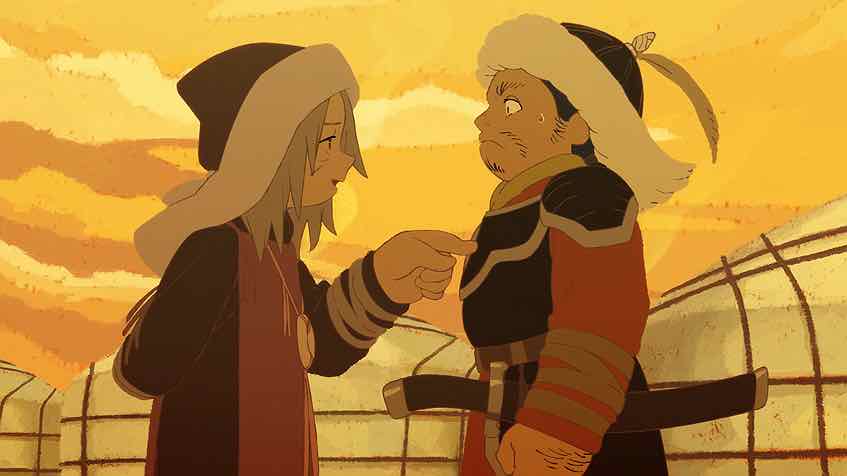
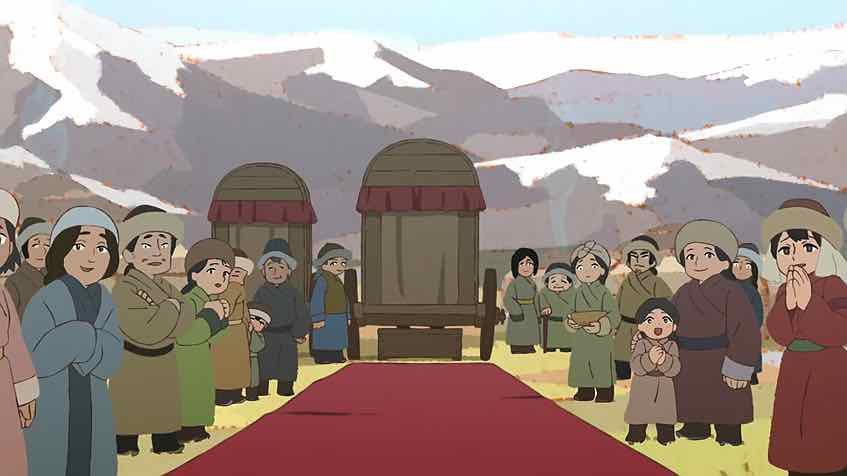 Töregene was not in fact a Merkit. She was a member of the Naiman Clan. They were more numerous than the Mongols, and after being conquered by them Naimans wound up in positions of power throughout the Mongol hierarchy. Töregene wound up with the Merkits as she was married off to their leader Dayir Usan (played marvelously by Ishida Akira) to cement an alliance against Genghis Khan. As portrayed here at least Dayir was already well into middle age and had no interest in physical relations with Töregene. He was a Kam, a shaman – presumably a major reason why he became the leader of the clan.
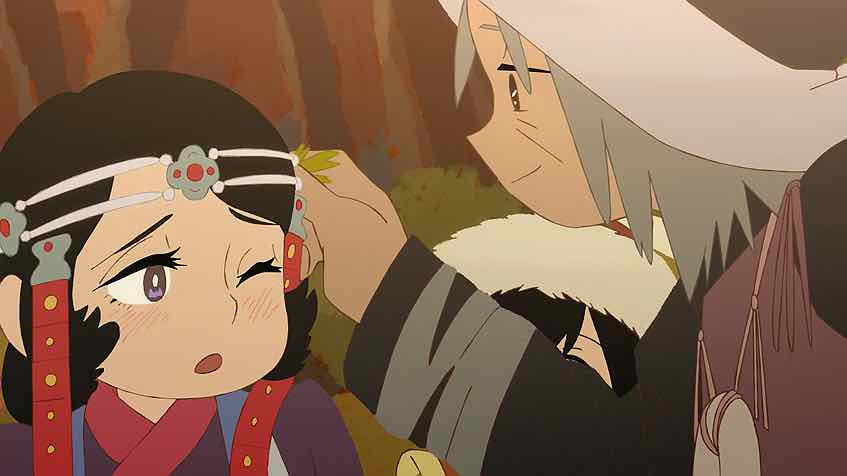
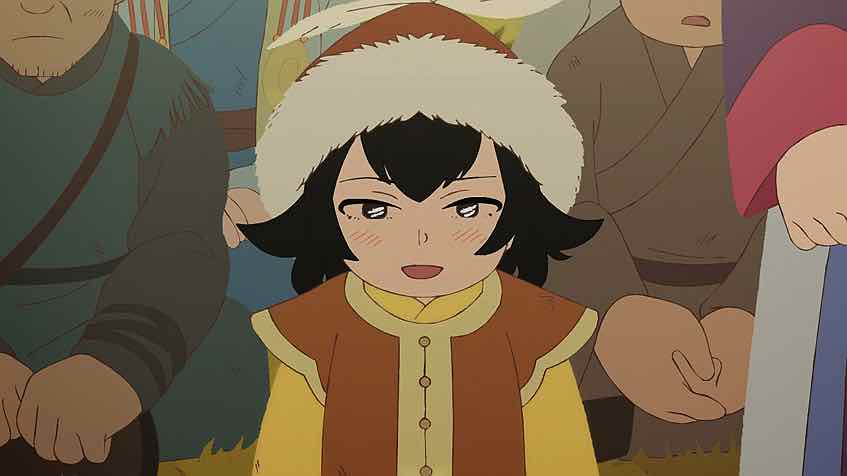
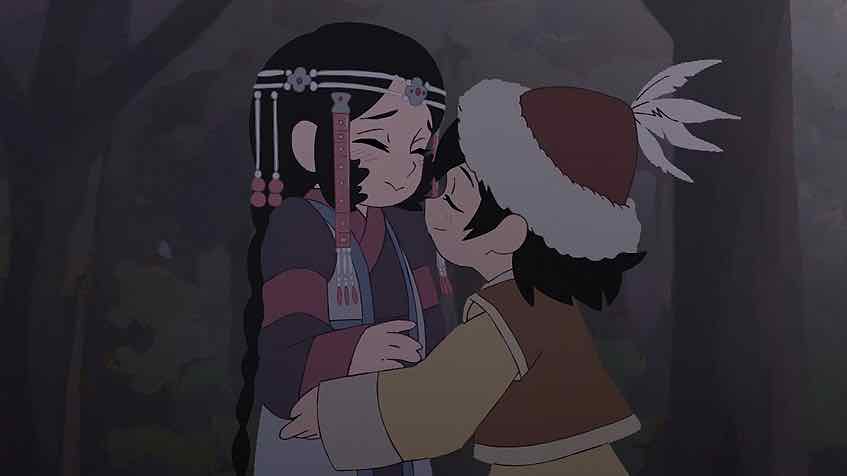
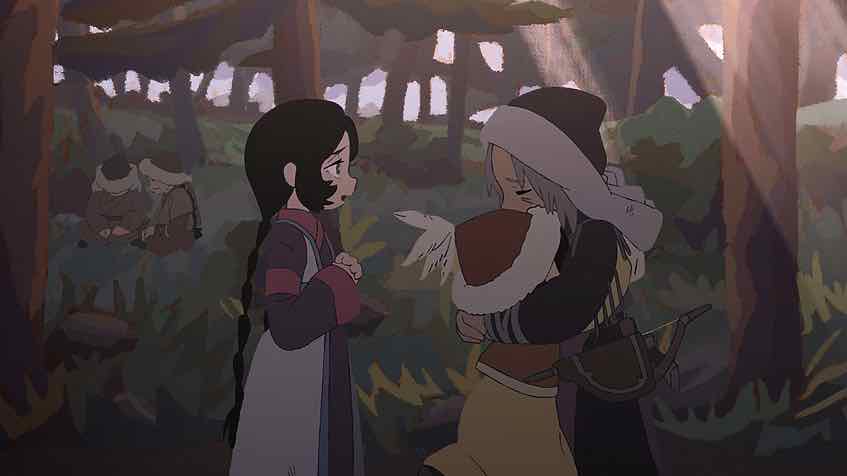
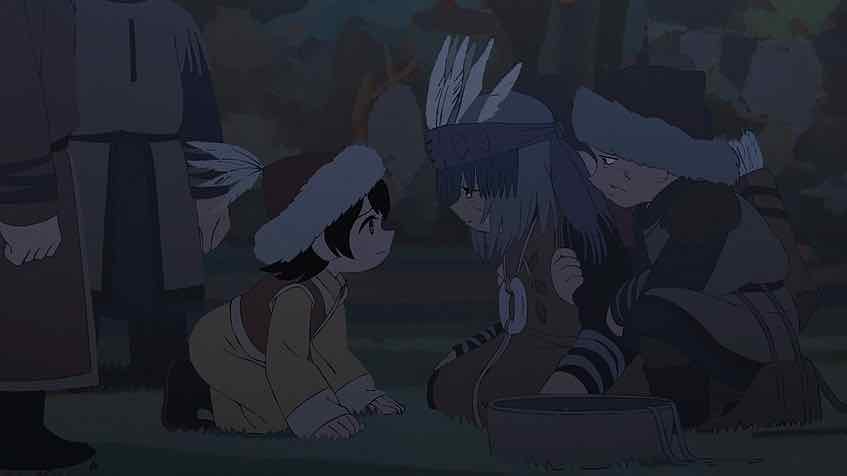
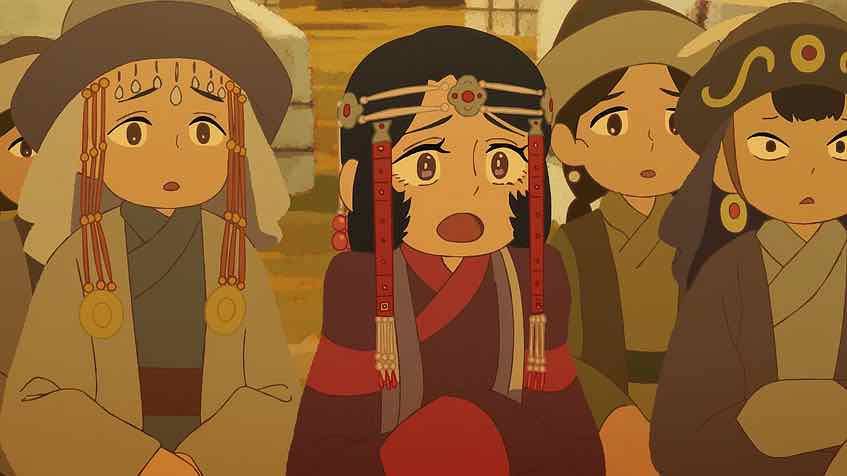
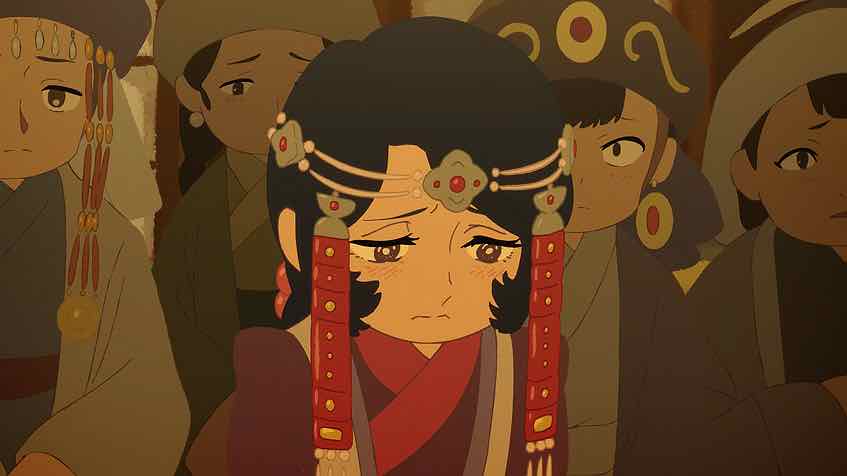
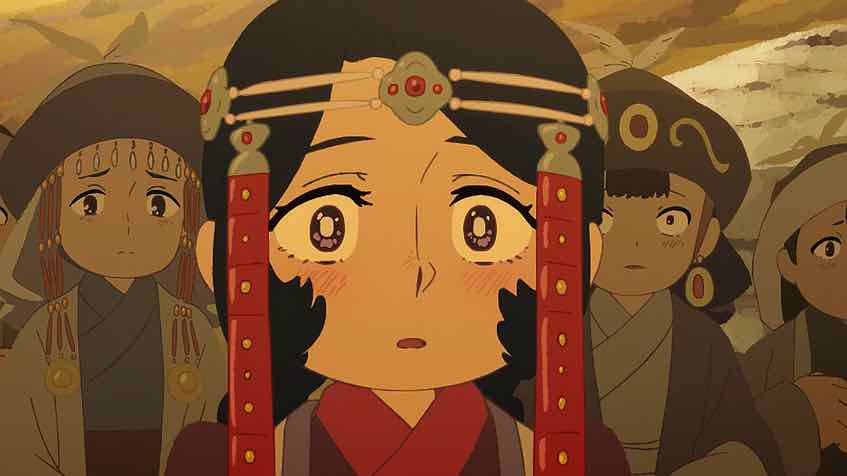
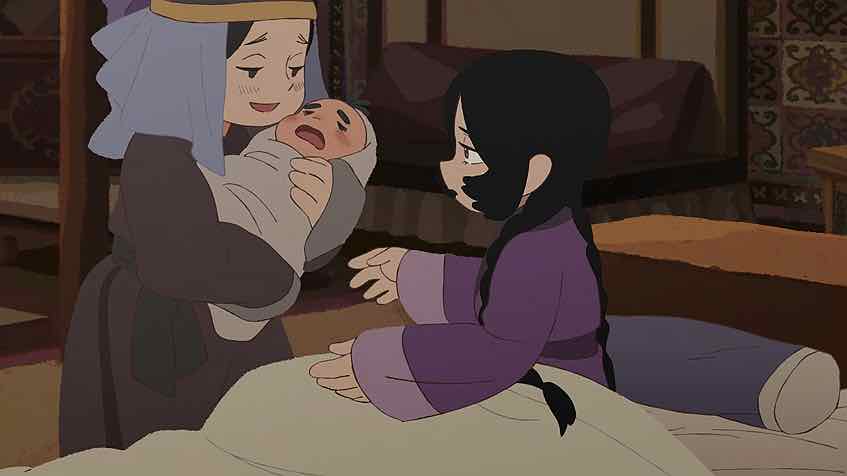
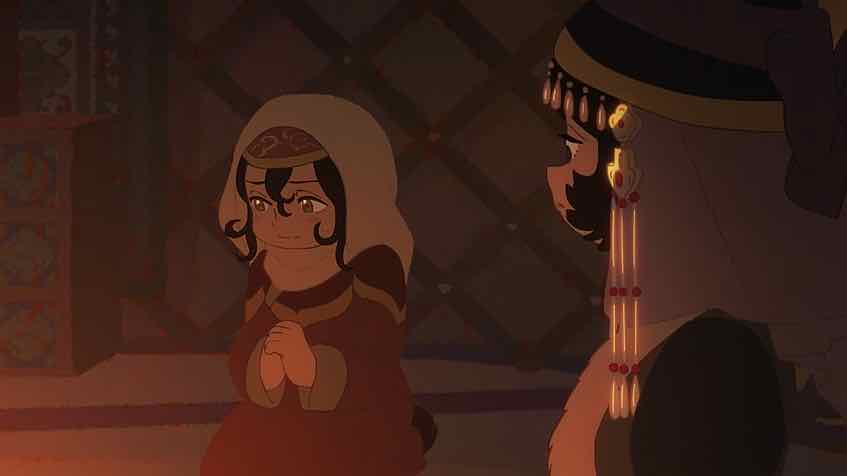
 Töregene is miserable and homesick despite Dayir’s kindness, and weary of the Merkit’s constant movement (to avoid capture and destruction by the Mongols). She attempts to sneak off during one of these decampments, but is saved from a poisonous snake by the arrow of a boy named Qurteqan (Chiba Shouya). He’s the son of another chief, and close with Khulan (Minase Inori), Dayir’s daughter. Khulan and Qurtuqan bind Töregene to the Merkits emotionally, and she finally begins to feel at home among them. But soon Dayir is defeated in battle by the Mongols, and the time of reckoning for the Mergen people has come.
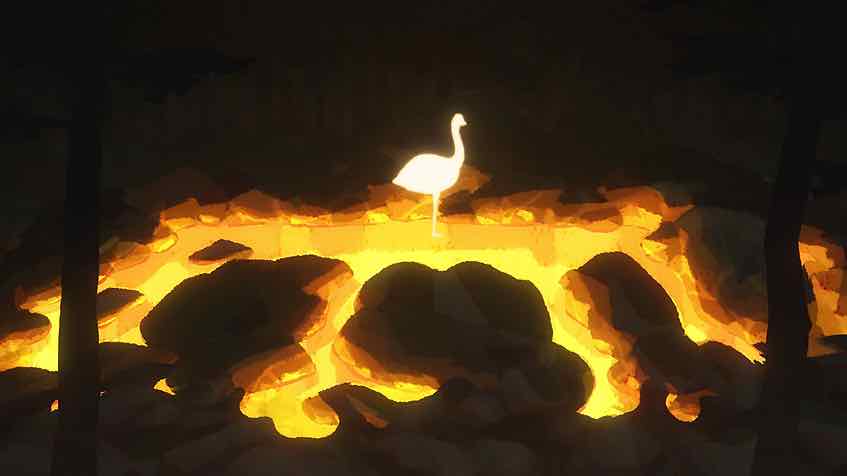
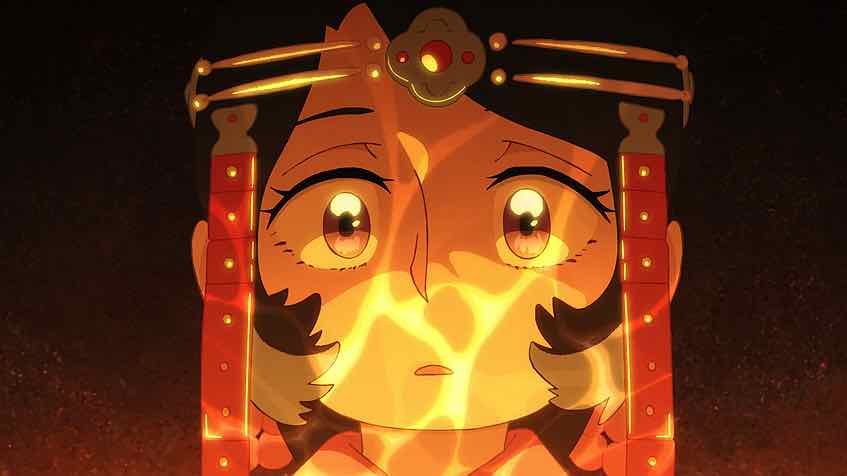
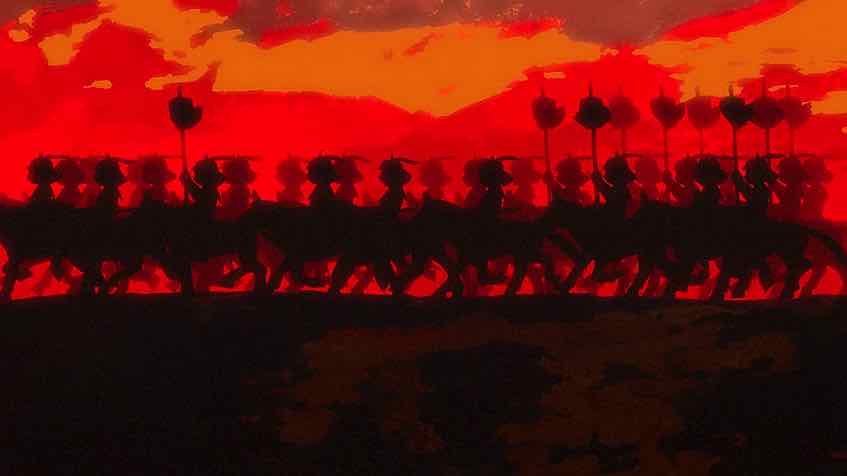
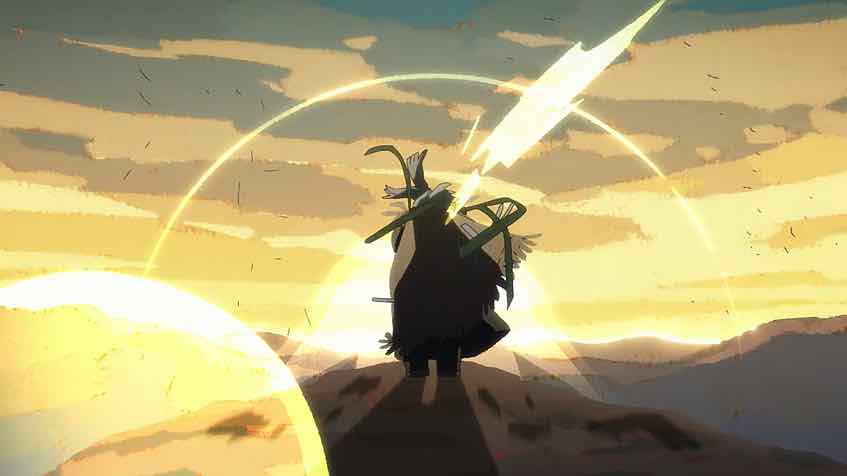
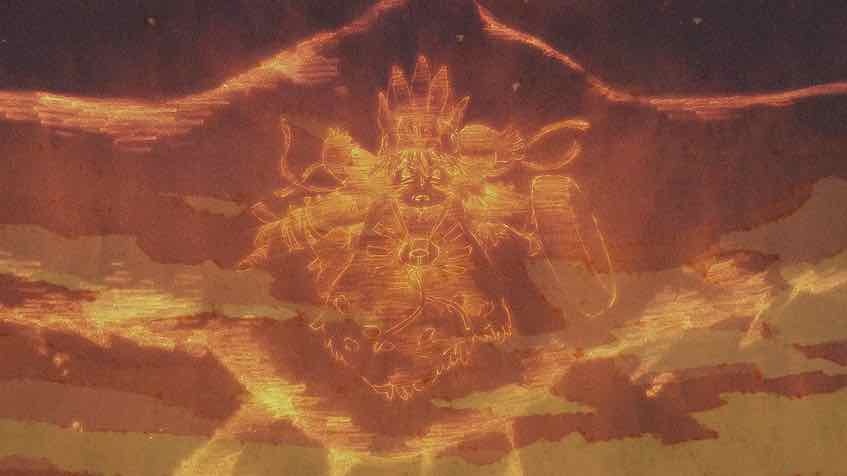
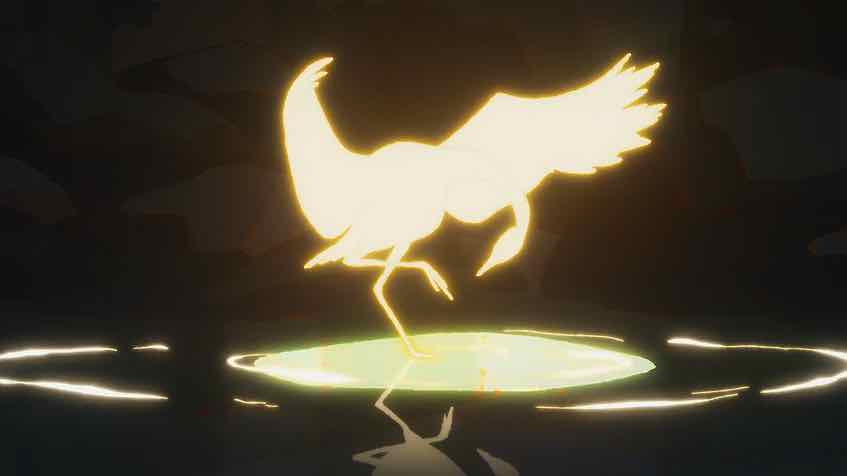
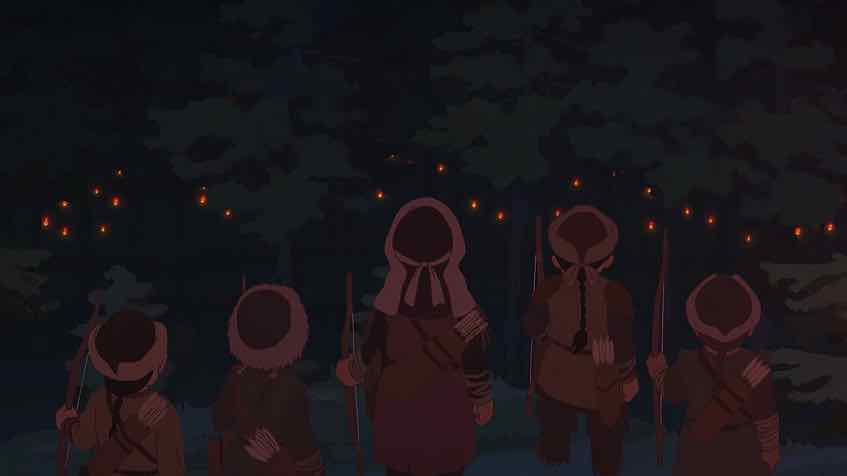
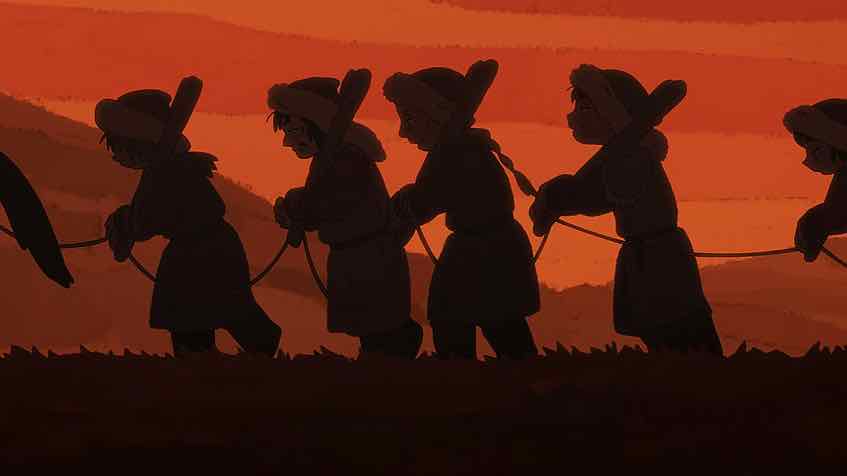
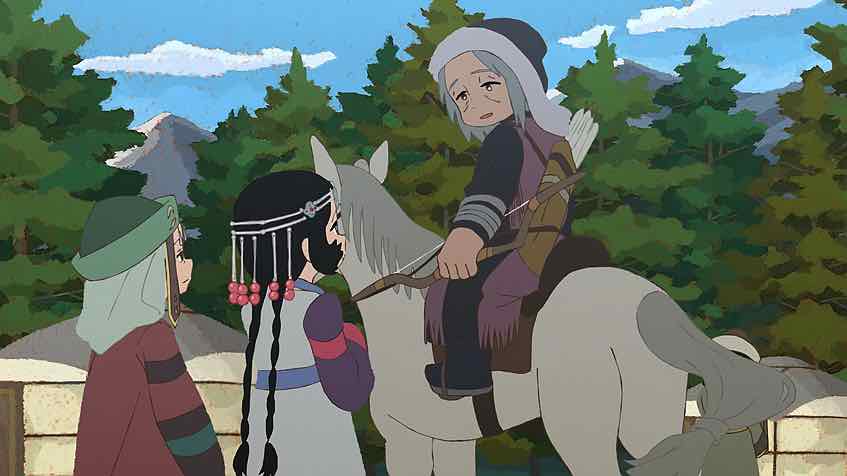 This was the reality of those peoples subsumed by the Mongols, shown unsparingly in a way Tenmaku no Jaadugar hasn’t often pursued. The men would be killed, the women and children taken as slaves. Dayir, as Usan the Kam, retreats to seek visions from Heaven about the future of his people. This is a truly marvelous depiction of a vision quest, both beautiful and terrible. And in it Dayir sees that the Mongols would spread their seed across the steppe (and well beyond, in fact), and that the Merkit were doomed. To avert the worst, Dayir chooses to surrender to Genghis and give him Khulan as a wife. Töregene is horrified but Khulan is stoic, accepting this as her role in securing the future of her clan.
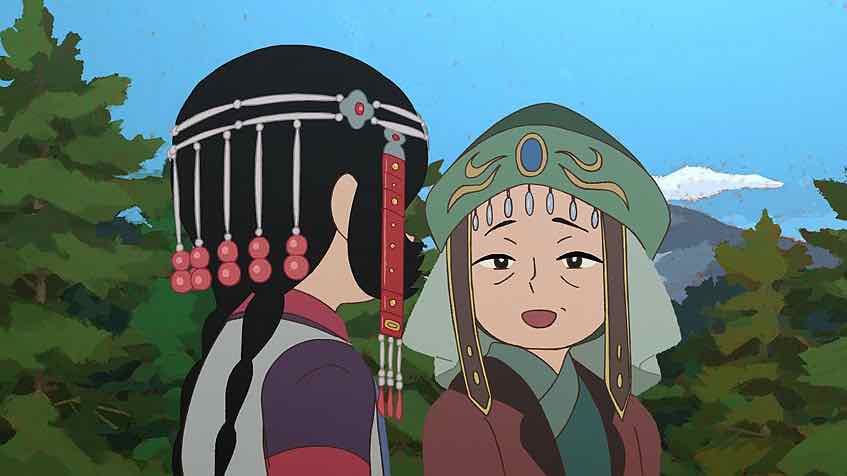 What’s strange here is what Dayir does next. Rather then surrender, he and his men stage a hopeless rebellion, which the Mongols under Ögedei would easily crush (this all actually happened). Warrior spirit is fine and all, but in doing this he must have realized he was undermining his attempt to secure a future for Khulan and the women of his tribe. In fact Genghis Khan did keep Khulan as one of his brides and bear children with her, and Töregene was given to Ögedei as a wife (which more or less takes us up to the present in the narrative). And a few Merkit did wind up in positions of power inside the empire.
 So Töregene saved Sitara because she saw Khulan in her – a smile hiding something else. The two woman share a similar dream – to call forth a storm to destroy the Mongol Empire from within. Sitara pledges to be Töregene’s Jada stone and use her knowledge along with Töregene’s insider status to create the tempest they dream of. But the enemy they face would become the largest contiguous empire the world has ever seen, so to call that dream Quixotic would be an understatement of Mongolian proportions.










































Henk
August 2, 2026 at 9:48 pmThe web of spying grows more complex. I’m curious how Sintara will play the different sides to further her own goals.
Guardian Enzo
August 2, 2026 at 10:12 pmOne element of this that holds true is that women did wield quite a bit of power within Mongol society (which wasn’t true in many places in the 13th Century).