




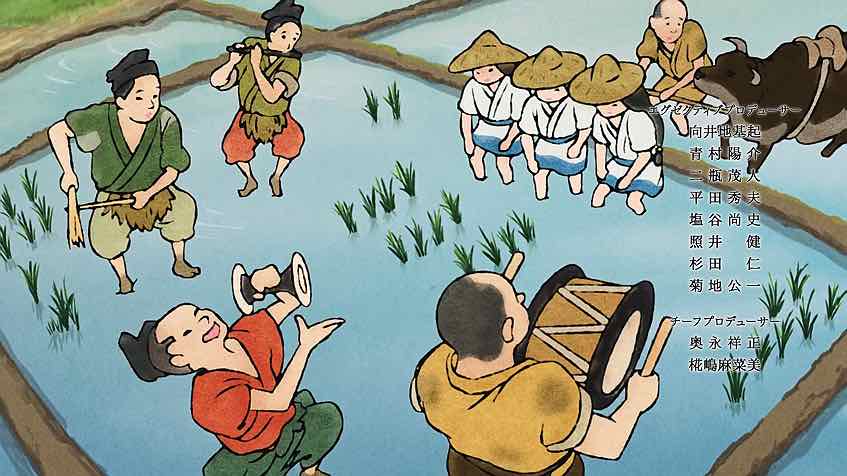
 As if on cue, Dengaku makes an appearance in World is Dancing. And so the baton is passed from Nige Jouzu no Wakagimi. I’m sure it’s coincidental that the two best series of the season are set in the 14th Century (and arguably the third-best the 13th), and quite closely related in subtle ways, but it’s very cool nonetheless. The time difference is about 40 years, which was two generations in those days. And indeed it’s Yoshimitsu’s grandfather who’s the main antagonist of the The Elusive Samurai. The historical context here is that Dengaku was far more popular than Sarugaku when Zeami came into the world – and obviously so in Tokiyuki and Ayako’s time.
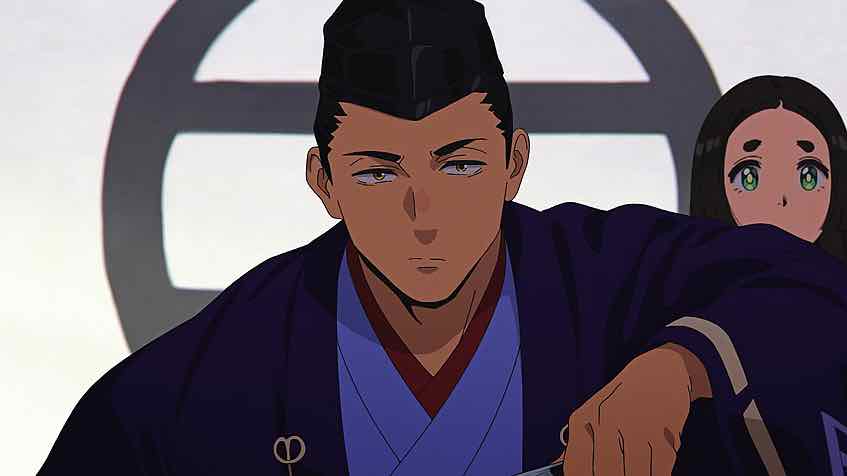
 We see a major change in circumstances as this chapter begins. Oniyasha is now indeed in the shogun’s service at his Sanjobomon residence. It’s noted that there are two performing troupes in residence – the Kanze and the Shinza, a popular Dengaku troupe. But as best I can tell it’s only Oniyasha and Ishiya from the Kanze, whereas the entire Shinza seems to be present. Which hardly seems fair, does it – especially when something like a competition arises, as it does later in the episode.
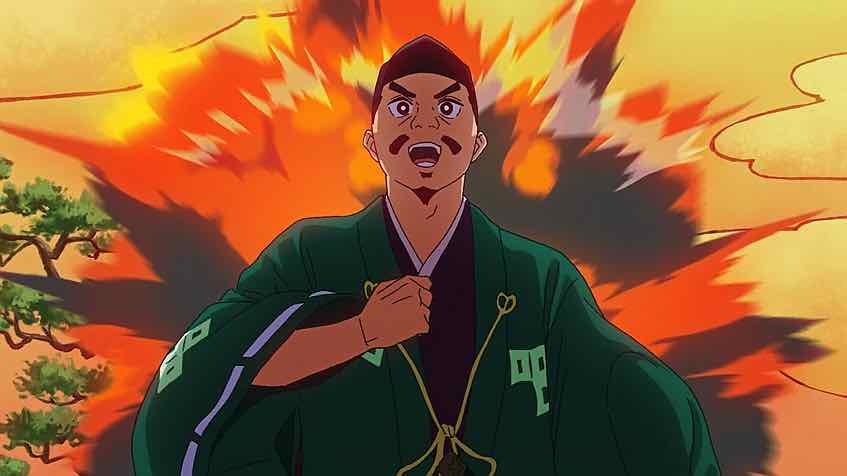
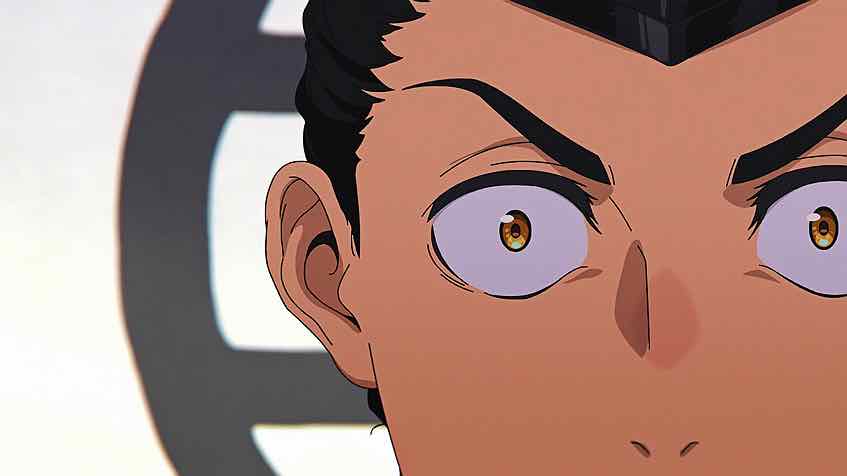
 On the question of Oniyasha’s relationship with the 16 year-old Shogun – and the salacious view history takes of it – there’s no acknowledgement as of yet. Rather hints are proffered in the direction of Yoshimoto Nijou (Tobita Nobuo). Yoshimoto was a much older noble and former regent who became the era’s best known patron of the arts, and indeed was known to favor the future Zeami. Among other things he was said to have provided the boy with many books and poems to improve his familiarity with the classics (if there was more, it exists in the realm of rumor). This is portrayed in rather amusing fashion by World is Dancing, with Yoshimoto as an anonymous benefactor (to his frustration).
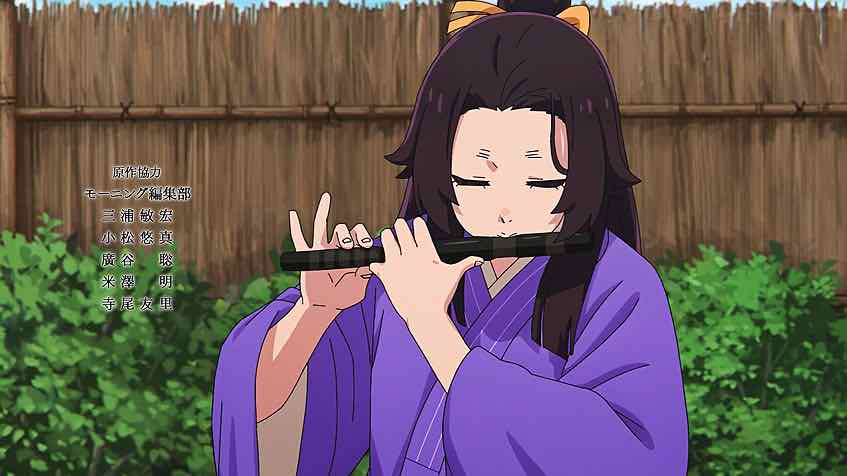
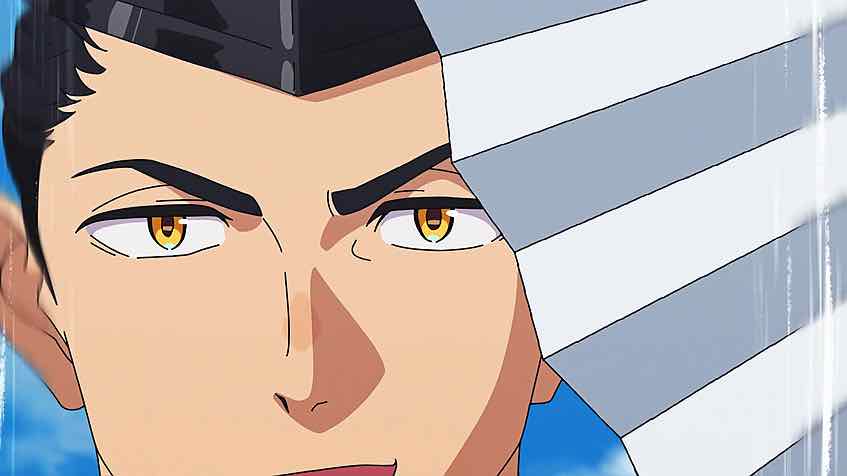
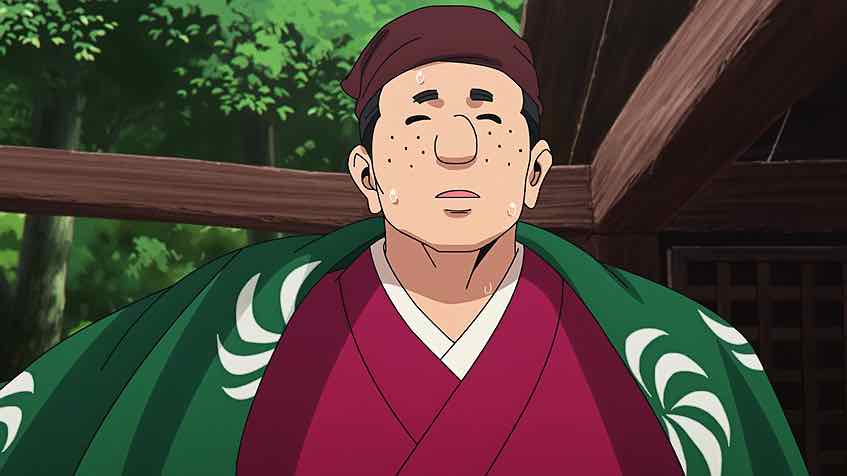
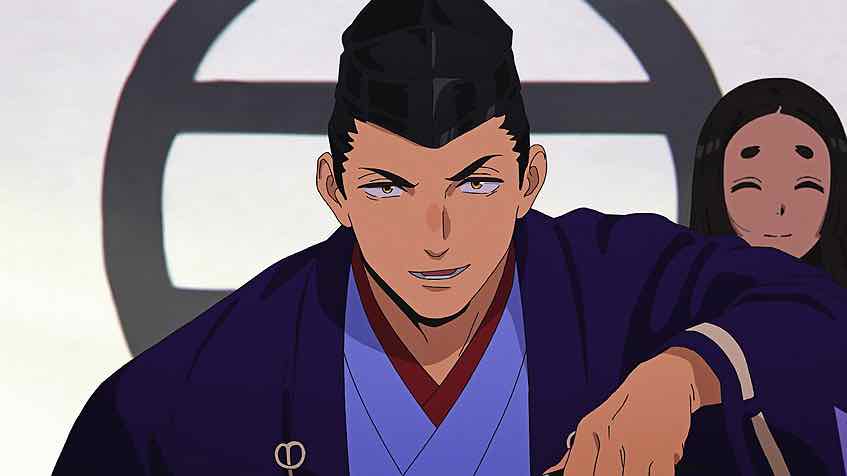
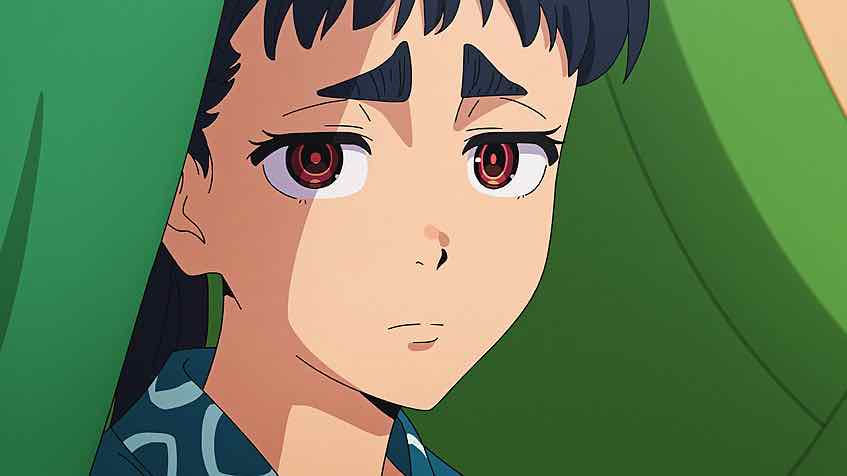
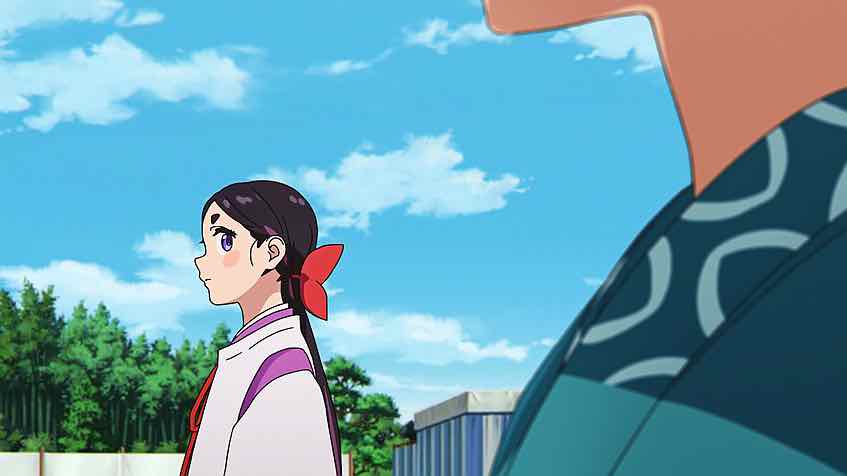
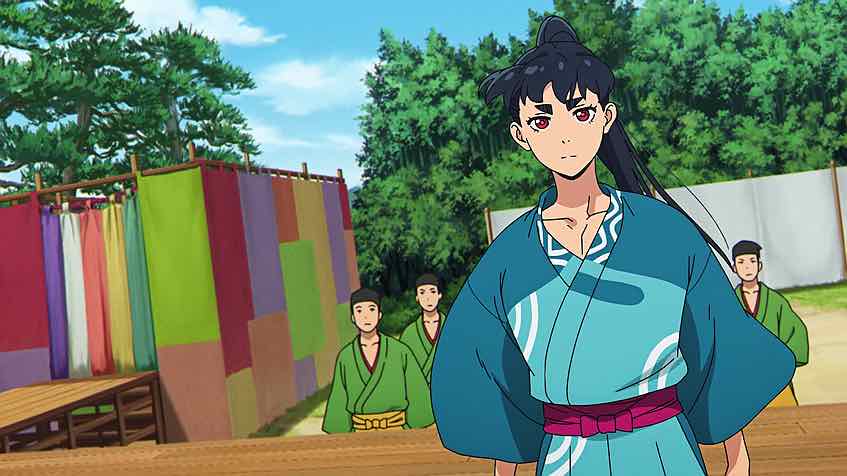
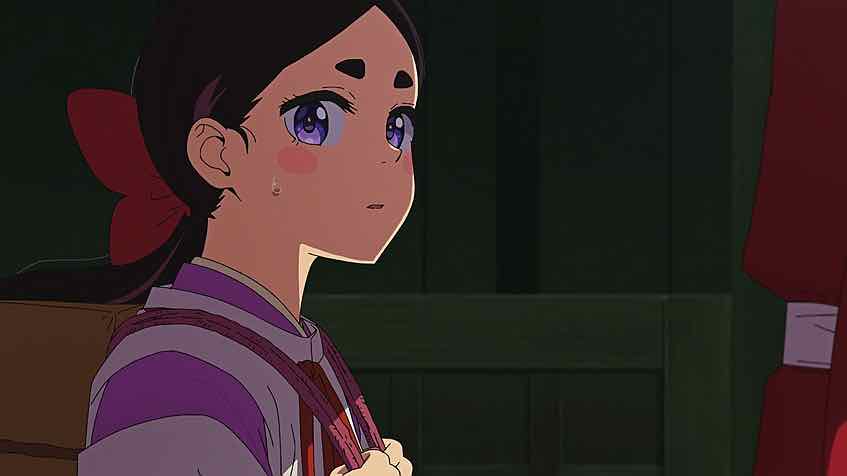 As far as I know, the Shinza troupe itself is fictional, meant to personify the popular status of Dengaku at the time. As are the specific members of the troupe we meet. One is Chiharu (Minsae Inori), a young flautist and tomboy who’s jealous of Oniyasha’a beauty and ability to read and write. Then we have Zoujirou – played by the great Paku Romi in what’s now a sadly rare anime appearance – who is in fact the leader of the Shinza despite being in his early or mid-teens. We also meet Yoshimitsu’s wife Nariko (Mamiko Noto), an aspiring poet who acts as a surrogate onee-san (or even mom) to little Oniyasha (which also enrages Chiharu).
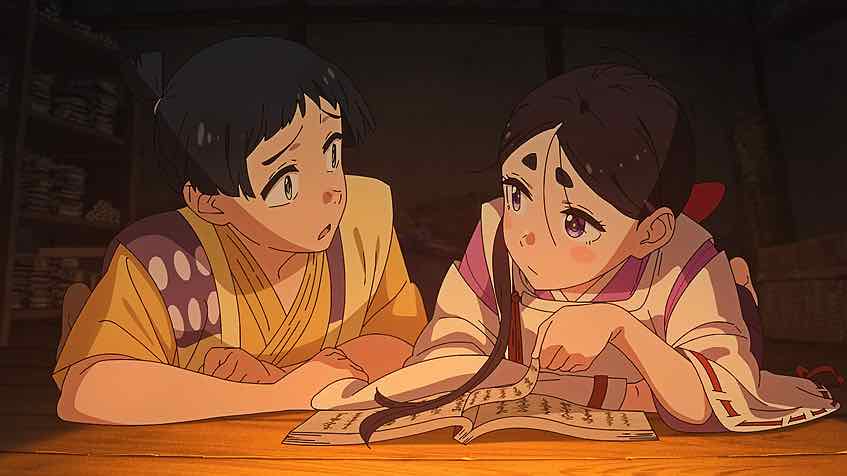
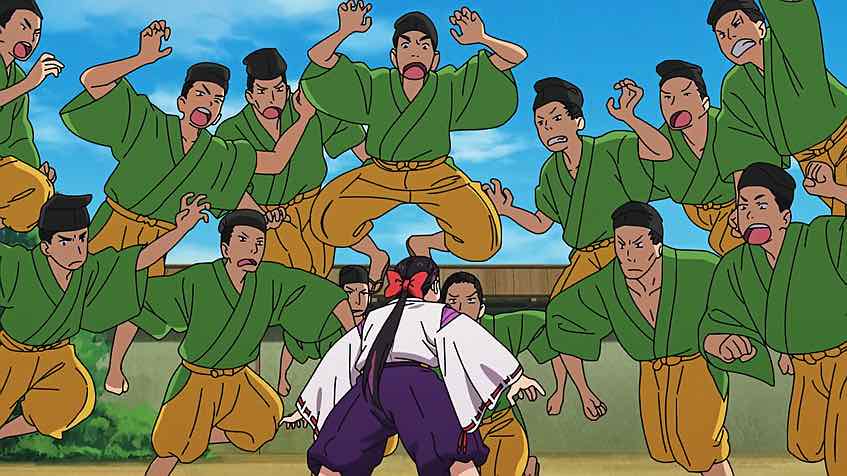
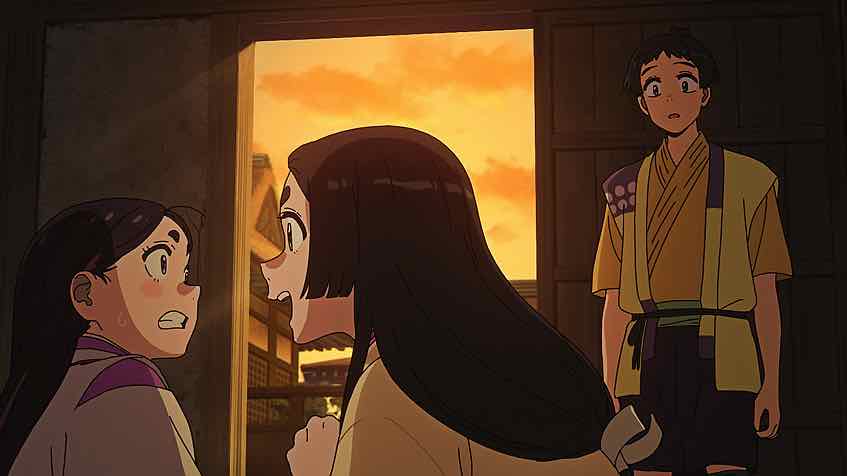
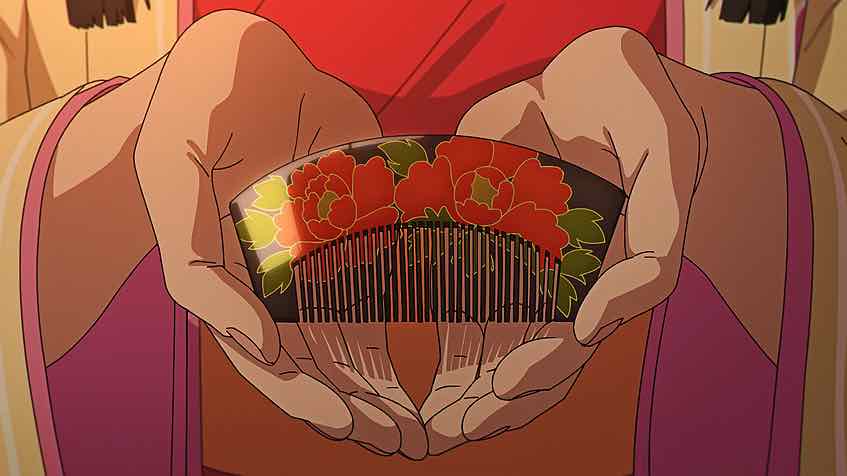
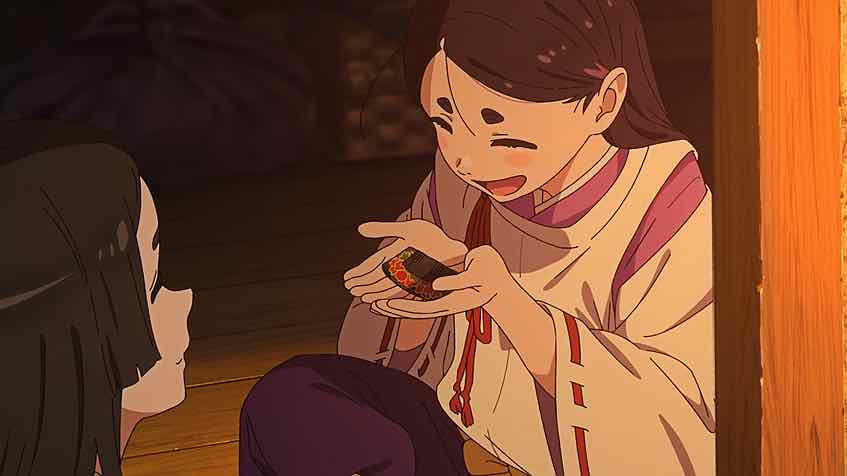
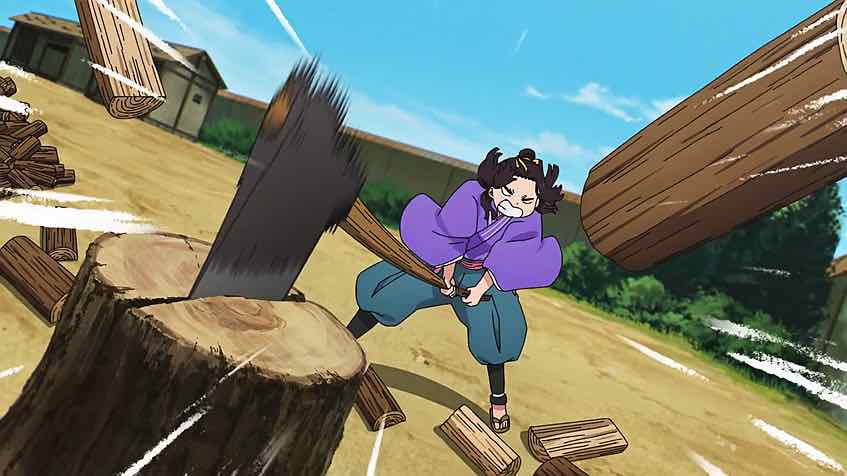
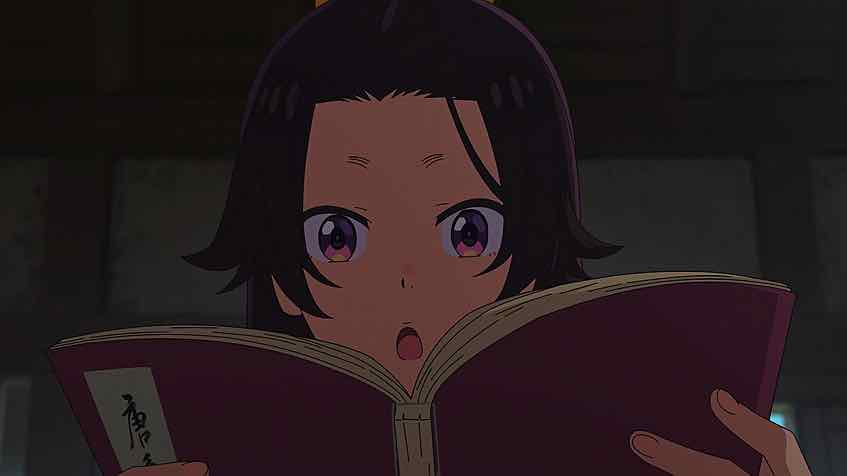
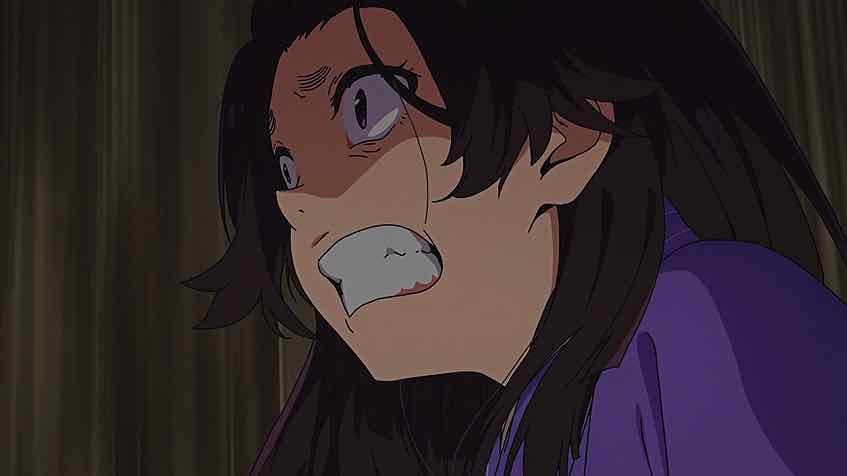
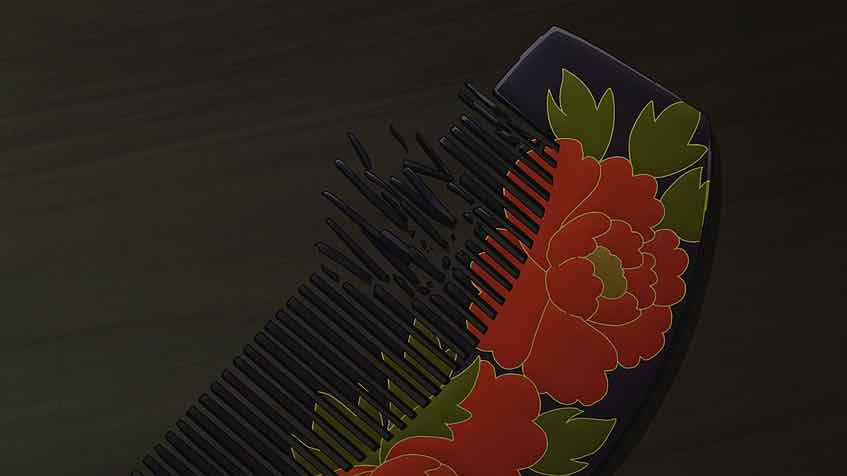
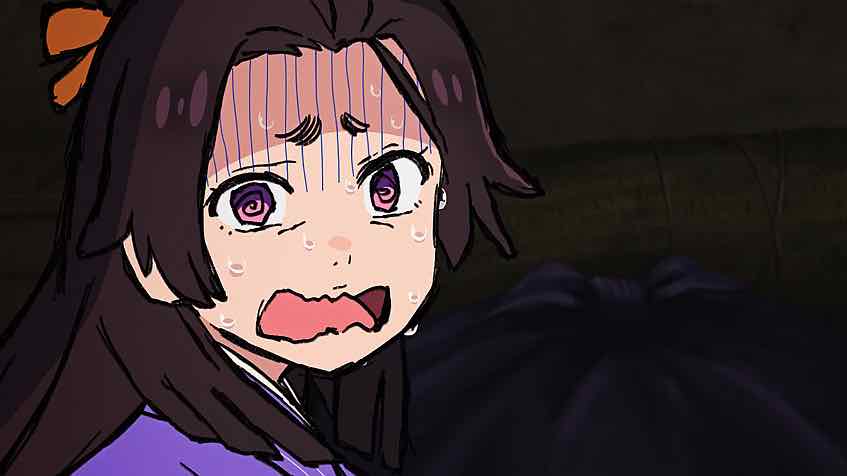
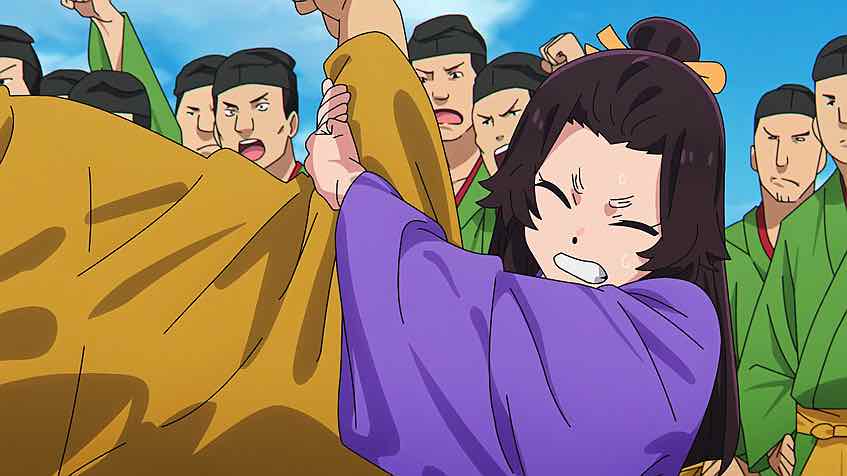
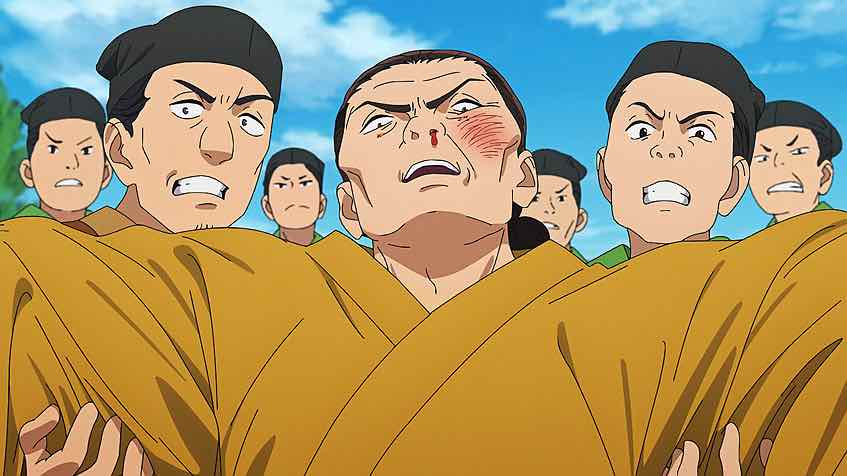
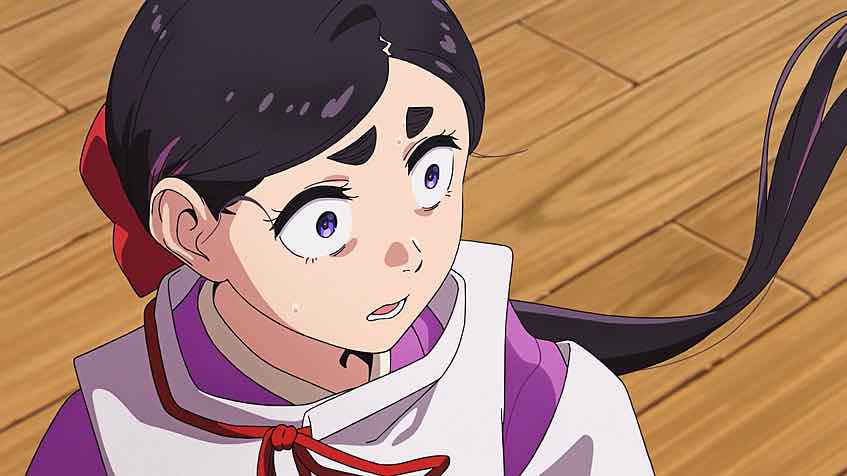
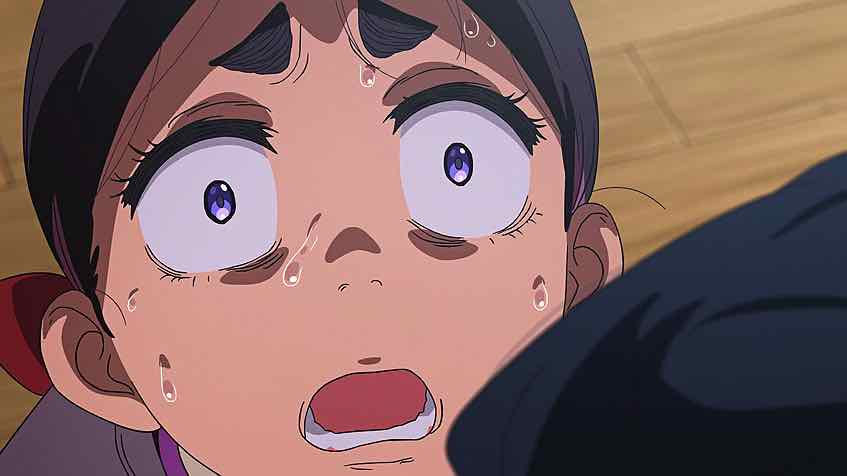
 As for Oniyasha, he remains a scamp who seems to find trouble at every corner – and it him – though he’s clearly more serious about dance now. It should be noted that Kan-ami’s decision to have Oniyasha (and even Ishiya, here at least) learn literacy was crucial from a historical perspective, and a very unusual choice in historical context. The doting Nariko gives the boy a comb, which he forgets in the old storehouse where he and Ishiya read yarns like The Tale of Karaito. Chiharu finds and breaks it, leading to an awkward meeting with Ishiya (no doubt intent on retrieving the comb). This in turn leads to Ishiya being falsely accused of impropriety with Chiharu and a melee between the Shinza and Kanze (again, how is that fair).
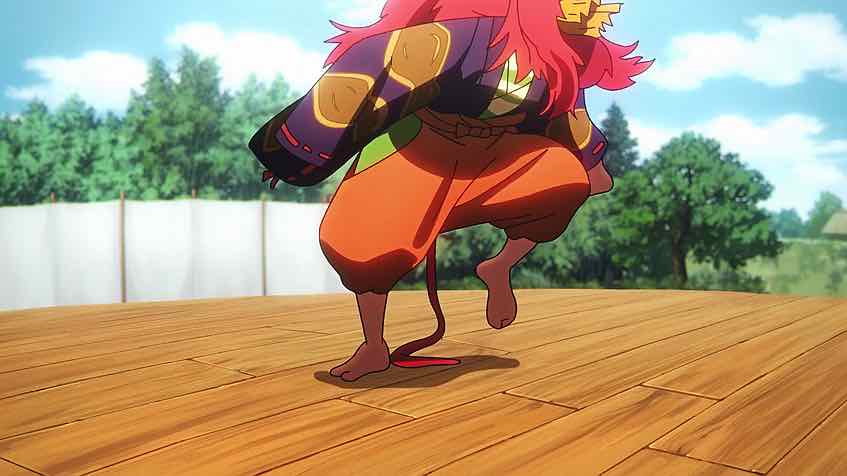
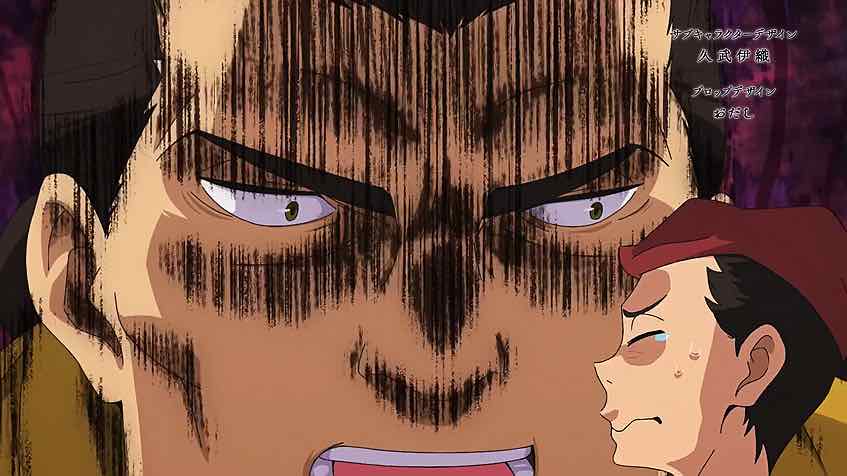
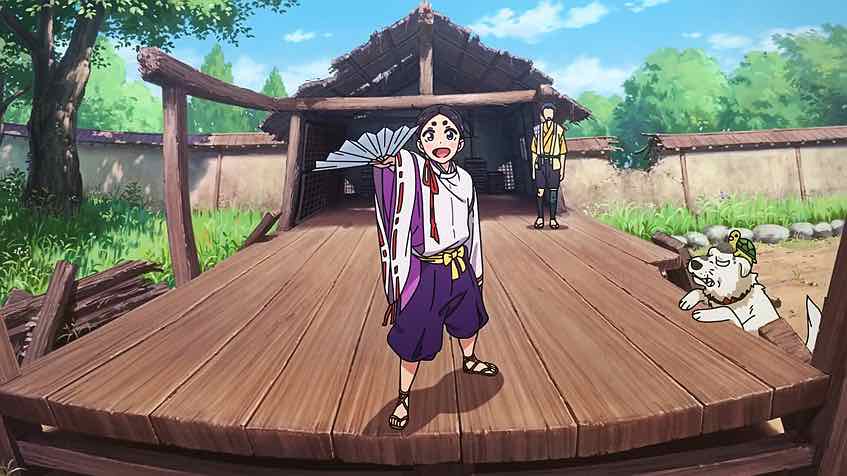
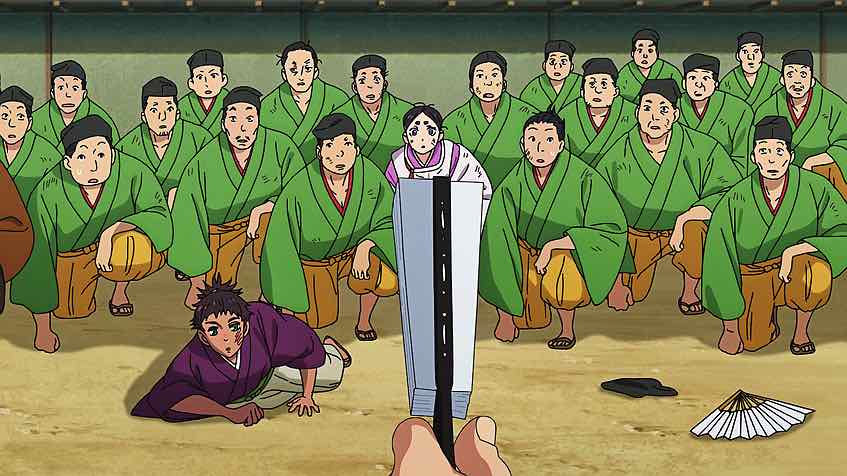
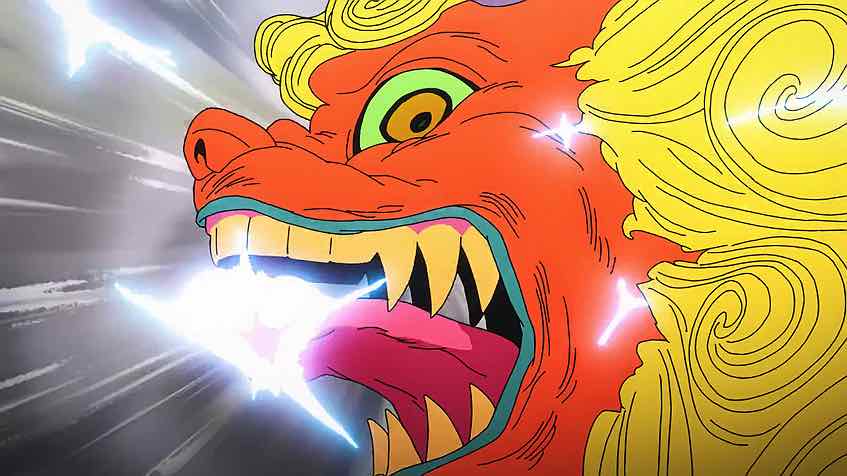
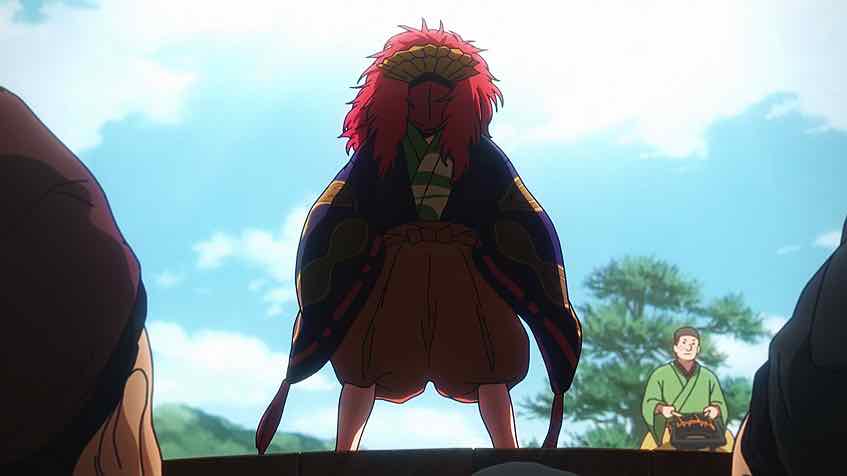
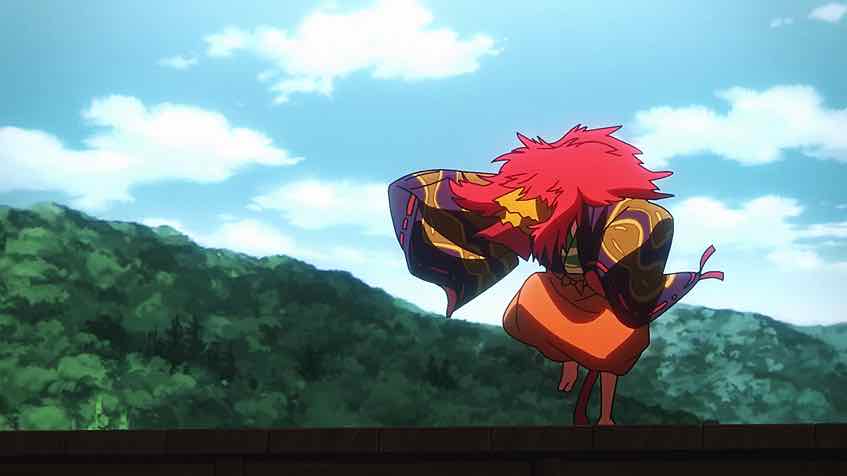
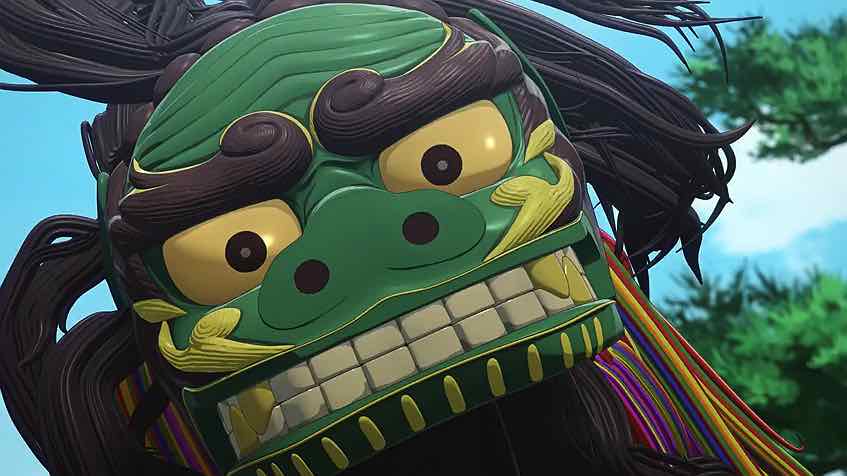
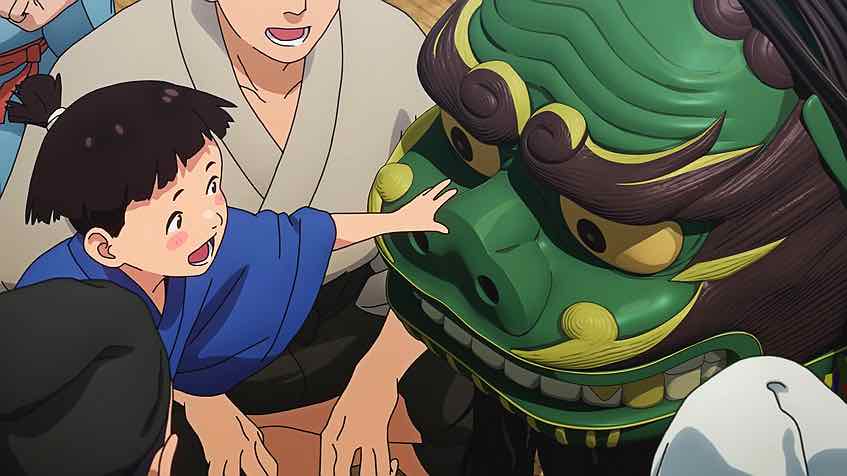
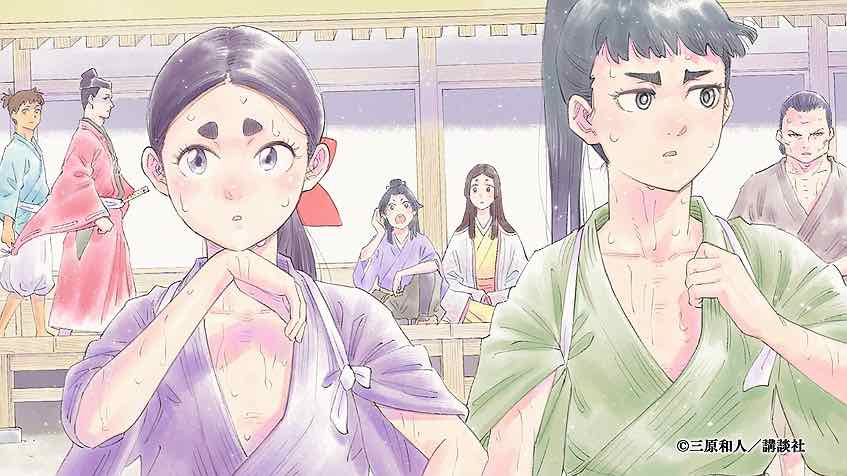
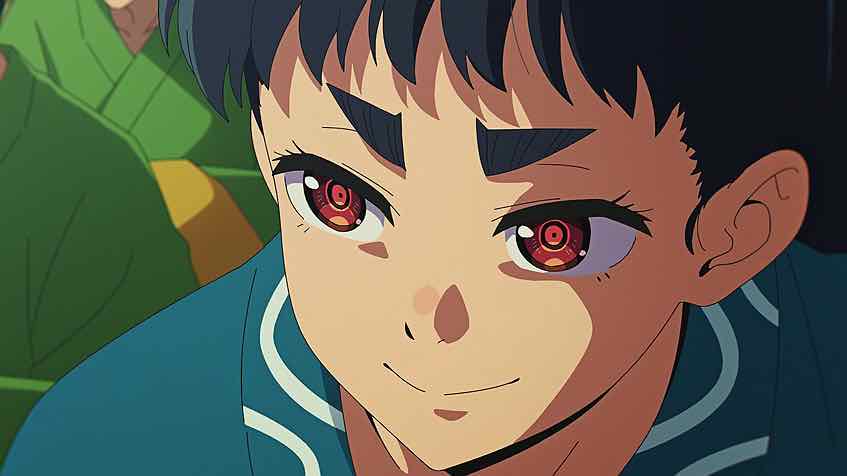 And thus, the dance. There’s always a dance – this series is about art and its creation and evolution. The mischievous Yoshitsune declares that if the two troupes are going to battle it should be on stage. And he declares a competition – a lion dance, open to the masses and to be judged by three nobles, three samurai, and six townspeople – with the losing trouble losing Shogunate patronage. The lion dance, of course, has its roots in Dengaku, giving Zoujirou a natural advantage. And since this is a two-man dance and there seem to be no other Kanze present (bar Ishiya, who can’t dance) Oniyasha is forced to rely on a Shinza named Youichi (Saitou Souma) to be his back end. Youichi is honest and performs to his fullest but again – how is that fair?
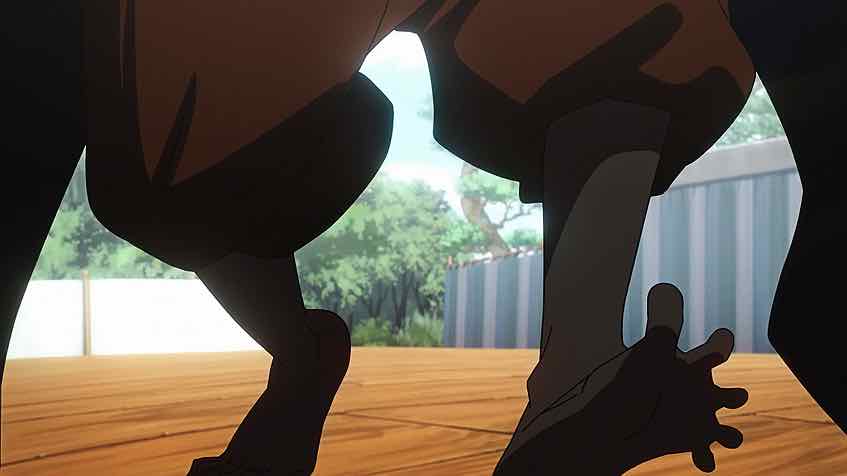
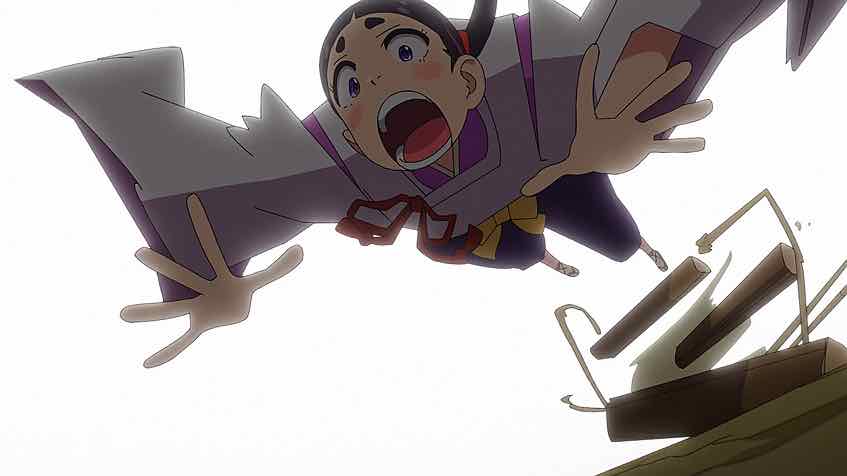
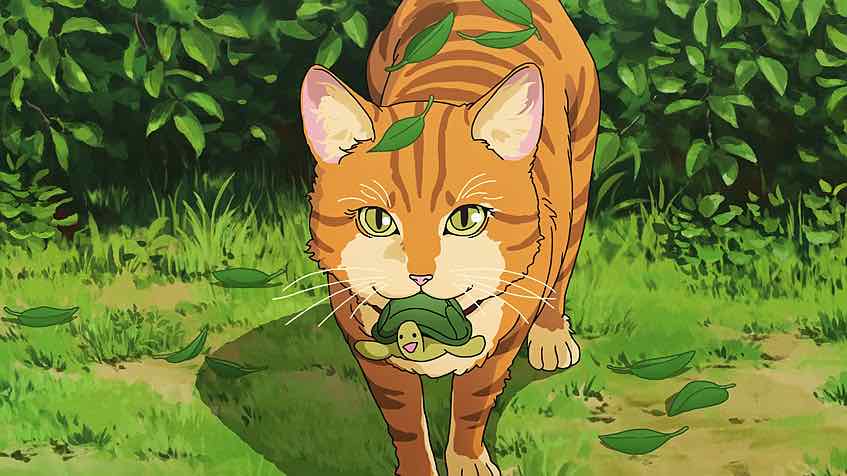
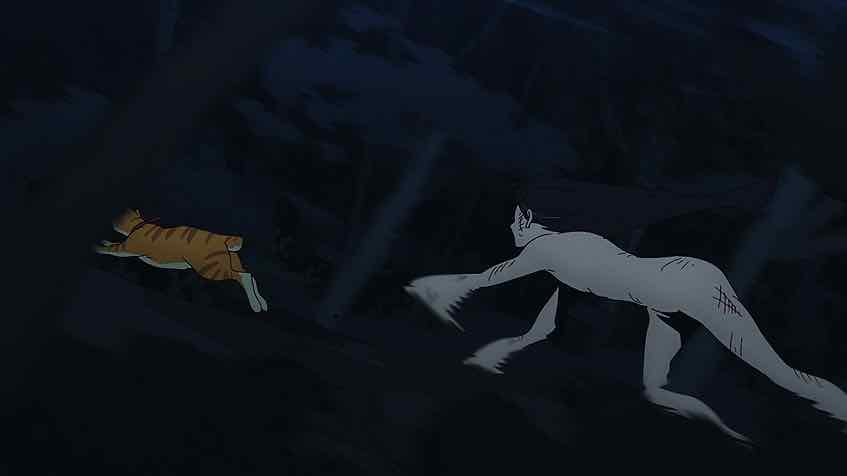
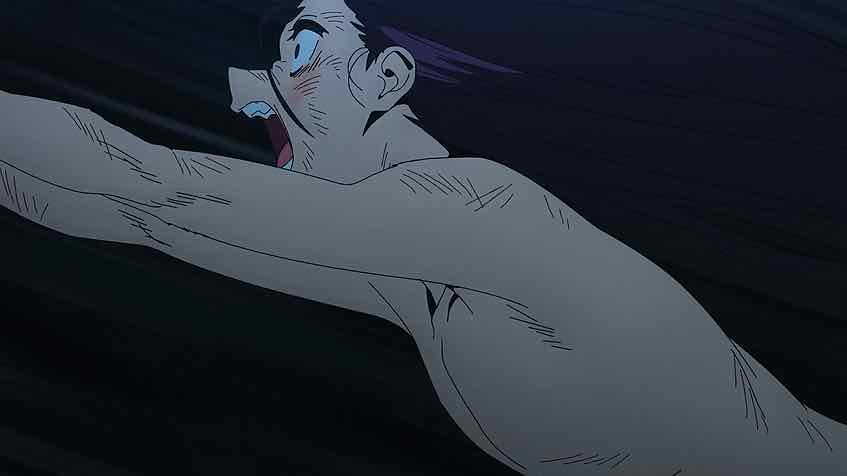
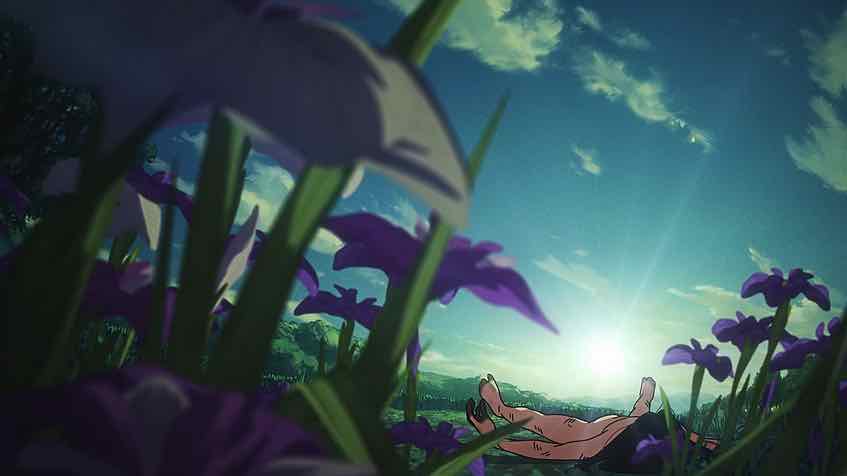
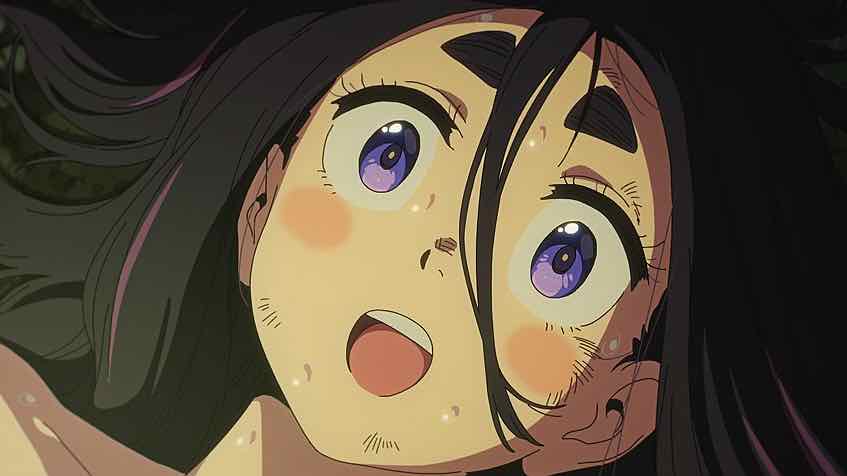
 This seems like a fait accompli if ever there was one. But Inuyasha has learned the lessons Kan’ami has drilled into him and fully embraced the imperative to create something new and personal rather than blindly embrace tradition. He’s also smart enough to realize he can’t best Zoujirou on his own terms anyway. As always the universe has inspiration for Oniyasha from an unexpected source. There are no lions in 14th Century Yamato, but there are cats. After the more conventional nature of Episode 4 we’re once again treated to pure surrealism here, as Oniyasha gleefully sheds his clothes and becomes a cat in an effort to understand how a cat “dances“.
 Oniyasha, with his modern jazz dance, actually wins the nobles vote two to one. And even the disdainful Zoujirou interestingly says Oniyasha got votes from some people only because they “had good taste”. But lose he did, and Zoujirou is right that his dance was tailored to the audience. He scolds his young opponent for disrespecting tradition – but his view is narrow, and Oniyasha is learning how to see art from a wide angle lens. Innovation is a flower – and childhood is a process of a bud coming into bloom as it’s nourished by knowledge and experience.
































Yann
August 18, 2026 at 9:59 amBusy with work, late on anime… Just watched this episode and I was surprised by the change of tone. It almost felt like a different series to me. Still good, but it felt a bit off. The “jazz sequence” was pretty epic though.