


 As expected after last week, Seihantai na Kimi to Boku took a supporting turn this week. The narrative structure of the episodes has definitely loosened up, but the series hasn’t suffered for it because there’s no real drop-off no matter which characters are in focus. That’s a massive luxury for a series to have, obviously. I can’t think of too many shows that are as comfortable in their own skin as this one. It knows exactly what it is and never seems to be trying too hard. Not to keep picking on poor old Koori no Jouheki but there are times when you watch it and say “OK, I know what it’s trying to do here”. That never happens with Seihantai – it never tries anything, it just does. Yoda would approve.
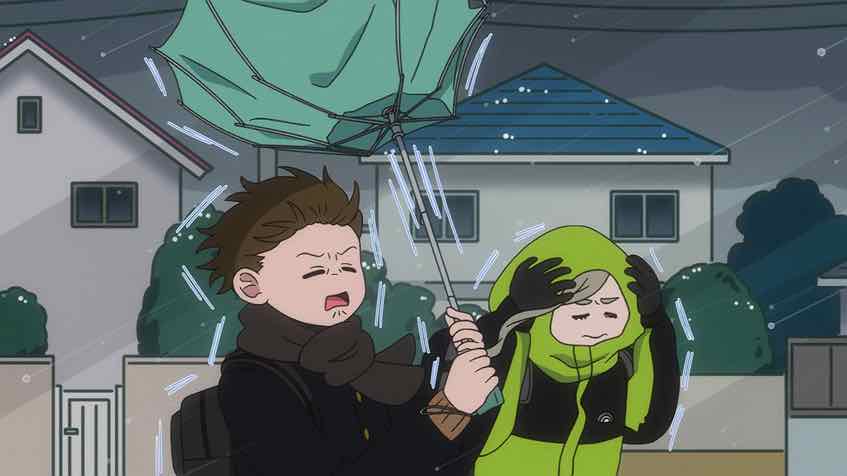
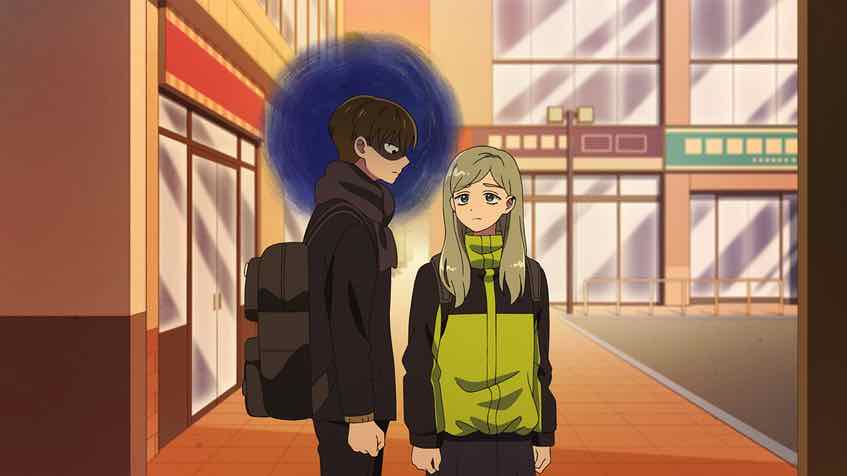
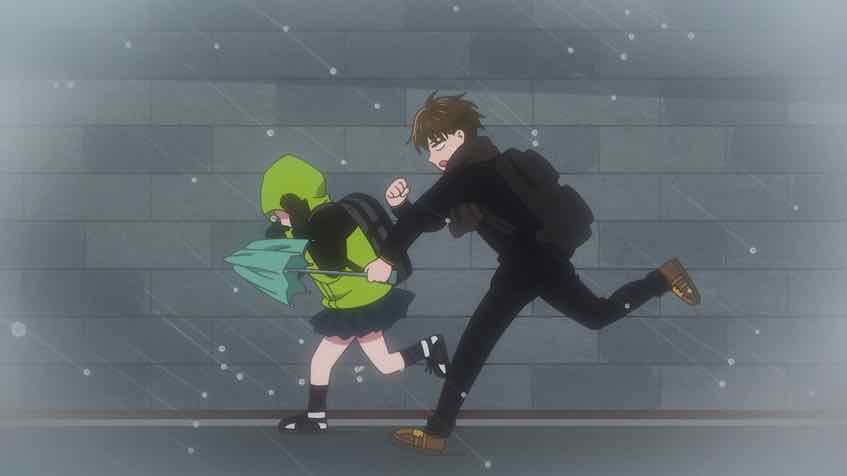
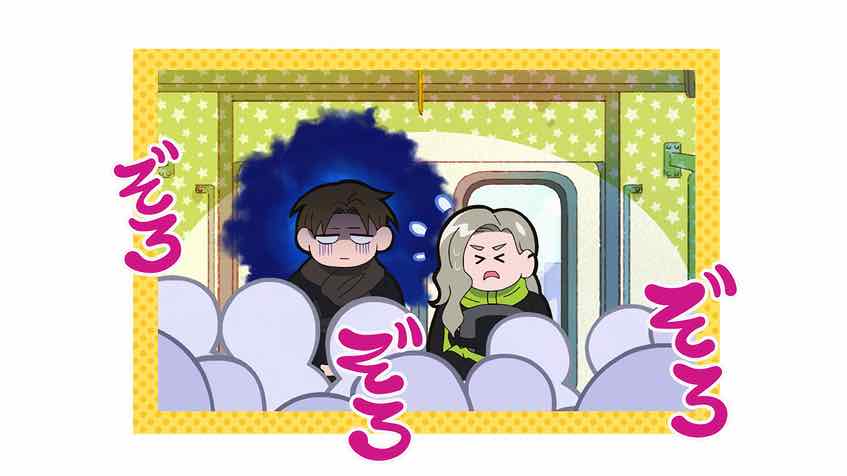
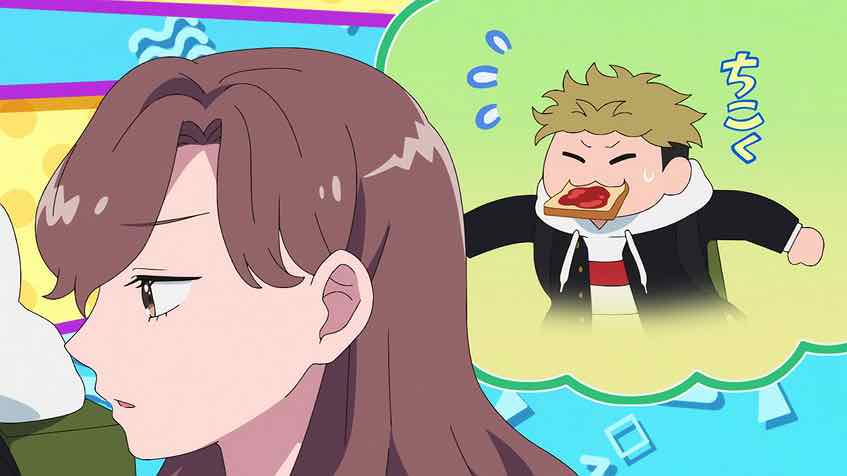
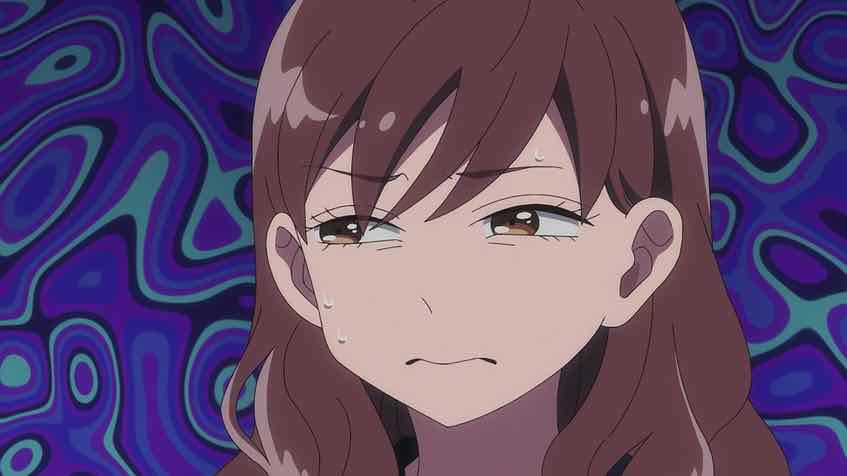
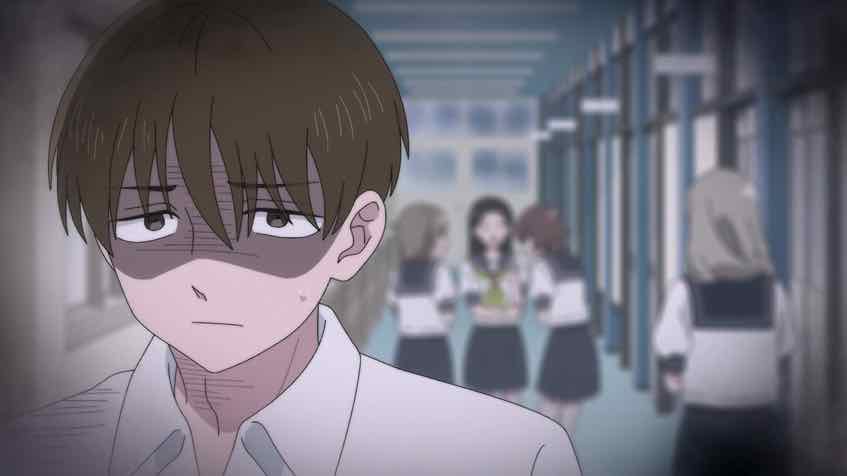
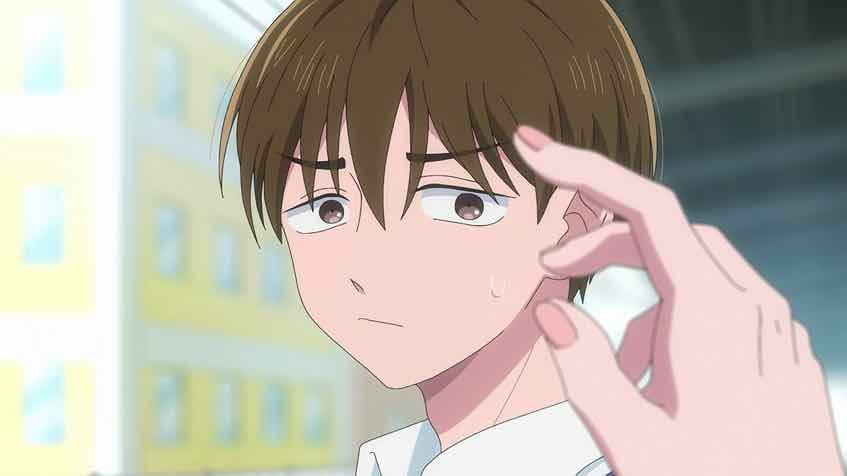
 Any Taira chapter is OK with me, that’s for sure. He’s one of 2026’s best anime characters, and his struggles with life are eminently relatable. Azuma is at the heart of so many of those struggles of course. She notices everything about him – which of course is a massive tell, though Shuuji has no idea about that. He’s been burned and instinctively pulls his hand back from any perceived fire. Shuuji is at sort of a perfect sweet spot of misery in that that he’s obsessed with how other people see him, but only in the sense of not being seen at all. He’s constantly tweaking – hair, clothes, whatever – to try and make himself more invisible.
 Put two and two together and Shino is obviously his Kryptonite. She doesn’t miss a thing. He doesn’t want people to notice when he changes himself – that’s the whole point. I think any way you slice it these events were a pretty big breakthrough for Taira’s character. He was able to step back and realize what he looked like to Azuma – his behavior towards her, specifically. And not only that, to apologize (and cry) over it. Because he’d convinced himself that any interest taken in him had to be sinister, the idea that she was simply interested was inconceivable. A journey of a thousand miles begins with a single step…
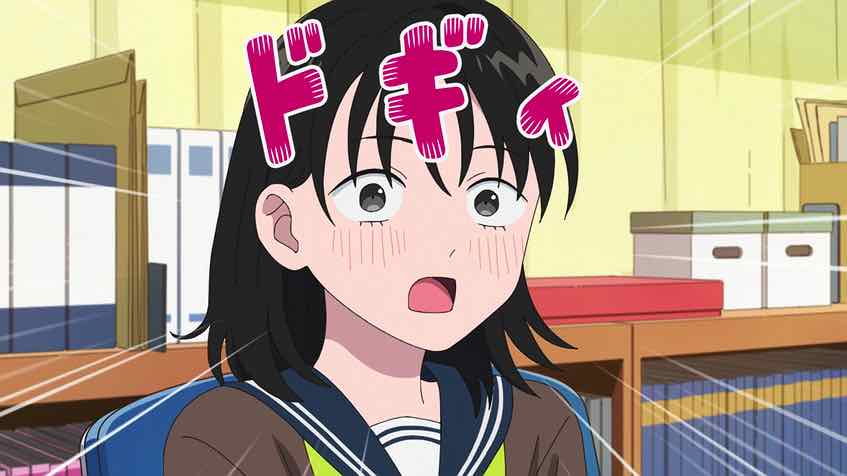
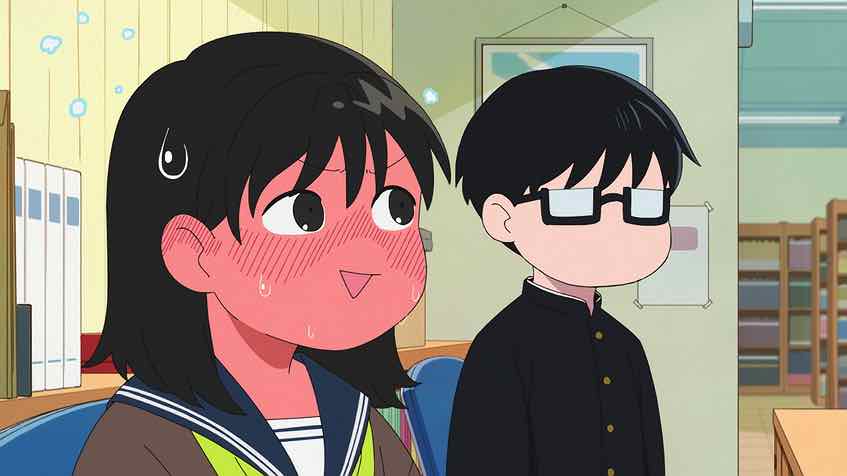
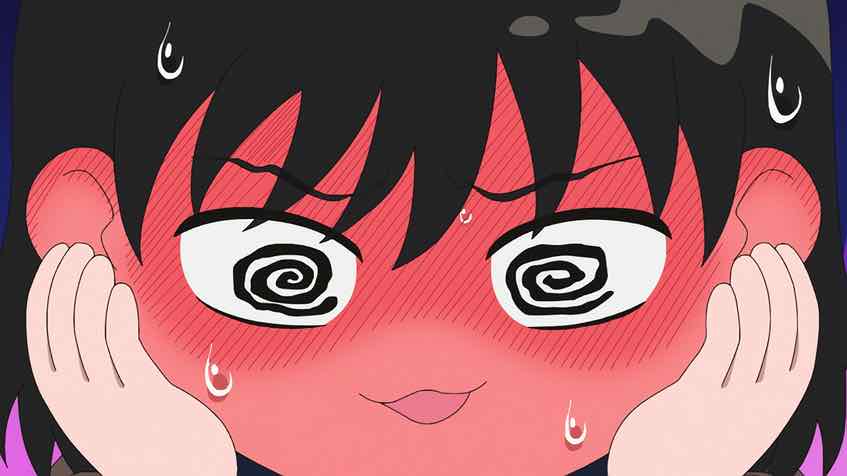
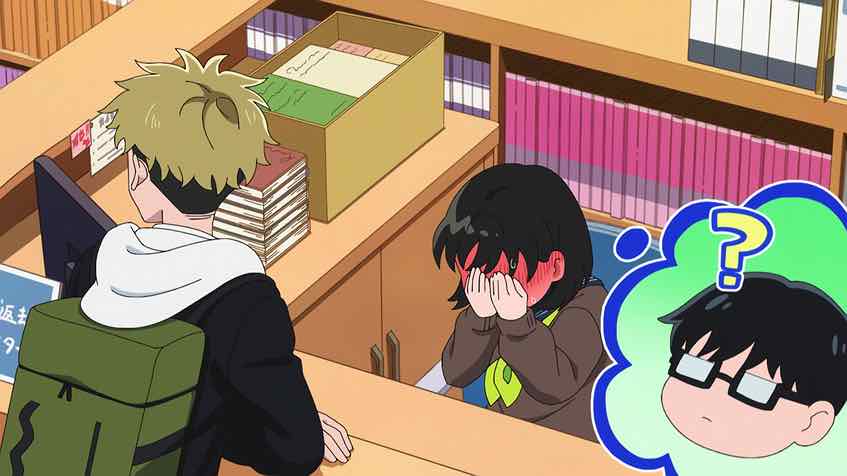
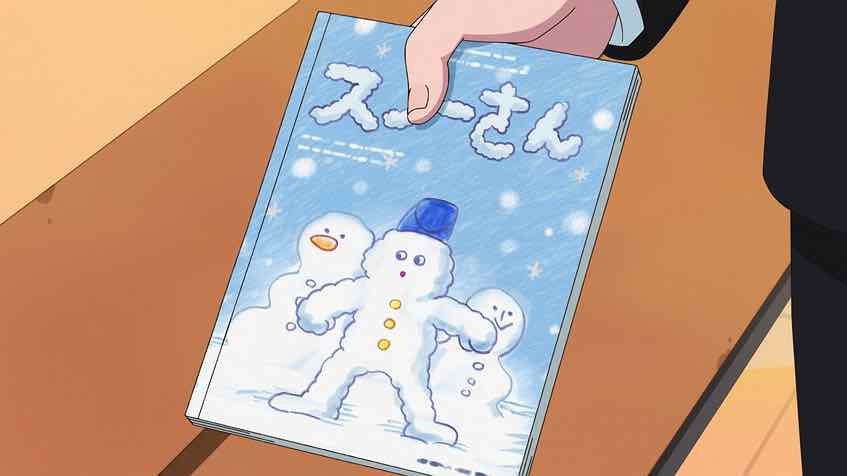
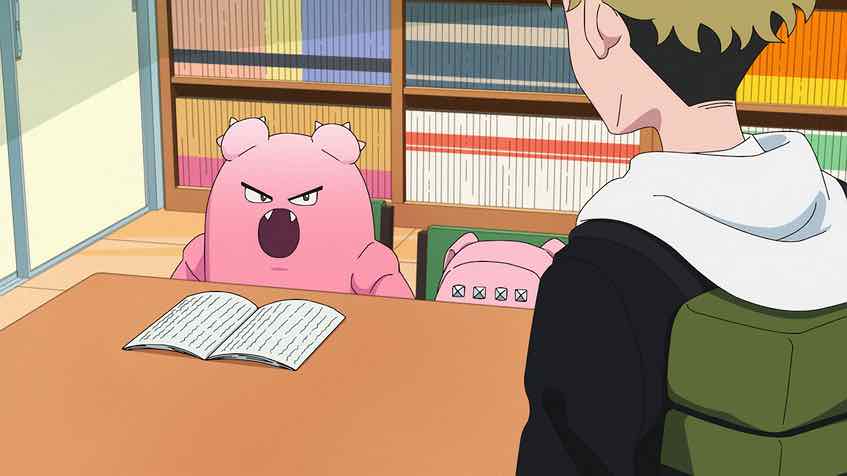
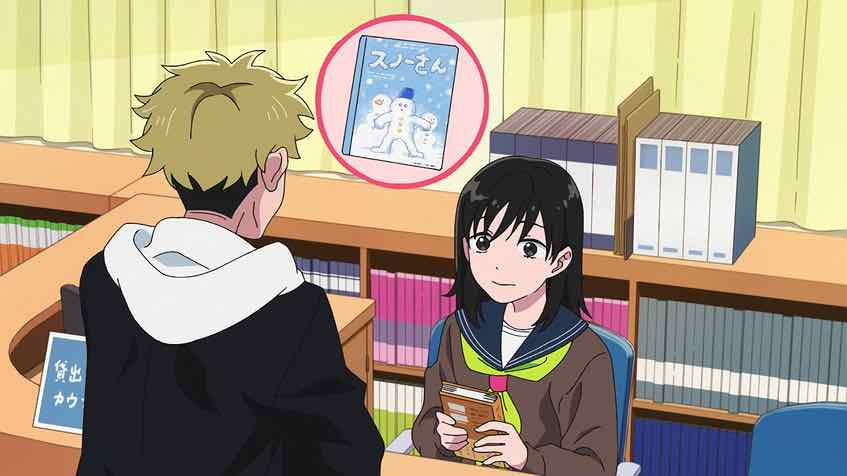
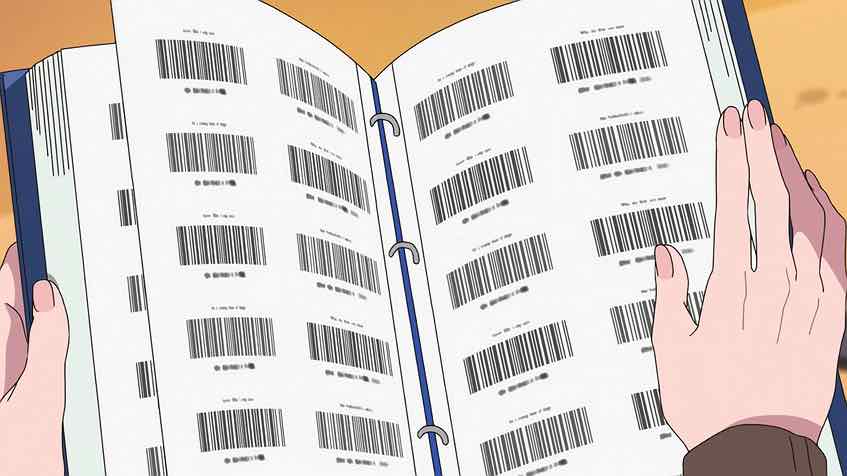
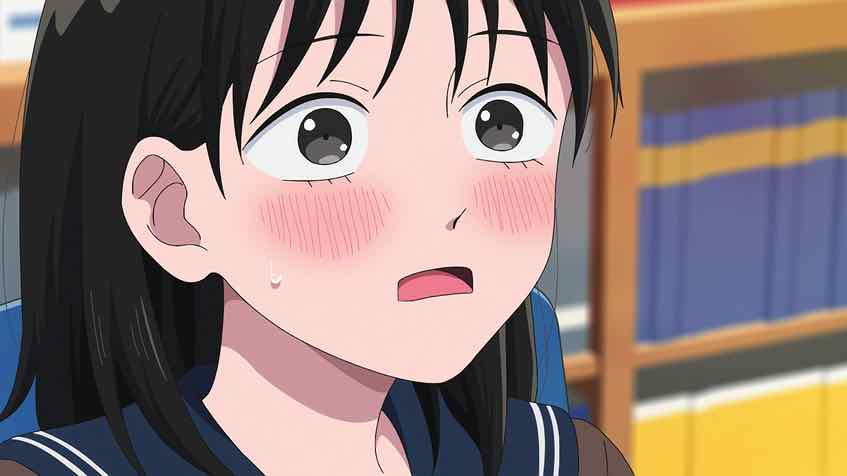
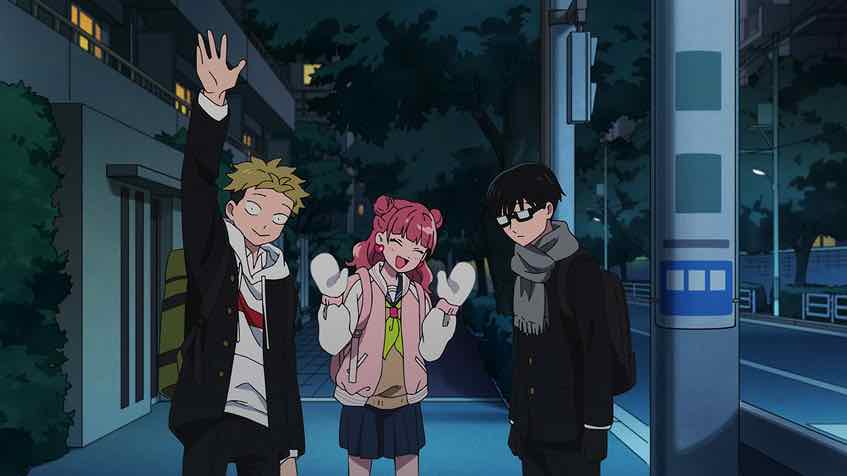
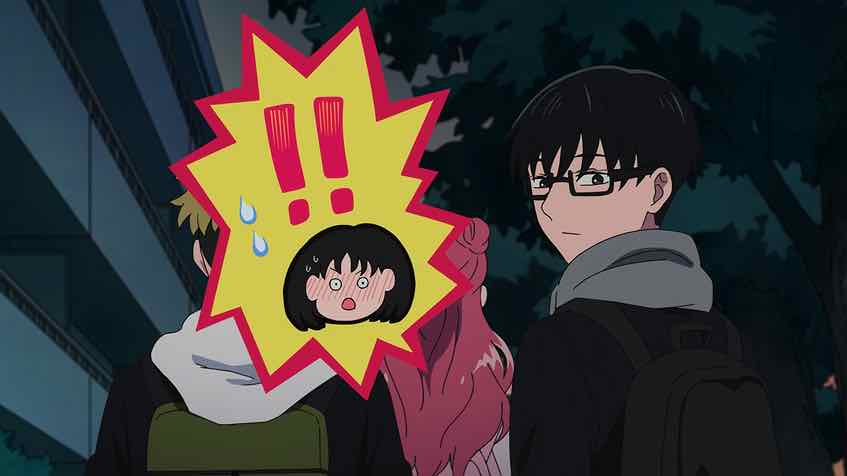
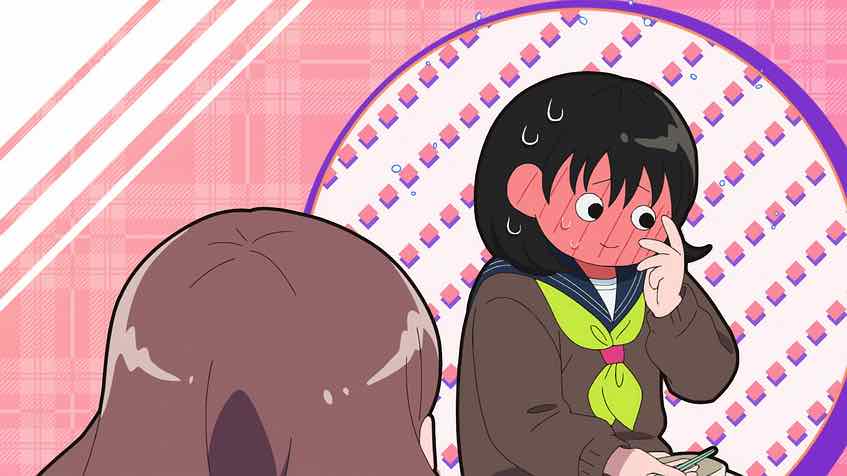
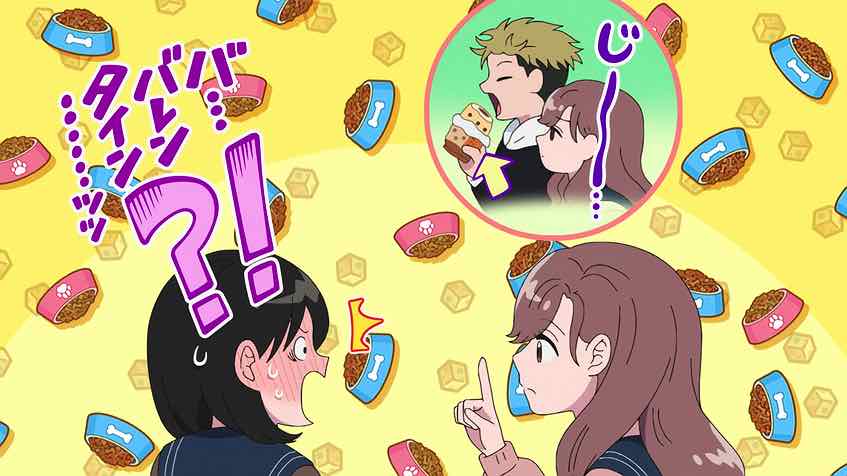
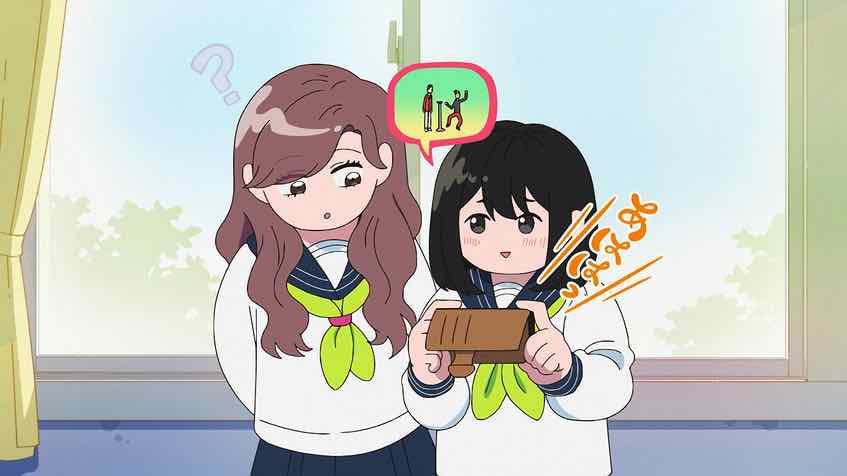
 Then we shift to the other B couple, who are taking their own baby steps for their own reasons. Miyu drags Yamada-kun with her to the library, where the both of them have a vested interest. Natsumi has learned a lot about Yuusuke from Miyu but since it’s a one-way street, she’s terrified that he’ll realize that. When the customers arrive Miyu wastes no time putting her plan into effect, though the clueless Yuusuke intervenes by suggesting a picture book for Kentarou before Nishi-san can say anything. Eventually those two do have a conversation, leading to a very cute bit with the QR code reader and the Japanese obsession with saying someone’s name.
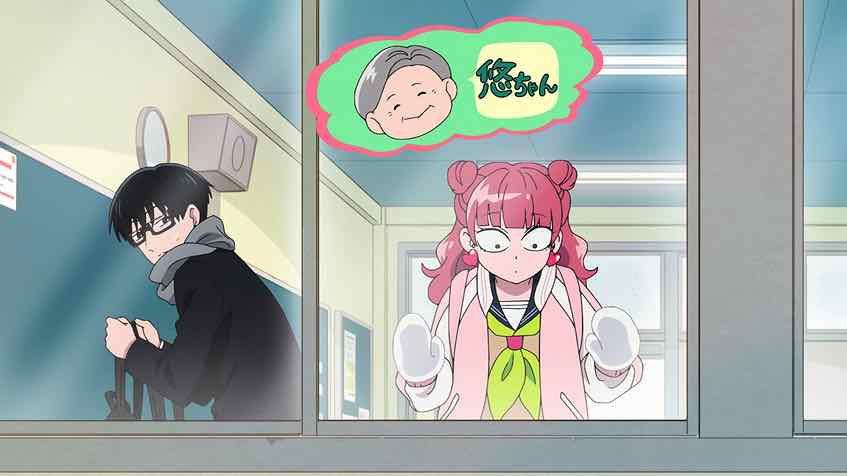 One of the really fun things here was Yuusuke finally connecting the dots about Kentarou and Natsumi. He’s socially awkward in a totally different way than she – or Taira – is. He doesn’t stress over it, he just sees the world how he sees it. He’s so proud when he thinks he’s letting Miyu in on a grand secret. And it’s Yuusuke who’s the one who looks back and realizes Natsumi is staring at them (especially Yamada) as they walk away, sending her into an embarrassed retreat.
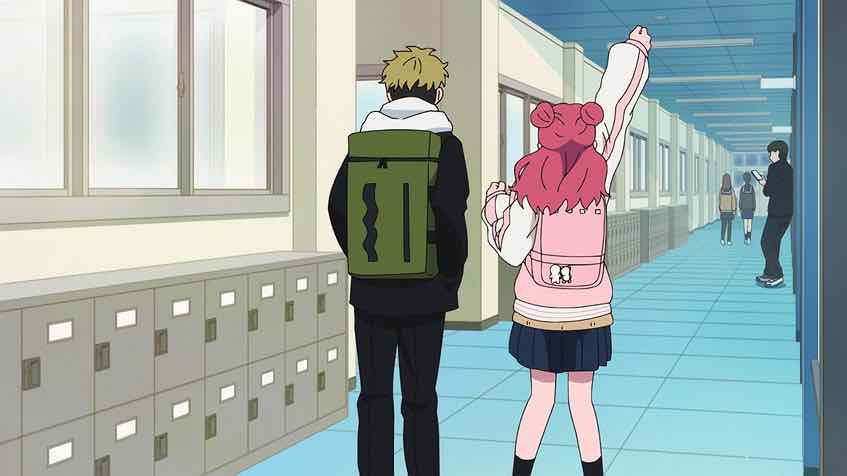
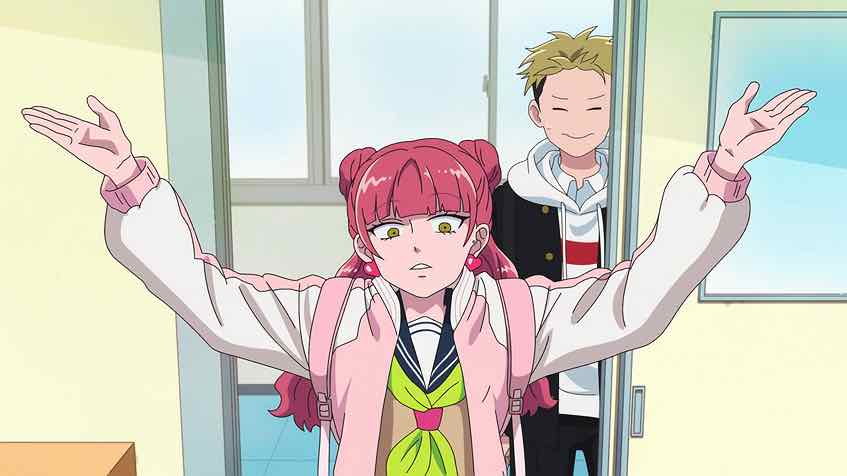
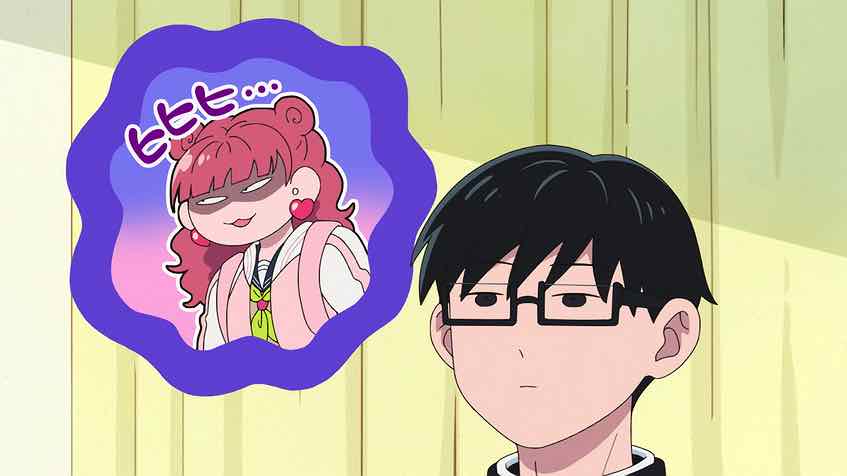
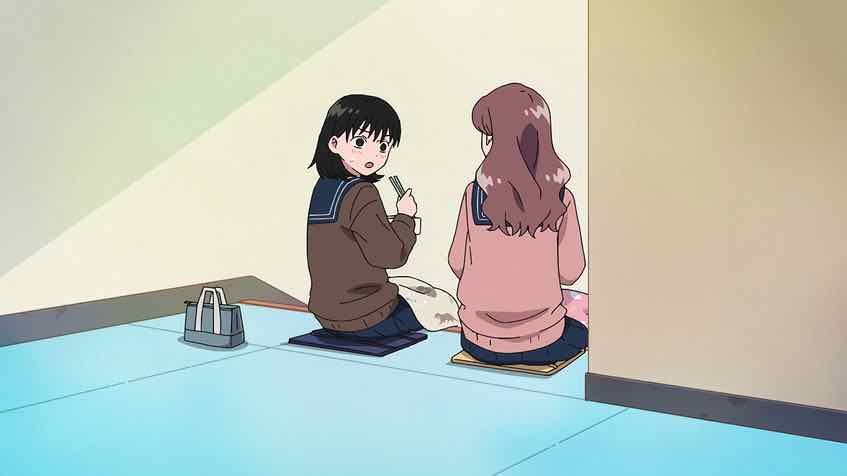
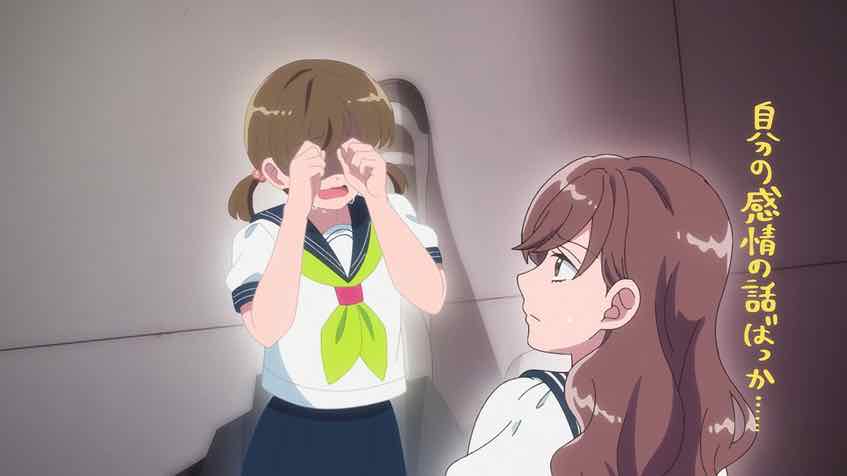
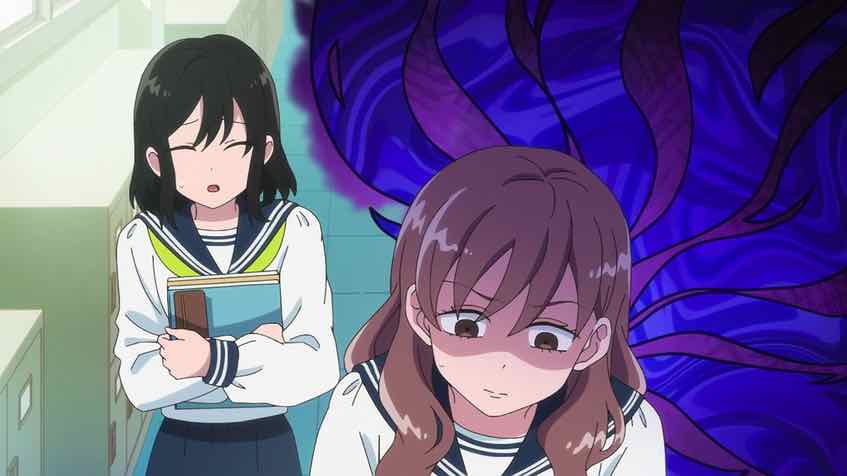
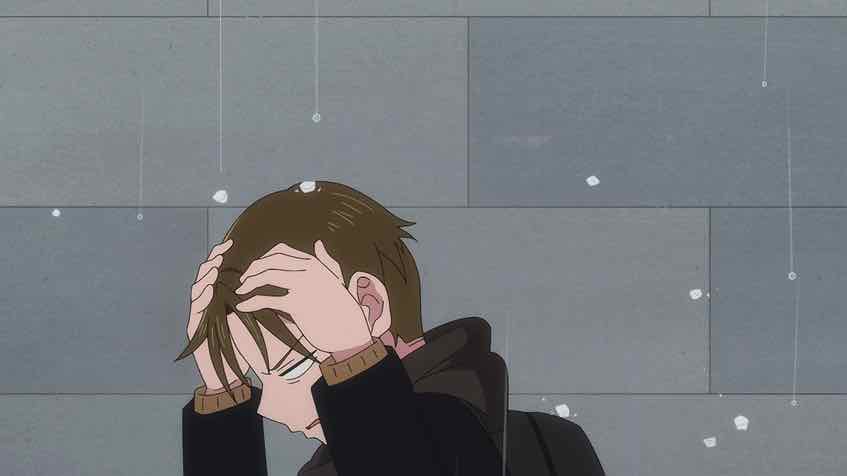 Finally there’s Rikako, who falls outside the inner circle of Polar Opposites as she doesn’t have a romantic dance partner. She is quite important in Nishi’s life, though. For a long time it seems she was her only friend – and that was no smooth trip, either. Rikako has an odd problem – people see her as nice and sympathetic, and she considers herself neither. In fact for a long time she considers Nishi-san a pathetic annoyance, like all the simps and losers who seem drawn to her, much to her annoyance.
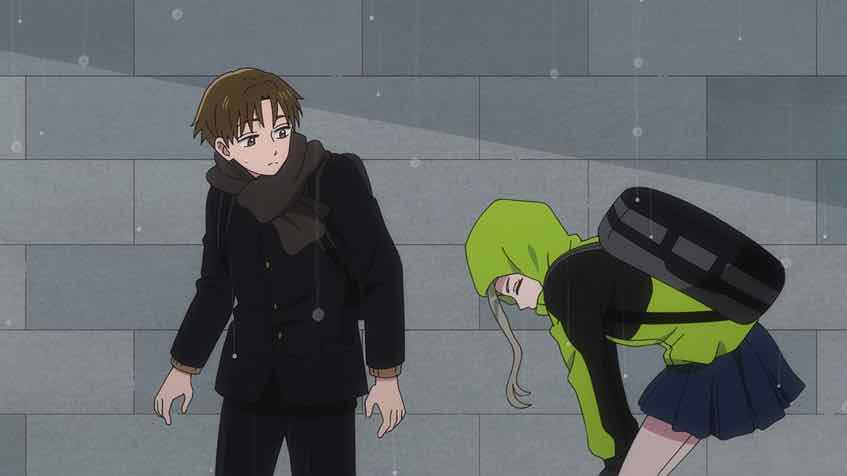 With Rikako it’s a compulsion – if she sees something broken, she has to fix it. That’s another common personality quirk so totally tracks, and she adds an interesting layer to the cast. At some point with Natsumi – I’m sure Rikako couldn’t say when – it stopped being a compulsion and became friendship. Simple as that. I suspect that a lot of adolescent friendships start that way, in fact. And it touches on the fascinating question – if someone acts nice, does it matter if they “mean” it? Is there a material difference between perceived and actual kindness if the result is positive? If you act nice long enough, before you realize it you become nice. That’s kind of deep in a way – which is a statement you could make about this show with surprising frequency.