

 I always end an episode of World is Dancing overflowing with things I want to say about it. But then I start to get overwhelmed trying to sort them all out and have to give myself a little cool-down break before I start writing. There’s just so much going on here – the material is incredibly dense both emotionally and intellectually. As is so often the case when a series tells the life of a historical figure in a personal way, much of the detail is left to artistic license. And just as the art from Shinkai at his best can inform reality more than reality (like photography) can, so can fiction help us understand the person and the time better than the historical record.
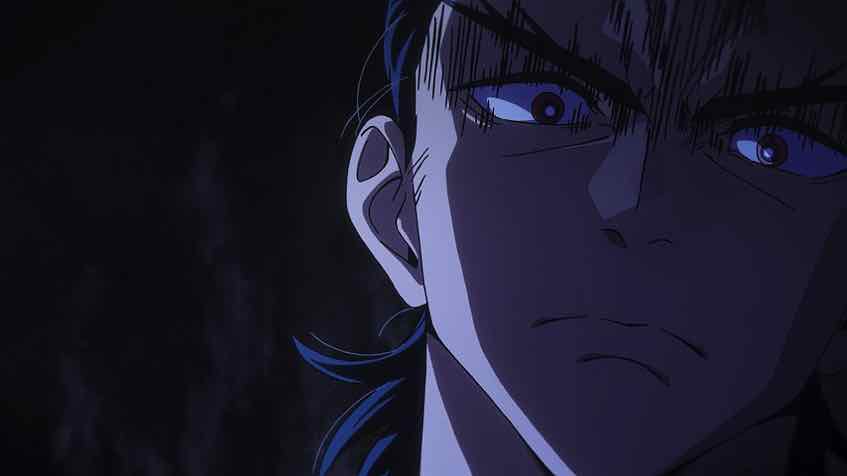
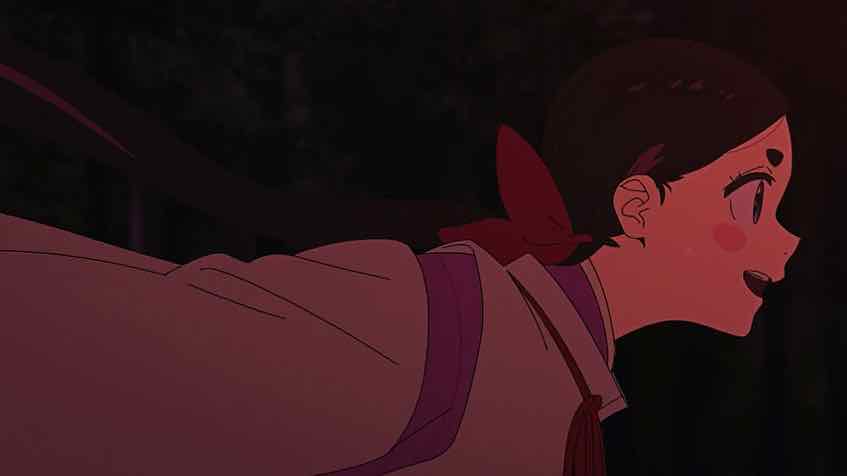
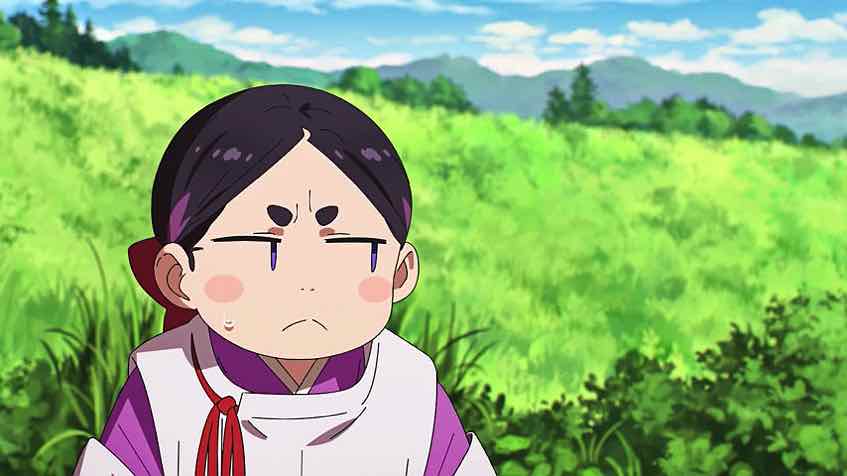
 Oniyasha’s life is split between two worlds. The world of the troupe and his father, and the one he escapes to – the world of Kogane and the dango seller and freedom from responsibility. The dango girl reveals that she was sold by her parents, something that was common at the time. When she asks Oniyasha to dance for her to drum up business, he agrees – something he surely wouldn’t have done before his brief time with Shirabyoushi. That encounter changed him – indeed, the way the people Oniyasha encounters change him is perhaps the main theme of World is Dancing.
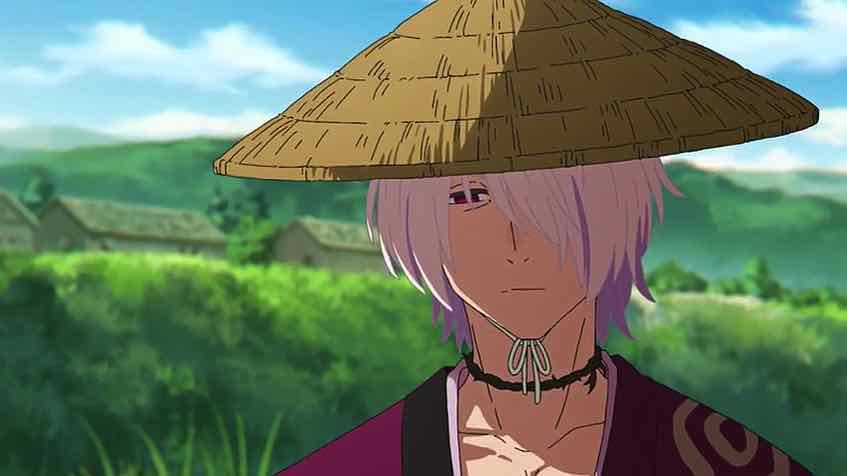
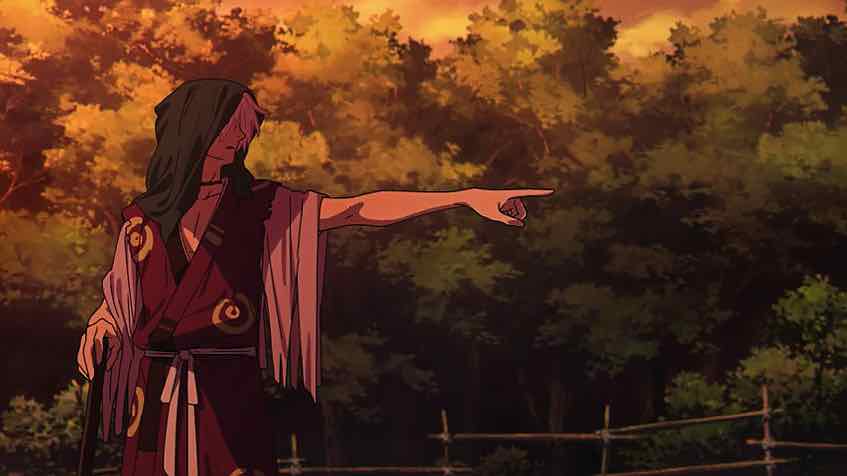
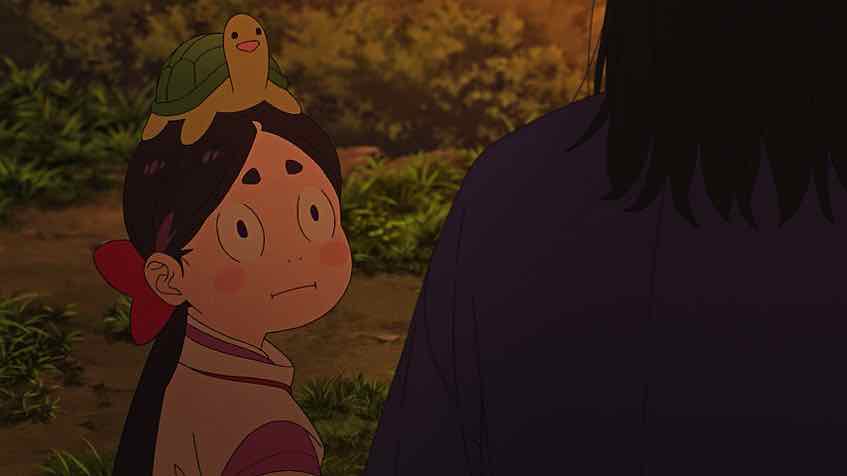
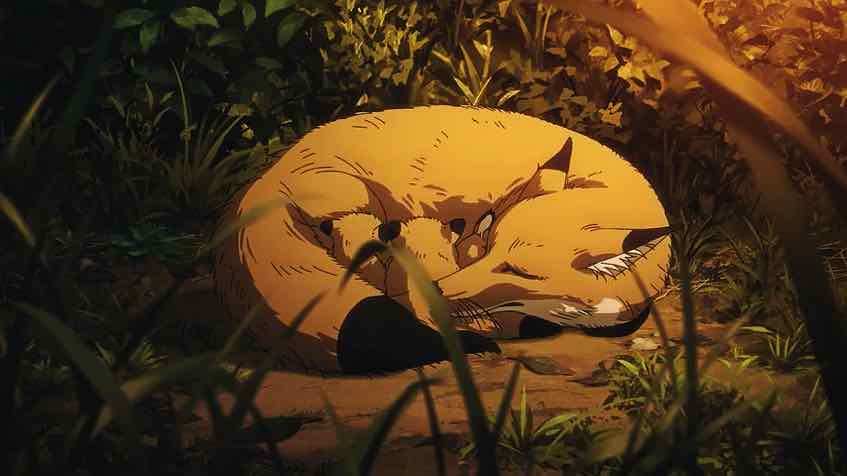
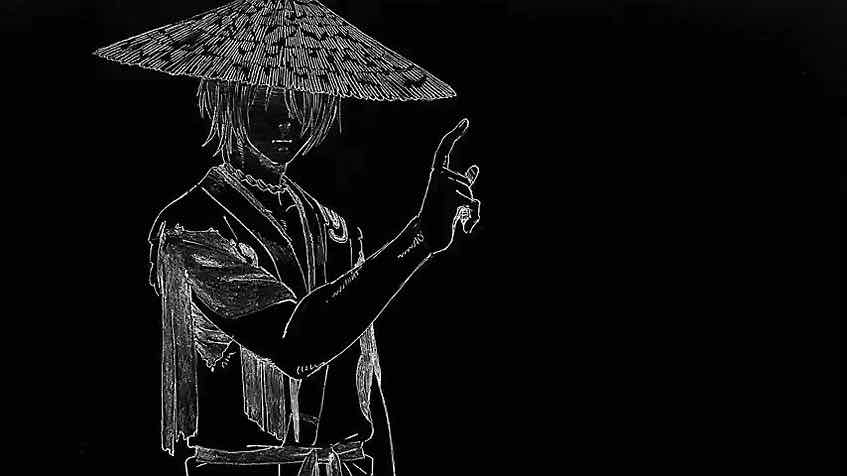
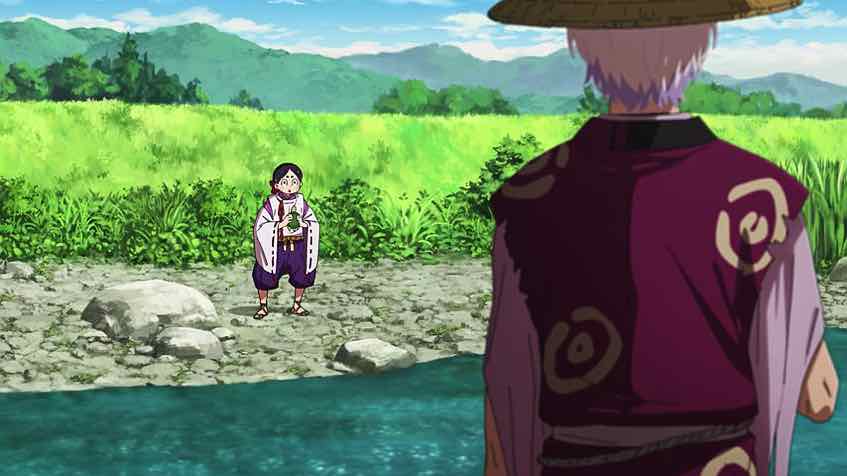
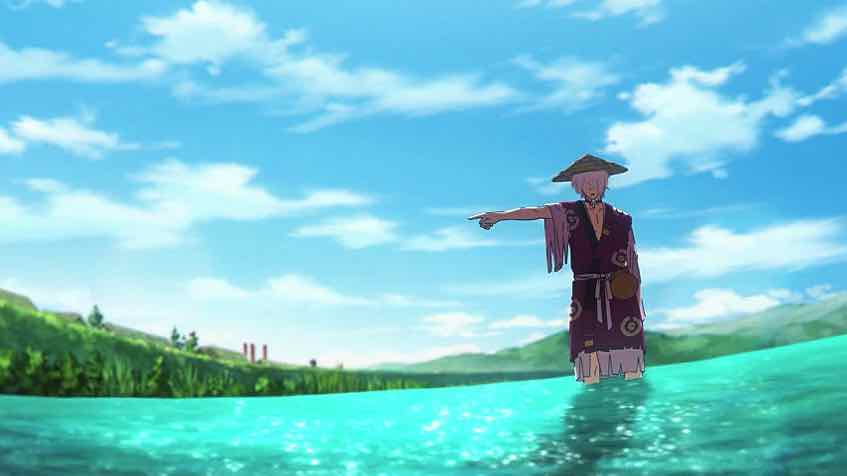
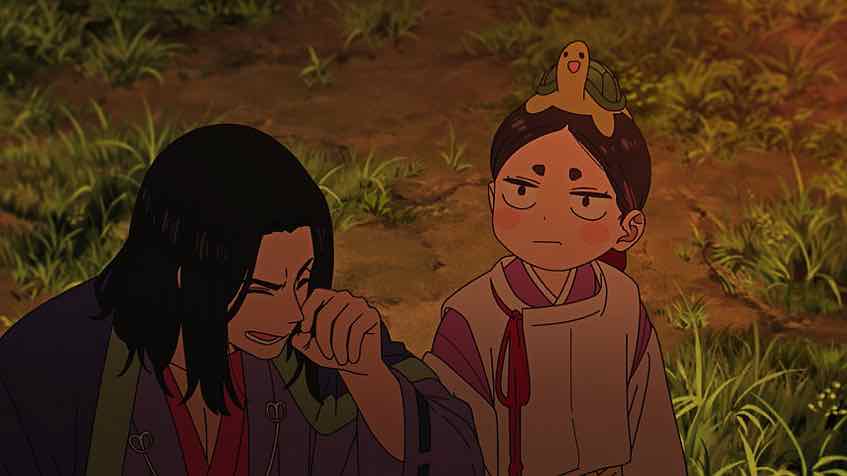
 I’m not sure what the deal with Kogane is, but when Oniyasha takes his leave in the evening with the performance for the shogun (at Imakumano Jinja in central Kyoto) imminent, Kogane behaves very much as if this will be the final goodbye between the boys. And indeed, the next time Oniyasha comes to look for him, Kogane is nowhere to be found. On that venture he does run into the same white-haired young man (Matsuda Youji) from the premiere. He speaks this time, and again points the little fellow in the right direction. But it’s not towards Shirabyoushi this time, and you very much get the sense that this strange youth too is helping form the boy the world will know as Zeami (and I’m more convinced than ever that he’s Inuo).
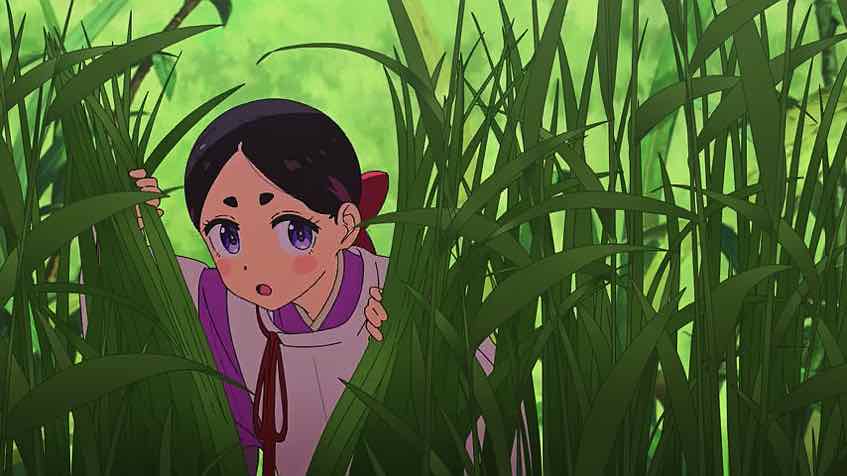
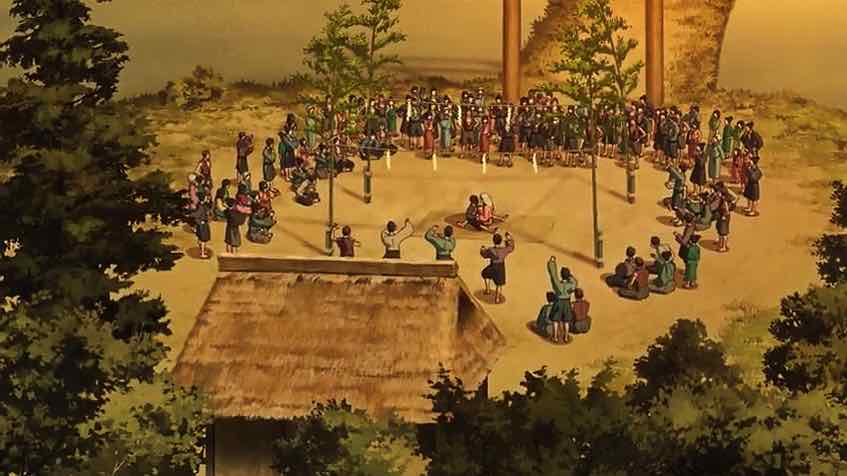
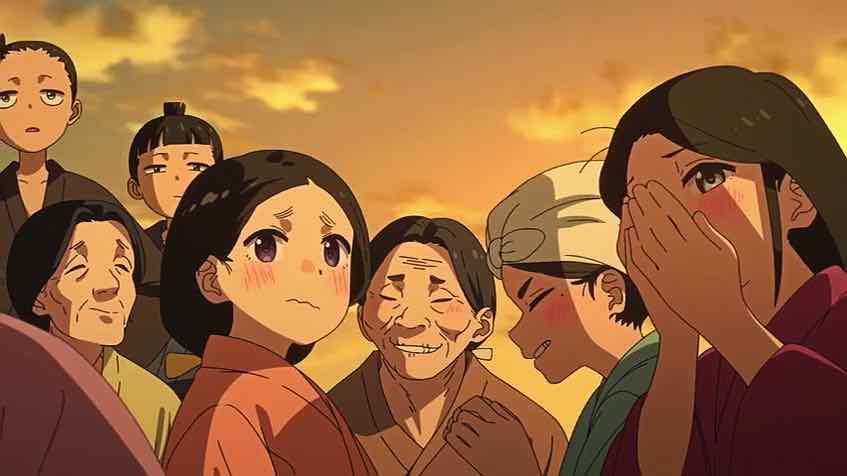
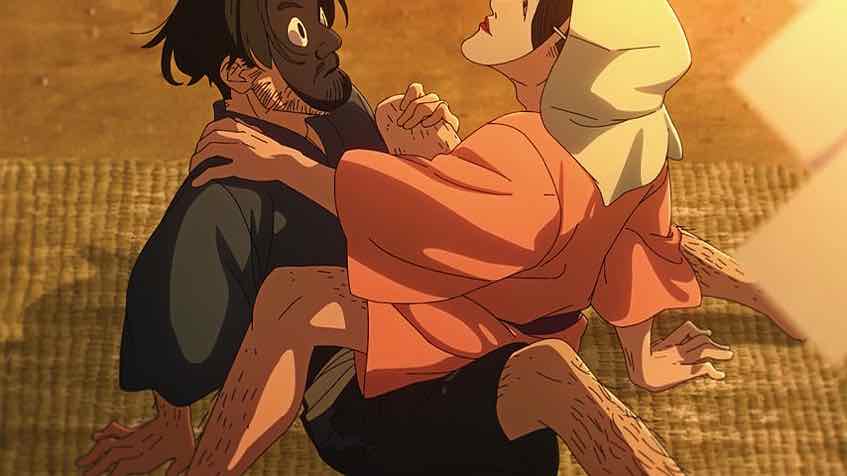
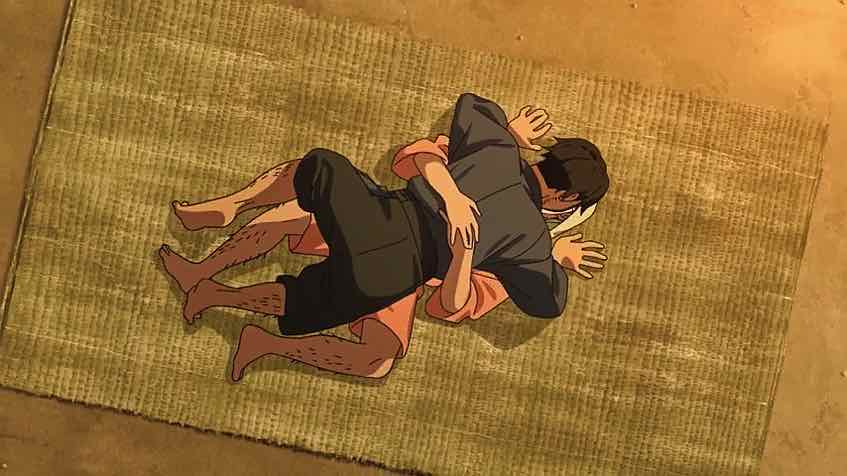
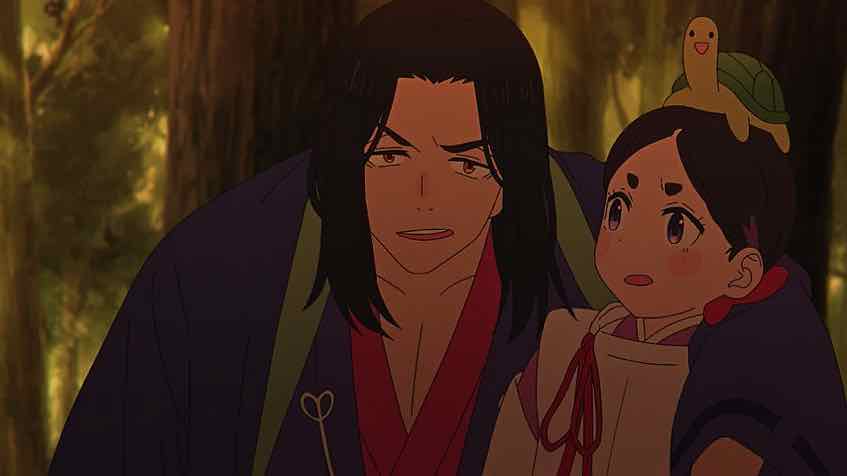
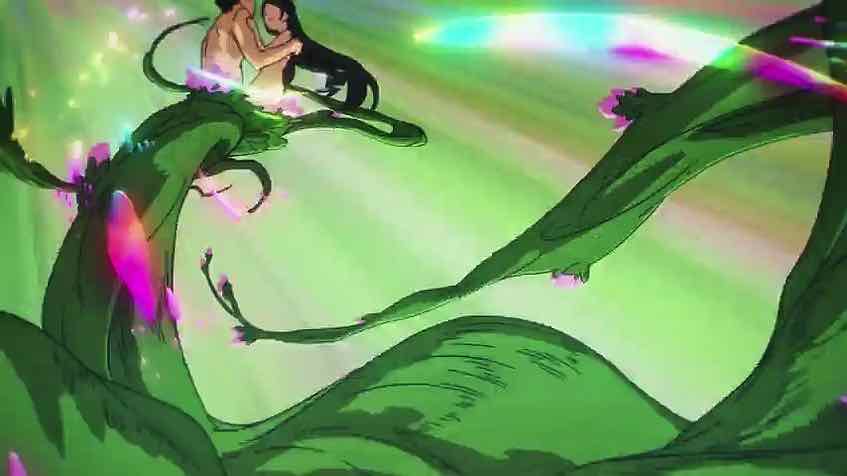
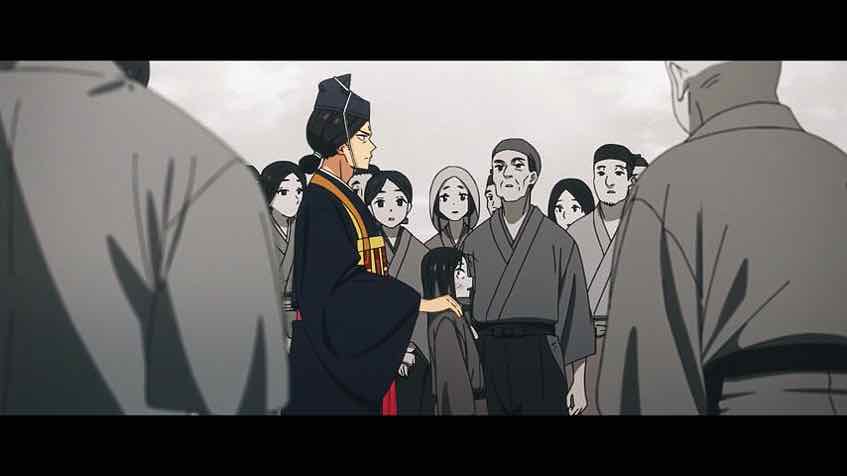
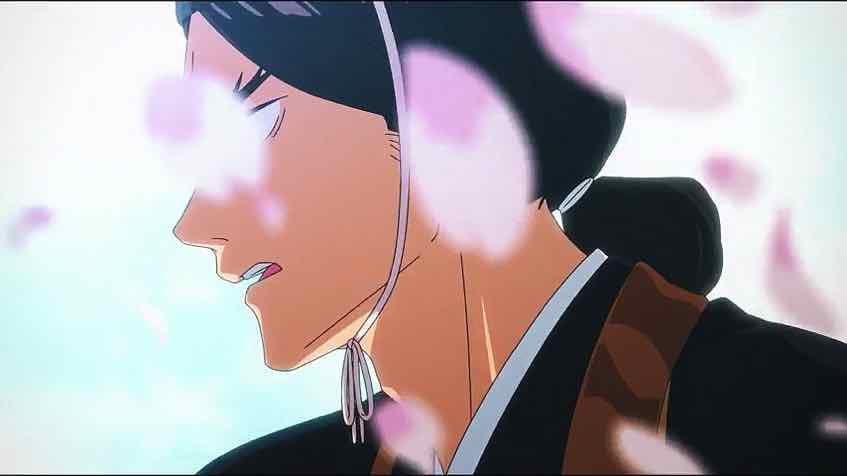
 Following the mysterious boy’s lead, Oniyasha comes across a dance – but it’s one unlike any other he’s seen before. To someone with a little life experience what this is simulating is pretty clear. And the man who explains that to Oniyasha clearly meets that description. This is Ashikaga Yoshimitsu (Sakurai Takahiro) – grandson of the antagonist in Nige Jouzu no Wakagimi, by the way – and the dance is part of a Ta’asobi, a rice-planting festival. Yoshimitsu was 16 at this point and already the shogun, as such not the sort of person you’d expect to see at a random planting festival somewhere between Kyoto and Nara.
 Once more Oniyasha is changed by a random encounter and a new experience – “sex is good!” indeed. He’s too young to understand all this, that much is obvious. He’s too young for the responsibility Kan’ami is placing on his shoulders, probably. But the world doesn’t wait for you to be ready for what it throws at you. He’s a ball of clay being molded by his experiences, as all children are. Each expression of the human experience in the form of dance that he sees helps him form his own expression of the human experience through dance.
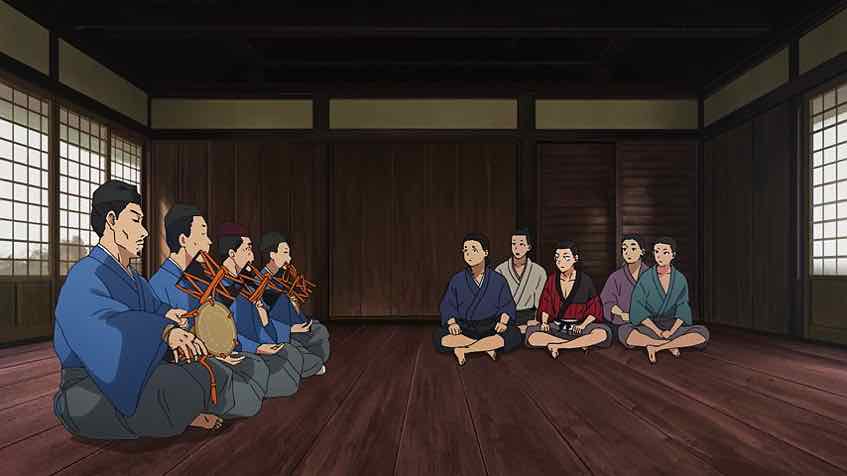
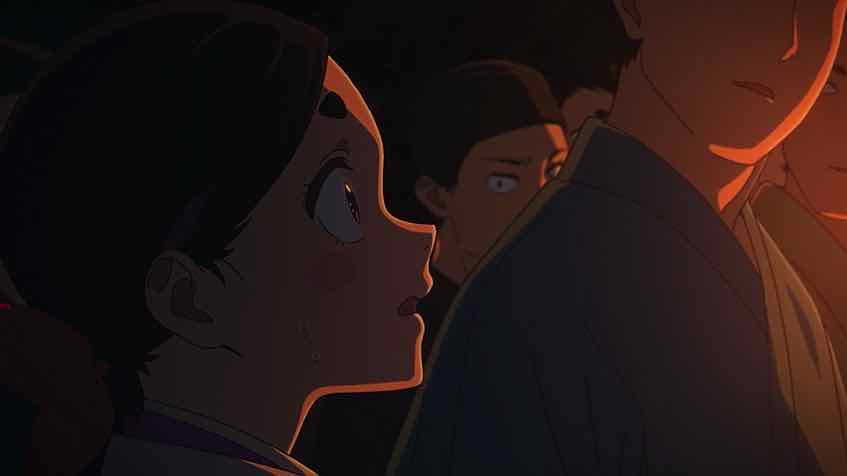
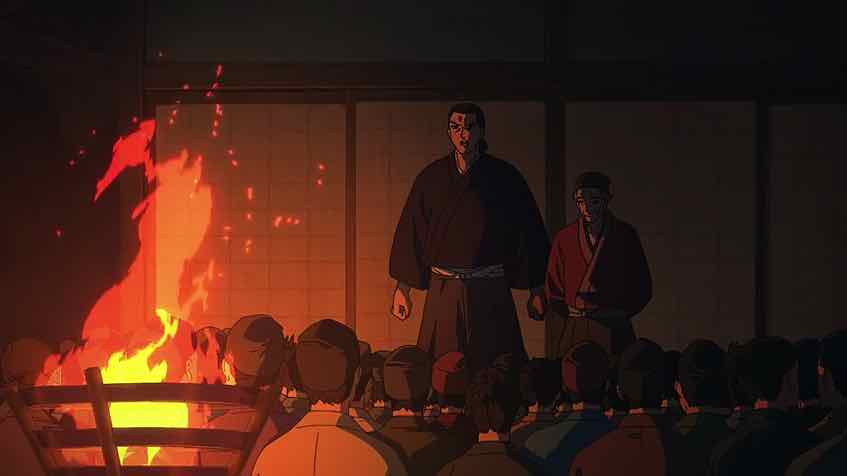
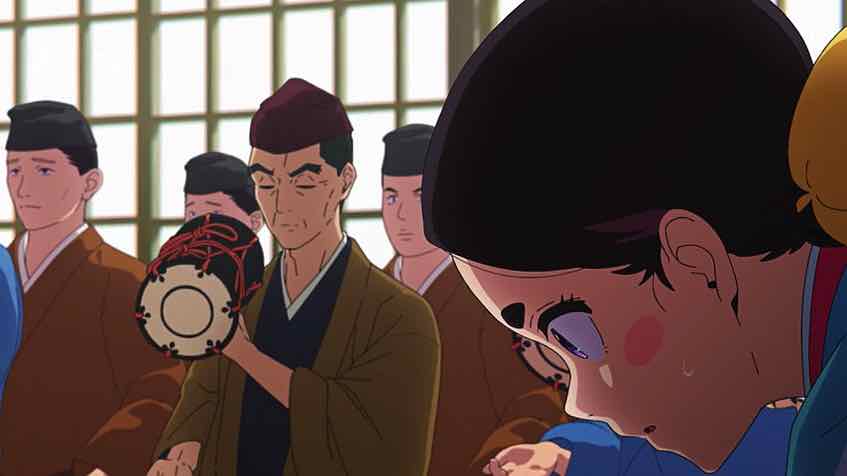
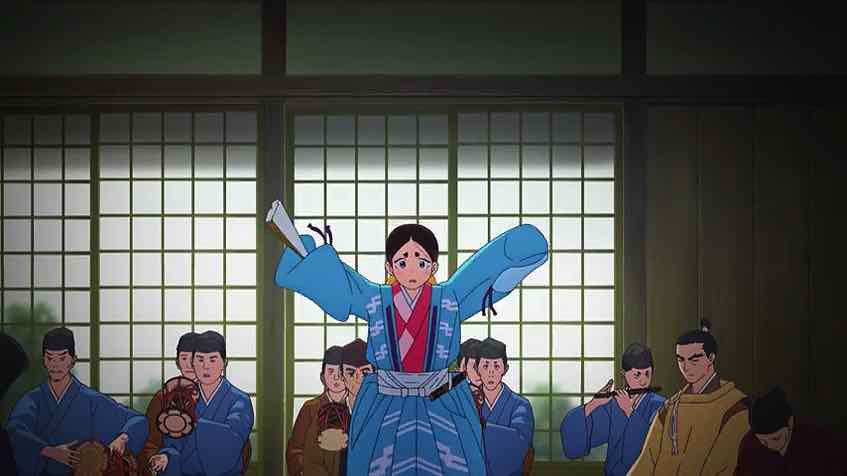
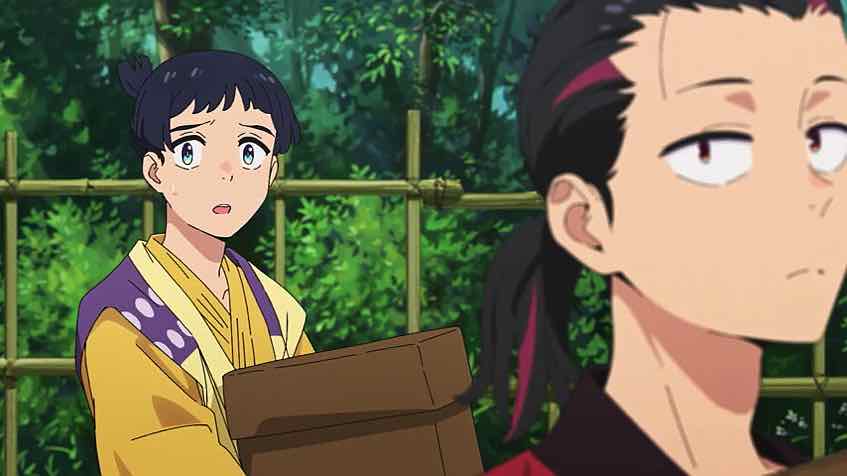
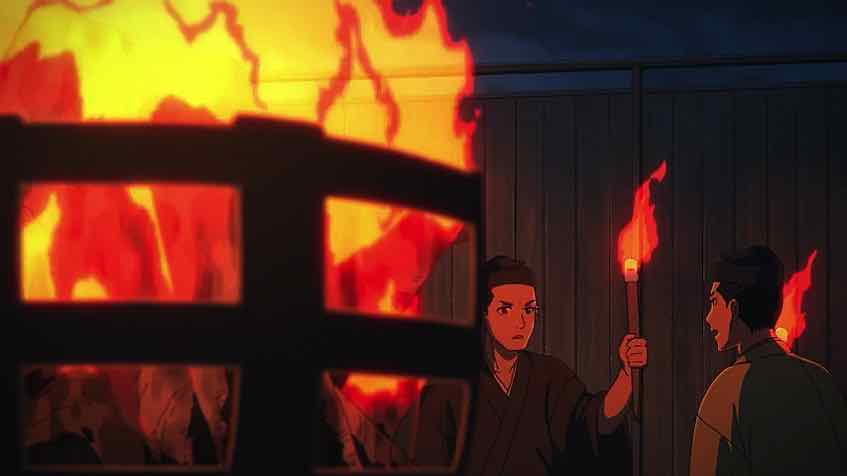
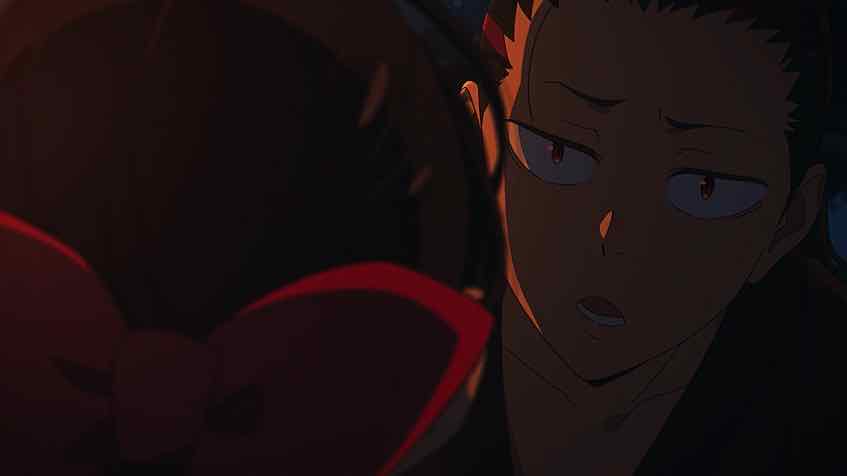
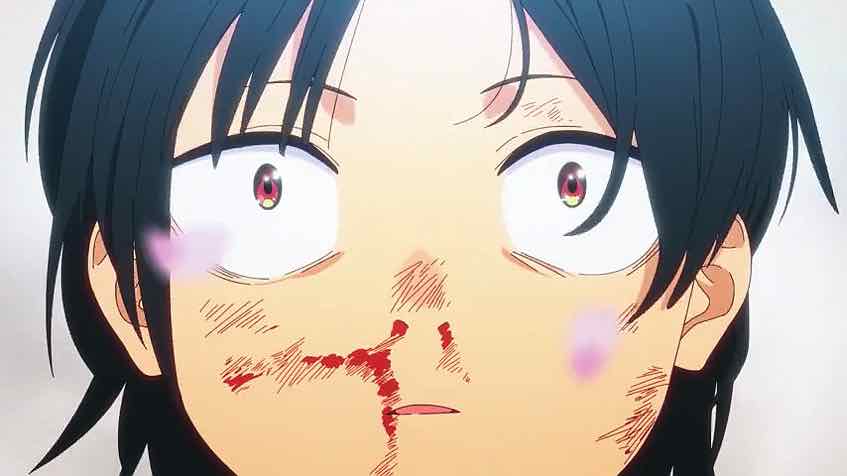
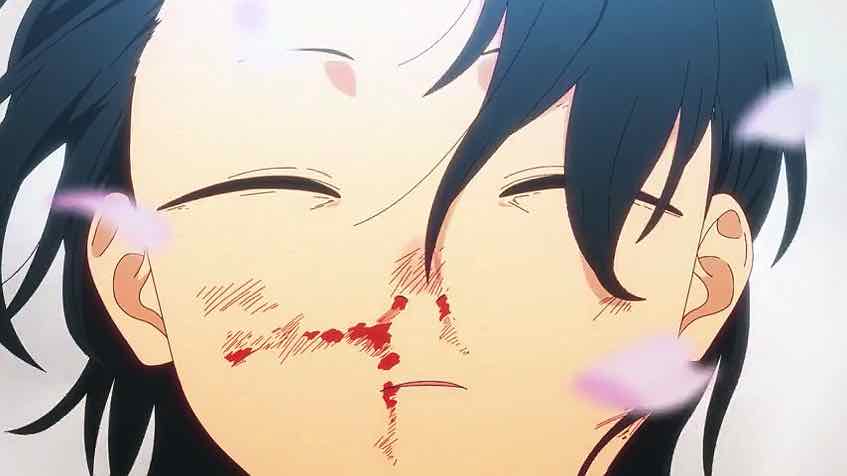
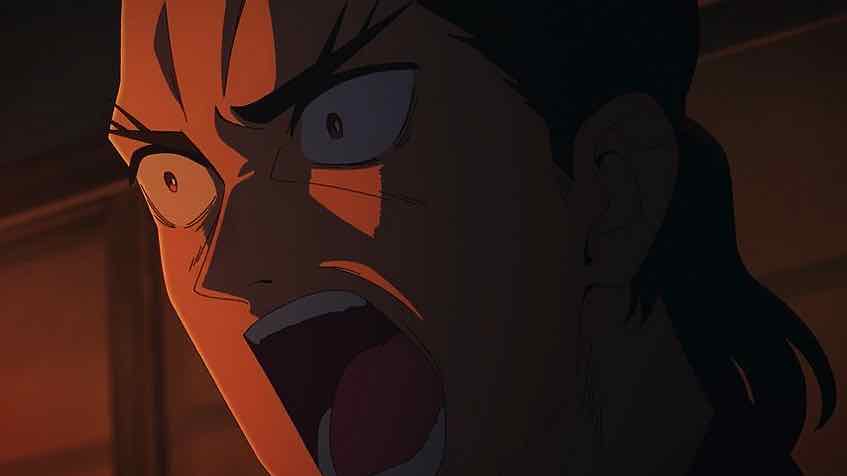
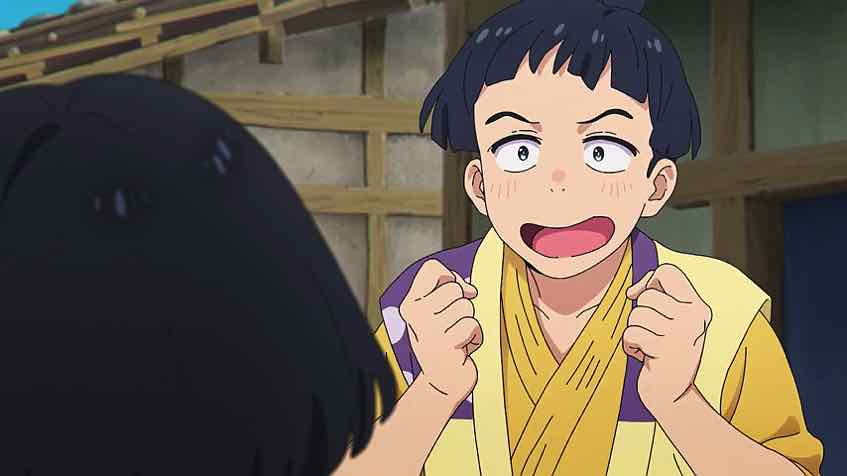
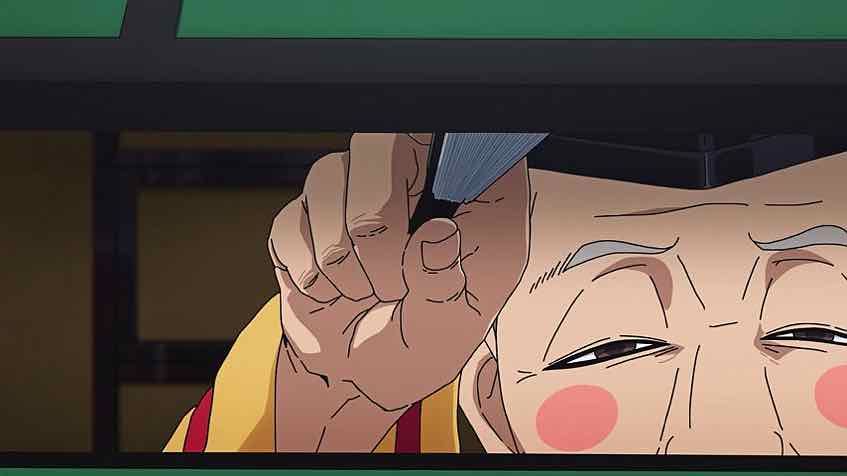 The problem is that great events are in the offing, and there are ways in which Oniyasha’s childishness poses hardship for others. Like Juunigorou (Ishiya Haruki), one of the young Kanze support team and a boy who dreams of being a performer himself. Unlike Ishiya (the character, not the actor) Juunigorou resents Oniyasha for his selfishness and the cavalier way he approaches his responsibilities. And that Kan’ami gives Oniyasha the crucial Senzai role in Okina, the play/ritual the Kanze will perform for the Shogun. And while he’s off enjoying simulated sex in a rice field, he’s missing the crucial rehearsal for that performance.
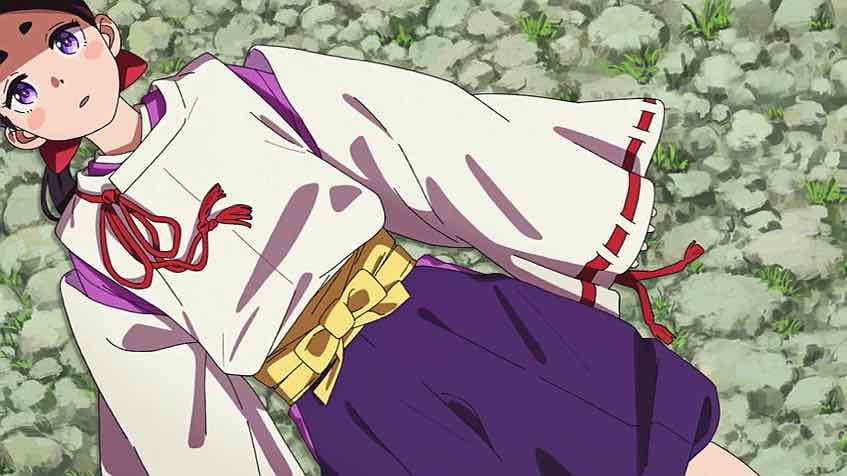
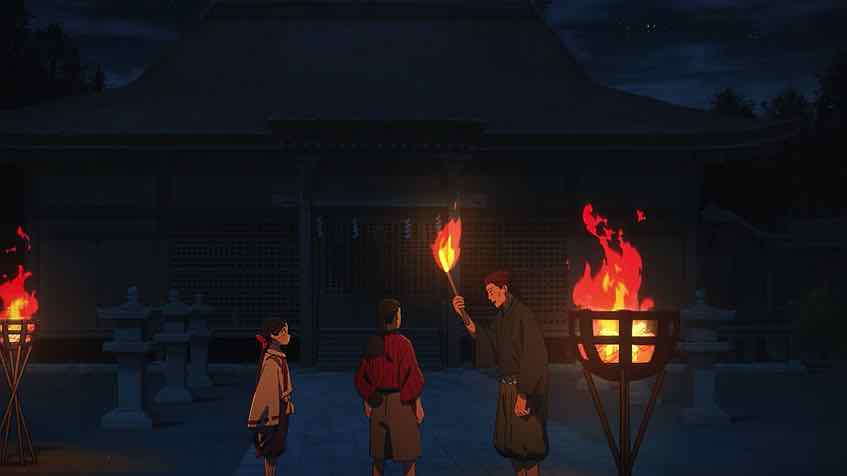
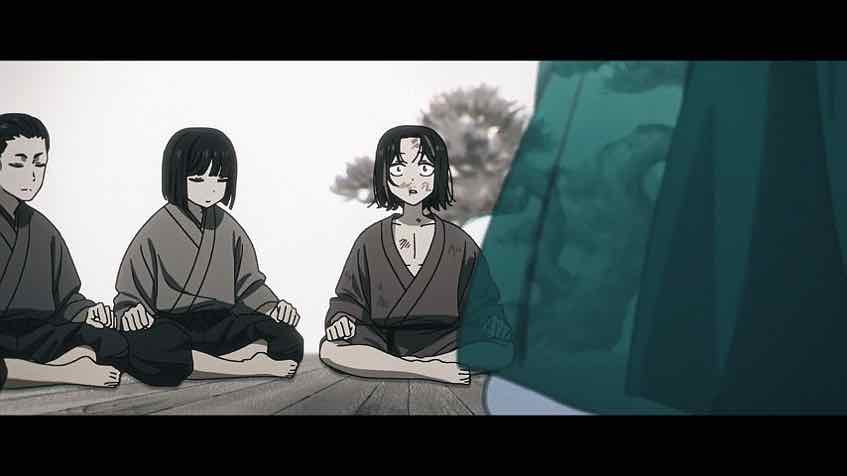
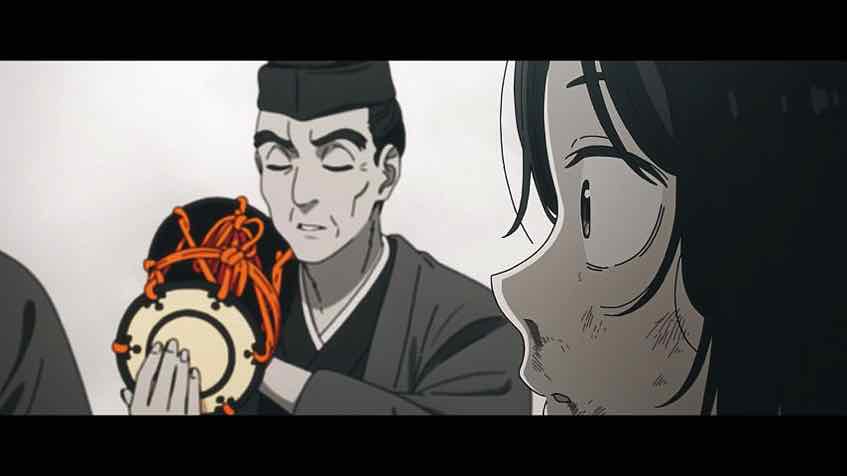
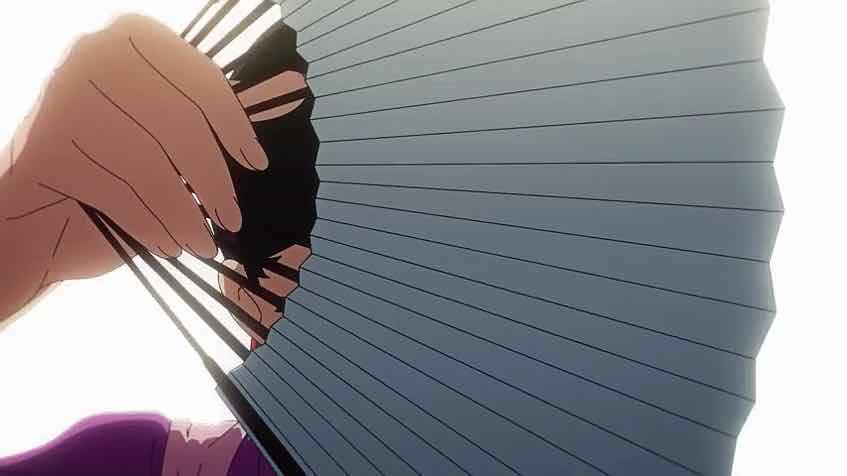 Okina is unlike any other Noh play – an ancient and mysterious Shinto ritual that dates back to at least the 10th Century, and requires strict purification rights for anyone performing it. For Oniyasha to effectively disrespect it is offensive to Juunigorou, though his rage has a selfish component to be sure. The thing is, of course Oniyasha has no intent to disrespect Okina or the troupe – his transgressions are based on thoughtlessness. Children behave in childish ways, but Oniyasha’s missteps literal and figurative are there for the world to see.
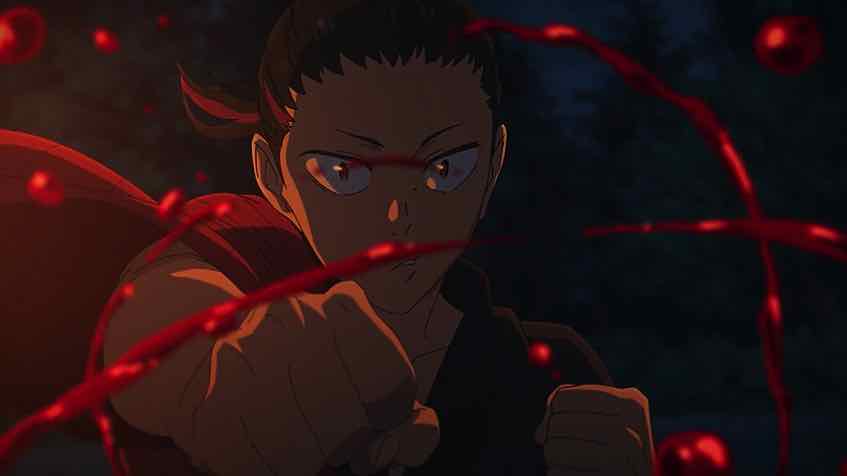
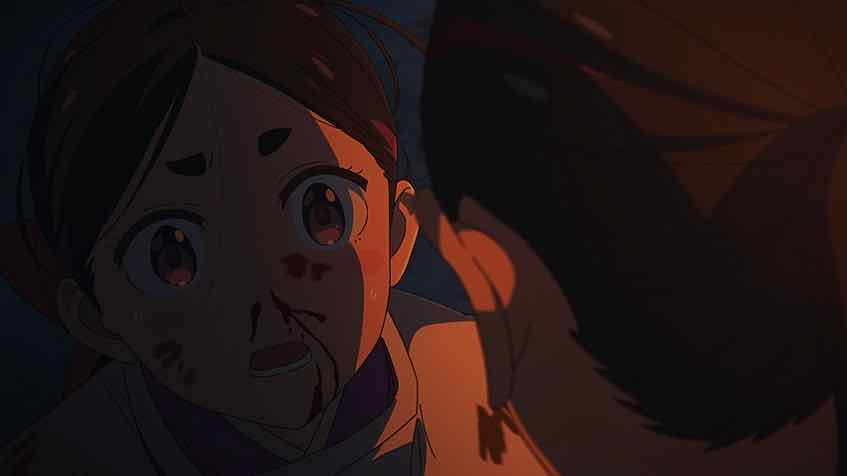
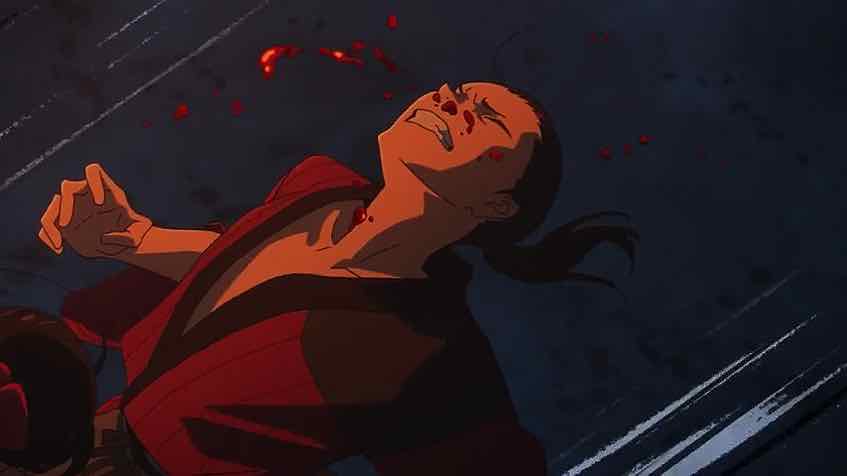
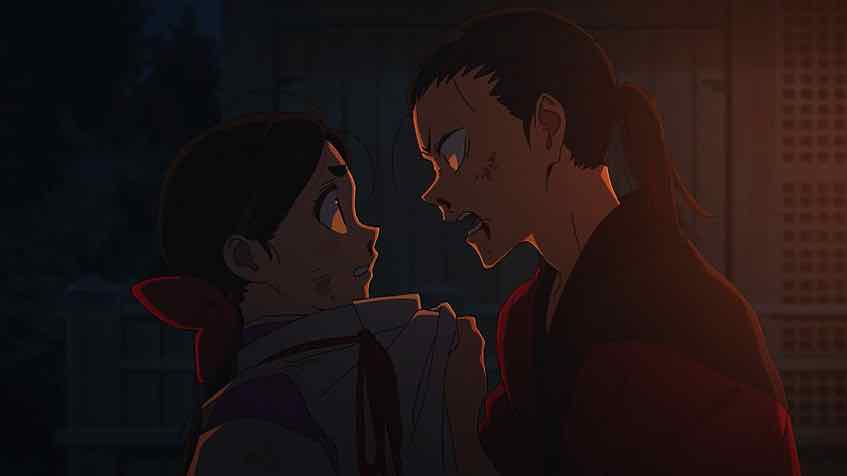
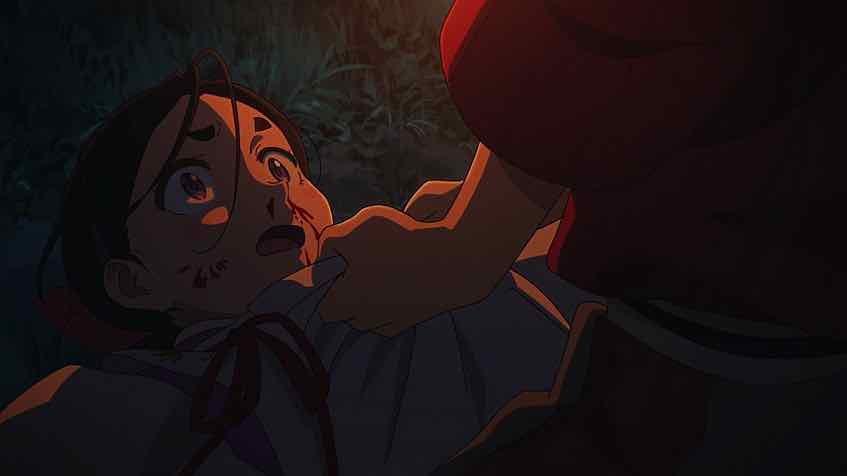
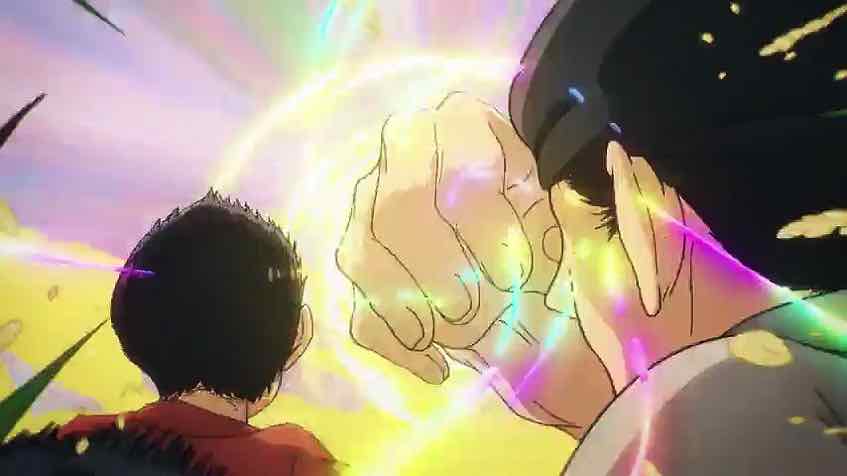
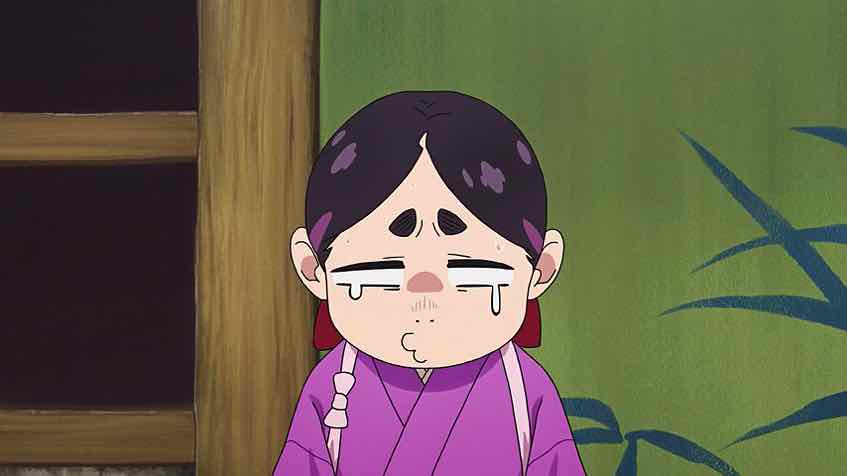
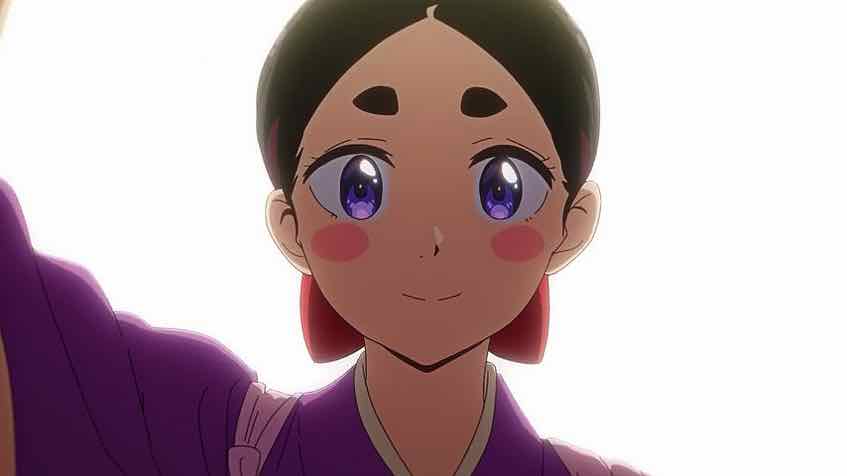 “Those who know their own shame become strong” the troupe’s master tells Juunigorou after he’s committed a grave transgression of his own, punching Oniyasha in a fit of pique. He’s a child still too, of course, but his mistake will likewise have consequences. “Change itself, is water to the flowers”. A metaphor for childhood? It could certainly be taken that way. The child of any two days, any two moments is a different person. And Oniyasha is not Kan’ami – he’s himself. He may not fully grasp who that is yet, but experience of discovering it is the story of Zeami and the Noh he created.