



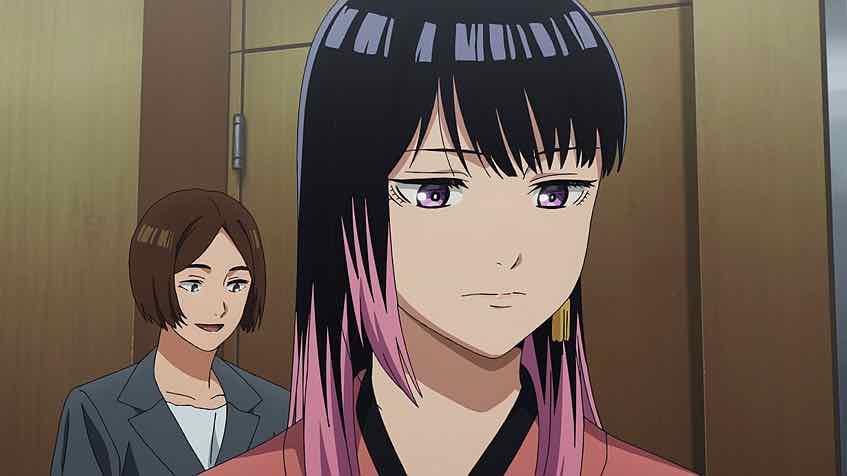
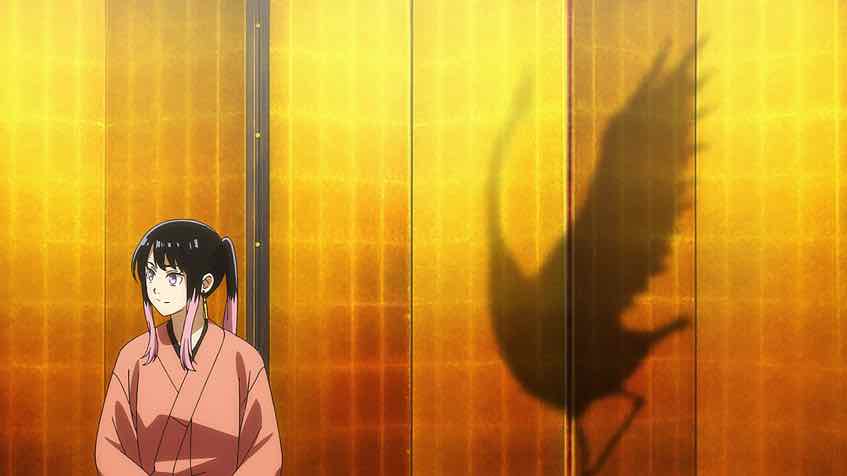
 It’s notable to me that this episode – and to a lesser extent the chapters that spawned it – hit me quite differently than Akane-banashi usually does. As a rule I fall into the “kind of like” pool with this series. It tends not to elicit strong feelings in me one way or the other. But this episode – and when I say “episode” I mean in the larger story sense – is different. It calls out the ways Akane-banashi can actually be quite insightful and emotionally resonant. But also – especially in anime form – the limitations that will always prevent it from truly leveling-up.
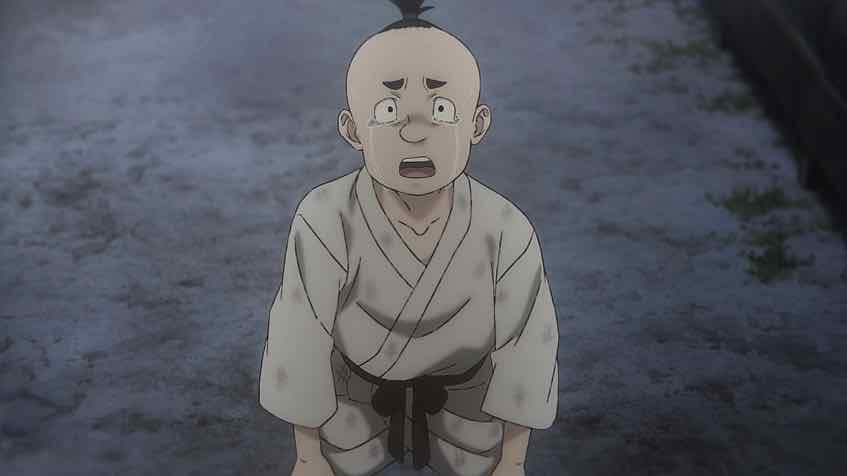
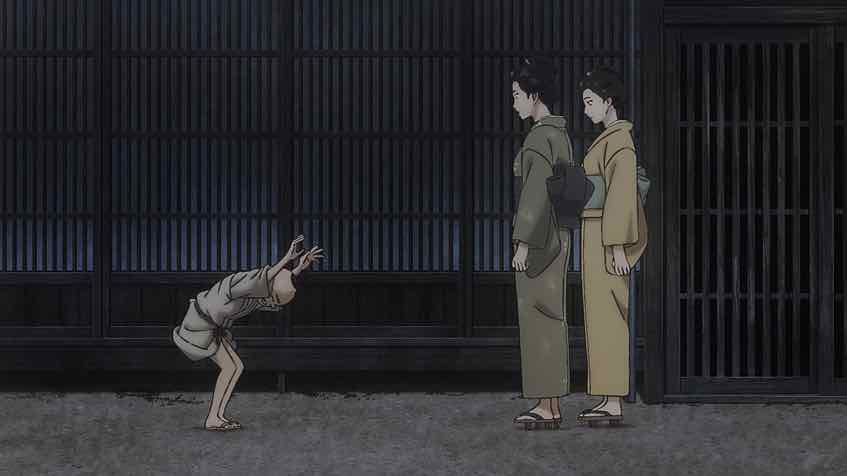
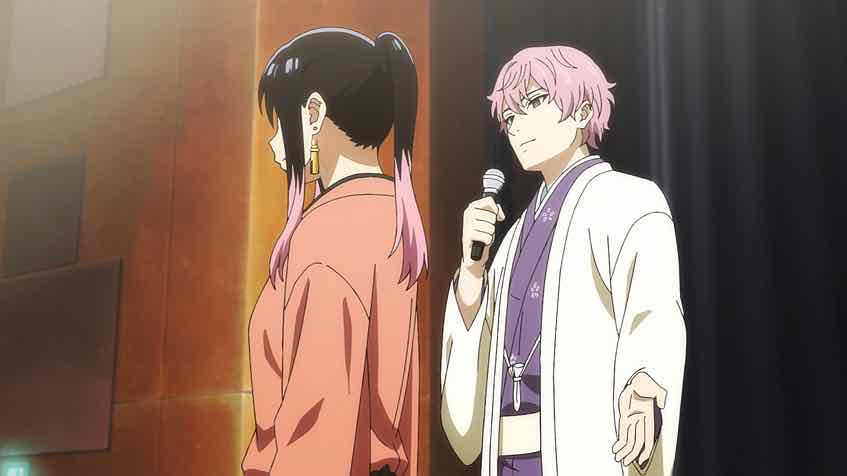
 It’s also full of ironies, it must be said. Like the fact that limitations are part and parcel to the role of “Jugemu” both in rakugo and in this series specifically. It’s the most eponymous rakugo story there is. As Koguma notes, this is an audience full of amateur rakugoka – which means not only that they can all perform “Jugemu”, but that for many of them it’s the only hanashi many of them can perform. A tough crowd, in other words. It also limits interpretation, which is the reason Shiguma chose it for Akane as a vehicle to teach her a lesson she needed to know. But not totally, which is a subject I’ll touch on in a minute.
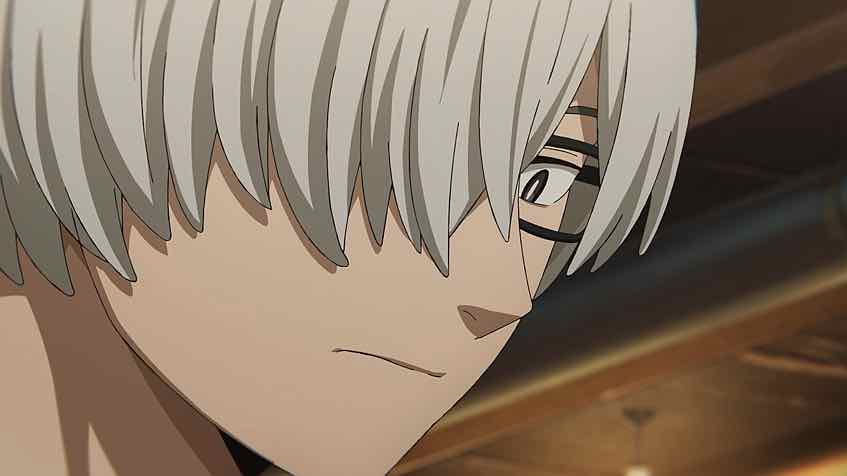
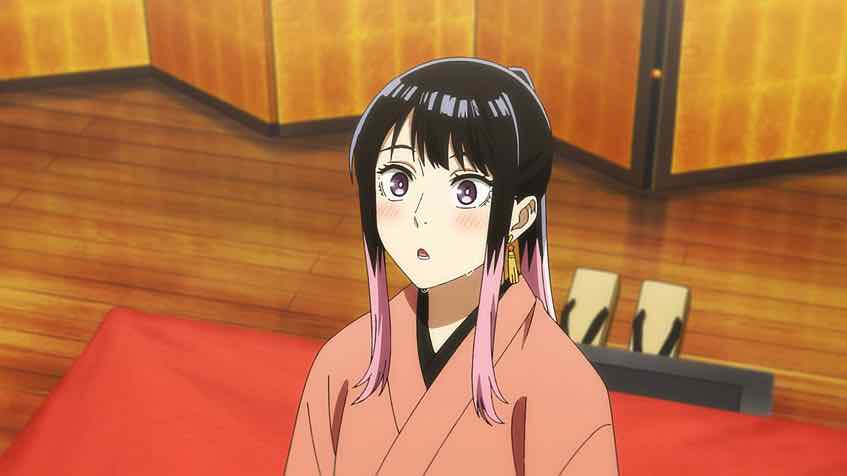
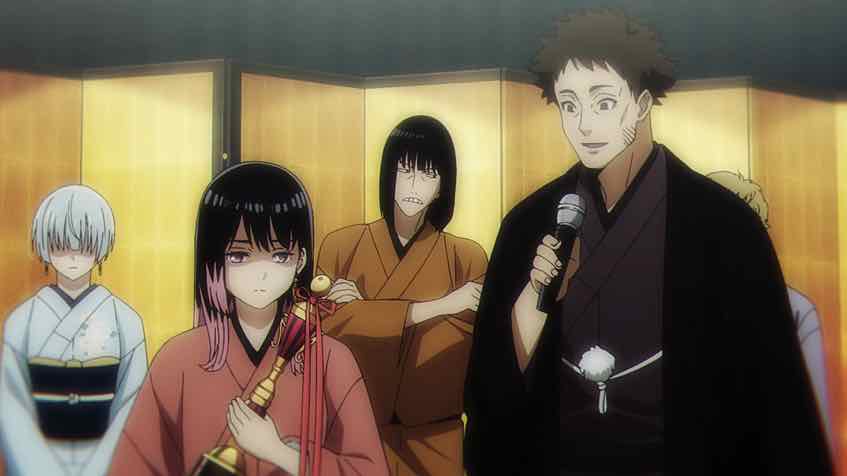
 The contrast here is obvious. With Karashi, but most starkly with Hikaru. Of the three, it might be said that Akane was the only one really performing rakugo. Hikaru, especially, did something that was almost like a rakugo cosplay. Very effective, but in every sense about the performer and not the story. Karashi, I would argue, actually does a fairly traditional rakugo performance – it’s the material itself that isn’t traditional. Akane takes the professional’s approach – let the characters have the stage. Disappear. I’m reminded of the koto shop grandma’s comments in Kono Oto Tomare.
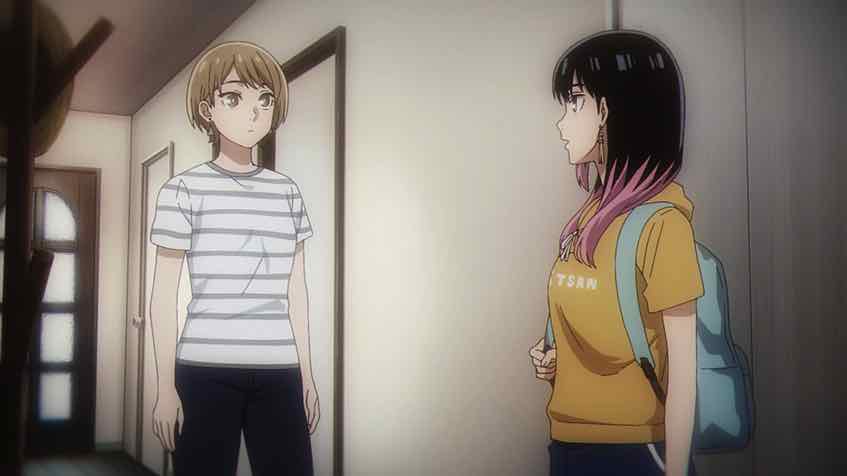
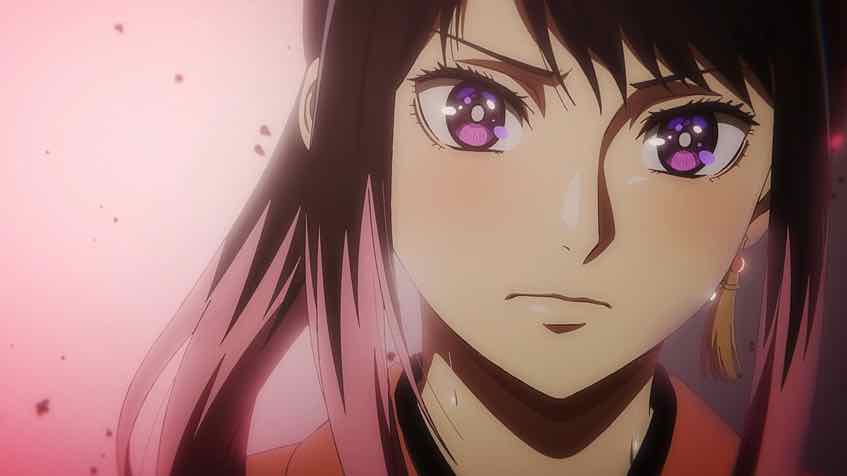
 In Shiguma’s view what Akane was missing was perspective. But that’s to be expected – she’s a kid. A middle-aged adult will have more perspective on these disparate characters’ lives than she will. What Akane does have is an understanding of how the relationship between rakugoka and material is supposed to work – she just has to trust it. And that alone separates her from the competition in a contest like this. Isshou is absolutely right – she doesn’t belong in the Karaku Cup. She isn’t competing against her peers.
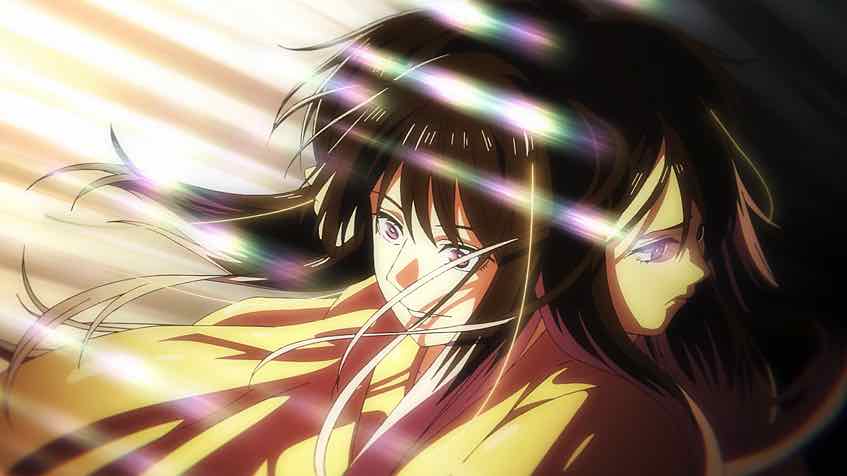
 What of the ending, then – “Jugemu” I mean? For me personally, I think the point the mangaka was trying to make – and Akane’s point from the stage – would have come across more clearly if she’s stuck with the original ending. “Jugemu” was a story intended as a sort of Buddhist parable, and the title character drowns in the end. Sure, Akane is playing on the fact that this audience knows that, and the tension derives from them wondering if she’s really going to do that. But even so, that would have been the courageous move. Something, in my view, Akane-banashi doesn’t make nearly as often as I’d like.
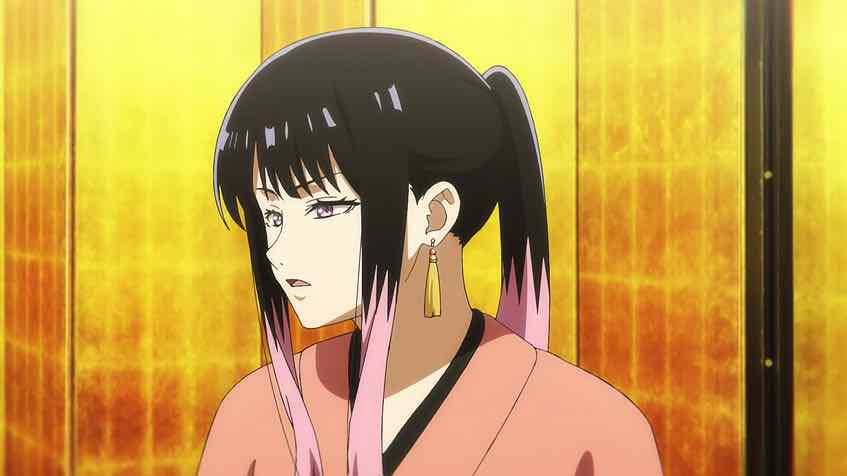 This is one of those limitations I keep talking about. This series almost always takes the path of least resistance, story-wise. Another one is anime-specific, and it’s that Nagase Anna just isn’t that compelling a rakugoka (which is another one of those ironies, too). She did fine here, and we did get some nice stylistic touches with the performance – very nice in fact. But she’s just not special, and that is a problem. And one more, for me, puts in mind of something I said about Chihayafuru – Suetsugu Yuki writes Arata as if she’s in love with him herself. I always think Suenaga Yuuki writes Akane as if he’s in love with her. Not as romantically as Suetsugu with Arata, but in the sort of fanboy sense.
 So again, this is a passage that really elicits strong response from in a way Akane-banashi rarely does. I do think it gets at something really clever and subtle with this arc – but then it has to go and explain it for the audience. In a sense that’s unavoidable. This series runs in Weekly Jump – it’s not a jousei like that other rakugo story, which was subtle all the time and left it to the audience to figure things out. Akane-banashi can never be what I want it to be, and that’s frustrating. But the fact that I care enough to be frustrated speaks to its potential, if nothing else.






















Radityo
June 7, 2026 at 10:31 pmI have to admit, Kobayashi Yuu’s Jugemu sounds a lot better compared to Nagase Anna’s. But then again, she’s way more experienced. It’s not that the performance is bad, but I’m not wowed.
Also I think you meant Nagase Anna, not Takahashi Rie.
Guardian Enzo
June 7, 2026 at 10:40 pmYeah, my bad, brain freeze.