

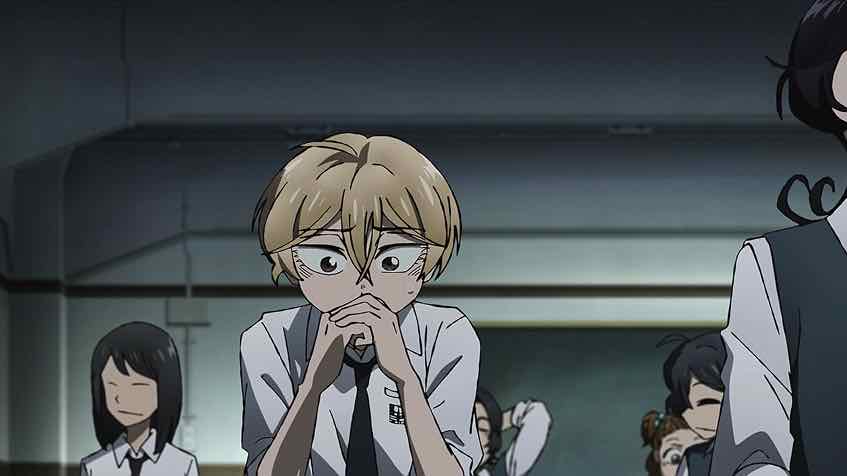
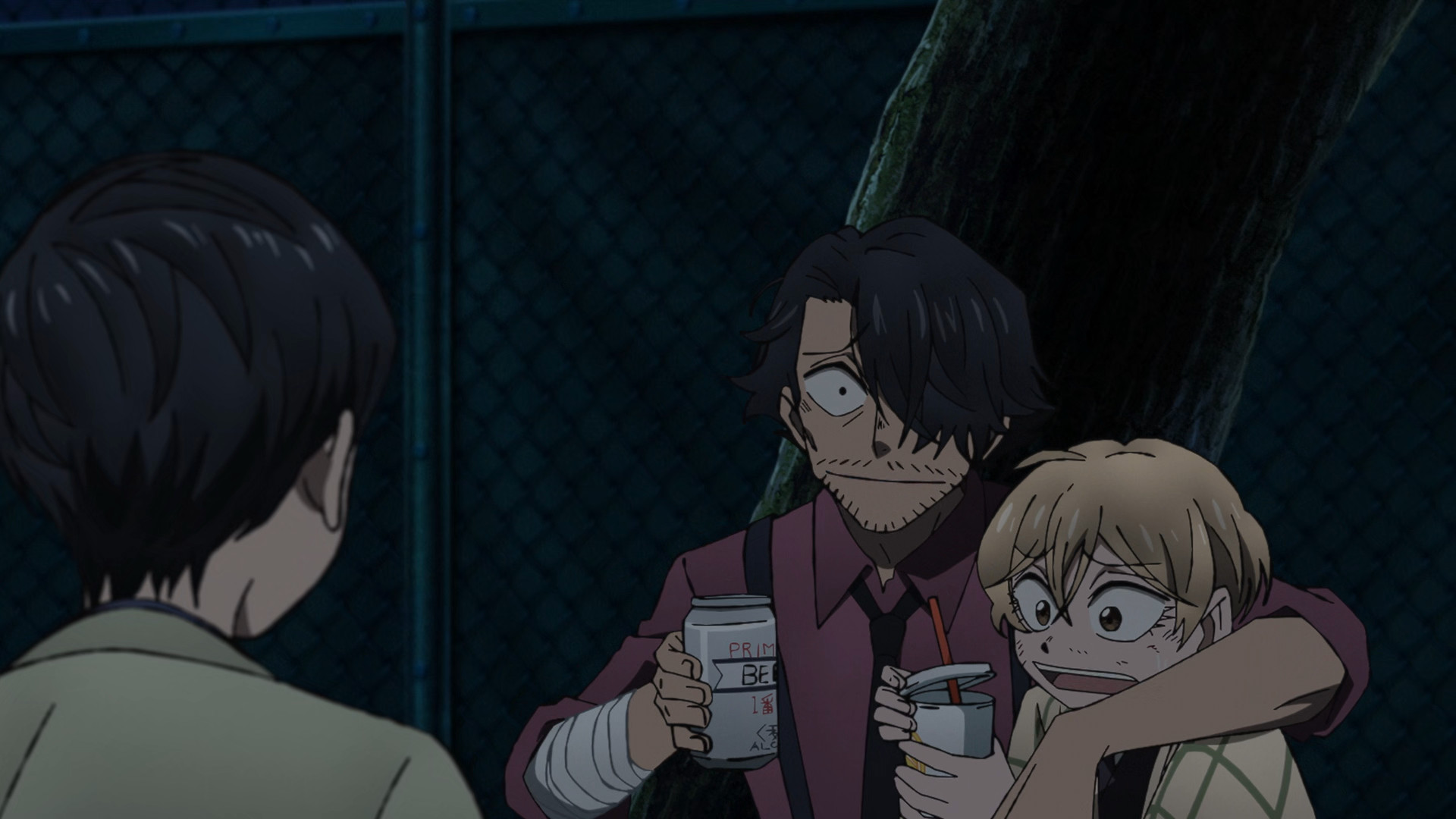

 And so it ends. With no sign of plans to continue, Sanda’s adaptation pretty much just stops in the middle. The anime used exactly 43 of the manga’s 142.5 chapters, making no overtures towards a neater or more definitive conclusion. That’s frustrating but it’s at least true to the mangaka’s intentions with this arc of the series. As “read the manga” endings go I’ve seen a lot more abrupt – intermediate though it may be, in some respects this was conclusive. And certainly reflective.
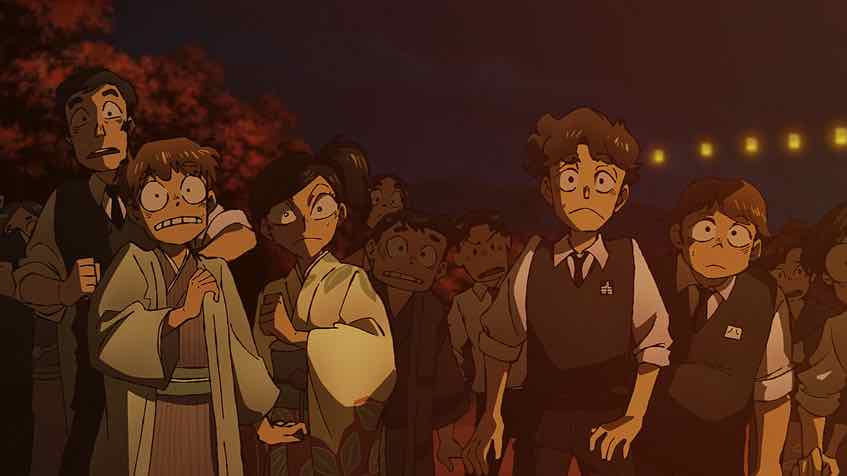 Itagaki Paru is a fascinating and frustrating mangaka. She’s about as intellectually dense as they come, always probing and feinting at big questions. My experience with her is this series and Beastars, and both of them at times seem a big unfocused – as if Itagaki-sensei herself isn’t sure what she wants to say, and is just letting the story flow under its own power wherever it will. I think that’s less true with Sanda than Beastars, in that here at least I’m pretty clear on the themes she’s exploring. Objectively I would probably say Beastars is the better series – it’s certainly more explosive. But there are ways in which I find Sanda the more satisfying.
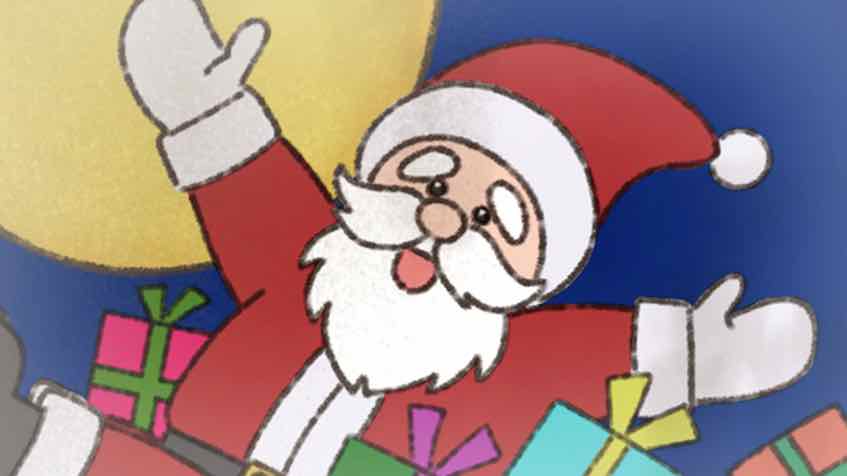
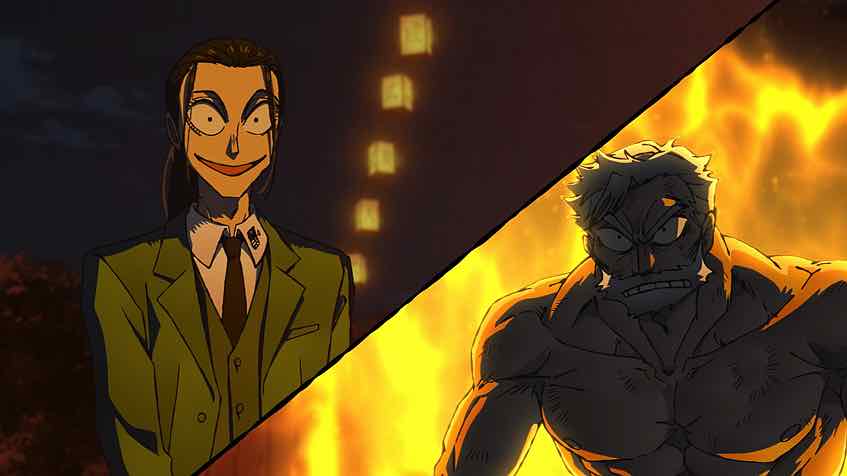 That said, these final two episodes aren’t the most satisfying part of the series. I was never that interested in Sanda as a battle show, first of all, and too much of them was spend with Santa getting his ass kicked by little girls and old men. Sanda himself raises another issue, though, which is that in the end the whole Santa thing is kind of an unformed idea. Why does he exist? Why is getting himself shot through with a hundred bullets? To get children to believe in him? Okay, but that really just changes the question to “why?”. Why is that important? There are some suggestions as to the answer but no more than that. To be fair, that may be a matter for the subsequent hundred or so chapters to sort out.
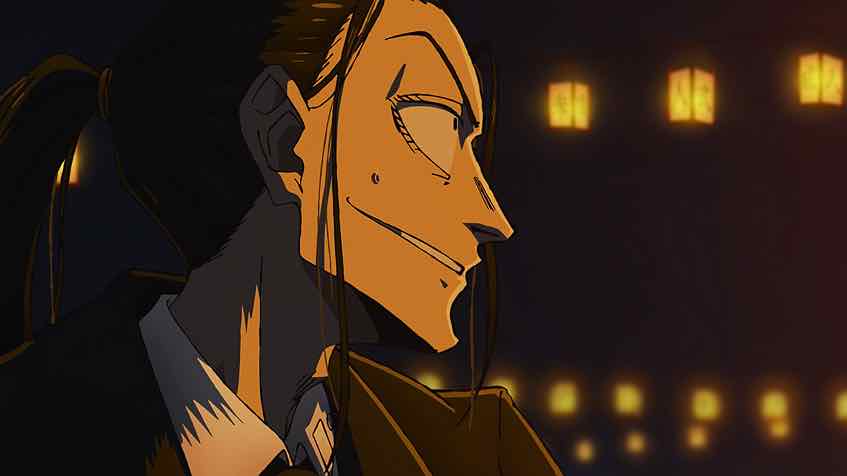
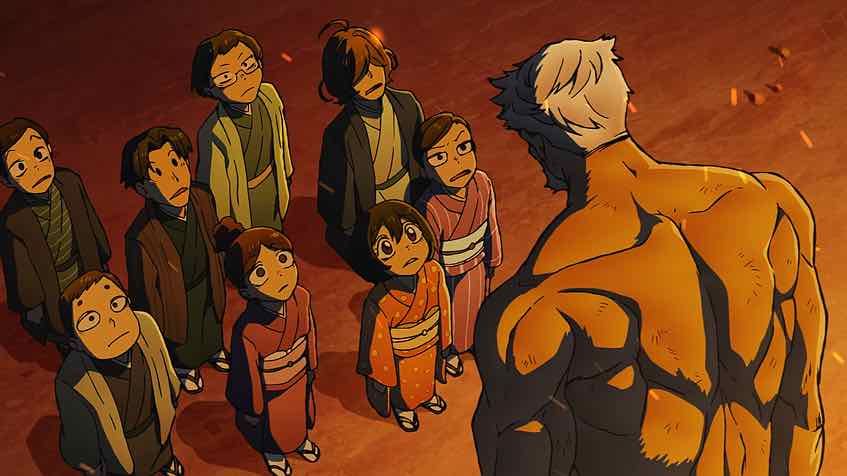
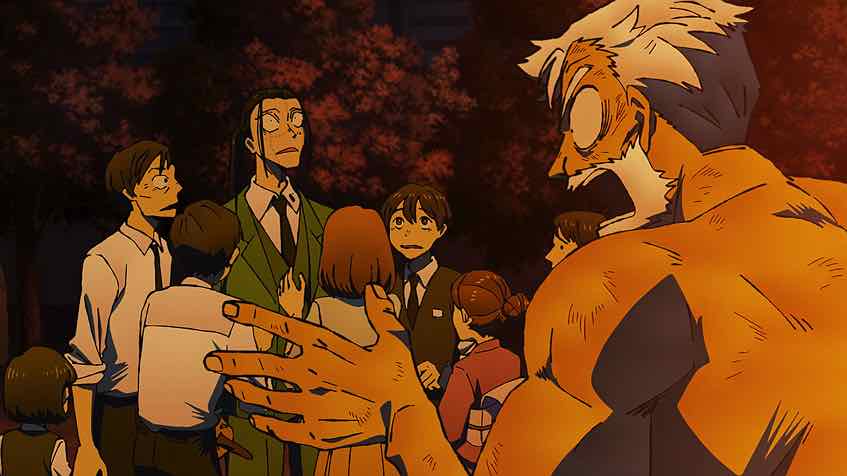
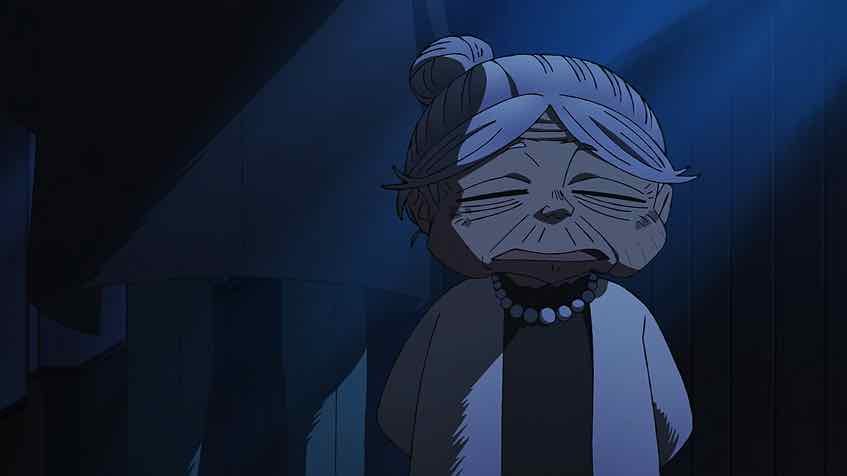
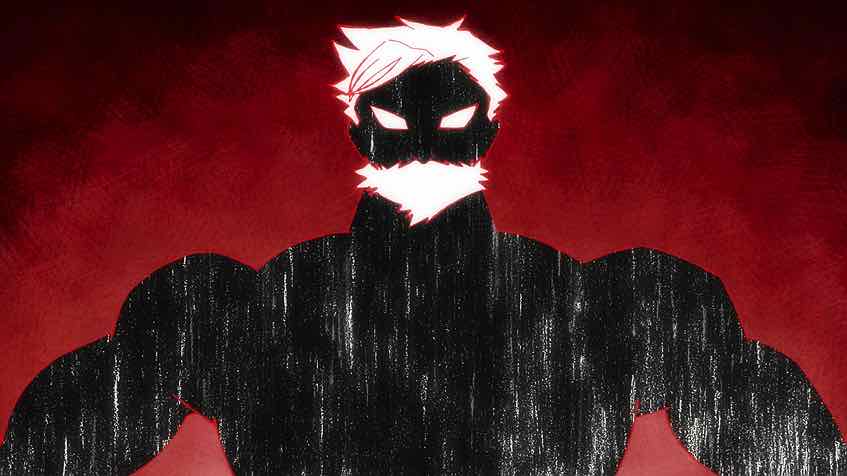
 Ooshibu is a bit frustrating as a big bad too, for that matter. But I get his role in the existential exploration Itagaki is undertaking. He’s vanity, the personification of this world’s sick obsession with youth. He’s even a bit like Santa in that he yearns for the belief of children to make him stronger, though its impact isn’t literal but directly related to his colossal ego. Their belief he craves – their pity on the other hand is toxic to him. I have no doubt that Respect For the Aged Day is his least favorite holiday.
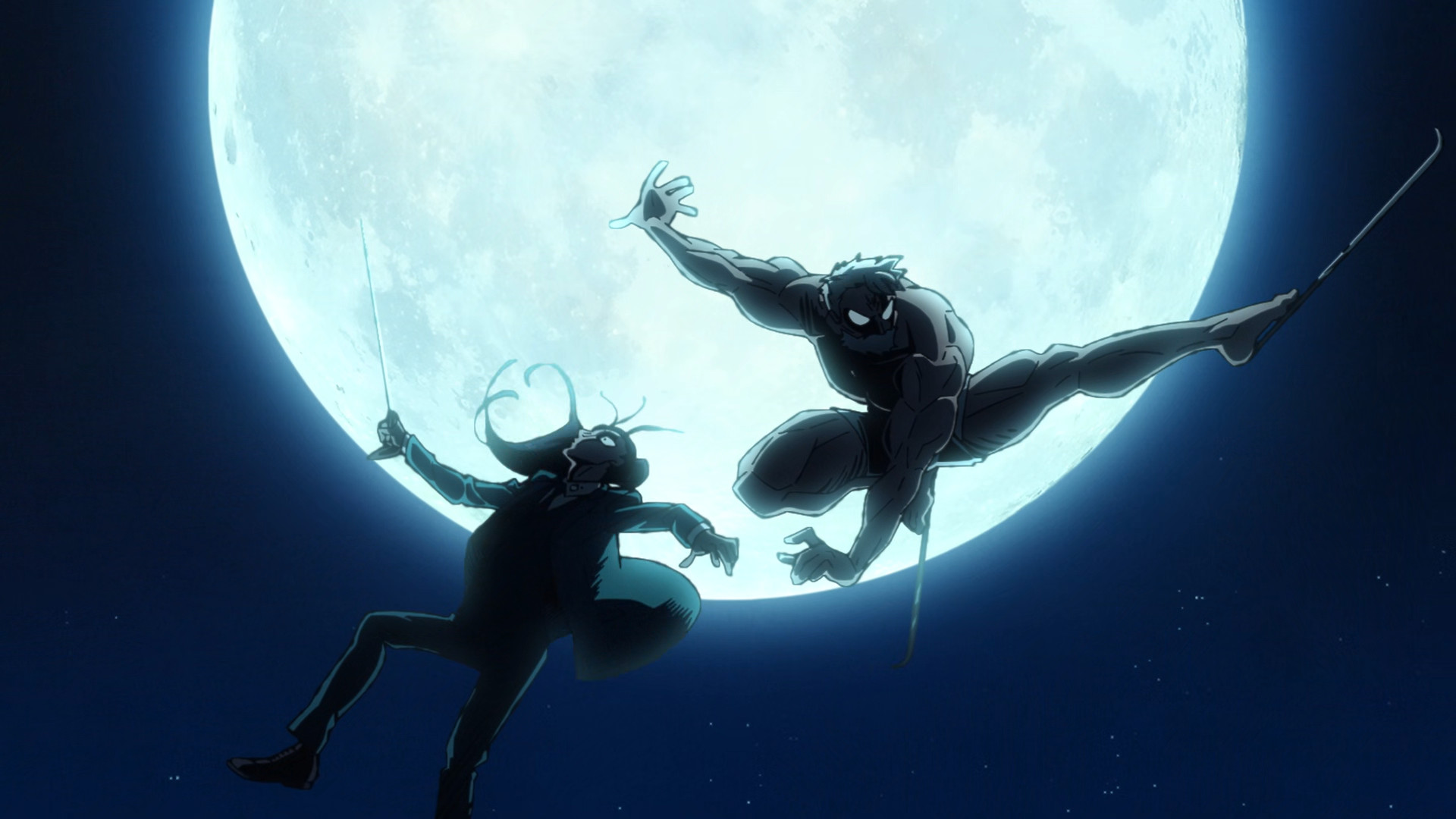
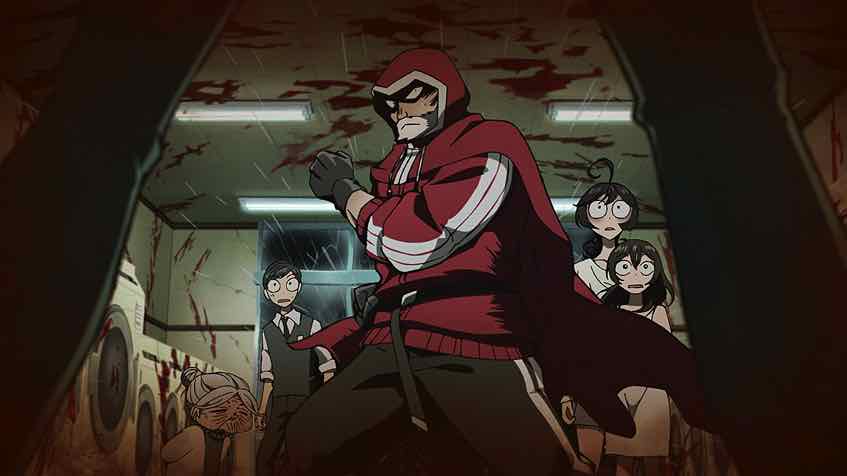
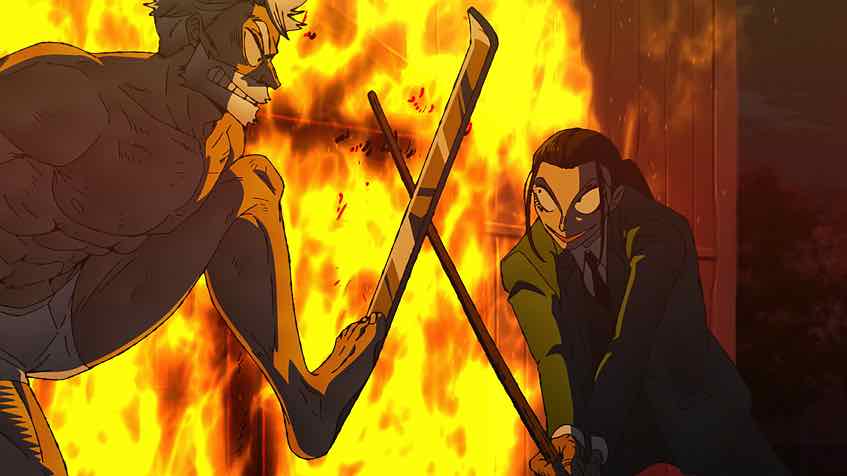
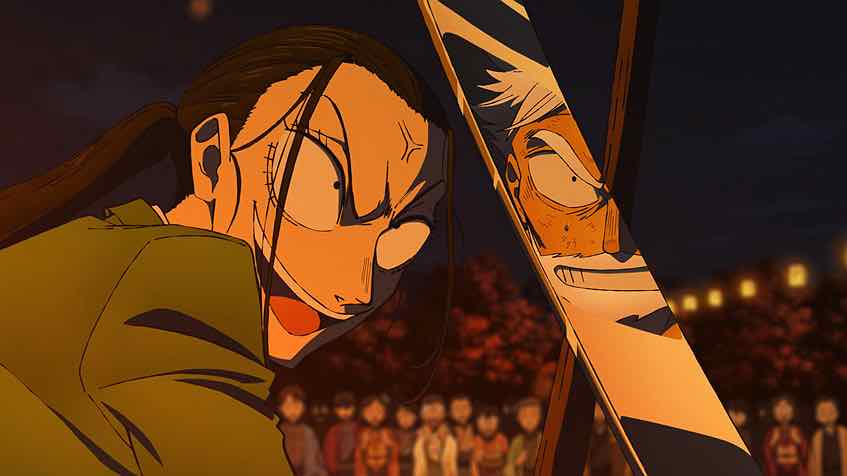
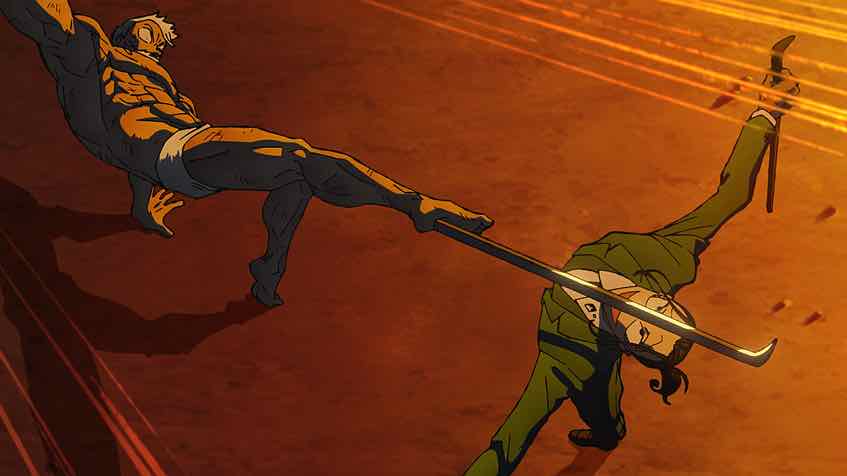
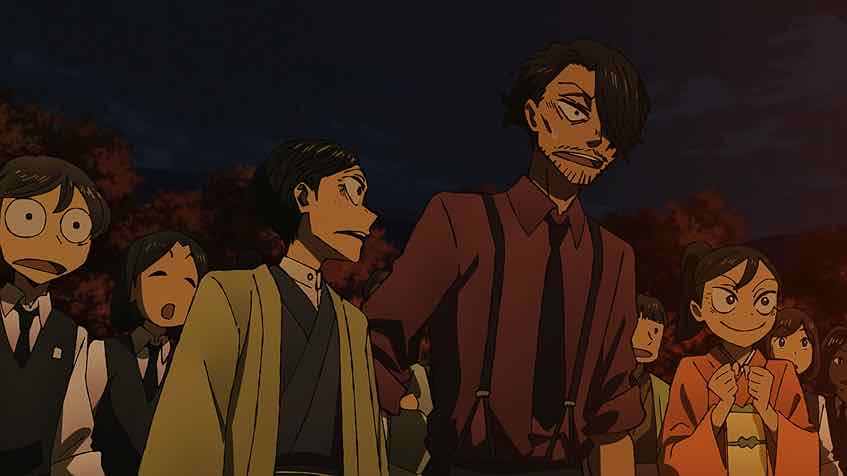
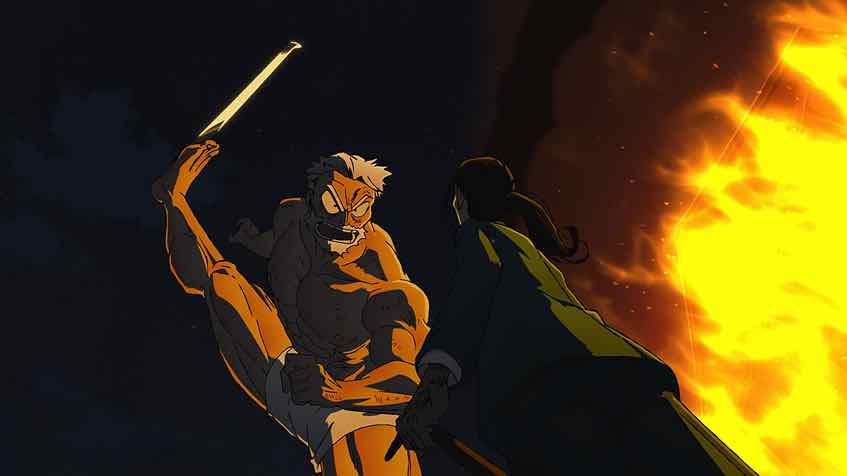
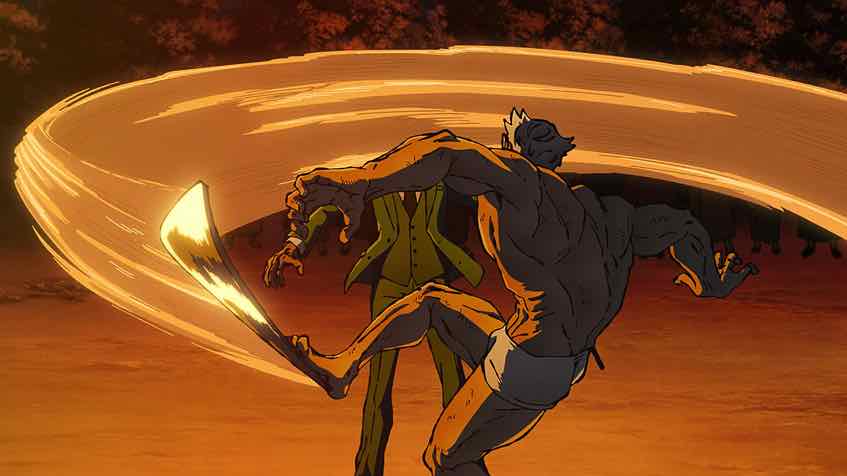
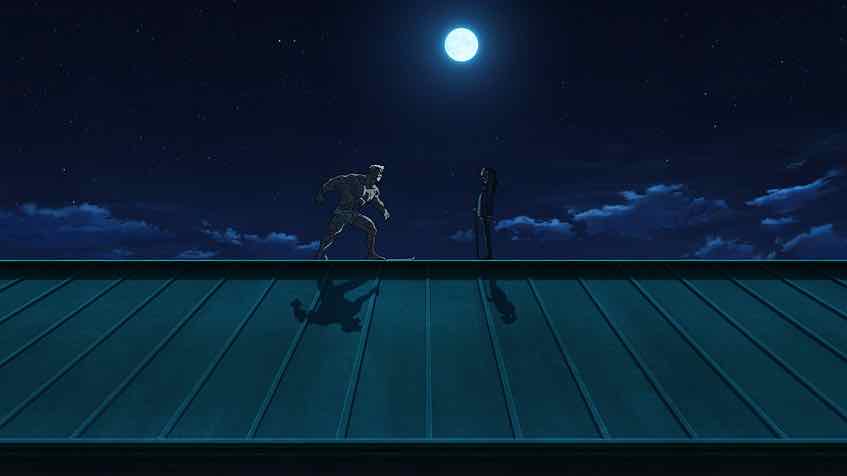
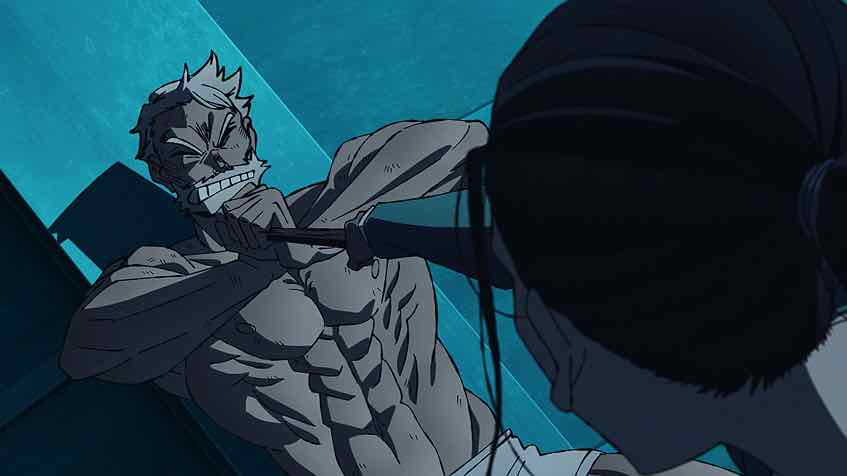
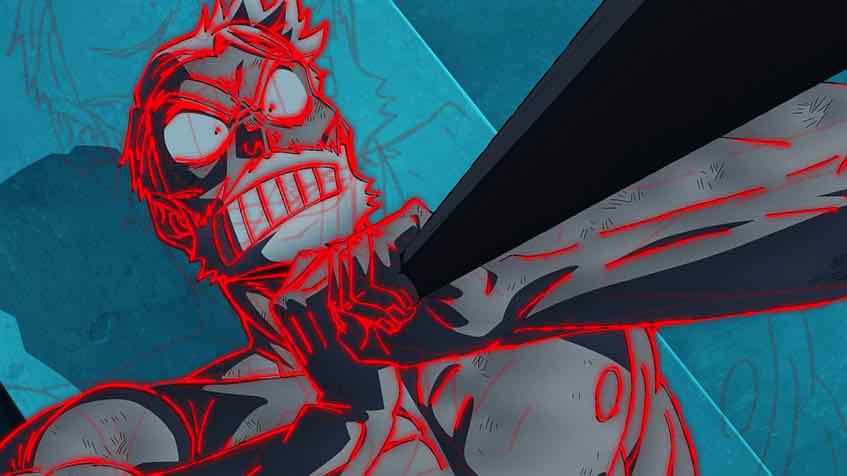
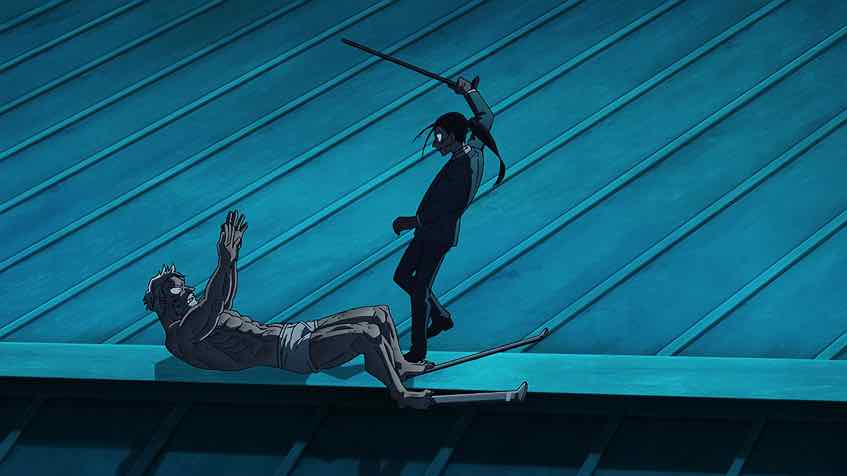
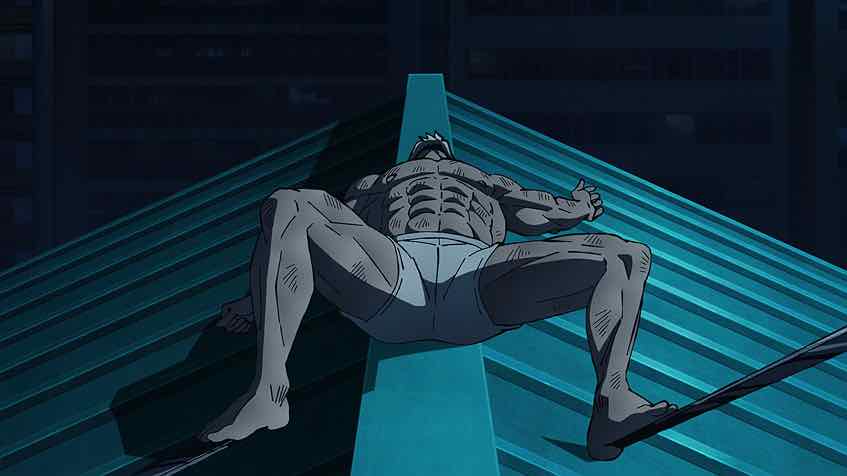
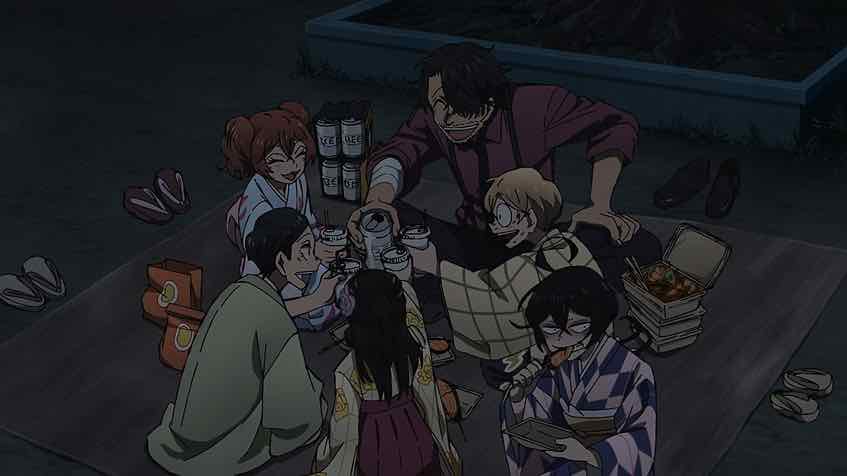
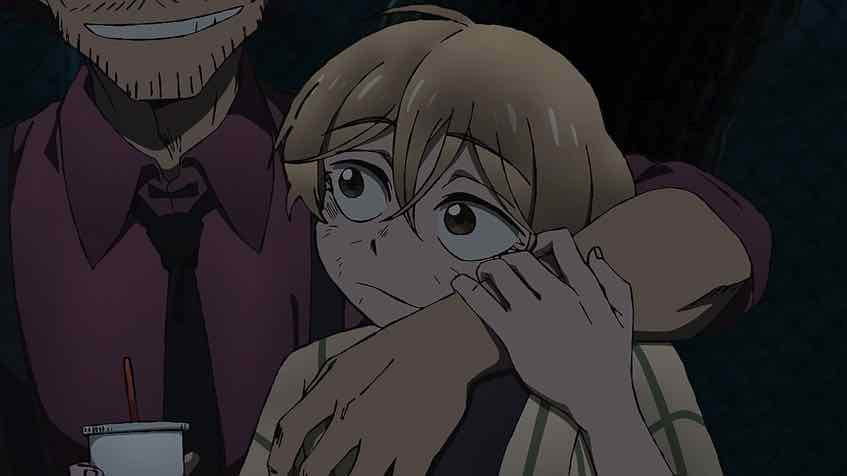
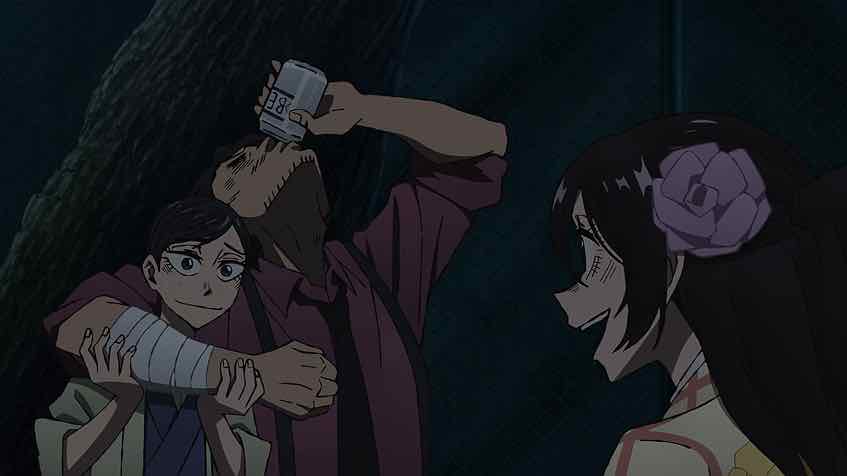
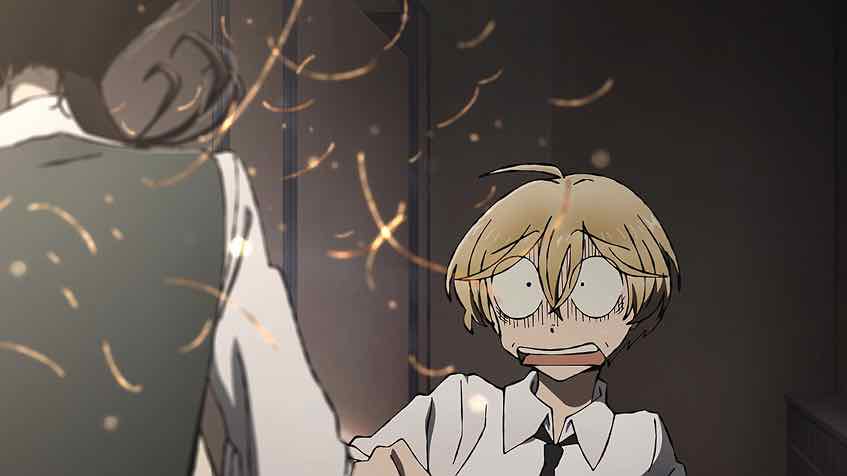
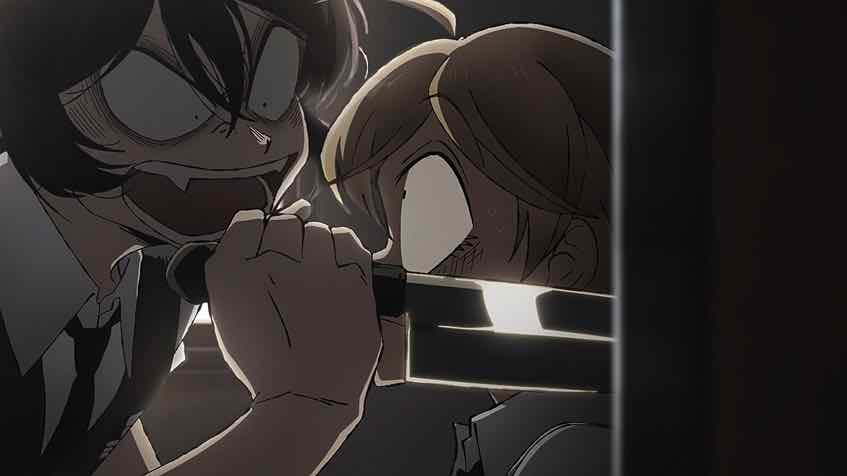
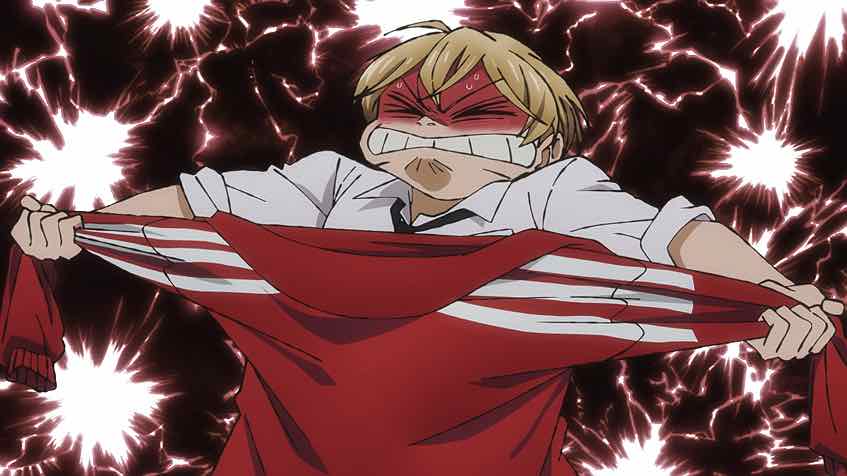
 Santa’s power-up – riding the wind like a parachute – is what eventually turns this battle (and is presumably how he’s supposedly able to fly in his sleigh). But honestly, this ends in a draw more or less – more whimper than bang. Santa gets pushed off the roof and Ooshibu walks away (later we’re told by Yagyuuda that he’s gone away on a “business trip”). Yagyuuda declares that it’s time for a good-for-us party, which Oona and Fuyumura leave early because they have other business. And in that way this finale is a final as it gets.
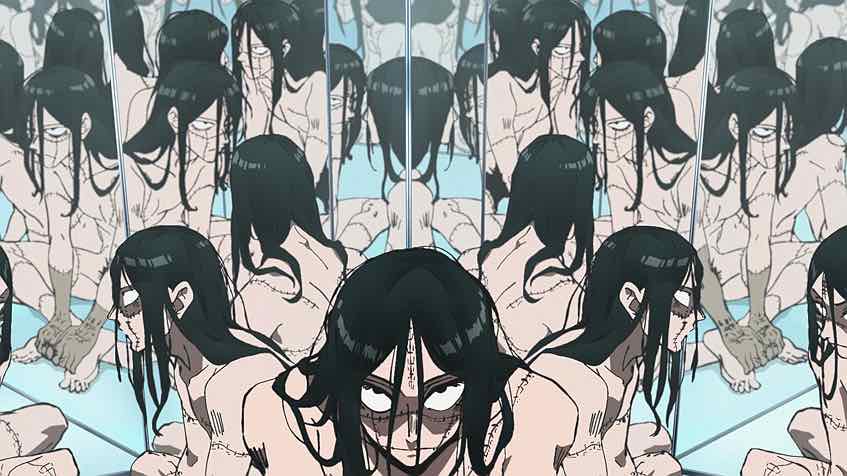
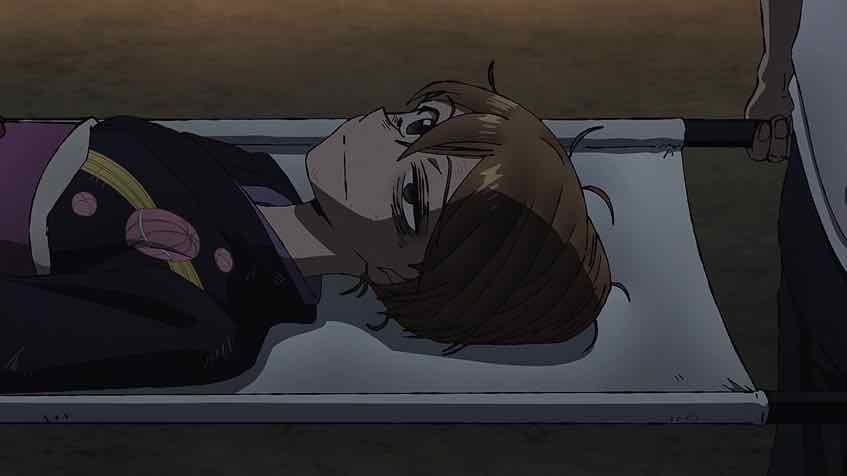
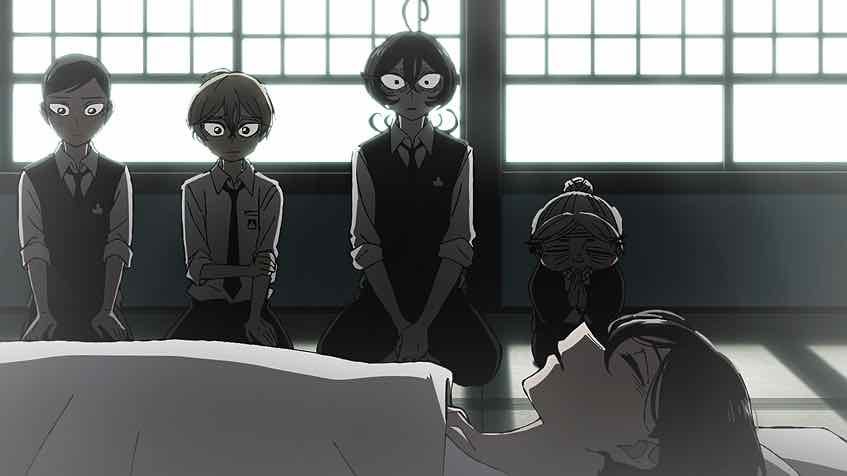
 Oono’s end was more straightforward than I expected. She just dies – after at least hearing Fuyumura tell her she loves her. I thought there might be something deeper and darker in store for her but no, that was that. Apparently a child’s body can’t take the strain of growing up all at once – it’s not supposed to happen until they turn 18. That in itself has an air of metaphor to it to be sure. Oono of course has made a wish of Santa – to handle Fuyumura’s “after-care” and make sure she doesn’t cry alone. Since she was technically a child when she made it no matter what she looked like, I suppose for Santa is would still be legally binding.
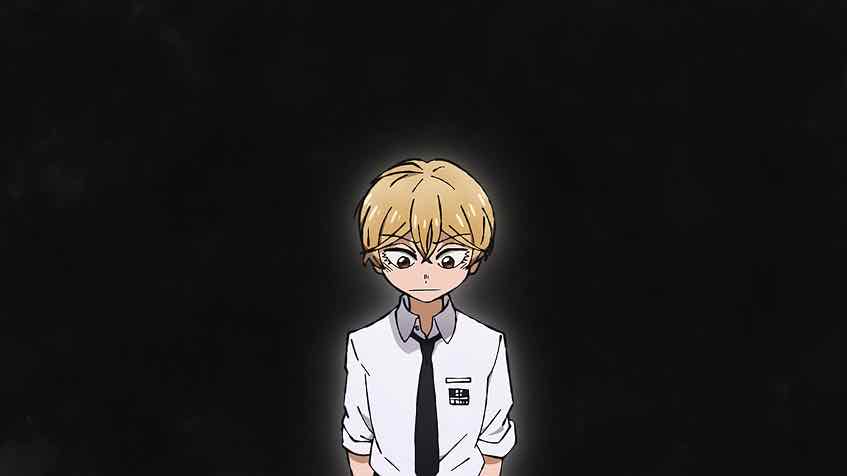
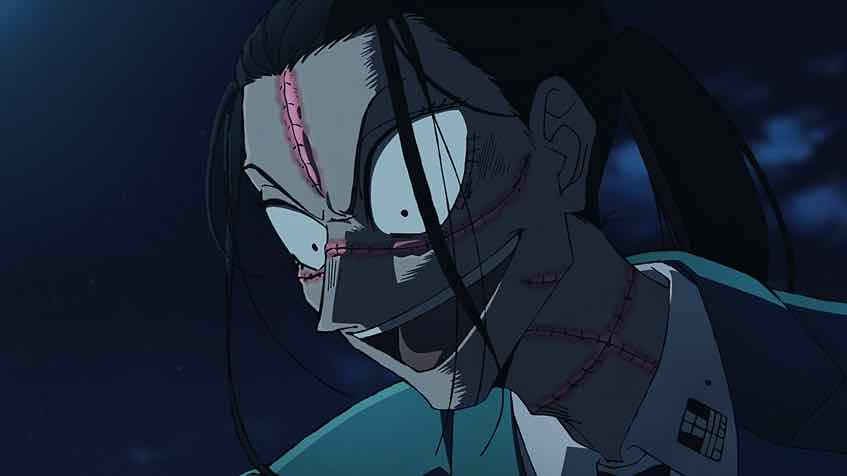
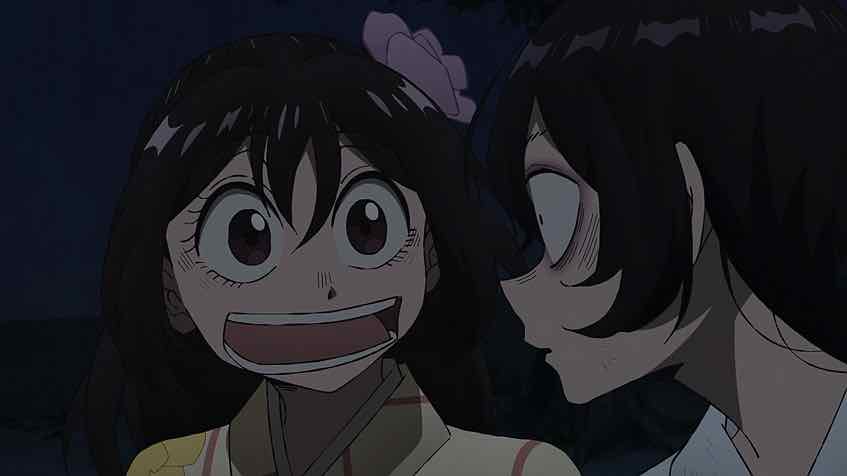
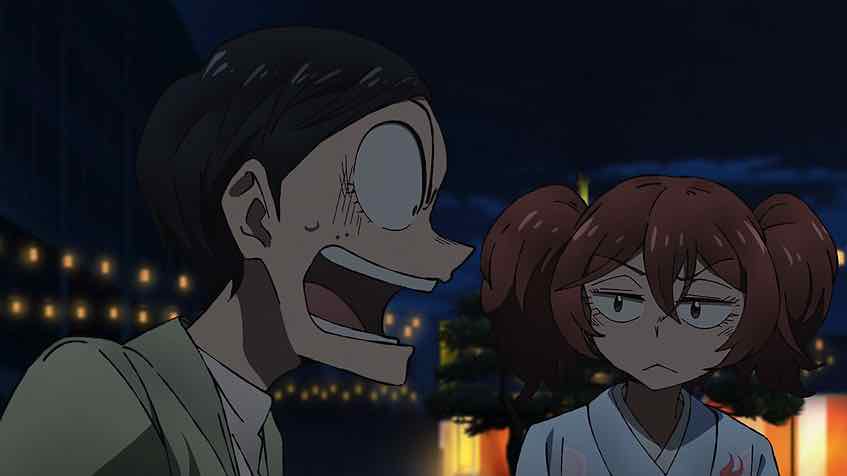
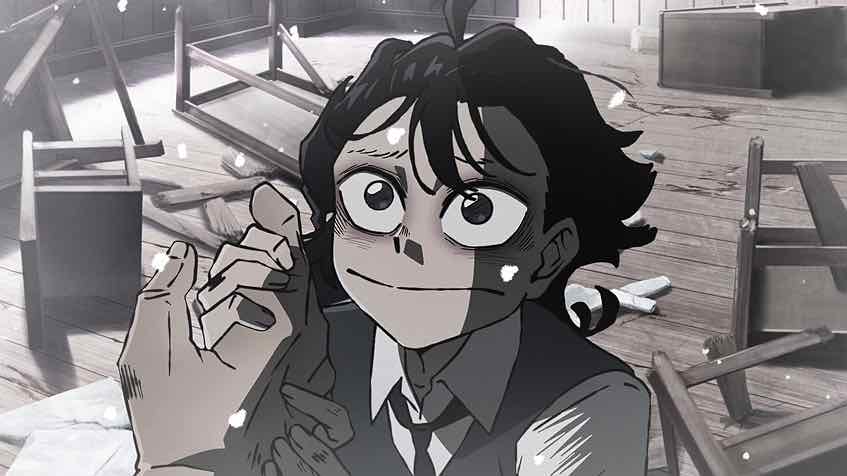
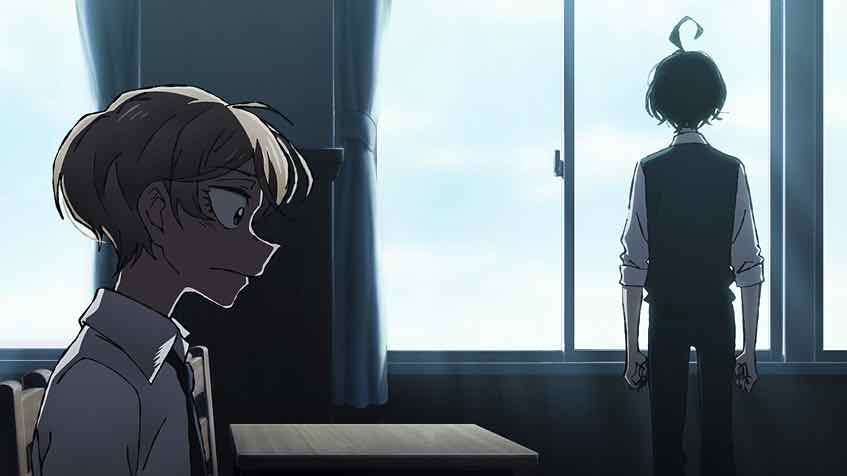
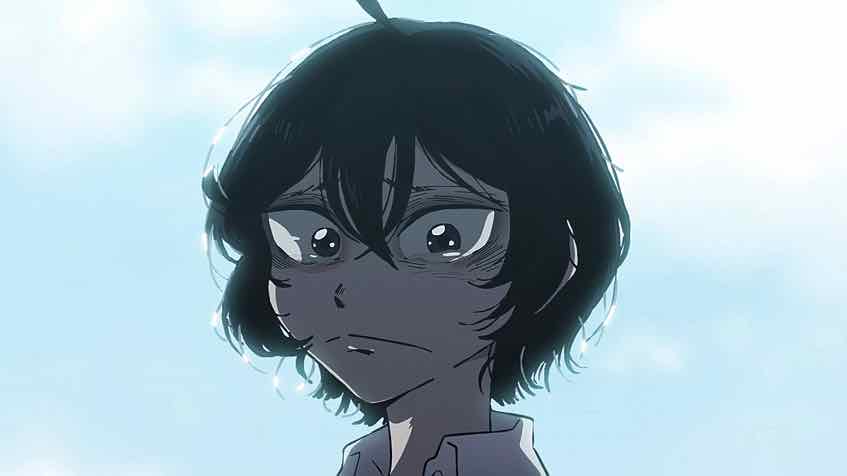
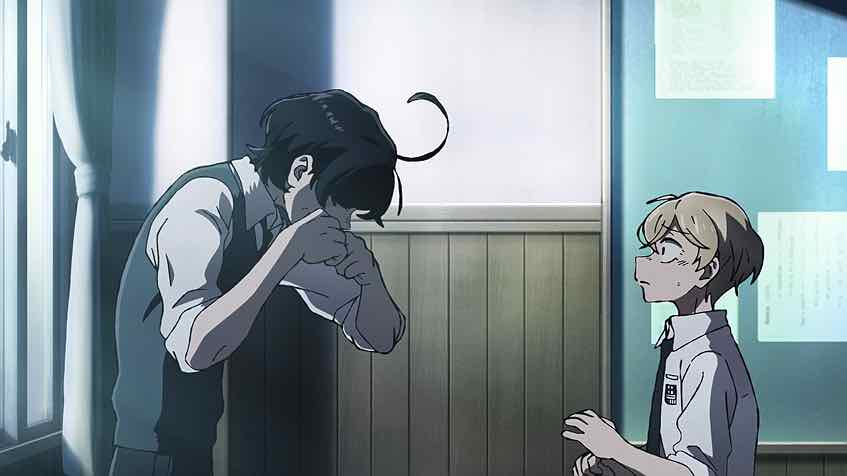
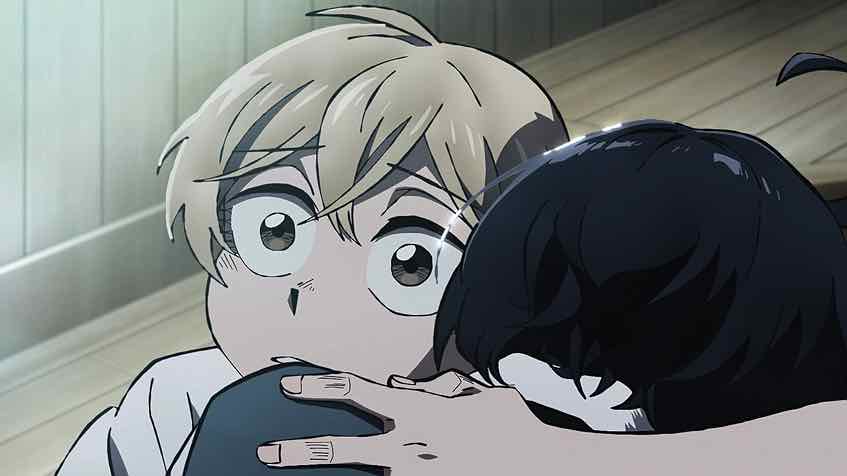
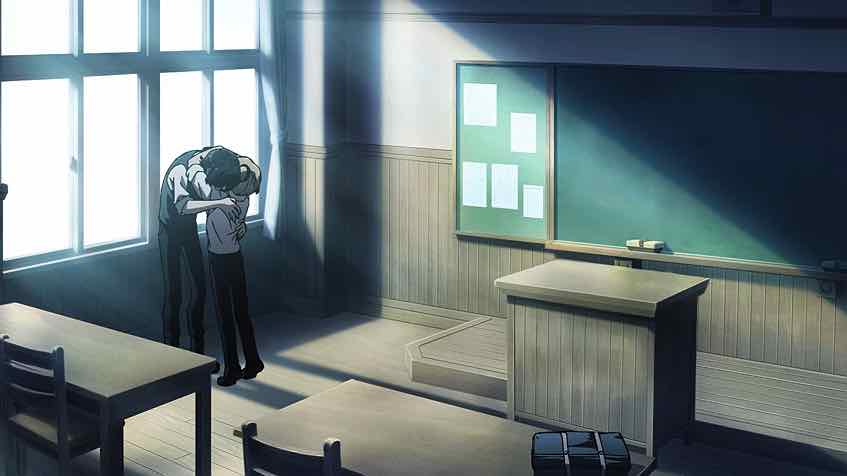
 Fuyumura is true to herself in the end – a 14 year-old brat who’s kind of nuts. No matter how grieved she is she owes Sanda a lot more than she gives him here – much, much more. I was happy the series ended with Sanda in Sanda form, because no matter what curse he lives under that’s still essentially who he is. The final moments where Fuyumura finally gives up and lets her feelings show are the most impactful and honest of the episode, and where it achieves the most thematic clarity. Let kids be kids, get out of their way and let them suffer through it. And wishing you were an adult is an integral part of the experience of being a 14 year-old.
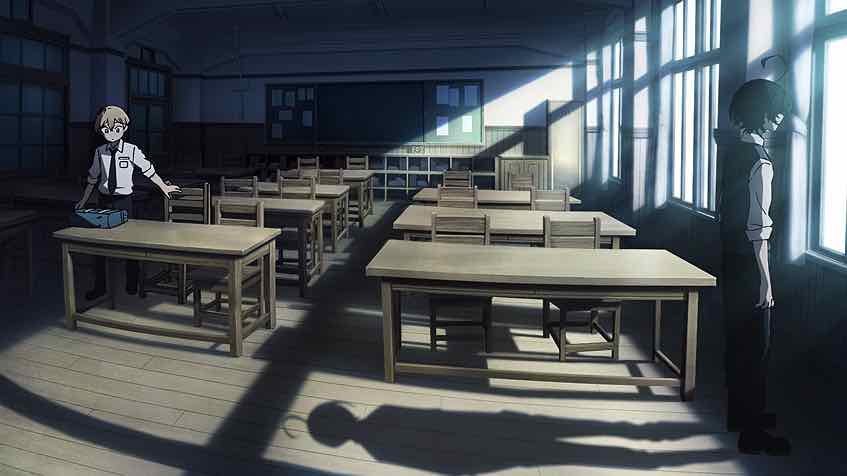
 Flawed, frustrating, fascinating, and occasionally brilliant – that’s Sanda and that’s Itagaki Paru in a nutshell. For me at least Sanda is truthier than Beastars – its reflections on the experience of being 14 resonate more than any single element of that series. It should also be noted that Science SARU knocked it out of the park with this adaptation. It’s consistently beautiful and full of interesting cinematography and stylistic flair. On the heels of Dandadan, it makes the case that the studio has finally arrived on the scene as a major player, one to be watched (and not just in terms of workplace conditions). Even if more Sanda isn’t part of it, I’m anxious to see how they build on their outstanding run of form.







Nadavu
December 21, 2025 at 7:29 amI still strongly believe Beastars was not actually about anything at all. It was vague and abstract enough so that, at first, it seemed like it was a super deep commentary about something, but by the end I felt it it existed in its own pocket universe that reflects nothing of ours.
Guardian Enzo
December 21, 2025 at 9:02 amThat’s definitely possible.
Raikou
December 22, 2025 at 11:56 amThat was a wild ride. I hope we get another season.
If there’s anything I could say, that is Itagaki Paru deserved this adaptation. All of her works certainly never a bland product.
Guardian Enzo
December 22, 2025 at 12:06 pmNo argument here. Always interesting, if often a bit muddled.